


Monfumo
 Hills
Hills
Home to 1,292 people and a centuries-old rivalry between noble families, Monfumo rewards visitors with hill landscapes, local produce and an unhurried pace.
Monfumo: A Hill Village Between Medieval Feuds and Apple Orchards
At 227 metres above the Treviso plain, the hill of Monfumo catches clouds before they cross the Grappa massif. The name itself may carry that meteorological memory: scholars connect Monfumo to the Latin root for cloud or mist gathering around a summit, a detail that says something true about the place even on a clear morning, when thin vapour still clings to the vineyards below the village church.
Monfumo village in Veneto sits in the province of Treviso, between the Asolo hills and the Monte Grappa foothills, and draws visitors with two things that rarely coexist so closely: a layered medieval past visible in the very layout of its hamlets, and a living agricultural culture built around orchards, vines and seasonal produce. With a population of around 1,292 residents, it moves at a pace that larger towns in the region have long forgotten.
Between Clouds and Castles: The Long History of Monfumo
The question of the village’s name opens a small but revealing debate. The most widely accepted explanation ties Monfumo to the phenomenon of clouds forming around hilltops, a natural spectacle anyone crossing this terrain in autumn can witness firsthand. A secondary hypothesis, advanced by the historian Gina Fasoli, proposes a connection to smoke signals used for military defence along the frontier of the Lombard kingdom, though this reading is generally considered weak and has not found broad scholarly support. What both theories share is a rootedness in the physical landscape: this was always a place defined by what happened in the air above it.
Archaeological evidence from the earliest periods is sparse, but the medieval record is comparatively rich. By the early twelfth century, the territory had divided into distinct feudal units gravitating toward the commune of Treviso. The hamlet of Monfumo came under the influence of the Maltraversi family, also known as the da Monfumo, while the hamlet of Castelli was controlled by the da Castelli family. Both clans maintained fortified strongholds, and local tradition places those structures on the same ground where the parish churches of the two hamlets stand today, a continuity of sacred and civic authority that recurs across the Veneto hills.
Both families aligned with the Ghibelline cause and, during the thirteenth century, backed the Scaligeri against the Guelph coalition represented by the Caminesi and the bishops of Feltre and Treviso. Their defeat came not on a single battlefield but through the gradual consolidation of Venetian power: the Republic abolished the local feudal system and folded the area into the podesteria of Asolo, governed by Venetian rectors. The modern municipality of Monfumo took shape in 1810, carved out of Asolo’s territory during Napoleonic reorganisation. It was suppressed again in 1928 and reabsorbed by Asolo, then recovered full administrative autonomy in 1945, a trajectory that mirrors the broader turbulence of twentieth-century Italian governance.
At 31 December 2023, only 31 foreign residents lived in Monfumo, representing 2.4 percent of the population — the lowest proportion of any municipality in the entire province of Treviso.
The Landscape and Places That Define the Village
The Parish Church of Monfumo
Where the Maltraversi once kept their fortified residence, the parish church of Monfumo now stands. The substitution of a medieval stronghold with a place of worship is not merely symbolic: it reflects the transfer of authority from feudal lords to ecclesiastical and then communal institutions that shaped the entire Treviso hill zone over centuries. The church is dedicated to San Nicolò, the patron saint of the village, and its position on elevated ground gives it a visual prominence that echoes the defensive logic of what stood here before. The building anchors the upper part of the village and provides the clearest orientation point for anyone arriving on foot from the surrounding paths.
The Hamlet of Castelli
A short distance from the main village centre, the hamlet of Castelli carries its history in its name. Like Monfumo proper, it developed around a feudal fortification — in this case belonging to the da Castelli family — whose site is now occupied by the local parish church. The two hamlets together formed the nucleus of what would become the present municipality, and walking between them today gives a concrete sense of how medieval territorial organisation shaped the physical fabric of the landscape. The road connecting them passes through vineyard plots and small holdings that have defined the local economy for generations.
The Vineyard and Orchard Landscape
The hill territory of Monfumo is entirely given over to slopes, and those slopes have historically been planted with vines and fruit trees. Mechanised agriculture is difficult here: the gradients that make the landscape visually compelling are the same gradients that have made large-scale farming economically challenging. The result is a patchwork of small cultivated plots, many still tended by individual families. Vine rows follow the contours of the hill, and apple orchards appear at intervals along the lanes that connect the hamlets. This agricultural mosaic is not a tourist attraction in the conventional sense, but it shapes everything about how the village looks and functions across the seasons.
The Civic Symbol and the Village Centre
Monfumo’s civic coat of arms, which lacks an official royal or republican concession, accompanies a municipal banner in plain blue. The village centre, though compact given a population of around 1,292, supports a small cluster of public services and local businesses. The low density of commercial activity — fifteen retail units at last count — is not a sign of decline so much as a reflection of scale: Monfumo has always functioned as a rural community whose social life organises itself around the agricultural calendar, the parish and, more recently, local associations including the Pro Loco.
From Vine to Orchard: What Monfumo Grows and Serves
For most of its history, Monfumo sustained itself through dairy farming and viticulture. Cows, vines, and the cheese and wine they produced were the economic backbone of the village. That model has shifted significantly over the past two decades as hillside agriculture has faced structural difficulties, but the products themselves have not disappeared. Local agriturismo establishments still offer meals built around what the surrounding land produces: chestnuts, apples, honey, mushrooms and locally made cheeses remain the identifying flavours of the table here, alongside wines from the Colli Asolani zone.
The apple deserves particular mention. In 2009, the Slow Food association of Montello e Colli Asolani approached the municipality and the Pro Loco with a proposal to revive a project focused on heritage apple varieties. Working with the Parolini agricultural institute of Bassano del Grappa and with Veneto Agricoltura, eighteen old apple varieties were identified and distributed to local growers for reintroduction. The initiative has since taken visible form in the annual late-September apple festival, a market event combining artisan crafts with apple-based products that brings visitors into direct contact with growers and the seasonal harvest.
When to Visit and How to Reach Monfumo
The village rewards a visit in late September, when the apple festival draws both local families and visitors from across the Treviso province, and the harvest light on the vineyards is at its most direct. Autumn is also mushroom and chestnut season, which gives the surrounding woodland paths their strongest character. Spring offers the contrast of flowering orchards against the grey limestone of the Grappa foothills, and the roads are quieter than in summer. Winter visits are possible and often atmospheric — the mist that gave the village its name settles low in the valley below — but some local establishments operate reduced hours outside peak season.
Monfumo sits within easy reach of several significant towns and villages in the Veneto. The province capital, Treviso, provides the main transport hub for the area, and travellers combining a regional itinerary might also consider the hill town of Marostica to the west or Alano di Piave further north toward the Grappa plateau. Those extending their journey into the Dolomite foothills will find Belluno a natural continuation of the route. If you arrive by car, the approach from Asolo along the provincial road gives the clearest view of the hill profile and the church tower before you enter the village proper. Parking is available near the village centre without difficulty outside festival weekends.
| Departure | Distance | Time |
|---|---|---|
| Treviso | approx. 35 km | 35–40 min by car |
| Asolo | approx. 7 km | 12–15 min by car |
| Marostica | approx. 20 km | 25–30 min by car |
| Bassano del Grappa | approx. 18 km | 25 min by car |
| Belluno | approx. 65 km | 60–70 min by car |
Visitors looking for a base with broader accommodation options will find Asolo — the historic town that administered this territory for centuries under Venetian rule — only a few minutes away by road. From there, the hill road to Monfumo passes through a landscape that shifts between open vineyard and dense chestnut wood, arriving at the village with a sense of gradual ascent rather than abrupt arrival. The official municipal website at https://www.comune.monfumo.tv.it carries current information on the apple festival dates and local services.
Frequently asked questions about Monfumo
How do you reach Monfumo by car or public transport?
By car, the most convenient route involves the Montebelluna (A27) or Treviso Nord (A27) motorway exits, continuing towards Asolo and then Monfumo along the SP 667. The village is approximately 40 km from Treviso and 30 km from Bassano del Grappa. There is no railway station in the municipality; the nearest references are Montebelluna or Castelfranco Veneto, from which you must continue by bus or taxi.
When is Saint Nicholas, the patron saint, celebrated in Monfumo?
The feast of Saint Nicholas is celebrated on 6 December, the traditional date of the saint in Catholic liturgy. As in many rural Veneto villages, this celebration is an occasion for community moments connected to the local parish. Those visiting the village during this period can experience an authentic dimension of the village's life, away from the more intense tourist flows that characterize spring and summer instead.
Are there documented hiking or cycling routes in the area around Monfumo?
Monfumo's territory falls within the foothill area between the Asolo Hills and the Grappa massif, crossed by CAI trails that connect neighbouring municipalities. Monte Grappa can be reached via marked trails starting from the foothill area. The area is also included in the cycling network of Marca Trevigiana, with low-traffic hilly roads suitable for bicycle excursions among vineyards and orchards.
How much time is recommended for visiting Monfumo?
Monfumo can be comfortably explored in half a day, dedicating time to the parish church, the medieval structure of the village streets, and the surrounding hilly landscape. A more complete visit, including local farms, tasting of typical products, and a walk on the hilly trails, requires a full day. The village is well suited to being included in a larger itinerary that touches Asolo and the Grappa foothills.
Are there farm stays or accommodation facilities in Monfumo or in the immediate surroundings?
Given the agricultural vocation of the territory, the Monfumo area hosts some farm stay facilities linked to local wine and fruit and vegetable production. For a wider accommodation offer, the nearest reference towns are Asolo, just a few kilometres away, and Montebelluna. It is recommended to check availability through official portals such as the Treviso Province website or updated regional tourism platforms.
📷 Photo Gallery — Monfumo


In Veneto More villages to discover
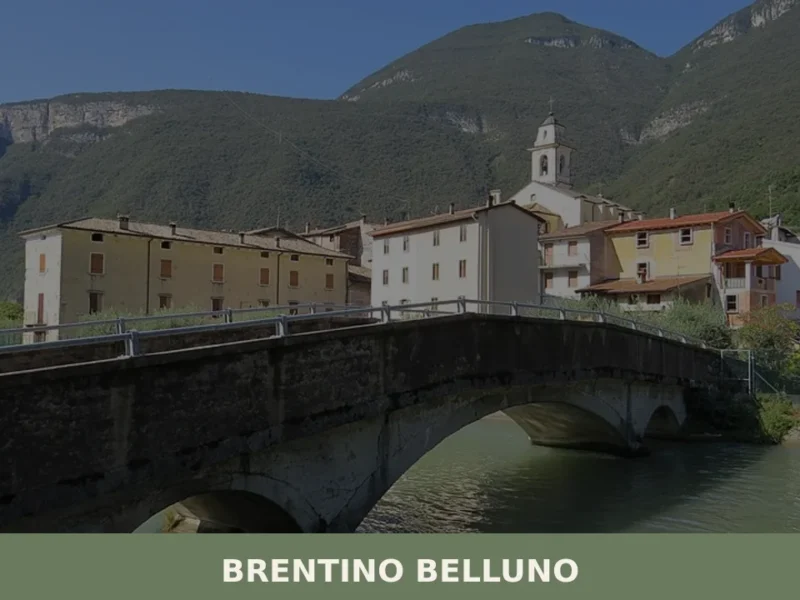
Brentino Belluno
 Plains
At 137 metres above sea level, where the Adige Valley narrows between Monte Baldo and the Lessini Mountains, Brentino Belluno is a municipality of 1,363 inhabitants created in 1929 through the administrative merger of two distinct settlements: Brentino, on the left bank of the Adige, and Belluno Veronese, clinging to the eastern slope of Monte […]
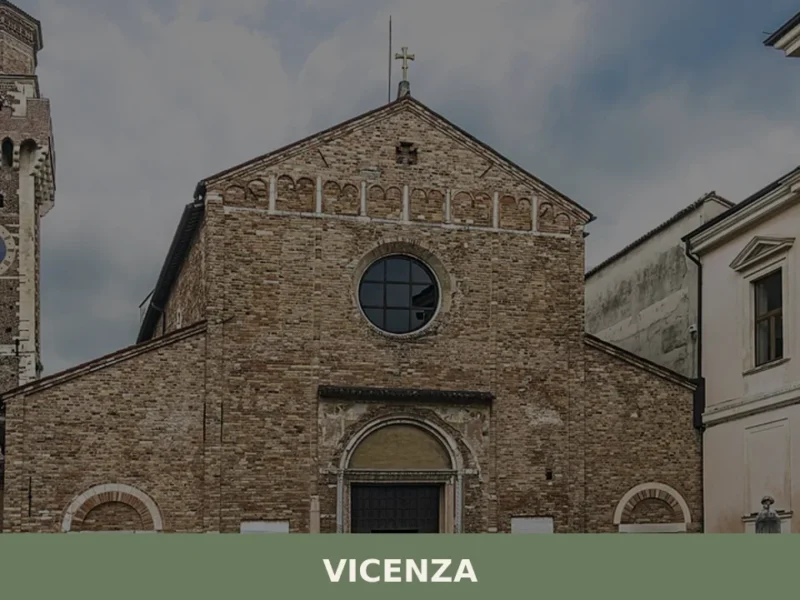
Vicenza
Plains
Village of Vicenza: Explore 1 architectural masterpiece, the Olympic Theatre, and taste traditional baccalà. Plan your Italy trip now!
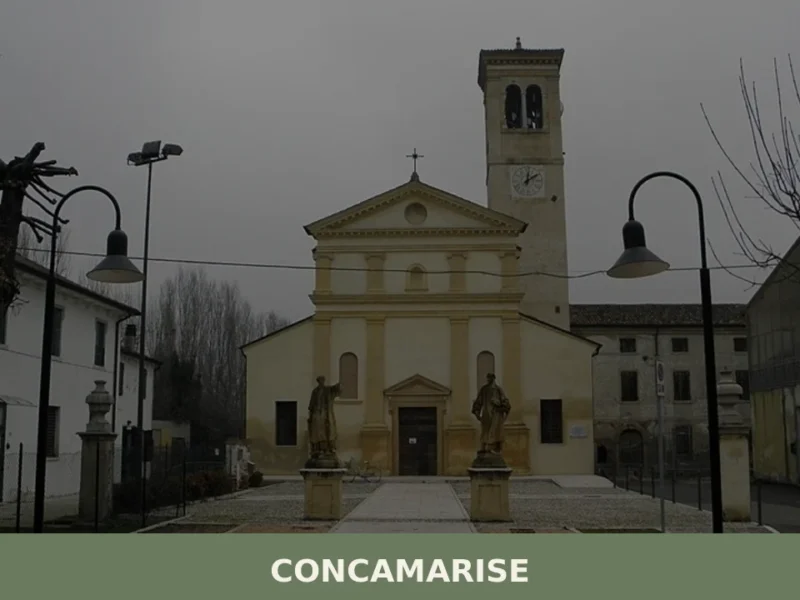
Concamarise
Plains
Concamarise, a municipality in Verona province with 1,053 inhabitants, rises only 21 meters above sea level, located in the Bassa Veronese, an area known for its long-standing agricultural tradition and complex hydrographic network. Its very name suggests a connection with water: “Conca” refers to a territorial depression, while “Marise” is likely linked to the marshy […]
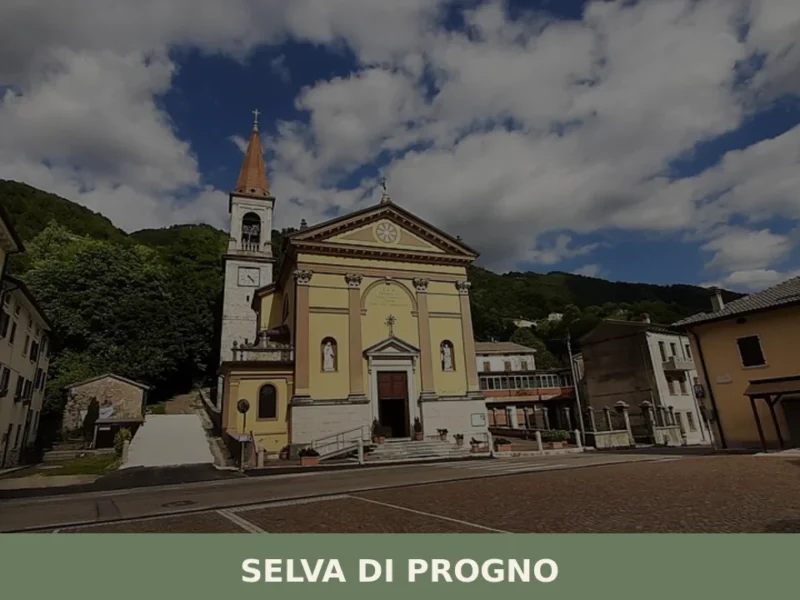
Selva di Progno
Hills
At 570 metres above sea level, where the Val d’Illasi narrows and gives way to the eastern Lessinia plateau, Selva di Progno has 923 inhabitants spread between the main settlement and the scattered hamlets on the surrounding slopes. The municipality belongs to the Comunità Montana della Lessinia and preserves in its place names and local […]
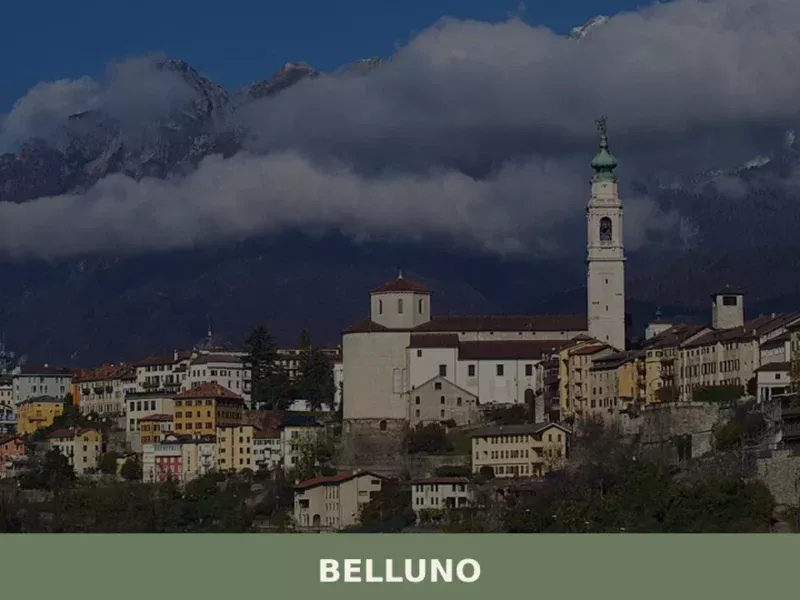
Belluno
Hills
What to see in Belluno: a city at 389m with Venetian palaces, a Baroque bell tower and Alpine views. Plan your visit with this complete guide. Includes food and travel tips.
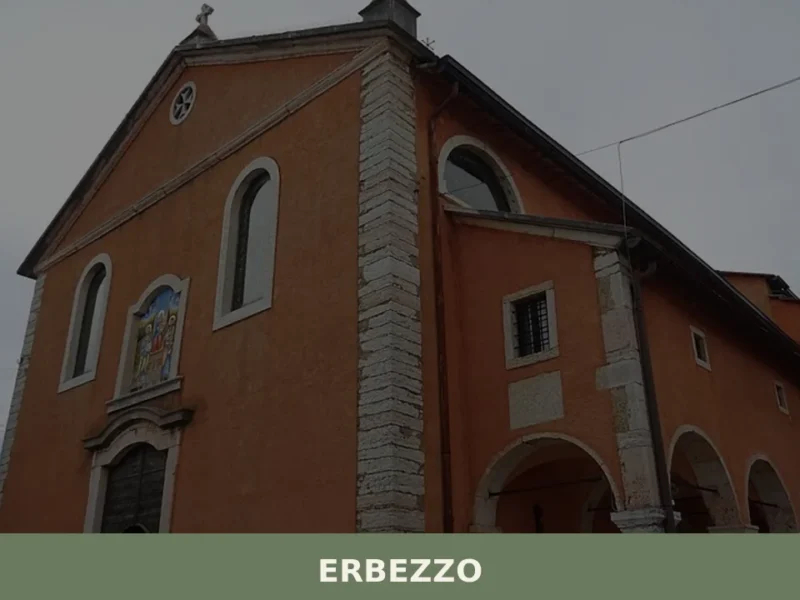
Erbezzo
 Mountain
At 1,118 metres above sea level, on the eastern edge of the Veronese Lessinia, Erbezzo has 756 inhabitants spread between the municipal centre and a handful of hamlets scattered across the pastures. It is the highest municipality in the province of Verona and one of the few where the pastoral economy has never fully given […]
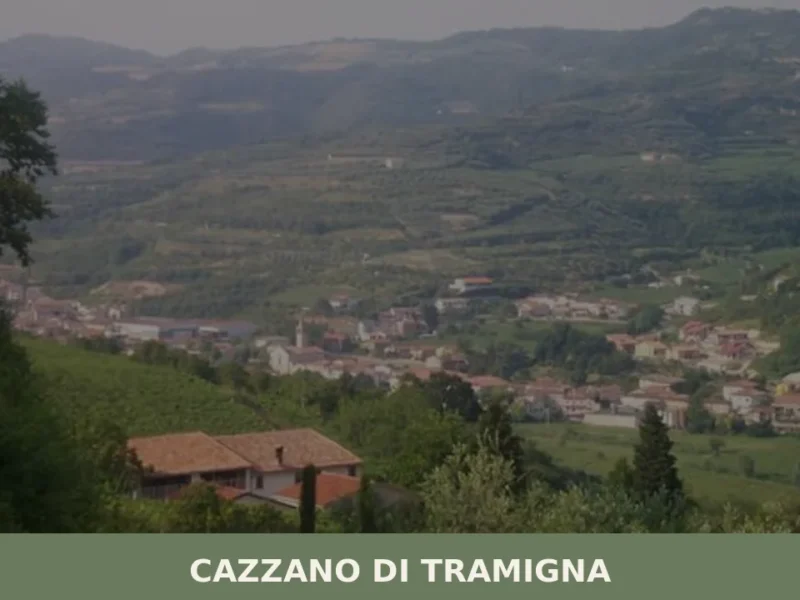
Cazzano di Tramigna
Plains
Cazzano di Tramigna has a population of 1,502 and occupies a basin at 100 metres above sea level in the Val Tramigna, a side valley that opens to the east of the Valpolicella area near Verona. The Tramigna stream — from which the village takes part of its name — crosses the municipal territory before […]

Salzano
Plains
A lowland comune of 12,770 people where thermal springs, industrial heritage and religious art converge. Home to Pope Pius X and a bell tower that has stood since the 1700s.

Marostica
Hills
Marostica draws visitors with its world-famous living chess match and over 600 years of Scaligeri and Venetian architecture. The IGP cherry alone is worth the detour.
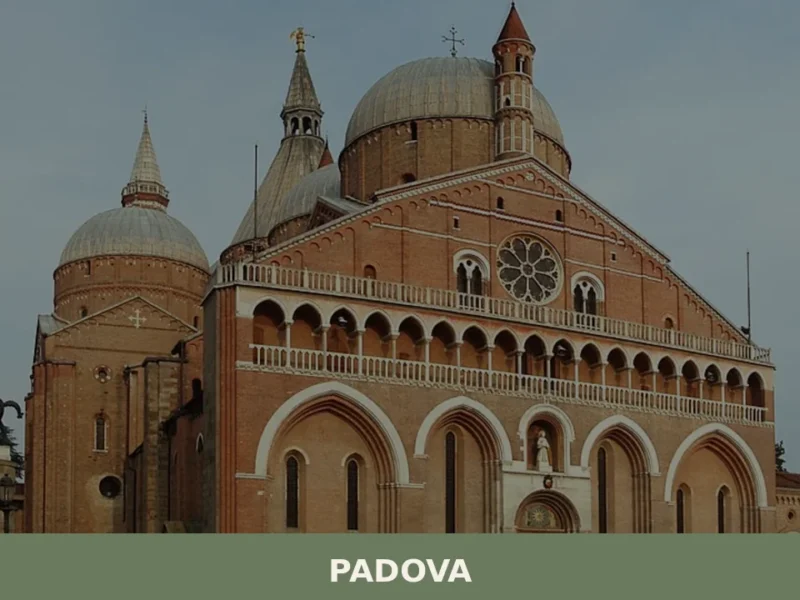
Padova
Plains
A city of 208,202 inhabitants where Trojan legend meets Renaissance innovation. UNESCO-listed art cycles and the world's oldest botanical garden define this Veneto capital.




🏡 Know Monfumo better than we do?
If you’re a local or have been there, your knowledge matters: add what’s missing or fix a detail on this page.