


Salzano
 Plains
A lowland comune of 12,770 people where thermal springs, industrial heritage and religious art converge. Home to Pope Pius X and a bell tower that has stood since the 1700s.
Salzano in Veneto: Between the Marzenego and Venetian Memory
At just 10 metres above sea level, Salzano village in Veneto spreads across flat agricultural terrain where small waterways cut through pasture and ancient field systems. The landscape holds no high towers or dramatic ridgelines—instead, it speaks in the language of water management, market gardens and the slow labour of the fields. The eye follows the horizontal lines of ditches and treelines toward the distant arc of the Marzenego river, which has shaped settlement here for centuries.
Salzano village in Veneto comprises two historic frazioni—Salzano proper and Robegano—that merged into a single comune in 1808. The village draws visitors for its 69-metre campanile, a neoclassical parish church rich in 16th and 17th-century artworks, and for its role in the life of Pope Pius X, who served as local arciprete from 1867 to 1875. Thermal mineral springs and the remains of a silk mill add layers of industrial and wellness heritage to a territory where Venetian patrician families built country estates between the 1600s and 1700s.
Contested Borderland: From Roman Times to Venetian Rule
The territory bore settlements in Roman times, as archaeology confirms, though the first written record of Robegano dates to 1154 and Salzano itself to 1283. For centuries, the two communities followed separate paths—Robegano served the pieve of Martellago, Salzano the pieve of Zianigo. Robegano held slight demographic advantage due to its proximity to the Marzenego and its position on the road linking Noale to Mestre.
The villages occupied a dangerous frontier. From the late medieval period through the 14th century, they lay between the warring republics of Padua and Treviso, enduring bitter conflicts until the Carraresi took control of the region in 1384. Four years later, a popular rising resolved the matter: in 1388, the territory came decisively under the rule of the Venetian Republic. Thereafter, the comune fell politically under the podesteria of Noale, a subordinate jurisdiction that remained stable through centuries of Venetian hegemony, interrupted briefly by the wars of the League of Cambrai.
The Venetian period saw noble families acquire land and commission villas. Between the 1600s and 1700s, patrician dynasties including the Donà, Combi, Contarini, Bozza and Savorgnan erected country houses. In 1603, popular devotion led to the completion of the Santuario della Madonna delle Grazie at Robegano. When the Venetian Republic fell to Napoleon, Salzano and Robegano were separated again, each becoming the seat of its own comune under French administration. In 1808, they reunited under a single administration—a configuration that has endured through the Kingdom of Lombardy-Venetia and into the modern Italian state.
The Parish Church and the Pope Who Served Here
The Chiesa Arcipretale di San Bartolomeo Apostolo, the spiritual and architectural anchor of Salzano, carries the date 1843 on its formal inauguration, yet houses religious objects from the 16th and 17th centuries. The façade, facing west, displays the restrained classicism of Tuscany—four pilasters supporting an entablature and pediment, flanked by statues of San Giovanni Battista and the parish patron, San Bartolomeo.
Inside, the interior unfolds in a classical-Tuscan idiom. Sebastiano Santi’s fresco of the “Gloria di San Bartolomeo” commands the ceiling, while symmetrical paintings along the walls narrate the life of a man who would become Pope. Two wooden angels, each 165 centimetres tall and carved by the future blessed Fra Claudio Granzotto, stand beside the high altar. A 1952 Mascioni organ with 1,746 pipes occupies a wooden gallery; behind it, set in a marble archway, Giovanni Spoldi’s 1886 altarpiece depicts the martyrdom of the saint. Above the painting sits the pontifical crest of Pius X, repeated throughout the church in frescoes, on a marble bust and atop the baptismal font—a font gifted to the parish in 1911 by the Pope himself.
Monsignore Giuseppe Sarto, who would become Pope Pius X, served as arciprete of Salzano between 1867 and 1875. His long association with the parish left architectural marks: the baptismal gift, the papal emblems woven into the church’s decoration, and the Museo di San Pio X, which occupies a building on Piazza Pio X and holds his vestments, reliquaries and liturgical objects. The museum draws both pilgrims and those interested in his pastoral work.
The church also preserves older devotional images and relics. An image of the Madonna del Carmelo—locally known as Madonna della Roata—attracted miraculous reports from 1568 onward, particularly from pilgrims traveling the road toward Mirano. A wooden crucifix, securely dated to around 1531, now rests in the Cappella del Sacro Cuore. In that same chapel stands a replica of the grotto at Lourdes, constructed in 1922 to fulfil a vow made by the parish during the First World War.
The Campanile: A 167-Year Ascent
The campanile, begun in 1712 and completed in 1879, rises 69 metres above the piazza. Built in stone from Val di Sole, its base was faced in 1984 with marble from the Colli Euganei. The bell chamber sits beneath a spire crowned by an angel 2.80 metres high; this figure is a modern replacement, installed after lightning struck and destroyed the original in August 1984.
Six bells hang in the loggetta, their voices cast in nearby foundries—five of them by Pietro Colbachini of Bassano del Grappa, one by the De Poli foundry in Vittorio Veneto. The largest bell weighs approximately 2,127 kilograms and bears the name San Giuseppe. Inscribed on its surface is a Latin motto: “Non nobis, Domine, non nobis, sed Nomini tuo da gloria”—”Not to us, O Lord, not to us, but to Thy name give glory.” The bell system was electrified between 1958 and 1960 and tuned to the key of B major.
Palaces, Mills and the Living Landscape
On Piazza Pio X stands the neoclassical Villa Donà Romanin, now the municipal seat. The Donà family, Venetian patricians, erected it in the early 1600s over the foundations of a 16th-century square house. The façade displays the three-storey composition typical of Venetian rural palaces: ground floor, noble floor, and an upper storey with smaller windows. On the western side, faint traces of 16th-century frescoes remain beneath later plaster—figures from pagan mythology that the Jacur family, Jewish bankers from Padua who acquired the villa in 1847, chose to cover rather than restore. During the Second World War, the German command occupied the complex, causing damage to 18th-century statues that once crowned the gate pillars.
Adjoining the villa, Leone Romanin Jacur commissioned a silk mill, or filanda, completed in 1872. The mill was a three-part structure: a central block housing spinning machines and filature operations, flanked by two porticoed wings. This factory became one of the largest textile producers in the Veneto, employing as many as 250 workers during peak seasons—nearly all of them women. The mill operated until 1952 and remains a document of industrial craft and female labour in the 19th-century Venetian plain.
The Jacur family also shaped the Parco Romantico, a romantic landscape garden of 48,000 square metres, laid out in 1854. English in style, it features canals, artificial grottoes, raised paths and dense plantings. To serve the park, the family diverted the course of the Marzenego river itself. The Second World War left the park heavily damaged; for decades it evolved without management, until restoration work between 1997 and 2001 gradually returned it to its 19th-century design.
Thermal Waters and Natural Recovery
Salzano is recognized as a thermal comune thanks to the Fonte Primavera, a mineral spring that yields oligominerial water at 18.6 degrees Celsius. The spring supports a modest wellness landscape in a region otherwise devoted to agriculture and industry. The thermal character adds a dimension of renewal to the village’s identity, distinct from its historical and agricultural anchors.
In addition to managed thermal facilities, Salzano has recovered former extractive sites into ecological reserves. The Oasi Naturalistica Lycaena, situated near the Villetta district, occupies old gravel quarries. In recent decades, the area has been allowed to regenerate under natural processes, aided by environmental restoration work carried out by the Acque Risorgive Land Reclamation Consortium. The Marzenego river now floods the former excavations, creating conditions for plant-based water purification. The resulting wetland ecosystem attracts the Lycaena dispar butterfly, a species linked to wet zones, from which the oasis takes its name. The site is designated as both a Special Protection Zone under the Bird Directive and a Special Conservation Zone under the Habitat Directive, confirming its place within the European Natura 2000 network.
Local Flavours and Rural Tradition
Salzano preserves the agricultural rhythms of the Venetian plain. The Festa della Filatura, held annually, recreates the cycle of silk production—from mulberry cultivation to spinning and weaving—within the filanda complex. Folk performances, period songs, dances and games evoke the occupations and pleasures of rural life as it was lived in the village. The Festa della Zucca in November celebrates the autumn harvest and has gained recognition as one of the area’s established seasonal events.
The patron saint, San Bartolomeo, inspires the Sagra di San Bortolo, where a traditional preparation features male ducks prepared according to local custom. The Carnevale della Monica, a regional carnival with allegorical floats and costumed figures, draws crowds from across the Miranese district. These festivals reinforce community identity and mark the passage of seasons in a lowland territory where water, field and human labour remain visibly linked.
Planning Your Visit
Salzano lies in the Miranese district, the network of seven comuni between Venice and Padua. Access is straightforward by train or car. The comune is served by Salzano-Robegano railway station, situated approximately two kilometres from the centre along the Venice Santa Lucia–Bassano del Grappa line, which forms part of the regional Veneto rapid-transit project (SFMR). Regional bus lines operated by ACTV connect Salzano to Mestre and Mirano, making it possible to visit without a private vehicle. The flat terrain, road networks and proximity to larger towns mean that a day visit or a weekend stay works equally well, depending on whether you wish to explore the parish church, the thermal facilities, the filanda and park in depth or sample the village’s character more briefly.
| Departure point | Distance | Travel time |
|---|---|---|
| Venice (Santa Lucia station) | Approx. 30 km | 45 minutes by train |
| Padua (Padova station) | Approx. 35 km | 50 minutes by train |
| Mestre | Approx. 20 km | 30 minutes by bus or car |
Spring and early autumn are ideal seasons to visit. The lowland climate is warm in summer but can be humid; winter temperatures are mild but bring frequent cloud cover. The village’s attractions—the church, museum, campanile exterior, piazza and surrounding villas (some private)—are accessible year-round, though visiting hours for museums and religious spaces should be verified beforehand. The Parco Romantico invites quiet walks and observation of seasonal plantings. The thermal springs operate throughout the year. If you arrive by car, the piazza and adjacent streets offer parking near the principal landmarks.
Frequently asked questions about Salzano
How do I reach Salzano by train or car from Venice?
Salzano is located in the province of Venice, approximately 30 kilometres northwest of Venice city centre. The nearest railway station is Salzano-Robegano on the regional line connecting Venice to Padua. By car, take the A4/E70 motorway towards Padua and exit at Meolo; follow provincial roads toward Salzano. Journey time from Venice is roughly 45 minutes by car or 50 minutes by train.
When is the best time to visit Salzano?
Spring (April–May) and autumn (September–October) offer mild weather ideal for exploring the flat landscape and cycling routes. The patron saint feast of San Bartolomeo Apostolo typically falls on 24 August and brings local celebrations. Summer can be warm and humid given the low-lying terrain; winter is damp with frequent fog typical of the Veneto plain.
What outdoor activities are available in Salzano?
The flat terrain is excellent for cycling along rural roads and irrigation ditches. Walking trails follow the Marzenego river, offering views of traditional field systems and treelines. The landscape suits leisurely exploration of agricultural heritage and traditional Venetian countryside. Local cycling routes connect to the wider network of Veneto's plain routes.
What are the opening hours for the parish church and campanile?
The neoclassical parish church houses 16th and 17th-century artworks and the distinctive 69-metre campanile. Specific opening hours vary seasonally and by religious observance. Contact the local Salzano tourist office or comune directly for current campanile access times and guided visit availability.
Are there thermal springs or wellness facilities in Salzano?
Salzano is known for its thermal mineral springs, historically valued for wellness and recovery. Several facilities exploit these natural waters. Details on current operating facilities, amenities, and seasonal availability should be confirmed with the Salzano comune or regional tourism boards, as offerings may change.
📷 Photo Gallery — Salzano


In Veneto More villages to discover
Abano Terme
Plains
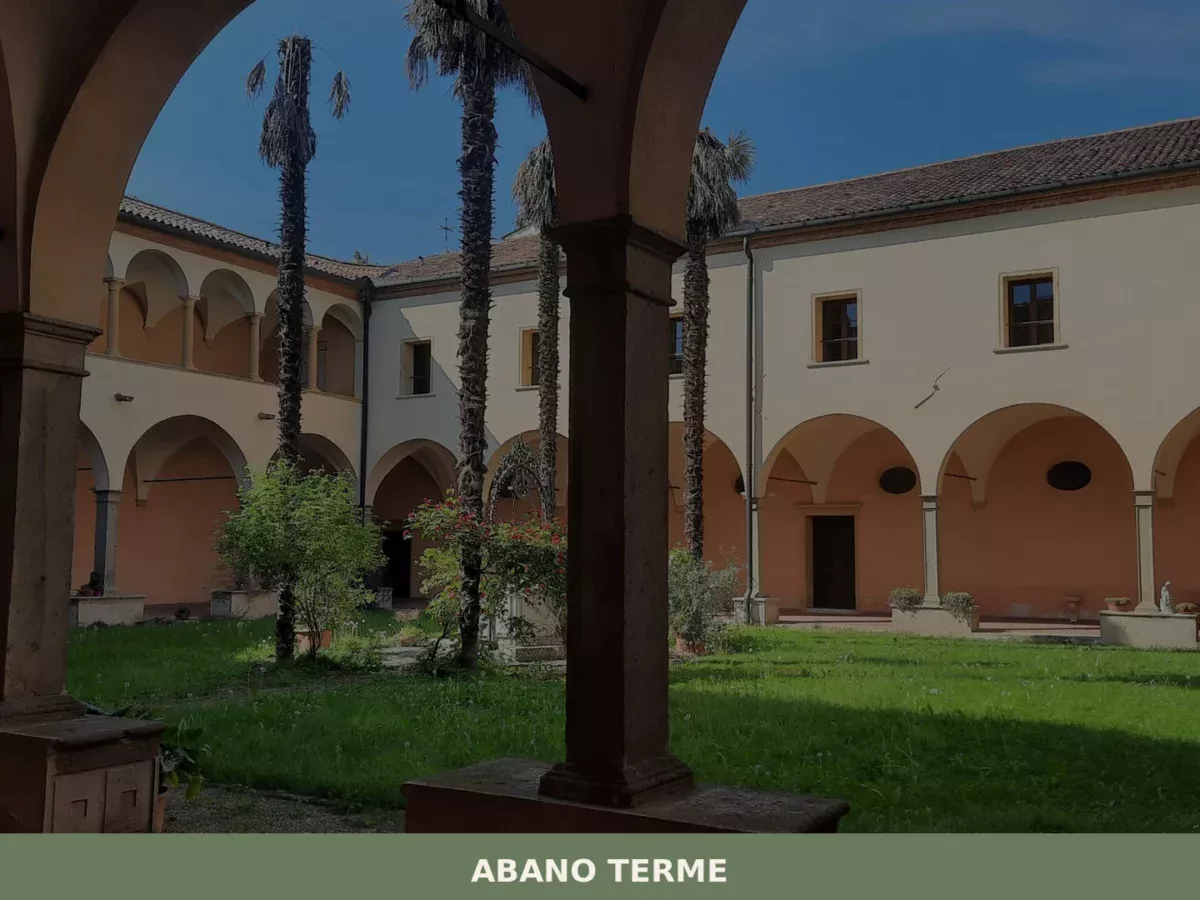
Discover what to see in Abano Terme: Roman thermal history, the Euganean Hills park, local DOC wines, and practical travel tips for Veneto's top spa town.
Concamarise
Plains
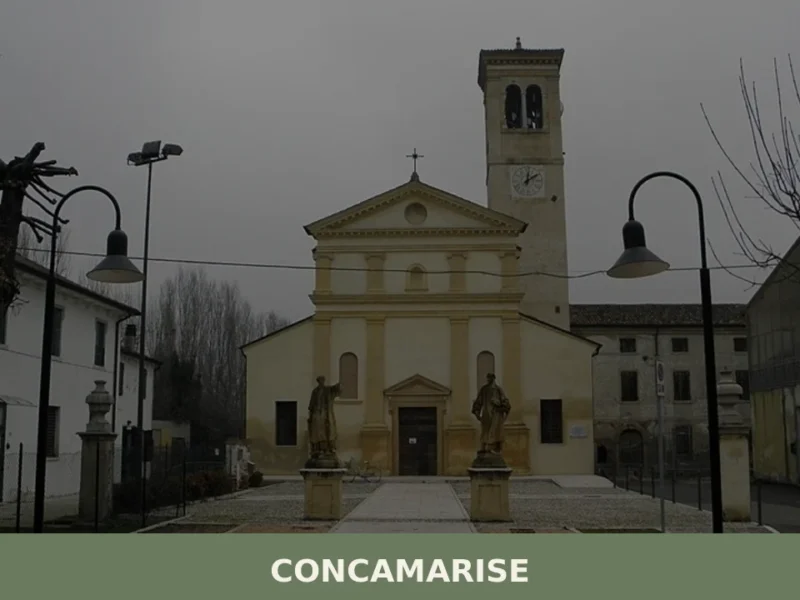
Concamarise, a municipality in Verona province with 1,053 inhabitants, rises only 21 meters above sea level, located in the Bassa Veronese, an area known for its long-standing agricultural tradition and complex hydrographic network. Its very name suggests a connection with water: “Conca” refers to a territorial depression, while “Marise” is likely linked to the marshy […]
Brentino Belluno
Plains
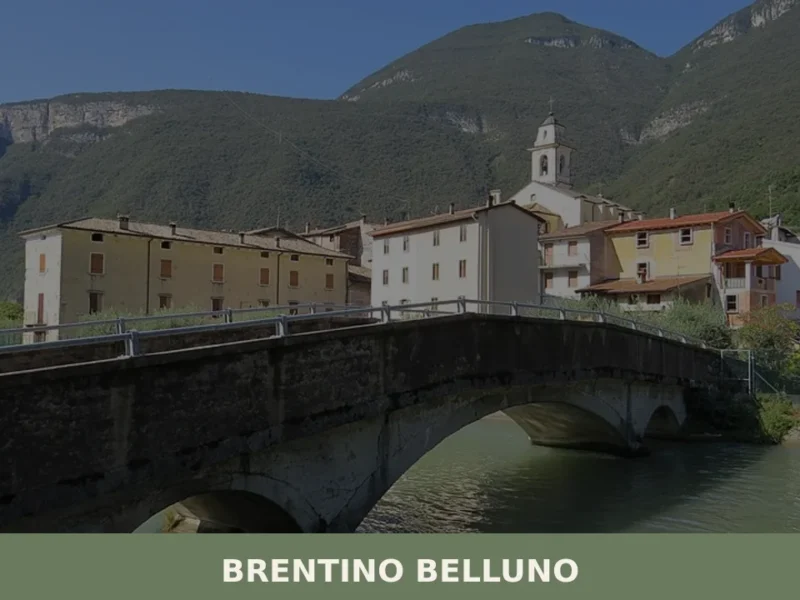
At 137 metres above sea level, where the Adige Valley narrows between Monte Baldo and the Lessini Mountains, Brentino Belluno is a municipality of 1,363 inhabitants created in 1929 through the administrative merger of two distinct settlements: Brentino, on the left bank of the Adige, and Belluno Veronese, clinging to the eastern slope of Monte […]
Ferrara di Monte Baldo
 Mountain
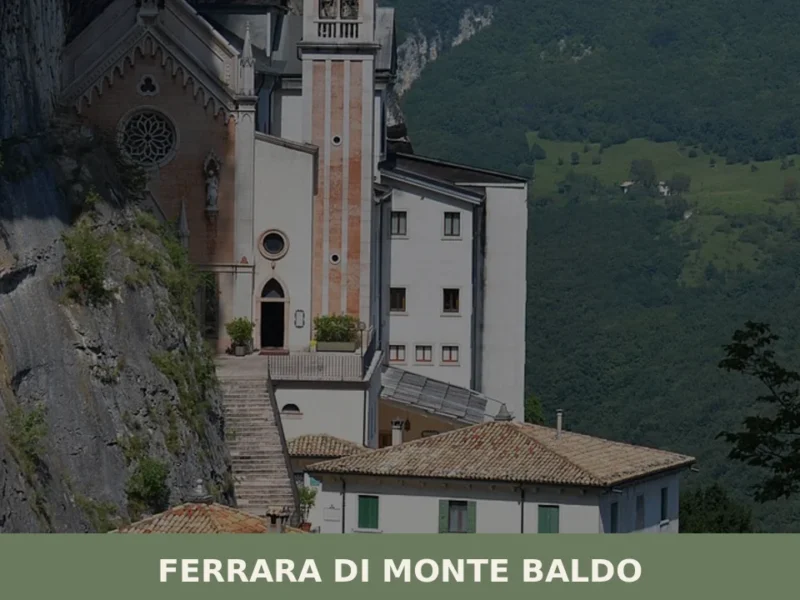
A comune of 280 residents at 856 metres elevation. Discover stone architecture shaped by alpine seasons and the territory that connects the Garda rim to the high Veronese interior.

Loreggia
Plains
Loreggia holds 7 Venetian villas and the site of Italy's first rural credit cooperative, founded in 1883. A compact village with genuine historical depth.
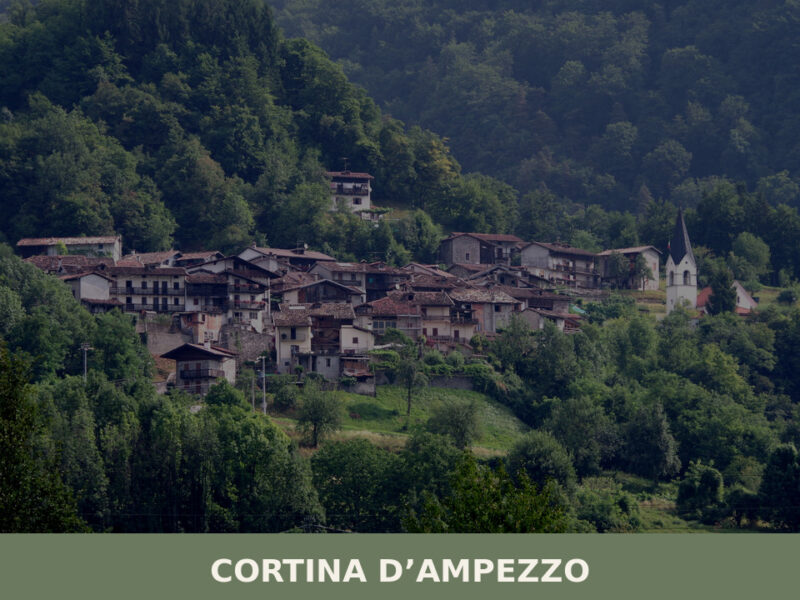
Cortina d’Ampezzo
Mountain
A complete guide to what to see in Cortina d'Ampezzo — from Dolomite peaks and WWI tunnels to Ladin cuisine and centuries-old communal traditions.
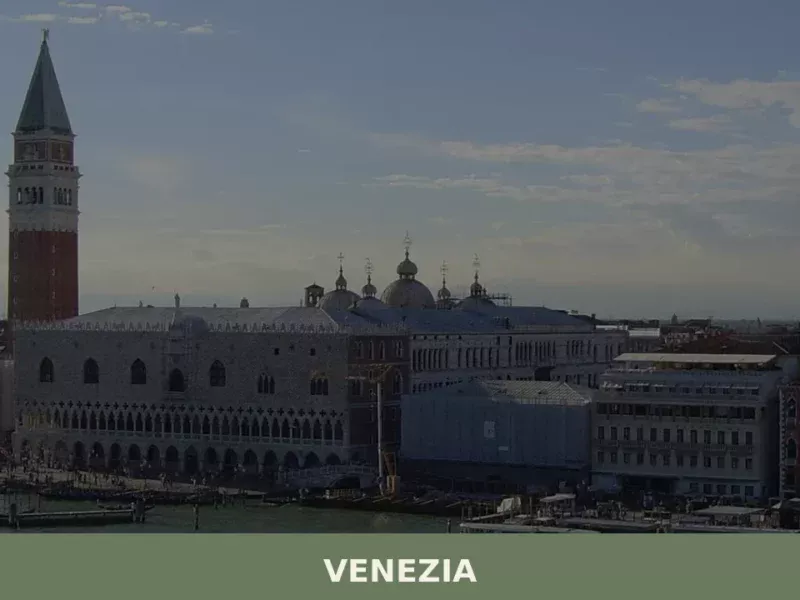
Venezia
 Sea
Sea
With its 259,263 inhabitants, Venice stands out as one of the most significant centers in Veneto, presenting an altitude of 256 meters above sea level. This city, included in the Hill Villages category according to the classification provided, offers an invaluable historical, artistic, and cultural heritage. In this article History and Origins of Venice What […]
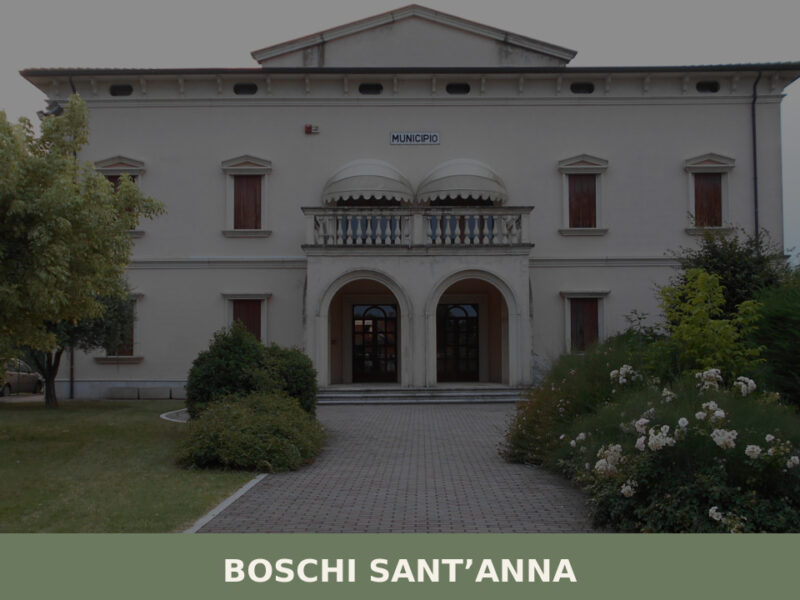
Boschi Sant’Anna
Plains
A quiet farming village of 1,359 inhabitants on the Veronese plain. Discover what to see in Boschi Sant'Anna, from its parish church to the canal-laced agricultural landscape.
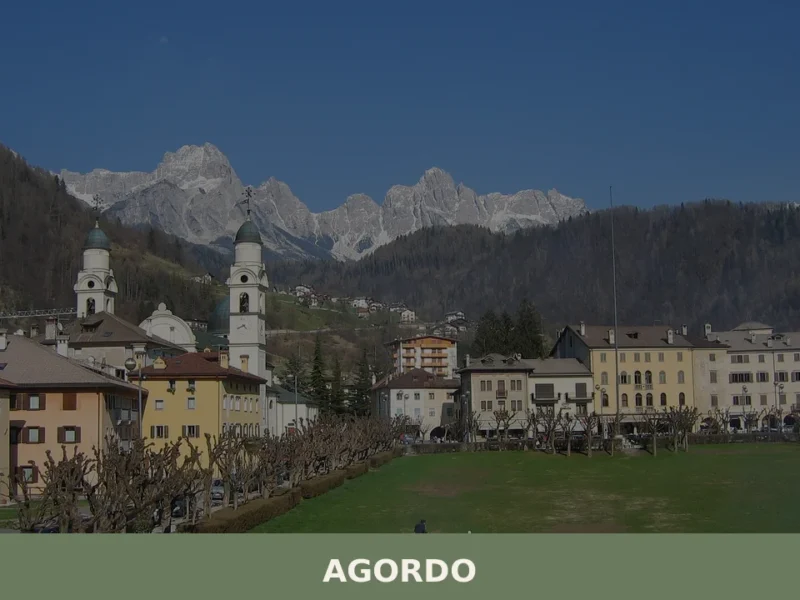
Agordo
Mountain
Discover what to see in Agordo, Veneto: the Valle Imperina mine, the 1867 Mining School, Ladin culture, and the Cordevole valley in the Belluno Dolomites.
Erbè
Plains
Erbè has 1,838 inhabitants and occupies a stretch of the Veronese plain north of the Tione dei Monti river, along the road connecting Verona to Mantua. The municipal territory, almost entirely flat and crossed by a dense network of irrigation canals, was progressively reclaimed starting in the 15th century under the administration of the Republic […]


🏡 Know Salzano better than we do?
If you’re a local or have been there, your knowledge matters: add what’s missing or fix a detail on this page.