


Piobesi Torinese
 Plains
Scopri Piobesi Torinese, affascinante borgo piemontese: storia, attrazioni, tradizioni e consigli pratici per visitarlo al meglio.
Discover Piobesi Torinese
Piobesi Torinese sits at the southern edge of the Turin metropolitan area, a comune of approximately 3,756 inhabitants that has long served as an agricultural and residential settlement within the Piedmontese plain. Knowing what to see in Piobesi Torinese requires understanding this dual identity: a working community tied to the Po plain’s farming traditions, close enough to Turin to absorb its cultural orbit, yet distinct enough in character to reward a deliberate visit rather than a passing glance.
History of Piobesi Torinese
The village’s name in Piedmontese dialect — Pióbes — points toward a pre-medieval linguistic layer rooted in the Latin populus or possibly in early medieval Lombard place-naming conventions, a pattern common across the western Po plain where settlement continuity stretches from Roman centuriation through Frankish reorganisation. The “Torinese” suffix, added to distinguish it from other Piobesi localities in Italy, formally anchors the municipality within the province of Turin, today the Città Metropolitana di Torino, one of the largest metropolitan areas by territory in the Italian republic.
During the medieval period, the territory of Piobesi fell within the sphere of influence of the House of Savoy, whose expanding dominion over Piedmont progressively absorbed smaller feudal holdings throughout the thirteenth and fourteenth centuries. The control exercised by Savoy over the towns and villages of the Turin plain was both administrative and military, with local lords often holding lands as fiefs under Savoyard suzerainty. This feudal structure left a physical imprint on many villages of the area, typically in the form of a parish church of Romanesque or early Gothic origin that served as the social and spiritual nucleus of each settlement.
In the modern period, Piobesi Torinese followed the broader pattern of industrialisation that transformed the Turin hinterland during the twentieth century, particularly after the Second World War, when proximity to Italy’s automobile manufacturing capital drew workers and investment into surrounding municipalities. Piobesi’s agricultural base — cereal crops and viticulture characteristic of the Piedmontese lowland — gradually coexisted with a residential expansion as Turin’s urban periphery extended southward. The municipality today remains part of the Città Metropolitana di Torino, an administrative classification that replaced the old provincial structure in 2015 and connects Piobesi institutionally to over three hundred other comuni in one of Italy’s most economically significant regions.
What to see in Piobesi Torinese: 5 must-visit attractions
The Parish Church
The parish church at the centre of Piobesi Torinese represents the architectural heart of the village and the longest continuous institutional presence in the settlement. Like many Piedmontese plain churches, its fabric reflects several construction phases ranging from a medieval foundation to Baroque-era modifications, with the interior typically featuring local stonework and painted decoration characteristic of the Turin plain tradition.
The Village Centre and Civic Architecture
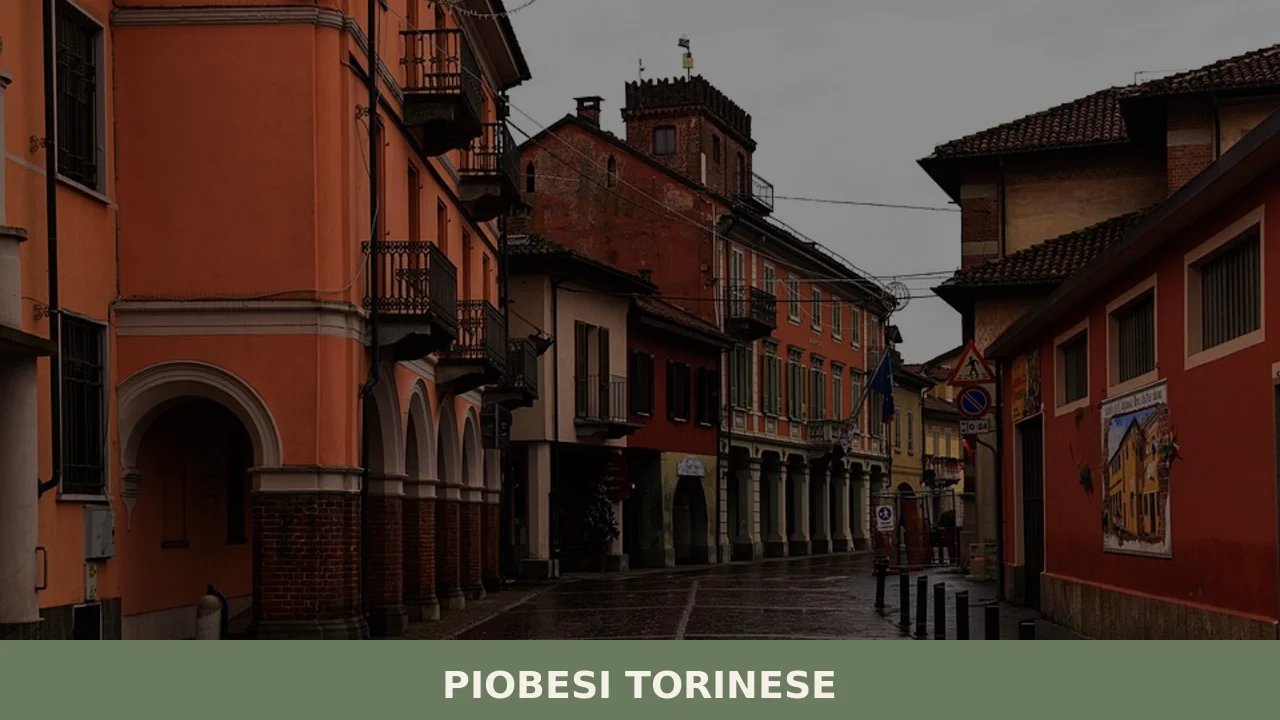
The built fabric of Piobesi Torinese’s historic centre follows the compact, courtyard-oriented plan common to agricultural villages of the southern Turin plain. The municipal building — the municipio — anchors the central piazza and functions as the administrative seat of the comune. Its façade and the surrounding porticoed structures reflect the sober civic architecture of the Piedmontese lowland tradition.
The Surrounding Agricultural Landscape
The farmland encircling Piobesi Torinese is an active working landscape of cereal fields, rows of poplars used in traditional Piedmontese rural land management, and patches of viticulture. The flat, geometrically regular field patterns visible from the village roads are a direct legacy of Roman centuriation, the systematic land-division practice applied across the Po plain during the Roman colonial period.
Local Rural Estates and Cascine
The cascina — the large fortified farmhouse complex characteristic of the Po plain — appears repeatedly in the Piobesi Torinese territory. These structures, typically dating from the seventeenth and eighteenth centuries, combine agricultural storage and livestock facilities with residential quarters, often arranged around a central courtyard. Several examples remain visible in the countryside immediately surrounding the village.
Proximity to the Po River Corridor
The broader municipal territory of Piobesi Torinese gives access to the Po river corridor, a protected natural area that the Regione Piemonte has designated as part of a system of riparian parks and nature reserves. The riverine vegetation — white willow, black poplar, and alder — lines the banks and provides habitat for migratory and resident birdlife, making this accessible to visitors approaching from the village on foot or by bicycle.
Local food and typical products
The table at Piobesi Torinese belongs firmly to the Piedmontese lowland culinary tradition, where the cooking is direct, product-driven, and shaped by both the agricultural plain and the proximity to Turin. Agnolotti del plin — small pinched pasta parcels filled with braised meat — appear regularly in this part of the province, as does bagna cauda, the warm anchovy and garlic sauce served with raw and cooked vegetables that functions as a communal autumn and winter ritual across the region. Rice grown in the nearby Vercelli and Novara districts underpins risotto preparations made with local wines, and the area’s modest viticulture contributes to the broader Piedmontese wine heritage, with Barbera and Dolcetto varieties cultivated in parts of the metropolitan Turin plain.
For visitors seeking local produce and prepared food, the network of restaurants and trattorie in the wider Turin metropolitan area offers the most reliable access to the full range of regional specialities. Piobesi Torinese itself, as a small comune of under four thousand inhabitants, has a local catering offer proportionate to its scale. Visiting on market days or during local festivals provides the most direct contact with producers and seasonal products from the surrounding countryside. The nearby city of Turin, roughly fifteen kilometres to the north, offers an extensive range of establishments from neighbourhood osterie to formal restaurants where Piedmontese cuisine is practised at every level of elaboration.
Best time to visit Piobesi Torinese
The climate of the Turin plain is continental, with cold, sometimes foggy winters and warm, humid summers. The most comfortable periods for visiting Piobesi Torinese fall in spring — April through early June — when the agricultural landscape is at its most active, with cereal crops greening the flat fields and the temperature ranging from twelve to twenty-two degrees Celsius. Autumn, from late September through November, brings the harvest period and the characteristic nebbia, the low fog of the Po plain that settles in the mornings and evenings, reducing visibility but giving the landscape a particular grey-silver quality that defines the visual character of this part of Piedmont. The local festival calendar, tied to the patron saint’s feast and to harvest-related events, tends to concentrate activity in late summer and autumn.
Winter visits are practical but austere — the plain offers little protection from cold winds descending from the Alpine arc, and fog can persist for days. Summer brings heat and humidity, though the tree-lined rural roads and the shade of the village’s porticoed buildings provide relief. For those combining Piobesi Torinese with Turin, the city’s major cultural institutions and museums operate year-round and can anchor an itinerary regardless of season. The Comune di Piobesi Torinese publishes local event information on its official municipal website.
How to get to Piobesi Torinese
Piobesi Torinese lies approximately fifteen kilometres south of Turin’s city centre, making it straightforwardly accessible from the regional capital by multiple means.
- By car: From Turin, take the A6 Turin–Savona motorway southward and exit at Carmagnola, or use the ordinary state and provincial roads heading south toward Carignano. Travel time from central Turin is approximately twenty to thirty minutes depending on traffic.
- By train: The nearest railway stations are at Carmagnola and at Turin’s main station (Torino Porta Nuova), served by regional Trenitalia services. Local connections from the station to Piobesi may require a bus or taxi.
- By bus: Regional bus services operated under the GTT network connect the southern Turin metropolitan area, including settlements in the direction of Piobesi Torinese. Journey times from central Turin are typically thirty to fifty minutes.
- By air: Turin Airport (Torino Caselle), located north of the city, is the nearest international airport. From the airport to Piobesi Torinese, the total journey — crossing Turin — takes approximately forty-five minutes to one hour by car. Milan Malpensa Airport is approximately one hundred and forty kilometres to the east, reachable in around ninety minutes by motorway.
Where to stay in Piobesi Torinese
Piobesi Torinese, as a small municipality of under four thousand residents, does not maintain a large independent accommodation infrastructure. Visitors have two practical options: staying within the village or its immediate surroundings at a bed and breakfast, private room rental, or agriturismo operating in the surrounding countryside, or using Turin as a base and visiting the village as a half-day excursion. The latter approach has clear advantages in terms of accommodation variety, transport connections, and evening dining options. Turin’s hotel offer spans the full range from economy guesthouses to four-star properties concentrated in the centre around Piazza Castello and Porta Nuova station.
For those who specifically want to stay in the rural Turin plain, the agriturismo format — farm stays combining accommodation with access to working agricultural land — represents the most coherent lodging choice. Several such properties operate in the broader Carmagnola and Carignano area south of Turin, offering rooms or self-contained apartments on working farms. Booking platforms dedicated to Italian agriturismo accommodation are the most reliable way to identify current availability. Arriving on a weekend rather than midweek generally ensures a wider choice of open local eating establishments and any active market or community events.
More villages to discover in Piemonte
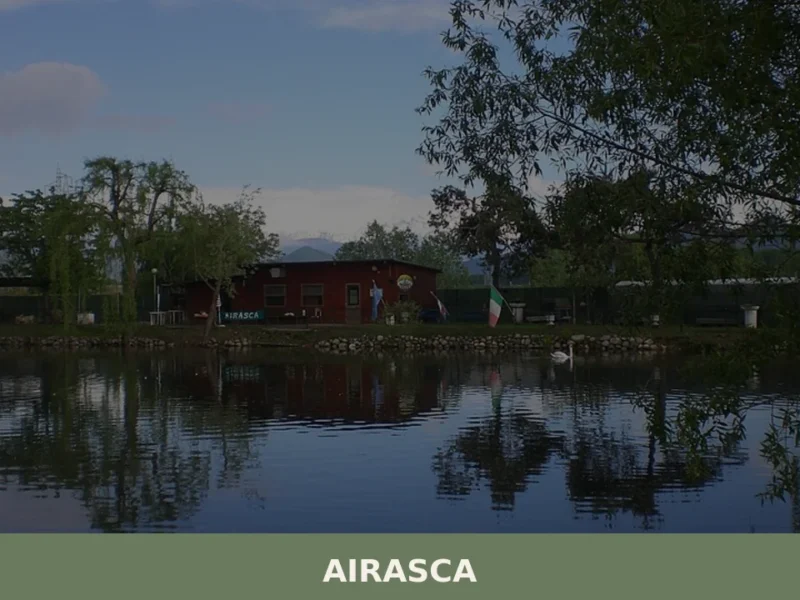
The southern Turin metropolitan area and the wider Piedmontese territory offer a range of villages that complement a visit to Piobesi Torinese with different historical and landscape emphases. To the east of Turin’s metropolitan zone, the village of Arignano represents the compact, self-contained character of the Piedmontese hill villages that begin to appear as the plain rises toward the Monferrato and Chieri areas. Further south, Airasca sits in the same broad agricultural corridor as Piobesi Torinese, shaped by the same lowland farming economy and proximity to the Turin industrial axis.
Beyond the immediate Turin metropolitan area, Piedmont’s diversity becomes more apparent. Avigliana, situated to the west of Turin at the foot of the Alpine approach, combines a medieval street plan with two glacial lakes and the commanding presence of the Sacra di San Michele above on the ridge — a dramatically different environment from the flat plain villages. Further north and east, Azeglio in the Canavese district, associated with the family name of the nineteenth-century statesman Massimo d’Azeglio, offers a window into the cultural and political history of Piedmont in the Risorgimento period alongside a landscape framed by the Ivrea morainic hills and their chain of lakes.
Nearby Villages near Piobesi Torinese
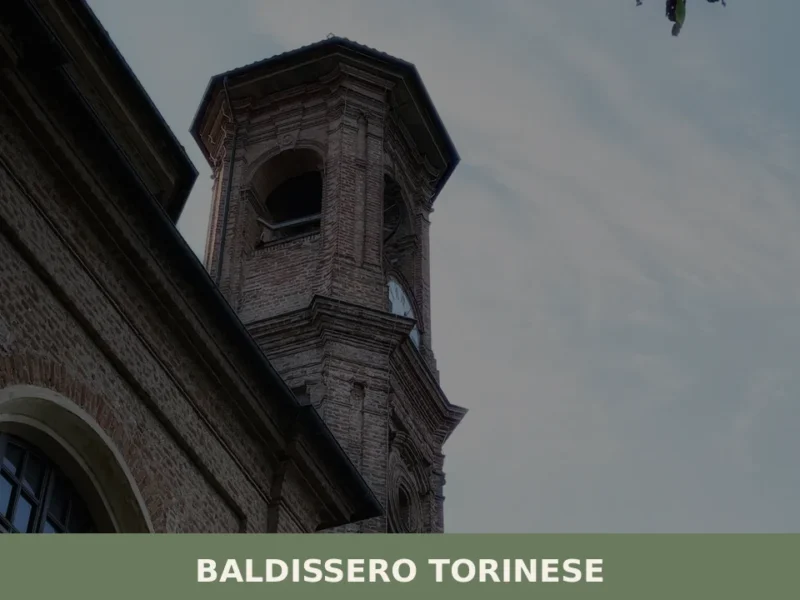
In Piedmont More villages to discover

Borgomasino
Plains
Discover what to see in Borgomasino, a 776-inhabitant Canavese village near Turin: history, local food, best time to visit and practical travel tips.
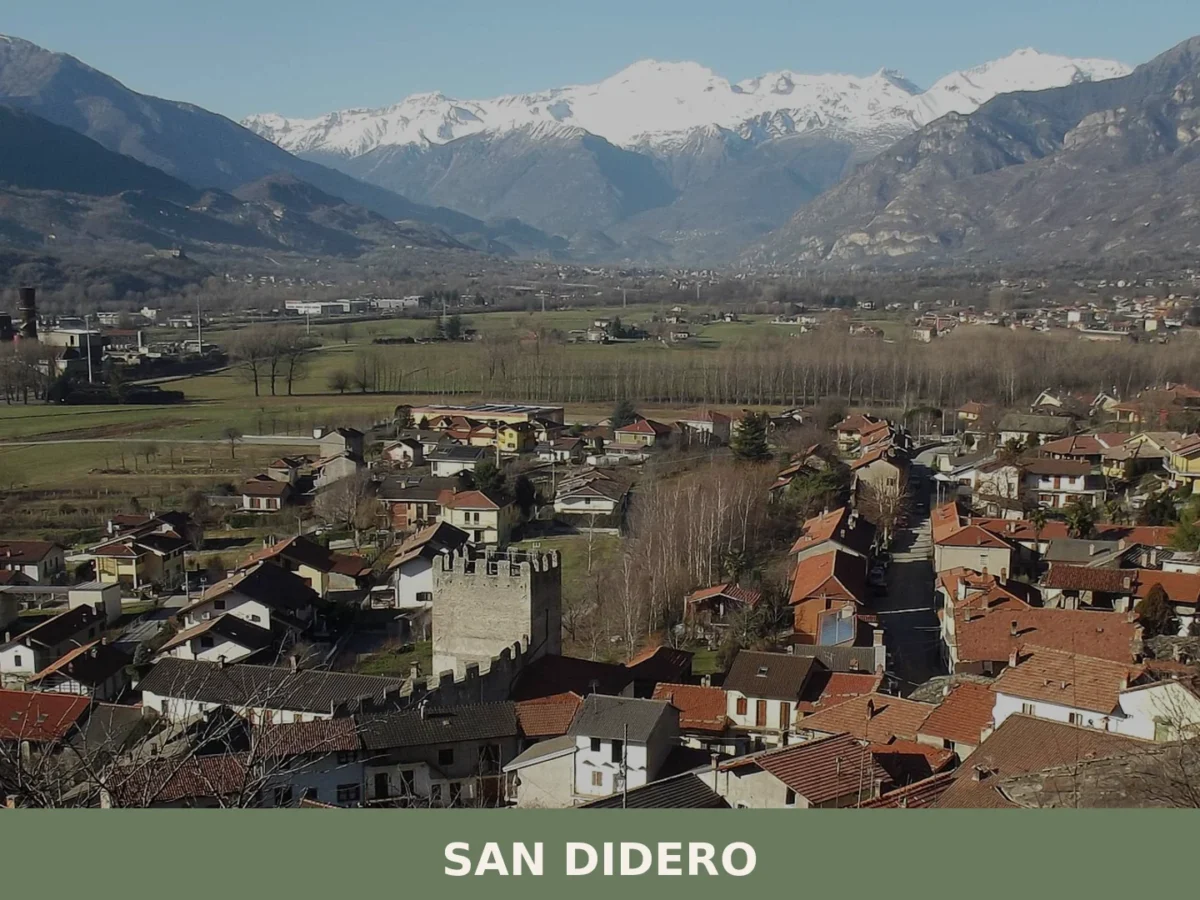
San Didero
 Mountain
Population 497. A small Alpine comune with Roman-era roots, a medieval church and a restored casaforte on the Via Francigena pilgrimage route.

Pralormo
 Hills
Hills
Population 1,852. A hilltop comune marked by its 13th-century castle, a 1930s parish church sheltering Renaissance art, and a medieval tower that once guarded Asti's trade routes.
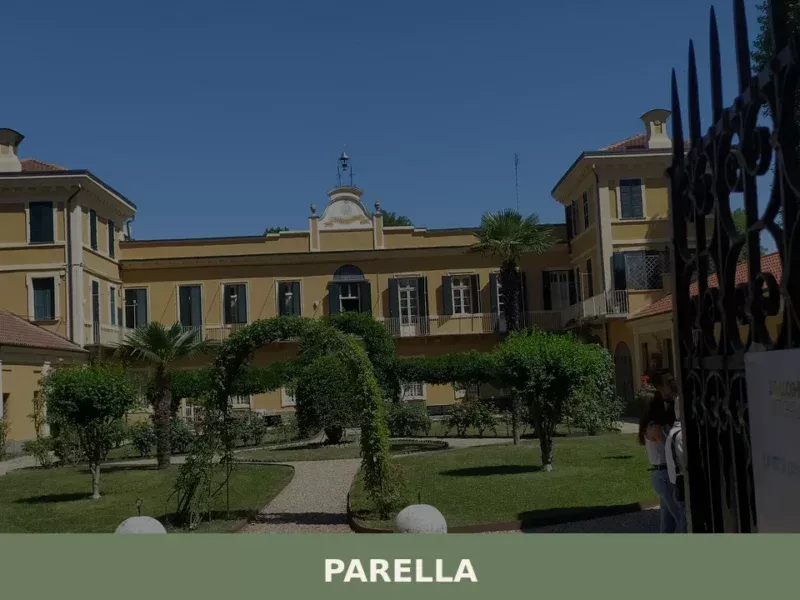
Parella
Hills
Scopri Parella borgo Piemonte: un affascinante villaggio storico tra castelli, natura e tradizioni antiche. Visita uno dei gioielli nascosti del Canavese!
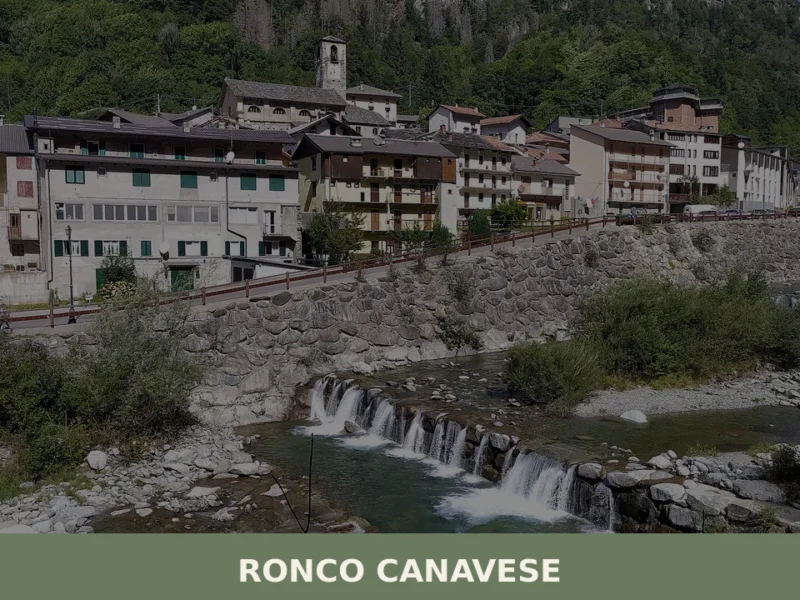
Ronco Canavese
Mountain
Ronco Canavese is home to approximately 380 inhabitants and serves as the principal reference point for the Valle Soana, a lateral valley that extends northward from the Gran Paradiso massif within the metropolitan area of Turin. Knowing what to see in Ronco Canavese requires understanding its role not as a transit point but as the […]
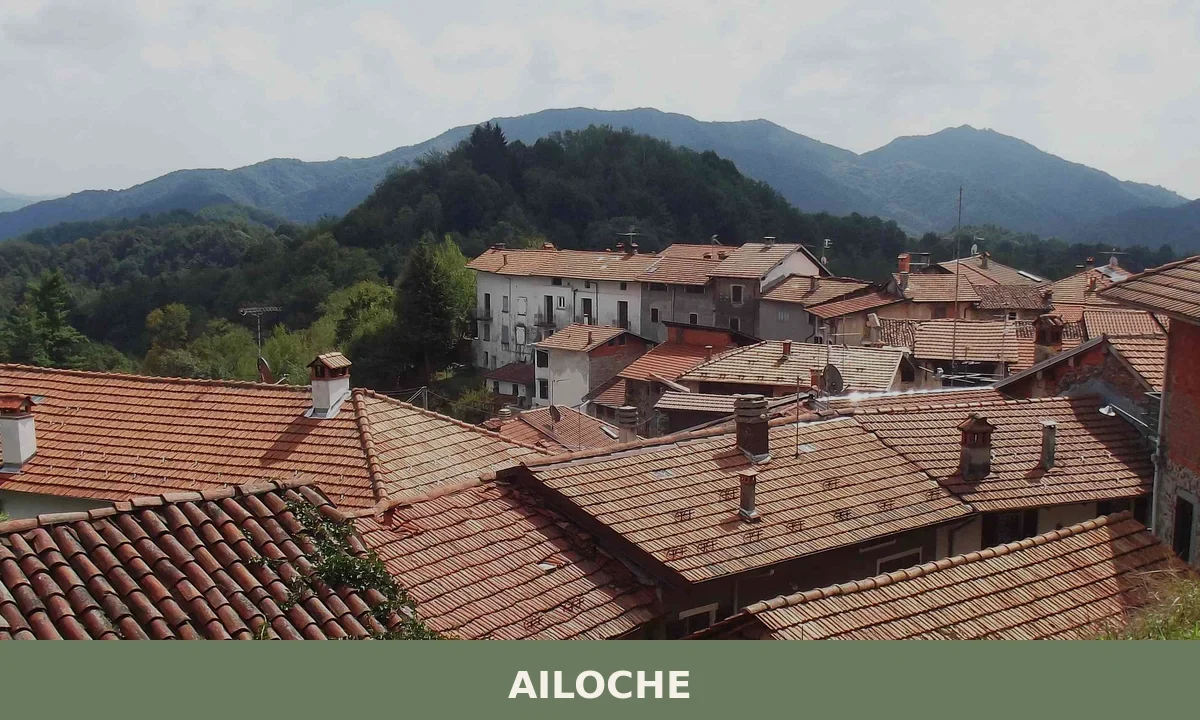
Ailoche
Mountain
What to see in Ailoche, Italy: discover the Santuario della Brugarola, local food traditions, and a village 70 km from Turin. Explore the full guide.
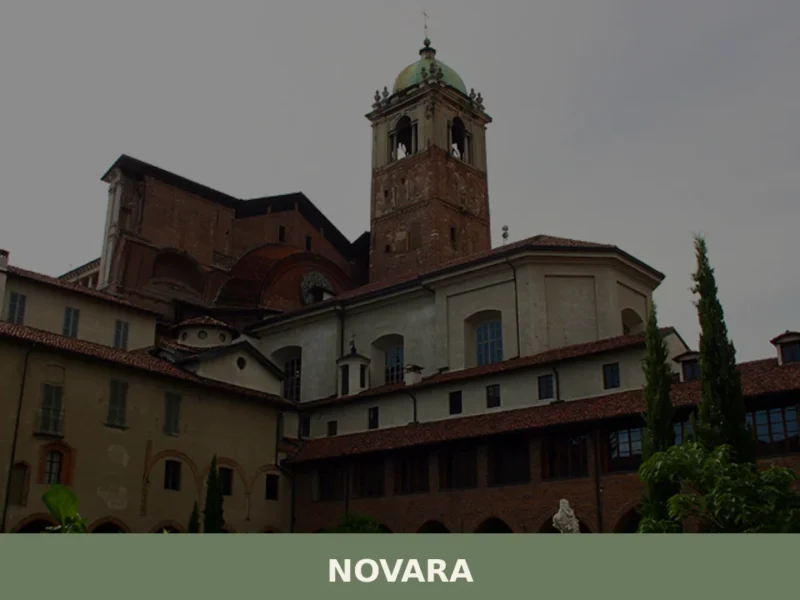
Novara
Plains
What to see in Novara: city at 162 m with 101,000 residents. Explore the Antonelli dome, 4th-century baptistery, paniscia and Colline Novaresi DOC wines.

Castelletto Molina
Hills
137 residents, one patron saint and a golden civic banner: Castelletto Molina rewards slow travellers with genuine Monferrato countryside and Piedmontese village life.
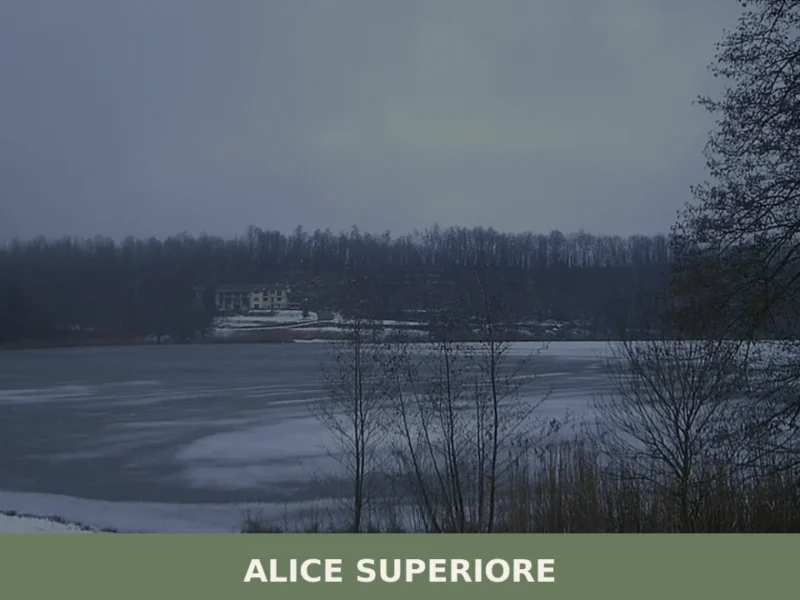
Alice Superiore
Mountain
Alice Superiore sits at 610 metres above sea level in the Chiusella Valley, a lateral branch of the Canavese district within the Metropolitan City of Torino. Home to 711 inhabitants, the village occupies a stretch of sloping terrain where chestnut woods give way to Alpine pasture. For anyone researching what to see in Alice Superiore, […]

Brandizzo
Plains
A plains settlement shaped by centuries of feudal rule and 20th-century industry. Discover baroque architecture, carnival traditions, and the Po river landscape.




🏡 Know Piobesi Torinese better than we do?
If you’re a local or have been there, your knowledge matters: add what’s missing or fix a detail on this page.