


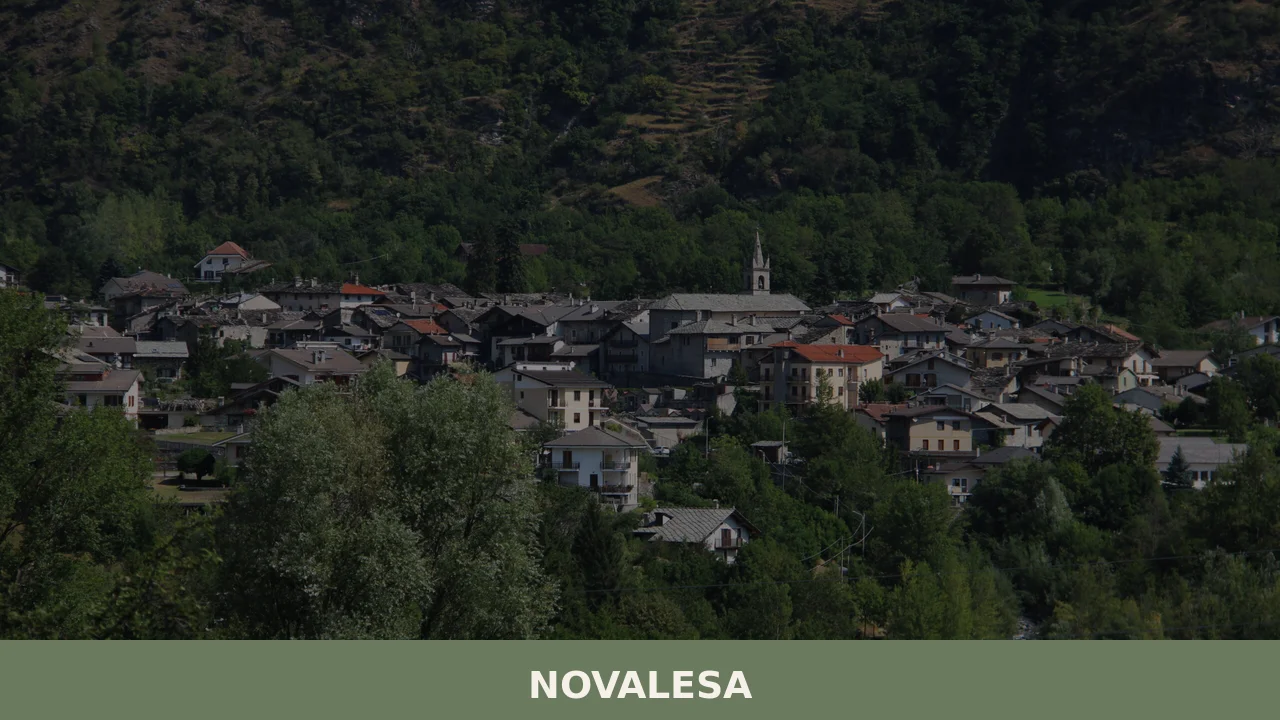
Novalesa
 Mountain
Scopri Novalesa, affascinante borgo medievale del Piemonte: storia, abbazia e paesaggi mozzafiato in Valle di Susa. Visita questo gioiello nascosto!
Discover Novalesa
Founded in 726 AD, the Benedictine abbey of Novalesa stands at the entrance to the Val Cenischia, a lateral valley that branches left off the Val di Susa on the approach to the Col du Mont Cenis. The village that grew around it — today home to around 522 residents — sits at the foot of one of the Alpine passes that connected the Italian peninsula to France for more than a millennium. For anyone asking what to see in Novalesa, the answer begins, almost inevitably, with that abbey, but does not end there.
History of Novalesa
The abbey of Novalesa was founded in 726 by Abbone, a Frankish nobleman, making it one of the oldest Benedictine foundations in the western Alps. Its position was not accidental: the Col du Mont Cenis pass directly above had been a major transalpine route since Roman times, and the monastery served as a hospitium — a rest and shelter point — for pilgrims, merchants and armies moving between the kingdoms of the Franks and the Lombards. Within decades of its founding, the abbey had accumulated significant land holdings in the valley and was receiving patronage from the Carolingian court.
The monastery’s early prosperity was violently interrupted in 906, when a Saracen raid forced the monks to abandon Novalesa entirely. The community took refuge at the abbey of Breme, in the Po plain, carrying with them their manuscripts and relics. The site at Novalesa remained largely deserted for over a century. It was only in the eleventh century, under the influence of the House of Savoy, which by then controlled the Val di Susa and its strategic Alpine passes, that monastic life was formally re-established on the site. This second phase of occupation left a deep mark on the physical fabric of the abbey complex.
Administratively, Novalesa belongs to the Città Metropolitana di Torino — the metropolitan area that replaced the old Province of Turin in 2015. Across the medieval and early modern periods, the Val Cenischia’s economic logic was defined almost entirely by transit: the Col du Mont Cenis route carried not only pilgrims walking the Via Francigena but later the Napoleonic military road and, by the nineteenth century, a road engineered to allow wheeled traffic year-round. The village of Novalesa, sitting at the valley’s lower threshold, functioned as a service point for that traffic. That role as a place of passage — rather than a destination in its own right — explains much about the scale and character of the settlement today. More about the wider regional context can be found on the English Wikipedia entry for Novalesa.
What to see in Novalesa: 5 must-visit attractions
Abbazia di Novalesa
The centrepiece of any visit, the abbey complex dates to its 726 foundation and was substantially rebuilt from the eleventh century onward. Still inhabited by a small Benedictine community, it houses a library, a scriptorium tradition of manuscript conservation, and four pre-Romanesque chapels within its grounds — each a distinct architectural document of early medieval construction in the western Alps.
Cappella di Sant’Eldrado
Within the abbey precinct, the chapel dedicated to Sant’Eldrado — a ninth-century abbot of Novalesa who was later canonised — contains a cycle of Romanesque frescoes depicting scenes from his life and that of Saint Nicholas. These wall paintings, executed in the characteristic flat, linear style of eleventh- and twelfth-century Piedmontese fresco work, are among the most significant surviving examples in the Val di Susa.
Val Cenischia and the Mont Cenis Road
The valley above Novalesa follows the historic line of the transalpine route engineered under Napoleonic direction in the early nineteenth century — completed in 1810 — which replaced the older mule track with a carriageable road wide enough for artillery. The route, now passable by car to the Lago del Moncenisio reservoir on the French side, offers a direct physical reading of two centuries of Alpine infrastructure.
The Village Core
Novalesa’s compact historic centre preserves a cluster of stone-built houses whose architecture reflects the valley’s vernacular tradition: thick walls, small windows and steep slate roofs designed for heavy snowfall. Several buildings bear dates carved into lintels, the oldest traceable to the seventeenth century. The spatial relationship between the village and the abbey — the latter sitting slightly apart, enclosed by its walls — remains clearly legible.
Lago del Moncenisio
Technically on the French side of the border but reached via the road from Novalesa, the Lago del Moncenisio is a reservoir created in 1968 by the damming of the original Mont Cenis lake. At an altitude of approximately 1,974 metres, it covers the site of a former hospice and a village that were submerged during construction. The plateau surrounding it was the theatre of significant fighting during the 1944 Alpine resistance campaign.
Local food and typical products
The food culture of the Val Cenischia belongs to the broader culinary tradition of the Val di Susa and the alpine zone of Piedmont. Polenta concia — polenta enriched with local cheese and butter — is a staple of the area, as are preparations based on game, mushrooms gathered from the chestnut and beech forests of the valley slopes, and cured meats typical of mountain livestock farming. The cheeses produced in this part of the Piedmontese Alps, including toma varieties, reflect centuries of transhumance between valley floors and high pastures. The Piedmont regional tourism board provides a useful overview of the food and wine traditions of the wider Susa valley area.
Because Novalesa is a small village with a permanent population of around 522, dedicated restaurant infrastructure is limited. Visitors are more likely to find local food in the agriturismo establishments in the surrounding valley than in the village itself. The abbey, which maintains agricultural activity as part of its monastic economy, has historically produced honey and herbal products — a tradition common to Benedictine communities across Europe and consistent with Novalesa’s documented monastic continuity.
Best time to visit Novalesa
The Val Cenischia is accessible year-round at the valley floor, but the road to the Col du Mont Cenis is typically open from late spring — around May or June — through to October, depending on snowfall. The most practical window for combining a visit to the abbey with access to the upper valley and the Lago del Moncenisio is late June through September, when temperatures at valley level are moderate and the high-altitude road is reliably open. Summer also brings clearer visibility across the Alpine chain. Winter visits to the abbey itself are possible, but the upper valley becomes inaccessible, and accommodation options in such a small village are further reduced in the low season.
The abbey church is generally open to visitors, though hours vary and it is advisable to check directly with the monastic community before planning a visit — particularly for access to the chapels with frescoes. There are no large-scale annual festivals documented for Novalesa itself, but the feast days of Sant’Eldrado, the abbey’s patron, are observed by the resident community. The official municipality website is the most reliable source for current opening times and local events.
How to get to Novalesa
Novalesa sits in the Val Cenischia, reachable by road from the main Val di Susa corridor. The practical reference points for arrival are as follows:
- By car: From Turin, take the A32 motorway (Torino–Bardonecchia direction) and exit at Susa. From Susa, follow the SS25 road into the Val di Susa, then turn onto the road into the Val Cenischia toward Novalesa. Total driving time from Turin is approximately 60–75 minutes depending on traffic.
- By train: The nearest railway station is Susa, served by regional trains from Turin Porta Susa. From Susa station, Novalesa is approximately 7–8 kilometres by road; there is no direct rail connection to the village itself.
- By air: The nearest international airport is Turin Airport (Torino Caselle, TRN), approximately 80 kilometres from Novalesa by road. Car hire at the airport is the most practical option for onward travel to the valley.
- From France: Via the Col du Mont Cenis road, Novalesa is reachable from Lanslebourg-Mont-Cenis on the French side, but only when the pass road is open (typically June to October).
Where to stay in Novalesa
Accommodation in Novalesa itself is limited by the village’s small size. The available options tend to be small guesthouses, B&Bs and agriturismo properties rather than conventional hotels. Given the abbey’s active monastic community, some Benedictine abbeys in Italy offer hospitality to guests seeking a period of retreat, and it is worth enquiring directly with the abbey whether this possibility exists at Novalesa. For visitors who want a wider range of services, the town of Susa — roughly 7 kilometres away — offers more conventional hotel accommodation and acts as a practical base for exploring both the Val di Susa and the Val Cenischia.
Booking in advance is advisable during the summer months, particularly for July and August, when the Val di Susa sees increased visitor numbers from both Italian and French travellers using the Mont Cenis route. Visitors combining Novalesa with a broader itinerary of the Alpine valleys — including Bardonecchia, one of the key mountain centres further up the Val di Susa — may find it more efficient to base themselves centrally in Susa and make day trips into the surrounding valleys.
More villages to discover in Piemonte
The alpine and pre-alpine arc of the Città Metropolitana di Torino contains a series of valleys whose villages each carry a distinct historical character. Angrogna, in the Pellice valley southwest of Turin, offers a contrasting perspective on the religious history of the Piedmontese Alps: it was a stronghold of the Waldensian communities who survived centuries of persecution in these mountain valleys, and its landscape still carries the physical evidence of that history. Alpette, a smaller settlement in the Canavese area north of Turin, represents the quieter, less-visited face of Piedmontese mountain life at altitudes where the economy was historically shaped by pastoral farming and forestry.
Moving to the Piedmontese plain, the territory around Turin opens into a different register entirely. Airasca, in the agricultural lowland south of Turin, is representative of the flat, canal-irrigated agricultural landscape that stretches toward the Po, a geographical and cultural counterpoint to the compressed, vertical world of the Alpine valleys. Together, these villages map out the remarkable diversity of a single metropolitan area — one that encompasses glaciated peaks, medieval monastic foundations and productive plains within a relatively compact territory.
Frequently asked questions about Novalesa
What is the best time to visit Novalesa?
The optimal time to visit Novalesa is from late June to September. During these months, the weather is mild, and the road to the Col du Mont Cenis is open, providing access to the scenic upper valley. Travelers interested in cultural experiences should consider visiting on December 26th, when the village celebrates its patron saint, Santo Stefano.
What to see in Novalesa? Main monuments and landmarks
The highlight of Novalesa is the Benedictine Abbey, founded in 726 AD. Visitors can explore its historical chapels and library. The abbey’s visiting hours vary, so it’s recommended to check in advance. The village’s core also offers a glimpse into traditional Alpine architecture with stone houses and cobbled streets.
Who is Novalesa suitable for? Families, couples, hikers, solo travelers?
Novalesa is ideal for history enthusiasts and those seeking a tranquil retreat in the Alps. The village appeals to hikers and nature lovers due to its proximity to beautiful trails and scenic views. It’s also a peaceful destination for couples and solo travelers interested in exploring Italy's lesser-known alpine villages.
Nearby Villages near Novalesa

In Piedmont More villages to discover

Borgone Susa
Mountain
Borgone Susa offers 5 remarkable attractions including a 14th-century fortified tower and a mysterious Roman rock carving. A compact Val di Susa gem worth exploring.
Arborio
 Plains
Arborio is a comune of around 850 inhabitants in the province of Vercelli, Piemonte, famed for the rice variety that carries its name and for a recorded history stretching back to the year 999.
Piobesi Torinese
Plains
Scopri Piobesi Torinese, affascinante borgo piemontese: storia, attrazioni, tradizioni e consigli pratici per visitarlo al meglio.
Meana di Susa
Mountain
794 inhabitants, 23 hamlets and a road climbing to 2176 m: Meana di Susa rewards visitors with layered history and a direct connection to the high Alps.
Baldissero Torinese
 Hills
Hills
Baldissero Torinese stands at 421 metres above sea level, on the eastern slope of the Turin hills, less than fifteen kilometres from the Piedmontese regional capital. With a population of 3,789, the municipality belongs to the Metropolitan City of Turin and retains an urban layout that still reflects its historical layers, from the medieval core […]
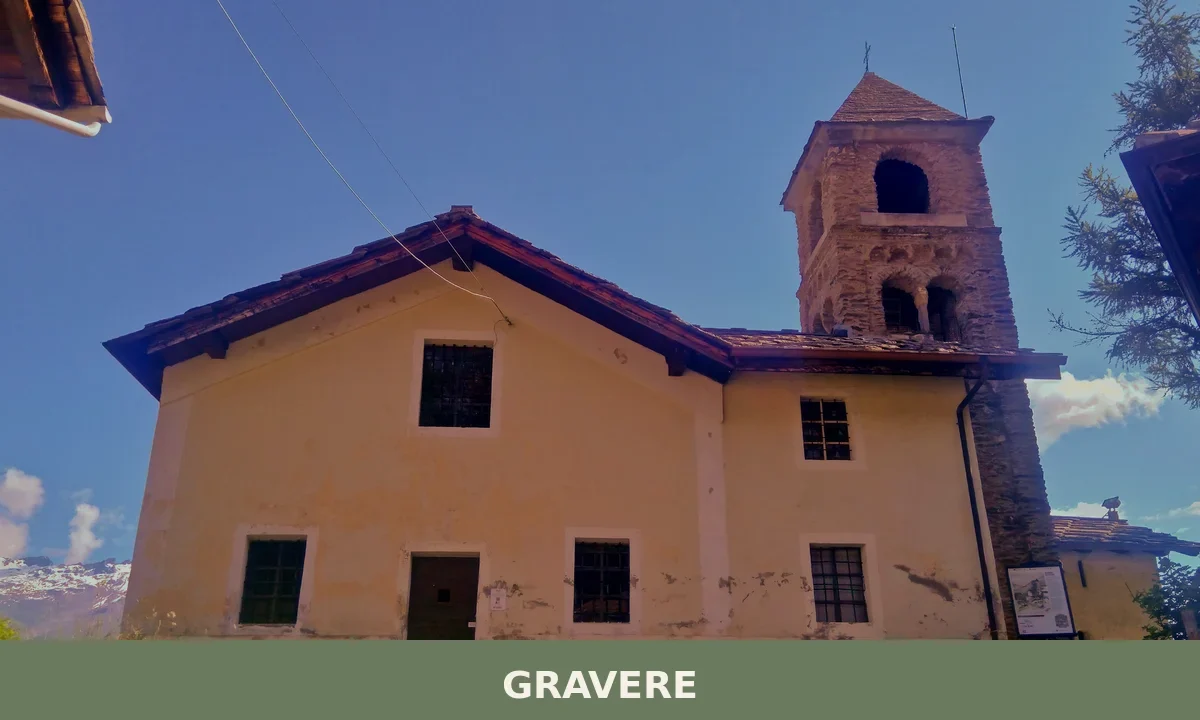
Gravere
Mountain
681 residents, 10 scattered hamlets, and four centuries of life between two kingdoms. Gravere village in Piedmont traces its identity through stone boroughs and seasonal Alpine rhythms.
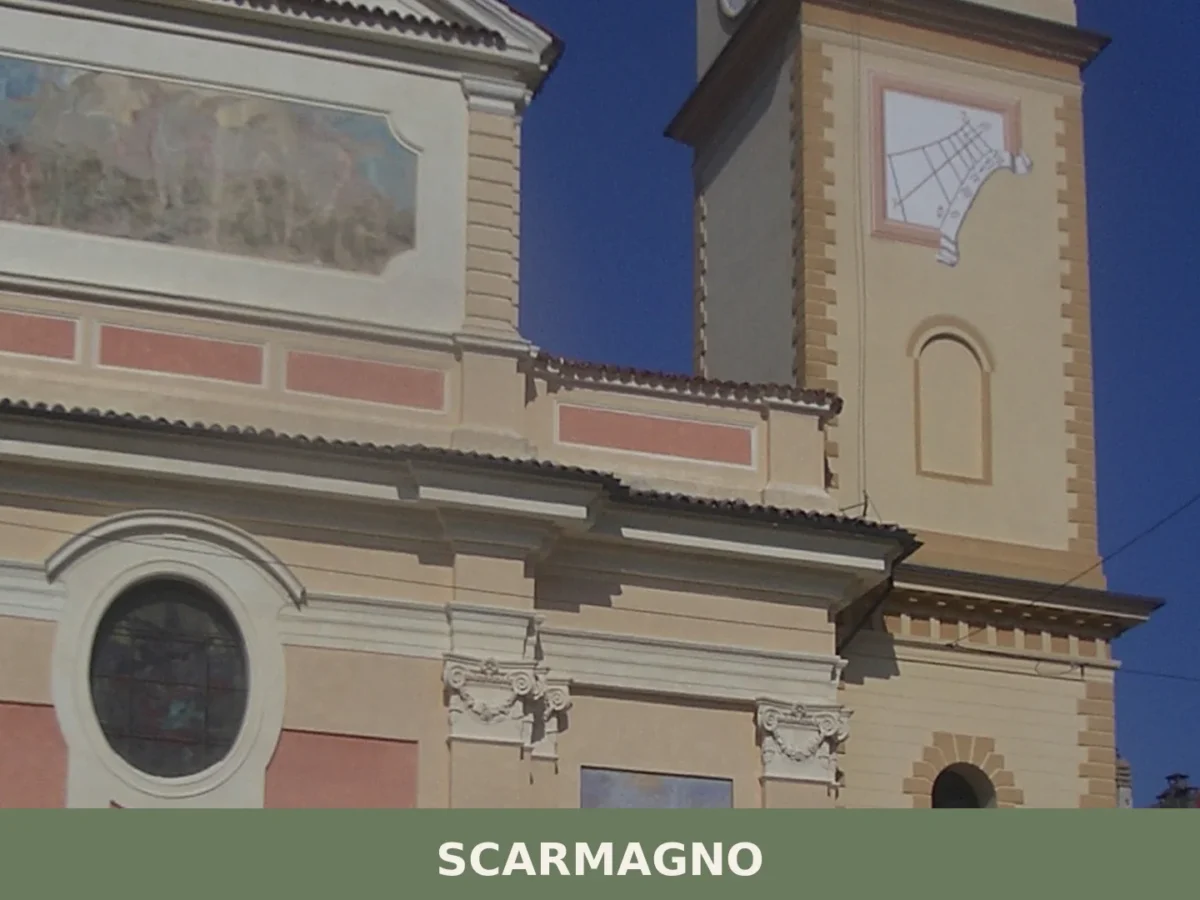
Scarmagno
Mountain
Population 796. A small Piedmontese comune where 10th-century stone chapels stand within sight of the automated Olivetti plant that once produced 200,000 computers annually.
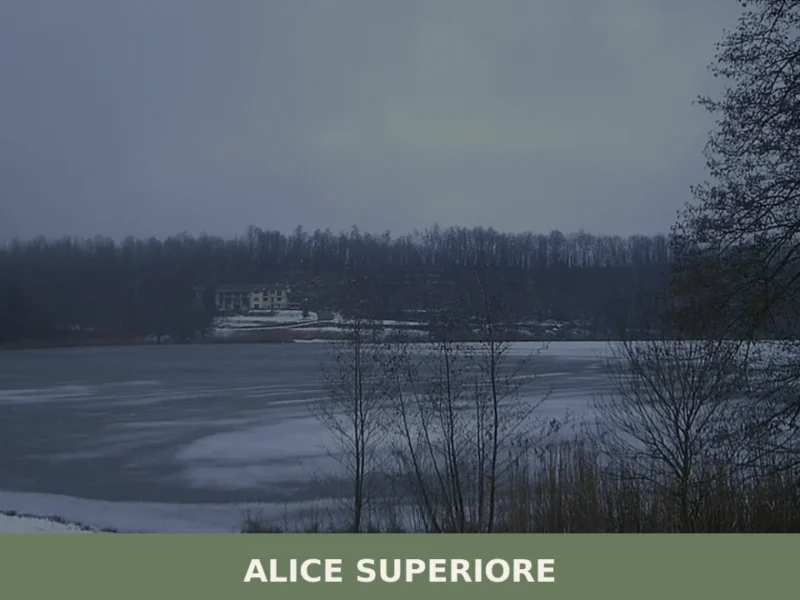
Alice Superiore
Mountain
Alice Superiore sits at 610 metres above sea level in the Chiusella Valley, a lateral branch of the Canavese district within the Metropolitan City of Torino. Home to 711 inhabitants, the village occupies a stretch of sloping terrain where chestnut woods give way to Alpine pasture. For anyone researching what to see in Alice Superiore, […]
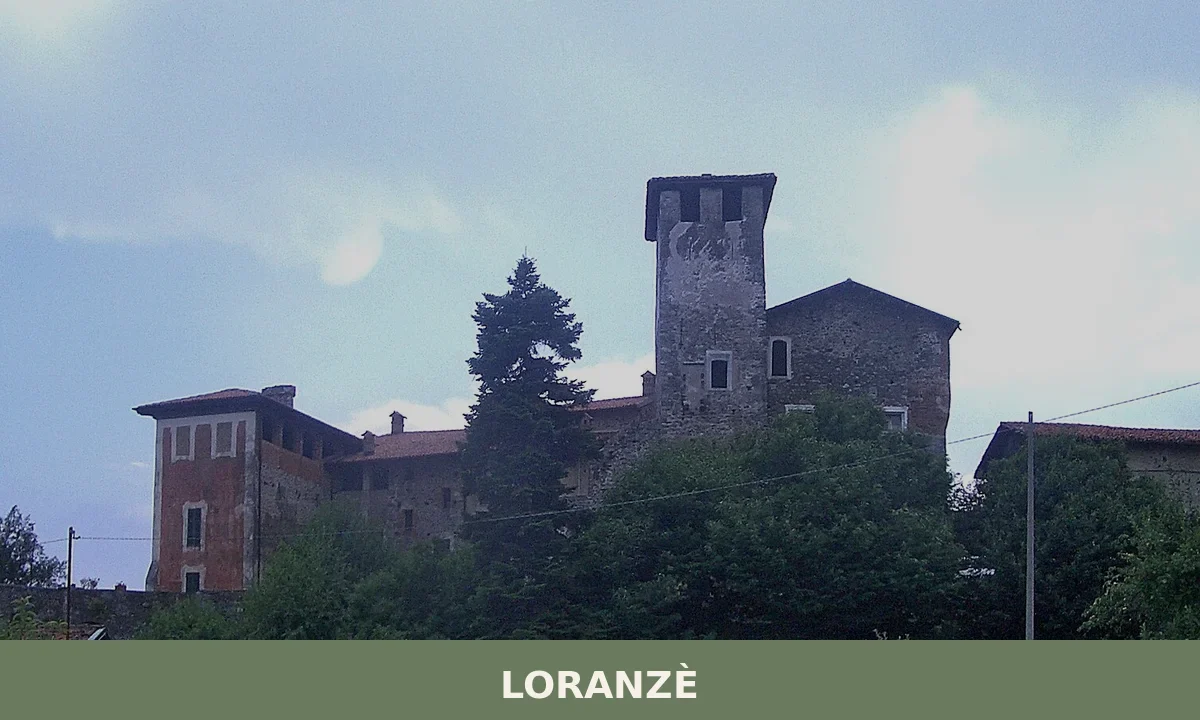
Loranzè
Plains
Home to around 1,200 residents, Loranzè draws visitors with its 11th-century Castel Rosso and a documented medieval lineage tied to the counts of San Martino.

Salbertrand
Mountain
A 627-soul mountain village at 1,032 metres, rooted in Occitan tradition and medieval pilgrimage routes. Stone fountains, frescoed churches and views of the Ambin peaks define its character.
🧀 Italian traditional products


🏡 Know Novalesa better than we do?
If you’re a local or have been there, your knowledge matters: add what’s missing or fix a detail on this page.