


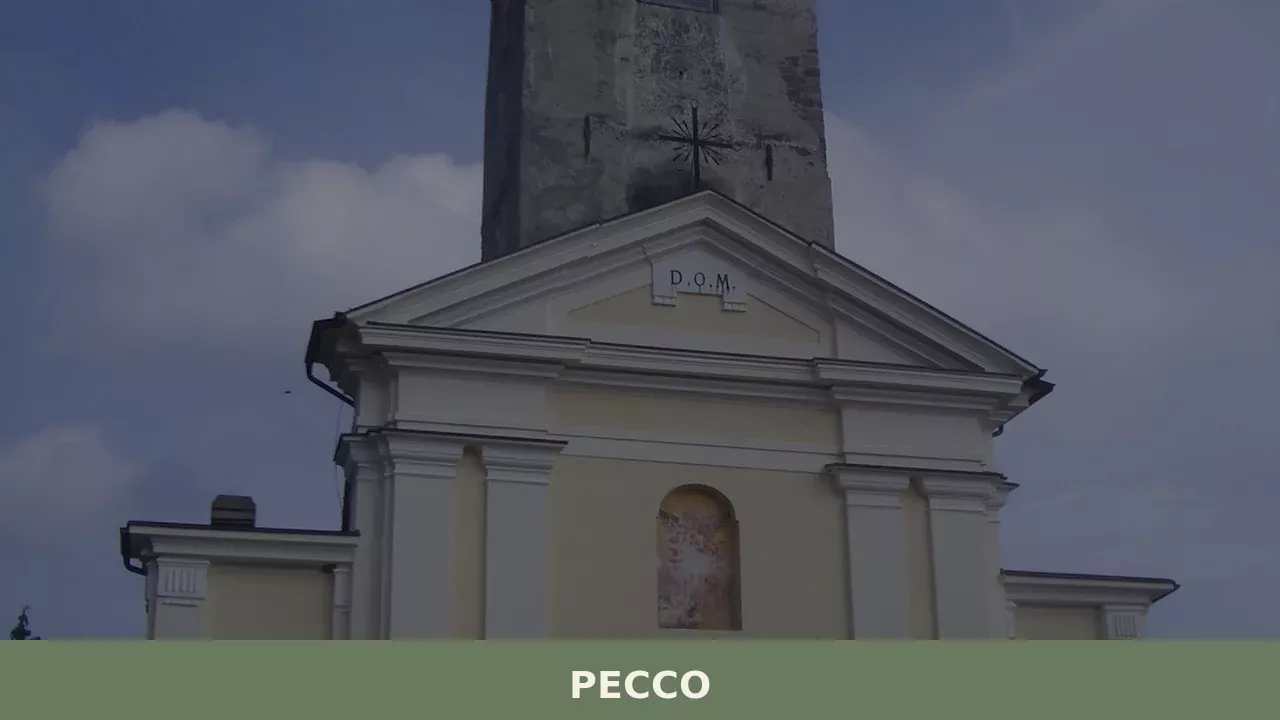
Pecco
 Mountain
On 1 January 2019, Pecco ceased to exist as an independent municipality when it merged with Alice Superiore and Lugnacco to form the new comune of Val di Chy, in the metropolitan city of Torino. Before that administrative change, Pecco — known in Piedmontese dialect as Pech — held its own civic identity, governing a […]
Discover Pecco
On 1 January 2019, Pecco ceased to exist as an independent municipality when it merged with Alice Superiore and Lugnacco to form the new comune of Val di Chy, in the metropolitan city of Torino. Before that administrative change, Pecco — known in Piedmontese dialect as Pech — held its own civic identity, governing a territory of roughly 232 inhabitants at the edge of a Canavese valley. Knowing what to see in Pecco means understanding a place shaped not by mass tourism but by the slow rhythms of a small Alpine foothill community that still operates largely on its own terms.
History of Pecco
The Piedmontese dialect name Pech points to pre-Latin or early Romance linguistic roots common across the Canavese area, where place names frequently reflect topographical features — rocky ground, ridgelines, or stream courses — rather than founding figures or saints. The Canavese zone, of which Pecco formed a part, was historically contested territory between the powerful bishops of Ivrea and the emerging secular lordships of the Savoy dynasty during the medieval period. By the high medieval era, much of this sub-Alpine corridor had been drawn into the political orbit of the House of Savoy, and small communities like Pecco would have been subject to the layered feudal structures that governed rural Piedmont through the thirteenth and fourteenth centuries.
As an autonomous commune, Pecco shared administrative boundaries with Alice Superiore, Lugnacco, Rueglio, and Vistrorio — a configuration that endured through centuries of local governance until late in the twentieth century brought mounting pressure on small Italian municipalities to consolidate services and reduce costs. That pressure culminated in the 2019 merger. The history of Canavese rural settlements is also bound up with the local economy of small-scale agriculture and — particularly from the eighteenth century onward — the seasonal migration of labour toward the industrial basin of Torino, a pattern that gradually eroded the populations of many villages across this mountain fringe. Pecco followed that demographic trajectory.
The ecclesiastical history of the area is woven into the authority of the Diocese of Ivrea, one of the oldest in Piedmont, whose influence over parishes across the Canavese valley system — including communities in the Val di Chy corridor — extended back to the early medieval period. Local churches in settlements of this size typically served as the primary public buildings for centuries, functioning simultaneously as civic gathering spaces, record repositories, and ceremonial centres. The administrative reorganisation of 2019, which formally created the commune of Val di Chy, represents the most recent and most structurally significant change in Pecco’s documented institutional life, consolidating three formerly distinct municipalities into a single governing body recognised by the Città Metropolitana di Torino.
What to see in Pecco: 5 must-visit attractions
The Parish Church
As in virtually every Canavese village of comparable size, the parish church forms the visual and social anchor of Pecco’s built fabric. A structure of this function in a community of roughly 230 inhabitants would typically date its current form to the seventeenth or eighteenth century, built over earlier foundations, with a single nave and a campanile that serves as the settlement’s most visible vertical element from the surrounding fields and slopes.
The Historic Village Core
Pecco’s compact historic centre preserves the street pattern and stone construction typical of sub-Alpine Canavese villages: narrow lanes between buildings of local stone, external staircases accessing upper-floor living quarters, and shared courtyard spaces that reflect a building tradition adapted to mountain-edge agriculture. The proportions and materials are consistent across the Canavese ridge settlements.
The Val di Chy Landscape
The valley corridor in which Pecco sits — now administratively named Val di Chy — offers a sequence of terraced hillsides, mixed woodland and former agricultural land that characterises the Canavese foothills between the plains of Torino and the higher Alpine approaches. The viewlines across to the Dora Baltea valley and the Serra morainic ridge are wide and clearly legible from the elevated village position.
The Municipal Boundaries Territory
Until 2018, Pecco’s communal territory abutted those of Alice Superiore, Lugnacco, Rueglio, and Vistrorio — a set of ridgeline and watercourse boundaries that can be traced on foot along paths connecting the five former communes. Walking these routes gives a precise sense of how sub-Alpine communities divided and worked the same landscape for centuries.
The Serra Morenica d’Ivrea Surroundings
Within a short drive from Pecco, the Serra morenica d’Ivrea — a glacial moraine ridge of European scientific significance — frames the wider territory. Recognised as one of the most complete glacial landforms in Europe, the Serra provides a geological and scenic context for understanding why settlement patterns in this part of the Torino metropolitan area developed along specific ridge and valley lines rather than on the open plain.
Local food and typical products
The food culture of the Canavese — the broader zone that contains Pecco and Val di Chy — is rooted in the traditions of piedmont hill farming: polenta, braised meats, freshwater fish from mountain streams, and an extensive use of locally foraged mushrooms and chestnuts. Toma Piemontese DOP, a semi-fat cow’s milk cheese produced across the mountain communities of Piedmont, is one of the most regionally significant products associated with this landscape, alongside Fontina from the adjacent Aosta Valley, which frequently crosses onto local tables. Salami and cured meats produced from the small-scale pig farming once common across Canavese villages remain part of domestic and festival food traditions.
Given Pecco’s size — a community of just over 230 residents — dedicated restaurant infrastructure within the village itself is limited. Visitors looking for a sit-down meal would be better served by exploring the slightly larger centres within Val di Chy or the wider Canavese network of agriturismi and trattorie, where cucina canavesana is served in its most direct form: robust, ingredient-led, and tied to what the agricultural season produces. The nearby town of Ivrea, the historic capital of the Canavese, provides the fullest range of dining options in the immediate area.
Best time to visit Pecco
The Val di Chy corridor sits at an altitude typical of Canavese foothill settlements — above the fog that blankets the Po plain in autumn and winter, but below the snow line that closes higher Alpine routes. Late spring, from May through June, brings the clearest visibility across the valley system, with the hillside vegetation in full growth and the roads in good condition after winter. September and October offer a second optimal window, when the combination of stable weather, lower visitor numbers across the Torino metropolitan area, and the harvest season in surrounding agricultural communities makes the area particularly accessible and active. Summer temperatures are moderate compared to the Torino plain, making the elevated village position noticeably more comfortable on hot days.
How to get to Pecco
Pecco is located in the metropolitan city of Torino, in the Canavese sub-region. The most practical access points are as follows:
- By car from Torino: Torino city centre is approximately 40–50 km to the south-west. The most direct route follows the A5 motorway toward Aosta, exiting at Albiano d’Ivrea or Scarmagno, then taking provincial roads into the Val di Chy. Journey time from Torino is typically 45–60 minutes depending on traffic.
- By car from Ivrea: Ivrea, the main town of the Canavese, is the most useful local reference point — approximately 15–20 km from the Val di Chy area. Provincial roads connect Ivrea to the valley communities.
- By train: The nearest railway station with regular Torino connections is Ivrea, served by trains on the Torino–Aosta line. From Ivrea, local transport or a taxi is required to reach Pecco, as there is no direct rail access to the village.
- By air: Turin Airport (Torino Caselle, TRN) is approximately 50–60 km from Val di Chy. Car hire at the airport is the most practical option for reaching the village independently.
Where to stay in Pecco
A village of Pecco’s scale — now a fraction of the commune of Val di Chy with a population of around 232 — does not support a hotel or formal guesthouse sector within its own boundaries. Accommodation in the immediate area takes the form of holiday apartments, rural bed and breakfast operations, and agriturismi spread across the Val di Chy territory, which visitors can locate through the regional tourism platform for the Piemonte tourism board. Booking through official regional channels or established platforms with a flexible cancellation policy is advisable, particularly outside the peak summer months when some rural accommodation operates on a seasonal basis.
For visitors who prefer a wider choice of facilities — restaurants, supermarkets, pharmacies — using Ivrea as a base and making day visits into Val di Chy and Pecco is the most practical strategy. Ivrea offers hotels across several price categories and is well connected to both Torino and the Aosta Valley. From Ivrea, Pecco is a short drive along provincial roads, making it entirely feasible to explore the Val di Chy communities without an overnight stay in the valley itself.
More villages to discover in Piemonte
The Canavese sits within a broader Piedmontese landscape of considerable geographic and cultural variety. To the east, toward the Vercelli plain, the character of the region shifts from hill and valley to the flat, rice-growing lowlands of one of Italy’s most important agricultural zones — a contrast worth exploring. The city of Vercelli anchors that territory and offers a very different reading of Piedmontese history. Closer to the Canavese foothill zone, Barone Canavese provides a point of direct comparison with Pecco — another small community in the same sub-regional network, with the compact built form and agricultural roots common to Canavese ridge settlements.
Further south and west within Piedmont, the regional picture diversifies further. Balangero, in the hills north of Torino, represents a Piedmontese community defined by a specific industrial and extractive history that sets it apart from the purely agricultural villages of the Canavese. And for those who want to understand the full range of Piedmontese civic life — from village scale to historic provincial capital — the city of Asti, with its medieval tower houses, its Palio, and its position at the centre of one of Italy’s most documented wine-producing territories, offers the sharpest possible contrast to the quiet daily scale of a community like Pecco.
Nearby Villages near Pecco
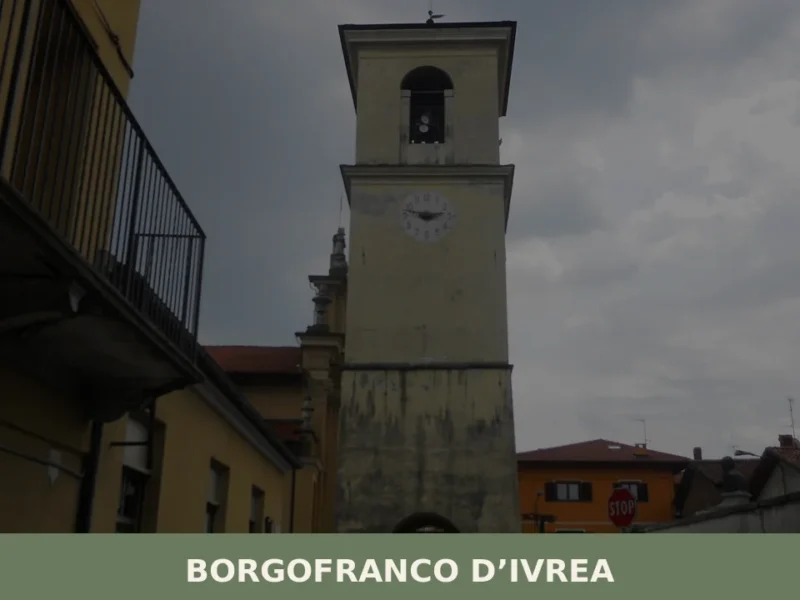
In Piedmont More villages to discover
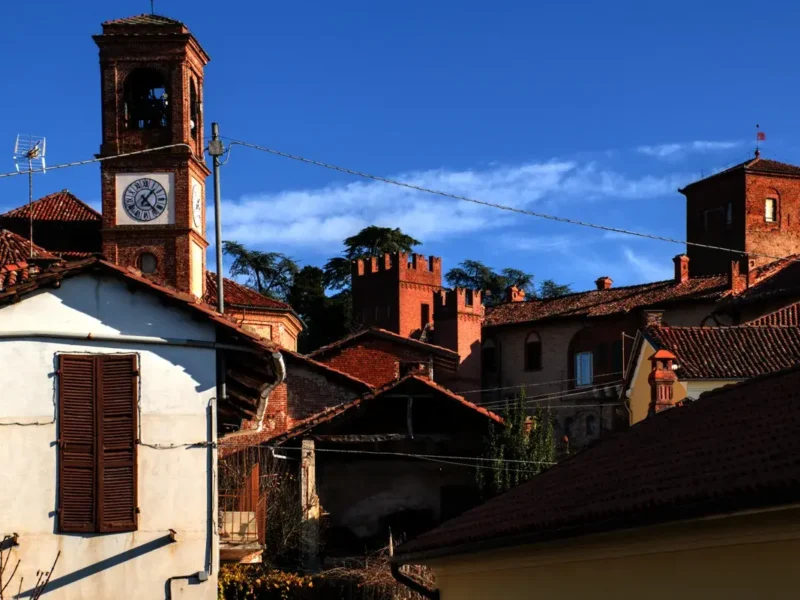
Moriondo Torinese
 Hills
Hills
Scopri Moriondo Torinese, un affascinante borgo del Piemonte ricco di storia, natura e tradizioni. Lasciati conquistare dalla sua bellezza autentica!
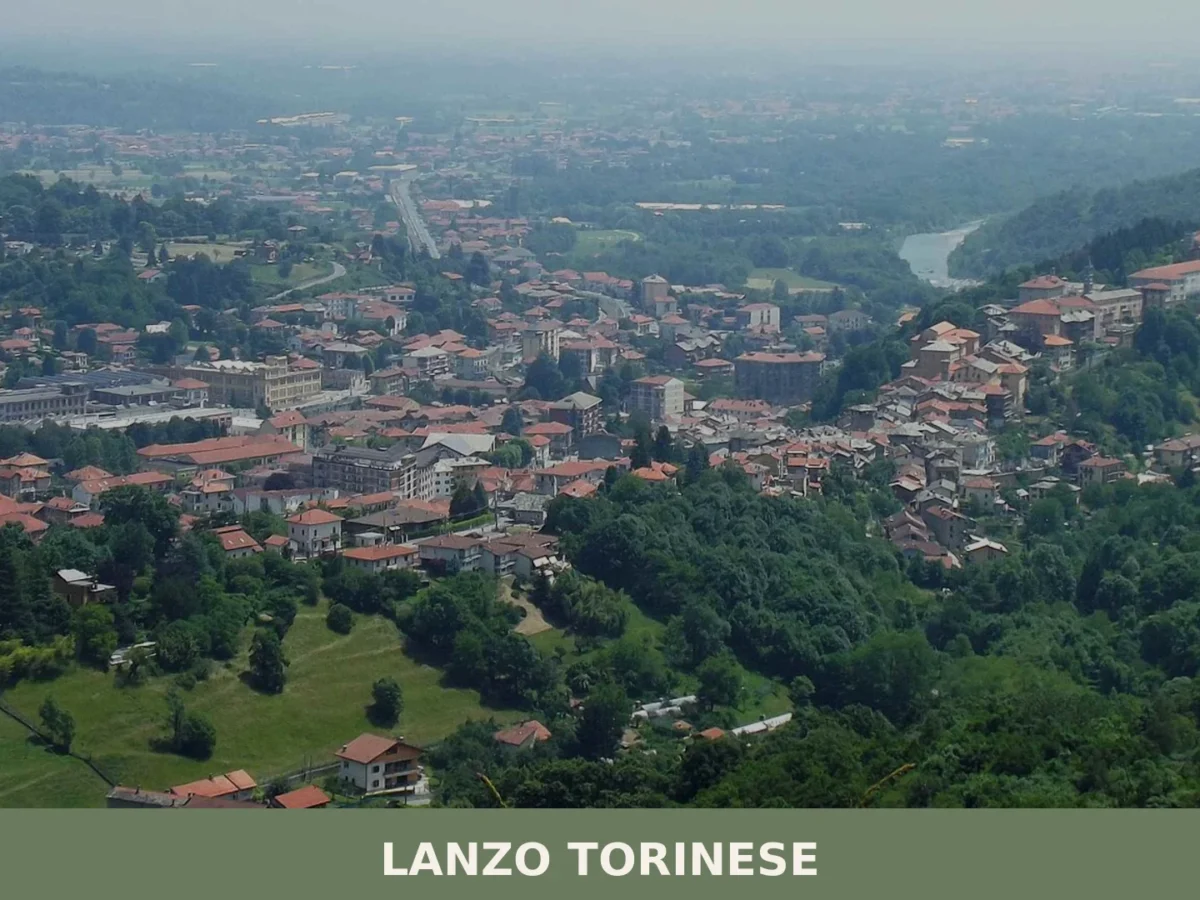
Lanzo Torinese
Mountain
A town of nearly 5,000 residents where Alpine valleys meet industrial heritage. Medieval castle ruins and 14th-century bridge engineering define its character.
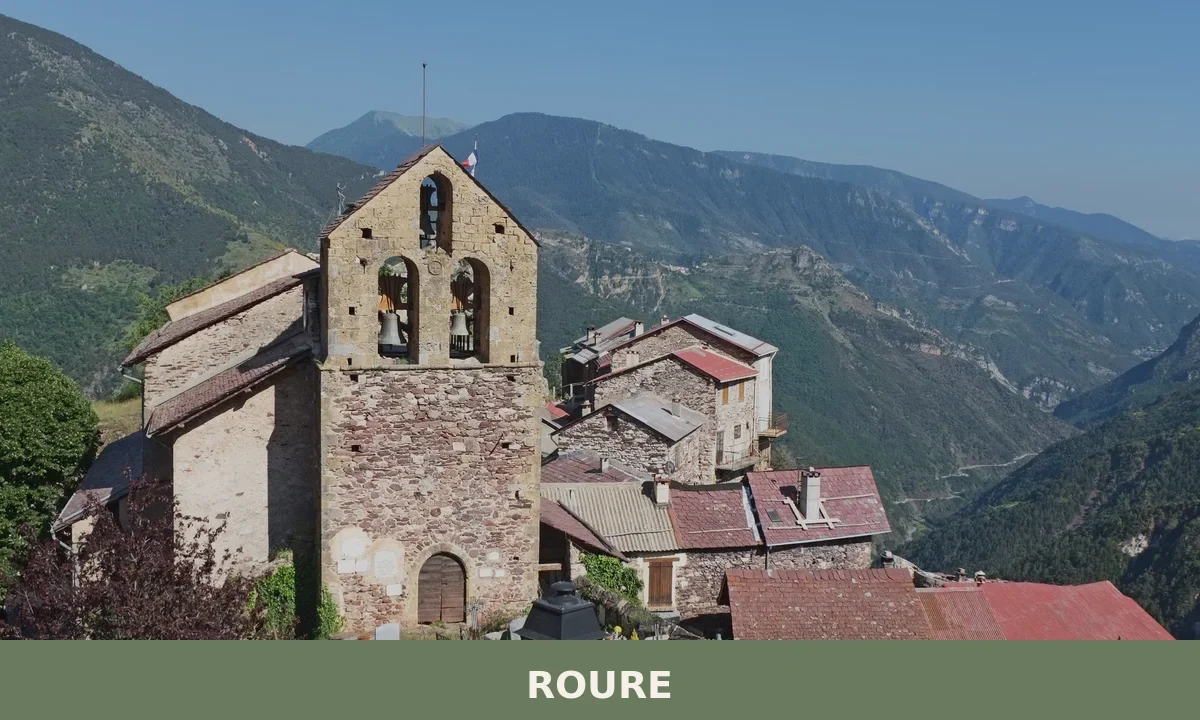
Roure
Mountain
A dispersed mountain commune of 752 residents in Turin province. Stone hamlets linked by valley pathways, climbing crags and 2000-metre drops into wilderness.
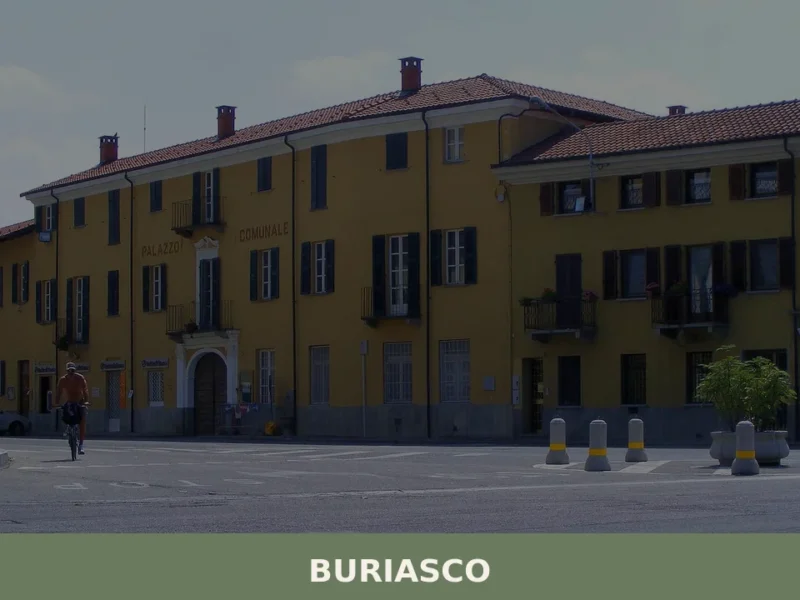
Buriasco
Hills
What to see in Buriasco, Italy: 5 top attractions, local food, festivals and how to get to this 301 m village near Turin. Discover Buriasco, Piemonte.

Borgone Susa
Mountain
Borgone Susa offers 5 remarkable attractions including a 14th-century fortified tower and a mysterious Roman rock carving. A compact Val di Susa gem worth exploring.
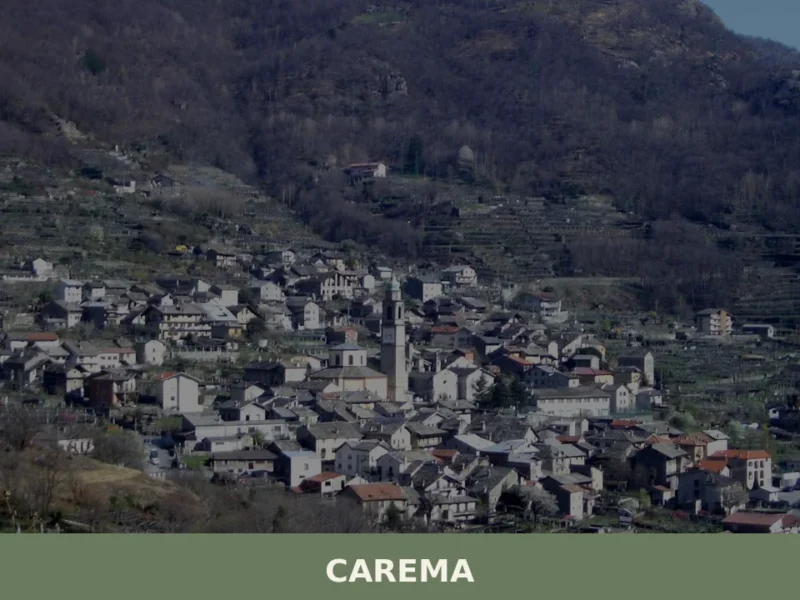
Carema
Mountain
Scopri Carema borgo medievale: un gioiello del Piemonte tra vigneti storici, torri antiche e tradizioni millenarie. Visita questo angolo unico d'Italia!
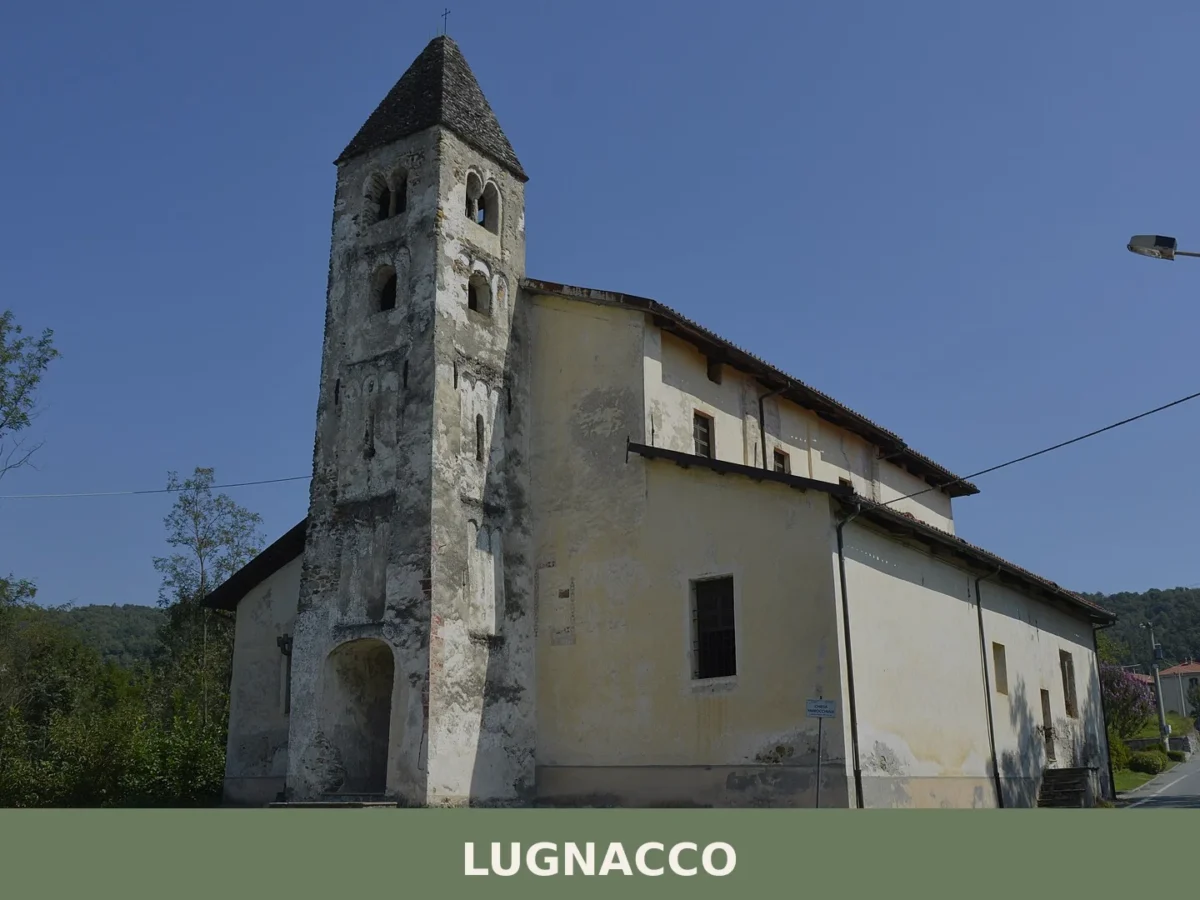
Lugnacco
Hills
One of three historic centres forming Val di Chy, Lugnacco offers alpine scenery at 563 m and a window into small-settlement Piedmont north of Turin.

Quincinetto
Hills
A mountain comune of 976 inhabitants where Roman roads once connected the Po Valley to Gaul. Medieval castles and seven fountains mark this Piemontese village.
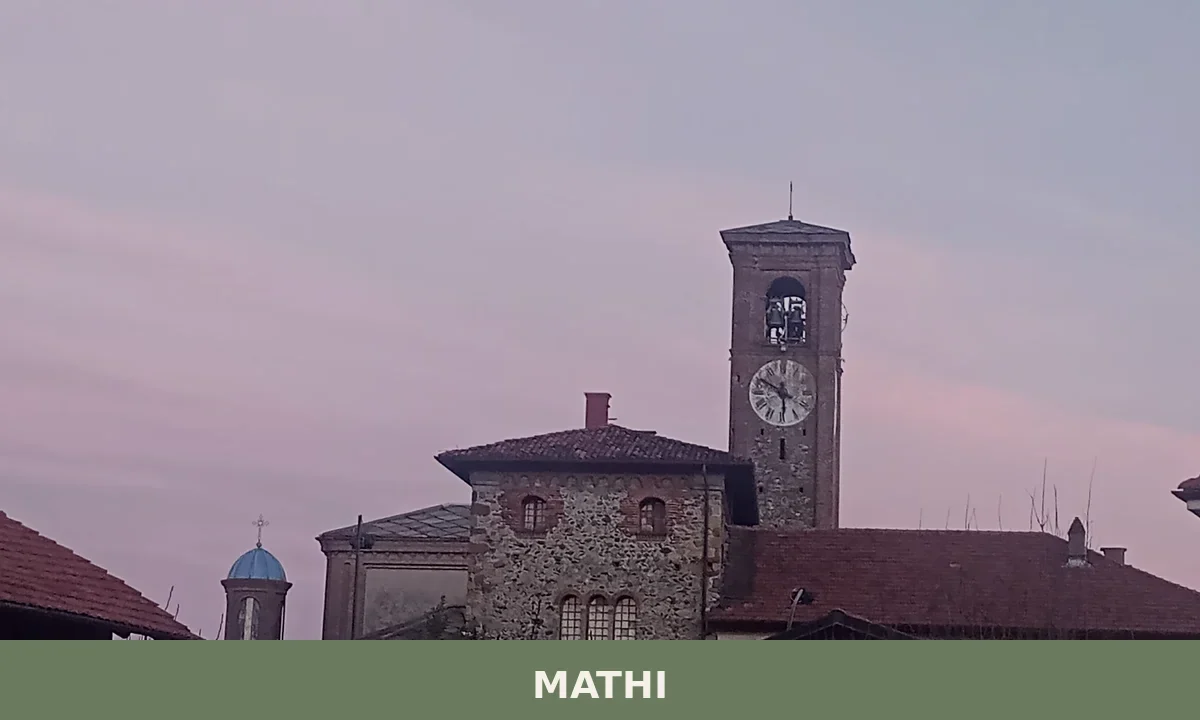
Mathi
Hills
3,729 residents, a Benedictine tower still standing behind the parish church, and an industrial paper mill story linked to Don Giovanni Bosco. Mathi rewards those who look closely.
Ronco Canavese
Mountain
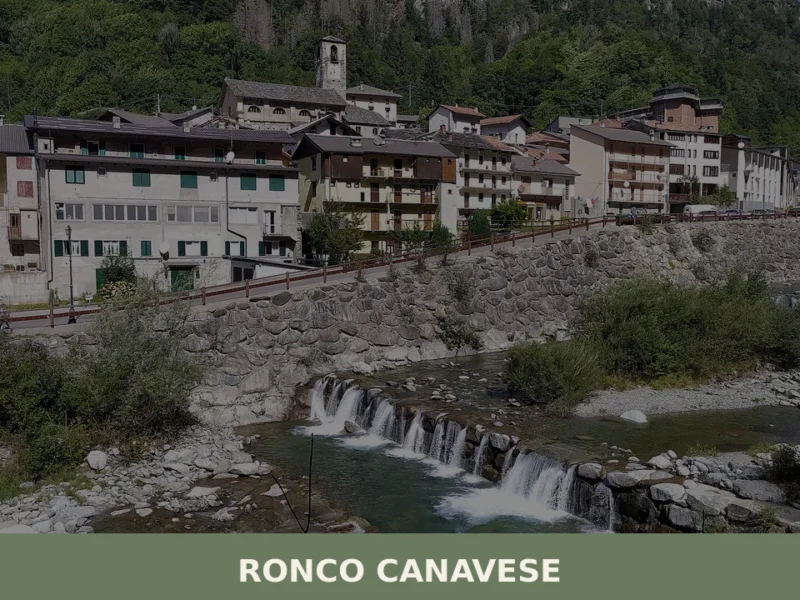
Ronco Canavese is home to approximately 380 inhabitants and serves as the principal reference point for the Valle Soana, a lateral valley that extends northward from the Gran Paradiso massif within the metropolitan area of Turin. Knowing what to see in Ronco Canavese requires understanding its role not as a transit point but as the […]
🏡 Know Pecco better than we do?
If you’re a local or have been there, your knowledge matters: add what’s missing or fix a detail on this page.