


Piscina
 Plains
Scopri Piscina borgo Piemonte: storia, tradizioni e attrazioni di questo affascinante comune piemontese tutto da esplorare.
Discover Piscina
Piscina is a comune of 3,295 inhabitants in the Metropolitan City of Turin, sitting in the Piedmontese plain south of the regional capital. Known in the local Piedmontese dialect as Pissin-a, the village belongs to a band of small agricultural and light-industrial municipalities that characterise the lower Po plain. Travellers asking what to see in Piscina will find a place whose identity has been constructed from centuries of rural organisation, religious architecture and the persistent rhythms of market agriculture — not from dramatic scenery, but from an accumulation of ordinary history made legible in stone and soil.
History of Piscina
The toponym Piscina derives from the Latin piscina, meaning a fish pond or reservoir — a name that points to the management of water resources in this low-lying territory during the medieval period. Such names were commonly assigned to localities in the Po plain where artificial or natural bodies of water served both agricultural and domestic functions, and their persistence into the modern period reflects how central water management was to the settlement’s original purpose. The presence of a water-related name is itself a document: it tells us that the landscape here was actively engineered rather than simply inhabited.
Like many communes in the Metropolitan City of Turin, Piscina passed through the hands of various feudal powers during the medieval and early modern periods before consolidating under the administrative structures of the Duchy of Savoy. The Savoy dukes systematically reorganised the governance of Piedmontese territories from the fifteenth century onwards, and smaller communes like Piscina became embedded in the broader administrative grid that eventually produced the unified province of Turin. The parish church — a fixture in any Piedmontese comune of this scale — would have served as the primary institutional anchor of community life throughout these centuries, registering births, deaths and the rhythms of the agricultural calendar.
The modern administrative identity of Piscina was formalised through the post-Unification rationalisation of Italian communes in the second half of the nineteenth century. With Italian unification in 1861, Piedmont became the administrative and political model for the new state, and communes across the region were assigned their current boundaries and institutional frameworks. Piscina’s population of roughly 3,295 today reflects the pattern common to many small Piedmontese communes: a stable base that survived industrialisation by maintaining proximity to Turin’s labour market while retaining its own civic and agricultural identity.
What to see in Piscina: 5 must-visit attractions
The Parish Church
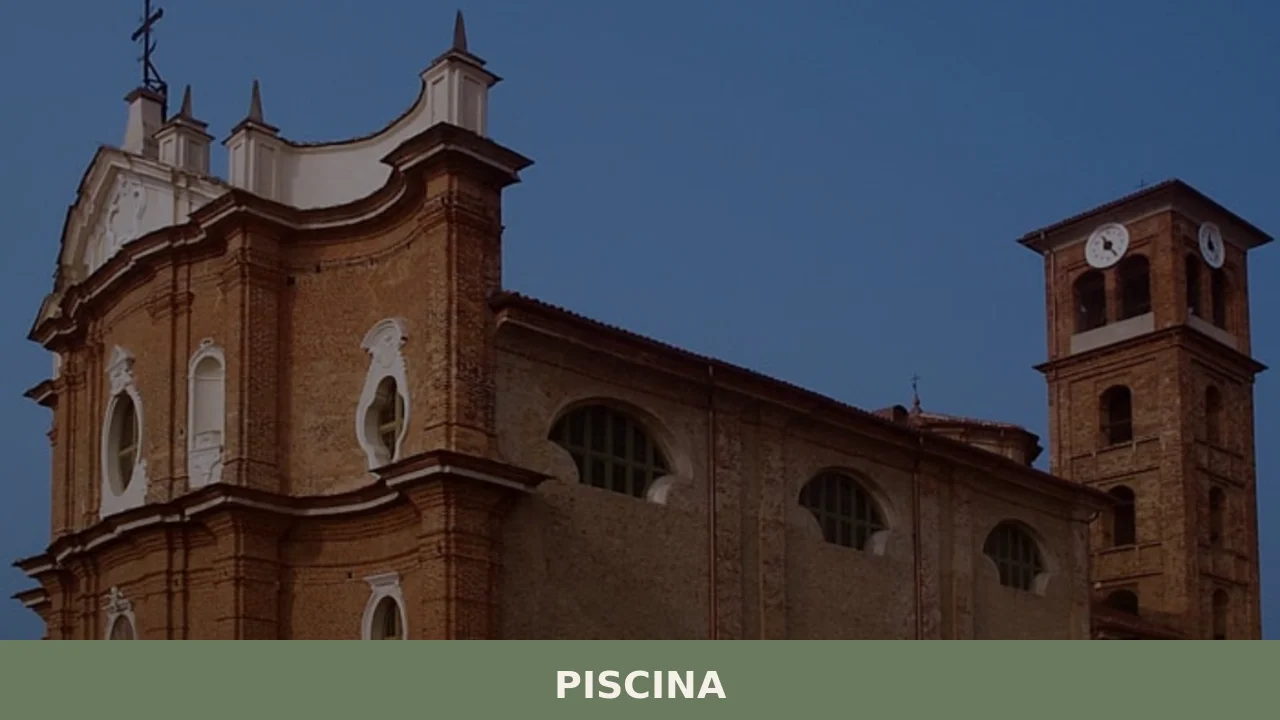
The parish church is the architectural and social anchor of the comune, as in virtually every Piedmontese village of this scale. Built in the characteristic style of the Counter-Reformation period that spread through the Savoy territories from the late sixteenth century, it contains the registers of local civil and religious life dating back several centuries, and its façade defines the central public space of the village.
The Historic Village Centre
Piscina’s historic centre preserves the compact street plan typical of medieval agricultural settlements in the Turin plain. The arrangement of buildings around a central axis reflects centuries of incremental construction — stone and brick structures that replaced earlier timber frames as the village consolidated during the communal period of the twelfth and thirteenth centuries.
The Rural Landscape and Agricultural Plain
The flat agricultural territory surrounding the built core is itself a document of organised land use. The field patterns here — long, rectangular strips oriented to maximise drainage on the Po plain — reflect land divisions that in many cases follow boundaries established during the medieval period and rationalised under Savoy agricultural management from the seventeenth century onward.
Local Oratories and Wayside Shrines
Small oratories and votive shrines punctuate the roads between Piscina and its neighbouring communes. These structures, typically dating from the seventeenth to nineteenth centuries, were erected by local families or confraternities as acts of devotion and served as landmarks in a landscape with few other distinguishing features. Each carries a dedication — often to the Madonna or a specific saint — and a date inscription.
The Municipal Area and Its Market Traditions
Piscina’s position within the wider agricultural economy of the Turin metropolitan area is visible in its market infrastructure. Small communes in this part of Piedmont historically held periodic markets for the exchange of grain, livestock and seasonal produce, and the physical layout of the central square still reflects this commercial function, with open space designed to accommodate temporary stalls and seasonal gatherings.
Local food and typical products
Piscina sits within one of Italy’s most coherent regional food cultures. The Piedmontese table in the Turin plain is built around a sequence of preparations that treat raw materials with seriousness rather than elaboration: vitello tonnato, thin slices of veal served cold with a tuna and caper sauce, which has been documented in the Piedmontese repertoire since the eighteenth century; bagna cauda, the anchovy and garlic dip served warm with raw seasonal vegetables; and tajarin, the egg-rich pasta cut into thin ribbons that distinguishes this territory from neighbouring pasta traditions. These dishes appear in the regional food culture documented by Piemonte’s official tourism bodies as foundational expressions of the area’s culinary identity.
The broader Metropolitan City of Turin area produces wines under several DOC and DOCG designations, and the market towns of this part of Piedmont remain active points of exchange for local agricultural products. For visitors specifically, the most practical approach is to use Piscina as a base for exploring the food traditions of the wider southern Turin plain, where agriturismi — farm-based restaurants operating under Italian agricultural tourism regulations — provide direct access to seasonal local cooking. The area’s proximity to Turin also means that the city’s established food markets and historic provisions shops are within easy reach.
Best time to visit Piscina
The climate of the Turin plain follows a continental pattern: cold winters with occasional frost and fog, warm to hot summers, and two transitional seasons — spring and autumn — that offer the most comfortable conditions for outdoor movement. Spring, from April through June, brings the plain into cultivation and the surrounding countryside into leaf; temperatures are moderate and precipitation, while present, tends to fall in short, heavy events rather than sustained rain. Autumn, from September through November, is the season of harvest and of the region’s celebrated food fairs, when the agricultural calendar creates the most concentrated opportunities to encounter local produce, from truffles in the Alba area to wine harvests across the Langhe and Monferrato. The municipality’s official website carries updated information on local events and seasonal schedules.
Summer in the Turin plain can be genuinely hot — temperatures above 35°C are not unusual in July and August — and the flat, largely unshaded agricultural landscape offers little natural relief. Winter visits are possible but the combination of fog (the nebbia that historically characterised this plain) and cold temperatures makes the experience austere. For most travellers, the window from late April to early June or from mid-September to late October represents the most productive time to visit.
How to get to Piscina
Piscina is located in the Metropolitan City of Turin in northwestern Piedmont, and its accessibility reflects its position within one of Italy’s most connected regional transport networks.
- By car: From central Turin, Piscina is reachable via the A6 Turin–Savona motorway or via provincial roads through the southern plain. The journey from Turin covers approximately 35–40 kilometres depending on the route taken.
- By train: The Piedmontese rail network, operated under the Trenitalia national service, connects Turin’s main station (Torino Porta Nuova) to a number of stations in this part of the plain. Travellers should verify current service to the nearest station and plan accordingly, as local line frequencies vary by season.
- By air: Turin Airport (Torino Caselle, IATA: TRN) is the nearest major airport, located north of Turin. From the airport to Piscina, the total journey by car is approximately 50–60 kilometres, covering both the city and the southern route through it.
- From Milan: Milan is approximately 140 kilometres from Piscina via the A4 motorway to Turin and then the southern provincial road network. Journey time by car is roughly 90 minutes under normal traffic conditions.
Where to stay in Piscina
Piscina is a small working comune rather than an established tourist destination, and its accommodation offer reflects that reality. Visitors will find a limited but functional range of options: small guesthouses, B&Bs registered with the metropolitan tourist authority, and — most usefully in this part of the Piedmontese plain — agriturismi, farm-stays that operate under the Italian agritourism regulatory framework and typically offer rooms alongside meals based on seasonal local production. Staying within the comune itself is possible, but many visitors choose to use Piscina as a base within a wider itinerary centred on the southern Turin metropolitan area.
For those who want a broader range of accommodation, Turin itself is 35–40 kilometres to the north and offers the full spectrum from budget hotels to international chains, with frequent road and rail connections back to the southern plain. A practical tip: if visiting during the autumn harvest or truffle season, book accommodation across this entire part of Piedmont several weeks in advance, as rural accommodation fills quickly during peak agricultural tourism periods.
More villages to discover in Piemonte
Piedmont’s scale and internal variety mean that a visit to one commune rarely exhausts what the region has to offer. To the west, in the high Alps, Bardonecchia sits at the head of the Susa Valley at over 1,300 metres altitude, a railway junction since the opening of the Fréjus tunnel and a winter sports centre with a very different physical and cultural register from the Turin plain. Equally distinct in character is Carema, in the northern reaches of the Metropolitan City of Turin, where steep terraced vineyards produce a Nebbiolo-based DOC wine of significant age and documentation — one of Piedmont’s most historically rooted viticulture zones.
For those interested in the river landscapes of eastern Piedmont, Monteu da Po occupies a position on the right bank of the Po river, where the river’s geography has shaped both settlement and agriculture across recorded history. Further north, in the Canavese foothills between the plain and the Alpine front, Andrate offers a morainic landscape formed by the glacial action of the Baltea glacier — a completely different physical environment that demonstrates the compressed geographical diversity of Piedmont’s Metropolitan City of Turin territory.
📷 Photo Gallery — Piscina
Nearby Villages near Piscina
In Piedmont More villages to discover

Balme
 Mountain
Population 97. Balme stands at 1,432 metres in the Valli di Lanzo, where stone architecture and seasonal rhythms anchor a centuries-old mountain community.

Rocca Canavese
 Hills
Hills
Population 1,718. A fortified valley settlement with castle ruins, 11th-century religious architecture and a landscape of green hills rimmed by the Malone torrent.
Perosa Canavese
Plains
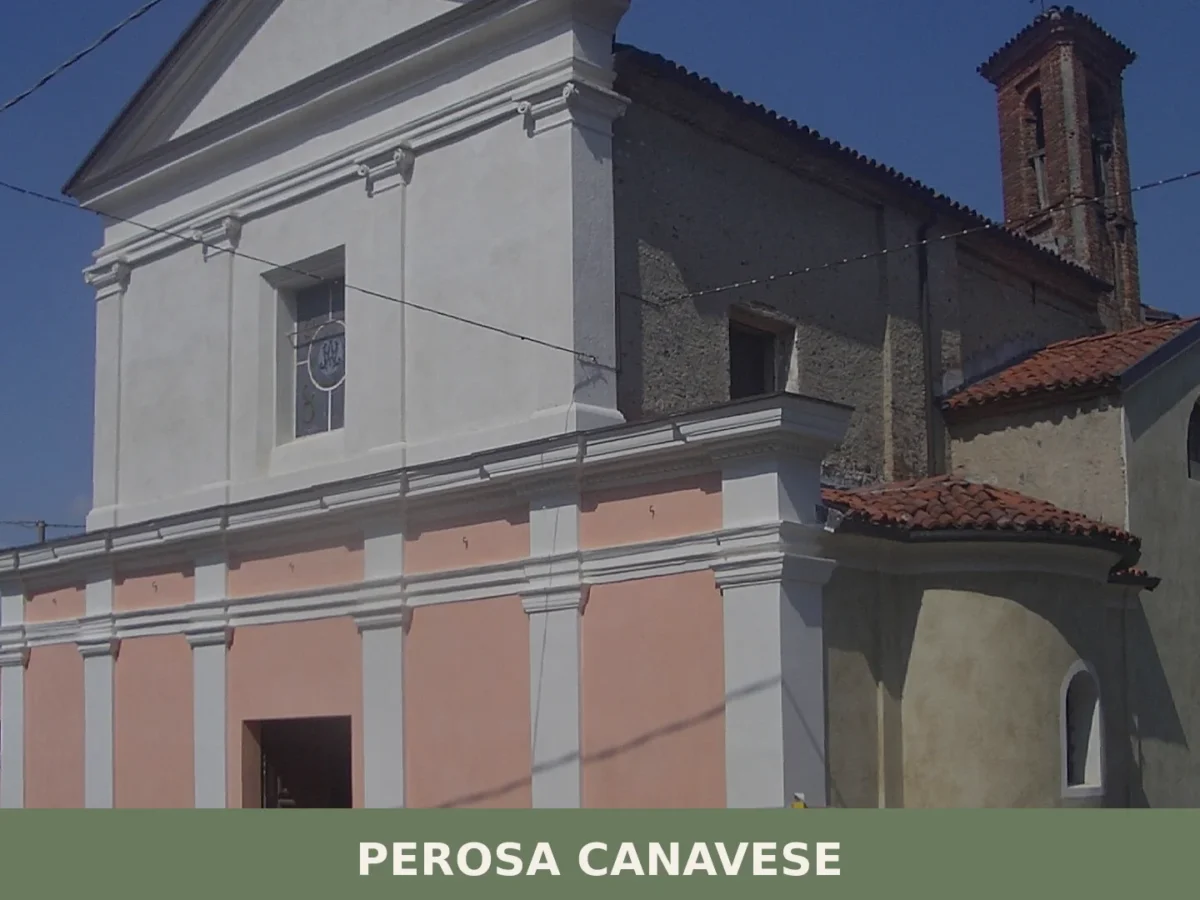
499 residents, a tower-gate carved into the village coat of arms, and a cedar imported from Morocco in 1820. Perosa Canavese rewards a careful visit.
Monteu da Po
Hills
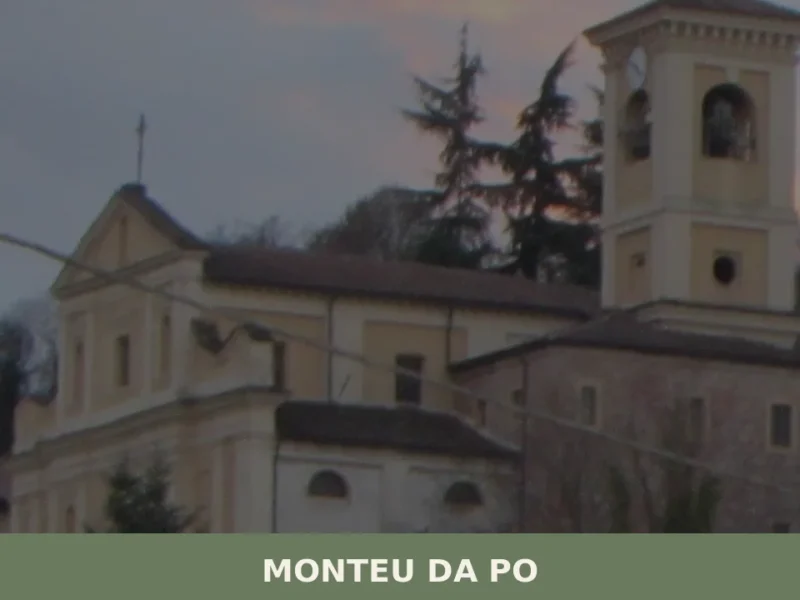
Scopri Monteu da Po, affascinante borgo piemontese sulle rive del Po. Storia, natura e tradizioni in un angolo autentico del Piemonte da non perdere.

Acceglio
Mountain
Discover what to see in Acceglio, a 170-resident mountain village at the head of Valle Maira in Cuneo, Piemonte — trails, churches, alpine pastures and local food.
Marentino
Hills
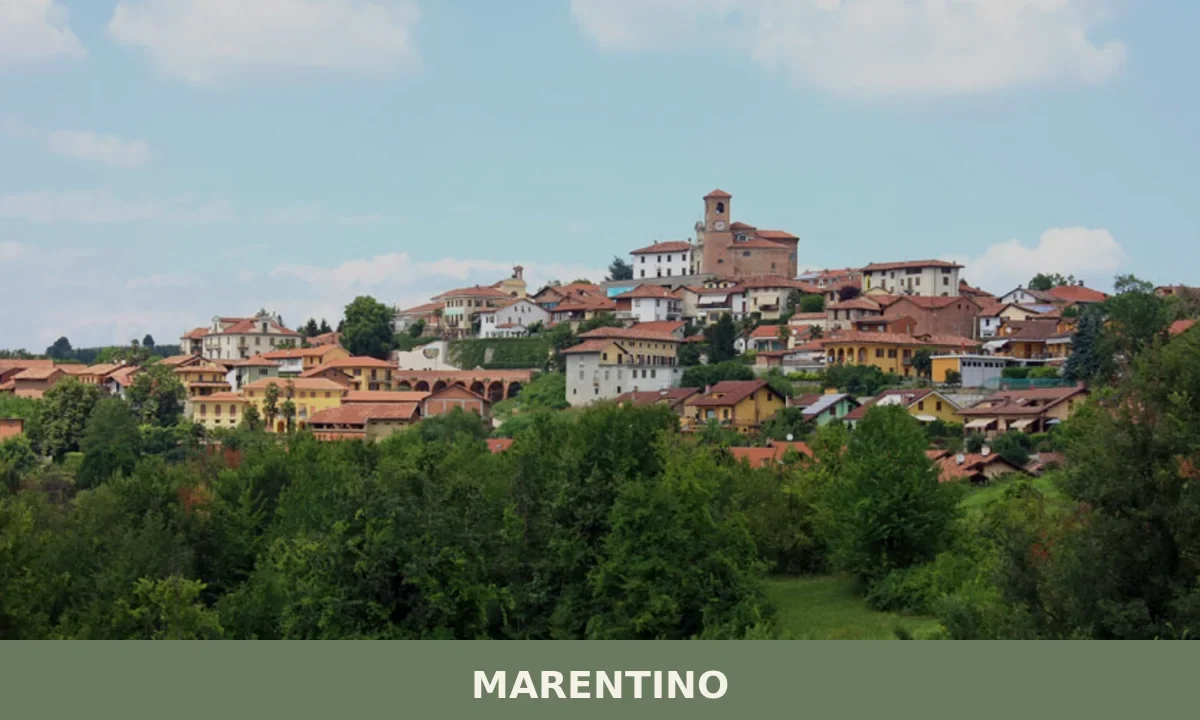
Three ancient boroughs, six historic churches and a Romanesque monument listed since 1888 make Marentino a compact but layered destination east of Turin.
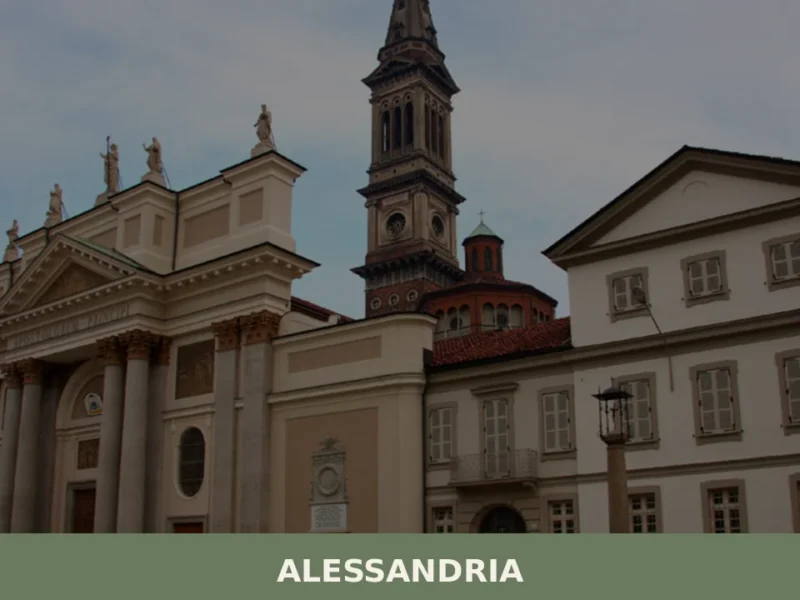
Alessandria
Plains
What to see in Alessandria: city at 95m in Piemonte with a military Citadel and Borsalino Museum. Explore 5 attractions, rabaton and Gavi DOCG wines.
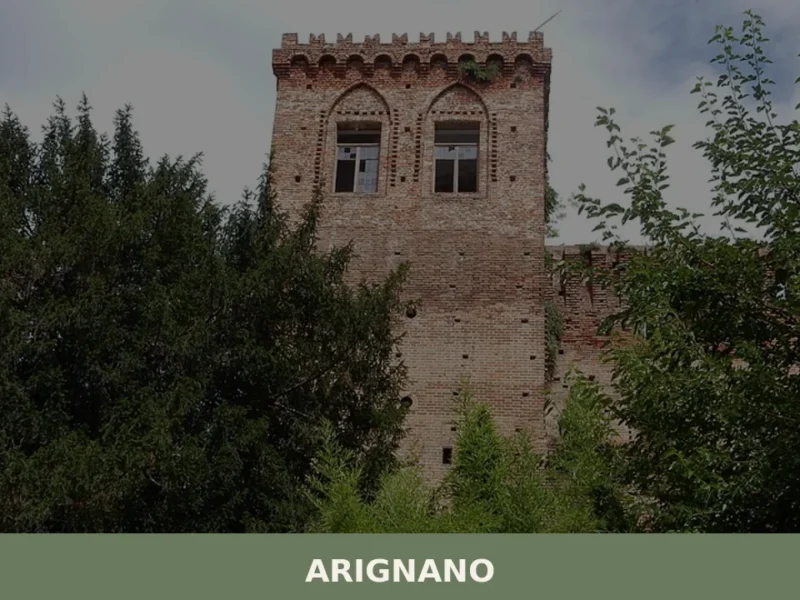
Arignano
Hills
What to see in Arignano in Piedmont: castle, church, hill trails, traditional cuisine, and practical information for visiting the village at 321 m a.s.l.
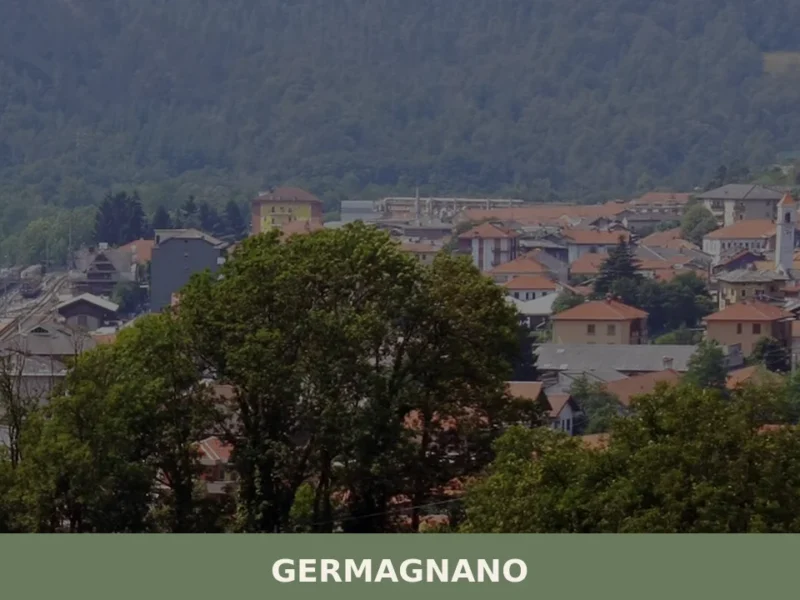
Germagnano
Mountain
What to see in Germagnano, Italy: 30 km from Turin in the Valli di Lanzo. Discover the railway village, local cuisine and best times to visit. Read the guide.
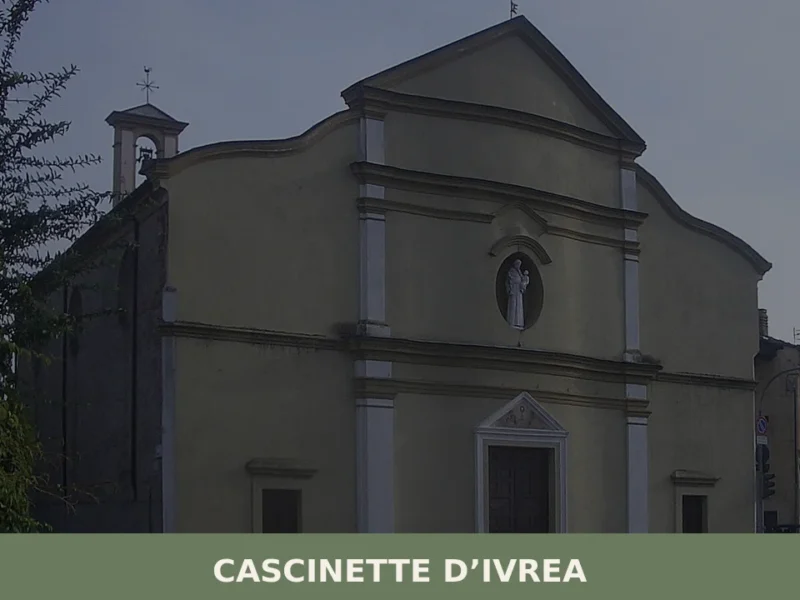
Cascinette d’Ivrea
Hills
Scopri Cascinette d'Ivrea, un incantevole borgo piemontese ricco di storia e paesaggi mozzafiato. Tutto quello che devi sapere su questo gioiello d'Italia.
🏡 Know Piscina better than we do?
If you’re a local or have been there, your knowledge matters: add what’s missing or fix a detail on this page.