


Candia Canavese
 Hills
Hills
Scopri Candia Canavese, il gioiello del Piemonte affacciato sul lago. Storia, natura e tradizioni ti aspettano in questo borgo incantevole del Canavese.
Discover Candia Canavese
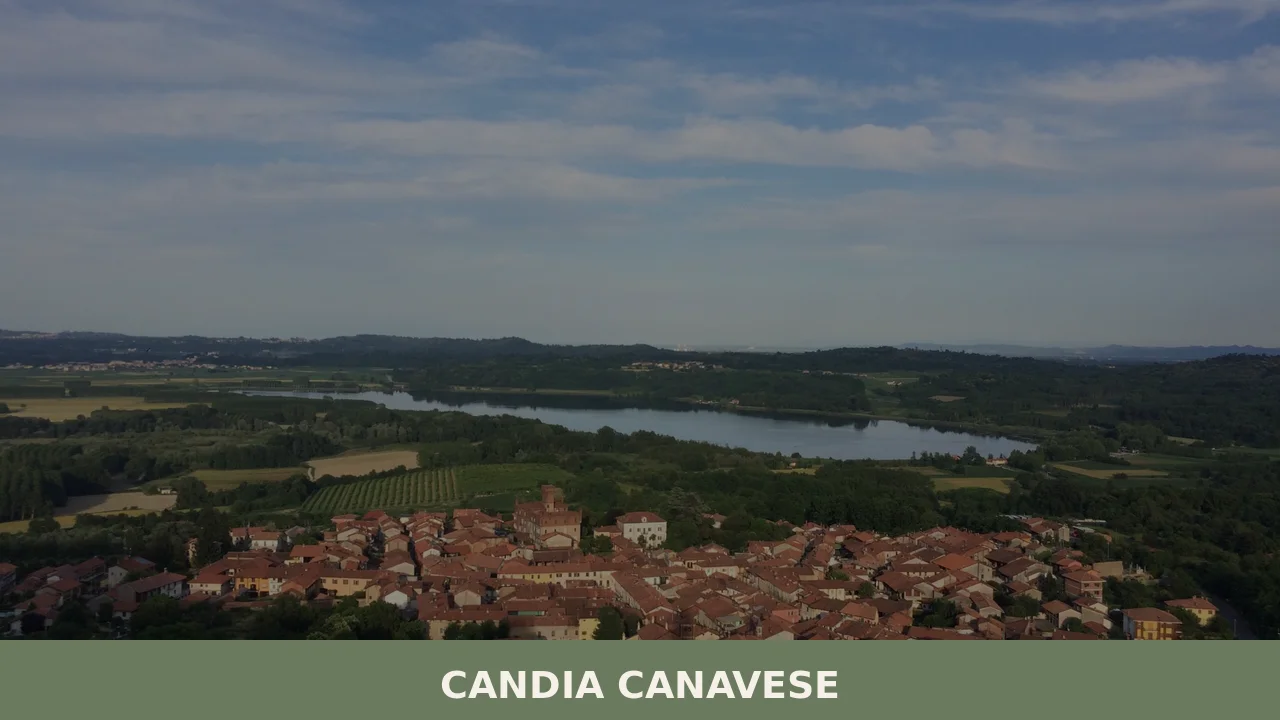
A tower with Ghibelline battlements rises above the rooflines of a small Canavese village, its exposed brickwork darkened by centuries of rain off the Piedmontese plain. Below it, a glacial lake sits within a protected nature reserve where reed beds meet still water and the hills of the Metropolitan City of Turin roll away in every direction. The first documented record of a fortified settlement here dates to 1205, the year a podestà — a medieval chief magistrate — formally invested three brothers of the de Candia family with feudal rights over this territory.
Deciding what to see in Candia Canavese means engaging with an unusually layered set of sites for a village of its size.
Located about 35 km (22 mi) northeast of Turin, Candia Canavese, Piemonte, Italy draws visitors with its medieval castle, an eleventh-century hilltop church, a protected lake used for competitive rowing, and vineyards producing the documented white wine Erbaluce di Caluso. Visitors to Candia Canavese find the town compact enough to cover on foot, with most major points of interest reachable within a short walk of the village centre.
History of Candia Canavese
The earliest confirmed trace of organised settlement at Candia Canavese connects directly to the events of the Fourth Crusade. In 1205, the Podestà of Ivrea formally invested three brothers — Enrico, Guglielmo, and Giacomo de Candia and Castiglione — as counts and feudal lords of the area. This investiture followed the upheaval caused by the Fourth Crusade (1202–1204), and the new lords wasted little time consolidating their position: a castrum, or fortified stronghold, was constructed and quickly became the principal possession of the de Candia family across the entire Canavese region. The village name itself derives directly from this founding family, whose authority over the territory lasted for more than four centuries.
The castle changed hands, suffered damage, and was eventually dismantled over a long and turbulent medieval period.
Control of the fortress remained within the de Candia and Castiglione families from 1204 until 1669 — a span of 465 years. During the fourteenth century, the wars of the Canavese brought serious structural damage to the original fortification, and it was the figure of Fabrotino da Parma who finally ordered the remaining structure dismantled. The architecture that survives from this early period is not uniform: some sections were built in exposed brick, while the tower with its distinctive Ghibelline battlements closely resembles the ancient tower of Castiglione castle, associated with the lord Gotofredo da Castiglione. The village of Azeglio, a nearby commune in the same historically contested Canavese plain, shares this broader medieval inheritance of competing feudal claims and fortified positions.
Following the demolition of the original fortress, a new residence was eventually constructed on the same elevated site during the eighteenth century. This building, known today as Castelfiorito, represents a complete architectural departure from its predecessor: it functions as a genteel country residence rather than a military stronghold, reflecting the more settled political conditions of the 1700s.
The late Roman Pieve di San Michele — a pieve being a rural parish church that historically served a cluster of surrounding settlements — and the eleventh-century church of Santo Stefano al Monte both predate the feudal era, anchoring Candia Canavese’s documented history even further back than the 1205 investiture. The church of Santo Stefano, positioned on high ground, is believed by some scholars to stand on the foundations of a pagan religious site, though the medieval Christian structure itself is the earliest confirmed layer.
What to see in Candia Canavese, Piemonte: top attractions
Castelfiorito di Candia Canavese
The castle that stands today replaced an ancient fortress on the same site after the original structure was dismantled following fourteenth-century war damage. Built during the eighteenth century, Castelfiorito displays the architectural character of an aristocratic country residence, a significant shift from the military function of its predecessor.
The tower section, however, retains exposed brickwork and Ghibelline battlements — the distinctive swallow-tail crenellations associated with imperial Ghibelline allegiances in medieval northern Italy. Feudal records link the original fortified site to 1205, and the de Candia family held it continuously for 465 years. Approaching from the village centre, the tower is the first element visible above the roofline; look closely at the upper battlements to distinguish the alternating merlons that mark its Ghibelline styling.
Church of Santo Stefano al Monte
The church of Santo Stefano al Monte occupies elevated ground above the village, its eleventh-century fabric making it the oldest confirmed Christian structure in the immediate area. The positioning is deliberate: hillside religious sites in the Canavese frequently displaced earlier pre-Christian sanctuaries, and this location follows that documented pattern. The building’s exterior reflects the austere Romanesque construction common across Piedmont in the early medieval period, with thick stone walls and minimal decorative elements. For those who climb the approach path — uneven and moderately steep in sections — the view across the surrounding plain and toward the Lago di Candia is a clear reward.
Spring and early autumn offer the most comfortable conditions for the ascent.
Pieve di San Michele
The Pieve di San Michele is categorised as late Roman in origin, which places its earliest construction layers in a period preceding the medieval feudal settlement by several centuries. A pieve in the Italian ecclesiastical tradition served not just a single settlement but an entire rural district, functioning as the religious and administrative hub for outlying farms and hamlets. That administrative role made these buildings structurally robust: they were built to last and to serve large congregations gathering from a wide radius. The surviving fabric at San Michele documents the transition from late antiquity into the early medieval Christian era in this part of Piedmont. Visitors interested in pre-Romanesque church architecture will find the layered construction history readable in the masonry itself.
Lago di Candia and Parco Naturale del Lago di Candia
The Lago di Candia is a glacial lake protected within the Parco Naturale del Lago di Candia, a nature reserve that manages the surrounding wetland and reed-bed habitat. The lake supports a rowing club, making it one of the few small Piedmontese lakes with an active competitive water sports presence. Reed beds ring much of the shoreline, providing habitat documentation that justifies the protected area status.
The reserve perimeter path allows visitors to circle the lake on foot, observing the transition between open water, marginal vegetation, and the agricultural land beyond. Birdwatching is productive here, particularly in spring and autumn when migratory species use the wetland as a staging post. The lake is the most accessible natural site in Candia Canavese and requires no special equipment to visit.
Candia Canavese as a Film Location
Three documented film productions have used Candia Canavese as a location, a fact recorded by the Dizionario del Turismo Cinematografico. The earliest is La villa delle anime maledette (1982), directed by Carlo Ausino and released internationally under the title The House of the Damned. The territory also hosted Il Priorato di Santo Stefano, directed by Andry Verga, and Creators: The Past (2017), directed by Piergiuseppe Zaia.
The castle and the church of Santo Stefano al Monte provided the architectural backdrop that attracted these productions; the combination of a tower with medieval battlements and an isolated hilltop church is relatively rare within easy reach of Turin. Visitors familiar with these films will recognise specific exterior features of both structures during a visit.
Local food and typical products of Candia Canavese
The food culture of Candia Canavese belongs to the broader Canavese gastronomic tradition, a zone of Piedmont where the culinary influences of the Alpine foothills meet the produce of the Po plain. Rice cultivation, freshwater fish, and local viticulture have historically shaped what is grown, caught, and fermented here. The Canavese sits geographically between the rice paddies of Vercelli and Novara to the west and the wine-producing hills around Caluso to the south, and this dual influence is legible in the local food economy.
Among the most documented dishes of the Canavese area, friciula — a fried dough preparation made with lard, flour, and sometimes potato — appears at local gatherings and sagre, the traditional food festivals that punctuate the agricultural calendar.
Zuppa canavesana, a layered bread and broth preparation that predates modern restaurant cooking, reflects the thrifty use of stale bread typical of rural Piedmontese households. Polenta prepared with locally milled cornmeal remains a staple, served alongside braised meats or soft cow’s milk cheese from the surrounding farms. These preparations prioritise technique over elaborate seasoning: long, slow braises and careful fire management over an open or wood-burning stove define the texture and flavour of the resulting dishes.
The most significant certified product directly associated with this territory is Erbaluce di Caluso (DOCG) — a white wine produced from the Erbaluce grape variety grown across a defined production zone that includes Candia Canavese. The Erbaluce grape produces wines in three documented styles: a dry still white with marked acidity and mineral character, a passito (dried-grape dessert wine) of considerable concentration, and a sparkling version.
The grape itself is documented in the Canavese from at least the early modern period. The village of Busano, also situated in the Canavese zone north of Turin, falls within the same viticultural and agricultural tradition, sharing the landscape that makes this grape variety viable at these latitudes.
Local producers in and around Candia Canavese sell Erbaluce di Caluso directly from estate cellars, typically from September through spring following the harvest. The autumn harvest period — late September to mid-October — coincides with open-cellar events across the Canavese wine zone, when producers receive visitors without prior appointment. Purchasing directly from producers rather than supermarkets ensures access to the passito style, which is produced in limited quantities and rarely distributed outside the region.
Festivals, events and traditions of Candia Canavese
The liturgical calendar of Candia Canavese follows the pattern common to Piedmontese villages of its size, with observances tied to the patron saints of its documented churches.
The church of Santo Stefano al Monte takes its dedication from Saint Stephen, whose feast day falls on 26 December. In rural Canavese villages, such feast days historically involved a combination of a solemn Mass, a procession through the village, and a communal gathering that extended into the evening. The film productions shot at this church — including the 1982 feature and the 2017 production — have added a secular layer of local identity to a site that was previously known primarily through its religious function.
The Canavese agricultural calendar also generates events tied directly to the Erbaluce di Caluso wine cycle. The grape harvest in late September and early October marks a period of activity across the whole production zone, and Candia Canavese participates in this broader regional movement. Local sagre in the surrounding communes frequently feature dishes made with seasonal produce — mushrooms, chestnuts, and game — alongside the wines of the Canavese. These events are informal in character: set up in village squares, they operate over a single weekend and draw primarily local visitors from the surrounding municipalities of Strambino, Mercenasco, Vische, Barone Canavese, Mazzè, and Caluso.
When to visit Candia Canavese, Italy and how to get there
The best time to visit Candia Canavese depends on what a traveller prioritises.
Spring — from April through early June — brings moderate temperatures across the Piedmontese plain, manageable conditions for walking the nature reserve path around the lake, and the first open-cellar events of the year in the Erbaluce wine zone. Autumn, specifically September and October, combines the grape harvest with cooler days that make outdoor exploration more comfortable than the humid heat of July and August. Winter visits are viable for those specifically interested in the churches and castle exterior, though short daylight hours limit exploration time. International visitors should note that English is spoken with varying fluency in smaller villages across Piemonte; carrying euro cash is practical, as some local establishments and market vendors do not accept cards.
Candia Canavese sits 35 km (22 mi) northeast of Turin, making it a straightforward day trip from the city. By car, the most direct route follows the A5 motorway toward Aosta and exits at Ivrea, from which Candia Canavese is approximately 15 km (9.3 mi) to the southwest via local roads. From Turin’s Porta Susa or Porta Nuova stations, regional trains on the Trenitalia Turin–Aosta line stop at Caluso, the nearest railway station, from which Candia Canavese is reachable by local bus or taxi over roughly 5 km (3.1 mi).
Turin Airport (Torino Caselle) is approximately 20 km (12.4 mi) to the west of the village, making it the most convenient international gateway; transfer time by car is typically under 30 minutes outside peak traffic hours. From Milan, the drive covers approximately 120 km (74.6 mi) via the A4 and A5 motorways, placing Candia Canavese within a comfortable 90-minute transfer from Lombardy’s main hub.
Visitors travelling through the broader Canavese zone can reasonably combine Candia Canavese with neighbouring communes in a single day. The village of Alpette, situated further into the hills of the Canavese north of Turin, offers a contrasting Alpine character for those extending their stay into the higher terrain. For those heading north toward the Valchiusella valley, the village of Brosso represents a logical additional stop, set in the mining and metallurgical landscape that shaped the economy of the upper Canavese for centuries.
Frequently asked questions about Candia Canavese
What is the best time to visit Candia Canavese?
The best times to visit Candia Canavese are spring (April-May) and early autumn (September-October). These seasons offer comfortable temperatures ideal for exploring the village on foot, ascending to the Church of Santo Stefano al Monte for panoramic views, and enjoying birdwatching around the Lago di Candia. The patron saint's feast, San Michele Arcangelo, is celebrated on September 29th, offering a chance to experience local traditions. Summer can be pleasant for lake activities, while winter is quieter but less ideal for outdoor exploration.
What are the historical origins of Candia Canavese?
Candia Canavese's documented history stretches back to late Roman times with the Pieve di San Michele, and the 11th-century Church of Santo Stefano al Monte further predates the feudal era. The village name and formal settlement are tied to 1205, when the Podestà of Ivrea granted feudal rights to the de Candia family. They established a fortified stronghold, which became central to the Canavese region, shaping the village's medieval identity and its subsequent architectural evolution, including the construction of Castelfiorito in the 18th century.
What to see in Candia Canavese? Main monuments and landmarks
Candia Canavese offers several notable attractions. Visit Castelfiorito, an 18th-century aristocratic residence featuring a tower with distinctive Ghibelline battlements, visible from the village centre. Ascend to the 11th-century Church of Santo Stefano al Monte for panoramic views of the surrounding plain and Lago di Candia. Explore the ancient Pieve di San Michele, showcasing late Roman and early medieval architecture. Don't miss the Lago di Candia and its Natural Park, ideal for lakeside walks, birdwatching, and observing the active rowing club. Most sites are within walking distance of the village.
What are the main natural or scenic attractions of Candia Canavese?
The primary natural attraction is the Lago di Candia and its protected Parco Naturale. This glacial lake, surrounded by wetlands and reed beds, is perfect for tranquil walks along its perimeter path and offers excellent birdwatching opportunities, especially during migratory seasons. The lake also hosts an active competitive rowing club. Additionally, the elevated position of the Church of Santo Stefano al Monte provides rewarding panoramic views over the lake and the picturesque Canavese plain, making it a key scenic viewpoint.
Where to take the best photos in Candia Canavese?
For iconic shots, capture the distinctive tower of Castelfiorito with its Ghibelline battlements as it rises above the village rooflines. The ascent to the Church of Santo Stefano al Monte is particularly rewarding, offering breathtaking panoramic views of the Lago di Candia and the rolling hills of the Canavese plain – ideal for landscape photography. The serene Lago di Candia itself, with its reflective waters and natural surroundings, also provides beautiful photo opportunities, especially at dawn or dusk, capturing its unique wetland habitat.
Are there museums, churches or historic buildings to visit in Candia Canavese?
Yes, Candia Canavese features several significant historic buildings and churches. You can visit Castelfiorito, an 18th-century aristocratic residence that incorporates elements of an older fortress, notably its Ghibelline-crenellated tower. Explore the 11th-century Church of Santo Stefano al Monte, an austere Romanesque structure on elevated ground, and the Pieve di San Michele, a late Roman parish church documenting centuries of architectural transition. These sites offer a deep dive into the village's rich past, showcasing different historical periods and architectural styles.
What can you do in Candia Canavese? Activities and experiences
In Candia Canavese, visitors can enjoy various activities centered around its history and natural beauty. Take a leisurely walk around the Lago di Candia on its perimeter path, suitable for all, or engage in birdwatching within the nature reserve. For a scenic challenge, hike up to the Church of Santo Stefano al Monte for rewarding views. Explore the village's layered history by visiting Castelfiorito and the ancient churches. Additionally, experience the local food and wine culture, particularly tasting the renowned Erbaluce di Caluso DOCG wine and traditional Canavese dishes.
Who is Candia Canavese suitable for? Families, couples, hikers, solo travelers?
Candia Canavese is ideally suited for a diverse range of visitors. History and culture enthusiasts will appreciate its medieval castle, ancient churches, and layered historical sites. Nature lovers and birdwatchers will find the Lago di Candia and its natural park particularly appealing, with easy walking paths. Hikers can enjoy the ascent to Santo Stefano al Monte for panoramic views. Food and wine connoisseurs will delight in the local Canavese gastronomy and the renowned Erbaluce di Caluso wine. Its compact size also makes it manageable for couples and solo travelers seeking a tranquil Piedmontese experience.
What to eat in Candia Canavese? Local products and specialties
Candia Canavese, nestled within the broader Canavese gastronomic tradition, offers distinctive local flavors. Must-try specialties include friciula, a savory fried dough often containing potato, and Zuppa Canavesana, a hearty, layered bread and broth dish. Polenta, made from locally milled cornmeal, is a staple, typically served with slow-braised meats or fresh cow's milk cheeses from surrounding farms. The most renowned local product is Erbaluce di Caluso DOCG, a crisp white wine produced from the indigenous Erbaluce grape, available in dry still and passito styles.
📷 Photo Gallery — Candia Canavese
Nearby Villages near Candia Canavese
In Piedmont More villages to discover
Ala di Stura
 Mountain
Every year on 4 September, in Ala di Stura, the bells of the Parish Church of San Grato ring out with special fervour, announcing the patron saint’s feast day. This annual ritual, rooted in centuries of mountain history, is more than a simple religious celebration: it is a call to a community that, at 1,080 […]
San Pietro Val Lemina
Mountain
Population 1,447. A small Turin commune where the Lemina torrent shaped settlement and identity, and where a landmark monument honors Piedmontese emigrants worldwide.
Piverone
Hills
Piverone is a comune of 1,225 inhabitants in the Metropolitan City of Turin, sitting in the Canavese district of Piemonte at the foot of the Monferrato hills. Its Piedmontese name, Pivron, pronounced /pɪw’rʊŋ/, signals a linguistic heritage rooted deep in the region’s Franco-Provençal and Occitan-influenced dialects. For anyone researching what to see in Piverone, the […]
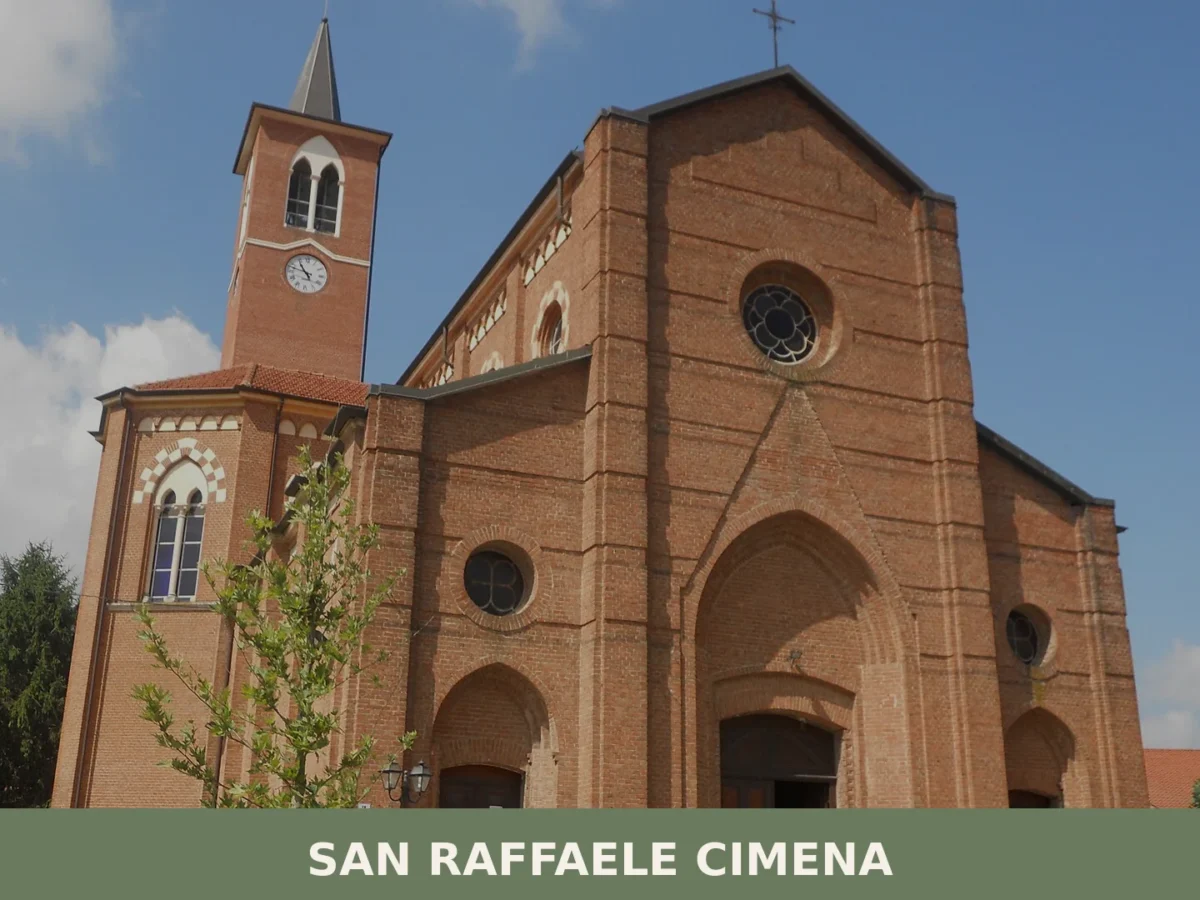
San Raffaele Cimena
Hills
3,159 residents. Medieval settlement with Byzantine foundations, now a suburban village anchored by agricultural heritage and an extraordinary microclimate where tropical plants thrive.
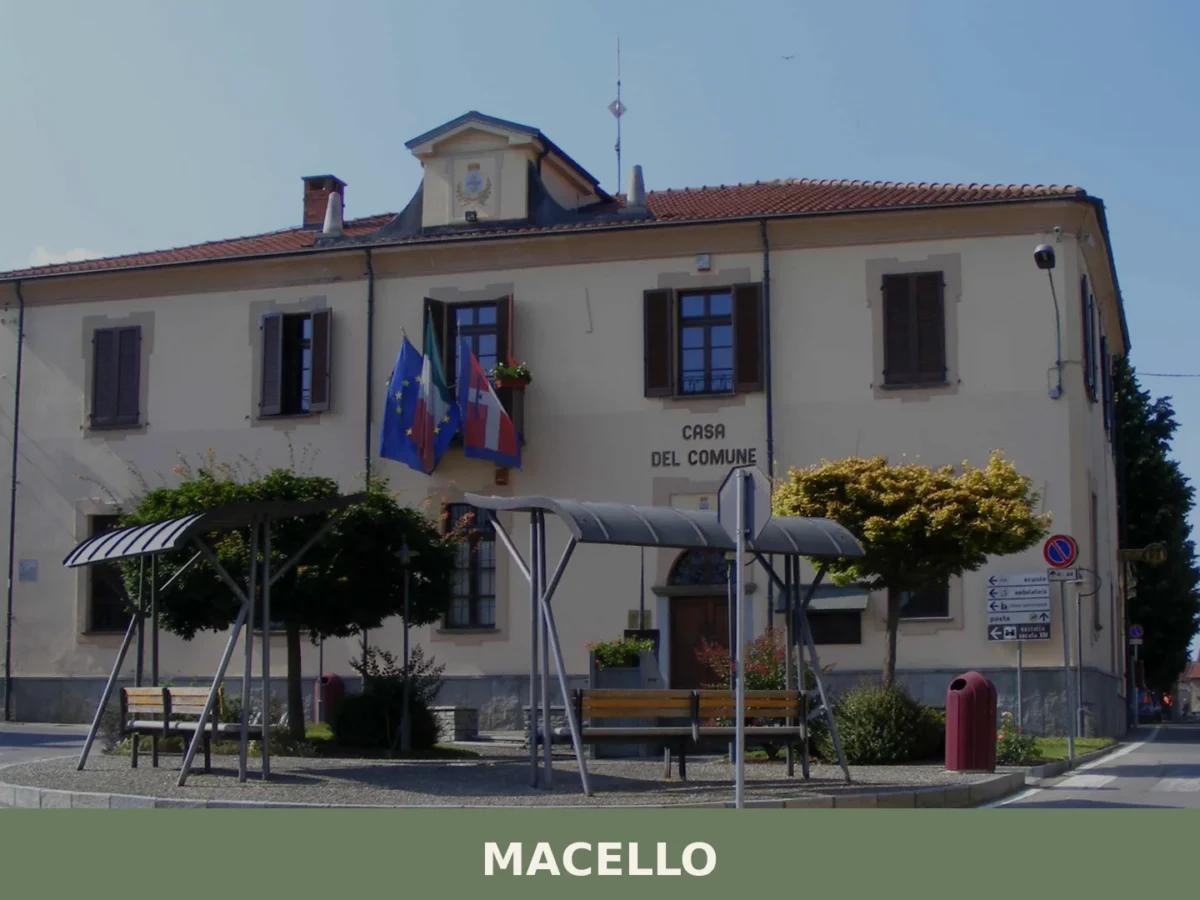
Macello
Hills
Home to around 1,178 residents, Macello rewards visitors with a medieval castle that changed hands across six centuries and a compact historic core rooted in rural Piedmont.
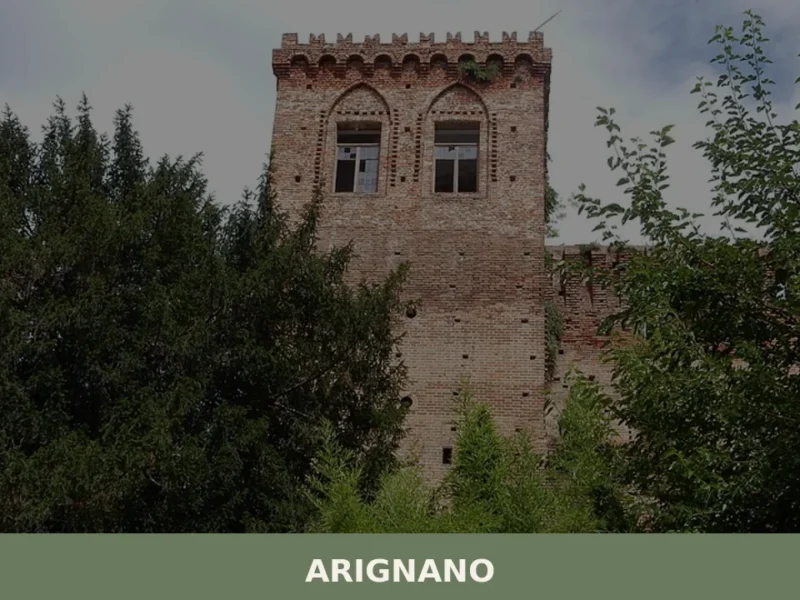
Arignano
Hills
What to see in Arignano in Piedmont: castle, church, hill trails, traditional cuisine, and practical information for visiting the village at 321 m a.s.l.
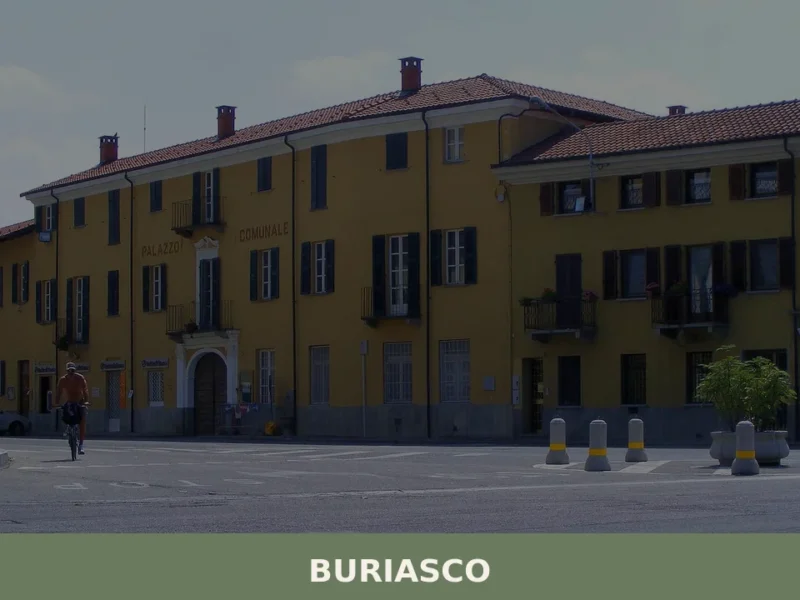
Buriasco
Hills
What to see in Buriasco, Italy: 5 top attractions, local food, festivals and how to get to this 301 m village near Turin. Discover Buriasco, Piemonte.
Cascinette d’Ivrea
Hills
Scopri Cascinette d'Ivrea, un incantevole borgo piemontese ricco di storia e paesaggi mozzafiato. Tutto quello che devi sapere su questo gioiello d'Italia.
Alessandria
 Plains
What to see in Alessandria: city at 95m in Piemonte with a military Citadel and Borsalino Museum. Explore 5 attractions, rabaton and Gavi DOCG wines.
Ozegna
Mountain
1,175 residents, one castle, one sanctuary and a medieval ricetto that once sheltered an entire community. Ozegna repays any visit with layers of Canavese history.




🏡 Know Candia Canavese better than we do?
If you’re a local or have been there, your knowledge matters: add what’s missing or fix a detail on this page.