


Palma Campania
 Plains
16,356 residents and one of Campania’s most distinctive carnivals: Palma Campania draws visitors with its Roman heritage and the living spectacle of the Quadriglie.
Palma Campania: Between Ancient Roman Roads and the Carnival of Quadriglie
At the foot of Monte Sant’Angelo, where two streams — the Lagno di Moschiano and the Lagno di Somma — trace the edges of a low-lying inland plain east of Naples, a village took shape on a hillside after catastrophe forced its founders to move. The air here carries the weight of volcanic geology and medieval stone in equal measure. A gonfalone of deep blue marks the commune’s identity, granted formally only in 2012, though the settlement itself reaches back to documents over a thousand years old.
Palma Campania stands at 63 metres above sea level in the Metropolitan City of Naples, with a population of 16,356 residents and two compelling reasons to slow down: a layered architectural heritage scattered across its piazzas and streets, and a carnival tradition unlike anything else in the region — built not on floats but on sound, costume and collective choreography.
From a Roman Way Station to a Named Village
Before the current town existed, the site nearby was occupied by Ad Teglanum, a Roman station that functioned actively during the imperial age and into the early medieval period. The eruption of Vesuvius in 512 AD most likely destroyed that settlement, and the surviving population moved to a nearby hill. That hillside became the founding nucleus of a new community, and the name it acquired — Palma — is traditionally linked to an olive tree that stood in the surrounding land.
The village enters documented history with a document dated 997, preserved in the Italian State Archive. By 1025, a notary was already working within the settlement, a detail that signals a degree of administrative organization unusual for a place of this scale at that time. Through the medieval centuries and beyond, the fortunes of the commune were shaped by a succession of noble families: the Di Palma Castiglione, the Orsini, the Della Tolfa, the Pignatelli, the Di Bologna, the Caracciolo, the Saluzzo and the Compagna all left traces in the town’s governance, architecture and social fabric.
For centuries the settlement was known as Palma di Nola, a name that reflected its relationship with the broader territory of the ancient province of Terra di Lavoro. A royal decree of 26 July 1863 changed the name to Palma Campania, anchoring the town’s identity to the region it belongs to. The hamlet of Castello di Palma Campania, a fraction of the commune sitting on its own hilltop and home to roughly 250 residents today, holds a separate layer of memory: during the Second World War, it served as a strategic observation point over the Gulf of Castellammare and the surrounding plain, and its survival from destruction was secured through the intervention of Pietro Salvatore Caliendo, a local artist and man of letters who spoke German. Of Lombard origin, the hamlet takes its name from an ancient castle of which only one facade survives, and within it stand the Chiesa di San Giovanni Battista, the Cappella di Santa Lucia and the Chiesa di Santa Maria a Miano. The night of 17 to 18 March 1944 brought another event into the collective memory of the area: the last eruption of Vesuvius began, visible across the plain below.
That 997 document makes this inland Campanian settlement one of the more well-documented medieval communities in the Naples hinterland.
Palaces, Churches and the Hamlet on the Hill
Palazzo Compagna
This palazzo was commissioned in the fifteenth century by King Alfonso I of Aragon, and its position within what had been an Angevin hunting estate gives it a layered dynastic significance. The building once housed medallions attributed to Luca della Robbia, connecting a modest inland town to the broader currents of Renaissance material culture. It remains one of the most historically charged structures in the commune.
Chiesa di San Martino a Vico
Among the several religious buildings distributed across the town, this church holds a triptych signed by Francesco da Tolentino, depicting the Madonna and Child between Saints John the Evangelist and Martin. The work is thought to date from around the second half of the 1520s, making it a rare surviving example of early sixteenth-century panel painting in the immediate territory of Palma Campania. Visitors with an interest in devotional art will find it worth seeking out.
Palazzo De Martino
Built in the eighteenth century by the family of the same name, this palazzo faces onto Piazza De Martino and presents a composite facade that accumulated features across two centuries. A crenellated tower and a sizeable park to the rear distinguish it from the more compact noble residences of the town centre. The building illustrates how local elite families continued investing in domestic architecture well into the nineteenth century.
Palazzo Carrella
Donated in 1904 to the Congregation of the Servants of Mary by Comm. Luigi Carrella, a landowner and banker who also founded the Chiesa di Mater Dei, this palazzo passed through ecclesiastical hands for over a century before being purchased by the municipal administration in 2025. Its recent return to public ownership opens a new chapter in its long institutional life.
The Land, the Table and What the Territory Produces
The territory of Palma Campania sits in the inland plain east of Naples, between two watercourses and at the southern edge of what was historically Terra di Lavoro — a region long associated with agricultural production. The volcanic soils derived from centuries of Vesuvian activity support cultivation across the surrounding landscape, and the proximity to both the Neapolitan hinterland and the broader Campanian food corridor means that seasonal produce plays a central role in local eating habits. Markets and local suppliers remain the practical entry point for understanding what this territory grows and processes.
For a fuller picture of the gastronomic traditions connecting this area to the wider Naples metropolitan zone, the towns and routes linking Torre Annunziata and Castellammare di Stabia to the south offer complementary contexts worth exploring.
When to Visit and How to Arrive
The calendar of Palma Campania pivots on its carnival, and the timing of a visit matters considerably. The Carnevale delle Quadriglie unfolds over three days, with the central event falling on Martedì Grasso — Shrove Tuesday. Unlike carnivals built around elaborate floats, this one organises groups of over two hundred participants each, dressed around a shared theme, moving in formation through historical locations in the town while live musicians play brass instruments alongside traditional percussive instruments: the tamburella, the triccheballacche, the scetavajasse and the putipù. The result is an event structured around sound and collective movement, drawing hundreds of musicians and over a thousand percussionists in total.
Outside carnival season, autumn and spring offer the most comfortable conditions for walking the town’s streets and visiting its churches. Summer heat in the inland plain can be intense, and the site sits low enough — 63 metres — that there is no altitude relief. Visitors arriving from Naples will find the town accessible by road heading east; those coming from Acerra or Afragola can approach from the north along routes that cross the metropolitan hinterland. The official municipal website at comune.palma-campania.na.it carries updated information on events and services.
| Departure | Distance | Time |
|---|---|---|
| Naples (city centre) | approx. 30 km | 35–45 min by car |
| Castellammare di Stabia | approx. 20 km | 25–35 min by car |
| Acerra | approx. 22 km | 30–40 min by car |
| Afragola | approx. 25 km | 30–40 min by car |
If you arrive by car, parking near the town centre is generally manageable outside carnival weekends, when the streets fill with participants and spectators from across the province. Visitors looking for a base with broader connections to the Neapolitan coast may consider staying in Torre Annunziata and travelling inland for the day. The patron saint of the commune is San Biagio, whose feast adds a further fixed point to the town’s religious and civic calendar.
Frequently asked questions about Palma Campania
Come si raggiunge Palma Campania in auto o treno?
In auto, dall'autostrada A30 Caserta-Salerno si esce al casello di Palma Campania, distante pochi minuti dal centro. In treno, la stazione di Palma Campania è servita dalla Circumvesuviana (linea Napoli–Sarno), con corse frequenti da Napoli Porta Nolana. Il tragitto ferroviario da Napoli dura circa 40 minuti. La posizione sul margine orientale dell'area metropolitana napoletana rende il collegamento comodo sia dal capoluogo che dalla penisola sorrentina.
Quando si festeggia San Biagio, patrono di Palma Campania?
La festa di San Biagio si celebra il 3 febbraio, giorno liturgico tradizionalmente dedicato al santo vescovo di Sebaste, patrono di Palma Campania. Le celebrazioni includono la messa solenne e la processione nel centro storico. La data invernale coincide spesso con il periodo del Carnevale locale, rendendo l'inizio di febbraio il momento di maggiore animazione religiosa e popolare dell'anno per il paese.
Quanto tempo è consigliabile dedicare alla visita di Palma Campania?
Una visita completa del centro storico, incluse le chiese principali e il palazzo nobiliare settecentesco, richiede mediamente due o tre ore. Chi vuole assistere al Carnevale delle Quadriglie deve pianificare almeno una giornata intera, poiché le formazioni in costume e i concerti itineranti si susseguono per ore nelle vie del paese. Palma Campania si presta anche come base per escursioni verso Nola, Sarno e i comuni vesuviani limitrofi.
Ci sono percorsi naturalistici nei dintorni di Palma Campania?
Il versante di Monte Sant'Angelo, che sovrasta il paese a nord, offre sentieri escursionistici frequentati, sebbene una rete CAI formalmente numerata nella zona non risulti ampiamente documentata nelle fonti ufficiali. L'area pianeggiante a sud, che si estende verso il Golfo di Castellammare, è percorribile in bicicletta lungo strade rurali. Per itinerari strutturati è consigliabile contattare le associazioni escursionistiche locali o il Comune prima della visita.
Dove alloggiare a Palma Campania e nei dintorni immediati?
L'offerta ricettiva di Palma Campania include alcune strutture di tipo B&B e agriturismo legate al territorio agricolo della piana nolana, pur rimanendo limitata rispetto ai centri turistici maggiori. Per un'offerta più ampia è possibile soggiornare a Nola, distante circa 10 km, o nei comuni vesuviani con buon collegamento ferroviario. Si consiglia di verificare disponibilità su portali come Booking.com o di contattare la Pro Loco locale per informazioni aggiornate.
📷 Photo Gallery — Palma Campania


In Campania More villages to discover
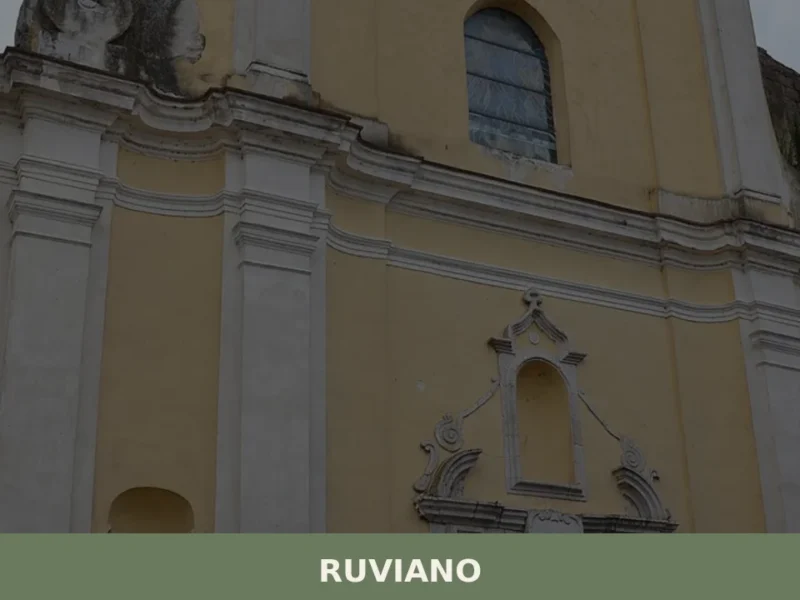
Ruviano
Plains
What to see in Ruviano, Italy: Explore this comune at 80 m altitude, known for its patron feast and agricultural views. Discover Ruviano, Campania.

Castellammare di Stabia
 Sea
Sea
Castellammare di Stabia offers over 2,800 years of layered history, from buried Roman villas to Bourbon royal palaces, all framed by the Gulf of Naples.
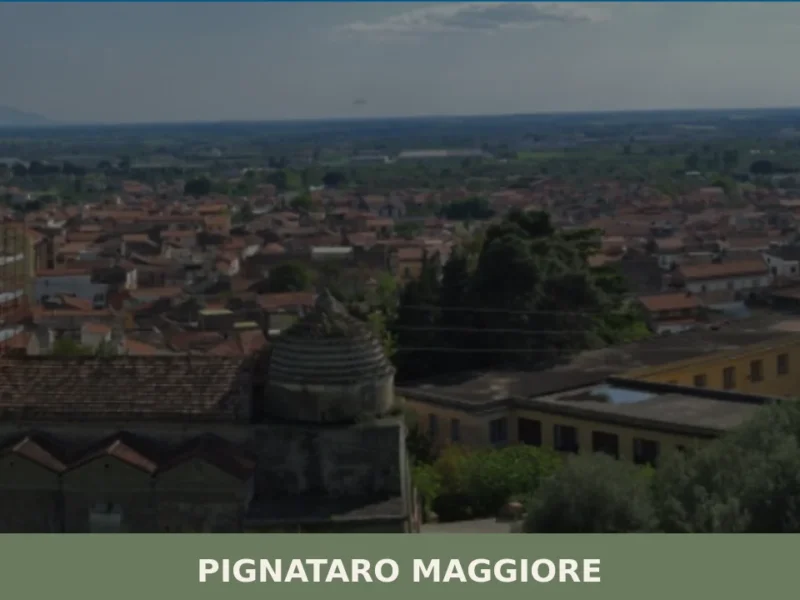
Pignataro Maggiore
Plains
What to see in Pignataro Maggiore: 5,733 residents, 93m above sea level in Caserta province. Visit San Giorgio Church, historic centre, 'Ndunderi PAT gnocchi. Plan your trip now.
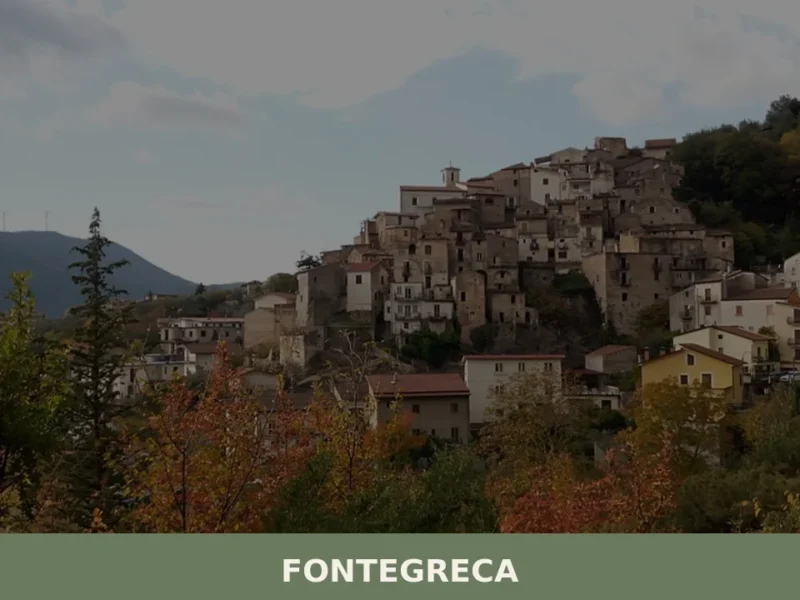
Fontegreca
 Hills
Hills
Fontegreca, a municipality in the province of Caserta, is home to the Cipresseta, a protected natural area recognized for its size and for the presence of centuries-old cypress trees, a distinctive feature of the local landscape. With a population of 834 inhabitants and situated 320 meters above sea level, this hill village develops on a […]
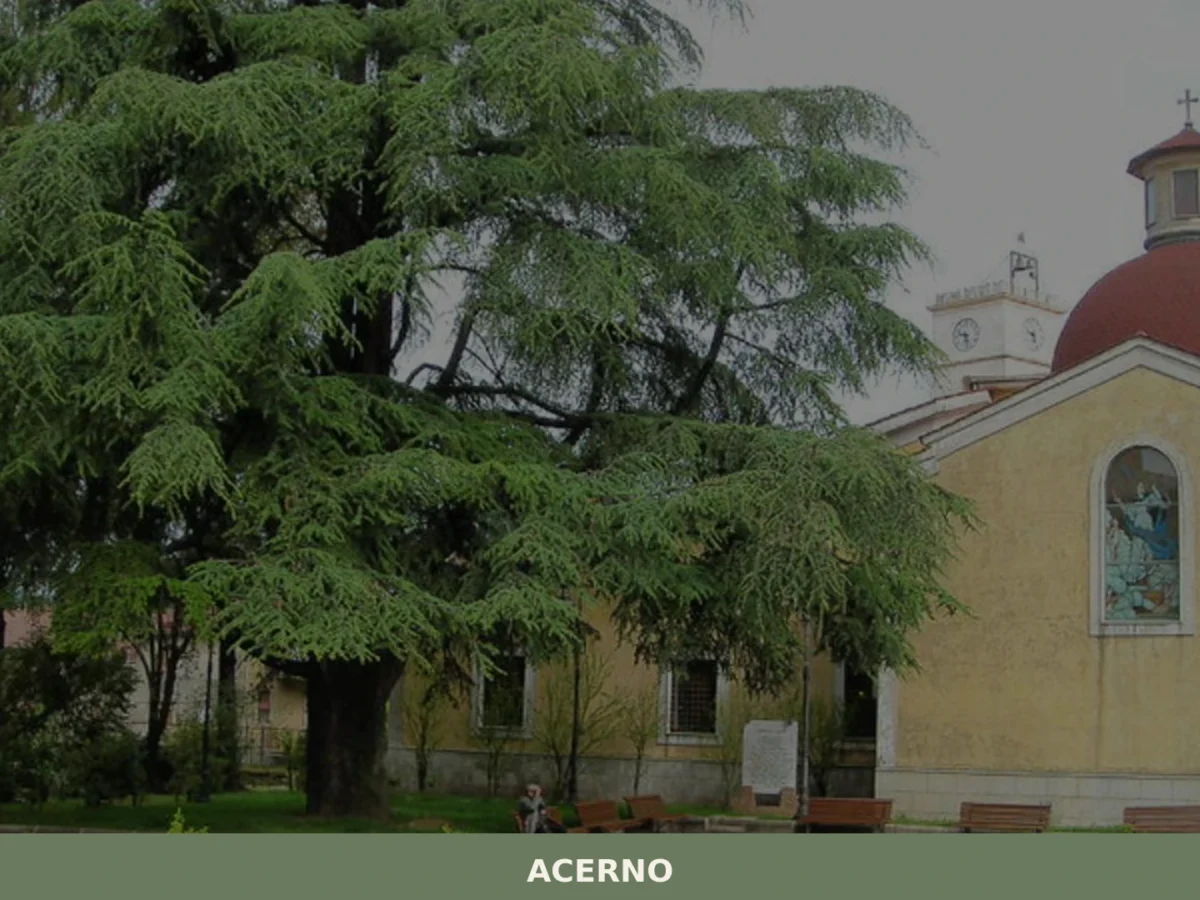
Acerno
 Mountain
Discover what to see in Acerno, a 2,419-person village in Salerno's Picentini Mountains: medieval cathedral, chestnut forests, and a nine-century diocesan history.
San Potito Sannitico
Hills
Discover San Potito Sannitico, a hidden gem in Campania, Italy. Explore its rich history, stunning landscapes, local traditions, and authentic Italian charm.
Rocchetta e Croce
Hills
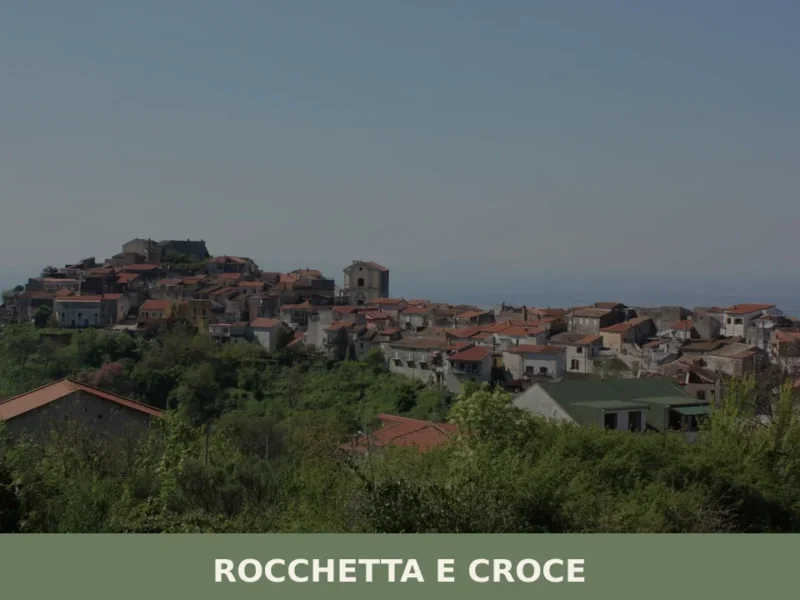
Discover Rocchetta e Croce, a charming village near Caserta. Our guide reveals what to see, must-see attractions, and the history of this Campanian gem.
Castello del Matese
Hills
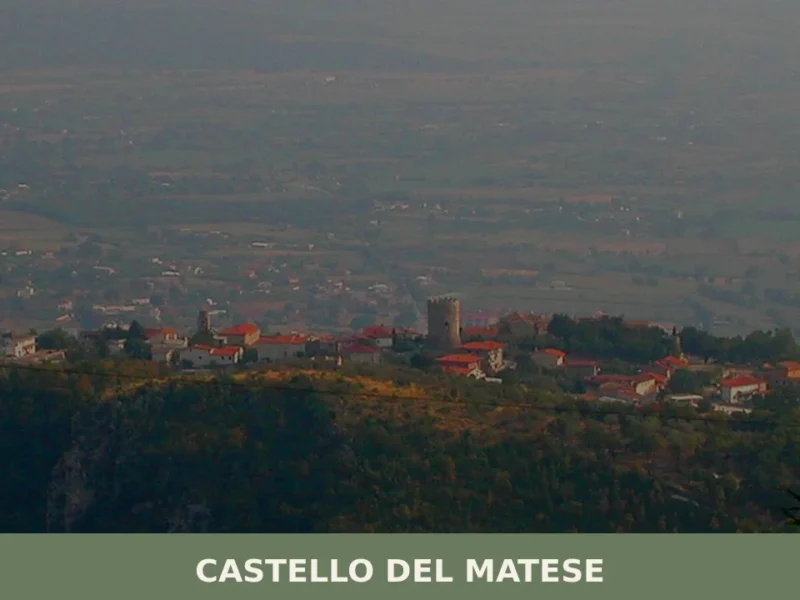
Visit Castello del Matese to explore its medieval historic center and local traditions. Plan your Campania trip, discover things to do in the village.
Gallo Matese
Mountain
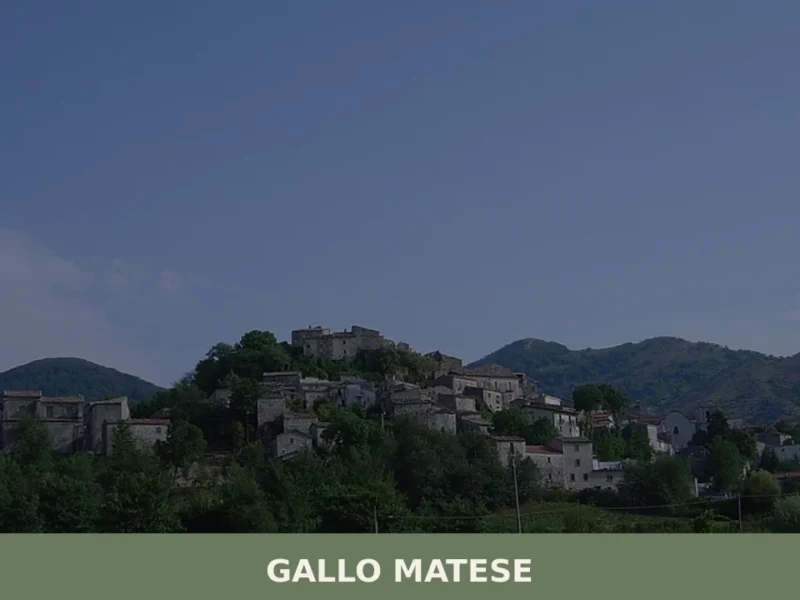
With its 625 inhabitants and an altitude of 875 meters above sea level, Gallo Matese ranks as one of the highest centers in the province of Caserta, Campania. Its geographical position, in the heart of the Matese mountain range, determines its identity and structure. The village, whose presence has been documented for centuries, developed in […]
Giano Vetusto
Hills
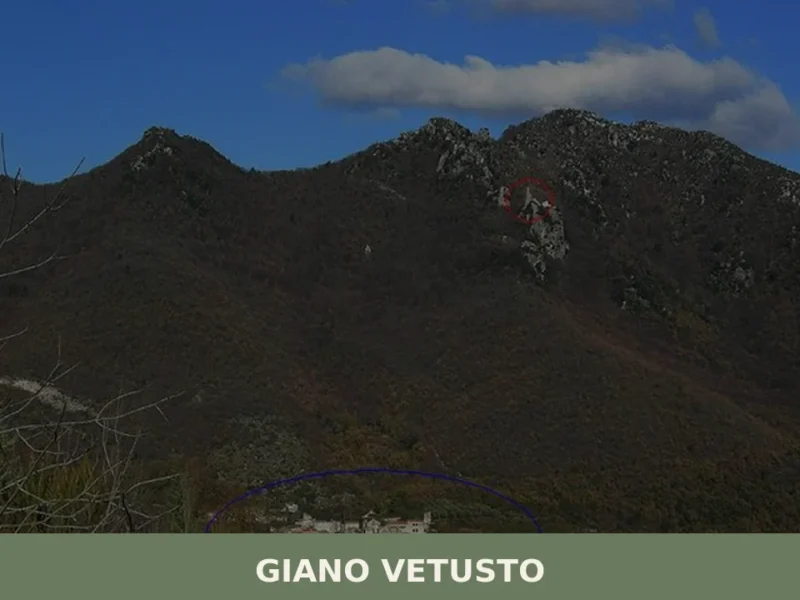
What to see in Giano Vetusto: Church of Sant'Antonio, historic centre, agricultural landscape, local cuisine and how to reach this hillside village near Caserta.

🏡 Know Palma Campania better than we do?
If you’re a local or have been there, your knowledge matters: add what’s missing or fix a detail on this page.