


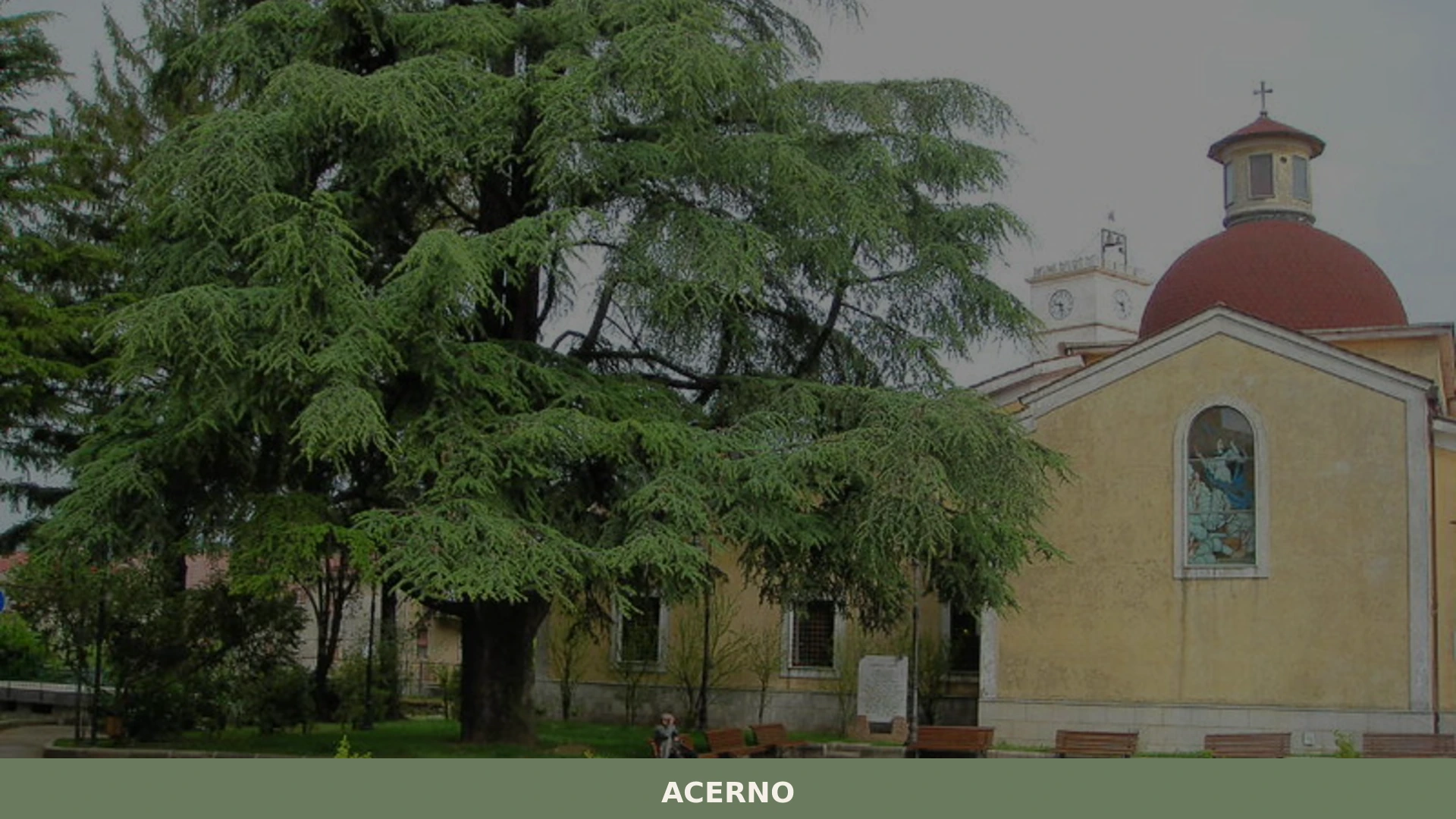
Acerno
 Mountain
Discover what to see in Acerno, a 2,419-person village in Salerno’s Picentini Mountains: medieval cathedral, chestnut forests, and a nine-century diocesan history.
Discover Acerno
Acerno is a comune of 2,419 inhabitants in the province of Salerno, Campania, sitting at altitude in the Picentini Mountains southeast of the regional capital. For anyone researching what to see in Acerno, the village offers a concentrated reading of southern Apennine history: medieval ecclesiastical architecture, a compact historic centre built from local stone, and a surrounding landscape of chestnut and beech forest that has defined the local economy for generations. Small in population, it is precise in character.
History of Acerno
Acerno’s origins are tied to the Diocese of Acerno, an ecclesiastical institution whose documented existence stretches back to the early medieval period.
The diocese — one of the smaller but historically significant sees of the southern Apennines — placed Acerno within the orbit of church administration long before most Campanian villages had any formal institutional structure. The presence of a bishop’s seat meant that Acerno functioned as a religious and administrative centre for the surrounding mountain territory, attracting clergy, resources and the kind of stone construction that outlasts the political arrangements of any given century.
Under Norman and later Angevin control, the village followed the feudal pattern common to interior Campania: successive lords exercised jurisdiction over the settlement and its agricultural hinterland, collecting dues from timber and pasture as much as from arable land. The Picentini Mountains in which Acerno sits were never easy to govern from the coast, and the village retained a degree of practical autonomy shaped by terrain. The chestnut woods that surround it were not merely landscape; they were a documented economic resource, providing flour, timber and fodder across the medieval and early modern periods.
In 1818, the ancient Diocese of Acerno was suppressed and merged with the Archdiocese of Salerno — a precise administrative event that ended nearly a millennium of independent ecclesiastical identity for the settlement.
This merger was part of the broader reorganisation of church structures that followed the Napoleonic disruptions and the Concordat negotiations of the early nineteenth century. The physical traces of that long episcopal history remain readable in the village: the cathedral fabric, the scale of certain civic buildings, and the street pattern of the historic centre all reflect a community that once organised itself around the needs of a diocesan seat rather than simply a rural comune.
What to see in Acerno: 5 must-visit attractions
Cathedral of Santa Maria Assunta
The former cathedral church of Acerno, dedicated to the Assumption of the Virgin, is the primary architectural monument of the village. Its fabric reflects centuries of construction and adaptation corresponding to Acerno’s long role as a diocesan seat, a status it held until 1818. The interior preserves elements from the medieval and baroque phases of the building, making it the single most historically layered structure in the village.
Historic Centre and Episcopal Quarter
The nucleus of Acerno retains the street scale and stone construction typical of a small episcopal town in the southern Apennines.
The concentration of buildings around what was the bishop’s residence gives the centre a civic density unusual for a settlement of this population. Walking the main lanes, the visitor reads the hierarchy of a medieval religious town in the width of the alleys and the cut of the doorways.
Palazzo Vescovile (Bishop’s Palace)
The former bishop’s residence in Acerno is a direct physical consequence of the village’s nine centuries as a diocesan seat. Following the 1818 suppression of the diocese, the palace passed out of episcopal use, but the building remains as evidence of the administrative and residential infrastructure that a functioning diocese required.
Its scale relative to the surrounding village fabric is immediately legible.
Picentini Mountains Regional Park (Parco Regionale dei Monti Picentini)
Acerno sits within or adjacent to the Parco Regionale dei Monti Picentini, a protected area of beech and chestnut forest covering the high Apennines of Salerno province. The park boundary runs close to the village, and the forest that has historically supplied Acerno’s economy is now also a landscape for walking routes between elevations of roughly 600 and 1,800 metres.
Chestnut Forests and Traditional Woodland Economy
The chestnut groves surrounding Acerno are not incidental scenery; they are a historically documented production landscape. Chestnut flour, dried chestnuts and timber have been economic mainstays of the village from the medieval period into the twentieth century. The woodland can be accessed on foot from the village perimeter and offers a direct encounter with the ecological basis of Acerno’s long-term subsistence.
Local food and typical products
Acerno’s food culture is rooted in the mountain forest economy rather than the coastal or lowland patterns that define much of Campanian gastronomy.
Chestnut is central: used historically as flour for polenta-like preparations and flatbreads, and still present in seasonal local production during the autumn harvest. Pork products, cured according to traditional methods common to interior Salerno province, feature alongside foraged mushrooms from the beech and chestnut woods. These are not manufactured tourist products but working components of a mountain diet that responded to what the surrounding terrain could reliably produce.
For visitors seeking to eat locally, the options in a village of Acerno’s size are limited to small family-run establishments and agriturismo operations in the surrounding countryside. The regional tourism board for Salerno province, Turismo in Salerno, maintains updated listings for accommodation and dining in the interior municipalities, which is a practical starting point for planning meals. Autumn is the most productive season for local food, coinciding with the chestnut harvest and the period when mountain kitchens are at their most active.
Best time to visit Acerno
The Picentini Mountains impose a clear seasonal logic on Acerno.
Summer temperatures at altitude are markedly cooler than in Salerno city or along the Amalfi coast — a practical advantage for visitors who find the coastal lowlands difficult between June and August. The forest is in full canopy during this period, trails are accessible, and the village sees a modest influx of visitors from the provincial capital seeking relief from the heat. Spring, from April through May, brings the beech woods into leaf and the mountain meadows into flower; the light at this elevation is clear and the roads are open without the summer traffic.
Autumn is the most directly eventful season in Acerno. The chestnut harvest — running roughly from late September through November — is the moment when the village’s historic economic activity is most visible. Some years see local sagre (festival markets) organised around the harvest, though visitors should verify current programming with the Comune di Acerno directly, as scheduling varies.
Winter brings snow to the higher elevations and the village can be cold and quiet; road conditions on the mountain routes to Acerno should be checked before travel between December and February.
How to get to Acerno
Acerno is an interior mountain village in the province of Salerno and is reached exclusively by road. There is no railway station in the village; the nearest significant rail hub is Salerno, which is connected to Naples and the main national network. From Salerno, Acerno is approximately 30 kilometres by road, following the SS164 into the Picentini Mountains — a drive of roughly 45 minutes depending on the route taken and conditions. The road climbs consistently from the valley floor and requires attention on the upper bends, particularly in wet or icy conditions.
- By car from Salerno: approximately 30 km, 40–50 minutes via the SS164
- By car from Naples: approximately 80 km, allowing around 1 hour 30 minutes via the A3 motorway to Salerno and then the SS164
- Nearest airport: Naples Capodichino (NAP), approximately 90 km; Salerno-Costa d’Amalfi Airport (QSR) is closer in distance but has limited scheduled services — check current routes before planning
- Nearest railway station: Salerno FS, with connections from Naples, Rome and the south; onward travel to Acerno requires a car or local bus service
- Motorway reference: A3 Salerno–Reggio Calabria, exit Salerno Sud or Battipaglia depending on the approach route chosen
Where to stay in Acerno
Accommodation in Acerno itself is limited by the village’s size — a population of just over 2,400 generates a correspondingly small hospitality infrastructure. The most realistic options are agriturismo properties in the surrounding countryside and rural B&B accommodation within or immediately adjacent to the historic centre. These are typically small operations run by local families, offering rooms rather than hotel-scale facilities.
Staying within the village or on its immediate outskirts gives direct access to the forest trails and the historic centre without the need for daily driving.
Visitors who prefer a wider range of accommodation, or who are using Acerno as one stop among several, may find it practical to base themselves in Salerno city and make the 30-kilometre drive up into the Picentini as a day trip. This is a common pattern for interior Campanian villages of this scale. Booking in advance is advisable in autumn, when the chestnut season draws visitors and agriturismo capacity fills quickly. Online booking platforms carrying listings for the area are the most practical search tool, as individual properties at this scale rarely maintain consistent direct-booking websites.
More villages to discover in Campania
Campania’s interior is a region of considerable historical variation, and the Apennine villages of the province of Salerno are only one chapter of it. Further north, in the province of Caserta, the town of Caserta offers a very different register — most famously the eighteenth-century Bourbon royal palace, a construction of a scale and ambition that makes the contrast with mountain villages like Acerno instructive rather than incongruous.
Equally worth investigating is Castello del Matese, a high-altitude settlement in the Matese mountains of the Caserta province, which shares with Acerno the logic of a mountain community organised around forest and pasture economies.
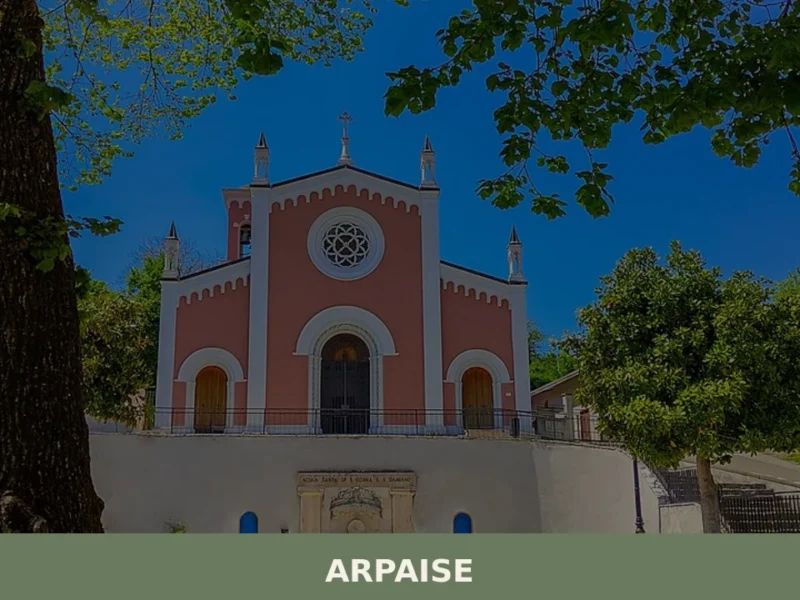
For those drawn to the smaller-scale ecclesiastical and civic history of Campanian villages, the settlements of the Sannite interior reward attention. Arpaise, a small comune in the province of Benevento, and Prata Sannita in the Caserta hinterland both illustrate how closely the history of medieval Campania is tied to local ecclesiastical institutions, feudal geography and the particular pressures of Apennine terrain — themes that Acerno, with its nine centuries as a diocesan seat, expresses as clearly as anywhere in the region.
Frequently asked questions about Acerno
What is the best time to visit Acerno?
The ideal time to visit Acerno largely depends on your interests. For hiking and escaping summer heat, spring (April-May) and summer (June-August) are excellent, offering lush forests, flowering meadows, and cooler mountain temperatures than the coast. Autumn (late September-November) is particularly vibrant, coinciding with the historic chestnut harvest; visitors might find local sagre celebrating this tradition. The village also celebrates its patron, San Donato di Arezzo, on August 7th. Winter (December-February) brings snow to higher elevations, offering a quiet, picturesque experience, though road conditions should be checked.
What are the historical origins of Acerno?
Acerno's deep historical roots are primarily tied to its ancient Diocese, an ecclesiastical institution documented from the early medieval period until its suppression in 1818. This status as a bishop's seat for nearly a millennium made Acerno a significant religious and administrative hub in the southern Apennines, shaping its early institutional structure and attracting resources for substantial stone construction. The village later followed typical feudal patterns under Norman and Angevin rule, with its economy strongly linked to the surrounding chestnut and beech forests.
What to see in Acerno? Main monuments and landmarks
Acerno offers a concentrated glimpse into its rich past. The former Cathedral of Santa Maria Assunta is the village's primary architectural monument, showcasing centuries of construction from its medieval origins as a diocesan seat. Explore the compact Historic Centre and Episcopal Quarter, characterized by its traditional stone buildings and street patterns reflecting its former civic density. The Palazzo Vescovile, the former bishop's residence, further testifies to Acerno's ecclesiastical significance. For nature lovers, the village is a gateway to the Picentini Mountains Regional Park and its historic Chestnut Forests, perfect for walks.
What are the main natural or scenic attractions of Acerno?
Acerno is nestled within the stunning natural landscape of the Picentini Mountains. The village sits within or adjacent to the Parco Regionale dei Monti Picentini, a protected area renowned for its extensive beech and chestnut forests. These woodlands, historically vital to Acerno's economy, now offer numerous walking routes at elevations ranging from approximately 600 to 1,800 metres. Visitors can directly access the Chestnut Forests from the village perimeter, providing an immersive experience into the ecological heart of the area.
Where to take the best photos in Acerno?
For captivating photos in Acerno, focus on the unique character of its historic core. The compact Historic Centre and Episcopal Quarter, with its traditional stone architecture and narrow lanes, offers picturesque streetscapes reflecting its medieval past. The facade and interior details of the Cathedral of Santa Maria Assunta are also excellent subjects. Beyond the village, the panoramic views of the Picentini Mountains Regional Park, particularly the dense chestnut and beech forests that surround Acerno, provide stunning natural backdrops, especially during autumn foliage or spring bloom.
Are there museums, churches or historic buildings to visit in Acerno?
Yes, Acerno offers several significant historic buildings to explore. The most prominent is the former Cathedral of Santa Maria Assunta, a centuries-old church reflecting its past as a diocesan seat. Visitors can also wander through the Historic Centre and Episcopal Quarter, where the preserved stone construction and street patterns evoke its medieval religious town identity. The Palazzo Vescovile, once the bishop's residence, stands as another key historic structure, illustrating the administrative infrastructure required by a functioning diocese. No specific museums are mentioned in the village.
What can you do in Acerno? Activities and experiences
In Acerno, activities revolve around its mountain setting and rich history. Explore the historic centre to trace its past as an episcopal town, visiting the former Cathedral and Bishop's Palace. Nature enthusiasts can embark on walking routes within the Picentini Mountains Regional Park or stroll through the ancient Chestnut Forests surrounding the village. Autumn offers the unique experience of witnessing the traditional chestnut harvest. Additionally, savoring the distinctive mountain-forest cuisine at local family-run establishments, with specialties like chestnut-based dishes and cured pork, provides an authentic taste of Acerno.
Who is Acerno suitable for? Families, couples, hikers, solo travelers?
Acerno is ideal for travelers seeking an authentic, quiet Italian mountain experience away from the bustling coastal crowds. It particularly appeals to hikers and nature lovers, with its direct access to the Picentini Mountains Regional Park and ancient chestnut forests. History enthusiasts will appreciate the village's unique ecclesiastical past, visible in its historic centre and former cathedral. Foodies, especially in autumn during the chestnut harvest, will enjoy the distinct mountain gastronomy. Couples and solo travelers looking for a tranquil escape, cooler summer temperatures, and a connection to traditional Campanian life will find Acerno highly rewarding.
What to eat in Acerno? Local products and specialties
Acerno's cuisine is deeply rooted in its mountain forest economy. The star ingredient is chestnut, historically used for flour in polenta-like dishes and flatbreads, and still prominent in seasonal autumn production. Visitors can enjoy traditional cured pork products, prepared using methods common to interior Salerno province. Foraged mushrooms from the surrounding beech and chestnut woods also feature prominently in local dishes. These are not tourist-centric products but genuine components of a mountain diet, best experienced at small family-run establishments or agriturismo operations, particularly during the autumn harvest season.
Nearby Villages near Acerno
In Campania More villages to discover
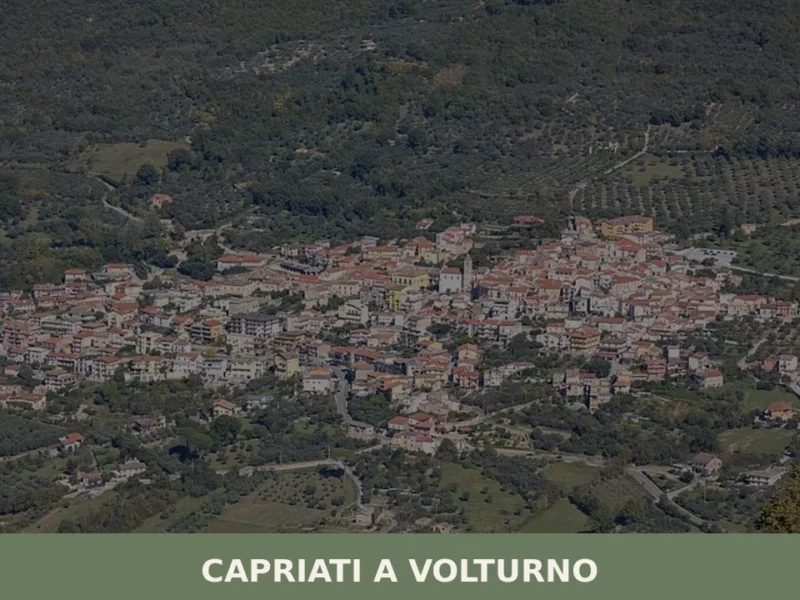
Capriati a Volturno
 Hills
Hills
At 290 metres above sea level, along the right bank of the Volturno, Capriati has a current population of 1,440 residents spread between the historic centre and the hamlets scattered across the valley. The river, which here sweeps through a wide bend before continuing towards the Campanian plain, has shaped the town’s economy and layout […]
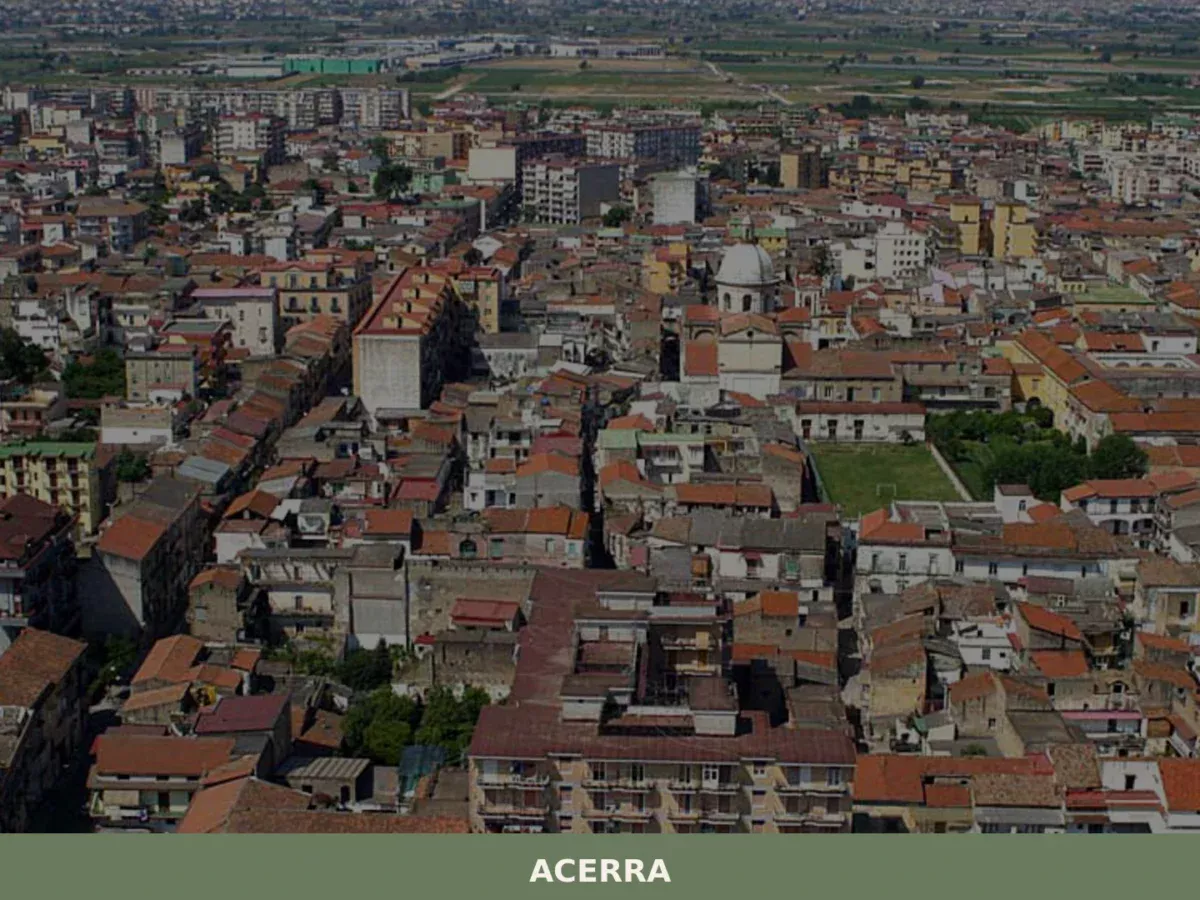
Acerra
 Plains
Discover what to see in Acerra, Campania: Roman history, medieval castle, cathedral, local food and practical travel tips for this Naples metropolitan town.
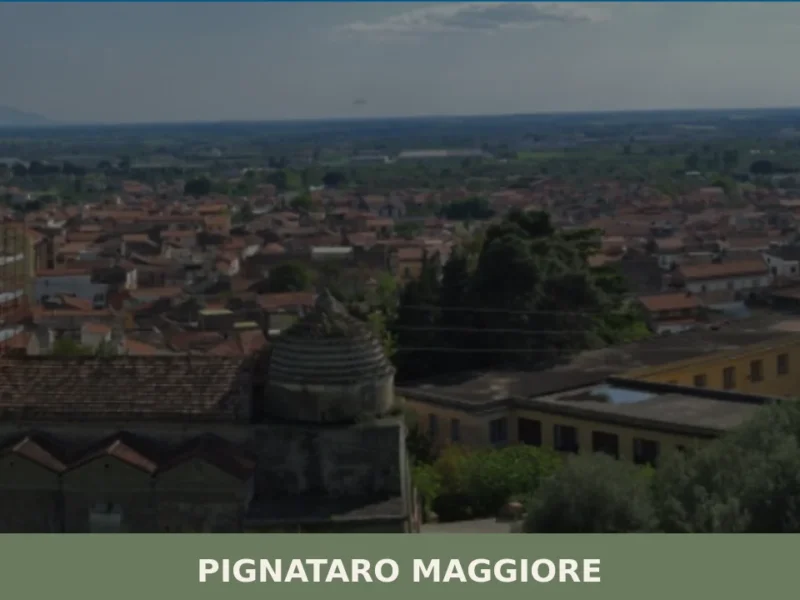
Pignataro Maggiore
Plains
What to see in Pignataro Maggiore: 5,733 residents, 93m above sea level in Caserta province. Visit San Giorgio Church, historic centre, 'Ndunderi PAT gnocchi. Plan your trip now.
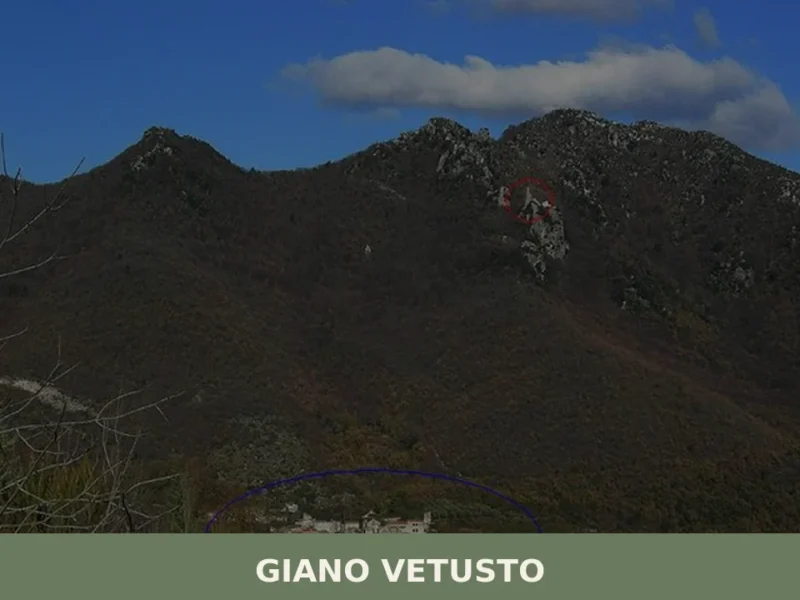
Giano Vetusto
Hills
What to see in Giano Vetusto: Church of Sant'Antonio, historic centre, agricultural landscape, local cuisine and how to reach this hillside village near Caserta.
San Potito Sannitico
Hills
Discover San Potito Sannitico, a hidden gem in Campania, Italy. Explore its rich history, stunning landscapes, local traditions, and authentic Italian charm.
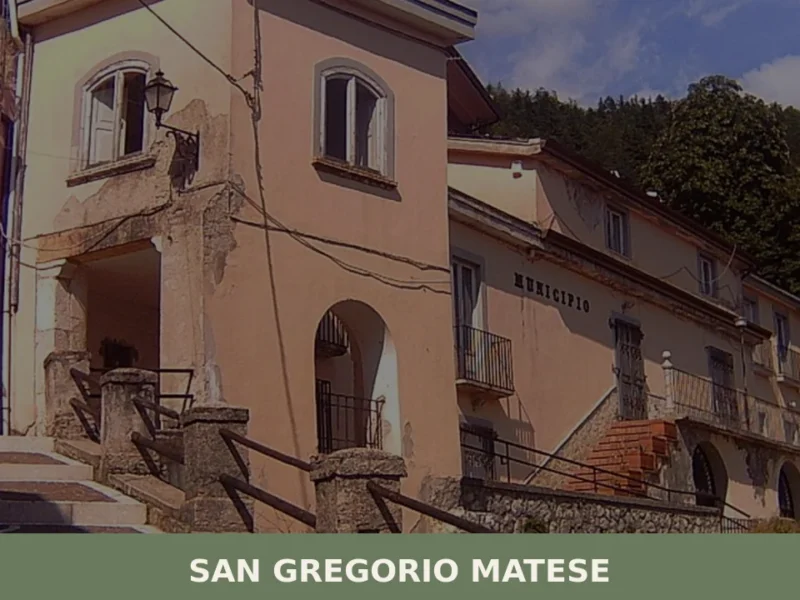
San Gregorio Matese
Mountain
What to see in San Gregorio Matese, Italy: Explore this mountain village at 765 m altitude. Discover its historic core and annual patron saint feast. Read our guide.
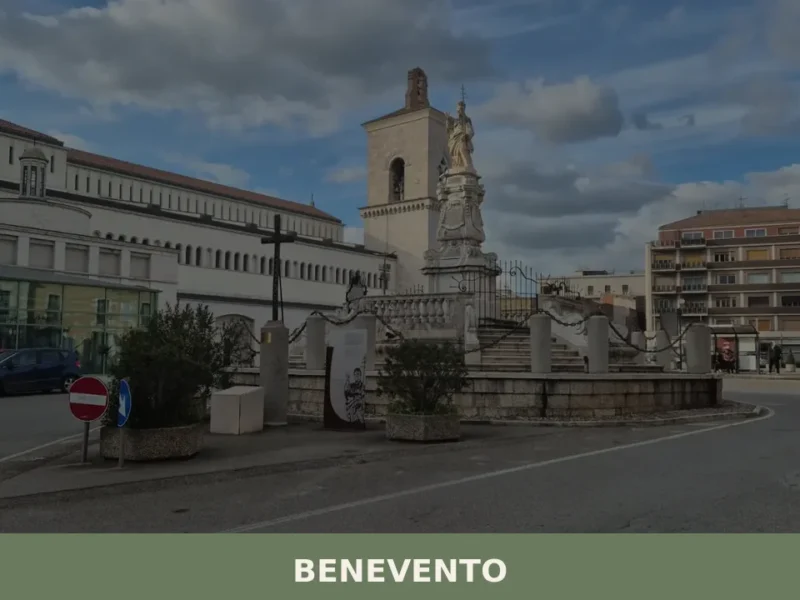
Benevento
Plains
Uncover the rich history and beautiful landscapes of the village of Benevento in Campania, Italy. Plan your visit to this charming Italian gem today!
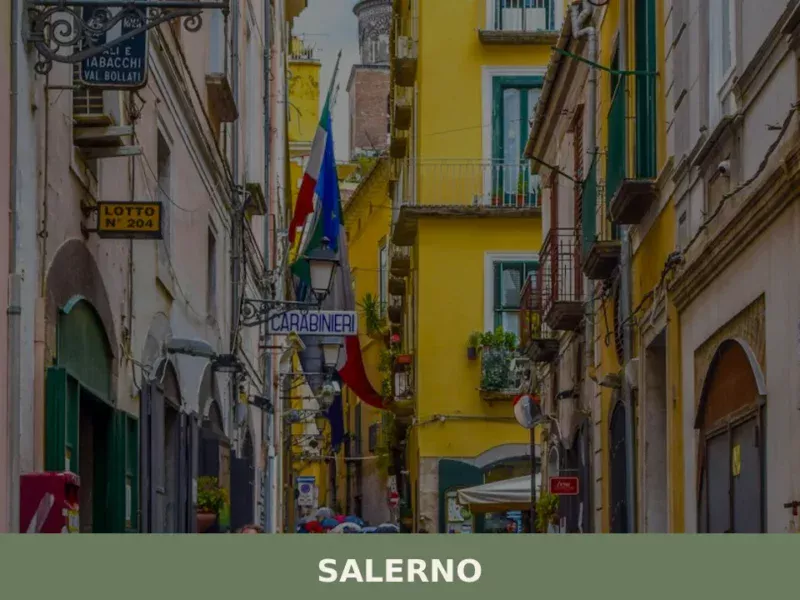
Salerno
 Sea
Sea
Discover Salerno, Italy, a charming coastal city in Campania. Explore its rich history, stunning cathedral, vibrant old town, and beautiful Mediterranean views. Plan your visit!
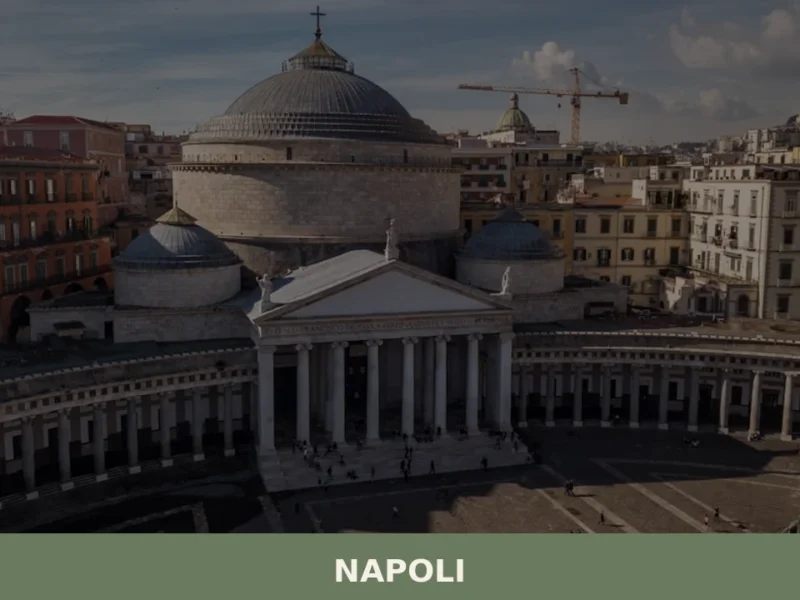
Napoli
Sea
What to see in Napoli: 959,052 residents, UNESCO historic centre and Teatro San Carlo (1737). Discover the National Archaeological Museum, Neapolitan pizza and the 19 September San Gennaro feast.
Agerola
Mountain
Discover what to see in Agerola, a mountain comune above the Amalfi Coast: hamlets, hiking trails, DOP cheeses and practical travel tips.




🏡 Know Acerno better than we do?
If you’re a local or have been there, your knowledge matters: add what’s missing or fix a detail on this page.