


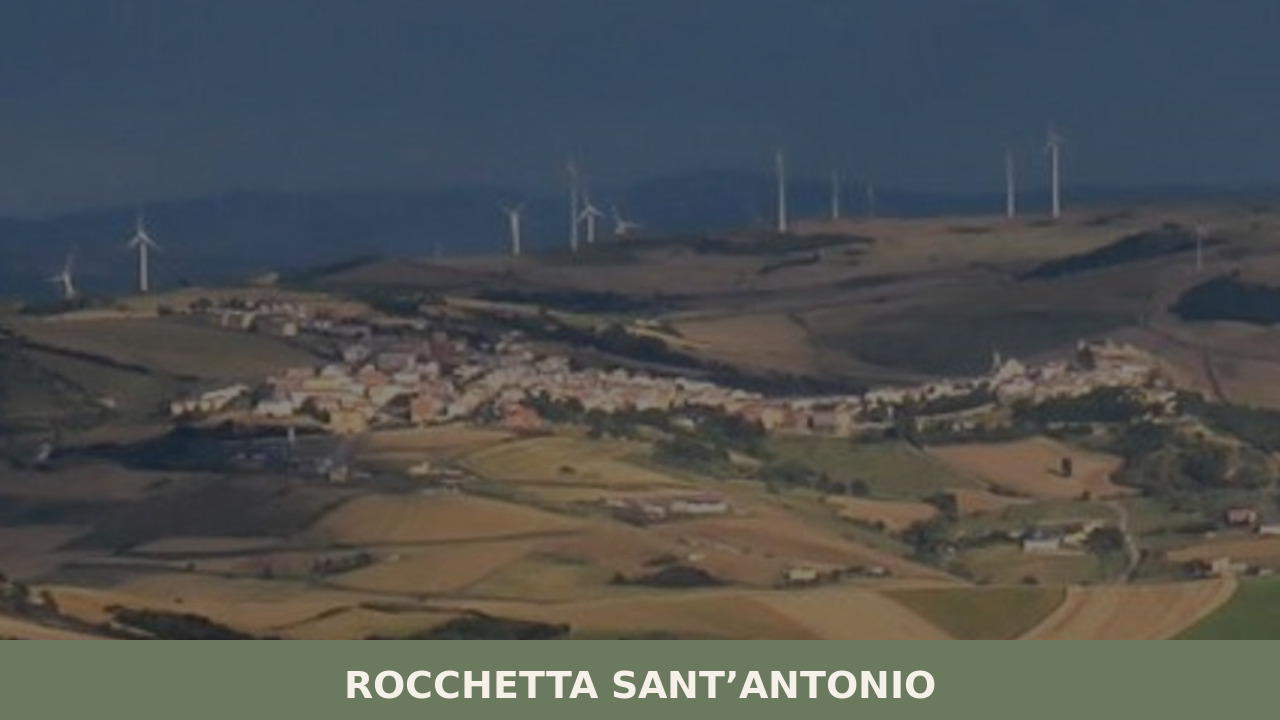
Rocchetta Sant’Antonio
 Mountain
Discover what to see in Rocchetta Sant’Antonio: a Foggia province village in the Daunia hills, with history, local food, travel tips and how to get there.
Discover Rocchetta Sant’Antonio
Rocchetta Sant’Antonio is a comune of approximately 1,588 inhabitants in the province of Foggia, positioned in the Apennine foothills of northern Puglia at the boundary between the Daunia sub-Apennines and the Campanian border. Knowing what to see in Rocchetta Sant’Antonio requires understanding where this village sits geographically and historically — at a crossroads between Puglia, Basilicata and Campania, a position that has shaped its built environment, its economy and its agricultural identity across several centuries of documented life.
History of Rocchetta Sant’Antonio
The name itself encodes a piece of history. “Rocchetta” refers to a small fortified stronghold — a diminutive of rocca, the dialect form still used locally as La Rocca or La Ròcche — indicating that a defensive structure stood here before the settlement expanded into a full commune. The pairing with Sant’Antonio, almost certainly a reference to Sant’Antonio di Padova, the Franciscan friar canonised in 1232, points to a medieval ecclesiastical patronage that was common in the feudal geography of the Foggia province, where religious dedications to Franciscan and Augustinian figures marked the expansion of monastic and mendicant influence across the Daunia interior.
The village falls within the historical territory of the Capitanata, the vast administrative and agricultural district centred on Foggia that, under Norman, Swabian and Angevin rule, was one of the most economically significant zones of the medieval Kingdom of Sicily and later the Kingdom of Naples. The transhumance routes — the tratturi — that crossed the Tavoliere di Puglia and extended into the Apennine highlands passed through this general area, and the presence of fortified settlements like Rocchetta served a practical function: they provided control points and shelter along livestock movement corridors that sustained the wool and livestock economy of southern Italy for centuries.
Under the Bourbon Kingdom of the Two Sicilies, the interior communes of the Foggia province underwent administrative reorganisation, and Rocchetta Sant’Antonio was formalised within the provincial structure that broadly persists today. The post-Unification period brought the construction of rail infrastructure across the Apennine approaches, an investment that connected previously isolated interior settlements to the wider national network. This connectivity, limited as it was, partially offset the depopulation pressures that hit most small Apennine comuni in the twentieth century, though the village’s population — now recorded at around 1,588 residents — reflects the long-term demographic contraction common across rural Foggia.
What to see in Rocchetta Sant’Antonio: 5 must-visit attractions
The Parish Church of Sant’Antonio
The main parish church, dedicated to Sant’Antonio, stands as the spiritual anchor of the village centre. Built in a style typical of Counter-Reformation ecclesiastical architecture in the Foggia province, it features a stone facade facing the central piazza and a single-nave interior decorated with devotional artworks accumulated over several centuries of continuous parochial use.
The Historic Village Core
The older residential fabric of Rocchetta Sant’Antonio consists of compact stone housing arranged along narrow lanes that follow the natural contours of the hillside. The masonry is predominantly local limestone, with doorways and window surrounds that reflect the vernacular building tradition of the Daunia sub-Apennines, distinct from the white-plastered architecture of the coastal Adriatic settlements.
The Surrounding Agricultural Landscape
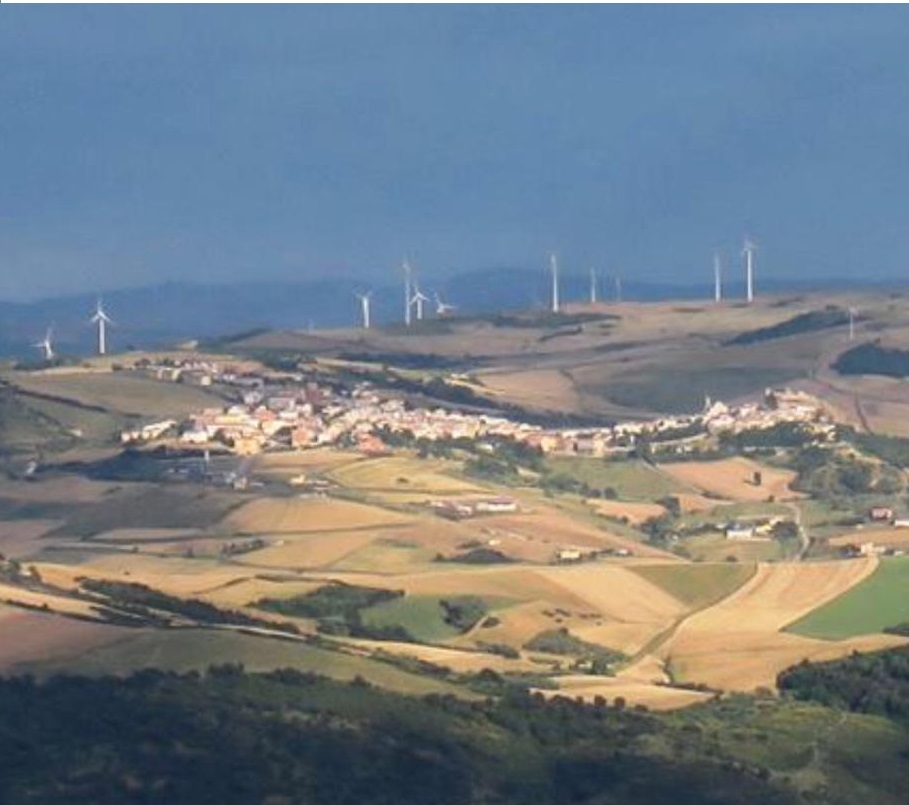
The territory of Rocchetta Sant’Antonio encompasses a varied upland agricultural landscape where cereal cultivation, olive groves and pastureland coexist. The fields visible from the village perimeter retain the open, rolling character of the Daunia hills, a landscape type that has been in continuous agricultural use since at least the Roman period based on documented settlement patterns across the Foggia province.
The Fortification Remnants
Traces of the original fortified structure — the rocchetta that gave the village its name — are embedded within the older part of the settlement. Identifying the precise extent of the original defensive structure requires on-the-ground observation, as later residential construction has absorbed and partially obscured what would have been a small tower or walled enclosure typical of medieval Apennine fortlets.
The Tratturo Landscape and Way-Markers
The broader municipal territory retains connections to the ancient transhumance route network of the Tavoliere. The tratturi — wide grassed drove roads demarcated by the Bourbon administration and later protected as national monuments — pass through or near the Foggia province hinterland, and their presence gives the landscape around Rocchetta a specific historical legibility that rewards walkers and anyone interested in pre-industrial rural infrastructure.
Local food and typical products
The food culture of Rocchetta Sant’Antonio belongs to the cucina povera tradition of the Foggia interior, built on cereals, legumes and preserved meats rather than the seafood that dominates coastal Puglia. Pasta dishes made with locally produced durum wheat semolina — cavatelli, orecchiette and their local variants — form the backbone of domestic cooking. Legume soups using chickpeas, broad beans and lentils, often enriched with wild foraged greens gathered from the surrounding hills, represent a culinary vocabulary that has remained largely consistent for generations. Lamb and mutton, historically supplied by transhumant flocks, appear in slow-cooked preparations seasoned with local herbs.
The province of Foggia is associated with several protected agricultural designations, including olive oils produced under the Dauno DOP label, which covers olive oil from varieties cultivated across the Foggia territory. For visitors wanting to experience local food production directly, the agriturismo establishments in the surrounding countryside — several operate across the Daunia hills — offer the most direct access to seasonal, locally sourced cooking. The regional tourism framework for Puglia provides practical orientation for identifying certified food producers and agriturismo outlets across the province.
Best time to visit Rocchetta Sant’Antonio
The climate of the Daunia sub-Apennines is continental in character, with cold winters and hot, dry summers — markedly different from the coastal Adriatic microclimate. Temperatures in winter can drop below zero, and snow is not unusual at these elevations. The most practical windows for visiting are late spring, specifically May and June, when temperatures are moderate, wildflowers cover the hillside pastures and agricultural activity in the surrounding countryside is at its most visible. Early autumn — September and October — offers comparable conditions, with the added interest of the olive and grape harvests active in the broader provincial territory.
The feast of Sant’Antonio, observed in June in the Catholic liturgical calendar, is the principal religious and community event in the village. This kind of local festival — characterised by a procession, outdoor celebration and traditional food — provides a concrete opportunity to observe village social life at a moment of genuine communal activity rather than as a casual visitor passing through. Visitors travelling to the area during summer should be prepared for high daytime temperatures, particularly if planning to walk the agricultural landscape, and should carry adequate water given the limited services available in small comuni of this size.
How to get to Rocchetta Sant’Antonio
Rocchetta Sant’Antonio sits in the Apennine foothills of northwestern Puglia, within the province of Foggia. Reaching it requires either a private vehicle or the regional rail network, as the village is served by a station on the Foggia–Potenza railway line — a route that connects the Adriatic coast to Basilicata through the interior Apennine valleys. This is a genuinely useful connection for travellers without a car.
- By rail: Rocchetta Sant’Antonio–Lacedonia station is served by the Foggia–Potenza Inferiore line operated by Rete Ferroviaria Italiana. Journey time from Foggia is approximately 1.5 to 2 hours. Check current timetables via Trenitalia.
- By car: From Foggia, the village is accessible via the SS655 Bradanica road heading southwest, then local provincial roads into the hills. The distance from Foggia is approximately 60–70 kilometres.
- Nearest airport: Foggia has a small airport (Gino Lisa), though with limited connections. The more practical option is Bari Karol Wojtyła Airport, approximately 150 kilometres to the southeast, followed by a combination of rail or road travel to the village.
- From Naples: Rocchetta Sant’Antonio is roughly 150 kilometres northeast of Naples, reachable via the A16 motorway (Naples–Canosa) to the Candela exit, then provincial roads northward.
Where to stay in Rocchetta Sant’Antonio
Accommodation options in a village of 1,588 inhabitants are necessarily limited in scale. Visitors should not expect a hotel infrastructure of the kind found in larger Pugliese centres. The most realistic options are agriturismo establishments in the surrounding countryside, which provide rooms alongside meals based on local produce, and private holiday apartments or rooms available through short-term rental platforms. These tend to be concentrated in and around the village centre, where the older stone buildings are well suited to conversion for visitor accommodation.
For those who want a broader base from which to explore the Daunia hills — including day trips to Rocchetta Sant’Antonio — the city of Foggia offers the widest range of accommodation at different price points and is directly connected to the village by rail. Booking in advance is advisable for the spring and autumn periods, when agriturismo capacity in the Foggia hinterland fills quickly with travellers specifically seeking rural Puglia rather than the coastal resorts.
More villages to discover in Puglia
The province of Foggia and the wider Puglia region contain a range of small comuni that share Rocchetta Sant’Antonio’s character as documented rural settlements with their own distinct histories. Anzano di Puglia, positioned in the same Daunia Apennine zone, offers a comparable experience of upland Foggia village life and is a logical companion destination for anyone exploring this corner of the province. To the north, Cagnano Varano, situated on the Gargano promontory near the Lago di Varano, represents the contrasting lakeside and maritime character of northern Puglia — a sharply different landscape within the same provincial geography.
Further south, Cassano delle Murge introduces visitors to the Alta Murgia plateau, where the karst terrain and the geology of the Murge uplands produce yet another register of Pugliese rural landscape. And in the Salento peninsula, Martignano belongs to the Grecia Salentina, a cluster of villages where a Greek-derived dialect called Griko is still spoken by a small number of residents — evidence of the cultural layering that makes Puglia’s interior villages consistently more complex than a surface reading of the landscape might suggest.
Frequently asked questions about Rocchetta Sant’Antonio
When is the patron saint of Rocchetta Sant'Antonio celebrated?
The patron saint of Rocchetta Sant'Antonio is Saint Anthony the Abbot, whose feast is celebrated on January 17. This should not be confused with Saint Anthony of Padua (June 13), to whom the church in the historic center is dedicated. The January 17 celebration is linked to the tradition of the saint as protector of animals, a belief particularly rooted in the rural and mountain villages of the Dauno Apennines, where livestock farming has historically shaped local life.
Is it worth visiting Rocchetta Sant'Antonio for a day trip from Foggia or Naples?
Yes, a day visit is feasible from both cities. From Foggia it is approximately 80 kilometers, reachable in 90 minutes via provincial roads. From Naples the distance is about 140 kilometers, less than two hours via the A16 motorway with exits at Lacedonia or Candela. The historic center is compact and requires two to three hours to visit. It is advisable to plan ahead regarding supplies and opening hours, given the limited services available in a town of fewer than 1,700 inhabitants.
Are there hiking trails or historic cattle drove roads in the area around Rocchetta Sant'Antonio?
The territory around Rocchetta Sant'Antonio is crossed by ancient tratturi, the transhumance routes that connected the summer Apennine pastures with the winter pastures of the Tavoliere plain. These paths, protected by the Puglia Region, constitute documented historic itineraries suitable for hiking or cycling. The landscape of the Ofanto valley and the surrounding oak forests offer additional opportunities for those who enjoy trekking in an unspoiled natural environment.
Is there a railway connection to Rocchetta Sant'Antonio?
Rocchetta Sant'Antonio has a railway station on the regional Foggia–Potenza line, served by Trenitalia trains. However, the service is infrequent and travel times are long. For this reason, a car remains the most practical means of reaching the town and moving freely around the area. The two nearest airports are Bari Karol Wojtyła and Naples Capodichino, both approximately 150-160 kilometers away.
📷 Photo Gallery — Rocchetta Sant’Antonio
Nearby Villages near Rocchetta Sant’Antonio
In Apulia More villages to discover
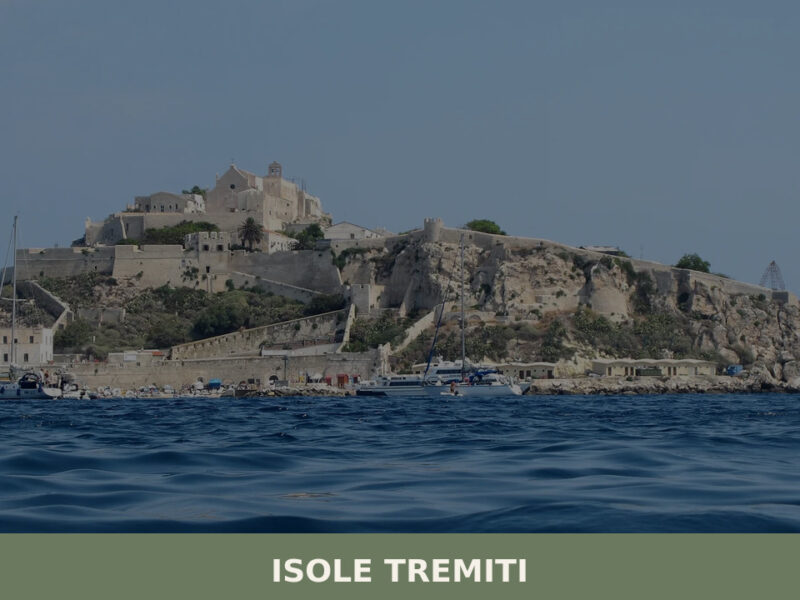
Isole Tremiti
 Sea
Sea
A 481-resident archipelago off Puglia's Gargano coast, the Tremiti Islands compress monastic history, Adriatic wildlife, and sea caves into three inhabited islands.
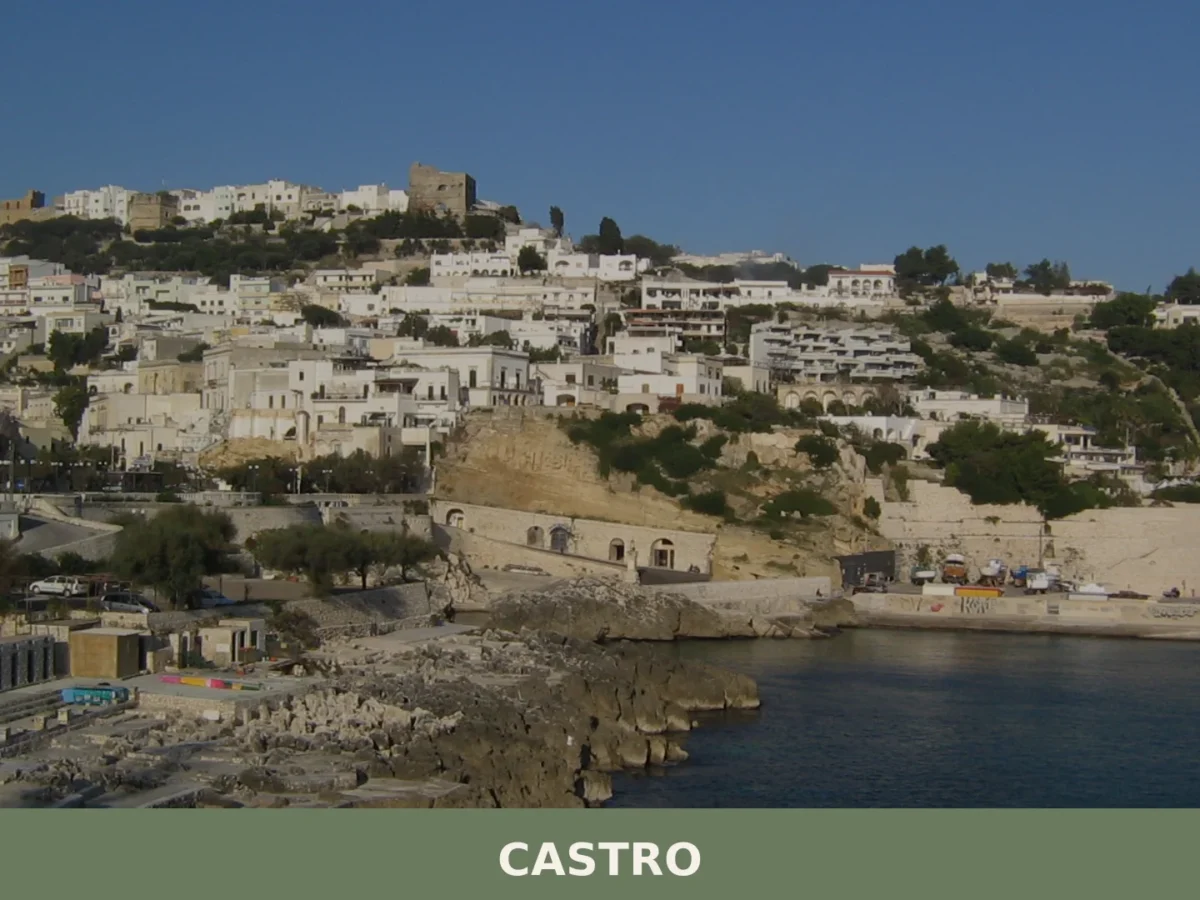
Castro
Sea
Population 2,318 on 4.44 km². Visit for the 12th-century castle, 11th-century church, and Byzantine remains overlooking the Canale d'Otranto.
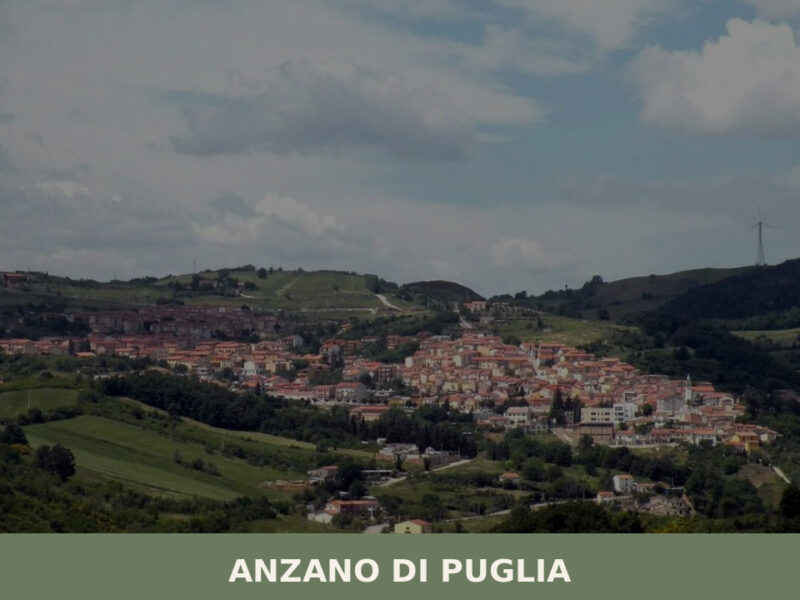
Anzano di Puglia
Mountain
A tiny hilltop village at 760 m in the Daunia Mountains, Anzano di Puglia enchants with stone lanes, sweeping panoramas, and authentic mountain cuisine.
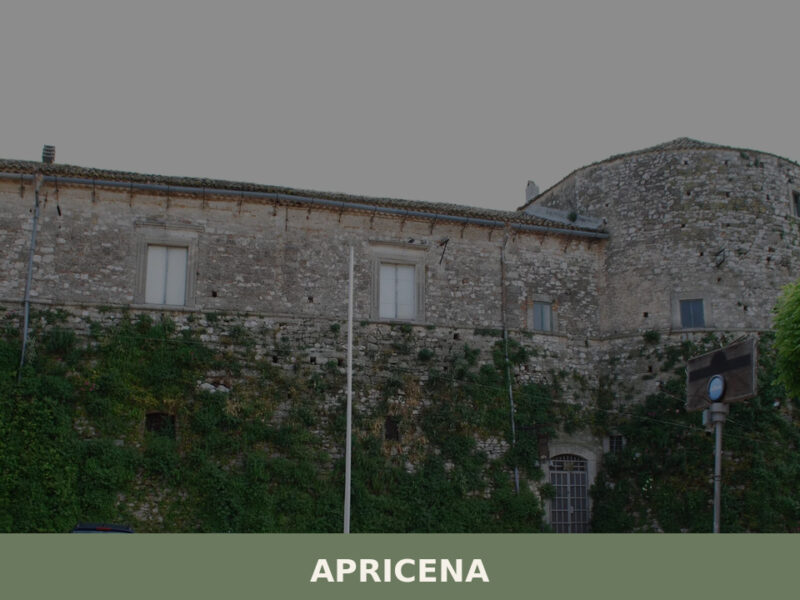
Apricena
 Plains
Discover Apricena, a stone-quarrying town in Puglia's Gargano area. Explore medieval heritage, local cuisine, and authentic Southern Italian charm.
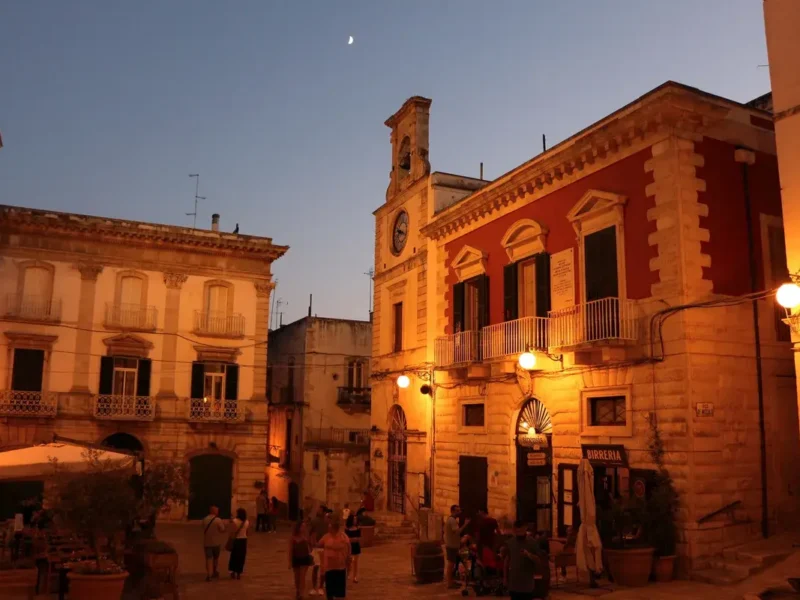
Putignano
 Hills
Hills
What to see in Putignano: hilltop town at 372m in the Murgia Barese. Grotta del Trullo, 6-century-old Carnival, PAT cuisine. Plan your visit now.
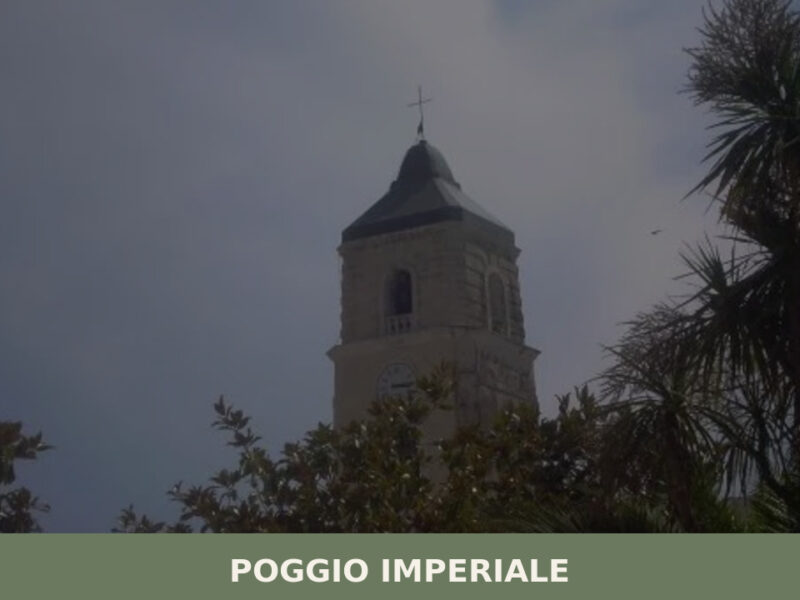
Poggio Imperiale
Plains
A planned eighteenth-century village on the Tavoliere plain, Poggio Imperiale offers grid-pattern streets, agricultural landscapes, and the unhurried rhythms of northern Puglia.
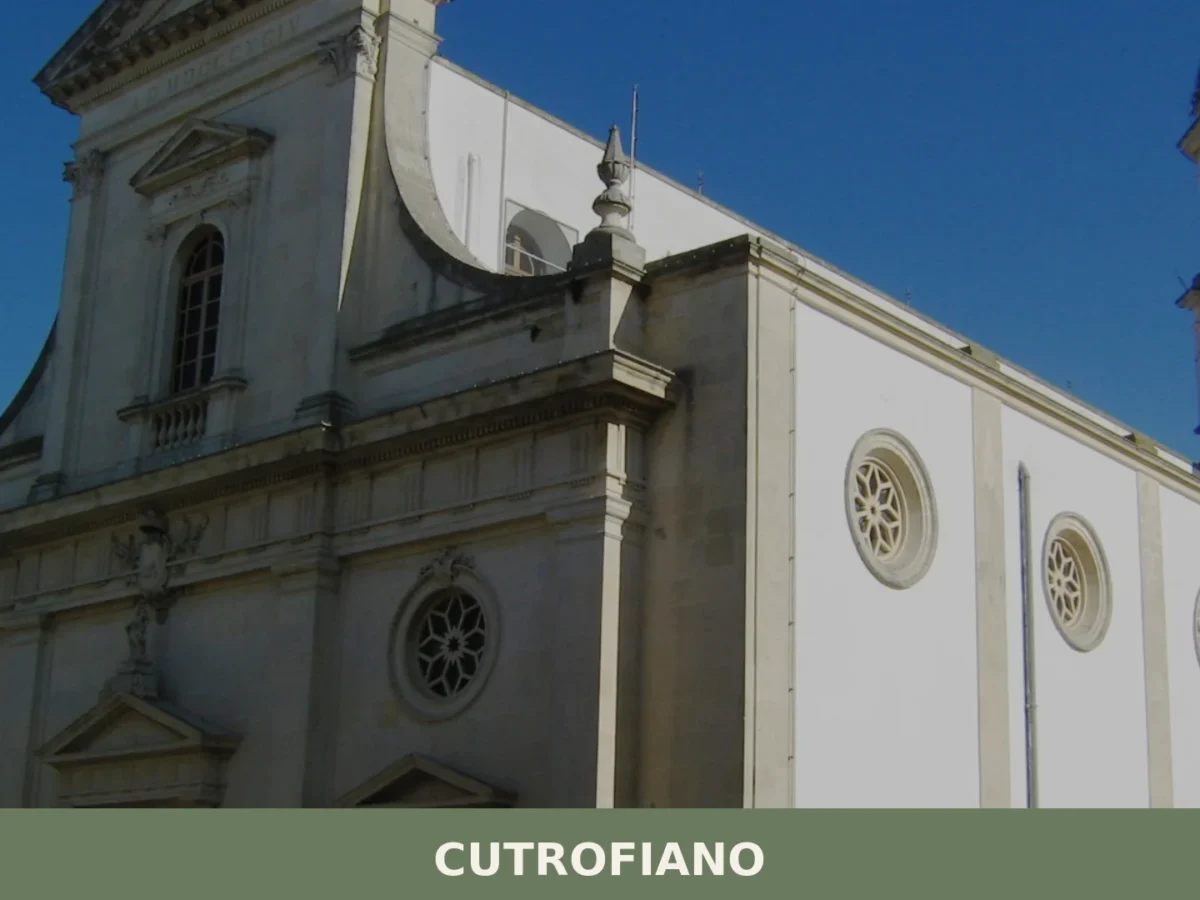
Cutrofiano
Plains
A rural comune of 8,657 souls at 85 metres altitude in southern Lecce province. Visit for medieval crypts, baroque architecture and the living memory of a once-thriving ceramic tradition.
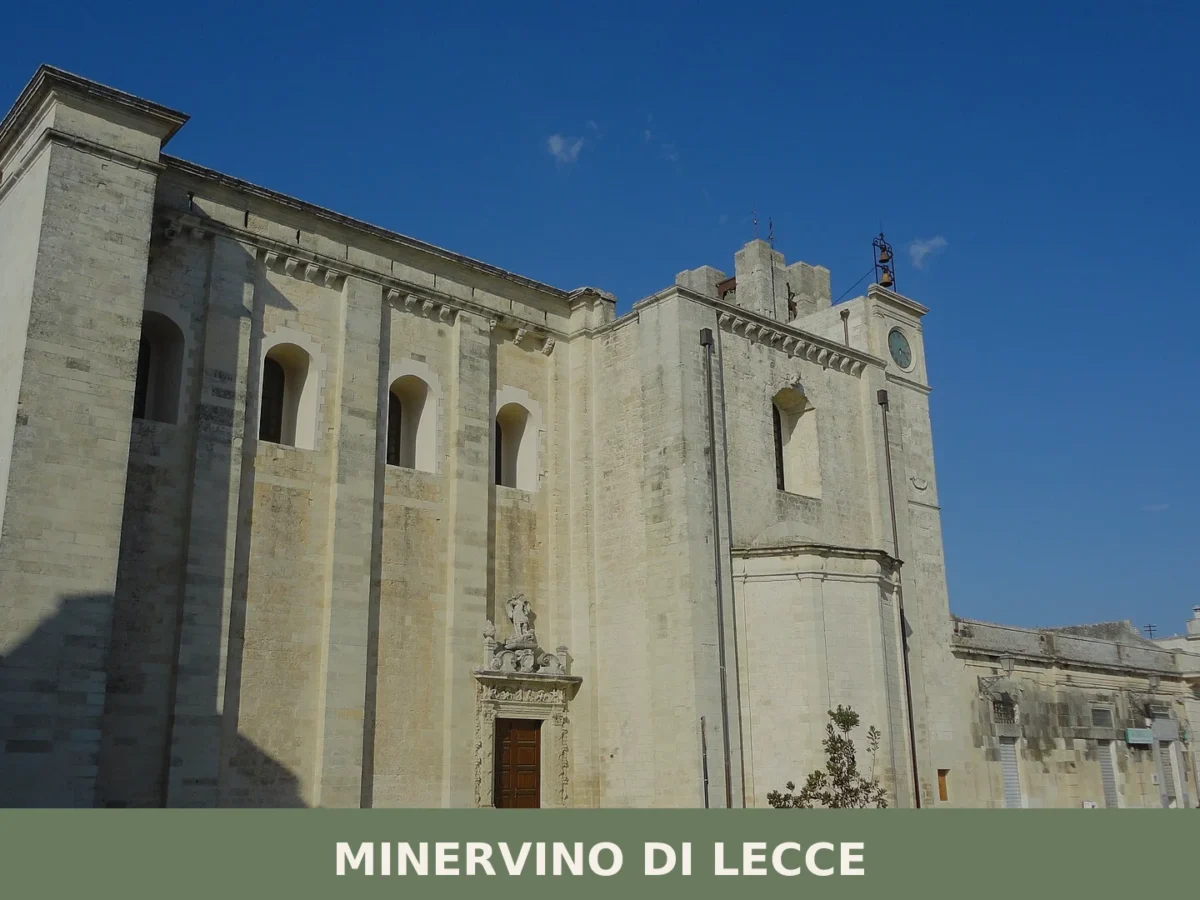
Minervino di Lecce
Plains
3,400 residents and 98 metres of elevation. A village where megalithic stones predate written history, and Renaissance architecture speaks of feudal ambition.
Carapelle
Plains
what to see a Carapelle: 5 attractions, prodotti PAT e festivals patronali a 62 m s.l.m. in the province of Foggia. Scopri history, cuisine e how to get there.
San Ferdinando di Puglia
Plains
What to see in San Ferdinando di Puglia: 5 must-visit attractions, from the historic centre to the churches. Discover the complete guide and plan your visit.



🏡 Know Rocchetta Sant’Antonio better than we do?
If you’re a local or have been there, your knowledge matters: add what’s missing or fix a detail on this page.