


Torre Annunziata
 Sea
Sea
Nearly 40,000 residents live above the UNESCO-listed ruins of ancient Oplontis. Torre Annunziata offers archaeology, industrial heritage and a black-sand shoreline on the Gulf of Naples.
Torre Annunziata: Between a Volcano, the Sea and a Buried City
Black sand underfoot, the Vesuvius silhouette above, and the Gulf of Naples opening wide to the west — Torre Annunziata occupies one of the most geologically dramatic strips of coastline in southern Italy. The town sits at barely 9 metres above sea level, squeezed between volcanic slopes and salt water, on ground that conceals entire rooms of a Roman imperial villa buried since the eruption of 79 CE. Ferries have docked here, pasta dried in the sea breeze here, and armies of workers fed furnaces and mill wheels for generations. The physical setting is not backdrop; it is the reason the town exists at all.
Torre Annunziata village in Campania draws visitors for two converging reasons: the UNESCO-listed archaeological remains of ancient Oplontis and a deep industrial and culinary identity rooted in pasta production that once defined an entire regional economy. Sitting within the Vesuvius red zone and bordering the regional park of the Sarno river, the town belongs to a landscape that is simultaneously fertile and precarious, productive and historically exposed to catastrophe.
From the Silva Mala to Gioacchinopoli: Centuries of Reinvention
The name itself tells an early chapter of the story. In the fourteenth century a small church dedicated to the Virgin of the Annunciation was built on land belonging to the County of Sarno. Shortly after, a defensive tower rose beside it, and the settlement gradually became known as Torre dell’Annunciata. On 19 September 1319, Carlo d’Angiò granted four plots of land to four devoted knights — Guglielmo di Nocera, Puccio Franconi, Andrea Perrucci and Matteo di Avitaya — who established a church, a small monastery and a hospice at the site known as La Calcarola. That founding act gave the future town its institutional core. Later, Count Raimondo Orsini del Balzo had a first tower built for local defence, and the settlement consolidated around these two poles.
Before all of this, the ground had spent roughly a thousand years under dense woodland. After the eruption of Vesuvius in 79 CE buried the Roman settlement of Oplontis, the territory fell into a long obscurity, the vegetation growing so thick and dangerous that the area earned the name Silva mala — the bad forest, infested by wild animals and brigands. Around the year 1000, small groups of fishermen and farmers began returning to the coast, slowly repopulating the zone. The woods eventually became royal hunting reserves, a fate reflected in the old neighbourhood name of Nemus Regalis, the royal grove. The town thus layered itself over ruins, then over forest, then over memory.
The early modern centuries brought a succession of feudal lords — among them the Tuttavilla counts of Sarno, the Colonna, the Barberini and finally the Dentice del Pesce princes of Frasso — each leaving traces in the built environment and the local economy. A canal was cut from the Sarno river to power the flour mills, an engineering project promoted by Count Muzio Tuttavilla in the late sixteenth century. The eighteenth century accelerated industrialisation: Carlo III ordered the construction of an arms factory in 1758, and a royal iron foundry followed later in the same century. Between 1810 and 1815, under Joachim Murat’s rule, the town was briefly renamed Gioacchinopoli before reverting to its original name under Ferdinando I of the Two Sicilies. By the mid-nineteenth century the railway had arrived, the port had been completed, and Torre Annunziata was exporting dried pasta to markets around the world.
Landscape and Places That Define the Town
The Archaeological Site of Oplontis
Beneath the modern streets lies Oplontis, a residential settlement of the imperial and patrician Roman world, buried by the eruption of Vesuvius in 79 CE and rediscovered centuries later. The site was recognised as a UNESCO World Heritage site in 1997 as part of the broader Vesuvian archaeological area. The excavations reveal elaborate wall paintings, garden spaces and domestic architecture of a scale that reflects the wealth of its former inhabitants. Visiting the site is a direct encounter with the physical reality of a buried city, not a reconstruction but an actual preserved fabric of Roman daily life.
The Sarno River Mouth and the Regional Park
The southern boundary of Torre Annunziata is defined by the mouth of the Sarno river, which in antiquity was venerated as a deity and whose waters were later channelled to drive the town’s mills. Today the river is the focus of active remediation efforts, recognised as one of the most polluted waterways in Europe due to decades of illegal dumping and inadequate treatment infrastructure in upstream municipalities. The regional park of the Sarno river, of which the town is a member, frames this contested landscape and gives it an institutional context for environmental recovery.
The Coastline and the Scoglio di Rovigliano
The shoreline stretches for roughly six kilometres between Capo Oncino to the north and the Sarno mouth to the south. The beach is composed of black volcanic sand, a direct consequence of Vesuvian deposits accumulated over centuries. Just offshore, the rocky outcrop of Rovigliano rises from the water, a turreted sea stack beneath which coral colonies have established themselves. The coast defines both the daily rhythm of the town and its continuing relationship with the Gulf of Naples, on whose inner curve Torre Annunziata sits.
The Stabilimento Militare Spolette
The former Royal Arms Factory, commissioned by Carlo III in the eighteenth century, survives today as the Stabilimento Militare Spolette. This industrial complex, once a production centre under the Kingdom of the Two Sicilies, is now managed by the Italian Ministry of Culture. Its presence in the urban fabric is a reminder of the town’s long role as a manufacturing centre, and it connects the modern town to the cycles of military industry, royal patronage and post-unification adaptation that shaped its growth.
The Port and the Industrial Waterfront
Torre Annunziata hosts the third largest port in the Campania region by surface area. The port infrastructure, completed in the nineteenth century, channelled imports of grain and coal and exports of dried pasta to international markets. Today the waterfront combines commercial and nautical functions, and the port quarter remains a working part of the town’s economy, no longer centred on pasta but engaged in maritime services and pharmaceutical industry that have partially replaced the old manufacturing base.
At the end of the nineteenth century, Torre Annunziata operated as one vast pasta factory, employing more than sixty mills and pasta manufacturers and absorbing sixty percent of the local workforce — a concentration of arte bianca unmatched anywhere on the Italian peninsula at that time.
The Pasta Capital and Its Lasting Flavour
Torre Annunziata earned the name Capitale dell’arte bianca — capital of the art of white flour — through centuries of industrial pasta production that reached its peak in the period following the First World War. The Sarno canal provided water power for the mills; the sea breeze provided the drying conditions; and the volcanic plain provided a logistical base for importing durum wheat. More than sixty mills and pasta factories once operated here simultaneously. Of those, the brands Voiello and Setaro survive today as internationally recognised names, still based in the town and still carrying the weight of that tradition. Pasta here is not a tourist narrative; it is a documented industrial history with living continuity.
Planning a Visit: Season, Access and Connections
The Mediterranean climate of Torre Annunziata means summer temperatures can reach 37 degrees, while winters remain mild, rarely dropping below 7 degrees. The town is well exposed to sea breezes and sheltered from cold inland winds by the mass of Vesuvius to the north. Spring and autumn offer the most comfortable conditions for exploring the archaeological site and the waterfront without summer crowds. The black sand beach draws a largely local following in July and August, giving the seafront a distinctly residential rather than resort character.
Access is straightforward. The Circumvesuviana railway, which has connected the Vesuvian coast since the late nineteenth century, stops directly in Torre Annunziata. If you arrive by car, the A3 motorway provides a direct exit. Visitors looking to extend their itinerary along the volcanic coast will find natural connections northward toward Naples and southward toward Castellammare di Stabia, where the Roman thermal tradition of the Vesuvian coast continues. Inland, the Campanian hinterland opens through routes toward Agerola on the Amalfi hills, offering a strong contrast to the coastal industrial plain.
A single day is enough to visit the Oplontis excavations and walk the port waterfront, but the town repays a slower approach. The patron saint of Torre Annunziata is the Madonna della Neve, and the calendar of religious observances shapes the civic year and the life of the neighbourhoods. For those interested in the broader metropolitan context, the towns of Afragola and Acerra offer further perspectives on the Neapolitan hinterland and its layered histories.
| Departure | Distance | Time |
|---|---|---|
| Naples (Napoli Centrale) | approx. 25 km | 30 min by Circumvesuviana |
| Castellammare di Stabia | approx. 10 km | 15 min by train or car |
| Pompeii (Scavi) | approx. 4 km | 10 min by car or train |
| Salerno | approx. 45 km | 40 min by motorway |
Frequently asked questions about Torre Annunziata
Come si raggiunge Torre Annunziata con i mezzi pubblici?
Torre Annunziata è servita da due stazioni ferroviarie: Torre Annunziata Centrale (linea Napoli–Salerno di Trenitalia) e Torre Annunziata Oplonti (Circumvesuviana, linea Napoli–Sorrento). Da Napoli Centrale il viaggio dura circa 25 minuti in treno regionale. In auto si percorre l'autostrada A3 Napoli–Salerno, uscita Torre Annunziata Nord o Sud. I traghetti del Golfo di Napoli collegano stagionalmente il porto locale con Napoli e le isole.
Quando si svolgono le feste patronali di Torre Annunziata?
Torre Annunziata celebra la Madonna della Neve il 5 agosto con processioni religiose e manifestazioni popolari nel centro storico. Una seconda festività patronale si tiene il 22 ottobre. Il 5 agosto coincide con la tradizionale festa della neve nel calendario cattolico, sentita in tutto il territorio vesuviano. Entrambe le ricorrenze richiamano fedeli e turisti e rappresentano un'occasione privilegiata per vivere la devozione popolare campana.
Qual è il periodo migliore per visitare Torre Annunziata?
La primavera (aprile–giugno) e l'inizio autunno (settembre–ottobre) offrono temperature miti, mare ancora caldo e minore affollamento rispetto all'estate. Luglio e agosto garantiscono il pieno utilizzo delle spiagge di sabbia nera ma coincidono con l'alta stagione turistica dell'intera area vesuviana. Visitare la città il 5 agosto permette di combinare mare, cultura e la festa della Madonna della Neve in un'unica giornata.
Quanto tempo serve per visitare il sito archeologico di Oplontis?
La Villa di Poppea (Sito A di Oplontis), patrimonio UNESCO nell'ambito dell'iscrizione 'Aree Archeologiche di Pompei, Ercolano e Torre Annunziata', richiede in media 1–2 ore di visita. Il sito si trova nel centro di Torre Annunziata, raggiungibile a piedi dalla stazione Circumvesuviana di Torre Annunziata Oplonti in pochi minuti. Gli orari e i prezzi aggiornati sono consultabili sul portale ufficiale del Parco Archeologico di Pompei.
Esiste un curiosità storica sul nome 'Gioacchinopoli'?
Durante il periodo napoleonico, quando Gioacchino Murat regnò sul Trono di Napoli (1808–1815), Torre Annunziata fu ribattezzata ufficialmente Gioacchinopoli in suo onore. Fu uno dei numerosi tentativi murattiani di modernizzare e riorganizzare il Regno di Napoli, anche attraverso la rinomina simbolica di centri produttivi strategici. Il vecchio nome tornò in uso dopo la Restaurazione borbonica del 1815.
In Campania More villages to discover
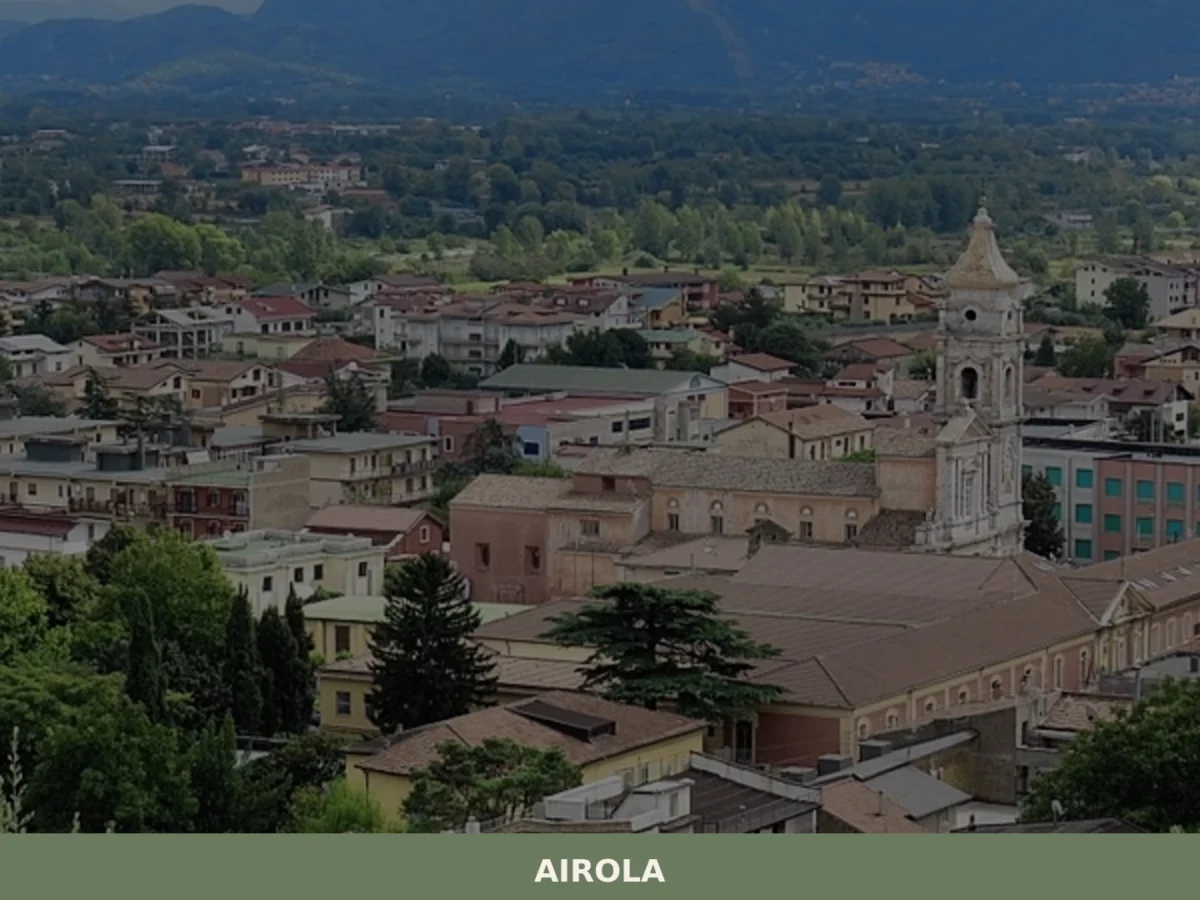
Airola
 Plains
The stone bell tower of the Church of the Annunziata, reaching skyward since 1735, casts its shadow over the cobbled streets of Airola. Nestled within the expansive Valle Caudina and framed against the backdrop of Monte Taburno, this village offers a tangible connection to its past through its architecture. In this article History of Airola […]
Liberi
 Hills
Hills
Liberi, a small village in Campania in the province of Caserta: discover its history, monuments and how to plan your visit. Plan your itinerary today.
Camigliano
Plains
Morning light flattens across the plain north of Caserta, and Camigliano emerges low and unhurried — a grid of stone and plaster houses, church bells marking the quarter-hour to no one in particular. With fewer than two thousand residents, this is a settlement shaped more by agriculture than spectacle. Yet for those asking what to […]
San Potito Sannitico
Hills
Discover San Potito Sannitico, a hidden gem in Campania, Italy. Explore its rich history, stunning landscapes, local traditions, and authentic Italian charm.

Castellammare di Stabia
Sea
Castellammare di Stabia offers over 2,800 years of layered history, from buried Roman villas to Bourbon royal palaces, all framed by the Gulf of Naples.
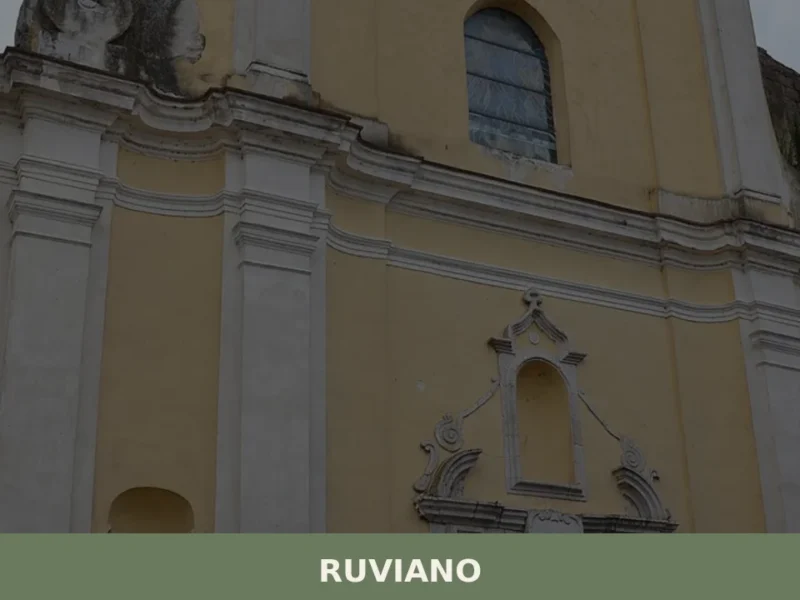
Ruviano
Plains
What to see in Ruviano, Italy: Explore this comune at 80 m altitude, known for its patron feast and agricultural views. Discover Ruviano, Campania.
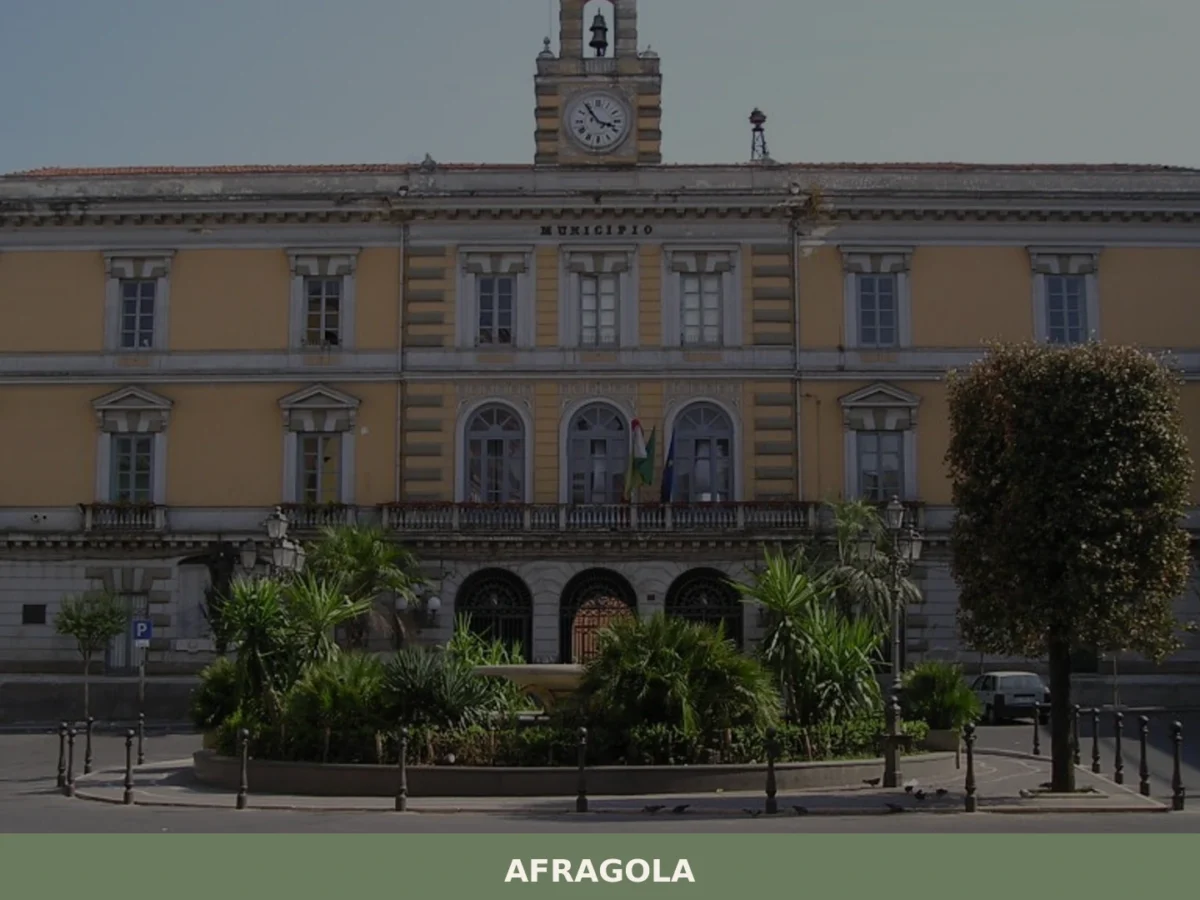
Afragola
Plains
Discover what to see in Afragola, Campania: Zaha Hadid's station, Baroque churches, local food, and practical travel tips for this Naples hinterland town.
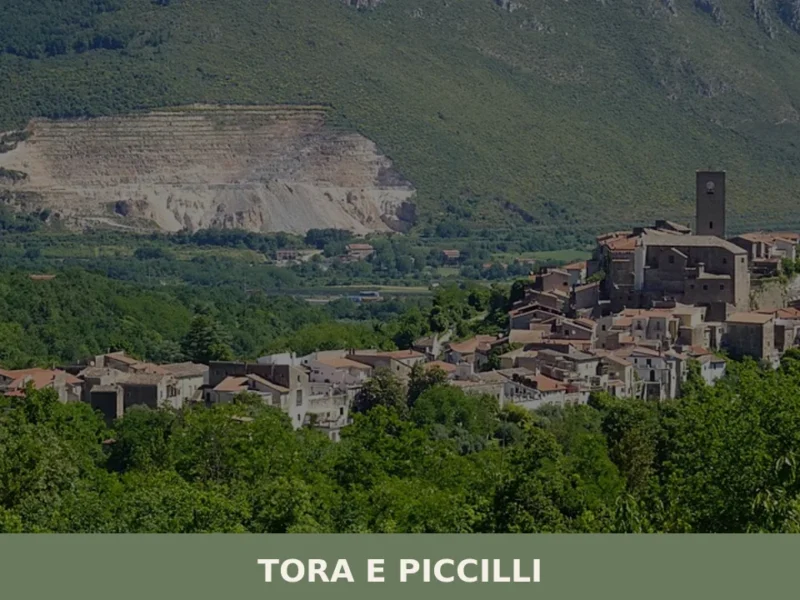
Tora e Piccilli
Hills
What to see in Tora e Piccilli, Italy: discover this Caserta comune at 343 m altitude. Explore its hilly landscape and small-town character. Read our complete guide.
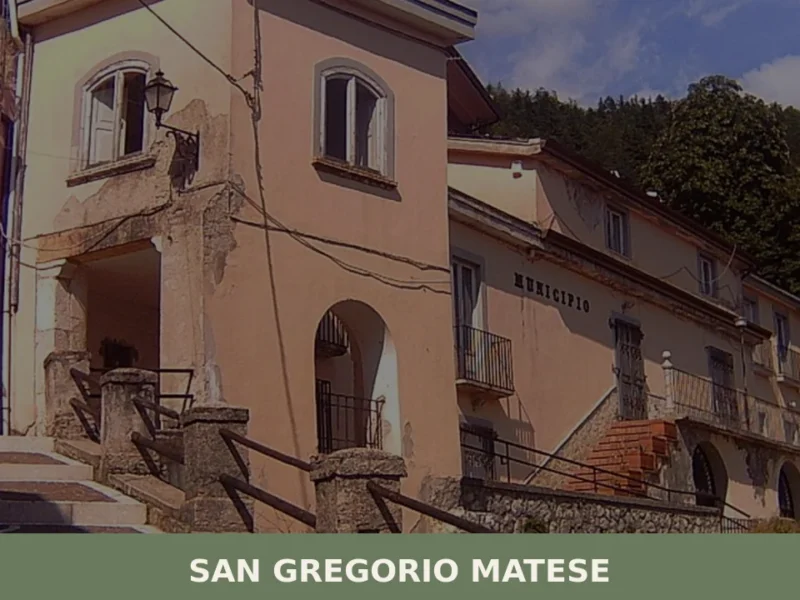
San Gregorio Matese
 Mountain
What to see in San Gregorio Matese, Italy: Explore this mountain village at 765 m altitude. Discover its historic core and annual patron saint feast. Read our guide.
Pignataro Maggiore
Plains
What to see in Pignataro Maggiore: 5,733 residents, 93m above sea level in Caserta province. Visit San Giorgio Church, historic centre, 'Ndunderi PAT gnocchi. Plan your trip now.





🏡 Know Torre Annunziata better than we do?
If you’re a local or have been there, your knowledge matters: add what’s missing or fix a detail on this page.