


Roccaforzata
 Plains
Roccaforzata is home to 1,762 inhabitants, spread across a plateau at 145 metres above sea level in the eastern Taranto countryside. The municipal territory covers just 6.67 square kilometres, making it one of the smallest in the province of Taranto. Anyone looking into what to see in Roccaforzata will find a compact urban centre, developed […]
Discover Roccaforzata
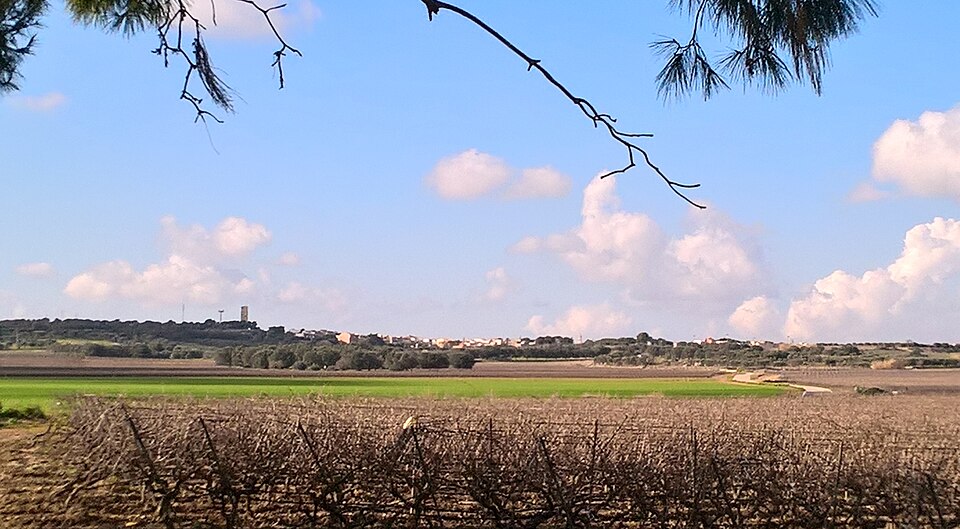
Roccaforzata is home to 1,762 inhabitants, spread across a plateau at 145 metres above sea level in the eastern Taranto countryside. The municipal territory covers just 6.67 square kilometres, making it one of the smallest in the province of Taranto. Anyone looking into what to see in Roccaforzata will find a compact urban centre, developed around the remains of a medieval fortification and a mother church that houses a Marian icon venerated for centuries. The surrounding plain, cultivated with olive groves and vineyards, marks the boundary between the Taranto Murgia and northern Salento.
History and origins of Roccaforzata
The village’s name most likely derives from the presence of a fortified stronghold — a defensive structure documented from the Norman period, when the Taranto territory was reorganised into fiefs and hamlets. The word “forzata” (fortified) refers to the site’s role as a military garrison, placed in a strategic position along the routes connecting Taranto to the Salento hinterland. As happened with many centres in the province of Taranto, the village grew around this defensive structure, attracting farmers and craftsmen seeking protection.
Over the centuries, Roccaforzata passed through the hands of several feudal families. During the Angevin and Aragonese periods, the fief followed the fortunes of the Principality of Taranto, one of the largest in southern Italy. Historical documentation places the founding of the hamlet between the 12th and 13th centuries, in an area already inhabited during the Messapian and later Roman periods, as suggested by sporadic finds in the surrounding territory. The historic centre still preserves its medieval urban layout: a network of narrow streets converging towards the highest point, where the original fortress once stood.
Between the 16th and 18th centuries, Roccaforzata was governed by noble families of southern Italy who administered the fief until the abolition of feudalism in 1806. With Italian unification, the village became an autonomous municipality and retained a predominantly agricultural vocation, linked to the cultivation of olives, vines and cereals — activities that still define the local economy today.
What to see in Roccaforzata: 5 main attractions
1. Chiesa Madre della Madonna della Camera
Dedicated to the patron saint of the village, the church houses the icon of the Madonna della Camera, a sacred image that is the focus of the community’s devotion. The building, remodelled at various times, has a sober façade and a single-nave interior. The patron saint’s feast day on 19 July draws worshippers each year from neighbouring municipalities as well, with a procession that passes through the entire town centre.
2. Remains of the medieval fortress
Of the fortification that gave the village its name, traces remain incorporated into the buildings of the historic centre. The summit area, at 145 metres elevation, was the hamlet’s main point of defence. From here, the surrounding plain stretches out in full view, and on clear days, the outline of the Ionian Sea is visible. The surviving walls make it possible to reconstruct the original dimensions of the Norman garrison.
3. Historic centre and medieval layout
The old nucleus of Roccaforzata retains the urban structure of the medieval hamlet: narrow streets, internal courtyards, houses built from local tufa stone with external staircases. The oldest dwellings feature carved stone doorways and small votive niches at street corners. A walk through the centre takes less than an hour but conveys with precision the reduced scale and defensive logic of the original settlement.
4. Chapel of Sant’Elia
Dedicated to the village’s second patron saint, the Chapel of Sant’Elia is a modest-sized building that reflects the layered devotional history of the town. The prophet Elijah is celebrated alongside the Madonna della Camera, and the chapel serves as a focal point for the community. The building stands within the perimeter of the old centre, along one of the main street axes.
5. Agricultural landscape of the plain
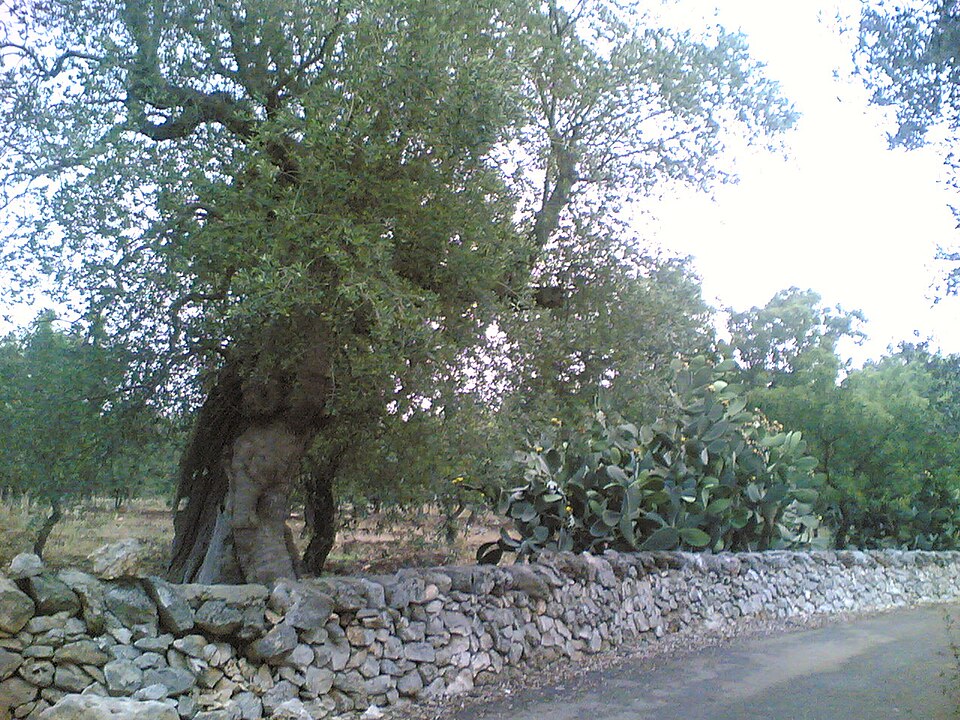
The municipal territory, entirely flat or gently undulating, is marked by dry-stone walls, scattered farmsteads and expanses of centuries-old olive trees. The countryside around Roccaforzata falls within the production area of Apulian extra-virgin olive oil. In spring, the flowering crops transform the plain into a succession of different greens, from the silvery grey of the olive trees to the deep green of the vineyards.
Cuisine and local products
The table in Roccaforzata reflects the farming tradition of the Taranto Murgia. Extra-virgin olive oil is the cornerstone product: the Ogliarola and Cellina di Nardò cultivars dominate the surrounding groves and yield an oil with a robust flavour, with bitter and peppery notes. Orecchiette with turnip tops, legumes cooked in terracotta pots — especially broad beans and chicory — and durum wheat bread baked in wood-fired ovens make up the everyday repertoire. Primitivo wine, grown in the Taranto area, accompanies meat dishes, particularly bombette and the offal rolls known as gnumareddi.
During the summer months, patron saint celebrations and food festivals provide the opportunity to taste less common preparations: fried pittule, Christmas pettole also made in a summer version, and sweets based on almond paste. The territory falls within the production zones of several Apulian DOP and IGP labels, including Terra d’Otranto DOP olive oil. Local farms sell directly to the public, and some farmsteads in the surrounding countryside offer tastings by appointment.
When to visit Roccaforzata: the best time
The Mediterranean climate of the Taranto plain makes Roccaforzata a year-round destination, but the months between April and June and between September and October offer the most favourable conditions: temperatures between 18 and 28 degrees, extended daylight, and countryside in full agricultural activity. The 19th of July, the feast day of the Madonna della Camera and Sant’Elia, is the central date in the civic and religious calendar: the evening procession, illuminations and fireworks enliven the village for several days. High summer, from July to August, brings temperatures that often exceed 35 degrees on the plain, making morning visits or those after sunset preferable.
Winter is mild compared to the rest of Italy — the temperature rarely drops below 5 degrees — and offers the advantage of experiencing the village in its most ordinary rhythm, without outside visitors. The olive harvest period, between October and December, allows visitors to observe the work in the oil mills at close range, some of which are open to the public.
How to reach Roccaforzata
Roccaforzata is located approximately 18 kilometres east of Taranto. By car, from the A14 Bologna–Taranto motorway, take the Taranto exit and continue along the provincial road towards Fragagnano–Sava. From Lecce, the distance is around 70 kilometres, reachable in about an hour via the 7ter state road. The nearest railway station is Fragagnano, on the Ferrovie del Sud Est line, approximately 5 kilometres from the town centre. Brindisi-Salento airport is about 80 kilometres away and is connected to Taranto by scheduled bus services and car hire. Bari-Palese airport, at 110 kilometres, is an alternative with a greater number of domestic and international connections. There are no frequent public transport services to Roccaforzata: a private or rental car remains the most practical solution.
Other villages to discover in Puglia
Puglia is a region best explored gradually, moving between coastal plains and inland plateaus where each province maintains its own distinct character. Anyone visiting Roccaforzata who wishes to explore the Gargano side of the region can head to Cagnano Varano, a village overlooking the coastal lake of the same name on the Gargano: an environment entirely different from the Taranto plain, dominated by water and the karst heights of the promontory. The contrast between the two territories — one flat and cultivated, the other vertical and wooded — captures the geographic variety of Puglia better than any description.
On the opposite side, in the province of Foggia, Troia occupies an elevated position above the Tavoliere plain and preserves a Romanesque cathedral with an eleven-spoked rose window that represents one of the high points of medieval architecture in southern Italy. From Roccaforzata to Troia the distance is roughly 200 kilometres, but the journey crosses three distinct landscapes — the Taranto plain, the Murge, the Tavoliere — allowing you to measure the distance not only in kilometres but in geology, crops, dialects and building traditions.
Frequently asked questions about Roccaforzata
What is the best time to visit Roccaforzata?
The ideal months are April–June and September–October, when temperatures range between 18 and 28°C, daylight is generous and the agricultural landscape is at its most vivid. The key date in the calendar is 19 July, the feast day of the Madonna della Camera and Sant'Elia: the evening procession, illuminations and fireworks animate the village for several days and represent the best chance to experience local traditions. The olive harvest between October and December is a further draw for agri-tourism enthusiasts. High summer regularly exceeds 35°C on the plain, so morning or post-sunset visits are advisable in July and August.
What are the historical origins of Roccaforzata?
The village takes its name from a fortified stronghold documented from the Norman period, when the Taranto territory was divided into fiefs. The settlement developed between the 12th and 13th centuries around this military garrison, which controlled routes linking Taranto to the Salento hinterland. The area shows traces of earlier Messapian and Roman occupation. During the Angevin and Aragonese periods the fief fell within the Principality of Taranto; noble families administered it until the abolition of feudalism in 1806, after which Roccaforzata became an autonomous municipality with a firmly agricultural economy.
What to see in Roccaforzata? Main monuments and landmarks
The five main points of interest are: the Chiesa Madre della Madonna della Camera, which houses the centuries-old Marian icon venerated as patron of the village; the remains of the medieval Norman fortress integrated into the historic centre buildings; the medieval urban layout itself, with tufa-stone houses, carved doorways and votive niches; the Chapel of Sant'Elia, the second patron saint's place of worship; and the surrounding agricultural plain with its centuries-old olive groves and dry-stone walls. The historic centre can be explored on foot in under an hour. No admission fees are documented for the public spaces.
What are the main natural or scenic attractions of Roccaforzata?
The municipal territory sits on a flat to gently undulating plateau at 145 metres, bordered by centuries-old olive groves, vineyards and dry-stone walls that mark the boundary between the Taranto Murgia and northern Salento. From the highest point of the historic centre, where the Norman fortress once stood, the entire surrounding plain is visible and on clear days the outline of the Ionian Sea can be made out. In spring, flowering crops create a succession of silvery olive greens and deep vineyard greens across the countryside. The landscape falls within the production zone of Apulian extra-virgin olive oil.
Where to take the best photos in Roccaforzata?
The summit area of the historic centre, corresponding to the site of the original Norman fortress at 145 metres, offers the widest panoramic view over the Taranto plain and, on clear days, towards the Ionian Sea. The narrow tufa-stone streets of the medieval quarter, with their carved doorways, external staircases and corner votive niches, provide close-range architectural subjects. The surrounding olive groves are particularly photogenic in spring, when new growth contrasts with the silvery foliage of centuries-old trees, and during the autumn harvest when traditional picking methods are still practised.
Are there museums, churches or historic buildings to visit in Roccaforzata?
The Chiesa Madre della Madonna della Camera is the village's principal religious building, with a single-nave interior housing the patron saint's icon; it is the focus of community life and accessible for visits. The Chapel of Sant'Elia, smaller in scale, stands along one of the main axes of the old centre. Remains of the medieval Norman fortress are visible incorporated into the historic-centre buildings. No dedicated museums are documented for Roccaforzata. Specific opening hours and admission details are not currently published by official sources; it is advisable to contact the municipal office or local pro loco before visiting.
What can you do in Roccaforzata? Activities and experiences
Visitors can explore the compact medieval centre on a self-guided walk of under an hour, taking in the fortress remains, the two patron saint churches and the traditional tufa-stone architecture. The surrounding agricultural plain invites slow cycling or driving between olive groves and dry-stone wall landscapes. Some local farms sell extra-virgin olive oil directly and offer tastings by appointment, particularly during and after the October–December harvest. The feast of the Madonna della Camera and Sant'Elia on 19 July provides the opportunity to attend a traditional southern Italian religious procession with evening illuminations and fireworks.
Who is Roccaforzata suitable for? Families, couples, hikers, solo travelers?
Roccaforzata suits travellers who prefer unhurried, off-the-beaten-track experiences over mass tourism. Couples and slow-travel enthusiasts will appreciate the intimate medieval centre, the quiet agricultural landscape and direct farm visits. Food and wine lovers find a genuine expression of Taranto-area cuisine, from olive oil tastings to traditional pasta and local wines. Families with older children can engage with the history of the Norman settlement and the seasonal olive harvest. The village is less suited to hikers seeking marked trails or to beach-focused tourists, though the Ionian coast is reachable within 20–30 minutes by car.
What to eat in Roccaforzata? Local products and specialties
The local table is anchored in the farming tradition of the Taranto Murgia. Extra-virgin olive oil — from Ogliarola and Cellina di Nardò cultivars, falling within the Terra d'Otranto DOP zone — is the cornerstone product. Classic dishes include orecchiette with turnip tops, broad beans and chicory cooked in terracotta, and wood-fired durum wheat bread. Grilled meat dishes such as bombette and gnumareddi (offal rolls) accompany Primitivo wine from the Taranto area. During the July patron saint celebrations, fried pittule and almond-paste sweets are among the seasonal preparations available at local food events.
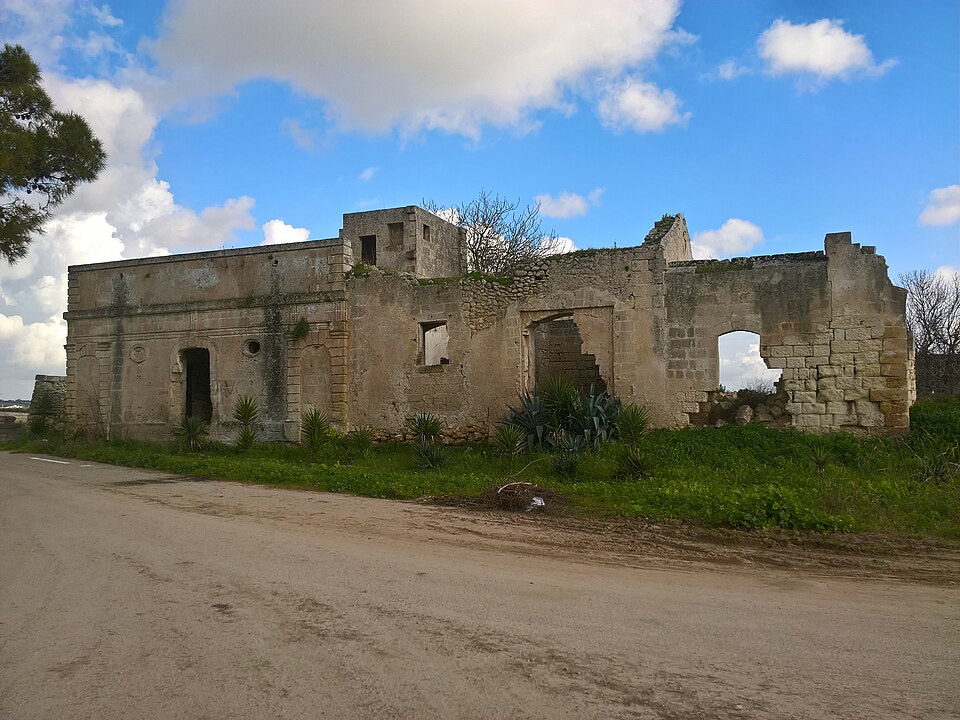
📷 Photo Gallery — Roccaforzata
Getting there
Via Papa Giovanni XXIII, 74020 Roccaforzata (TA)
Nearby Villages near Roccaforzata
In Apulia More villages to discover
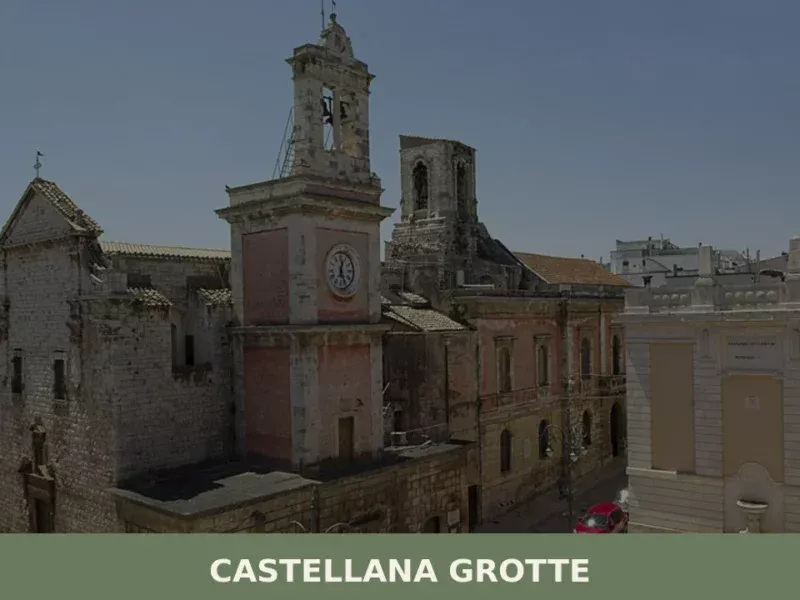
Castellana Grotte
 Hills
Hills
In 1938, speleologist Franco Anelli descended for the first time into a karst chasm a few kilometres from the town centre, revealing to the world an underground system stretching over three kilometres — one of the most extensive in Europe. That discovery permanently transformed the identity of an agricultural municipality on the south-eastern Murgia, placing […]
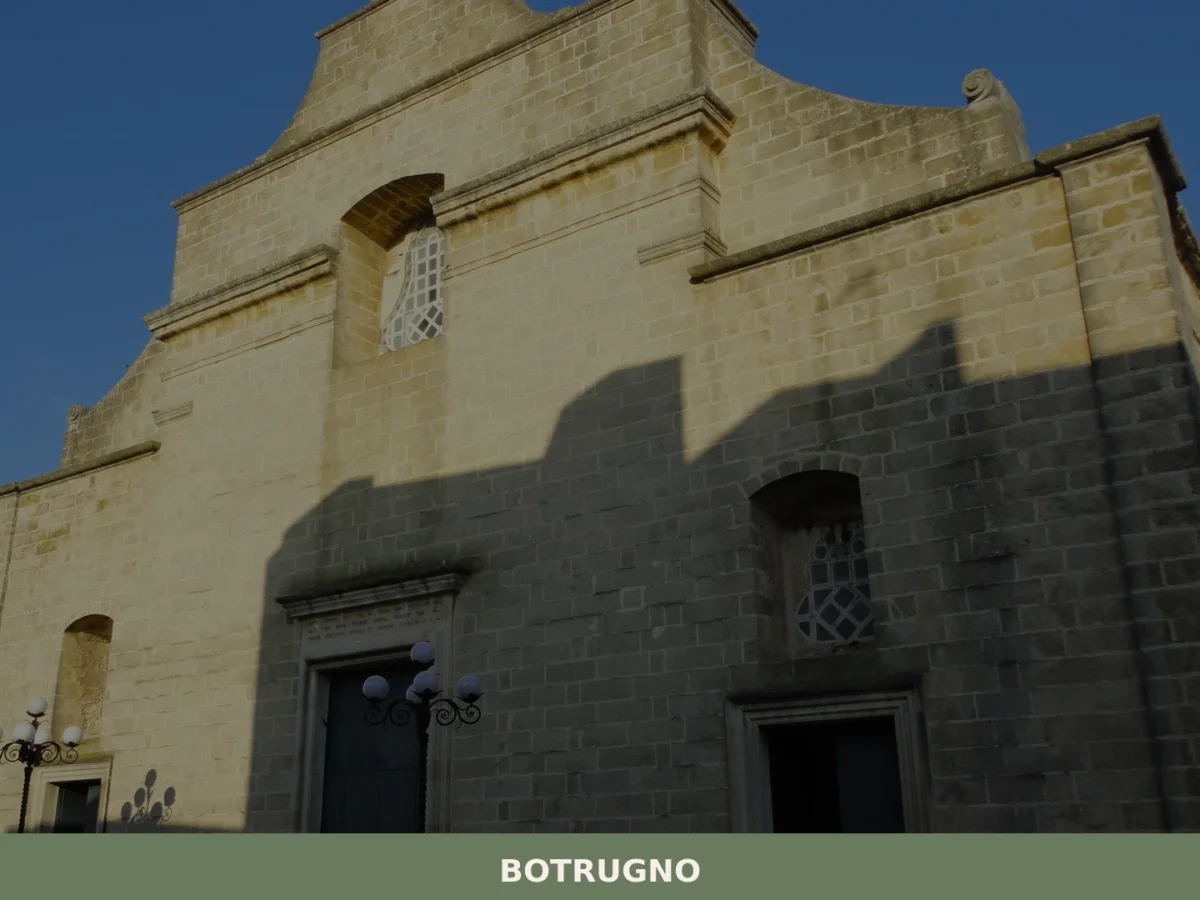
Botrugno
Plains
Discover what to see in Botrugno, a Salentine village of 2,556 inhabitants in the Lecce province: churches, olive groves, local food and practical travel tips.
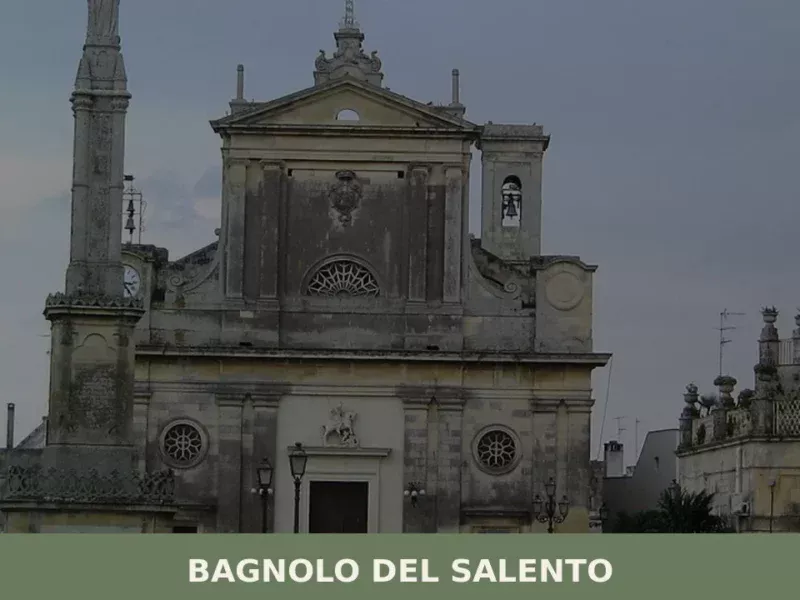
Bagnolo del Salento
Plains
Bagnolo del Salento: discover the village, visit historic churches, and taste traditional cuisine. Plan your trip now!
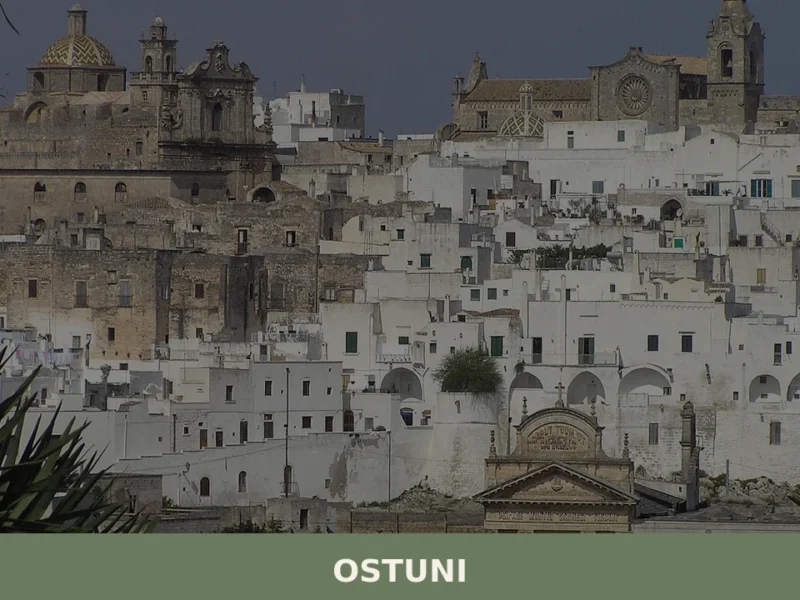
Ostuni
 Sea
Sea
What to see in Ostuni, Italy: Discover the 'White Town' with its 30,143 residents and explore 5 key historical sights. Read our guide for top attractions and travel tips.
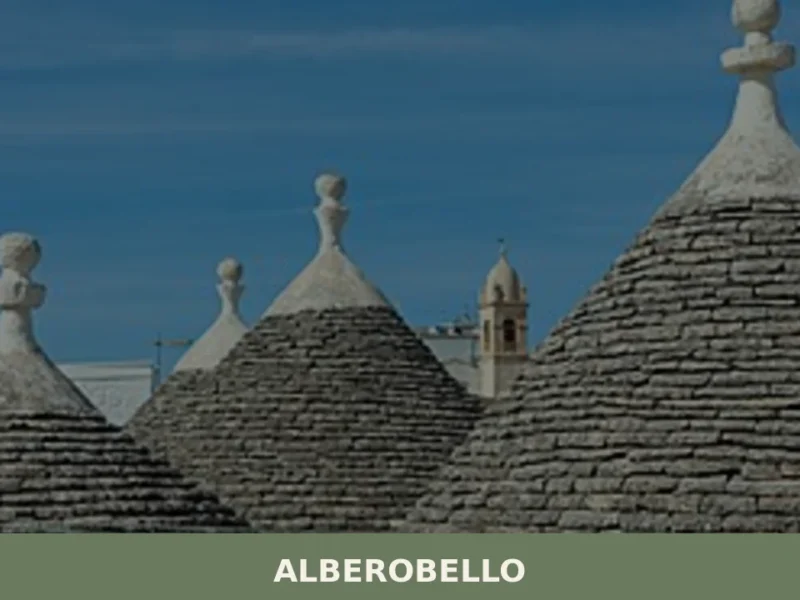
Alberobello
Hills
Alberobello, Puglia: Discover UNESCO trulli, Monti & Aia Piccola districts. Explore unique history & traditions. Plan your visit!
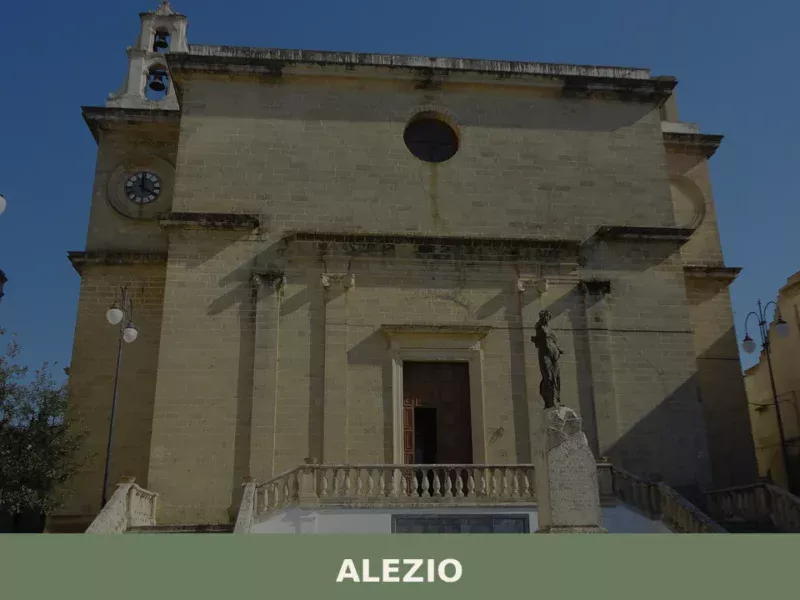
Alezio
Plains
Discover what to see in Alezio, a Salento village with Messapian roots, a national archaeology museum, and ancient olive groves near Gallipoli in Puglia.
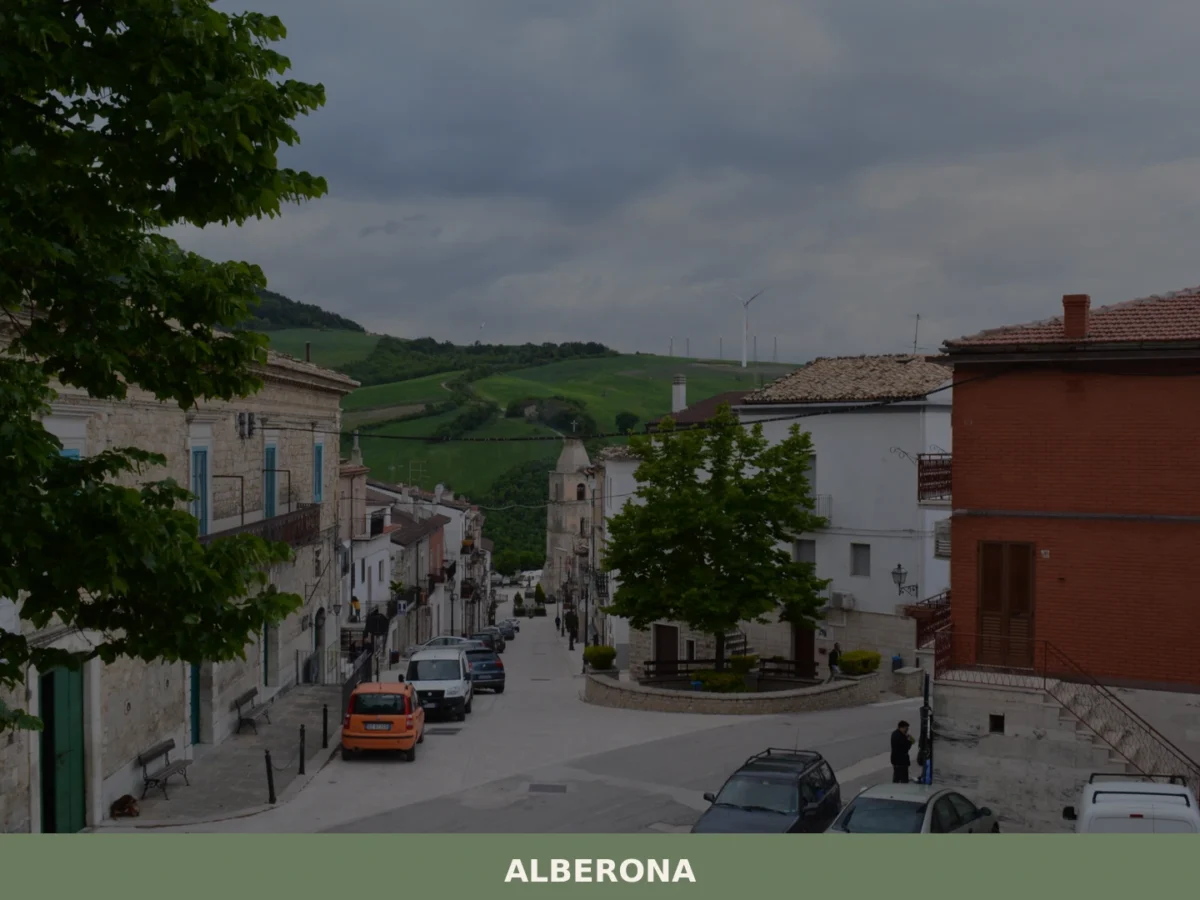
Alberona
 Mountain
What to see in Alberona, Italy? Discover this upland village at 732 m (2,303 ft) a.s.l., one of I Borghi più belli d'Italia. Explore its historic core and traditional architecture.
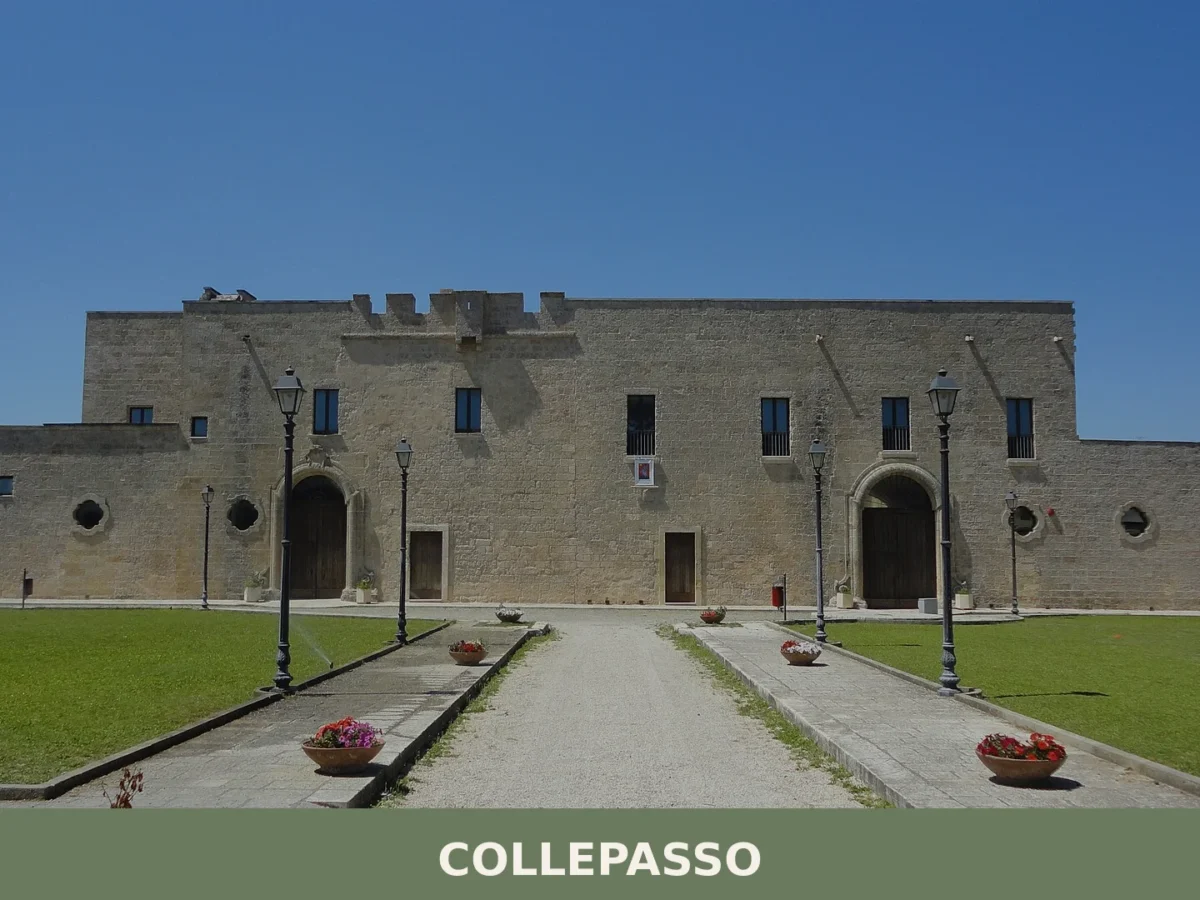
Collepasso
Plains
A village of 5,500 souls on the Salento plateau, founded in 1805 by a noble couple from Naples. Explore baroque churches, strategic hilltop setting and agricultural heritage.
Specchia
Plains
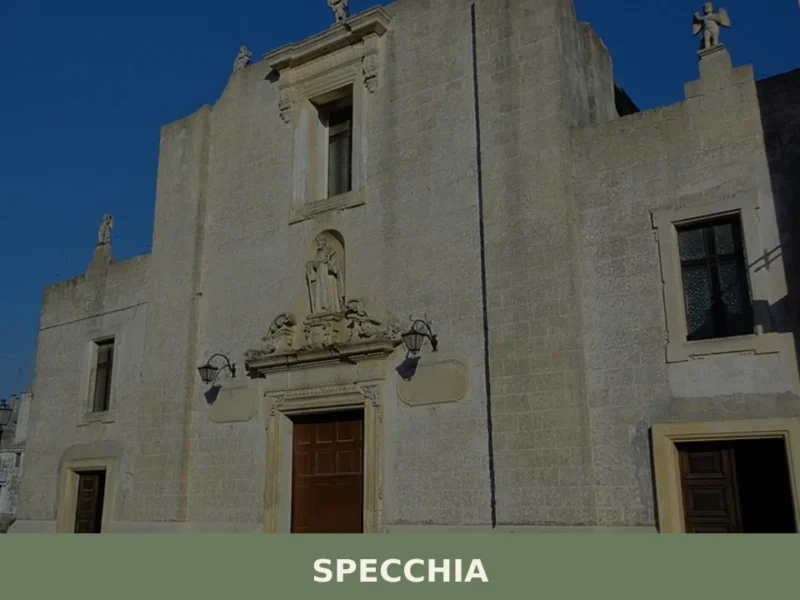
What to see in Specchia: a medieval village at 131m in Salento with 4,569 residents. Explore Castello Risolo, the historic centre and PAT-certified local food. Plan your visit.
Zapponeta
Sea
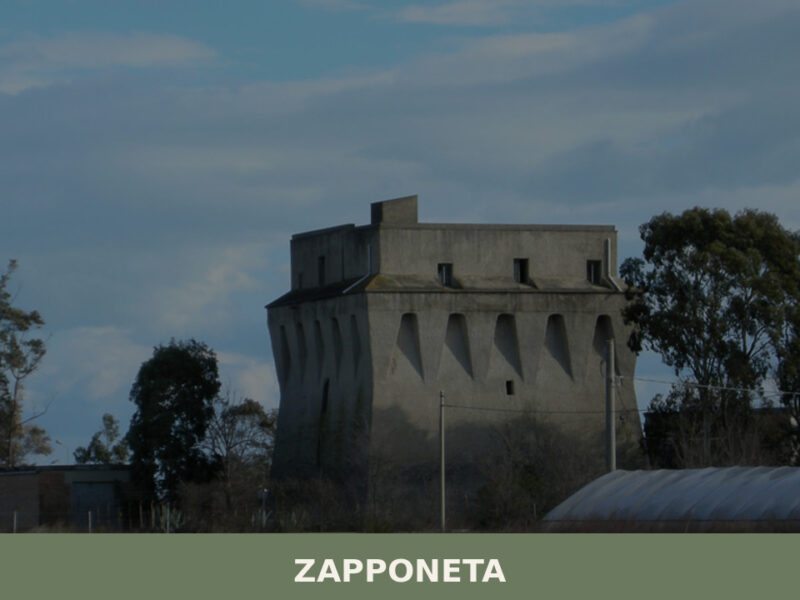
A flat Adriatic village at two metres above sea level, Zapponeta sits where the Tavoliere plain meets the coast. Salt, wind, and wheat define this quiet corner of Foggia province.



🏡 Know Roccaforzata better than we do?
If you’re a local or have been there, your knowledge matters: add what’s missing or fix a detail on this page.