


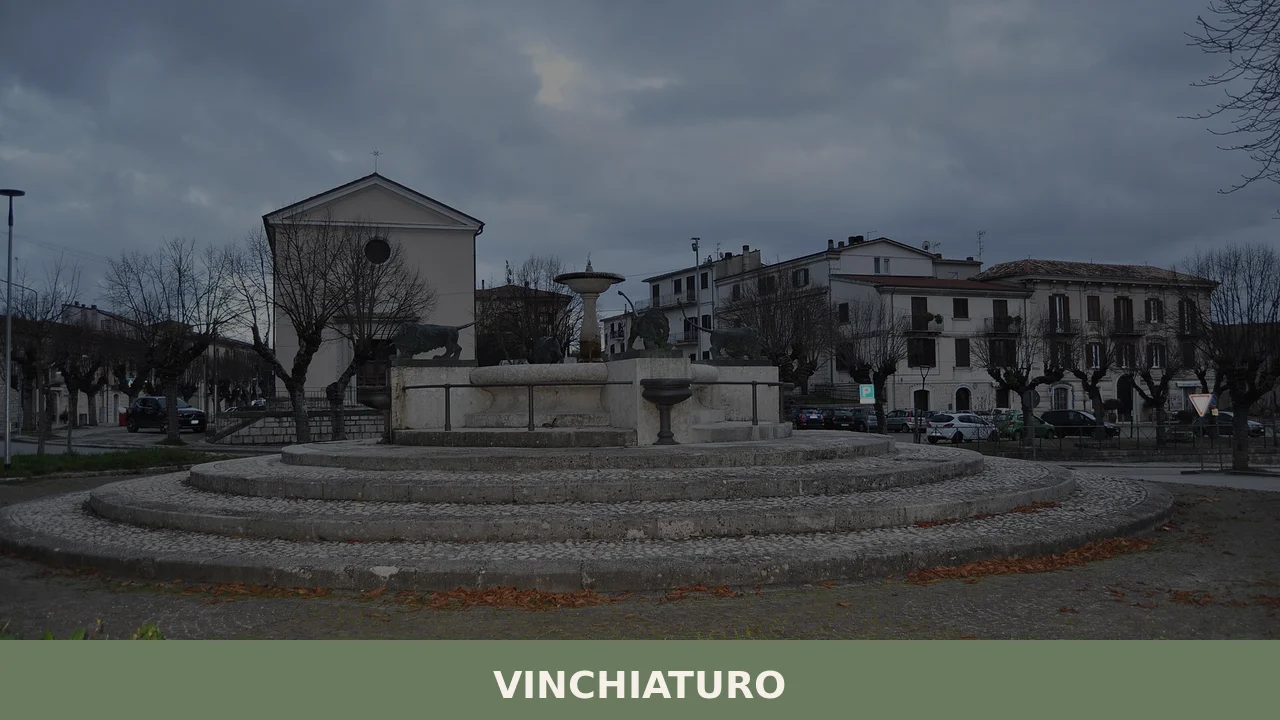
Vinchiaturo
 Mountain
Morning mist settles into the valley below as church bells mark the hour from somewhere above the rooftops. At 620 metres above sea level, the air in Vinchiaturo carries a sharpness that cuts through the warmth of Molise’s interior hills. With just over 3,300 inhabitants, this is a village where the rhythm of daily life […]
Discover Vinchiaturo
Morning mist settles into the valley below as church bells mark the hour from somewhere above the rooftops. At 620 metres above sea level, the air in Vinchiaturo carries a sharpness that cuts through the warmth of Molise’s interior hills. With just over 3,300 inhabitants, this is a village where the rhythm of daily life still dictates the pace of the streets. Understanding what to see in Vinchiaturo requires walking slowly, listening to the stone, and reading the layers of time compressed into a handful of quiet blocks.
History of Vinchiaturo
The origins of Vinchiaturo are bound to the landscape itself. The name likely derives from the Latin vinculum — a binding or tie — possibly referencing the convergence of watercourses or paths in the valley, or from the vinco, the willow plant that once grew in abundance along the local streams. The settlement’s roots reach into the early medieval period, when small agricultural communities formed across the Molisan highlands following Lombard and then Norman consolidation of southern Italy. Like many villages in the province of Campobasso, Vinchiaturo’s existence was shaped by feudal tenure, with the land passing through various baronial families over the centuries.
During the Norman and Swabian periods, the territory gained strategic modest importance as part of the network of fortified agricultural settlements that controlled movement through Molise’s interior corridors. The village was a feudal holding, subject to the systems of landholding that defined southern Italian life from the twelfth century well into the nineteenth. The abolition of feudalism under Napoleonic rule in the early 1800s reshaped local governance, though the physical structure of the village — clustered houses, narrow lanes radiating from a central church — retained its medieval logic.
Emigration in the late nineteenth and early twentieth centuries, particularly to the Americas, reduced the population significantly, a pattern shared across Molise. Yet Vinchiaturo endured, its agricultural economy adapting, its identity preserved in dialect, food traditions, and the calendar of religious observance that still structures village life.
What to see in Vinchiaturo: 5 must-visit attractions
1. Chiesa Madre di San Nicola di Bari
The main parish church anchors the village centre. Dedicated to Saint Nicholas of Bari, the church’s interior preserves altarpieces and devotional works accumulated over several centuries of continuous worship. The façade, rebuilt and modified across different periods, reflects the layered architectural history common to Molisan parish churches — modest in scale, but dense with local significance.
2. The historic centre
The old quarter reveals itself in narrow, steeply graded lanes and stone-built houses with heavy wooden doors. Walking through, you encounter arched passageways, external staircases typical of rural Molisan architecture, and small piazzas that served as communal gathering points. The urban fabric has changed little in its fundamental structure since the late medieval period.
3. Fontana pubblica (public fountain)
Vinchiaturo’s public fountain served for centuries as the daily meeting point for water collection and social exchange. Fountains in Molisan villages were not decorative — they were infrastructural, marking the intersection of community need and civic planning. The stonework and form of the fountain speak to local craft traditions that connected practical function to modest civic pride.
4. The surrounding countryside and river valley
Below the village, the terrain opens into cultivated fields and wooded slopes crossed by watercourses that feed into the Biferno river system. Walking trails and agricultural roads lead through landscapes where wheat, olive groves, and small vineyards define the visual rhythm. In autumn, the palette shifts to ochre and rust, and the silence is notable.
5. Palazzo baronale (Baronial Palace)
Evidence of feudal governance survives in the form of the baronial residence, a structure that evolved over centuries as ownership of the fief changed hands. Though not a grand aristocratic seat by Neapolitan standards, it represents the administrative and social hierarchy that shaped village life for hundreds of years. Its proportions distinguish it clearly from the domestic architecture surrounding it.
Local food and typical products
The kitchen of Vinchiaturo draws from a Molisan pantry built on grain, pork, and foraged ingredients. Handmade pasta — cavatelli, fusilli, and taccozze — appears at nearly every table, often dressed with slow-cooked ragù of pork or lamb. Cured meats, particularly soppressata and ventricina, reflect a tradition of whole-animal butchery refined over generations. Sheep’s milk cheeses, including local variations of caciocavallo and scamorza, are produced in the surrounding area and sold in small quantities.
Olive oil from Molise, though less internationally known than oils from Puglia or Tuscany, carries its own distinct character — often robust, with a peppery finish. During autumn, the harvest of tartufo (truffle) in nearby woodlands adds a seasonal luxury. Village trattorie and agriturismi in the surrounding countryside offer the most authentic encounters with these flavours, served without ceremony, in portions calibrated to the appetite of people who work the land.
Best time to visit Vinchiaturo
Spring — from mid-April through June — brings wildflowers to the valley floor and comfortable walking temperatures. The village’s religious calendar, including processions and feast days honouring patron saints, typically peaks in summer months, offering a window into communal traditions that predate tourism by centuries. August brings the return of emigrants and their descendants, swelling the population and filling piazzas with an energy absent during the rest of the year.
Autumn is the season for those who prefer quiet. The harvest — grapes, olives, truffles — gives the landscape a working purpose. Temperatures at 620 metres cool quickly after October, and winters can be cold and damp, with occasional snow. Visitors should note that services in small Molisan villages often operate on reduced hours, and it is wise to confirm openings in advance, particularly for restaurants and accommodation outside peak season. The Molise regional tourism board provides updated listings and event calendars.
How to get to Vinchiaturo
Vinchiaturo sits along the SS87, one of the main state roads crossing Molise’s interior, making it accessible by car from several directions. From Campobasso, the provincial capital, the drive is approximately 20 kilometres — roughly 25 minutes along well-maintained roads. From Naples, the journey covers about 130 kilometres via the A1 motorway, exiting toward Benevento and then following the SS87 northeast into Molise. From Rome, the distance is approximately 220 kilometres, a drive of about two and a half hours via the A1 and A14 corridors.
The nearest railway station with regular service is Campobasso, connected to the national rail network through Trenitalia regional lines. The closest major airports are Naples Capodichino (approximately 140 km) and Pescara (approximately 150 km). A car is effectively essential for exploring the village and its surroundings, as public transport connections within Molise remain limited in frequency.
More villages to discover in Molise and beyond
Vinchiaturo’s position in the Molisan interior places it within reach of a broader network of small Italian villages where history, landscape, and daily life overlap in ways that larger cities cannot replicate. Across the Apennine spine and into neighbouring Puglia, similar patterns of hilltop settlement, feudal legacy, and agricultural identity persist. The village of Sant’Agata di Puglia, perched on a high ridge in the Daunian sub-Apennines, shares Vinchiaturo’s medieval layering and offers expansive views across the Tavoliere plain — a striking counterpoint to Molise’s enclosed valleys.
Further east, toward the Adriatic coast of Puglia, Poggio Imperiale presents a different model of southern Italian settlement: a planned town with a rational grid, founded in the eighteenth century, whose story contrasts sharply with the organic, centuries-deep accumulation of Vinchiaturo’s streets. Taken together, these villages illustrate the extraordinary diversity contained within a relatively compact geography — a diversity best understood not from a distance, but on foot, at village pace.
Frequently asked questions about Vinchiaturo
What is the best time to visit Vinchiaturo?
The best time to visit Vinchiaturo is from mid-April to June when wildflowers blanket the valley and temperatures are ideal for exploring. The patronal feast of San Bernardino da Siena on May 20th offers a glimpse into local traditions. August is also vibrant, with returning emigrants enlivening the village. Autumn's harvest season offers a quieter atmosphere, ideal for enjoying local food specialties, though services may be limited.
What to see in Vinchiaturo? Main monuments and landmarks
Vinchiaturo boasts several key attractions, such as the Chiesa Madre di San Nicola di Bari located in the village center, showcasing centuries of devotional art. The historic center offers an authentic glimpse into medieval life with its narrow lanes and stone houses. Additionally, the Palazzo Baronale, a feudal-era residence, is a testament to Vinchiaturo’s rich history.
Who is Vinchiaturo suitable for?
Vinchiaturo is perfect for history enthusiasts, couples, and those seeking a tranquil escape into traditional Italian village life. Hikers can explore the surrounding countryside, while food lovers will appreciate the authentic Molisan cuisine. Families and solo travelers can enjoy the slow pace and community-focused events typical of this region.
Nearby Villages near Vinchiaturo
In Molise More villages to discover
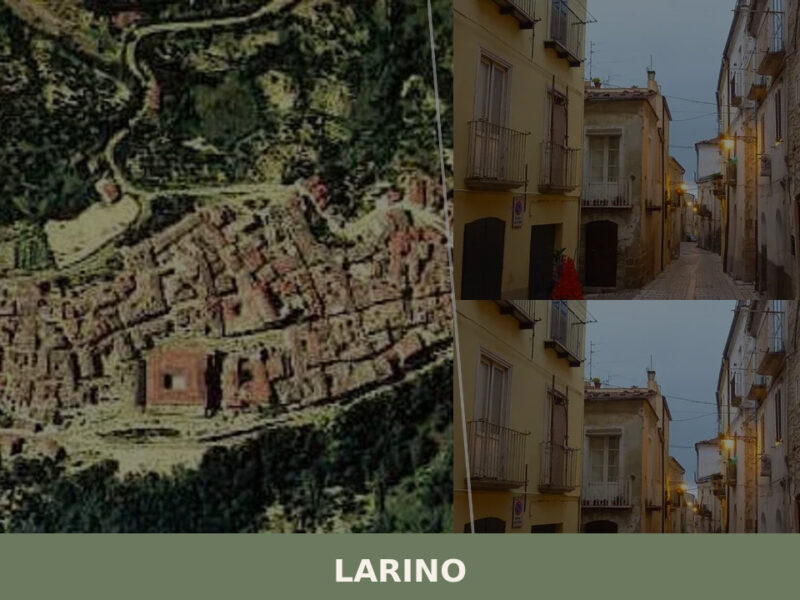
Larino
 Hills
Hills
A layered town of Roman ruins and medieval stone in the Molisan countryside. Here is everything to see in Larino, from its amphitheatre to the Festa di San Pardo.
Campolieto
Mountain
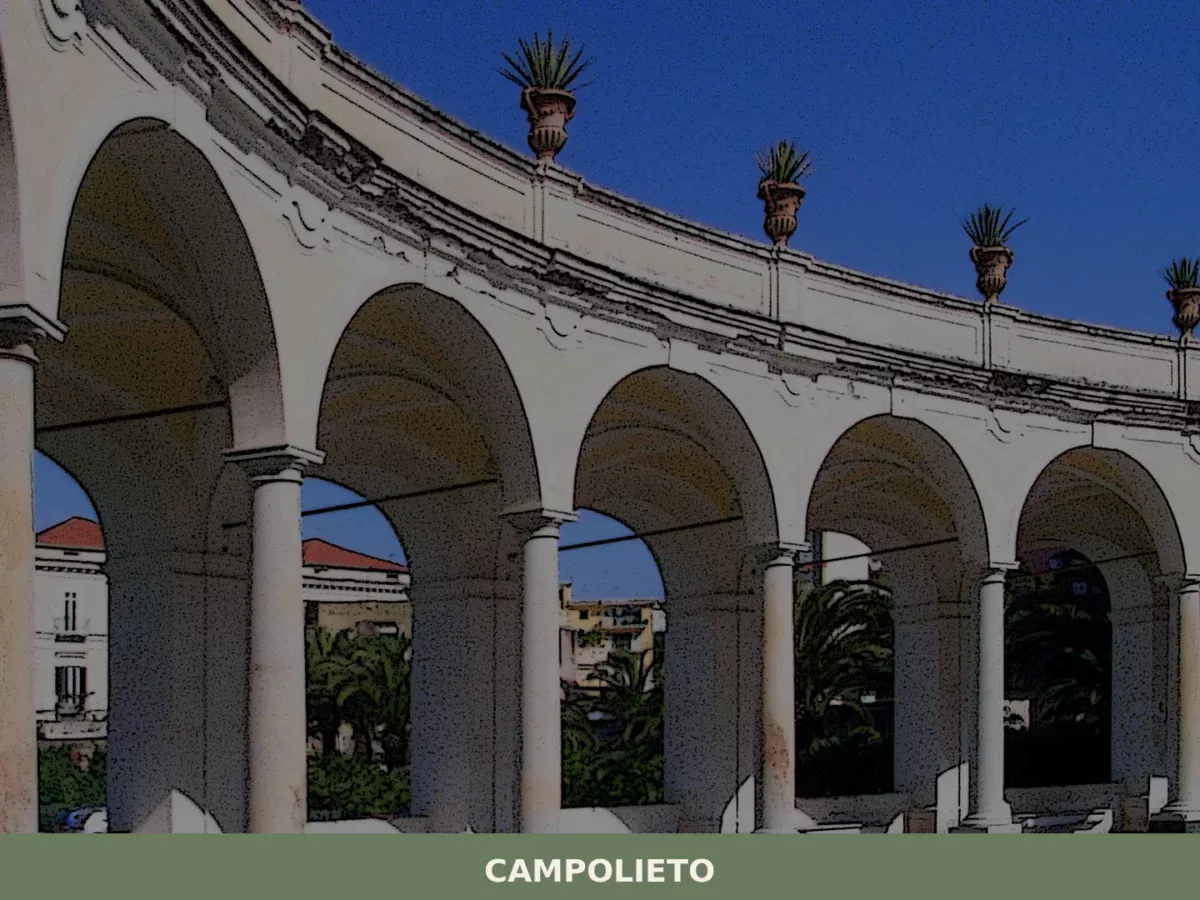
What to see in Campolieto, Italy: 11 km from Campobasso, explore the historic centre, local cuisine and festivals. Discover this Molise village now.
Casacalenda
Mountain
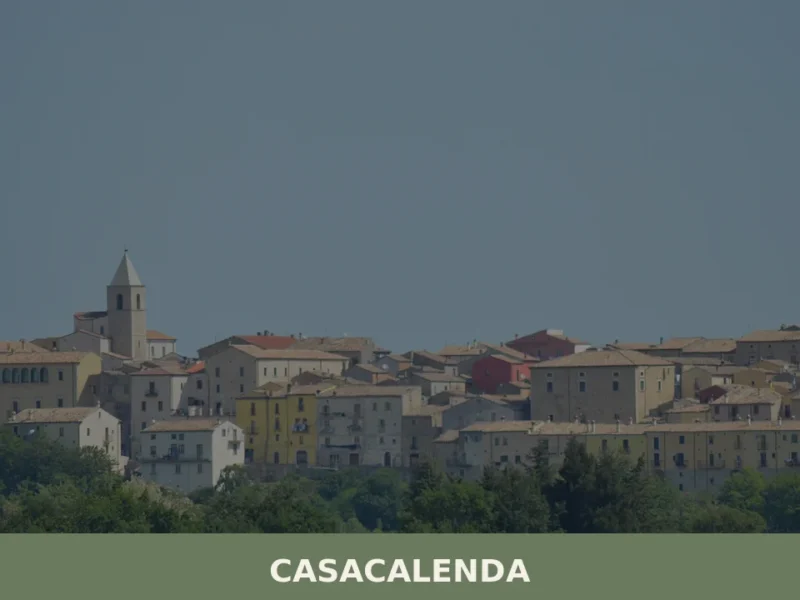
Morning light hits the limestone facades along Corso Roma and the sound is not silence but something close — a dog barking two streets away, the clatter of a shutter being folded back, the low idle of a Fiat Panda parked outside the only bar open before eight. Casacalenda sits at 631 metres above sea […]
Cercemaggiore
Mountain
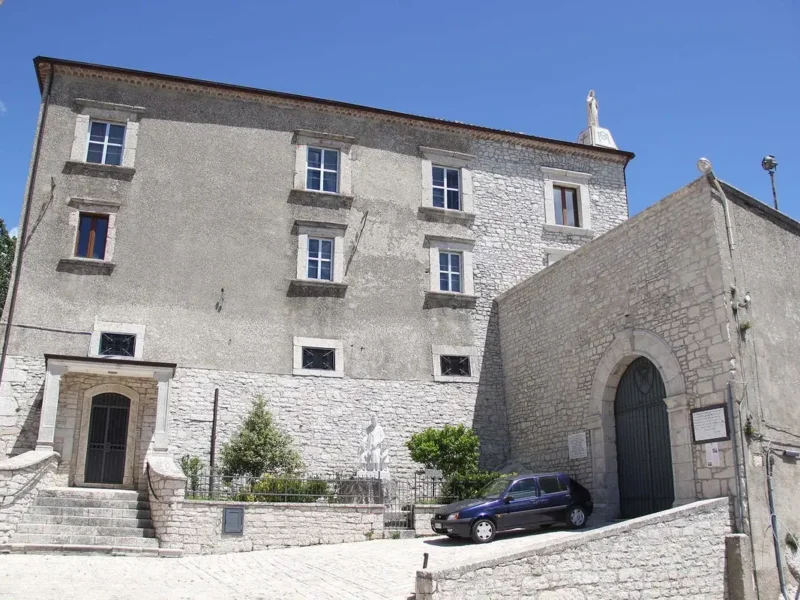
What to see in Cercemaggiore, Italy? Explore this mountain village at 930m (3,051 ft) altitude. Discover its historic core and panoramic views. Read our guide for your visit.
Ferrazzano
Mountain
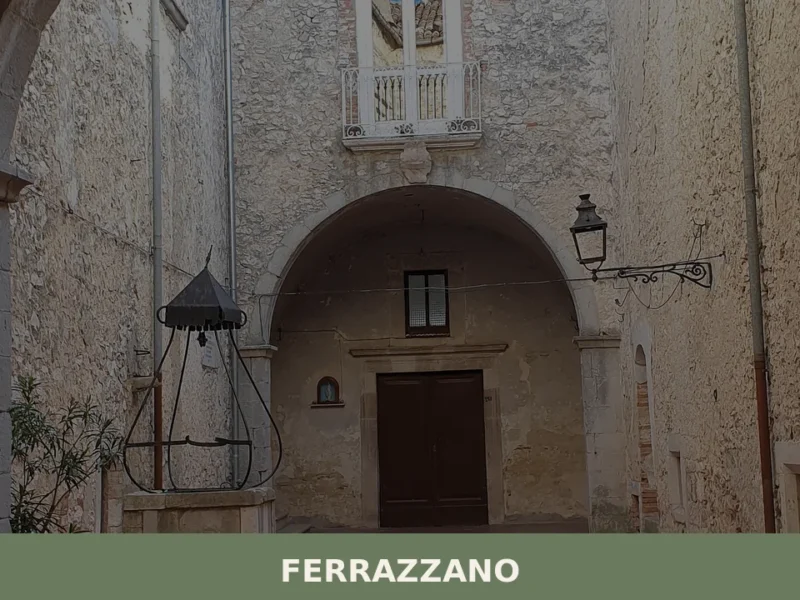
Morning light hits the limestone walls of Ferrazzano at an angle that turns every alley into a corridor of pale gold. At 872 metres above sea level, the air carries a sharpness that the lower towns of Molise never know — a clarity that makes the distant Adriatic coast visible on days when the haze […]
Bonefro
Mountain
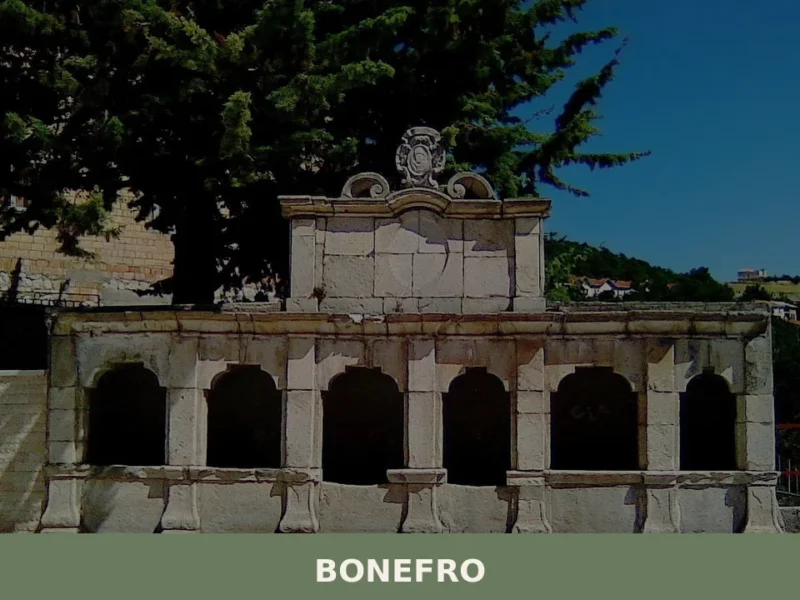
A hilltop village of 1,201 inhabitants in Campobasso province, Bonefro preserves a layered historic centre, a medieval castle, and centuries-old fountains across the quiet ridges of eastern Molise.
San Martino in Pensilis
Hills
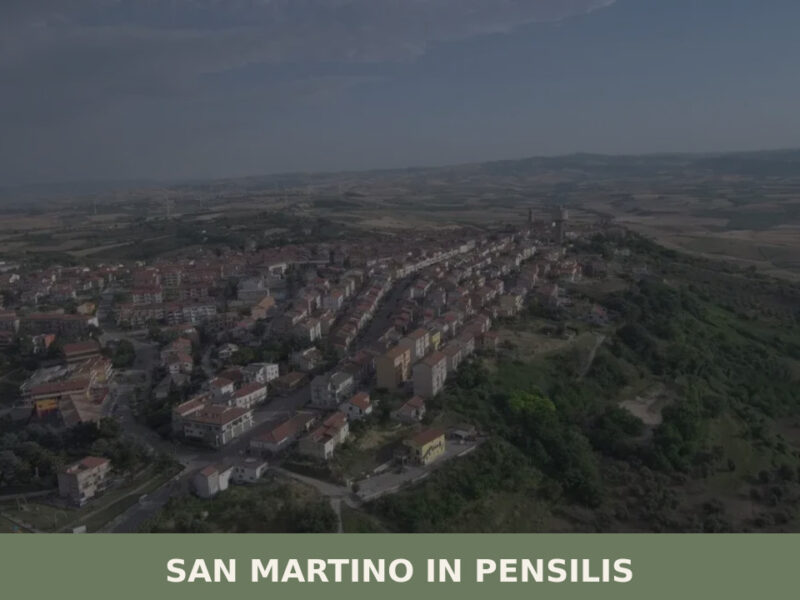
Morning light catches the pale stone of a church bell tower, and below it, the long main street empties into a piazza where a handful of men stand with espresso cups, talking over one another. San Martino in Pensilis sits at 281 metres above sea level in the province of Campobasso, a settlement of roughly […]
Tavenna
Hills
A complete guide to Tavenna in Molise: its medieval stone centre, parish church, panoramic hillside views, and the quiet rhythms of inland southern Italy.
Acquaviva d’Isernia
Mountain
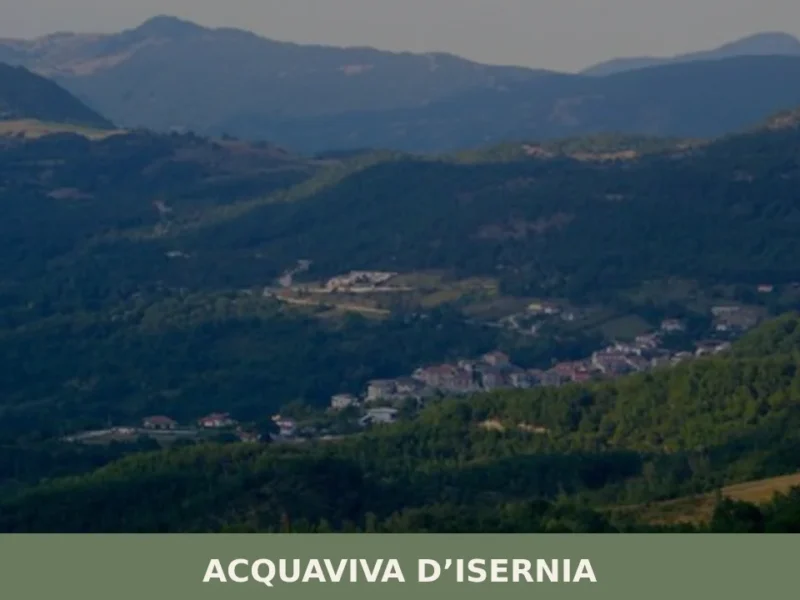
Discover what to see in Acquaviva d'Isernia: history, food, best time to visit, and how to reach this small Molise village in the Isernia uplands.
Campomarino
 Sea
Sea
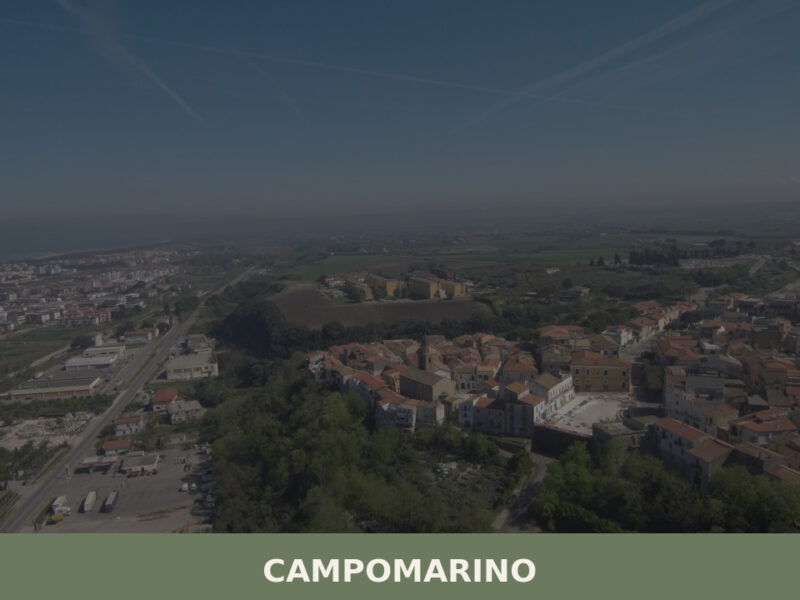
Campomarino straddles a Molise hilltop and the Adriatic shore. Explore its Arbëreshë heritage, three historic churches, and the unspoiled coast of Campomarino Lido.



🏡 Know Vinchiaturo better than we do?
If you’re a local or have been there, your knowledge matters: add what’s missing or fix a detail on this page.