


Campomarino
 Sea
Sea
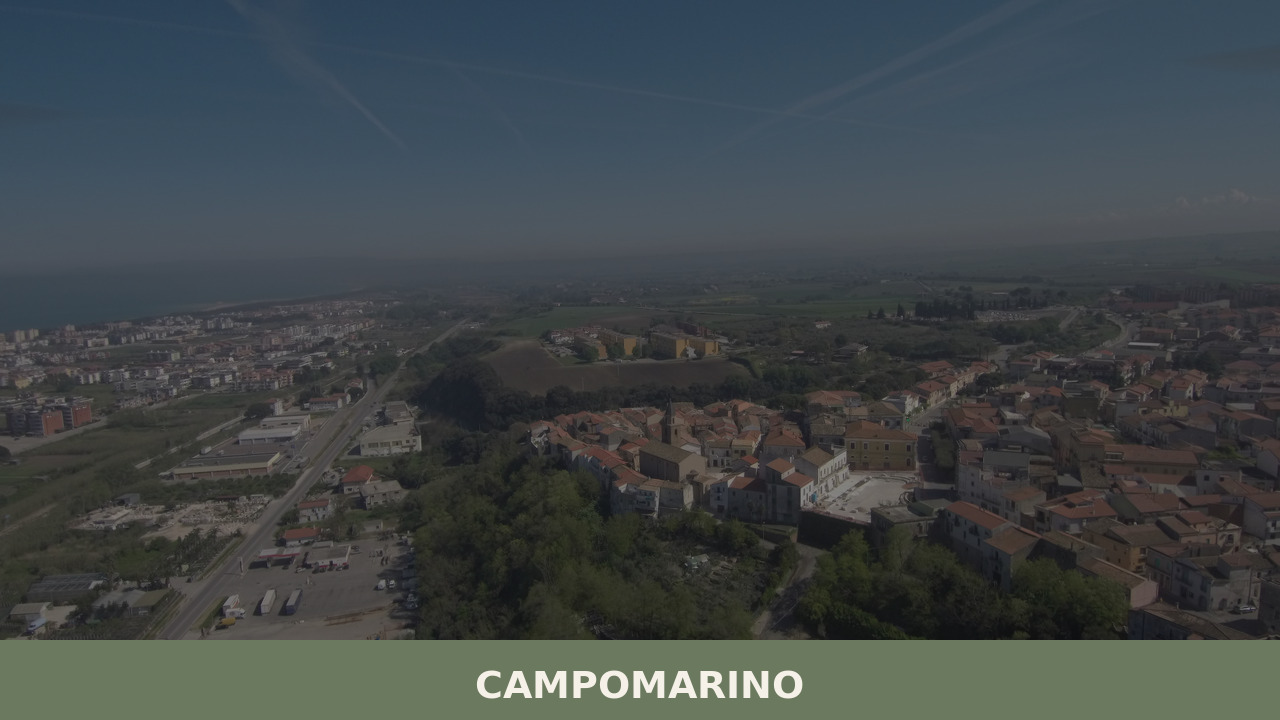
Campomarino straddles a Molise hilltop and the Adriatic shore. Explore its Arbëreshë heritage, three historic churches, and the unspoiled coast of Campomarino Lido.
Discover Campomarino
Salt air settles on the low terracotta rooftops by mid-morning, carrying with it the faint diesel-and-brine scent of fishing boats returning to the Adriatic shore below. Campomarino sits at just 52 metres above sea level on the Molise coast, a small municipality of roughly 7,700 inhabitants in the province of Campobasso that straddles two identities — an older hilltop centre and a modern seaside strip. Understanding what to see in Campomarino means moving between these two poles: medieval stone and summer sand, Albanian heritage and Adriatic light.
History of Campomarino
The name likely derives from the Latin Campus Marinus — “field by the sea” — a straightforward description of the flat agricultural land that slopes toward the coast. Archaeological evidence suggests human settlement in the area since at least the pre-Roman period, with the coastal plain serving as a corridor between the Samnite highlands and the Adriatic ports. During the medieval centuries, the hilltop site offered a defensive advantage common to settlements across the Molise interior, though Campomarino’s proximity to the sea made it more vulnerable to raids than its inland neighbours.
A decisive chapter opened in the fifteenth and sixteenth centuries, when communities of Arbëreshë — ethnic Albanians fleeing Ottoman expansion — settled in Campomarino and several other towns across southern Italy. Their linguistic and cultural imprint endures: Campomarino is one of four municipalities in Molise where the Arbëreshë dialect has historically been spoken, though the number of fluent speakers has diminished sharply over generations. The Albanian heritage surfaces in place names, family surnames, and fragments of liturgical tradition that distinguish the village from its purely Italic surroundings.
Through the eighteenth and nineteenth centuries, the town remained a modest agricultural centre — grain, olives, viticulture — bound to the feudal rhythms that shaped most of the Molise countryside. The development of Campomarino Lido as a beach resort in the twentieth century shifted the demographic centre of gravity downhill, toward the coast. Today, the seaside fraction accounts for a significant portion of the municipal population and swells considerably during summer months, while the old hilltop centre retains the churches, the narrow streets, and the quieter pace.
What to see in Campomarino: 5 must-visit attractions
1. Chiesa di Santa Maria a Mare
The principal church of Campomarino occupies a small square in the upper village, its plain stone facade concealing a nave that holds centuries of devotional layering. Inside, the statue of Santa Cristina — patron saint of the town — stands as the focal point of local veneration. The building’s orientation toward the sea gives the dedication its name and connects it physically to the Adriatic horizon visible from the church steps.
2. Chiesa di Sant’Anna
Smaller and less frequented than Santa Maria a Mare, the church of Sant’Anna stands as one of the secondary devotional buildings in the historic centre. Its modest exterior — whitewashed walls, a simple bell profile — reflects the scale of a village parish rather than a cathedral ambition. It serves as a quiet counterpoint to the main church, marking a different node in the old street network.
3. Chiesa del Santo Spirito
The Church of the Holy Spirit adds a third ecclesiastical landmark to the upper village. Like Sant’Anna, it operates on a domestic scale: proportioned to its congregation, stripped of ornamental excess. Together, the three churches trace a devotional map of old Campomarino, each one anchoring a different cluster of houses and offering a reason to walk the full circuit of the hilltop centre.
4. Piazza Vittorio Veneto and the Belvedere
The main square functions as Campomarino’s civic living room, but its real draw is the belvedere at its edge — a viewing point that opens directly onto the Adriatic coast and the flat littoral below. On clear days the line between cultivated fields and sea is unambiguous, and the elevation, though modest at 52 metres, provides enough perspective to understand the village’s geographic logic: ridge above, plain and coast below.
5. Campomarino Lido and the Adriatic Coast
The seaside fraction stretches along a low, sandy shoreline backed by scrubby dunes and agricultural land. It is not a glamorous resort — the appeal lies in the straightforward, unmanicured quality of the beach and the shallow, warm Adriatic water. A Molise coast that remains far less developed than the Abruzzo or Puglia shorelines flanking it to north and south, Campomarino Lido offers a stretch of summer life that still belongs largely to locals.
Local food and typical products
Campomarino’s kitchen draws from two larders — the agricultural plain and the Adriatic. Olive oil production has deep roots here, as it does across the lower Molise hills, with cultivars suited to the mild coastal climate. Locally pressed oil tends toward a lighter, more delicate profile than the robust oils of the mountainous interior. Pasta dishes follow Molise conventions: hand-shaped formats like cavatelli paired with a slow-cooked ragù or, closer to the coast, with fresh shellfish and tomato. Grilled fish — often blue fish such as sardines and mackerel — appears on tables throughout the summer season, simply prepared with local oil, garlic, and breadcrumbs.
Wine production in the broader area falls within the Molise DOC appellation, with Montepulciano and Trebbiano grapes dominating red and white blends respectively. The flat, well-drained terrain near the coast provides conditions suited to viticulture, and a handful of local producers bottle wines that rarely circulate outside the region. Dining options concentrate in Campomarino Lido during summer, where small family-run trattorias and seasonal fish restaurants set up along the beachfront road. In the upper village, choices are fewer but tend toward the traditional — places where the menu reflects what the kitchen found at market that morning.
Best time to visit Campomarino
Summer — specifically July and August — brings the town to its peak activity. Campomarino Lido fills with vacationers, mostly Italian families from the Campobasso province and neighbouring regions. The Festa di Santa Cristina, the town’s principal religious celebration, centres on the patron saint whose statue resides in Santa Maria a Mare; it draws the community together with processions, music, and food stalls in a rhythm familiar across southern Italian towns. Sea temperatures in the southern Adriatic reach their warmest by late July, and the beaches remain usable well into September.
For anyone more interested in the old village, its churches, and the surrounding countryside without the summer crowds, late spring (May–June) and early autumn (September–October) offer milder temperatures — typically between 18°C and 26°C — and a quieter atmosphere. Winter is subdued; many coastal businesses close, and the hilltop centre reverts to its year-round population. The coastal plain can be windy in winter months, though snowfall at this altitude is rare.
How to get to Campomarino
Campomarino lies along the Adriatic coast of Molise, accessible by road via the SS16 Adriatica state road, which runs parallel to the shoreline connecting Termoli to the north and Foggia to the south. The nearest motorway access is the A14 Bologna–Taranto; the Poggio Imperiale–Lesina or Termoli exits provide the most direct routes, each roughly 30–50 km from the village depending on direction.
The nearest railway station with regular service is Termoli, approximately 20 km to the northwest, on the main Adriatic rail line (Bologna–Lecce). From Termoli, Campomarino can be reached by local bus or car. The closest airports are Pescara (Abruzzo International Airport), about 130 km north, and Bari Karol Wojtyła Airport, roughly 200 km to the south. Naples Capodichino, the largest hub in southern Italy, is approximately 220 km to the west via the A1 and A14 motorways. From Campobasso, the provincial capital, the drive southeast to Campomarino covers about 70 km and takes just over an hour on the SS647 Bifernina.
More villages to discover in Molise
The lower Molise landscape stretching inland from Campomarino holds a constellation of small municipalities worth the short detour. Guglionesi, set on a higher ridge roughly 20 km to the northwest, commands a broader panorama over the Biferno valley and the Adriatic. Its larger historic centre preserves a denser fabric of churches, noble palazzi, and agricultural traditions — particularly its acclaimed olive oil production — making it a natural companion visit for anyone exploring the coastal Molise corridor.
Further inland, the village of Palata offers another layer of the same territory: a quieter, more remote settlement where the rhythms of rural Molise remain largely uninterrupted by tourism. Together, these villages sketch the outline of a region that is among Italy’s least visited — not because it lacks substance, but because it has never felt the need to advertise. For travellers willing to drive the secondary roads and read the landscape closely, the reward is a version of southern Italy that operates on its own unhurried terms.
Frequently asked questions about Campomarino
È possibile visitare Campomarino come gita di un giorno da Termoli o Campobasso?
Sì. Da Termoli, distante circa 20 km a nordovest, si raggiunge Campomarino in meno di 30 minuti in auto lungo la SS16 Adriatica. Da Campobasso il percorso è di circa 70 km via SS647 Bifernina, poco più di un'ora. La compattezza del centro storico collinare — tre chiese principali, la piazza con belvedere — si visita comodamente in due o tre ore, lasciando tempo per il lido nel pomeriggio.
Chi è la patrona di Campomarino e quando si celebra la sua festa?
La patrona di Campomarino è Santa Cristina di Bolsena, martire paleocristiana venerata in tutta Italia centrale e meridionale. La sua statua è custodita nella chiesa principale del borgo, Santa Maria a Mare. I festeggiamenti patronali si svolgono in estate con processioni, musica e bancarelle alimentari, richiamando residenti e visitatori in un'atmosfera tipica delle celebrazioni religiose dell'Italia meridionale.
Dove si parcheggia a Campomarino e come si raggiunge il centro storico in auto?
Campomarino è raggiungibile in auto dalla SS16 Adriatica, che costeggia il lido, con strade secondarie che salgono verso il centro collinare a 52 metri di quota. Il borgo alto ha dimensioni ridotte e la viabilità è quella tipica dei centri medievali molisani, con strade strette. È consigliabile lasciare l'auto negli spazi disponibili ai margini del paese e proseguire a piedi per raggiungere le chiese e Piazza Vittorio Veneto.
Quali sono le origini albanesi di Campomarino e cosa resta oggi di quella tradizione?
Tra il XV e il XVI secolo, comunità di Arbëreshë — albanesi fuggiti dall'espansione ottomana — si insediarono a Campomarino, che è uno dei quattro comuni del Molise dove il dialetto arbëreshë è stato storicamente parlato. Di quella presenza rimangono cognomi di origine albanese, toponimi locali e frammenti di tradizione liturgica di rito greco-bizantino. Il numero di parlanti fluenti si è ridotto drasticamente nel corso delle generazioni.
Nearby Villages near Campomarino
In Molise More villages to discover
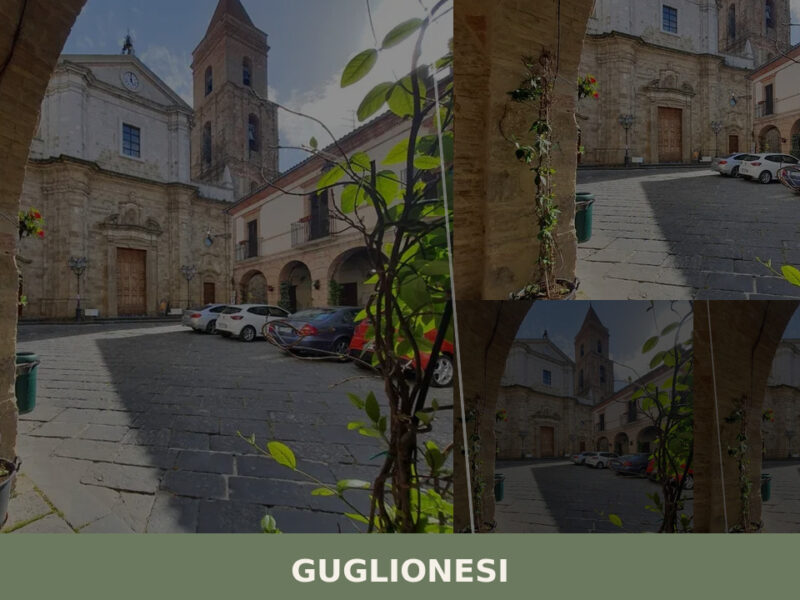
Guglionesi
 Hills
Hills
A hill town of nearly five thousand people in Campobasso province, Guglionesi offers Romanesque churches, Samnite archaeological traces, and wide Adriatic views across the Biferno valley.
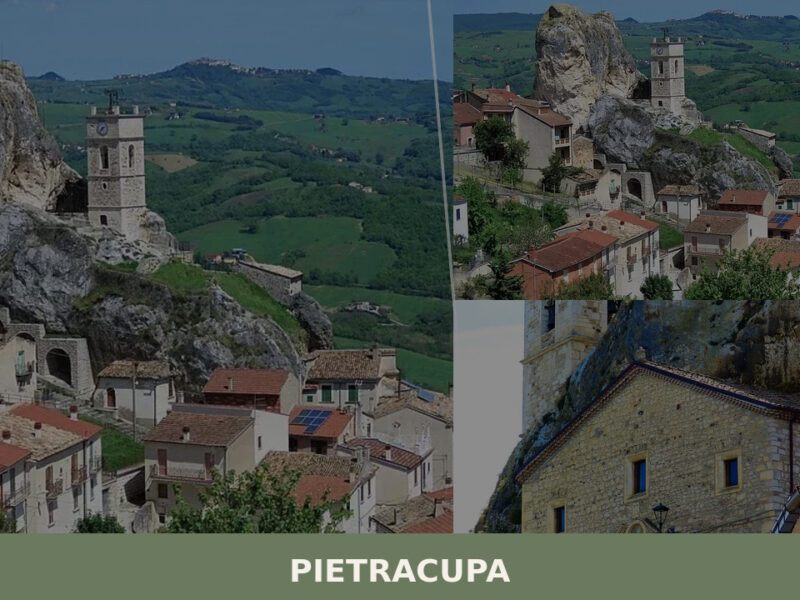
Pietracupa
 Mountain
A 208-inhabitant village shaped by a massive rock outcrop in Molise's interior. Discover what to see in Pietracupa, from its grotto chapel to its silent panoramic ridgelines.
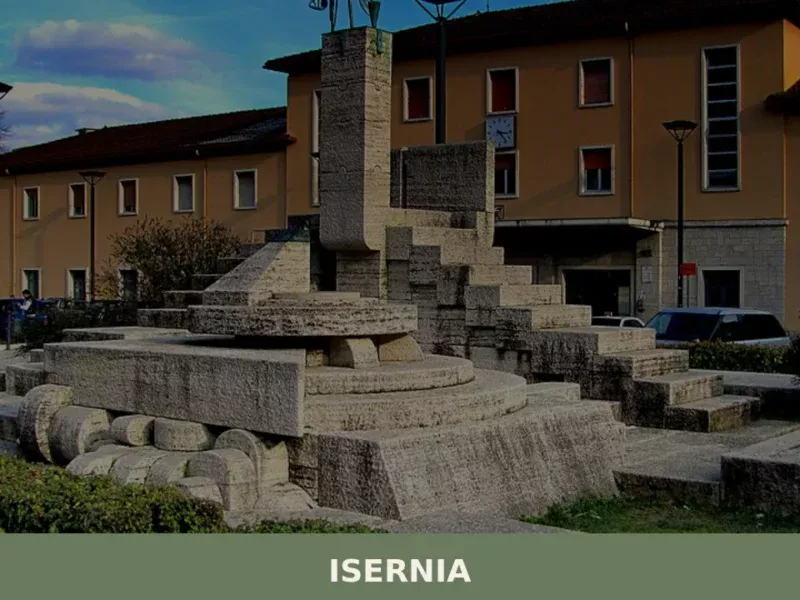
Isernia
Hills
what to see in isernia, Italy, and discover 5 top attractions. Explore its Roman heritage, including the Fraterna Fountain, and find travel tips for this Molise capital.
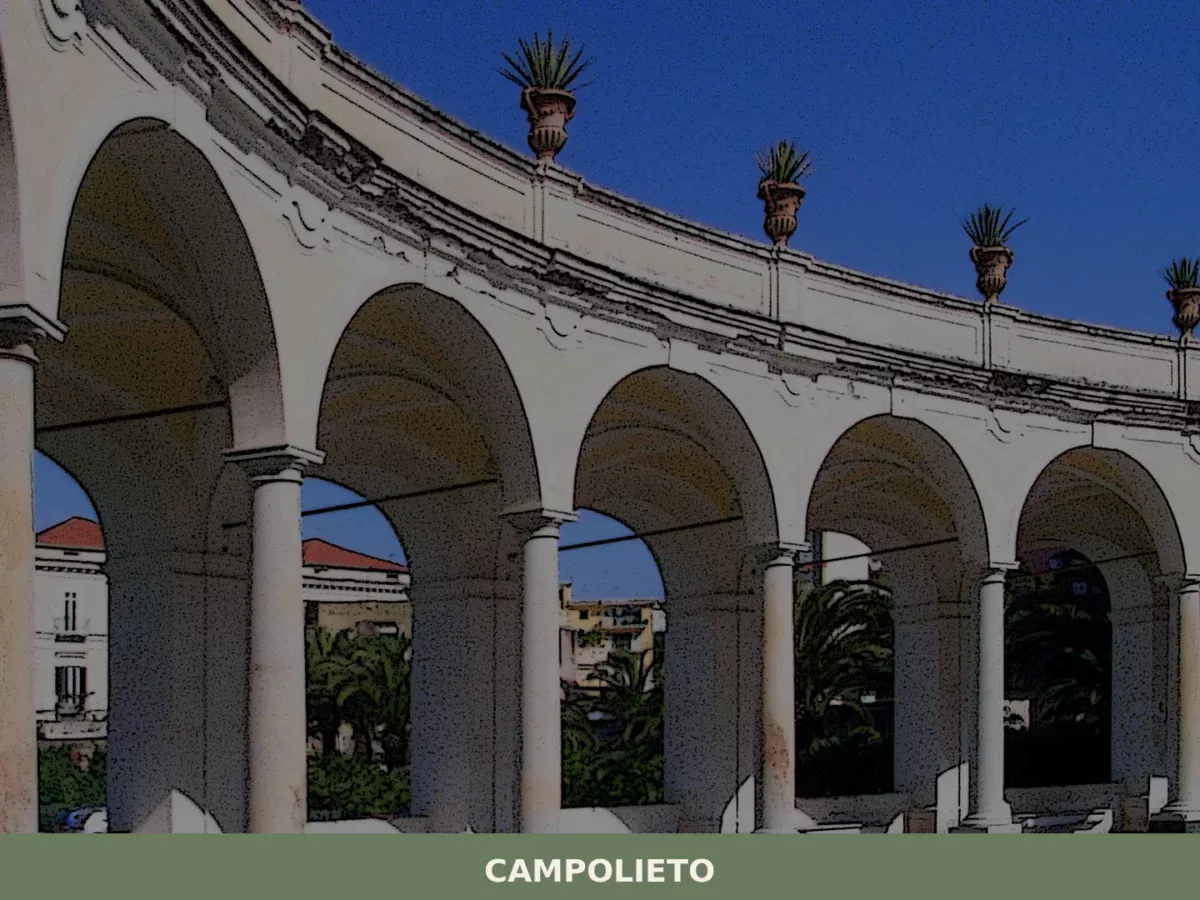
Campolieto
Mountain
What to see in Campolieto, Italy: 11 km from Campobasso, explore the historic centre, local cuisine and festivals. Discover this Molise village now.
Ferrazzano
Mountain
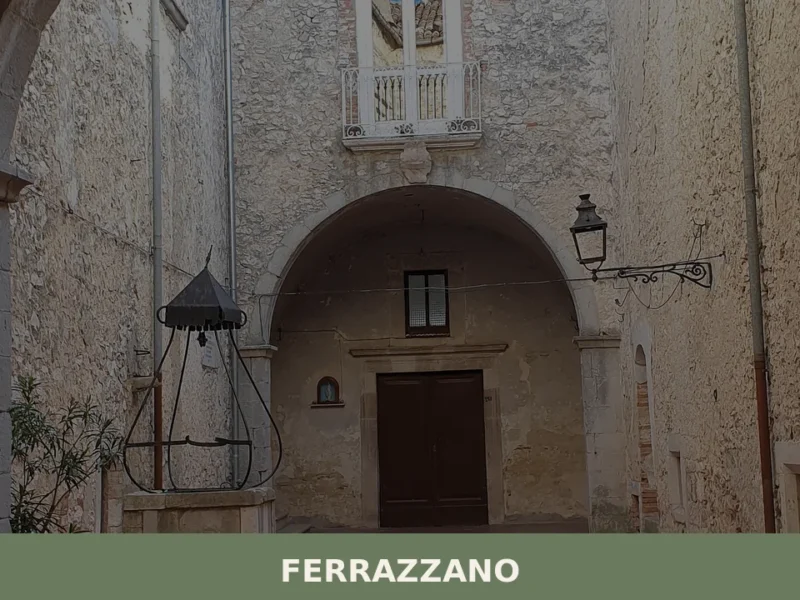
Morning light hits the limestone walls of Ferrazzano at an angle that turns every alley into a corridor of pale gold. At 872 metres above sea level, the air carries a sharpness that the lower towns of Molise never know — a clarity that makes the distant Adriatic coast visible on days when the haze […]
Bonefro
Mountain
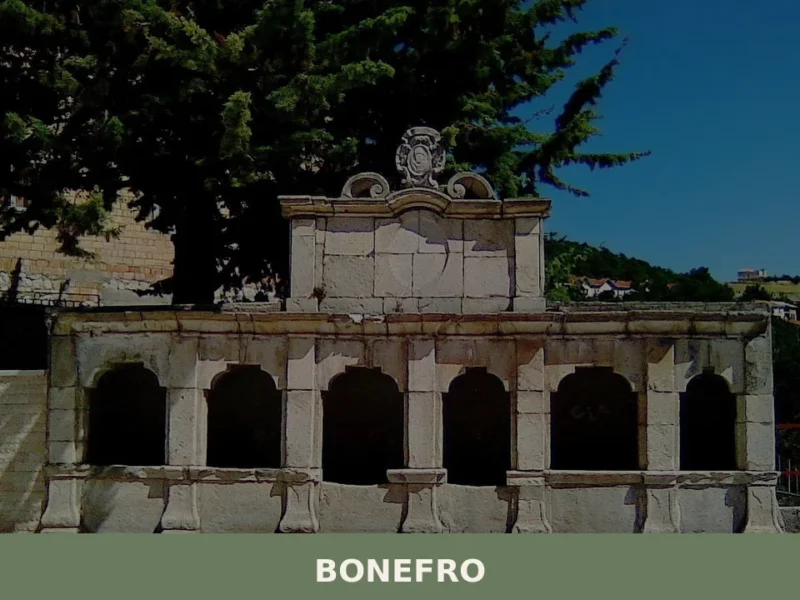
A hilltop village of 1,201 inhabitants in Campobasso province, Bonefro preserves a layered historic centre, a medieval castle, and centuries-old fountains across the quiet ridges of eastern Molise.
San Martino in Pensilis
Hills
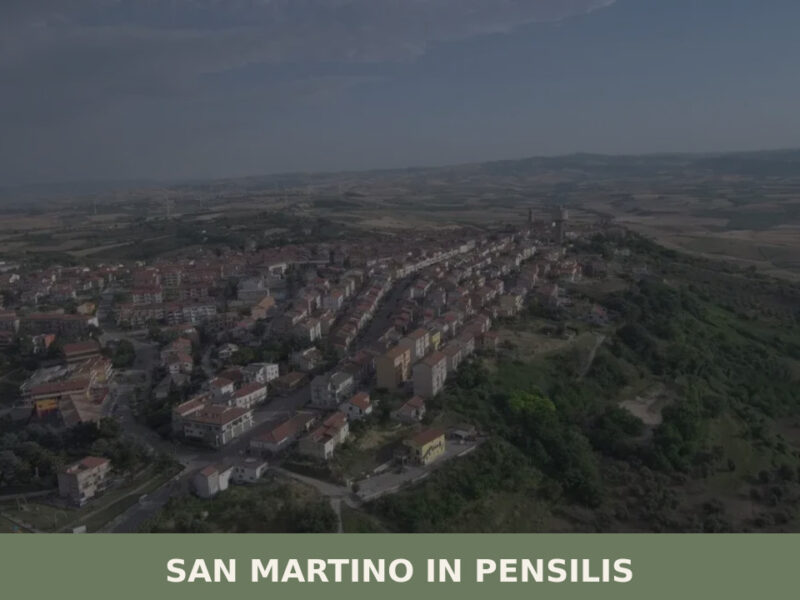
Morning light catches the pale stone of a church bell tower, and below it, the long main street empties into a piazza where a handful of men stand with espresso cups, talking over one another. San Martino in Pensilis sits at 281 metres above sea level in the province of Campobasso, a settlement of roughly […]
Petacciato
Sea
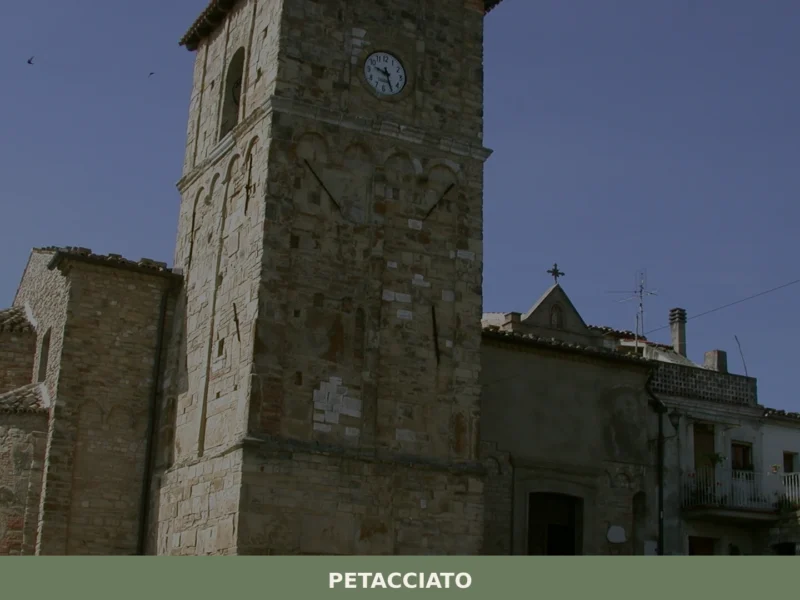
Petacciato overlooks the Adriatic from the hills of Campobasso province. A guide to its historic centre, coastal beach, local food, and Molisan surroundings.
Campobasso
Mountain
What to see in Campobasso: from the 5 top attractions to Monforte Castle. Discover the complete guide to visiting the capital of Molise.
Cercemaggiore
Mountain
What to see in Cercemaggiore, Italy? Explore this mountain village at 930m (3,051 ft) altitude. Discover its historic core and panoramic views. Read our guide for your visit.






🏡 Know Campomarino better than we do?
If you’re a local or have been there, your knowledge matters: add what’s missing or fix a detail on this page.