


Agropoli
 Sea
Sea
Discover what to see in Agropoli, Cilento: the Aragonese castle, medieval borgo, fishing port, local food and practical travel tips for Campania’s Cilento coast.
Discover Agropoli
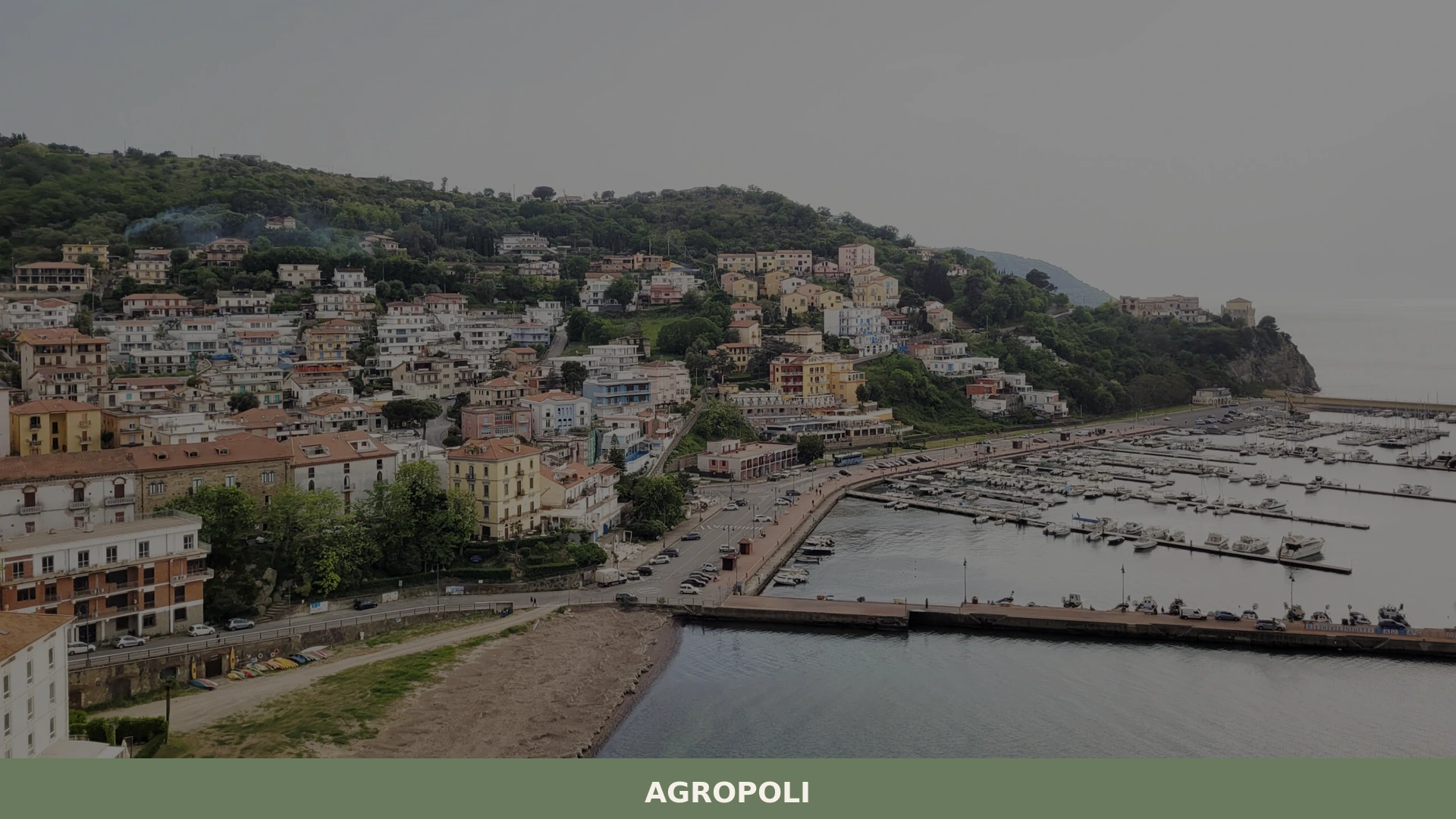
With a municipal population of around 21,369 inhabitants, Agropoli is the largest town on the Cilento coast in the province of Salerno, Campania. It occupies a rocky promontory that extends into the Tyrrhenian Sea, forming a natural harbour that has dictated its function and fate since antiquity. For travellers planning what to see in Agropoli, this geography is the starting point: a compact historic centre rising above a working port, backed by the larger, modern town and the protected landscape of the Parco Nazionale del Cilento, Vallo di Diano e Alburni.
History of Agropoli
The name Agropoli derives from the Greek Akropolis — literally “high city” — a direct reference to the elevated promontory on which the original settlement stood.
The site was occupied during the Byzantine period, when it functioned as a fortified outpost along the Tyrrhenian coastline. Byzantine administrative control over this stretch of southern Italy lasted from roughly the 6th century until the Lombard and later Norman expansions reshaped political authority across the region. During those centuries, the promontory’s natural defences made it a logical point of military and maritime surveillance.
In the medieval period, Agropoli passed under Norman dominion following the broader conquest of southern Italy in the 11th century. The Normans consolidated and expanded fortifications across Campania’s coastline, and Agropoli’s castle — whose current structure retains elements from multiple construction phases — reflects this layered military history. The town subsequently came under Angevin and later Aragonese influence, as the Kingdom of Naples extended its control over the Cilento territory.
The Aragonese period in particular left visible marks on the architecture of the historic upper town, particularly in the gateway structures leading into the old quarter.
For much of the early modern period, coastal raiding by North African corsairs — a documented threat across the entire Tyrrhenian coastline from the 15th to the 18th centuries — depopulated many low-lying settlements in the Cilento. Agropoli’s elevated position offered a degree of protection, but the persistent insecurity contributed to cycles of demographic contraction and recovery that defined the town’s growth pattern well into the 18th century. The construction of coastal watchtowers along this stretch of coastline, several of which remain visible today, was a direct administrative response to this threat, commissioned by the Spanish viceroys who governed the Kingdom of Naples during that era.
What to see in Agropoli: the historic upper town
Before examining individual monuments, it is worth understanding how the town is physically organised. The historic centre — the borgo antico — sits at the tip of the promontory, accessed through a series of gates and rising steeply above the port. Below it, the modern town extends inland and along the coast, with beaches to the north and south of the headland.
Knowing this layout makes navigating what to see in Agropoli considerably more straightforward.
The Aragonese Castle
Dominating the tip of the promontory, the castle retains its most recognisable form from the Aragonese period of the 15th century, though its foundations are considerably older. It served successive military functions under Byzantine, Norman, and Spanish viceregal authority. The structure includes a square tower and curtain walls, and today hosts cultural events and temporary exhibitions during the summer months.
The Church of Sant’Andrea Apostolo
Located within the historic upper town, the Church of Sant’Andrea Apostolo is dedicated to the town’s patron saint. The current structure incorporates fabric from earlier building phases, reflecting the successive religious and architectural interventions typical of southern Italian coastal towns across several centuries.
Its interior preserves votive offerings and devotional works accumulated over generations of maritime communities.
The Porto di Agropoli
The working harbour below the promontory is not merely a transit point but an operational fishing port. Local fishing boats — many targeting the species-rich waters of the Cilento marine area — berth here alongside pleasure craft. The port offers a direct, unmediated view of the promontory rising above, which gives a clearer sense of why the site was chosen for fortification than any amount of historical description.
The Medieval Gateway — Porta Grande
The principal entrance into the borgo antico is marked by Porta Grande, an arched gate that controlled access to the upper town. The gate’s stonework and proportions are consistent with late medieval and early modern defensive construction, and passing through it marks an abrupt transition from the modern harbour district below to the narrow lanes and older building stock of the historic quarter above.
The Cilento Coastline Viewpoints
From multiple points along the promontory’s perimeter, the coastline of the Cilento National Park stretches visibly in both directions — south toward Acciaroli and the Gulf of Policastro, north toward Paestum.
On clear days, the outlines of the Lattari Mountains above the Amalfi Coast are visible across the water. These viewpoints are not landscaped terraces but working edges of the old town, where the urban fabric simply ends at the sea cliff.
Local food and typical products
The Cilento territory surrounding Agropoli holds a substantial concentration of protected geographical designations. The most prominent is the Cilento DOP olive oil, produced from local cultivars including Salella, Pisciottana, and Rotondella, with a flavour profile that is distinctly herbaceous and low in acidity.
Alongside the oil, the white fig of Cilento — Fico Bianco del Cilento DOP — is one of the most documented agricultural products of the area, dried and sometimes filled with almonds and fennel seeds in a preparation that has remained structurally unchanged for several centuries. Local fish — grilled, conserved in oil, or incorporated into simple pasta dishes — reflects the port economy directly on the plate.
Restaurants in the lower town and port area tend to operate on the straightforward logic of the catch: what comes off the boats in the morning appears on the menu by evening. The Cilento diet more broadly has been associated with the original research into the Mediterranean diet conducted in the mid-20th century by American physiologist Ancel Keys, who settled in nearby Pioppi. This context gives local food culture a documented historical significance beyond regional pride. Visitors prepared to eat simply and seasonally will find the food in Agropoli’s working port restaurants considerably more representative of the territory than anything produced for resort tourism.
Best time to visit Agropoli
Agropoli’s climate is typically Mediterranean, with dry summers and mild, wetter winters.
July and August bring the highest visitor numbers, concentrated along the beaches north and south of the promontory. The town’s patron saint festival — the Festa di Sant’Andrea — takes place on 30 November, attracting local participation rather than tourist infrastructure, and gives a different register of the town to anyone visiting outside the beach season. Late May, June, and September offer the most practical balance: sea temperatures are swimmable from June onward, the port restaurants are operational, and the historic centre is navigable without the compression of high summer crowds.
Spring is also the most productive season for understanding the Cilento landscape around Agropoli — the National Park’s inland terrain is at its greenest, the olive groves are in active agricultural use, and the roads south toward Paestum and north into the Alburni mountains are accessible without heat.
Visitors with a particular interest in the archaeology of the region should coordinate a visit to Agropoli with the Greek temples at Paestum, located approximately 20 kilometres to the north, which represent one of the best-preserved Doric temple complexes in the world.
How to get to Agropoli
Agropoli is accessible by multiple transport modes, with the following practical reference points:
- By car: From the A2 Autostrada del Mediterraneo, exit at Battipaglia and follow the SS18 southward along the coast. The drive from Battipaglia to Agropoli takes approximately 25–30 minutes. From Naples, the total journey by car is roughly 90–100 kilometres, or around 1 hour 15 minutes depending on traffic.
- By train: Agropoli has its own railway station — Agropoli-Castellabate — on the Battipaglia–Reggio Calabria line operated by Trenitalia. Direct regional services connect to Salerno (approximately 45–50 minutes) and Naples (approximately 1 hour 40 minutes to 2 hours on regional trains).
- By air: The nearest international airport is Naples Capodichino (NAP), approximately 110 kilometres north of Agropoli. From the airport, the most practical connection is by hire car or by train from Naples Centrale to Agropoli-Castellabate station. Transfer time from airport to Agropoli is approximately 1 hour 30 minutes to 2 hours depending on the route and connections.
- From Salerno: Salerno, the provincial capital, is 42 kilometres north and serves as a practical regional hub with good onward connections by both rail and road.
Where to stay in Agropoli
The most practical base for exploring the town itself is the area around the port and the lower historic centre, where guesthouses, small hotels, and B&B properties are concentrated within walking distance of both the beach and the access to the borgo antico. The modern residential expansion of Agropoli spreads inland and along the northern coastal strip, where self-catering holiday apartments are common and tend to offer better value for families or longer stays.
For visitors primarily interested in the wider Cilento National Park, agriturismo properties in the inland hills surrounding the town provide direct access to the agricultural landscape and are typically operating with greater availability outside the July–August peak.
Booking in advance is strongly advisable for July and August, when Agropoli functions as the principal coastal access point for a wide stretch of the Cilento. Outside those two months, availability is generally good and prices drop substantially. The railway station is located slightly inland from the centre, a 10–15 minute walk from the port area, which is worth factoring in when choosing where to base yourself if arriving without a car.
More villages to discover in Campania
Campania’s interior holds a very different register of settlement from the coastal towns of the Cilento.
In the northern part of the region, the villages of the Matese and Caserta highlands preserve a quieter, more rural character. Fontegreca, a small community in the Caserta province, and the nearby village of Ciorlano sit within a landscape of forested ridges and agricultural terraces that contrasts sharply with the Tyrrhenian coastline — both worth including in any broader itinerary through the region’s less-frequented interior.
For those interested in Campania’s urban and historical depth, Benevento to the northeast is one of the region’s most historically layered provincial cities, with a Roman theatre, a triumphal arch of Trajan, and a Lombard ducal history that shaped southern Italy’s early medieval geography. Further north toward the Molise border, Presenzano offers a compact example of a hilltop settlement in the Volturno valley — a useful counterpoint to the coastal and maritime orientation of Agropoli itself.
📷 Photo Gallery — Agropoli
Getting there
Piazza della Repubblica, 84043 Agropoli (SA)
Nearby Villages near Agropoli

In Campania More villages to discover
Aiello del Sabato
 Hills
Hills
What to see in Aiello del Sabato, Italy? Discover this village at 425 m (1,394 ft) altitude. Explore its historic core and learn about its Roman past. Read our guide.
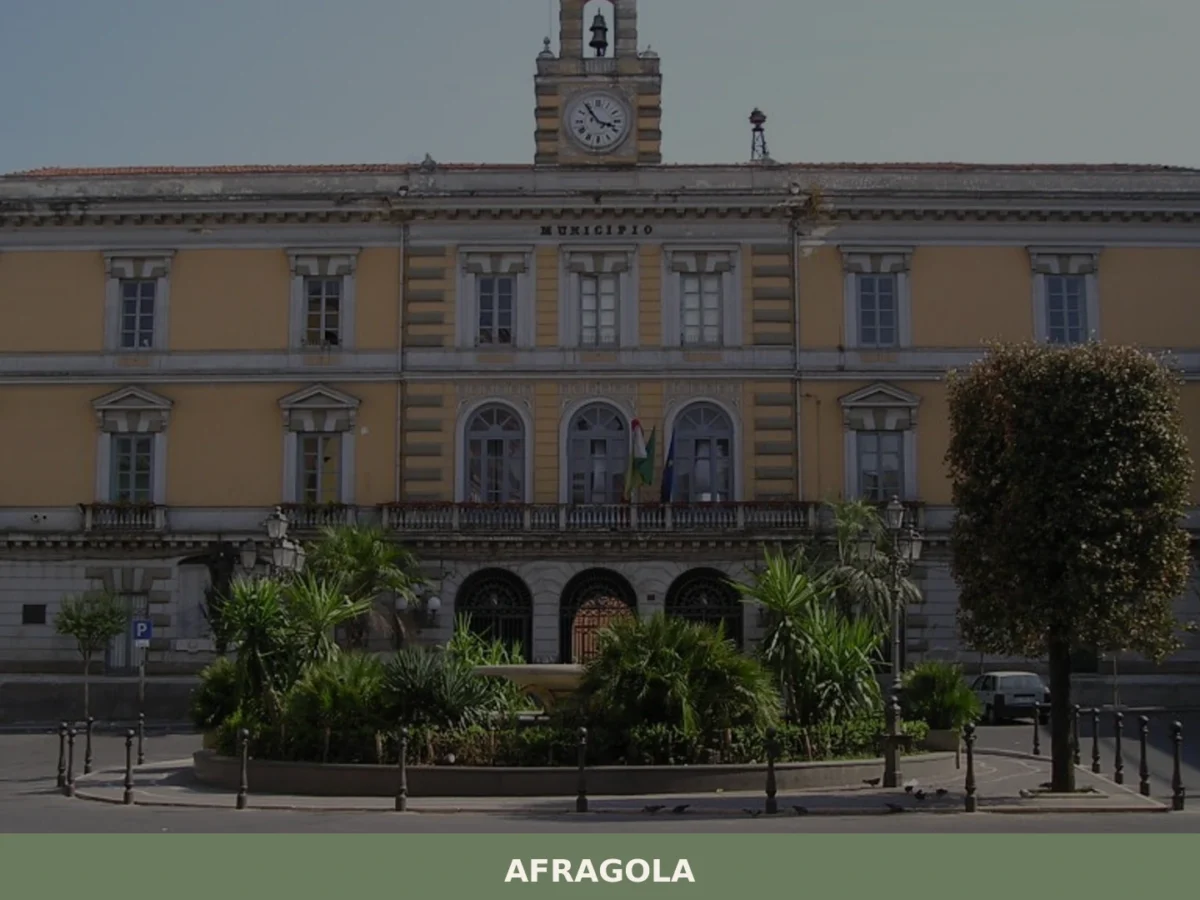
Afragola
 Plains
Discover what to see in Afragola, Campania: Zaha Hadid's station, Baroque churches, local food, and practical travel tips for this Naples hinterland town.
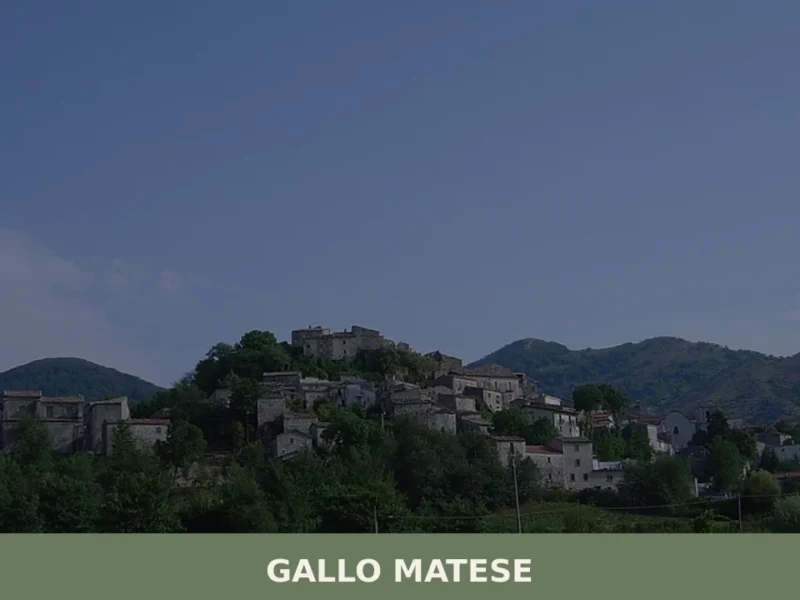
Gallo Matese
 Mountain
With its 625 inhabitants and an altitude of 875 meters above sea level, Gallo Matese ranks as one of the highest centers in the province of Caserta, Campania. Its geographical position, in the heart of the Matese mountain range, determines its identity and structure. The village, whose presence has been documented for centuries, developed in […]
Caianello
Hills
A crossroads village of 1,752 inhabitants in Caserta province, Caianello hides medieval lanes and olive groves above its famous motorway junction.
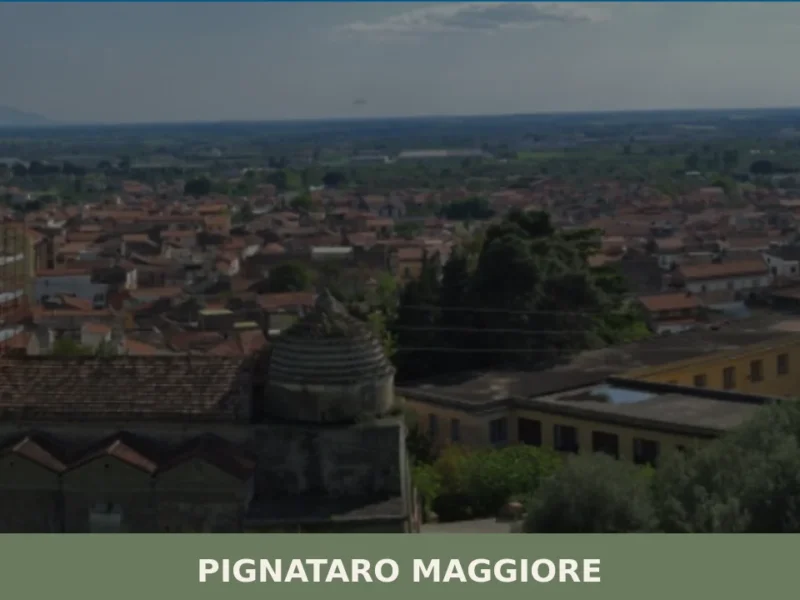
Pignataro Maggiore
Plains
What to see in Pignataro Maggiore: 5,733 residents, 93m above sea level in Caserta province. Visit San Giorgio Church, historic centre, 'Ndunderi PAT gnocchi. Plan your trip now.
Caserta
Plains
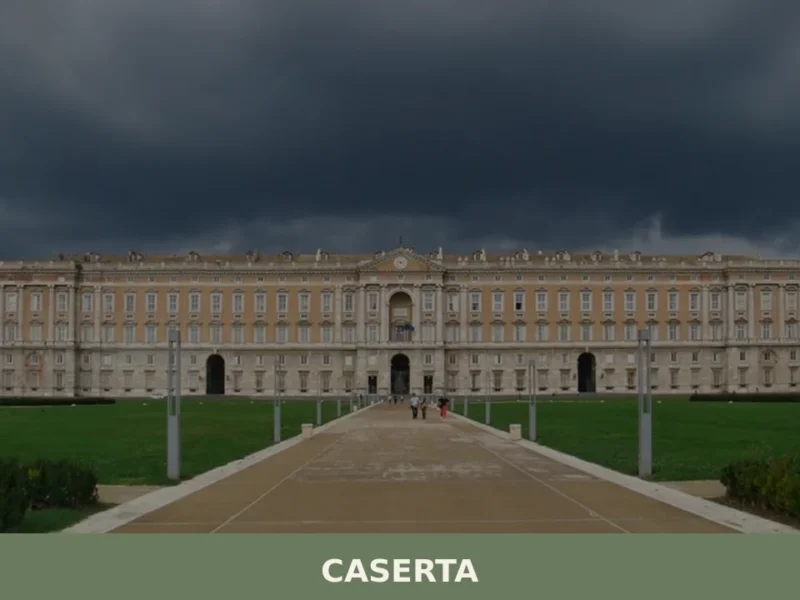
What to see in Caserta: UNESCO Royal Palace, Casertavecchia and certified PAT products. City of 74,000 at 68m above sea level. Plan your visit with our complete guide.
Vitulazio
Plains
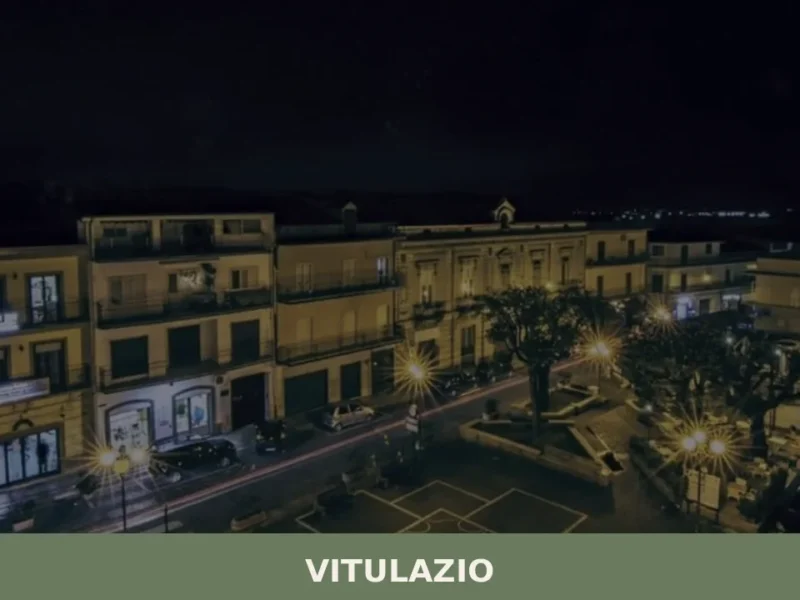
What to see in Vitulazio: 7,646 residents, 57m above sea level in Caserta province. Visit the Agnena Sanctuary, historic centre and taste PAT products like 'Ndunderi. Plan your trip.
Avellino
Hills
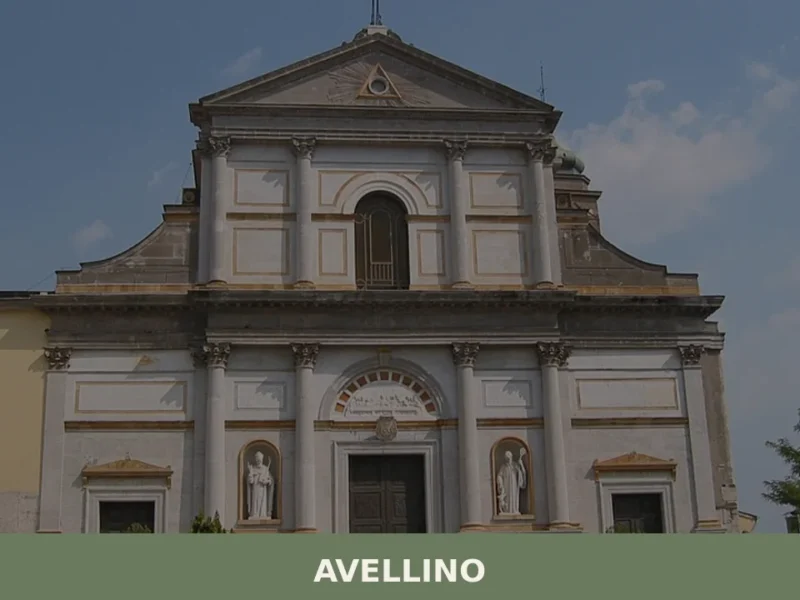
Uncover the charm of the village of Avellino in Campania, Italy. Explore its rich history, local traditions, and stunning landscapes. Plan your visit to this Italian gem!
San Gregorio Matese
Mountain
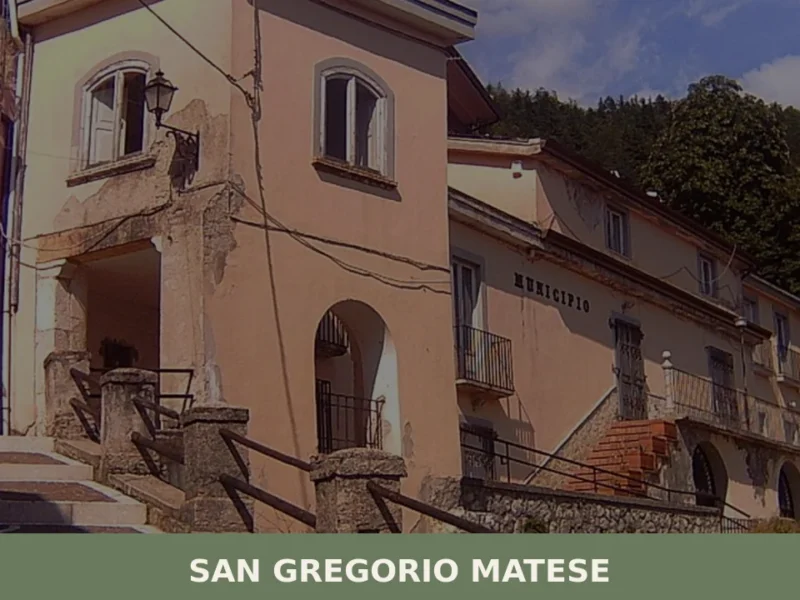
What to see in San Gregorio Matese, Italy: Explore this mountain village at 765 m altitude. Discover its historic core and annual patron saint feast. Read our guide.
Agerola
Mountain
Discover what to see in Agerola, a mountain comune above the Amalfi Coast: hamlets, hiking trails, DOP cheeses and practical travel tips.






🏡 Know Agropoli better than we do?
If you’re a local or have been there, your knowledge matters: add what’s missing or fix a detail on this page.