


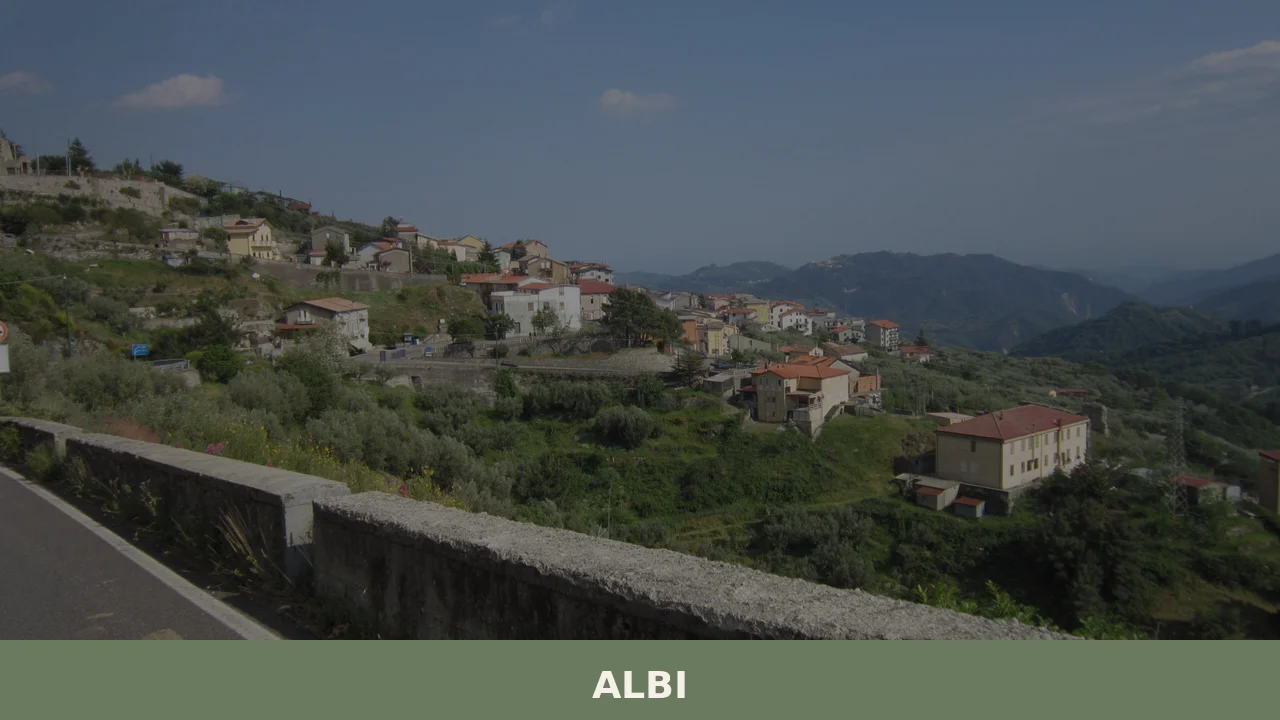
Albi
 Mountain
Discover what to see in Albi, a 735-person village at 710m in the Parco Nazionale della Sila, Catanzaro. History, food, access and where to stay.
Discover Albi
At 710 metres above sea level on the slopes of the Sila Piccola, Albi is a comune in the province of Catanzaro with a population of around 735 residents. The village sits entirely within the boundaries of the Parco Nazionale della Sila, one of Italy’s largest protected natural areas. That geographical fact alone defines much of what to see in Albi: this is a settlement where the national park is not a backdrop but an immediate, physical presence — forest and mountain terrain beginning where the last houses end.
History of Albi
The name Albi is generally traced to the Latin albus, meaning white, a toponym that appears across southern Italy in areas where pale limestone outcrops or light-coloured soils gave early settlers a visual reference point. While the earliest documentary records of the settlement are difficult to date with precision, Albi’s position on the Sila Piccola plateau placed it within the broader feudal geography of medieval Calabria, a region divided between Norman, Swabian, and later Angevin control between the eleventh and fourteenth centuries. Hilltop communities at this altitude were typically established both for defensive advantage and access to upland pasture, a pattern consistent with Albi’s location.
During the Kingdom of Naples, Calabria’s interior villages like Albi were subject to the feudal system that parcelled land among baronial families appointed by the crown. The village’s position within the Sila highlands made it part of a zone historically valued for timber — the vast Sila forests were a strategic resource for shipbuilding and construction throughout the medieval and early modern periods, controlled and contested by various powers including the Neapolitan crown and the church. The exploitation of Sila timber was regulated by royal decrees as early as the sixteenth century, and upland communities were directly involved in that economy as labourers, charcoal producers, and seasonal herders.
Following Italian unification in 1861, Albi was incorporated into the administrative structure of the newly formed Kingdom of Italy as a municipality within Catanzaro province — a designation it retains today. The late nineteenth and early twentieth centuries brought significant demographic pressure to many Calabrian hill villages, including emigration to the Americas and northern Europe, a pattern that reduced populations across the region and left a physical imprint on village architecture in the form of partly abandoned houses and underdeveloped infrastructure. The establishment of the Parco Nazionale della Sila in 2002, which formally incorporated Albi’s entire municipal territory, marked the most significant recent administrative and environmental event to affect the village’s relationship with its land.
What to see in Albi: 5 must-visit attractions
The Historic Village Centre
Albi’s compact stone centro storico occupies the upper part of the slope at 710 metres. The layout follows the irregular, organic pattern typical of Calabrian hill settlements, with narrow lanes between stone-built houses. Several buildings display the thick-walled construction characteristic of the area’s seismic and climatic conditions, with local stone used throughout the older fabric.
The Parish Church
The main parish church of Albi represents the most substantial piece of religious architecture in the village. As with many Calabrian rural churches, it has undergone structural intervention following the region’s frequent seismic events. The interior houses locally venerated religious images and furnishings accumulated across several centuries of continuous community use.
The Sila Piccola Landscape Within the National Park
Albi’s entire municipal territory falls within the Parco Nazionale della Sila, and the forested slopes of the Sila Piccola immediately surrounding the village are among the most accessible entry points into the park from this sector. Mixed stands of pine, beech, and oak define the terrain at this altitude, with marked trails leading into the protected interior.
Viewpoints Over the Sila Piccola
The elevated position of Albi at 710 metres provides direct sightlines across the Sila Piccola plateau and, on clear days, towards the Ionian coast. Several points along the village perimeter and the road approaches offer unobstructed views across forested ridgelines, giving a concrete sense of the scale of the Sila massif as a continuous upland block.
The Rural and Agricultural Surroundings
The land immediately outside the village centre includes areas of traditional small-scale cultivation and upland pasture that have characterised the local economy for centuries. These agricultural margins — where kitchen gardens, fruit trees, and grazing land meet the edge of protected forest — document the working relationship between the community and the Sila environment over generations.
Local food and typical products
The food culture of Albi and the surrounding Sila Piccola zone is rooted in the products of upland Calabria: pork preserved in its many forms, wild mushrooms gathered from the surrounding forests, and locally produced cheeses. The Sila as a whole is associated with the production of Caciocavallo Silano DOP, a stretched-curd cheese with protected designation of origin that has been produced across the Sila plateau for centuries. It is made from cow’s milk, aged for varying periods, and has a firm, slightly tangy character that intensifies with maturation. This is the most formally recognised food product connected to the Sila territory that encompasses Albi.
Beyond the DOP cheese, the local table draws on nduja — Calabria’s spreadable, intensely spiced cured pork — as well as soppressata, dried figs, and seasonal foraged ingredients including porcini mushrooms from the surrounding forests. Small family-run establishments and agriturismo operations in and around Albi typically serve these products as part of set menus built around what is locally available and in season. For a broader overview of the food traditions of Calabria’s interior, the official Calabria tourism portal provides regional context on local produce and food routes.
Best time to visit Albi
At 710 metres, Albi experiences a mountain climate that is distinctly cooler than the Calabrian coast. Summers are mild by southern Italian standards, with average temperatures that make the village a practical base during the months when the Ionian and Tyrrhenian shores are at their most crowded and hot — July and August in the village centre feel markedly different from the coast just an hour away. Spring, from April through June, brings the Sila forests into full growth and represents the most rewarding period for walking the park’s trails, with wildflowers in the meadows and the full water flow of upland streams. Autumn, particularly September and October, is the season for mushroom gathering, when the forests around Albi yield porcini and other edible species that define the local diet during these months.
Winter brings genuine cold to the Sila Piccola, with snowfall at this altitude a regular occurrence from December through February. Road access can require attention during heavy snowfall, and services in the village are reduced in the quietest months. The main local religious feast days, as in most Calabrian villages, fall in summer, typically centred on the patron saint’s day, and represent the period when the village is most animated and when traditional music, processions, and communal meals are most accessible to visitors.
How to get to Albi
Albi is located in the province of Catanzaro, in central Calabria. The most practical approach by road is from Catanzaro city, the provincial capital, which lies approximately 30 kilometres to the south. The A2 Autostrada del Mediterraneo (the main motorway running the length of Calabria) provides access to the general area, with the most useful exits being those serving Catanzaro. From the motorway, travel into the Sila Piccola is via provincial roads that climb into the upland zone — the route is clearly signed but involves winding mountain roads requiring moderate driving attention.
- By car from Catanzaro: approximately 30 km, around 40–50 minutes via the SP165 and connecting provincial roads into the Sila Piccola
- Nearest railway station: Catanzaro Lido (on the Ionian coast) or Catanzaro Città, neither of which provides onward rail connection to Albi — a car or local bus service is required for the final stage
- Nearest airport: Lamezia Terme International Airport (SUF), approximately 60–70 km from Albi, is the most practical air gateway for the province of Catanzaro
- From Cosenza: approximately 60 km to the north via the A2 and then provincial roads through the Sila
Local bus services connect some Sila Piccola villages with Catanzaro, but schedules are limited and oriented toward daily commuters rather than visitors. A hire car collected at Lamezia Terme airport is the most reliable option for independent travel to Albi.
Where to stay in Albi
Accommodation options in Albi itself are limited, as is typical for a village of 735 inhabitants in a protected mountain area. The most likely accommodation format is the agriturismo — farm-based stays offering rooms and meals that are common across the Sila Piccola — along with private holiday rental properties, which have increased in availability through online platforms as the national park has drawn more visitors to the area. Staying within or immediately adjacent to the village gives direct access to the surrounding park on foot, which is a practical advantage for those whose primary interest is the landscape and trails.
Catanzaro city offers a significantly wider range of hotels and guesthouses across all price categories and is a viable base for day trips into the Sila Piccola, though the daily mountain drive should be factored into the schedule. For visitors planning several days of park exploration, accommodation within the Sila zone — whether in Albi or in one of the other villages along the Sila Piccola — is generally preferable to commuting from the coast or city each day. Booking well in advance is advisable for the summer months and the autumn mushroom season, when capacity in the area is at its lowest relative to demand. The official municipality website of Albi may carry local information relevant to accommodation and services.
More villages to discover in Calabria
Calabria’s interior and its coastlines hold a range of villages that reward the same kind of deliberate, ground-level attention that Albi deserves. On the Ionian side of the region, Stilo carries one of the most significant pieces of Byzantine architecture in southern Italy — the tenth-century Cattolica, a small Greek-cross church built in brick on a rocky spur above the town. Further north along the same coast, Gerace occupies a sandstone plateau with a Norman cathedral dating from the eleventh century, one of the largest Romanesque structures in Calabria, built partly with columns taken from the ruins of the Greek city of Locri below. Both villages sit within a few hours’ drive of Albi and represent the broader historical layering of this region.
Further afield within Calabria, Acquaformosa in the northern province of Cosenza offers a distinct dimension: it is one of the Arbëreshë communities, Albanian-speaking villages established in Calabria from the fifteenth century onward, with a preserved linguistic and cultural tradition that sets them apart from the surrounding Italian-speaking territory. For those approaching Calabria from the sea or interested in the region’s urban and archaeological layers, Crotone on the Ionian coast was the site of the ancient Greek colony of Kroton, founded in 710 BC — a founding date that puts the deep historical chronology of this region into concrete perspective.
Frequently asked questions about Albi
What is the best time to visit Albi?
The best time to visit Albi depends on your interests. For hiking and enjoying the full bloom of the Sila forests, spring (April to June) is ideal, with wildflowers and abundant streams. Summers (July and August) offer mild temperatures, making Albi a refreshing escape from the hotter Calabrian coast. This period also hosts the main local religious feast days, typically centred on the patron saint, San Nicola da Tolentino, bringing traditional music, processions, and communal meals. Autumn (September and October) is perfect for mushroom gathering, especially porcini, which are central to the local cuisine.
What to see in Albi? Main monuments and landmarks
In Albi, visitors can explore the charming Historic Village Centre, characterized by narrow stone lanes and traditional thick-walled houses reflecting the area's heritage. The main Parish Church stands as the most significant religious structure, housing locally venerated images. Beyond the village, the Sila Piccola Landscape, entirely within the Parco Nazionale della Sila, offers accessible entry points into protected forests of pine, beech, and oak. Don't miss the elevated Viewpoints Over the Sila Piccola, providing panoramic vistas across the massif and, on clear days, towards the Ionian coast.
What are the main natural or scenic attractions of Albi?
Albi's primary natural attraction is its location entirely within the Parco Nazionale della Sila. The village serves as an immediate gateway to the forested slopes of the Sila Piccola, featuring mixed stands of pine, beech, and oak, with marked trails ideal for exploration. The elevated position of Albi at 710 metres also provides stunning Viewpoints Over the Sila Piccola, offering expansive sightlines across the plateau and, on clear days, even towards the distant Ionian coast. These spots are perfect for appreciating the scale of the Sila massif.
Where to take the best photos in Albi?
For breathtaking panoramic shots, head to the viewpoints along the village perimeter and the road approaches. These elevated spots offer unobstructed views across the forested ridgelines of the Sila Piccola, capturing the vastness of the national park and, occasionally, glimpses of the Ionian coast. Within the village, the Historic Village Centre with its narrow stone lanes and traditional architecture provides picturesque opportunities for capturing the authentic charm and timeless character of a Calabrian hill settlement.
Are there museums, churches or historic buildings to visit in Albi?
Albi offers visitors the opportunity to explore its main Parish Church, which is the most substantial piece of religious architecture in the village, featuring religious images accumulated over centuries. The Historic Village Centre itself is a living museum, showcasing traditional stone-built houses with thick walls, characteristic of the area's seismic and climatic conditions. While there are no dedicated museums, wandering through these ancient lanes provides a tangible connection to Albi's past and its enduring architectural heritage.
What can you do in Albi? Activities and experiences
Albi is perfect for nature enthusiasts and those seeking tranquility. You can embark on guided or self-guided walks along the marked trails within the Parco Nazionale della Sila, immersing yourself in the pine, beech, and oak forests. Autumn is ideal for mushroom gathering, particularly porcini. Explore the historic village centre, appreciating its traditional architecture. During summer, especially around the patron saint's feast day, visitors can experience local cultural traditions, including music, processions, and communal meals. Enjoy the local food specialties at nearby agriturismo operations.
Who is Albi suitable for? Families, couples, hikers, solo travelers?
Albi is ideally suited for hikers and nature lovers, given its direct integration into the Parco Nazionale della Sila with accessible trails. It's also perfect for those seeking a tranquil retreat away from the crowds, offering mild summers compared to the coast. Food enthusiasts will appreciate the local Sila products, particularly during autumn's mushroom season. Families and couples looking for a peaceful mountain escape, as well as solo travelers desiring immersion in natural beauty and authentic village life, will find Albi a rewarding destination.
What to eat in Albi? Local products and specialties
The culinary traditions of Albi and the Sila Piccola region are rich with mountain flavours. A must-try is Caciocavallo Silano DOP, a traditional stretched-curd cow's milk cheese produced across the Sila plateau. Other local delights include 'nduja, Calabria's famous spreadable, intensely spiced cured pork, and soppressata. Foraged porcini mushrooms from the surrounding forests are a seasonal highlight, especially in autumn. Dried figs are also a popular local product. These specialties are often featured in set menus at small, family-run establishments and agriturismo operations in and around Albi.
Nearby Villages near Albi


In Calabria More villages to discover
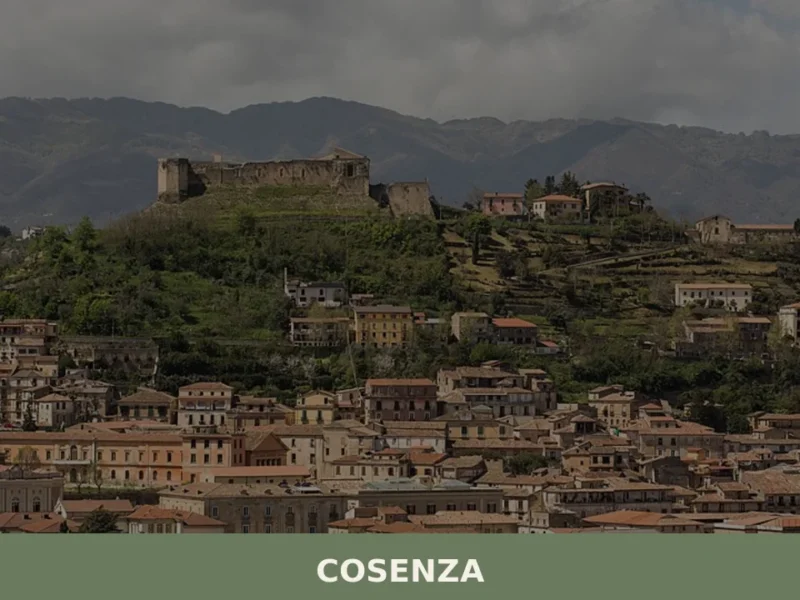
Cosenza
 Hills
Hills
Cosenza rose from an 8th-century italico village to lead the Bruzi confederation. Today it balances a medieval hilltop centro storico with a modern riverbank expansion.

Gizzeria
 Sea
Sea
5,362 residents, two faces — hilltop village and thermal-wind shore — and a documented Albanian foundation make Gizzeria one of Calabria's most layered communities.
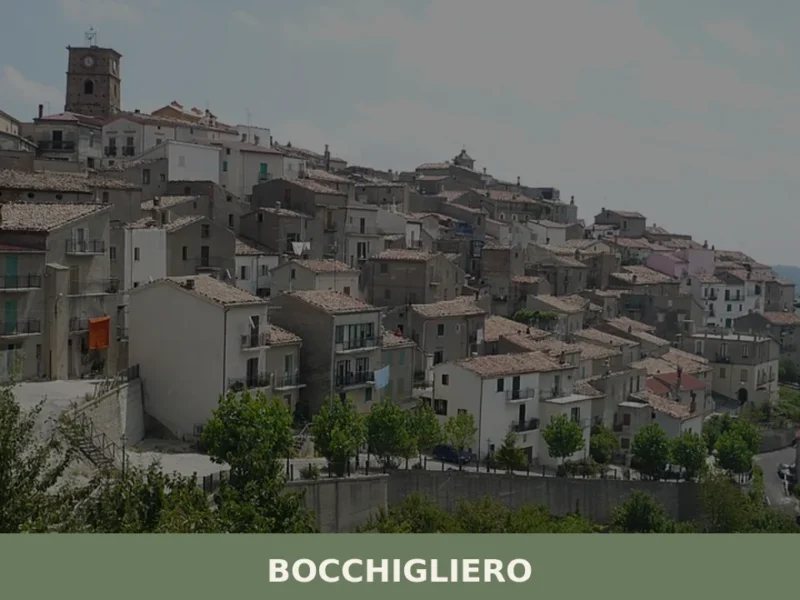
Bocchigliero
Mountain
What to see in Bocchigliero: a mountain village at 870m in Cosenza. Discover the Mother Church and the Baronial Palace ruins.
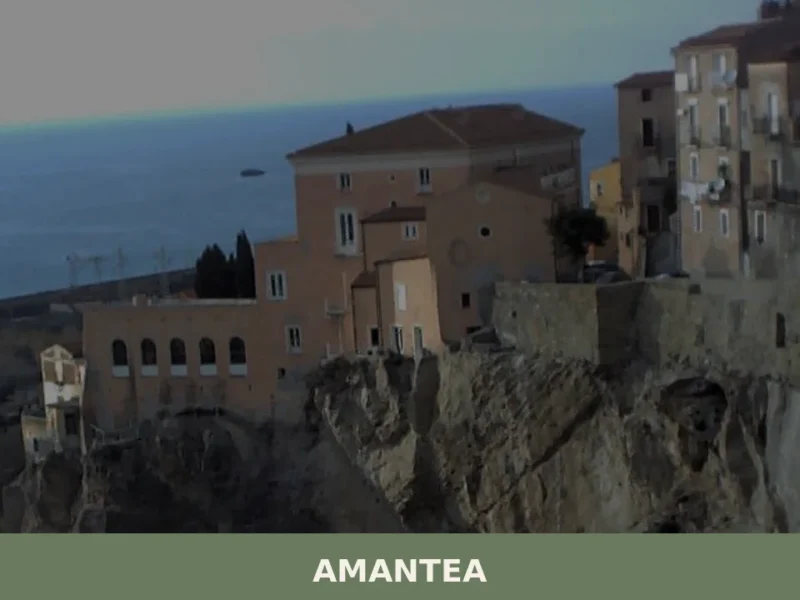
Amantea
Sea
Explore the picturesque village of Amantea Calabria. Discover its historic center, beautiful beaches, and authentic Italian charm. Plan your perfect trip to this hidden gem on the Tyrrhenian coast.
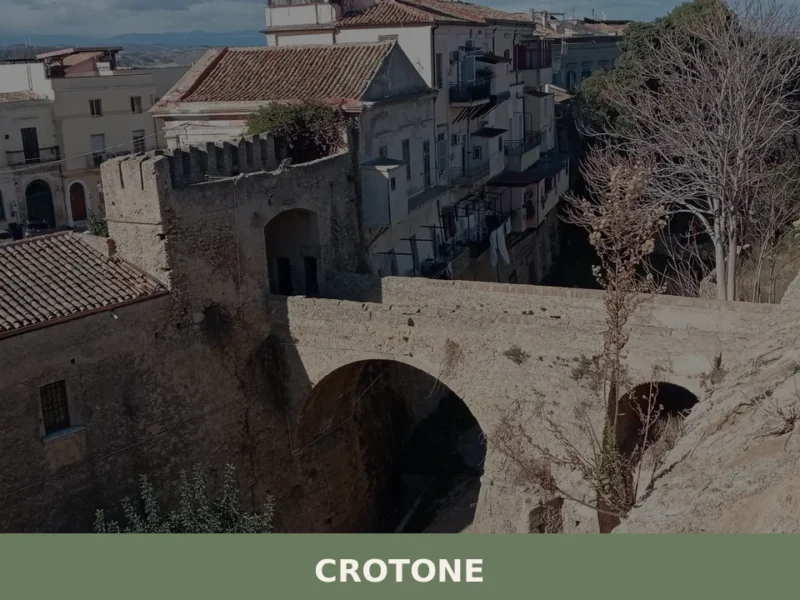
Crotone
Sea
What to see in Crotone, Italy: explore this historic city, 8 meters above sea level. Discover the ancient city walls and the 16th-century Castle of Charles V. Read our complete guide.
Agnana Calabra
Mountain
Planning a visit? Discover what to see in Agnana Calabra u2014 history, local food, best time to visit and how to reach this Reggio Calabria village.
Aiello Calabro
Hills
A hill village in Cosenza province at 502 metres, Aiello Calabro holds medieval ruins, noble palazzi, and a living food culture shaped by centuries of mountain life.
Amendolara
Sea
Explore Amendolara village, a charming Italian gem nestled in Calabria. Discover its rich history, stunning landscapes, and authentic local culture. Plan your visit today!
Acquappesa
Sea
A Calabrian hill village of 1,737 inhabitants defined by its sulphurous thermal springs, Tyrrhenian coastline, and quiet stone lanes in the province of Cosenza.
Anoia
 Plains
What to see in Anoia? Explore the 5 main attractions of this Calabrian village. The complete guide awaits to help plan your visit. Learn more!
🏡 Know Albi better than we do?
If you’re a local or have been there, your knowledge matters: add what’s missing or fix a detail on this page.