


Acquaro
 Hills
Hills
Discover what to see in Acquaro, a village of 1,778 inhabitants in Vibo Valentia, Calabria. History, food, travel tips and the Alto Mesima valley landscape.
Discover Acquaro
Acquaro is a comune of 1,778 inhabitants in the province of Vibo Valentia, positioned in the Calabrian interior at an elevation that places it firmly within the foothills of the southern Apennines. The village administers two frazioni — Limpidi and Piani, the latter itself subdivided into several contrade — and was historically part of the Comunità Montana dell’Alto Mesima alongside nine neighbouring communes. For those asking what to see in Acquaro, the answer begins with understanding how this small settlement sits within a network of rural communities that together define the character of this interior Calabrian territory.
History of Acquaro
The name Acquaro derives directly from the Latin and later Romance word for water — specifically, the presence of water sources in the area.
This hydronymic origin is common in Calabrian toponymy, where settlements frequently took their names from natural features that determined where communities could survive. The Alto Mesima valley, where Acquaro sits, channels water from the Calabrian Apennines toward the Mesima river, and the presence of reliable springs and watercourses would have been the fundamental reason for establishing a permanent settlement in this location. The calabrese dialect name Accuàru preserves this ancient linguistic root with greater phonetic clarity than the Italianised form.
Acquaro’s administrative history is bound to the broader feudal and post-feudal structures that governed interior Calabria across the medieval and early modern periods. The Alto Mesima zone, including Acquaro and its neighbouring communes such as Arena, Dasà, Dinami, Gerocarne, Joppolo, Pizzoni, Sorianello, Soriano Calabro, and Vazzano, formed a cohesive territorial unit that was eventually formalised in the modern era through the Comunità Montana dell’Alto Mesima — an institution created specifically to coordinate the administrative and economic management of mountain communes sharing common geographical conditions.
This kind of communal mountain governance reflected the persistent reality that interior Calabrian villages could not easily function in isolation from one another.
The two frazioni of Acquaro — Limpidi and Piani — represent the dispersed settlement pattern typical of southern Italian mountain territories, where agricultural land use and the availability of water and flat ground pulled populations away from a single nucleated centre. The contrade within the Piani frazione further illustrate how rural Calabrian communities historically organised themselves around land rather than around administrative centres. This fragmented yet coherent structure, common across the Vibo Valentia province, reflects centuries of small-scale agropastoral economy in which the relationship between community and territory was intensely practical and geographically determined.
What to see in Acquaro: 5 must-visit attractions
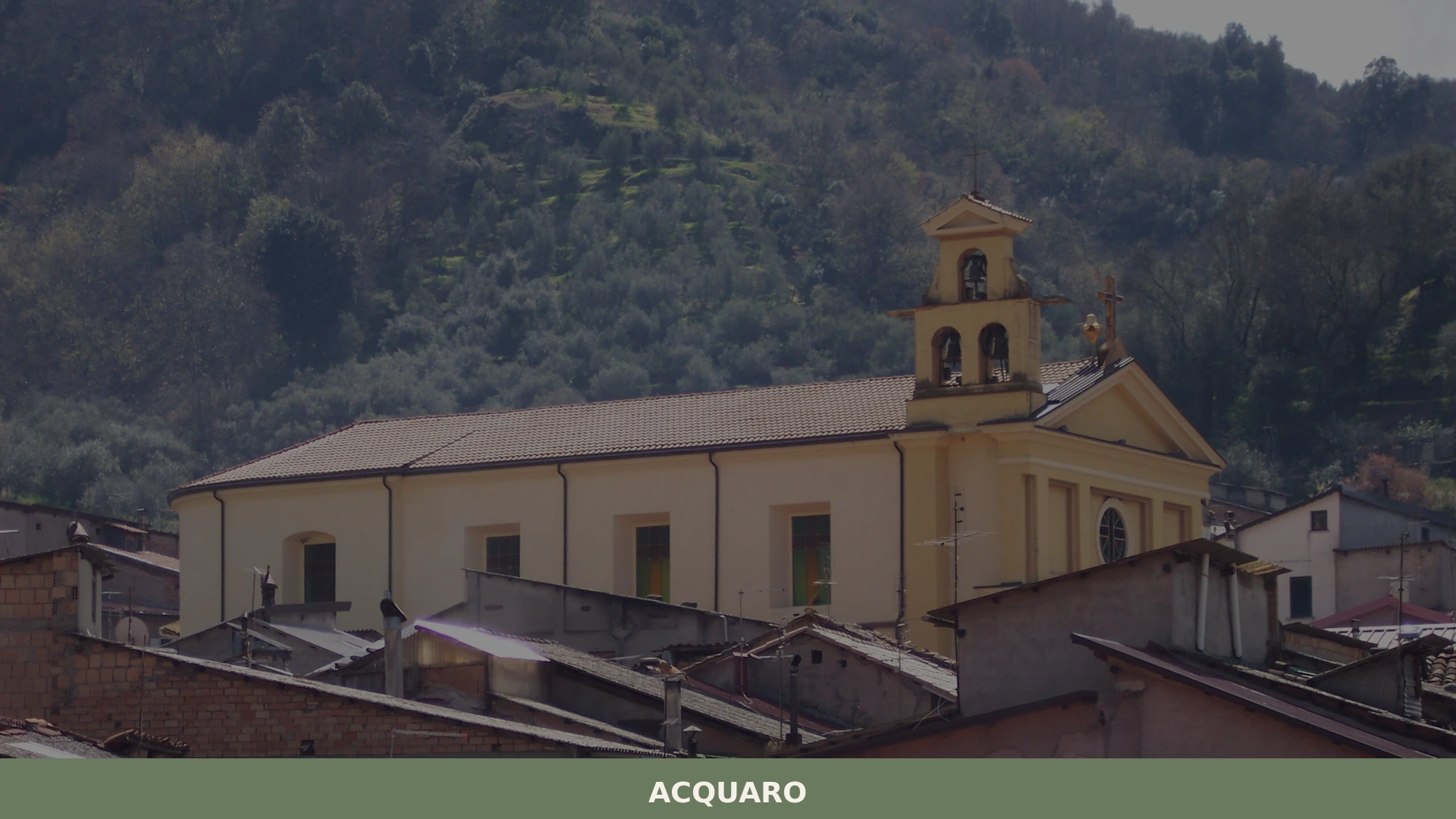
The Parish Church
The main parish church of Acquaro represents the spiritual and architectural centre of village life, as it does in virtually every Calabrian comune. Interior Calabrian churches of this zone typically date in their current form to the eighteenth or nineteenth century, rebuilt after seismic events that have periodically reshaped settlement across the region.
The church serves as a point of orientation within the village’s compact historic core.
The Historic Centre and Its Streets
Acquaro’s centro storico preserves the tight, irregular street pattern characteristic of southern Apennine villages built for defensive practicality rather than urban planning. Stone construction dominates, with buildings pressed close together to conserve heat in winter and shade in summer. Walking the main streets gives a clear reading of how the village was built in relationship to the surrounding terrain.
The Frazione of Limpidi
Limpidi, one of Acquaro’s two recognised frazioni, occupies its own distinct position within the municipal territory. Like many Calabrian frazioni, it functions as a semi-autonomous community with its own local identity and built environment.
Visiting Limpidi allows comparison between the different settlement nuclei that make up the commune and provides a more complete picture of Acquaro’s dispersed geography.
The Frazione of Piani and Its Contrade
Piani is the more complex of the two frazioni, itself divided into several contrade — named rural districts that historically corresponded to specific agricultural areas or family groupings. This internal subdivision is a documented feature of Acquaro’s territorial organisation and offers insight into how land, community and identity were mapped onto the landscape in rural Calabria over generations.
The Alto Mesima Valley Landscape
The landscape of the Alto Mesima valley, visible from Acquaro’s elevated position, is itself a primary reason to visit. The valley formed by the Mesima river drainage system creates a distinct topographical corridor through the Calabrian interior, framed by forested slopes. The Regione Calabria administers protected and managed green areas across this zone, making the surrounding territory as relevant as the village itself for any visit.
Local food and typical products
The food culture of the Vibo Valentia interior, which includes Acquaro and the Alto Mesima zone, is built on the agropastoral tradition of self-sufficient mountain communities.
Pork products are central: soppressata, capocollo, and ‘nduja — the spreadable, intensely spiced salume for which Calabria is now internationally recognised — appear in various local forms across the province. Sheep and goat cheese production, particularly pecorino in its younger and aged versions, reflects the pastoral economy that shaped this territory for centuries. Legumes, particularly dried broad beans and chickpeas, feature in soups and pasta dishes that have changed little in their fundamental logic across generations.
Olive oil produced in Calabria carries significant institutional recognition, with the regional territory hosting several DOP designations. The Calabria Gusta platform, which documents and promotes regional food production, provides a useful reference point for understanding which products from the broader Vibo Valentia zone carry protected status. In and around Acquaro, the most practical approach for visitors seeking local food is to look for small alimentari, weekly markets in neighbouring larger centres, or agriturismo operations in the wider Alto Mesima area that serve meals based on their own production.
Best time to visit Acquaro
The months of April through June and September through October offer the most practical conditions for visiting Acquaro and the Alto Mesima interior.
Temperatures at this altitude are moderate rather than extreme, the landscape is fully vegetated, and the roads through the Calabrian interior are clear. Summer brings heat to the valley floors but the elevation of the village provides some relief; July and August also coincide with the period when many Calabrian villages hold their principal religious festivals and summer events, which can be the best opportunity to observe village life at its most active. Winter is functional but requires preparation: mountain roads in the Apennine interior can be affected by snow and ice between December and February.
How to get to Acquaro
Acquaro is located in the Vibo Valentia province of Calabria, in the southern Italian interior. Reaching the village requires a car in virtually all practical scenarios, as public transport connectivity to the Alto Mesima communes is limited. The following reference points are the most useful:
- By motorway: The A2 Autostrada del Mediterraneo runs along the Calabrian coast. The exit for Vibo Valentia or Mileto provides the closest motorway access point; from there, provincial roads lead into the interior toward Acquaro.
- By train: The nearest significant railway station is Vibo Valentia–Pizzo, served by regional trains on the Tyrrhenian line. From the station, a car or taxi is required to reach Acquaro, approximately 25–35 kilometres into the interior depending on the route taken.
- By air: The closest airports are Lamezia Terme International Airport (approximately 60–80 kilometres by road, roughly one hour), which is the main gateway for the central-southern Calabrian interior, and Reggio Calabria Airport further south.
Lamezia Terme is the recommended option for most visitors.
- From Vibo Valentia city: The provincial capital is the practical base for navigating toward Acquaro; provincial road connections link Vibo Valentia to the Alto Mesima communes, though journey times on mountain roads are longer than straight-line distances suggest.
Where to stay in Acquaro
Acquaro itself is a small comune of under 1,800 residents, and accommodation options within the village are accordingly limited. Visitors should expect to find, at most, small B&B or private room rentals, with agriturismo operations in the surrounding countryside being the most characteristically appropriate option for a stay in this part of the Vibo Valentia interior. The official Calabria tourism portal maintains updated listings of registered accommodation across the region, including rural and mountain communes, and is the most reliable starting point for searching availability.
For visitors who want a broader range of services — restaurants, shops, transport connections — using Vibo Valentia or one of the larger neighbouring centres as a base and making day visits into the Alto Mesima zone is the most practical approach. Booking well in advance is advisable in July and August, when demand for accommodation across Calabria increases significantly and rural properties often reach capacity. Off-season stays, particularly in spring, offer a quieter experience and greater ease of booking.
More villages to discover in Calabria
Calabria’s interior provinces contain a density of small comuni that reward slow, attentive travel.
On the Ionian coast to the northeast, Amendolara occupies a clifftop position above the Gulf of Taranto, offering a sharply different landscape — coastal, sun-exposed, facing Greece across open water — from the Apennine interior of Acquaro. Equally distinct is Buonvicino in the province of Cosenza, a mountain village in the northern Calabrian Apennines where the Pollino massif defines both the physical environment and the cultural identity of the surrounding communities.
For those whose travels take them further into the Calabrian south, Alessandria del Carretto in the Pollino area represents one of the most isolated and least-visited comuni in the entire region — a village where the forests and traditional festivals have survived in direct relationship with one another. Each of these places connects back, in different ways, to the same broad reality that Acquaro belongs to: a Calabria of small, durable communities that have organised themselves around specific landscapes and resources for a very long time, and that continue to function on terms largely set by that geography.
Frequently asked questions about Acquaro
What is the best time to visit Acquaro?
The ideal times to visit Acquaro are during spring (April-June) and autumn (September-October) when temperatures are moderate, the landscape is lush, and roads are easily navigable. For a vibrant cultural experience, consider visiting in mid-August to coincide with the annual patron saint festival for San Rocco on August 16th. While summer (July-August) can be warm, Acquaro's elevation provides some relief, and it's a period of local festivities. Winter (December-February) is quieter but may present challenges with snow and ice on mountain roads.
What are the historical origins of Acquaro?
Acquaro's origins are deeply tied to the presence of water sources, with its name deriving from the Latin word for water, a common hydronymic pattern in Calabria. The village developed within the Alto Mesima valley, where reliable springs provided a fundamental reason for settlement. Historically, Acquaro's administrative evolution was shaped by feudal and post-feudal structures, forming part of a cohesive territorial unit with neighboring communes, later formalized as the Comunità Montana dell'Alto Mesima, reflecting the region's interconnected rural communities.
What to see in Acquaro? Main monuments and landmarks
In Acquaro, visitors can explore the Parish Church, which serves as the spiritual and architectural heart of the village and a key point of orientation within its compact historic core. Wander through the Historic Centre and its characteristic tight, irregular stone-paved streets, reflecting centuries of defensive practicality. Discover the distinct identities of the two frazioni, Limpidi and Piani, which offer insight into the commune's dispersed settlement pattern and rural organization. Finally, the broader Alto Mesima Valley Landscape itself is a primary attraction, offering panoramic views of forested slopes and protected green areas.
What are the main natural or scenic attractions of Acquaro?
The primary natural attraction in Acquaro is the stunning Alto Mesima Valley Landscape. From the village's elevated position (262m), visitors can enjoy expansive views of this topographical corridor, characterized by the Mesima river drainage system and framed by forested slopes. The surrounding area includes protected and managed green zones administered by the Regione Calabria, offering opportunities to appreciate the tranquil interior Calabrian environment.
Where to take the best photos in Acquaro?
For memorable photographs in Acquaro, focus on the panoramic views of the Alto Mesima Valley from the village's elevated position. The historic centre, with its tight, irregular stone streets and traditional architecture, provides excellent opportunities for capturing authentic village life. The main Parish Church, as the architectural focal point, is also a key subject, especially in relation to the surrounding compact historic core. The distinct frazioni of Limpidi and Piani offer unique perspectives on the commune's dispersed charm.
Are there museums, churches or historic buildings to visit in Acquaro?
Acquaro features its main Parish Church, a significant spiritual and architectural landmark within the village, with its current structure typically dating back to the eighteenth or nineteenth century following seismic events. While specific opening hours are not always fixed for smaller parish churches, it is generally accessible during mass times or by local inquiry. The entire historic centre, characterized by its compact layout and traditional stone buildings, can be considered an open-air historical experience. No specific museums are documented for Acquaro.
What can you do in Acquaro? Activities and experiences
In Acquaro, visitors can immerse themselves in the authentic rhythm of interior Calabrian life. Activities include exploring the historic centre and its frazioni (Limpidi and Piani) on foot, appreciating the traditional stone architecture and unique settlement patterns. The surrounding Alto Mesima Valley offers opportunities for gentle walks amidst forested slopes and managed green areas, enjoying the tranquil landscape. Engaging with the rich local food culture through tasting traditional agropastoral products like 'nduja, pecorino cheese, and olive oil is a must. During summer, experiencing the village's religious festivals and local events, particularly the feast of San Rocco on August 16th, provides a vibrant cultural insight.
Who is Acquaro suitable for? Families, couples, hikers, solo travelers?
Acquaro is ideal for travelers seeking an authentic, slow-paced Calabrian experience away from mass tourism. It appeals to culture enthusiasts interested in traditional village life, historic architecture, and the unique dispersed settlement patterns of the Apennine interior. Nature lovers and hikers will appreciate the Alto Mesima Valley landscape with its forested slopes and protected green areas. Foodies will delight in the agropastoral culinary traditions and local products. It's suitable for couples, solo travelers, and families looking for a tranquil retreat, though those requiring extensive amenities or nightlife might prefer larger centers for accommodation.
What to eat in Acquaro? Local products and specialties
Acquaro's culinary scene is rooted in its agropastoral heritage. Must-try local products include traditional Calabrian pork specialties like soppressata, capocollo, and the renowned 'nduja, a spicy, spreadable salami. Pecorino cheese, made from sheep and goat milk, is a staple, available in various stages of aging. Legumes such as dried broad beans and chickpeas feature prominently in hearty local dishes. High-quality olive oil, often with DOP recognition in the wider Calabrian region, is also a key product. Visitors can find these specialties at local alimentari, weekly markets, or by dining at agriturismo operations in the Alto Mesima area.
Getting there
Piazza Guglielmo Marconi, 89832 Acquaro (VV)
Nearby Villages near Acquaro
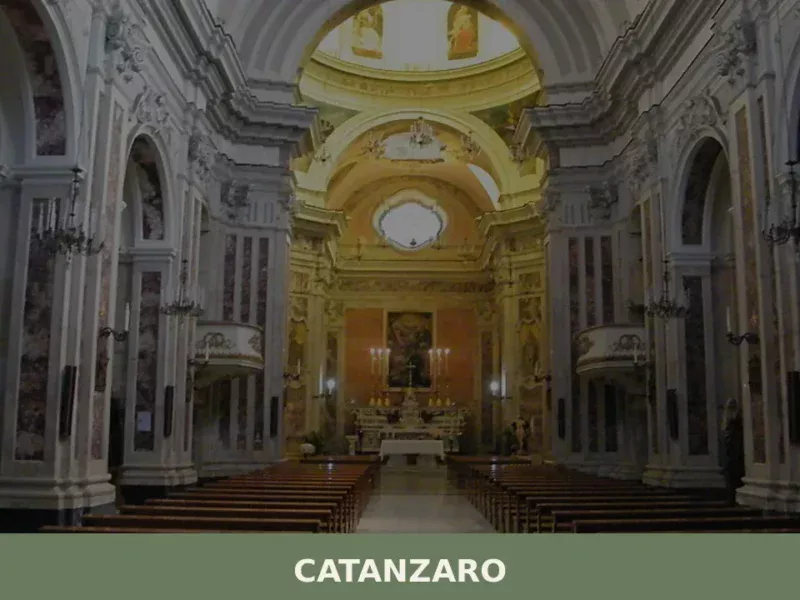
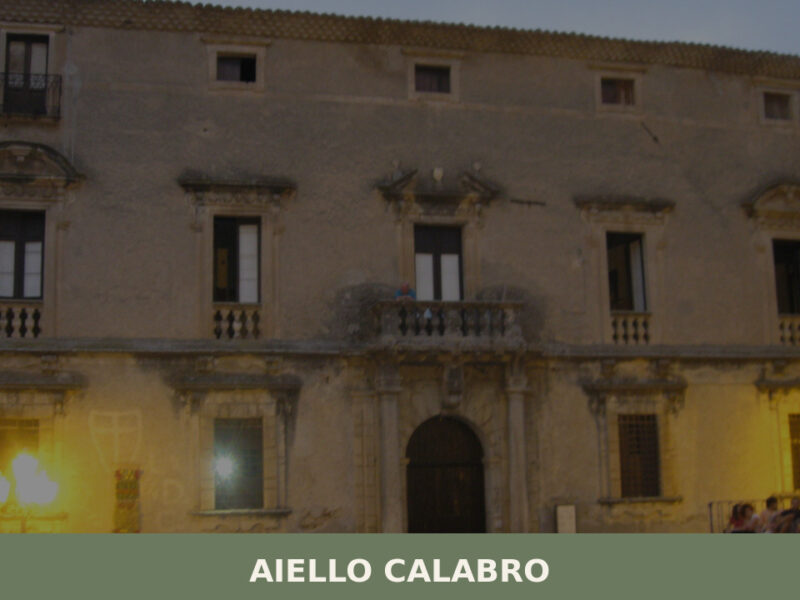
In Calabria More villages to discover
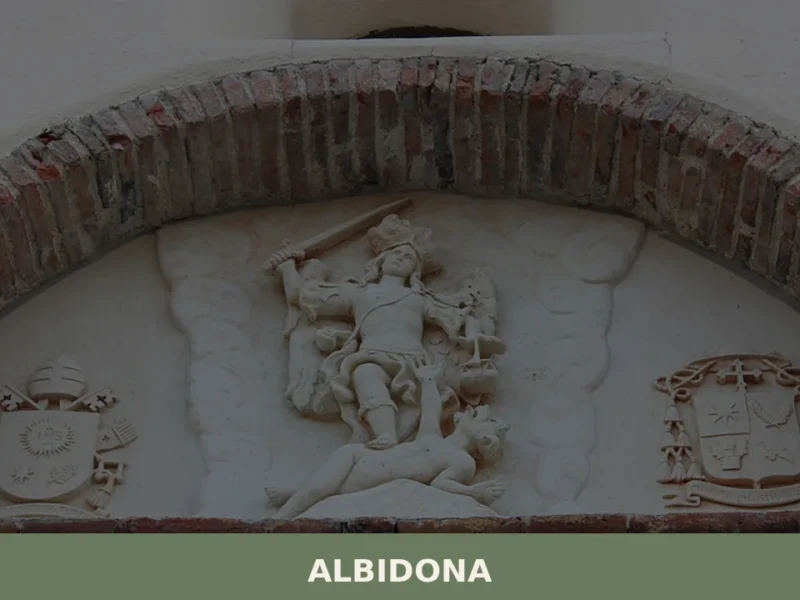
Albidona
 Sea
Sea
Albidona has 1,142 inhabitants and sits at 810 metres above sea level on the eastern slope of the Pollino massif, in the province of Cosenza. The old town preserves an urban layout arranged in parallel bands, developed along the ridge that separates the Saraceno stream valley from the Caldanello valley. Asking what to see in […]
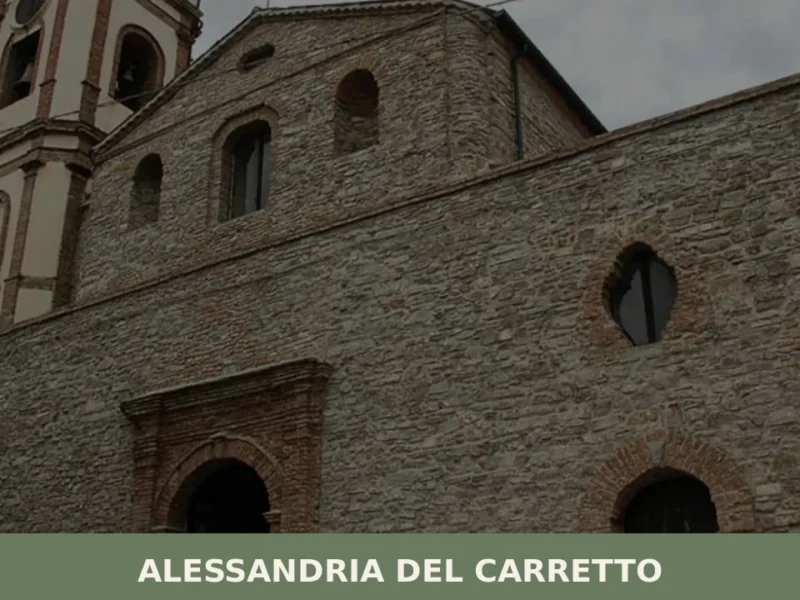
Alessandria del Carretto
 Mountain
At 1,000 metres above sea level, on the eastern slope of the Calabrian Pollino, Alessandria del Carretto has just 357 inhabitants today — making it one of the least populated municipalities in the entire province of Cosenza. Its territory falls within the Pollino National Park, and anyone wondering what to see in Alessandria del Carretto […]
Bianchi
Mountain
Bianchi is home to 1,358 residents spread across a hilly area in the province of Cosenza, at roughly 500 metres above sea level along the middle valley of the Savuto river. Anyone looking into what to see in Bianchi will find a medieval urban core, a mother church documented since the 16th century, and a […]
Cosenza
Hills
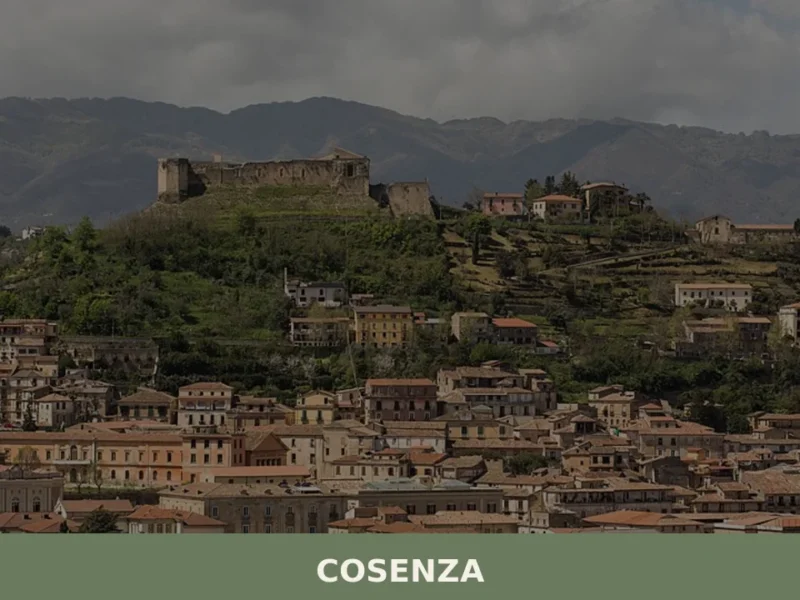
Cosenza rose from an 8th-century italico village to lead the Bruzi confederation. Today it balances a medieval hilltop centro storico with a modern riverbank expansion.
Albi
Mountain
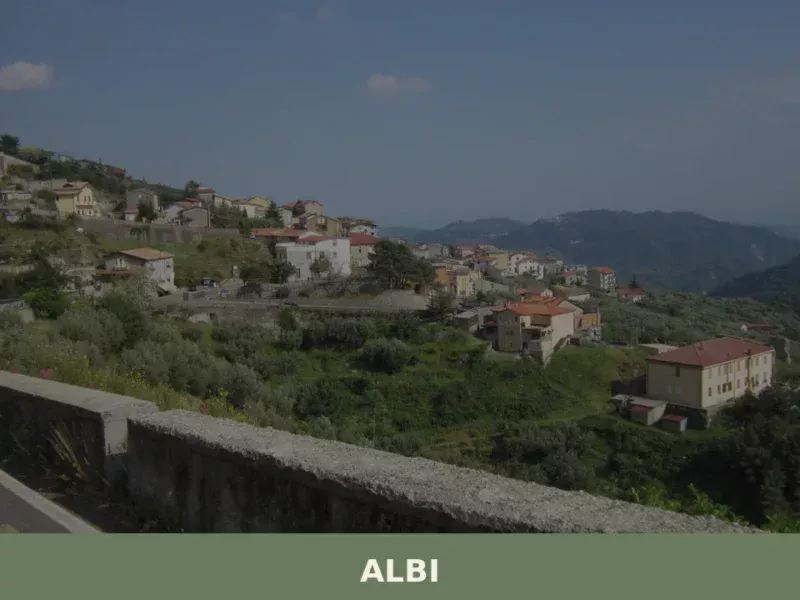
Discover what to see in Albi, a 735-person village at 710m in the Parco Nazionale della Sila, Catanzaro. History, food, access and where to stay.
Altilia
Hills
A quiet hill village of 677 people in Calabria's Savuto valley. Discover what to see in Altilia — its stone lanes, parish church, and deep agrarian roots.
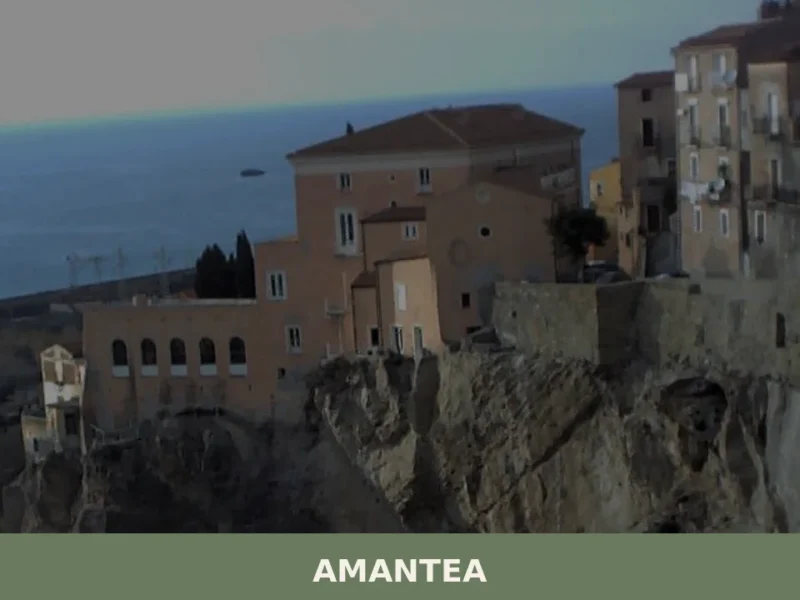
Amantea
Sea
Explore the picturesque village of Amantea Calabria. Discover its historic center, beautiful beaches, and authentic Italian charm. Plan your perfect trip to this hidden gem on the Tyrrhenian coast.

Gizzeria
Sea
5,362 residents, two faces — hilltop village and thermal-wind shore — and a documented Albanian foundation make Gizzeria one of Calabria's most layered communities.
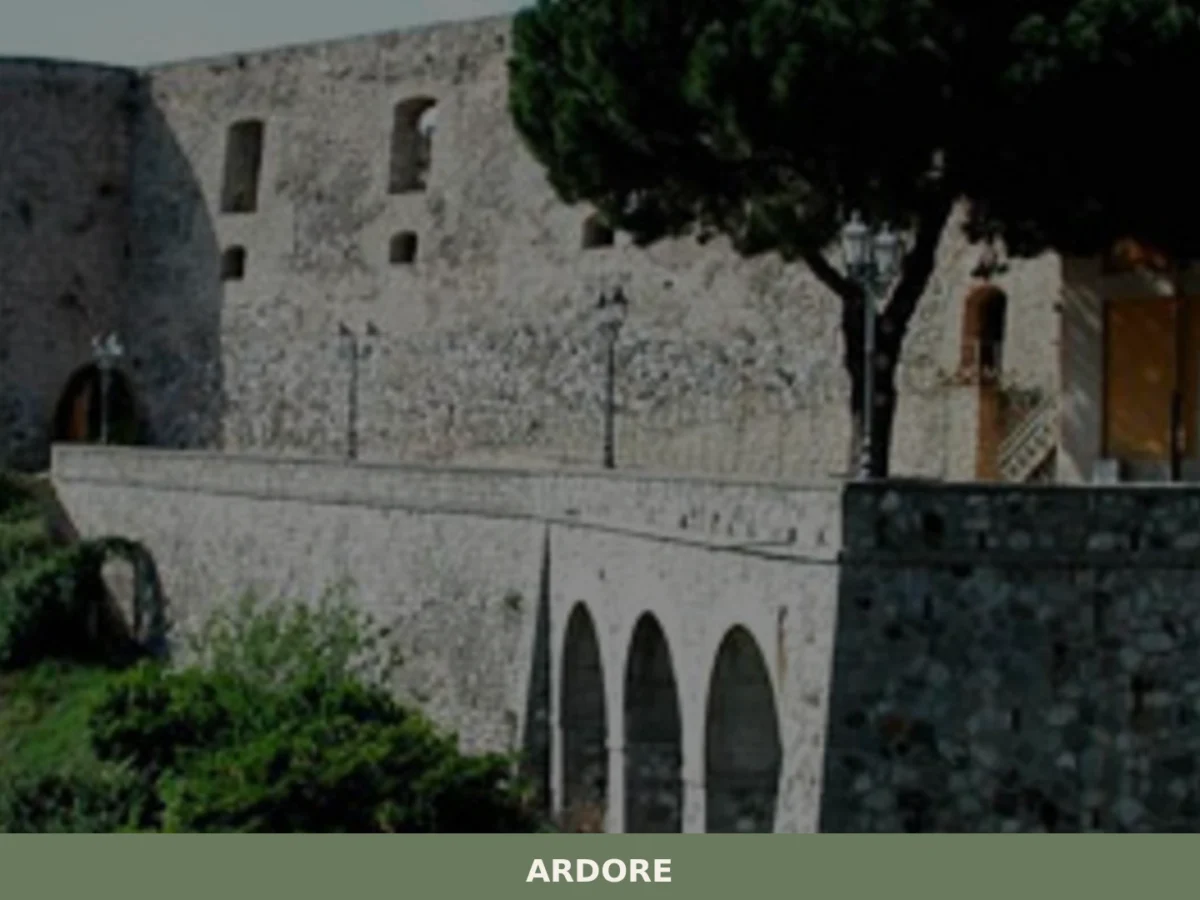
Ardore
Sea
what to see in ardore: Discover Italy with Ardore’s altitude at 250 m, explore scenic landscapes and local festivals in Calabria.
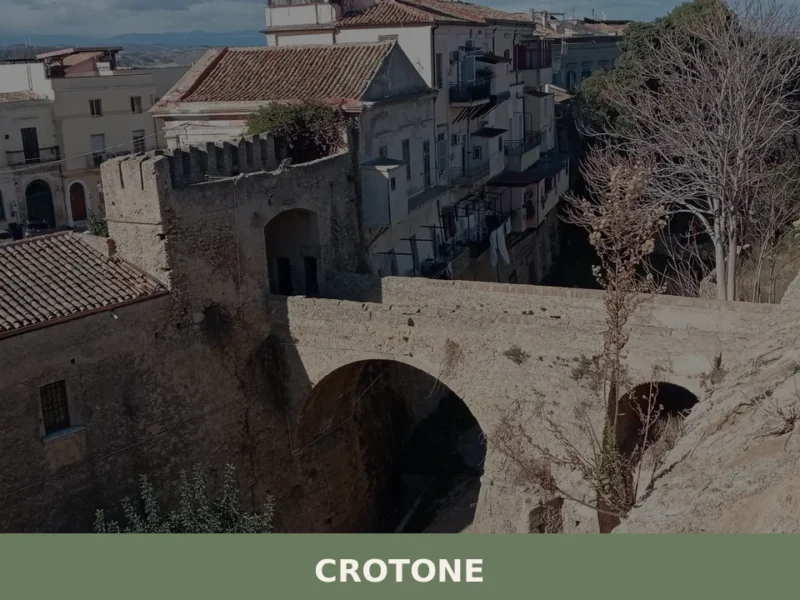
Crotone
Sea
What to see in Crotone, Italy: explore this historic city, 8 meters above sea level. Discover the ancient city walls and the 16th-century Castle of Charles V. Read our complete guide.




🏡 Know Acquaro better than we do?
If you’re a local or have been there, your knowledge matters: add what’s missing or fix a detail on this page.