


Amaroni
 Hills
Hills
Discover what to see in Amaroni, a village of 1,587 inhabitants in the province of Catanzaro, Calabria. History, food, travel tips and nearby villages.
Discover Amaroni
Amaroni is a commune of 1,587 inhabitants in the province of Catanzaro, sitting at elevation in the Calabrian interior south of the regional capital. Known in the local Calabrian dialect as Lamàruni, the village belongs to that arc of small inland settlements that have defined the demographic and agricultural character of the Catanzaro hinterland for centuries. For visitors considering what to see in Amaroni, the answer begins not with monuments alone but with the particular logic of a place built around the rhythms of hill farming, communal life, and a landscape that gives onto the Ionian coast on clear days.
History of Amaroni
The name Amaroni — rendered in Calabrian dialect as Lamàruni — is likely of Greek or pre-Latin origin, a linguistic trace consistent with the deep Greco-Byzantine settlement patterns that characterised much of inland Calabria before Norman reorganisation in the eleventh and twelfth centuries. The Normans systematically absorbed and restructured the small communities of the Calabrian interior, folding them into feudal networks centred on larger towns and episcopal sees. Amaroni’s position within the Catanzaro province placed it within the orbit of one of the most strategically important urban centres in medieval southern Italy, a city that served as the seat of significant Byzantine and later Norman administrative power.
Like many comuni of its size in Calabria, Amaroni passed through successive feudal hands during the Angevin and Aragonese periods, when the Kingdom of Naples exercised dominion over the entire southern peninsula. These overlapping jurisdictions — ecclesiastical, baronial, and royal — left their marks on the physical layout of the village, where the positioning of the parish church relative to the central piazza reflects the standard planning conventions of southern Italian feudal settlements. The eighteenth century brought incremental administrative consolidation under Bourbon rule, and the post-Unification period after 1861 saw Amaroni formally integrated into the Italian state’s provincial framework, eventually under the province of Catanzaro.
The twentieth century reshaped Amaroni, as it did virtually every small Calabrian comune, through emigration. The departure of working-age men and families — first to northern Italy and then to Germany, Switzerland, and North America — reduced the population from peaks recorded in the early postwar decades. Agriculture, particularly the cultivation of olives, cereals, and legumes on the terraced slopes of the Calabrian interior, remained the economic foundation for those who stayed. This pattern of outmigration followed by partial return of second and third generations has become one of the defining social facts of villages across this part of Catanzaro province.
What to see in Amaroni: 5 must-visit attractions
The Parish Church
The central parish church serves as the architectural anchor of Amaroni’s historic core, positioned — as was conventional in southern Italian feudal settlements — in direct spatial relationship to the main piazza. Its facade and interior reflect the layered renovations common to Calabrian religious buildings, where Baroque modifications were applied over earlier medieval fabric. The church houses devotional works and furnishings accumulated across several centuries of local patronage.
The Historic Centre and Main Piazza
The compact historic centre of Amaroni preserves the dense, organic street pattern typical of Catanzaro-province hilltop settlements: narrow lanes running between two- and three-storey stone buildings, interrupted by small squares. The main piazza functions as the social and civic core of the village, the point around which daily life — markets, festivals, informal gatherings — has organised itself for generations.
The Surrounding Agricultural Landscape
The terraced olive groves and cereal fields encircling Amaroni constitute a working agricultural landscape that is integral to understanding the village. These cultivated slopes, maintained through generations of hand labour, produce the olives and grain that have sustained the local economy. Walking the tracks between the terraces offers direct views toward the Ionian Sea on clear days.
Views Toward the Ionian Coast
From elevated points within and around Amaroni, the terrain drops eastward toward the Ionian coast, visible on days when the air is clear. This geographic positioning — interior elevation with coastal visibility — is characteristic of many Catanzaro-province villages and explains the defensive logic of their original siting, allowing communities to monitor maritime approaches while remaining withdrawn from coastal exposure.
The Road Network and Surrounding Communes
The network of provincial roads connecting Amaroni to neighbouring settlements forms part of the experience of visiting the Catanzaro interior. The routes traverse olive groves, seasonal water courses, and open ridge lines, linking the village to the broader constellation of small comuni that make up this part of Calabria. The drives themselves, typically short in distance, are substantive in terms of landscape.
Local food and typical products
The food culture of Amaroni is rooted in the agricultural economy of the Catanzaro interior. Pork-based charcuterie — including ‘nduja, the spreadable spiced sausage that has become Calabria’s most internationally recognised product, and soppressata, a pressed cured meat with protected status across the region — appears regularly on local tables. Pasta dishes made with handmade formats and dressed with pork ragù or wild mushrooms reflect the seasonal rhythms of the countryside. The Calabrian interior also produces cheeses including caciocavallo and pecorino, both of which are made using traditional methods from local milk. The regional authority of Calabria maintains records of the agri-food products with protected designation of origin status across the province, providing a useful reference for visitors interested in tracing products to their source.
Olive oil from the Catanzaro province — produced from varieties including Carolea, one of Calabria’s predominant cultivars — is another product closely associated with the landscape around Amaroni. Local production tends toward small-scale and family-run operations rather than industrial output. For those wishing to eat locally, the most reliable approach in a village of this size is to seek out agriturismi in the surrounding countryside, where meals are typically prepared from produce grown or raised on the same property. The official Calabria tourism portal lists registered agriturismo operators across the province of Catanzaro.
Best time to visit Amaroni
The Calabrian interior experiences a Mediterranean climate modified by altitude: summers are warm and dry, winters are cool with occasional frost at higher elevations, and the transitional months of April, May, September, and October offer the most moderate conditions. For visitors focused on landscape and walking, late spring — when the olive groves show new growth and the surrounding hills are still green before the summer dry season — provides the most varied visual experience. Early autumn, when the olive harvest begins and the quality of light at this latitude becomes lower and more directional, is equally productive for those interested in the agricultural cycle.
The village’s principal religious and civic festivals follow the Catholic calendar, with the feast day of the patron saint representing the most significant annual gathering. These events, common to all Calabrian comuni, typically involve processions, local music, and food stalls in the piazza, and provide a direct view of how a community of this size organises collective celebration. Specific dates for Amaroni’s patron feast can be confirmed through the Comune di Amaroni official website. Visitors arriving by car should be aware that parking within the historic core of small hill villages is typically limited; arriving on foot from a lower car park is standard practice.
How to get to Amaroni
Amaroni sits in the province of Catanzaro, in the central-southern section of Calabria. The most practical approach for most visitors is by car, using the A2 Autostrada del Mediterraneo — the main motorway running the length of Calabria — and exiting toward the Catanzaro area. From Catanzaro city, the drive to Amaroni takes approximately 20 to 30 minutes depending on the specific route through the provincial road network.
- By air: Lamezia Terme International Airport (SUF) is the principal airport serving this part of Calabria, located roughly 40–50 kilometres from Amaroni. It receives flights from major Italian cities and several European destinations.
- By train: Catanzaro Lido is the main railway station for the provincial capital, served by Trenitalia regional services. From the station, onward travel to Amaroni requires a car or local bus connection.
- By motorway: Exit the A2 at the appropriate Catanzaro junction and follow provincial roads (SP and SS designations) toward Amaroni. Road signage in the Calabrian interior is functional but not always consistent — a GPS device or offline map is recommended.
- From Reggio Calabria: Approximately 150 kilometres north via the A2, roughly 1.5 to 2 hours by car.
- From Naples: Approximately 350–380 kilometres, a journey of 3.5 to 4 hours by car on the A2.
Where to stay in Amaroni
A village of Amaroni’s size — just under 1,600 residents — does not support a conventional hotel infrastructure. Visitors should expect accommodation in the form of bed and breakfast rooms, private holiday apartments, or agriturismo properties in the surrounding countryside. The agriturismo format is particularly well-suited to this part of Calabria: it places guests within the agricultural landscape that defines the area, and typically includes meals prepared from local produce. Booking through regional agriturismo directories or the Calabria tourism portal gives access to registered and inspected properties.
For visitors who prefer a wider range of accommodation options alongside easier access to restaurants and services, Catanzaro city is the logical base, with day trips out to Amaroni and the surrounding villages requiring no more than 30 minutes by car. This approach also allows access to the provincial capital’s own historic fabric and facilities. During the summer months and around local festival dates, even limited rural accommodation books quickly; planning at least several weeks in advance is advisable.
More villages to discover in Calabria
The province of Catanzaro connects northward to a Calabria of considerable geographic and cultural variation. Visitors travelling up the Tyrrhenian coast will reach the territory of Vibo Valentia, a provincial capital with a Norman-Swabian castle and a coastline that includes some of the most geologically distinctive stretches of the Tyrrhenian shore. Further north still, Cosenza anchors the northern interior of Calabria, a city with a medieval centre, a historic Duomo, and the surrounding Sila plateau forming its immediate hinterland — a landscape of a fundamentally different character from the open Ionian-facing slopes around Amaroni.
For those drawn to the more remote corners of the region, the far north of Calabria offers two villages of particular interest. Albidona, in the Pollino area of Cosenza province, sits within the national park of the same name, a territory of mountain forest and dramatic ridge lines that contrasts sharply with the lower Catanzaro interior. And Alessandria del Carretto, one of the smallest and most geographically isolated comuni in Calabria, preserves craft traditions — including locally produced carpets of distinctive geometric design — that have survived precisely because of the village’s distance from major routes. Together, these places form a picture of a region whose internal diversity repays unhurried, methodical exploration.
Frequently asked questions about Amaroni
What is the best time to visit Amaroni?
The transitional months of April, May, September, and October offer the most moderate weather conditions for visiting Amaroni, with pleasant temperatures ideal for exploring. Late spring, when the olive groves are lush and hills are green, is perfect for landscape appreciation and walking. Early autumn coincides with the olive harvest and provides a beautiful quality of light. For a cultural immersion, plan your visit around December 4th, the feast day of Amaroni's patron saint, Santa Barbara. This significant annual event features processions, local music, and food stalls, offering a direct glimpse into the village's communal celebrations.
What are the historical origins of Amaroni?
Amaroni's historical roots are deeply embedded in Calabria's ancient past. Its name, Lamàruni in dialect, suggests a Greek or pre-Latin origin, reflecting early Greco-Byzantine settlement patterns. Following Norman reorganization, the village became part of feudal networks, passing through Angevin, Aragonese, and Bourbon dominions. After Italy's unification in 1861, Amaroni was formally integrated into the Italian state. The village's history, like many Calabrian communes, has also been shaped by significant emigration in the 20th century, a defining social fact that has influenced its demographic and cultural landscape.
What to see in Amaroni? Main monuments and landmarks
In Amaroni, the central Parish Church stands as the primary architectural landmark, its structure showcasing Baroque modifications over earlier medieval foundations and housing centuries of devotional art. The compact Historic Centre and Main Piazza are also essential to experience, with their characteristic narrow lanes, traditional stone buildings, and role as the social heart of the village. Beyond the built environment, the Surrounding Agricultural Landscape, with its terraced olive groves and cereal fields, is integral to understanding Amaroni's heritage and economy. From various elevated points within and around the village, visitors can also enjoy panoramic Views Toward the Ionian Coast on clear days.
What are the main natural or scenic attractions of Amaroni?
The primary natural and scenic attraction of Amaroni is its captivating Surrounding Agricultural Landscape. This working environment features meticulously terraced olive groves and cereal fields that have been cultivated for generations, offering a tangible connection to the region's rural heritage. Walking the tracks through these slopes provides direct, sweeping views towards the Ionian Sea on clear days, a truly memorable experience. The elevated position of Amaroni itself ensures that panoramic Views Toward the Ionian Coast are accessible from various points within and around the village, showcasing the dramatic transition from inland hills to the sea.
Where to take the best photos in Amaroni?
For evocative photos in Amaroni, start in the Historic Centre and Main Piazza, capturing the timeless charm of its narrow, winding lanes and traditional stone buildings. The main piazza itself offers a vibrant backdrop, especially during local gatherings. For breathtaking landscape photography, venture into the Surrounding Agricultural Landscape, where the terraced olive groves and cultivated fields create stunning patterns. From elevated points within this landscape, you'll find ideal spots to frame panoramic shots of the Ionian Coast, especially on clear days, highlighting the dramatic interplay between the hills and the distant sea.
Are there museums, churches or historic buildings to visit in Amaroni?
Amaroni's main historic building of interest is the central Parish Church. This architectural anchor of the village's historic core displays a fascinating blend of Baroque modifications over earlier medieval construction and houses various devotional works accumulated over centuries. While there are no dedicated museums, the entire Historic Centre itself functions as a living testament to the village's past. Its dense, organic street pattern, narrow lanes, and traditional two- and three-storey stone buildings offer an authentic glimpse into centuries of Calabrian hill settlement and communal life, inviting visitors to explore its historical fabric on foot.
What can you do in Amaroni? Activities and experiences
In Amaroni, visitors can immerse themselves in authentic Calabrian life. Explore the historic centre's narrow lanes and the central piazza, observing daily village rhythms. Engage with the landscape by walking through the terraced olive groves and cereal fields, which offer stunning views towards the Ionian Sea on clear days. A key experience is indulging in the rich local food culture; sample traditional pork charcuterie like 'nduja and soppressata, handmade pasta, and local cheeses such as caciocavallo and pecorino. Consider dining at a nearby agriturismo for meals prepared with fresh, local produce. For cultural insight, plan to attend the patron saint feast on December 4th.
Who is Amaroni suitable for? Families, couples, hikers, solo travelers?
Amaroni is particularly well-suited for travelers seeking an authentic, tranquil Calabrian experience away from mass tourism. It appeals strongly to hikers and walkers eager to explore the terraced agricultural landscapes and enjoy panoramic views of the Ionian coast. Food enthusiasts will appreciate the village's deep connection to its agricultural roots and traditional cuisine. Couples and solo travelers looking for a peaceful retreat, cultural immersion, and a glimpse into genuine communal life will find Amaroni captivating. While not offering extensive children's attractions, families interested in rural experiences and nature exploration will also enjoy its charm.
What to eat in Amaroni? Local products and specialties
Amaroni's culinary identity is deeply rooted in the agricultural bounty of the Catanzaro interior. Essential local specialties include a range of exquisite pork-based charcuterie, notably 'nduja, the renowned spicy spreadable sausage, and soppressata, a pressed cured meat with protected regional status. Visitors should also savor traditional pasta dishes, often prepared with handmade formats and rich sauces featuring pork ragù or seasonal wild mushrooms. The area is also known for its excellent cheeses, such as caciocavallo and pecorino, crafted using traditional methods from local milk. Don't miss tasting the high-quality olive oil, predominantly from the Carolea variety, produced by local family-run operations.
Nearby Villages near Amaroni
In Calabria More villages to discover
Bonifati
 Sea
Sea
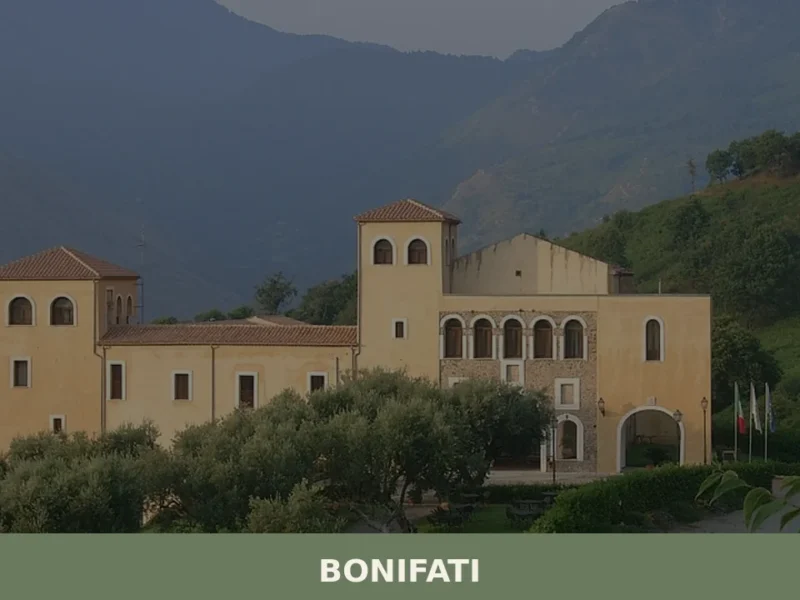
The village of Bonifati, located in the Cosenza hinterland but with a view towards the Tyrrhenian Sea, has historical roots deeply embedded in a past of fortifications and coastal defense. Already in the Middle Ages, this settlement stood out for its strategic position, an element that shaped its urban layout and identity. In this article […]
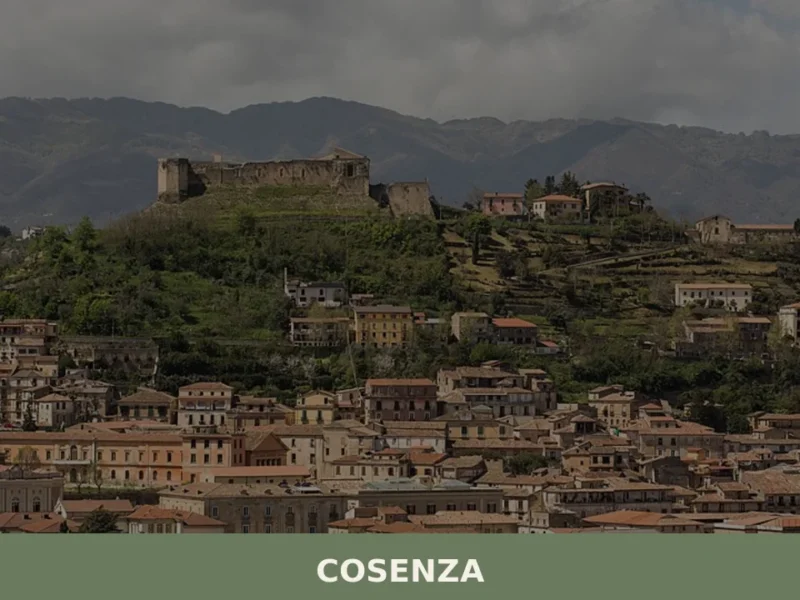
Cosenza
Hills
Cosenza rose from an 8th-century italico village to lead the Bruzi confederation. Today it balances a medieval hilltop centro storico with a modern riverbank expansion.
Anoia
 Plains
What to see in Anoia? Explore the 5 main attractions of this Calabrian village. The complete guide awaits to help plan your visit. Learn more!
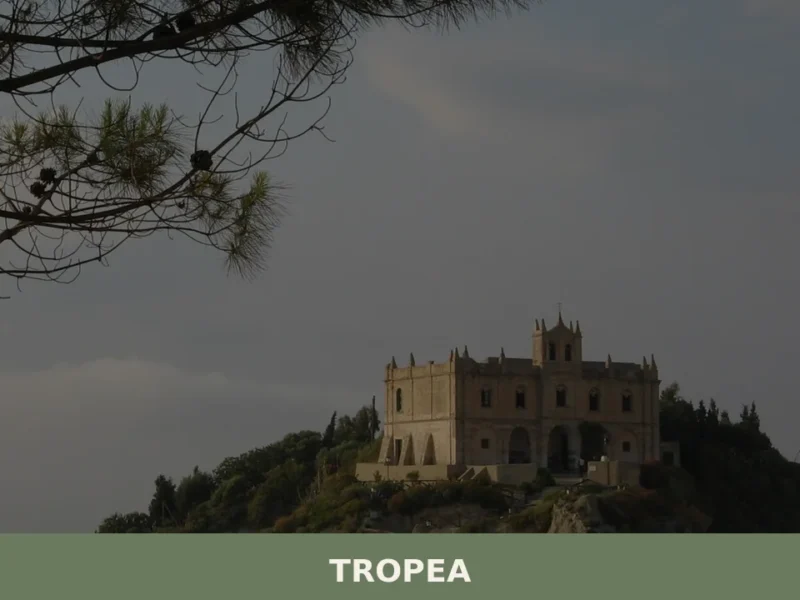
Tropea
Sea
What to see in Tropea, Calabria, Italy: explore 5 top attractions, the famous red onion, sandy beaches on the Tyrrhenian Sea. Discover how to get there.
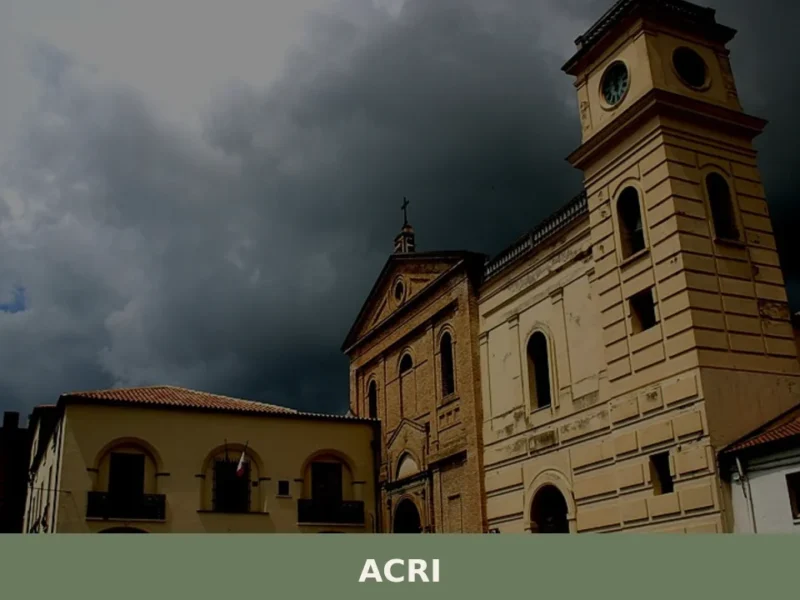
Acri
 Mountain
Acri is a town in the province of Cosenza with over 21,000 inhabitants, located in the Calabrian interior of the Sila Greca area, on a territory that passed through Norman, Swabian and Aragonese rule, leaving concrete traces in the local architecture and culture. For anyone approaching this corner of the province of Cosenza, the question […]
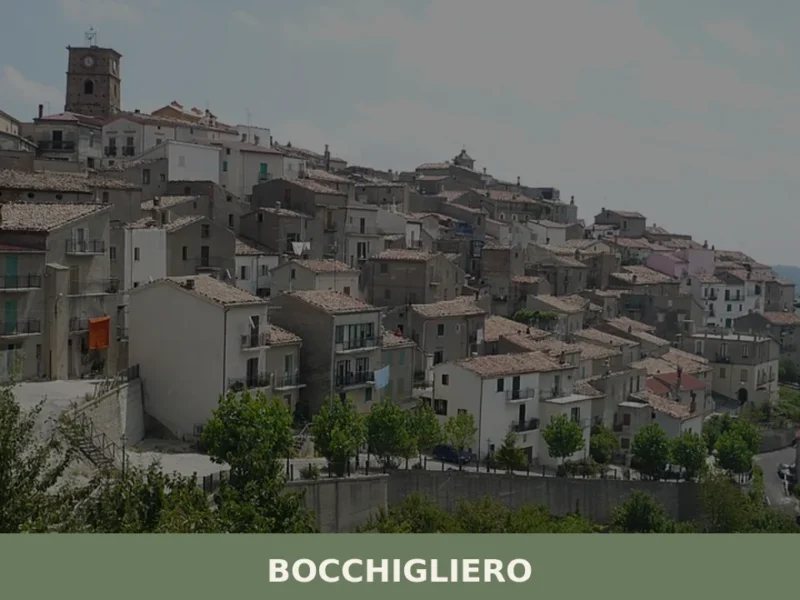
Bocchigliero
Mountain
What to see in Bocchigliero: a mountain village at 870m in Cosenza. Discover the Mother Church and the Baronial Palace ruins.
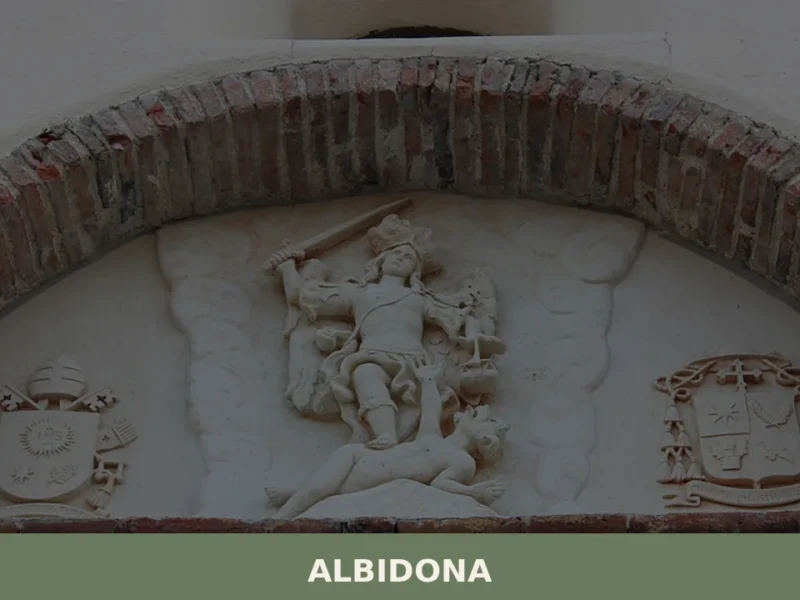
Albidona
Sea
Albidona has 1,142 inhabitants and sits at 810 metres above sea level on the eastern slope of the Pollino massif, in the province of Cosenza. The old town preserves an urban layout arranged in parallel bands, developed along the ridge that separates the Saraceno stream valley from the Caldanello valley. Asking what to see in […]
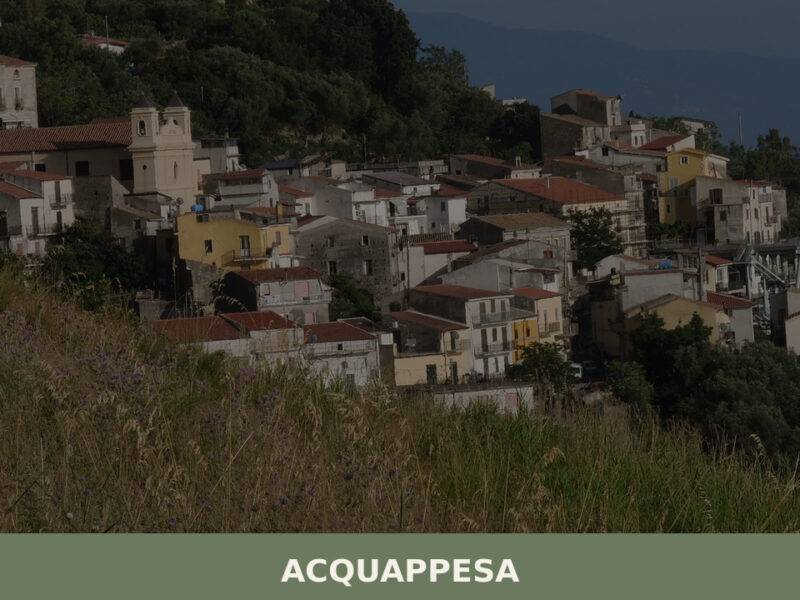
Acquappesa
Sea
A Calabrian hill village of 1,737 inhabitants defined by its sulphurous thermal springs, Tyrrhenian coastline, and quiet stone lanes in the province of Cosenza.
Bianchi
Mountain
Bianchi is home to 1,358 residents spread across a hilly area in the province of Cosenza, at roughly 500 metres above sea level along the middle valley of the Savuto river. Anyone looking into what to see in Bianchi will find a medieval urban core, a mother church documented since the 16th century, and a […]
Catanzaro
Sea
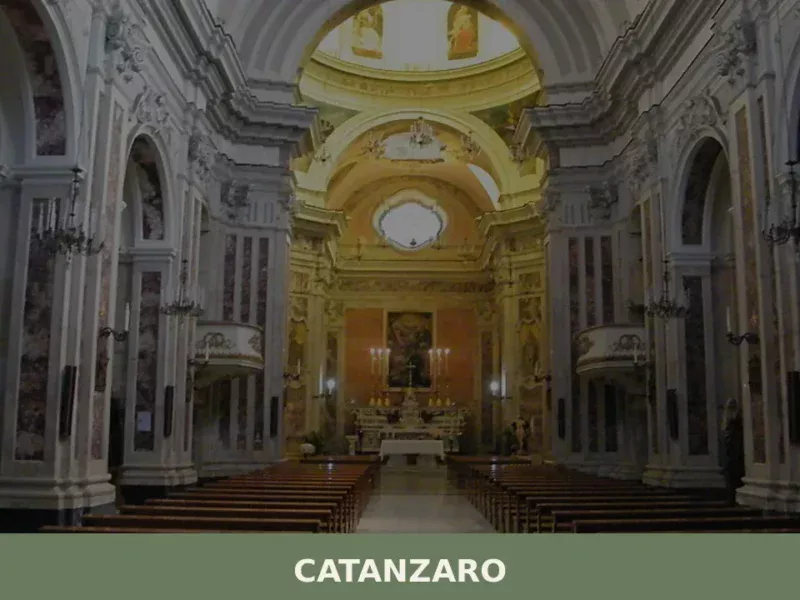
What to see in Catanzaro: from historic churches to the Morandi Bridge, discover the 5 top attractions. A complete guide to visiting the Calabrian capital.


🏡 Know Amaroni better than we do?
If you’re a local or have been there, your knowledge matters: add what’s missing or fix a detail on this page.