



Albuzzano is a Lombard comune of about 3,650 people near Pavia, shaped by centuries of feudal history and the gradual union of several smaller neighbouring settlements.
Discover Albuzzano
Albuzzano is a comune of roughly 3652 inhabitants in the province of Pavia, Lombardia, sitting on the Lombard plain at about 76 metres above sea level and covering some 15.26 square kilometres to the east of the city of Pavia, along the right bank of the Olona river. Its present-day territory is the result of successive incorporations: the small communes of Alperolo and Torre d’Astari were absorbed during the eighteenth century, followed in 1872 by Barona and Vigalfo, each of which had carried its own medieval history before joining the municipality.
Albuzzano village in Lombardy: history and feudal heritage
Albuzzano, recorded as early as the twelfth century under the name Albuciano, spent much of its history within the feudal structures of Pavia, passing through monastic, aristocratic and princely hands before losing its independent status when several neighbouring settlements merged with it in the nineteenth century. Its earliest documented lords were the monks of the monastery of San Salvatore in Pavia, who held the territory during the early medieval period. In the fourteenth century control shifted to the Beccaria, a prominent Pavese family, and in 1431 the commune was granted to the Barbiano family as part of what became the Contea and later Principato di Belgioioso — a feudal arrangement that endured until the abolition of feudalism in 1797.
During the eighteenth century the territory of Albuzzano expanded when the small neighbouring communes of Alperolo and Torre d’Astari were incorporated into it. A further and more significant enlargement came in 1872, when the communes of Barona and Vigalfo were united with Albuzzano. Both had followed a closely parallel history: Barona, known since the twelfth century and called Cassina Montis Baroni by the fifteenth, had belonged to the Campagna Sottana of Pavia and had itself absorbed the commune of Cassina de Mensi in the eighteenth century; Vigalfo, likewise documented from the twelfth century, had shared the same feudal trajectory under the Barbiano within the Belgioioso lordship.
Castles and Merged Villages: the Built Fabric of Albuzzano
Albuzzano’s principal built landmark is the Castello di Vigalfo, a castle associated with the former independent commune of Vigalfo, which was absorbed into Albuzzano in 1872.
Castello di Vigalfo
Vigalfo, documented since the twelfth century, spent several centuries within the feudal orbit of the Barbiano family as part of the Belgioioso domain. The castle that bears the village’s name stands as a remnant of that long feudal history. Beyond its name and its association with this medieval and early modern settlement, the available record does not extend to details of its architecture or decoration.
Albuzzano and Its Territory: Certified Products from the Pavese Table
The area around Albuzzano draws on a well-stocked larder of certified products rooted in the broader Pavia province and the Po plain: Grana Padano DOP and Gorgonzola DOP anchor the dairy tradition, while Quartirolo Lombardo DOP adds a softer, fresher note from the Lombard lowlands. Among the cured meats, Coppa Piacentina DOP and Mortadella Bologna IGP represent the wider Padane salumeria that reaches this corner of the Pavese, alongside Cotechino Modena IGP for the colder months.
On the wine side, the territory looks towards the Oltrepò Pavese, whose appellations supply a varied selection: Oltrepò Pavese Metodo Classico DOCG leads the sparkling offer, while Bonarda dell’Oltrepò Pavese DOC and Buttafuoco dell’Oltrepò Pavese DOC represent the red character of the hills to the south. Oltrepò Pavese Pinot Grigio DOC and the Oltrepò Pavese DOC round out a range that rewards exploration by any visitor passing through the Pavese. None of these products are exclusive to Albuzzano itself, but they define the flavour of the wider province that surrounds it.
Planning your visit and getting there
Albuzzano can be reached easily from the lower Val Pellice and the Turin area. The practical distances and journey times below are kept concise on purpose, so the access information stays clear and consistent.
| Departure | Distance | Time |
|---|---|---|
| Pavia | approx. 12 km | approx. 15–20 min |
| Milano | approx. 35 km | approx. 35–45 min |
| Lodi | approx. 25 km | approx. 25–30 min |
These practical reference points are enough to plan the journey without overloading the text with unstable logistics. Once on site, the village is best understood slowly, on foot and in relation to the surrounding landscape.
Frequently asked questions about Albuzzano
When is the best time to visit Albuzzano?
August is the ideal month to experience Albuzzano's patron saint celebration. The Feast of Maria SS. Assunta takes place on August 15th, featuring traditional festivities and local customs. The Lombard plain offers pleasant summer weather, though spring (April-May) and early autumn (September) provide comfortable temperatures for exploring the village and surrounding countryside without excessive heat.
How far is Albuzzano from Pavia, and how do I get there?
Albuzzano is located approximately 15 kilometres east of Pavia city centre, situated along the right bank of the Olona river. The journey by car takes roughly 20-25 minutes via local roads. Pavia railway station serves as the nearest major transport hub, with onward connections by local bus or taxi available. The A7 motorway provides convenient access to the region.
What historical sites can I visit in Albuzzano?
Albuzzano's heritage reflects centuries of feudal history. The village developed under monastic control (San Salvatore monastery from Pavia) during the early medieval period, later passing to the Beccaria family in the fourteenth century and the Barbiano family in 1431. The built environment preserves traces of this medieval past, though specific monuments' opening hours should be verified with local tourism offices for current accessibility.
Is Albuzzano suitable for cycling or walking routes?
The Lombard plain surrounding Albuzzano offers relatively flat terrain ideal for cycling. The Olona river valley provides scenic possibilities for nature walks and outdoor recreation. However, specific documented CAI (Italian Alpine Club) trails or marked cycling paths require verification with the municipality or provincial tourism authorities, as detailed route information varies seasonally.
In Lombardy More villages to discover
Bisuschio
 Hills
Hills
In Bisuschio, in the province of Varese, economic activity linked to ceramic production developed starting from the 18th century, with local kilns contributing to the manufacture of tableware and bricks for the area. This hillside village, located 370 meters above sea level, offers a view of the Prealpine landscape and nearby lakes. For those wondering […]
Adrara San Rocco
Hills
The long external staircase of the church of San Rocco rises above the Guerna river valley, its stone steps worn by five centuries of use since the building was consecrated in 1539. The valley cuts eastward from Bergamo, 25 kilometres (16 mi) away, deep into the territory of Monte Bronzone Sebino. A castle once stood […]
Acquanegra Cremonese
 Plains
Discover what to see in Acquanegra Cremonese, a rural comune of 1,159 in the Province of Cremona, Lombardia u2014 from cascine architecture to Po Valley food culture.
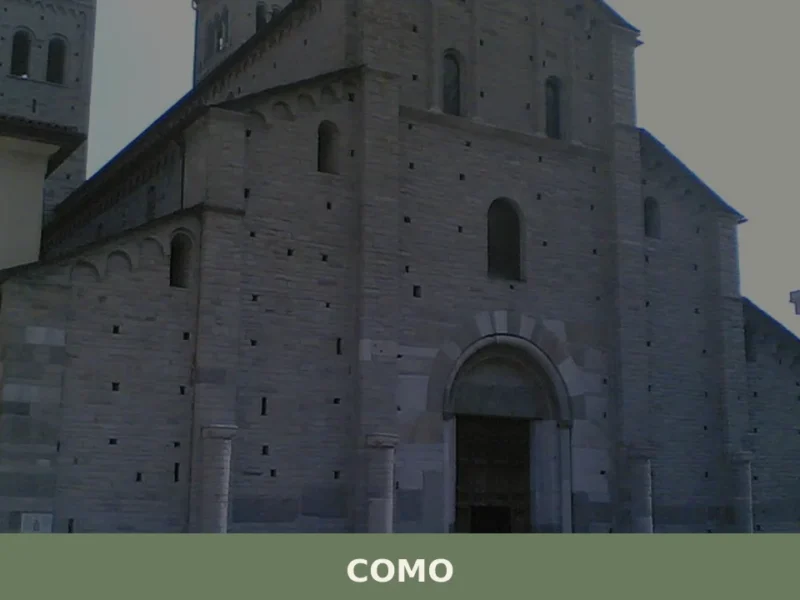
Como
Hills
 Lake
Lake
what to see in como? Explore this city of 83,184 inhabitants. Discover its historic Duomo, Lake Como's beauty, and local cuisine. Read our guide.

Caravaggio
Plains
Visit Caravaggio for its 1432 sanctuary and medieval roots. Home to the birthplace of painter Michelangelo Merisi and echoes of Visconti rule.
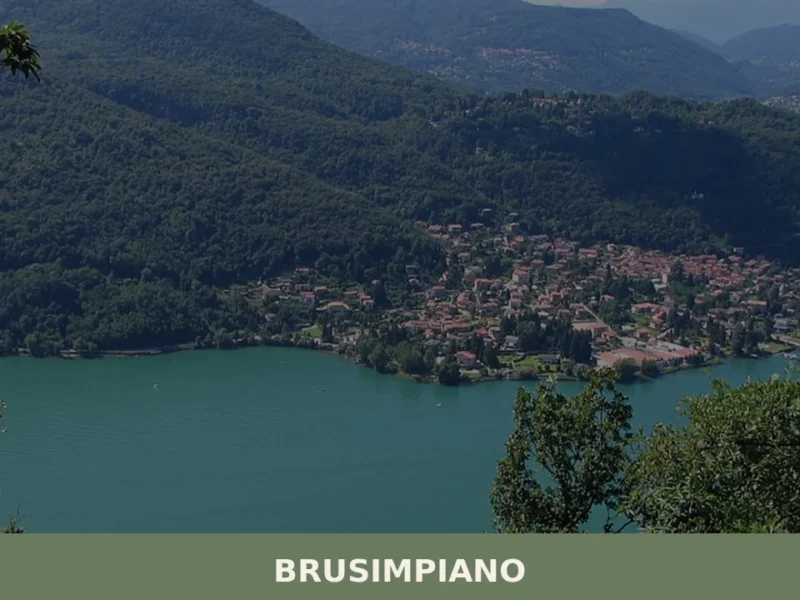
Brusimpiano
Hills
Lake
What to see in Brusimpiano: 1,229 inhabitants, 289m above Lake Lugano. Discover the Church of the Nativity, lakeside promenade and nature trails. Plan your visit now.
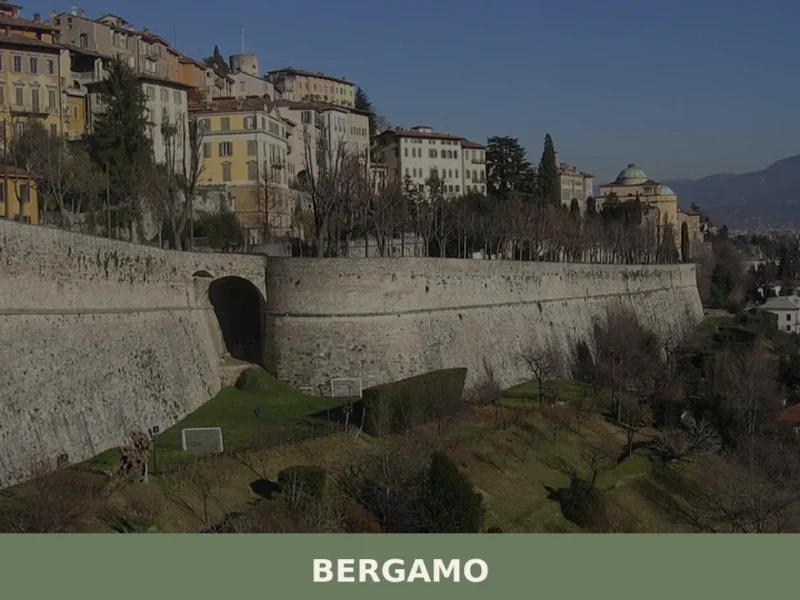
Bergamo
Hills
What to see in Bergamo? With 119,534 inhabitants, the city is famous for its Venetian Walls and Piazza Vecchia. Discover its rich history and typical dishes.
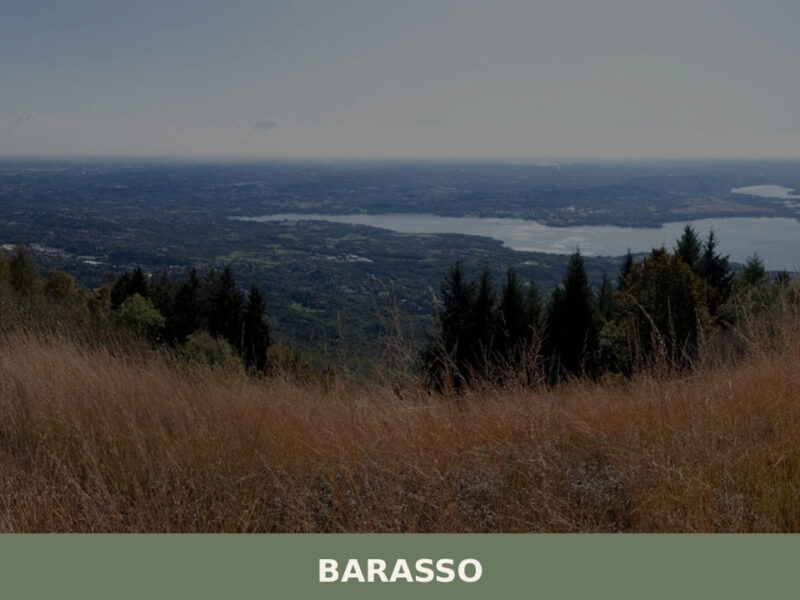
Barasso
Hills
Morning light filters through chestnut canopies along Via Roma, casting long shadows across stone walls that have absorbed centuries of Lombard weather. A church bell marks the hour — unhurried, familiar, absorbed by the surrounding green hills above Varese. Barasso, home to roughly 1,710 inhabitants, occupies a quiet slope in the Varesotto prealpine belt, a […]
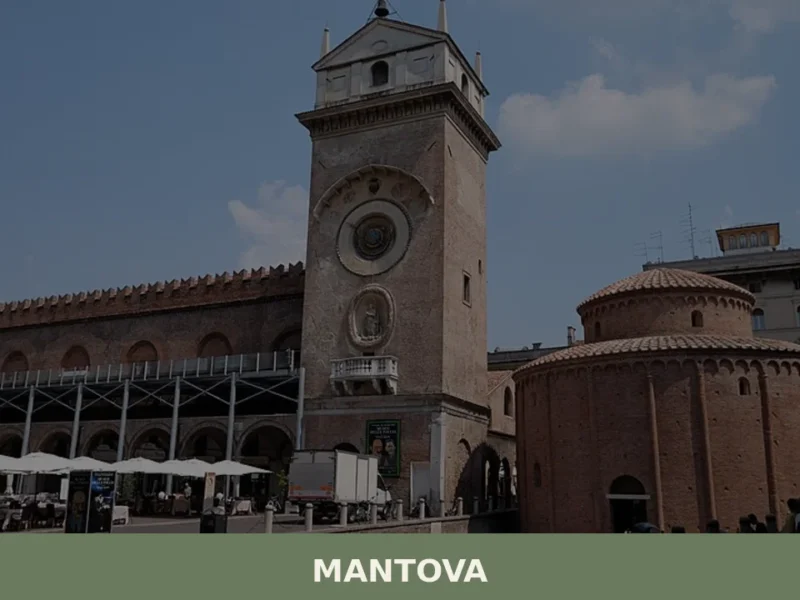
Mantova
Plains
what to see in mantova. A UNESCO heritage village with 48,653 inhabitants. Explore Palazzo Ducale and taste the famous Pumpkin Tortelli.
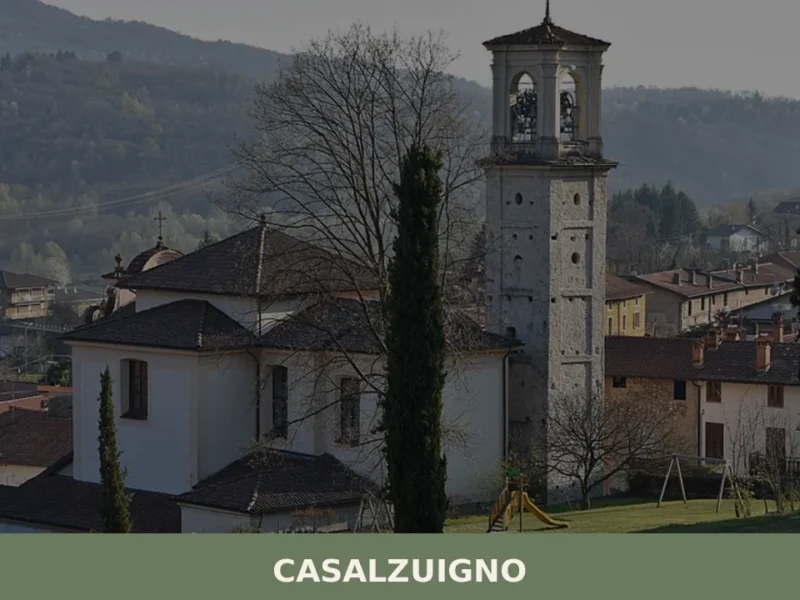
Casalzuigno
Hills
Cosa vedere a Casalzuigno: borgo a 350m nel Varesotto con Villa della Porta Bozzolo (FAI), chiesa di San Vittore e Parco Campo dei Fiori. Guida completa.




🏡 Know Albuzzano better than we do?
If you’re a local or have been there, your knowledge matters: add what’s missing or fix a detail on this page.