


Caravaggio
 Plains
Visit Caravaggio for its 1432 sanctuary and medieval roots. Home to the birthplace of painter Michelangelo Merisi and echoes of Visconti rule.
Caravaggio: Pilgrimage, Renaissance Masters and the Pianura Padana
Stretched across the flat western Bergamo plain, Caravaggio rises quietly from the Pianura Padana landscape—a town of 16,443 souls where water runs constantly through natural springs and the horizon extends unbroken. At 111 metres above sea level, the land here is almost featureless; the buildings speak louder than the topography.
The name Caravaggio carries two distinct weights. The first is spiritual: in 1432, an apparition of Santa Maria del Fonte drew pilgrims to a rural spot two kilometres south-west of the town centre, and they have come ever since. The second is artistic: the parents of Michelangelo Merisi, the revolutionary painter known to the world as Caravaggio, came from this place—a fact that binds a provincial Bergamasque town to the upheaval of Seicento art and the fracture between late Mannerism and the Baroque.
A Medieval Comune on the Border of Power
The name appears first in a document of 962, emerging from what may have been a Lombard settlement rather than a Roman one. By 1182, Caravaggio was already organised as a comune—the oldest in the Gera d’Adda valley, a territory that would become the contested ground between Milan and Venice for centuries.
In 1186, the Emperor Barbarossa granted nearly all of the Gera d’Adda, including Caravaggio, to the authority of Milan. What followed was a rhythm of occupation and counter-occupation. The town was seized by imperial forces in 1237 after the Battle of Cortenuova; then absorbed into Visconti rule from 1335 onward. Francesco Sforza took it in the early 15th century, lost it, and reclaimed it again in 1448, defeating rival condottiero Bartolomeo Colleoni. By the mid-16th century, wars had given way to plague. In 1629, the Lanzichenecchi army descended upon the town, unleashing both sack and pestilence; the population fell by a third, with over 3,600 recorded deaths.
“The population was reduced by a third: it is estimated that more than 3,600 people of Caravaggio died from the disease.”
Austrian rule replaced Spanish dominion in 1707. Napoleon’s forces occupied the valley in 1796. By the late 19th century, when the risorgimento had settled into the new Italy, Caravaggio had grown to nine thousand inhabitants. Modern sanitation and the mechanisation of agriculture had banished malaria. The town was formally recognised as a comune in 1954 and granted the title of city on 22 December 1954 by President Luigi Einaudi.
In November 2020, excavations beneath a local oratory uncovered medieval town walls—physical proof of fortifications long buried beneath later construction.
Places of Devotion and Art
The Sanctuary of Santa Maria del Fonte
Two kilometres south-west of the town centre stands the Sanctuary of Caravaggio, a monumental building raised from 1432 onward. According to tradition, a young peasant woman named Giannetta de’ Vacchi witnessed an apparition of the Virgin on 26 May 1432 at this spot. That vision transformed the rural field into a destination. The sanctuary itself encodes the architectural confidence of late medieval and early Renaissance ambition—built to hold crowds of pilgrims, decorated to reward their devotion. Since its foundation, it has drawn worshippers from across the Lombardy and beyond.
Church of Saints Fermo and Rustico
The main parish church of Caravaggio occupies the centre of town and speaks in the language of Lombard Gothic. Built in the 13th century—likely over an earlier sacred structure—the church carries the weight of continuity. A marble portal marks the entrance, surmounted by a ten-rayed rose window. The uneven terracotta facade and several unopened windows suggest repeated modifications over centuries. What draws attention most forcefully is the campanile that rises beside it: 76 metres high, built in 1500 at the direction of governor Giovanni Dandolo, this bell tower commands views across the flat plain and serves as the visual anchor of the town.
Monastery and Church of San Bernardino
The monastic complex dedicated to San Bernardino da Siena comprises a church and the attached convent of Santa Maria degli Angeli. The monastery was consecrated in 1489, erected shortly after the death of Bernardino himself (1444) and his canonisation by Pope Nicolò V in 1450. The buildings represent the devotional wealth of the late 15th century, when such Franciscan foundations expressed both spiritual aspiration and civic identity. The complex survives as a testimony to that piety and its architectural expression.
Church and Cemetery of Sant’Eusebio
East of the town centre, in the direction of the Masano hamlet and the neighbouring comune of Bariano, stands the neoclassical-faced cemetery chapel. Architect Carlo Ranzanico designed its imposing facade, while artists Enrico Scuri and Giovanni Moriggia contributed frescoes inside. Beneath the colonnaded portico lie the tombs of notable local figures, among them Luigi Cavenaghi, a painter renowned for the restoration of Leonardo’s Last Supper—his remains rest here beneath a sculptured monument. The cemetery holds multiple works of sculptural art and remains a repository of 19th and 20th-century craftsmanship.
Church of Santa Elisabetta
In the historic centre, metres from the parish church, stands the smaller church of Santa Elisabetta, dating to the 17th century. Beside it rise a campanile of the same era and a building that once housed the convent of the Augustinian nuns. The presence of these sisters in Caravaggio is documented from 1480 onward, making this one of the town’s long-standing female religious communities. The modest scale and intimate setting of this church contrast with the grandeur of the main parish.
Flavours of the Pianura Padana
Caravaggio sits within the Bergamo province, which shares in the rich dairy and charcuterie heritage of Lombardy. The flat agricultural land surrounding the town sustains production of protected cheeses and cured meats—among them Grana Padano and Taleggio, names known across Italy. The countryside that once suffered from malarial swamps now yields grain and supports cattle herds that supply the cheesemaking valleys to the north.
Local food traditions reflect the seasonal rhythm of the plain: risotto appears in autumn and winter menus, alongside thick soups built on beans and vegetables. The removal of the vast rice paddies in the 20th century transformed the landscape and the diet alike. Pilgrims to the sanctuary and visitors exploring the medieval streets find themselves in a territory where food is tied to the land—butter, cheese, and the slow-cooked dishes that sustained agricultural communities for centuries.
How to Visit Caravaggio
Caravaggio lies in the western Bergamo plain, roughly 30 kilometres south-west of Bergamo city and 25 kilometres north of Cremona. The town sits on the Gera d’Adda river system and is accessible by car via the provincial roads that connect the Pianura Padana towns. Public transport links Caravaggio to Bergamo and Milan via regional trains and buses; check schedules with local transit authorities. The flat topography means the town is also walkable and suits bicycle exploration. Autumn and spring offer the most comfortable weather; winters bring frost and occasional snow, while summers can be hot and humid on the plain.
| Departure | Distance | Approximate Time |
|---|---|---|
| Bergamo city centre | 30 km south-west | 35–50 minutes by car or regional train |
| Milan (Centrale) | 52 km south | 60–90 minutes by regional train |
| Cremona | 25 km north | 30–40 minutes by car or train |
| Treviglio (nearby comune) | 8 km north-east | 12–18 minutes by car |
The feast day of the patron saints Fermo and Rustico falls on 9 August, when the town marks its spiritual identity with processions and gathering. Pilgrims arrive year-round at the sanctuary; the months of May (anniversary of the 1432 apparition) and late summer see heightened devotional traffic. If you plan to stay, modest family-run hotels and guest accommodations operate in the town centre and on its outskirts. The sanctuary itself hosts pilgrimage facilities and visitor information.
Caravaggio also lies along the Cammino di Sant’Agostino, a long-distance walking route—a reason to arrive on foot, joining centuries of pilgrims who approached the sanctuary as an act of spiritual discipline. The plain’s emptiness, which might seem monotonous by Alpine standards, reveals its own beauty: uninterrupted horizons, sudden water channels, and the verticals of campaniles rising from the landscape like invitations to prayer and memory.
Frequently asked questions about Caravaggio
How do I reach Caravaggio by car from Milan?
From Milan, take the A4 motorway eastbound toward Brescia. Exit at Capriolo or Rovato, then follow regional roads toward Bergamo province. Caravaggio lies approximately 50 kilometres east of Milan, roughly one hour's drive. The village sits on the flat Bergamo plain, easily accessible via SP11 provincial roads. Ample parking is available near the Sanctuary and town centre.
What is the nearest train station to Caravaggio?
The closest major railway station is Bergamo, served by frequent regional and intercity trains from Milan (approximately 50 minutes), Brescia, and other northern Italian cities. From Bergamo station, local buses or car rental provide onward connections to Caravaggio, situated roughly 25 kilometres south. A taxi journey takes approximately 30 minutes.
When is the feast day of the patron saints Fermo and Rustico celebrated?
The patron saints, Fermo and Rustico, are traditionally honoured on August 9th. This date typically marks local celebrations and religious observances throughout Caravaggio. Visitors interested in experiencing traditional festivities, processions, and community gatherings should plan their visit around this date, though exact event schedules vary annually and should be confirmed with local tourism offices.
What is the best season to visit Caravaggio?
Spring (April–May) and autumn (September–October) offer ideal conditions. Summers can be warm and humid on the Lombard plain, while winters bring frequent fog and dampness. However, the Sanctuary operates year-round, making Caravaggio accessible in any season. Spring provides pleasant weather for exploring the surrounding plain and countryside. Autumn combines comfortable temperatures with fewer crowds than summer months.
How long should I plan to spend visiting Caravaggio?
A full day visit allows time to explore the Sanctuary, visit the town centre, and appreciate local heritage. The monumental sanctuary typically requires 1–2 hours for thorough viewing. Additional time for local museums, restaurants serving Lombard cuisine, or walking the surrounding plain can extend your stay. Many visitors combine Caravaggio with nearby Bergamo or other Lombardy destinations in a regional tour.
📷 Photo Gallery — Caravaggio


In Lombardy More villages to discover
Sondrio
 Hills
Hills
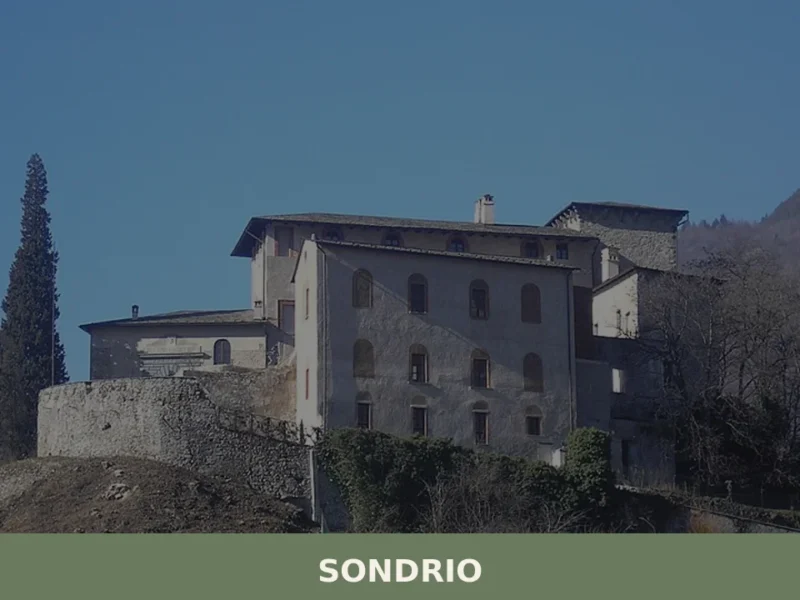
What to see in Sondrio? Located at 298m altitude, discover Castello Masegra and the Collegiata dei Santi Gervasio e Protasio. Explore this Valtellina capital.

Melegnano
Plains
A town of 18,000 residents where the Lambro River winds through a Renaissance military landscape. Melegnano's famous 1515 and 1859 battles shaped Italian and European history.
Limone sul Garda
 Lake
Plains
Lake
Plains
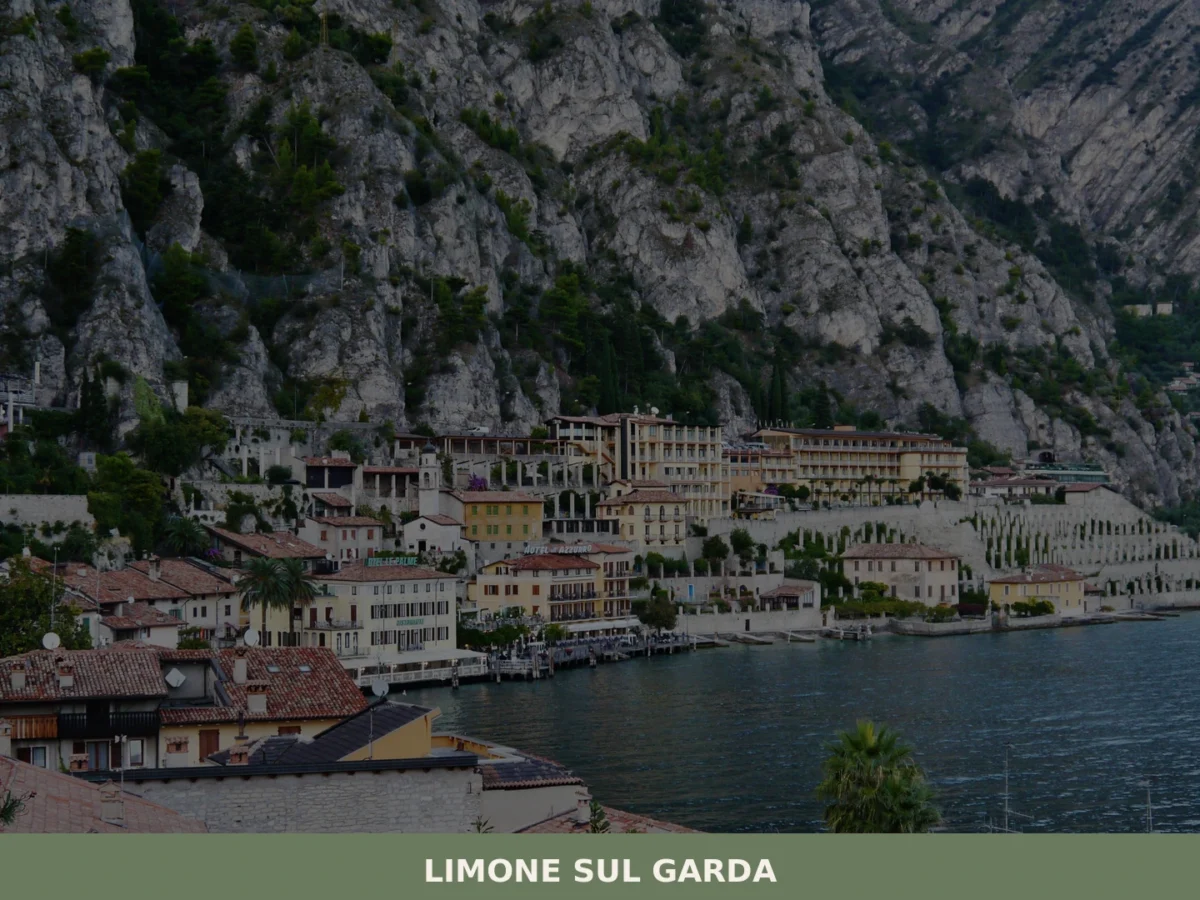
What to see in Limone sul Garda, Italy. Discover Lake Garda's terraced lemon groves and the village where 17th-century genetics shaped longevity. Explore unique history and culture.
Abbadia Lariana
Lake
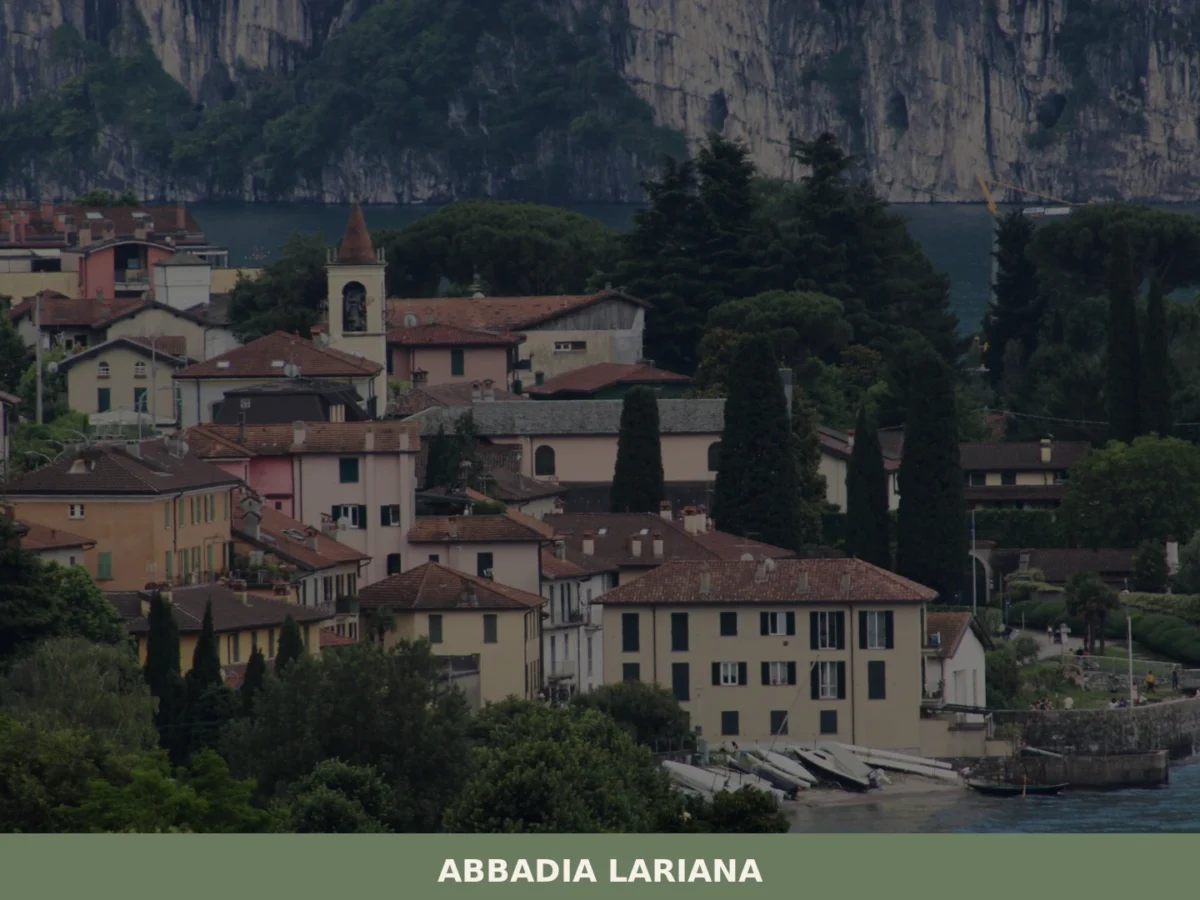
Discover what to see in Abbadia Lariana, a lakeside village on Lake Como in Lecco province. History, attractions, food, travel tips and how to get there.
Cadegliano-Viconago
Hills
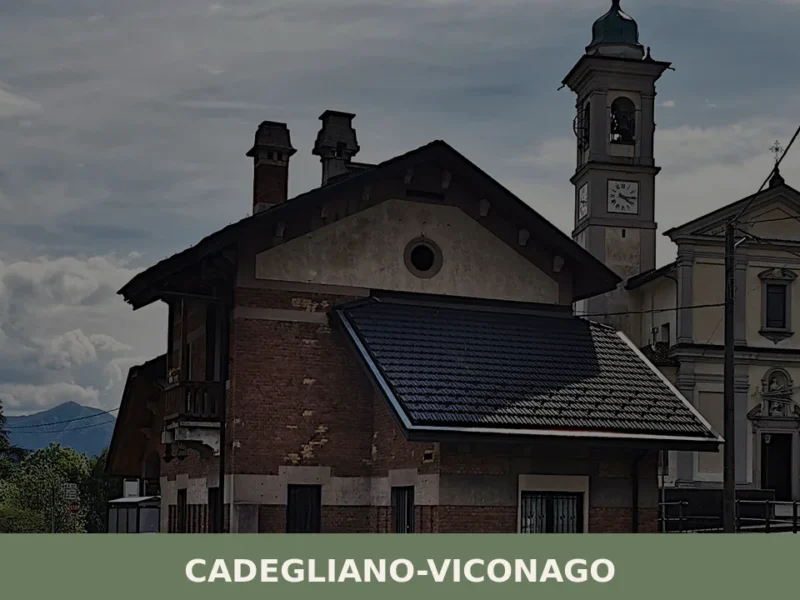
What to see in Cadegliano-Viconago: hilltop village at 414m, 2,155 residents. Two historic centres, chestnut woodland, views over Lake Lugano. Plan your visit with this complete guide.
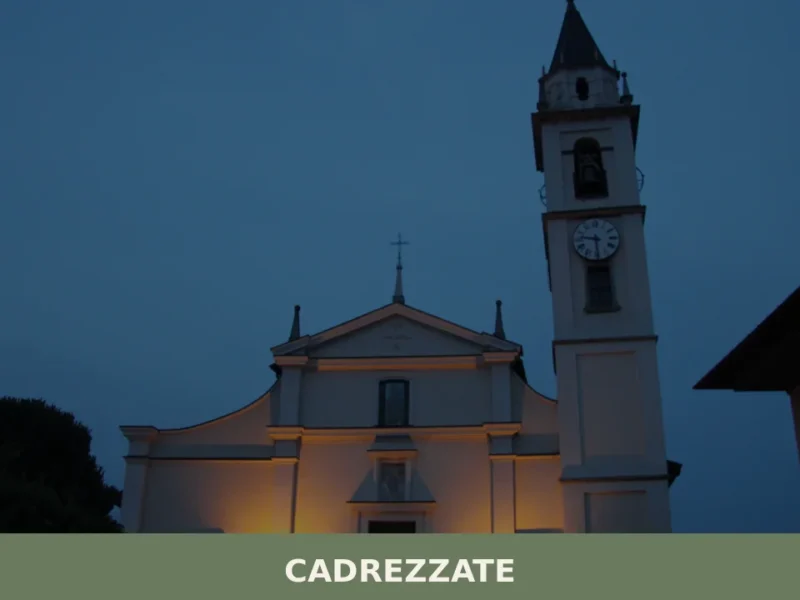
Cadrezzate
Hills
Lake
Cosa vedere a Cadrezzate: borgo a 281m sul Lago di Monate, 1.854 abitanti. Lago limpido, chiesa patronale, sentieri collinari e cucina varesina. Guida completa.
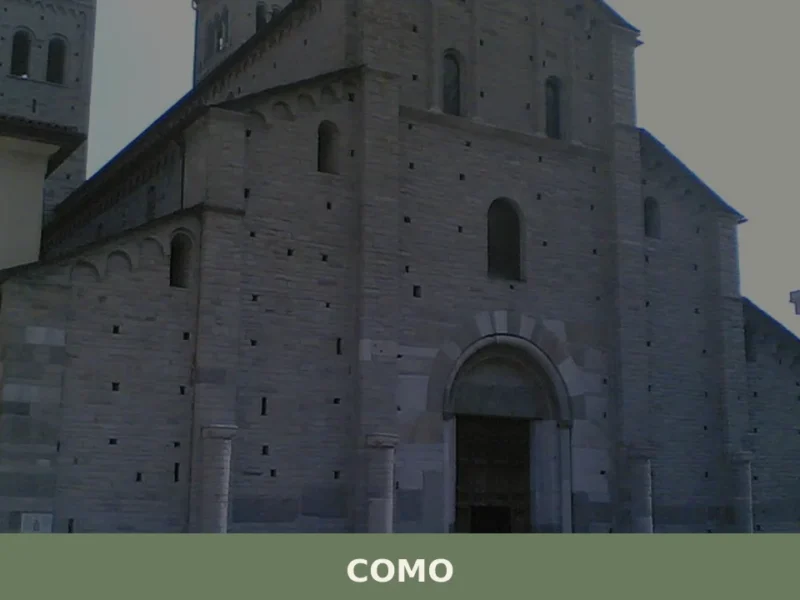
Como
Hills
Lake
what to see in como? Explore this city of 83,184 inhabitants. Discover its historic Duomo, Lake Como's beauty, and local cuisine. Read our guide.
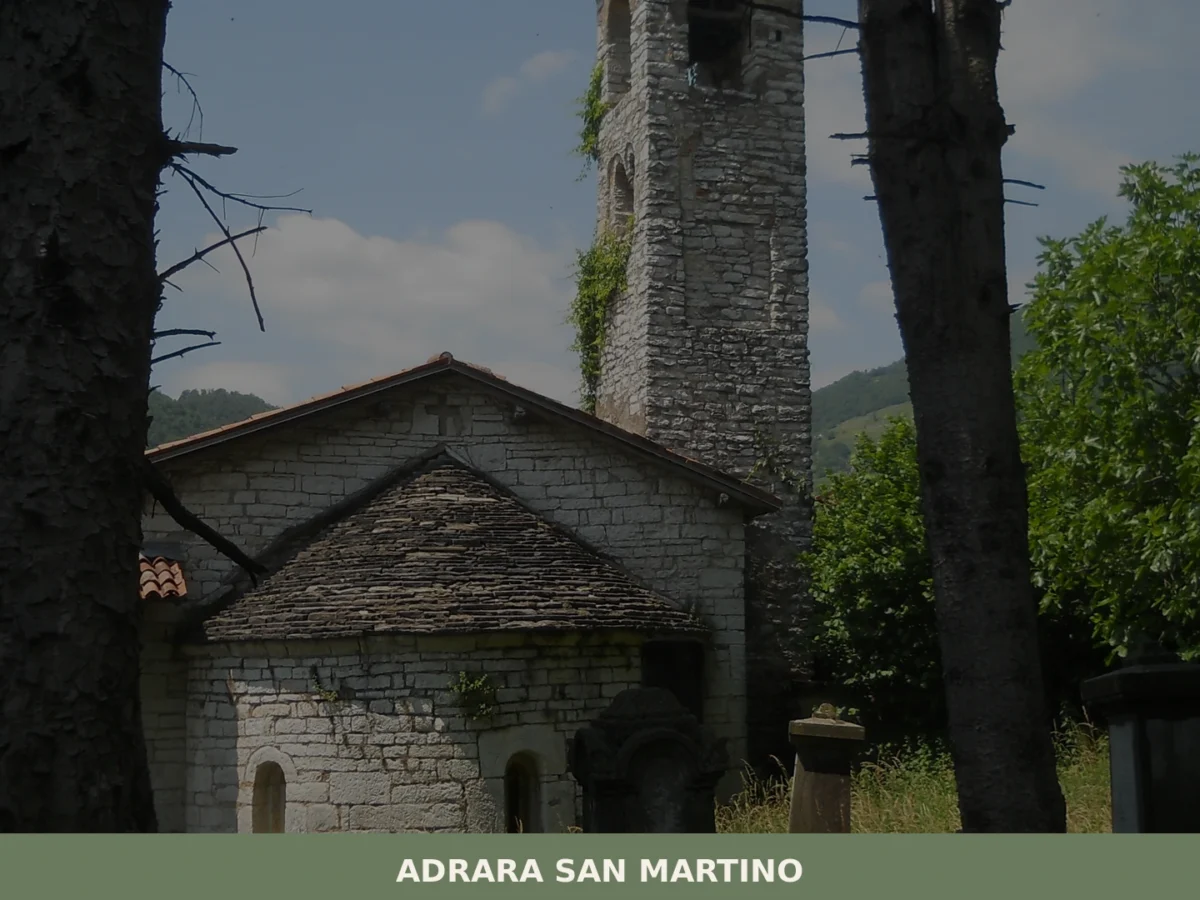
Adrara San Martino
Hills
What to see in Adrara San Martino? Discover the 5 must-see attractions of this Lombard village. The complete guide for your visit. Plan your trip!
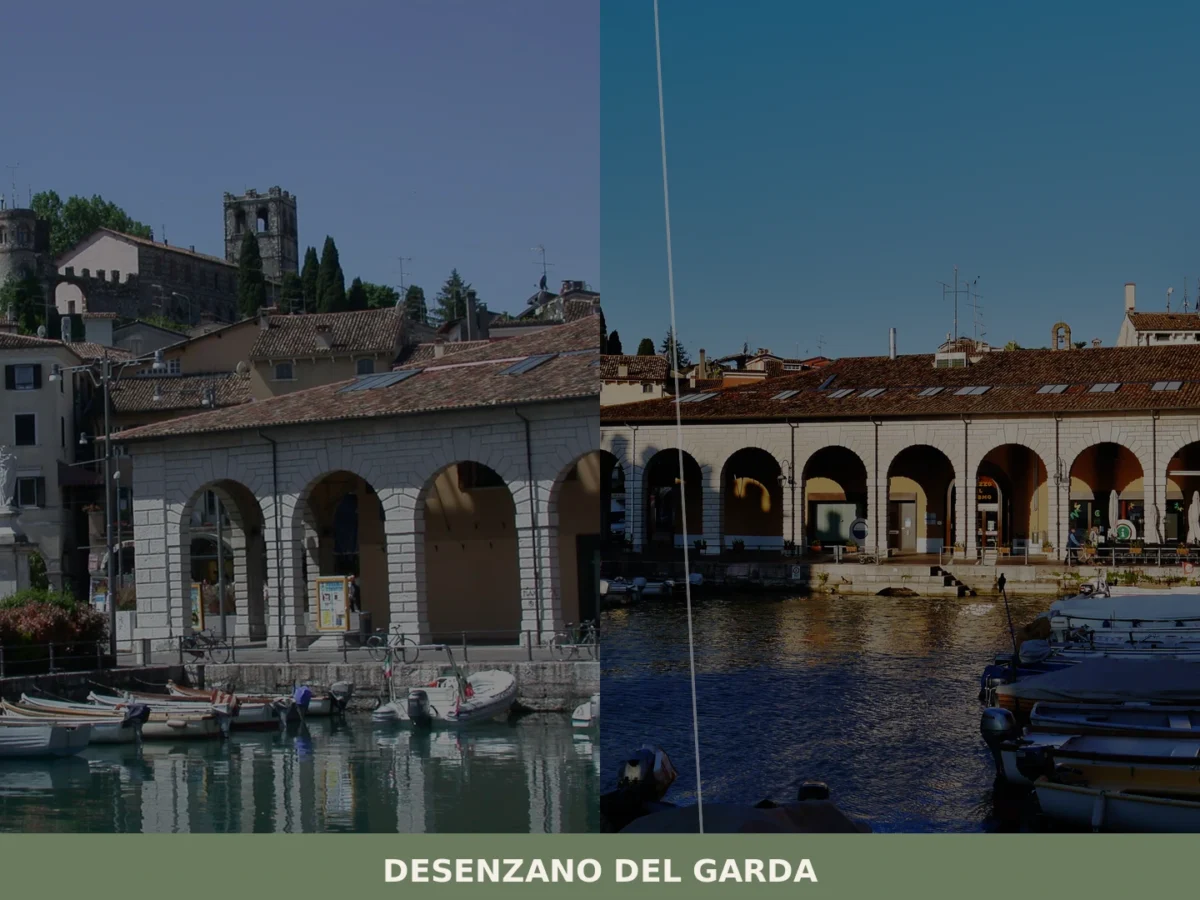
Desenzano del Garda
Lake
Plains
what to see in desenzano del garda in Italy. Explore Desenzano del Garda, Lombardia, Italy, at 67 m a.s.l., from its Roman Villa to the Old Port. Discover its history and attractions.
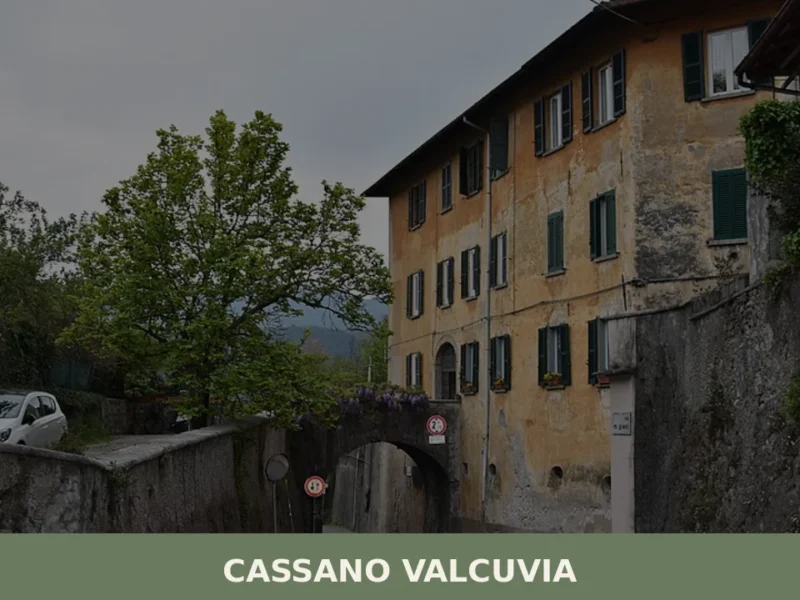
Cassano Valcuvia
Hills
What to see in Cassano Valcuvia: discover this village of 660 inhabitants amidst history and nature. Explore its historic center and hillside trails.
🏡 Know Caravaggio better than we do?
If you’re a local or have been there, your knowledge matters: add what’s missing or fix a detail on this page.