



Alfianello is a 2,304-inhabitant comune in the province of Brescia, set on the Lombard plain beside the river Oglio, with a history stretching from Bronze Age pile-dwellings to a record-breaking meteo
Discover Alfianello
Alfianello is a comune of roughly 2304 inhabitants in the province of Brescia, Lombardia, sitting on the flat Po plain at an altitude of 48 metres above sea level, where the river Oglio marks the edge of its 13.64 square kilometres of territory. Its long record of human presence — from Bronze Age pile-dwellers to Cenomanic Celts, from Roman colonisers to Lombard lords and Cluniac monks — has left the town with a layered identity that reaches well beyond its modest size, including the distinction of being the site where, in 1883, the largest meteorite ever catalogued in Italy came to ground, weighing close to two hundred kilograms.
Alfianello village in Lombardy rewards the curious traveller with an unhurried pace, a tradition of pork-curing that traces its roots back millennia, a handful of churches spanning four centuries, and the quiet pride of a community that, as recently as 1 July 2024, had an asteroid named in its honour — 20048 Alfianello — a celestial acknowledgement as unexpected as the bolide that first put the village on the scientific map.
Alfianello village in Lombardy: history from the Bronze Age to the modern era
Alfianello’s history stretches back to the Bronze Age, when the first settled community took root along the river Oglio, leaving behind traces of a pile-dwelling site connected to the so-called Remedello culture, along with archaeological finds — a rudimentary plough, pottery, vessels bearing Etruscan inscriptions, and everyday tools — now preserved at the Museo di Manerbio. The site was later inhabited by Cenomanic Celts before being absorbed into the Roman world during the centuriation of the Po plain following the conquest of Gaul, a reorganisation traditionally attributed to the jurist Alfeno Varo, of Cremonese origin. The Romans relocated the settlement away from the riverbank onto a slight rise, and its layout — still partially legible today — echoes the near-rectangular plan of a Roman military camp, with a higher zone that served as a castrum and corresponds to what is now the castle area.
After the fall of the Western Empire the territory passed under Lombard control, with administrative centres at Brescia and Leno. Around the tenth century, the Corte d’Alfiano came under the authority of the monastery of San Salvatore – Santa Giulia in Brescia, documented by a deed of donation in which the widow of a Lombard official conveyed the borough of Alfiano and surrounding lands to that monastery. The arrival of monastic communities, including a notable Cluniac presence — Alfianello is counted among the so-called “Cluniac villages” — brought land reclamation: marshy waters were channelled into two main drainage courses, and agriculture, alongside intensive pig farming, was revived. From the Renaissance through to the nineteenth century, noble families maintained rural residences in the village with adjoining livestock operations, a continuity that gave rise to a centuries-old tradition of pork processing and to the registered product known as salame di Alfianello.
A singular event placed Alfianello in the annals of science: in 1883 a meteorite — classified as a bolide and weighing close to two hundred kilograms — fell on the village’s land, becoming the largest such object ever catalogued in Italy. The news drew wide attention from the scientific community of the time, and fragments of the meteorite are today displayed in major museums around the world. More recently, on 1 July 2024, an asteroid was formally named 20048 Alfianello in honour of the commune. The village also gave birth to Ludovico Pavoni, a priest of the local Pavoni family celebrated as a pioneering educator of young people and recognised as a forerunner of Saint John Bosco; he was later beatified by the Church.
Churches, a Fortified Tower, and a Sanctuary: Alfianello’s Built Heritage
Alfianello preserves five named sites of architectural and religious interest: four churches spanning the fifteenth to the nineteenth century, and a fortified tower.
Church of Santi Ippolito e Cassiano
The parish church, dedicated to the martyrs Hippolytus and Cassian, dates to the period between the seventeenth and nineteenth centuries. Verified heritage records cite four churches in Alfianello: Chiesa dei Santi Ippolito e Cassiano, Chiesa di San Giovanni, Chiesa di San Rocco, and Santuario della Beata Vergine del Gavattino.
Church of San Giovanni
This church dates to the sixteenth century. No further details on its form or contents appear in available sources.
Church of San Rocco
The oldest of the three churches, its origins are traced to the fifteenth century.
Sanctuary of the Beata Vergine del Gavattino
A Marian sanctuary whose name references the locality of Gavattino. The sources record its existence without further architectural detail.
Fortified Tower
The tower was built on the remains of what had previously served as the entrance to a castle. The underlying structure reflects a longer history of fortification on the site, connected to the elevated area of the village that the sources describe as having once functioned as a castrum.
Alfianello’s Table: Pork, Local Wines and the Legacy of a Millennium of Farming
Alfianello’s most distinctive food tradition is the Salame di Alfianello, a registered denomination rooted in a centuries-long history of pig-rearing that stretches back through the monks of San Salvatore–Santa Giulia, the Longobards, the Romans and even the Celts who first settled the Oglio riverbanks. From the Renaissance through to the nineteenth century, noble families maintained rural estates here devoted in large part to swine husbandry, and that heritage is still very much alive today.
The territory falls within a rich Lombard agricultural zone. Cheeses made in the broader Brescia area and across the Po plain include Grana Padano DOP and Gorgonzola DOP, while the province also sits within the production area of Garda DOP and Laghi Lombardi DOP oils. Among cured meats with a provincial footprint, Cotechino Modena IGP and Mortadella Bologna IGP represent the wider northern Italian tradition present at local tables.
Wine lovers will find themselves in good company: the surrounding Brescian countryside encompasses the celebrated Franciacorta DOCG sparkling wines, as well as the still-wine appellations Botticino DOC, Capriano del Colle DOC, Cellatica DOC, Curtefranca DOC and Riviera del Garda Bresciano DOC. The IGT designations Benaco Bresciano and Montenetto di Brescia round out the local viticultural picture. One curious local footnote: the family on whose land the famous 1883 meteorite fell now uses the word bolide on the labels of their dairy products — a nod to that extraordinary event woven right into the village’s food identity.
Finding Your Way to Alfianello: Seasons, Routes and Nearby Villages
Alfianello sits on the Lombard plain at 48 metres above sea level, roughly between Brescia and Cremona along the Oglio river corridor, and is accessible by car year-round — spring and early autumn offer the most pleasant conditions, with average temperatures ranging from mild to warm and the territory at its greenest before or after the summer peak of around 30 °C in July.
The village lies in the flat Po plain, making approach roads straightforward from any direction. Travellers coming from Brescia to the north-east will cover roughly 30 km, a journey of about 30–35 minutes by car along provincial roads. Nearby villages worth combining in a single day’s itinerary include Dello, just a short drive to the north, and Acquafredda, set a little closer to the Oglio. The Cammino di Santa Giulia, a long-distance walking route of 518 km, also passes through this territory, offering a slower, more immersive way to arrive for pilgrims and keen walkers.
| Departure | Distance | Time |
|---|---|---|
| Brescia | approx. 25 km | approx. 30 min |
| Dello | approx. 8 km | approx. 12 min |
| Manerbio | approx. 6 km | approx. 10 min |
| Cremona | approx. 40 km | approx. 40 min |
Rainfall is spread fairly evenly across the year (annual average around 1,007 mm), with September the wettest month at 111 mm and January the driest at 52 mm. Those wishing to avoid both summer heat and autumn rains will find May–June and late September particularly agreeable for exploring the Oglio riverside landscape and the village’s historic core on foot.
Frequently asked questions about Alfianello
When is the best time to visit Alfianello?
August is ideal, particularly around August 13th for the Feast of Saints Hippolytus and Cassian (Santi Ippolito e Cassiano), the village's patron saints. This traditional celebration brings the community together. Summer offers pleasant weather on the Po plain, though it can be warm. Late spring and early autumn provide comfortable temperatures for exploring the countryside and cycling routes typical of the Lombardian lowlands.
How do I reach Alfianello from Brescia?
Alfianello lies in the province of Brescia, approximately 30 kilometres south. By car, access via the SS343 or local roads through the Po valley. The nearest railway station is in Brescia (about 40 minutes away). Regional bus services connect the province. The village sits on the flat Lombardian plain, making driving straightforward. No motorway directly serves Alfianello; use the Brescia ring roads to access the provincial network.
What is the 1883 meteorite that made Alfianello famous?
In 1883, Italy's largest catalogued meteorite fell near Alfianello, weighing approximately 200 kilograms. This extraordinary event put the small village on the international scientific map and remains a major historical distinction. The meteorite is an important reference point in Italian meteorite records and has contributed significantly to the village's scientific heritage and local pride over centuries.
What recent honour did Alfianello receive?
On July 1, 2024, the International Astronomical Union named asteroid 20048 Alfianello in the village's honour. This celestial recognition celebrates the community and mirrors the scientific prominence the village gained from the 1883 meteorite impact. It represents an unexpected modern acknowledgement of Alfianello's place in both natural history and contemporary scientific discovery.
In Lombardy More villages to discover
Azzate
 Hills
Hills
 Lake
Lake
Azzate is a hillside comune in the province of Varese, Lombardia, at about 328 metres above sea level, shaped by centuries of noble rule and set along the Via Francisca del Lucomagno.
Cremona
 Plains
What to see in Cremona? With a population of 70,637, this city of lutherie offers the iconic Torrazzo and Violin Museum. Explore our guide.

Caravaggio
Plains
Visit Caravaggio for its 1432 sanctuary and medieval roots. Home to the birthplace of painter Michelangelo Merisi and echoes of Visconti rule.
Albuzzano
Plains
Albuzzano is a Lombard comune of about 3,650 people near Pavia, shaped by centuries of feudal history and the gradual union of several smaller neighbouring settlements.
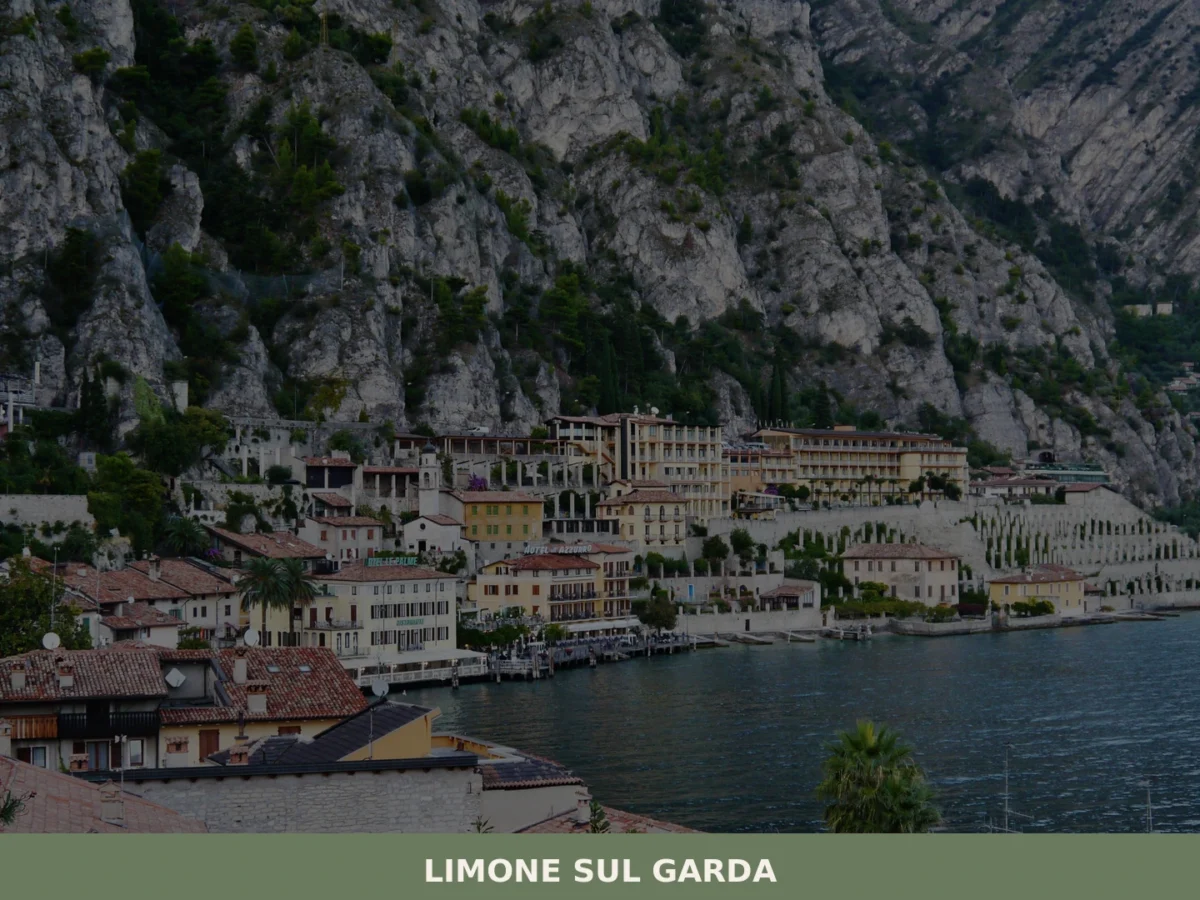
Limone sul Garda
Lake
Plains
What to see in Limone sul Garda, Italy. Discover Lake Garda's terraced lemon groves and the village where 17th-century genetics shaped longevity. Explore unique history and culture.
Acquanegra Cremonese
Plains
Discover what to see in Acquanegra Cremonese, a rural comune of 1,159 in the Province of Cremona, Lombardia u2014 from cascine architecture to Po Valley food culture.
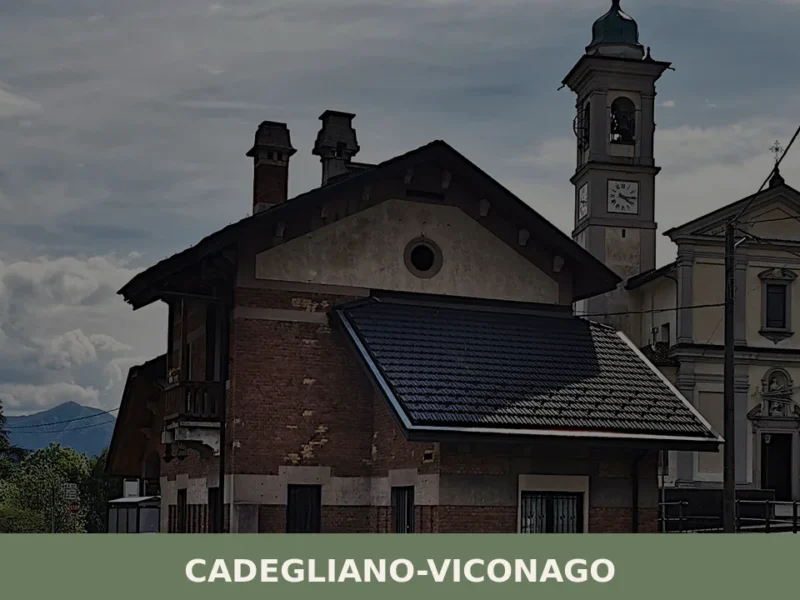
Cadegliano-Viconago
Hills
What to see in Cadegliano-Viconago: hilltop village at 414m, 2,155 residents. Two historic centres, chestnut woodland, views over Lake Lugano. Plan your visit with this complete guide.
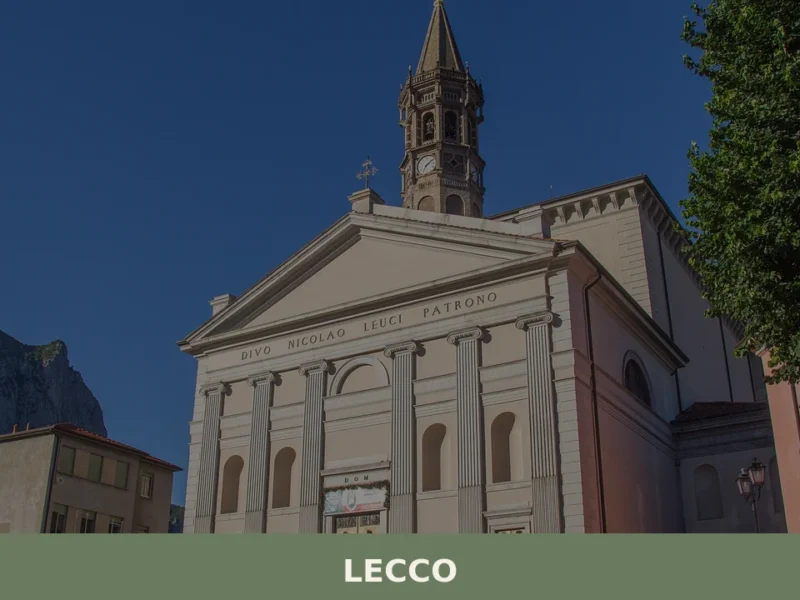
Lecco
Lake
 Mountain
what to see in lecco, Italy: Explore the 5 essential attractions of this Lombard city, from the historic Azzone Visconti Bridge to the towering Mount Resegone. Discover its 47,240 inhabitants.
Barasso
Hills
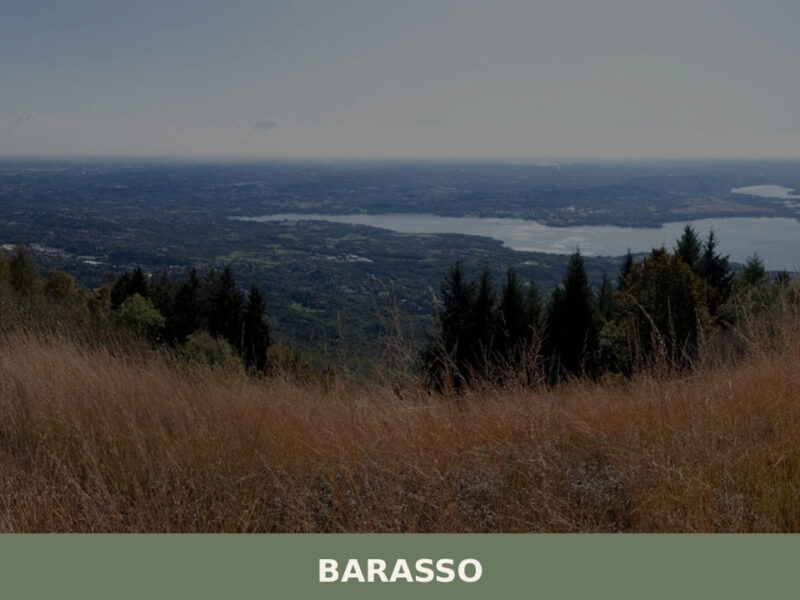
Morning light filters through chestnut canopies along Via Roma, casting long shadows across stone walls that have absorbed centuries of Lombard weather. A church bell marks the hour — unhurried, familiar, absorbed by the surrounding green hills above Varese. Barasso, home to roughly 1,710 inhabitants, occupies a quiet slope in the Varesotto prealpine belt, a […]
Mantova
Plains
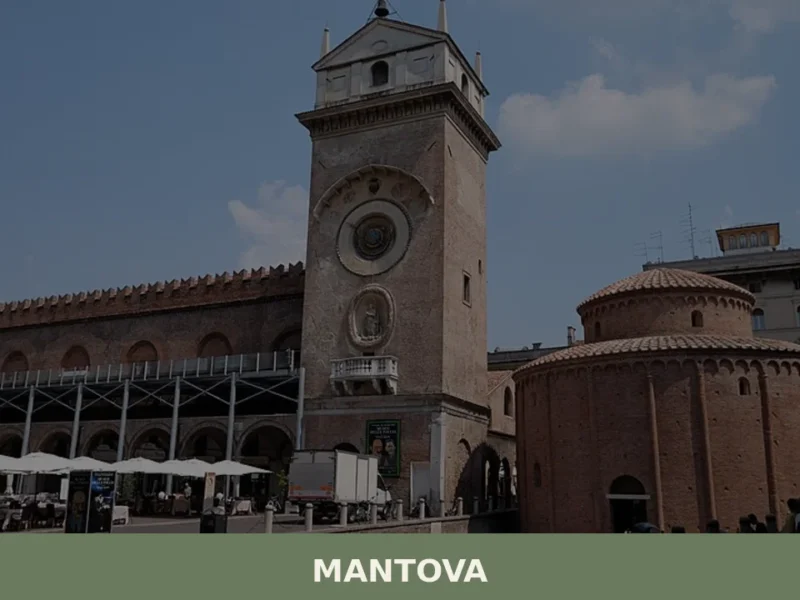
what to see in mantova. A UNESCO heritage village with 48,653 inhabitants. Explore Palazzo Ducale and taste the famous Pumpkin Tortelli.


🏡 Know Alfianello better than we do?
If you’re a local or have been there, your knowledge matters: add what’s missing or fix a detail on this page.