


Paderno Dugnano
 Plains
A metropolitan comune of nearly 48,000 residents formed from five historic settlements. Medieval chapels, noble villas and the Seveso river define its rhythm.
Paderno Dugnano: From Five Boroughs to Metropolitan City
Where the Seveso river cuts through the high Padana plain, less than 12 kilometers north of Milan’s Duomo, the landscape transforms from urban sprawl into visible traces of older settlements. Stone villas sit behind iron gates, their baroque facades and painted shutters anchoring neighborhoods that stretch back centuries. This is where five different comuni merged into one—a metropolitan municipality that retains the polycentric character of its origins in the meridional fringe of the Brianza.
Paderno Dugnano village in Lombardy is a place shaped by administrative consolidation rather than gradual organic growth. The union of Paderno Milanese, Dugnano, Incirano, Cassina Amata and Palazzolo Milanese in 1869 created an unusual urban fabric: multiple historic centers, each with its own piazza and church, clustered along waterways and ancient roads. Visitors come to trace this territorial palimpsest through its religious monuments and to walk the boundaries where villages once stood apart.
From Roman Road to Metropolitan Fusion: The Making of Paderno Dugnano
In Roman times, the via Mediolanum-Bellasium ran through the territory, connecting Milan to Bellagio. The name Paderno itself appears in medieval records, and by the 1600s, feudal families—the Calderari, the Dugnani and the Imbonati—held authority over distinct parcels of land. A first attempt at unification occurred during the Napoleonic era in 1810, but the settlement reverted to separate status when the Lombard-Venetian kingdom was established.
The definitive transformation came after Italian unification. In 1862, the hamlet of Paderno adopted the official name Paderno Milanese to avoid confusion with towns elsewhere. Seven years later, with a royal decree on 17 March 1869, Dugnano, Incirano, Cassina Amata and Palazzolo Milanese were annexed. Choosing a single name for the enlarged municipality proved contentious. Alessandro Manzoni suggested Padergnano, but the proposal gained little support. In 1880, the city council proposed Borgosole, which citizens rejected by petition. Not until 1 February 1886 did another royal decree settle the matter with the name Paderno Dugnano.
The difficulty of naming the unified town reveals how strongly each hamlet clung to its own identity. After decades of negotiation, the hyphenated form finally honored both Paderno and Dugnano equally, rather than privileging one over the other.
Sacred Monuments and the Rhythm of Faith
Oratorio della Beata Vergine del Pilastrello
Standing at the seventh milestone of the ancient Comasina road, this small oratory traces its origins to the thirteenth century. Its name likely derives from the Roman milestone (pilastrello) that once marked this spot on the Mediolanum-Bellasium route. The building’s exact construction remains uncertain, but its persistence across centuries speaks to the devotion of travellers and local farmers. In 1836, an ancient crucifix was installed inside; in 1897, the crucifix suffered grave damage. Following decades of neglect, in 1981 the crucifix was moved to the Church of Santa Maria Nascente for safekeeping. Until 1982, the building remained private property of the De Capitani d’Arzago nobles. Restoration began in 1987 with conservative techniques, attempting to recover the agricultural landscape that once surrounded it.
Chiesa di Santa Maria Nascente
The mother church of the original Paderno Milanese was rebuilt beginning in 1929 on designs submitted by the architect Alfonso Orombelli. The new structure was consecrated in 1934 by Ildefonso Schuster, the Archbishop of Milan. This twentieth-century reconstruction anchors the parish life of the historic center, replacing an earlier building that no longer met the spiritual and practical needs of a growing population. The church houses the aforementioned ancient crucifix from the Pilastrello, making it both a modern sanctuary and a repository of objects with medieval roots.
The Palaces and Gardens: Centuries of Civic Life
Villa Calderara, Origoni, De Capitani d’Arzago
This palazzo was built by the Calderara family in the first half of the eighteenth century. Stylistic details—wrought-iron balconies shaped in Andalusian fashion—signal its baroque-influenced design. The structure was raised on the foundations of a medieval building and expanded over time into a complex form featuring a central body and two shorter wings. In 1936, alterations transformed the southern extension into stables and storage spaces. Ownership passed later to the Origoni family, and then to one of its daughters upon her marriage to a De Capitani, making it a palimpsest of ownership and domestic adaptation across two centuries.
Villa Maga, Asinari di Bernezzo, Calderara
Constructed between the late seventeenth and early eighteenth centuries, this villa originally belonged to the Calderari before passing to the Maga family. Its courtyard layout and northern projection create an asymmetrical footprint, typical of Lombard noble residences that evolved through successive generations. A private tree-lined drive connects the villa to the old Comasinella road. A belvedere tower with six double windows overlooks the park, offering views across the historic gardens. The building represents the quiet power of landed families whose wealth derived from land and rural investment rather than trade or court service.
Territory and Waters: The Living Landscape
The municipality spreads across the high Padana plain at an altitude of 163 meters, positioned at the southern edge of the Brianza. Two watercourses shape its geography: the Seveso river flows north to south through the entire territory, while the Villoresi Canal passes near the boundary with Varedo. Most of the municipal land has been urbanized, with the exception of the eastern and northern zone preserved within the Parco GruBrìa, an agricultural reserve that recalls the farming past. The Villoresi Canal includes a cycling path connecting the Ticino and Adda rivers, accessible via the Palazzolo fraction.
Paderno Dugnano’s climate is continental: winters bring frost and occasional snow; summers grow hot and humid, with temperatures exceeding 30°C and humidity reaching 80 percent. Autumn and winter fogs, once defining the region’s character, have become increasingly rare in recent decades—a subtle reminder of broader environmental shifts in the Po Valley.
The Polycentric City: How Geography Creates Identity
Because Paderno Dugnano was born from five separate municipalities, it retains a polycentric urban form unusual among modern Italian comuni. Some settlements developed along the Comasina road—notably Cassina Amata to the west. Others, including Paderno Milanese itself, Dugnano, Incirano and Palazzolo Milanese, grew along the Seveso river and the old Comasinella (now Via Gramsci). The Calderara quarter, divided in the nineteenth century between Paderno and Dugnano, instead crystallized around the namesake villa and the old Valassina road. Villaggio Ambrosiano, a recent addition near the former Tonolli factory, represents twentieth-century expansion.
Despite intensive building, historic parks and gardens remain scattered through the neighborhoods, anchoring them to their aristocratic past. The grounds of Villa Calderara, for instance, extend from Via Gramsci all the way to the Seveso riverbank—among the largest surviving green spaces in the municipality.
Seasons and Practical Access
Paderno Dugnano experiences four distinct seasons. Spring and autumn offer temperate weather ideal for walking the town and visiting its monuments; summer heat can be oppressive, while winter brings cold and occasional frost typical of the continental north. The Fiera di Primavera (Spring Fair), held annually on the fifth Sunday of Lent and lasting three days, draws several thousand visitors. This marketplace tradition dates to 1888, evolved through the mid-twentieth century, and was revived in 1981. It remains the primary civic festival, featuring craft stalls, performances and local commerce.
The municipality is easily accessible by road and rail from Milan. Frequent trains and buses connect Paderno Dugnano to the metropolitan center. If you arrive by car, surface parking is available throughout the historic centers; the Villoresi canal area provides access for cyclists. Allow one full day to walk the main quarters and visit both churches, or a half-day for a focused visit to the Pilastrello area and the parish church.
| Departure | Distance | Travel Time |
|---|---|---|
| Milan (Piazza del Duomo) | ~12 km north | 20–30 min (train or car) |
| Como | ~40 km north | 45 min–1 hour (train) |
| Varese | ~30 km northwest | 40 min (train or car) |
The nearest major city is Milan, whose architectural and artistic heritage offers a natural extension to any visit. Neighboring Brianza towns such as Como and the lakes beyond lie within an hour’s drive, making Paderno Dugnano a strategic base for exploring northern Lombardy.
Local Flavours and Agricultural Heritage
The territory of Paderno Dugnano retains agricultural character despite urban density. The Parco GruBrìa preserves farmland to the north and east, honoring a centuries-long tradition of market gardening and grain cultivation that sustained the area before nineteenth-century industrialization. The Villoresi Canal, built in the late 1800s, transformed irrigation practices across the region, enabling more intensive cultivation of vegetable crops and orchards.
Local cuisine reflects Lombard plains cooking: risotto, polenta, and braised meats form the backbone of home and restaurant tables. Soft cheeses and cured pork products from the surrounding agricultural zone appear on family tables, though the municipality itself is not known for a single signature dish or protected designation. Visitors seeking specialized culinary experiences will find Milan’s extensive restaurant scene within easy reach.
Frequently asked questions about Paderno Dugnano
How do I reach Paderno Dugnano from Milan?
Paderno Dugnano is located just 12 kilometers north of Milan's Duomo. By car, take the SS36 motorway northward or use local roads through the Padana plain. By public transport, regional trains and buses connect Milan to the municipality. The nearest major railway hub is Milan Central Station, with onward connections via regional lines. Journey time by car is approximately 20-30 minutes depending on traffic.
When is the best time to visit Paderno Dugnano?
The patron saint, Sant'Ambrogio, is celebrated on December 7th, making this an excellent time for cultural visits coinciding with local festivities. Spring and autumn offer mild Padana plain climate, ideal for exploring the five historic village centers and their piazzas. Summer can be warm; winter is cool. Plan visits to avoid Milan's peak tourism seasons to enjoy the quieter polycentric neighborhoods and their baroque-era religious monuments.
What are the main historical attractions in Paderno Dugnano?
The municipality comprises five merged comuni: Paderno Milanese, Dugnano, Incirano, Cassina Amata, and Palazzolo Milanese, consolidated in 1869. Each retains its historic center with distinctive piazza and church. The territory follows an ancient Roman road, the via Mediolanum-Bellasium, which connected Milan to Bellagio. Stone villas with baroque facades are scattered throughout neighborhoods. Visitors can trace these distinct village centers along waterways and medieval roads.
Is Paderno Dugnano suitable for a day trip from Milan?
Yes, given its proximity—less than 12 kilometers north of Milan's Duomo—Paderno Dugnano works well as a half-day or full-day excursion. Allow 3-4 hours to explore the polycentric fabric: visiting multiple piazzas, churches, and baroque villas across the five historic centers. The landscape offers walking routes along the Seveso river and through the Padana plain. Return to Milan easily by car or regional transport.
📷 Photo Gallery — Paderno Dugnano


In Lombardy More villages to discover
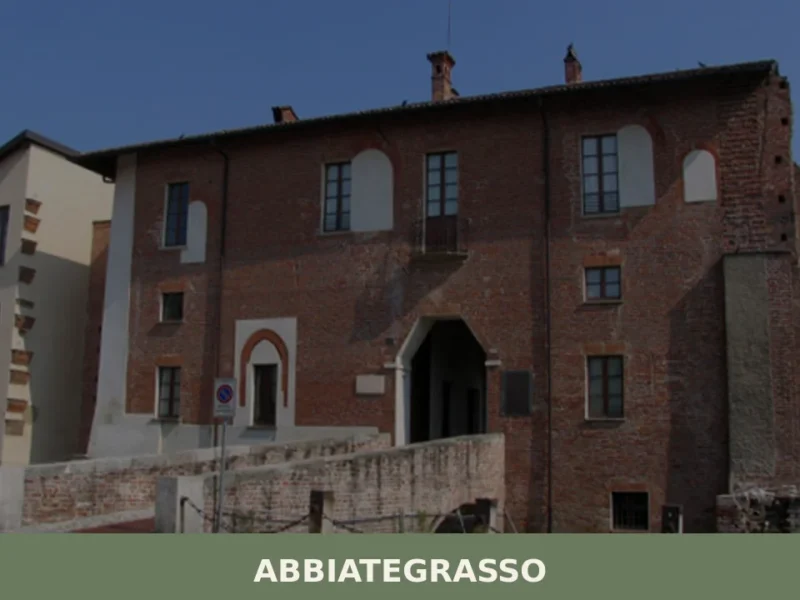
Abbiategrasso
Plains
Discover what to see in Abbiategrasso: a Visconti castle, a Renaissance church portico, the Naviglio Grande canal, and the Ticino valley park in Lombardia.
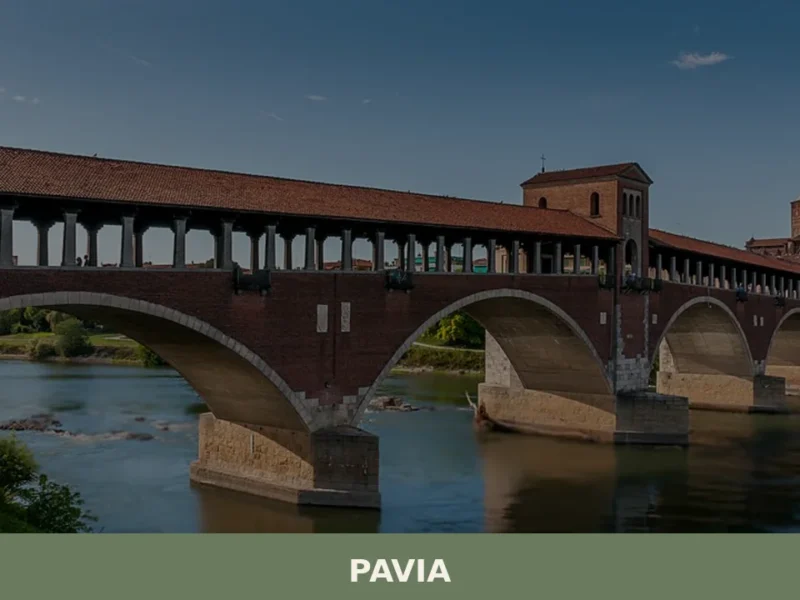
Pavia
Plains
what to see in pavia, home to 70,636 residents. Discover its iconic Duomo, the historic Certosa, and the ancient University. Explore Pavia's rich heritage now.
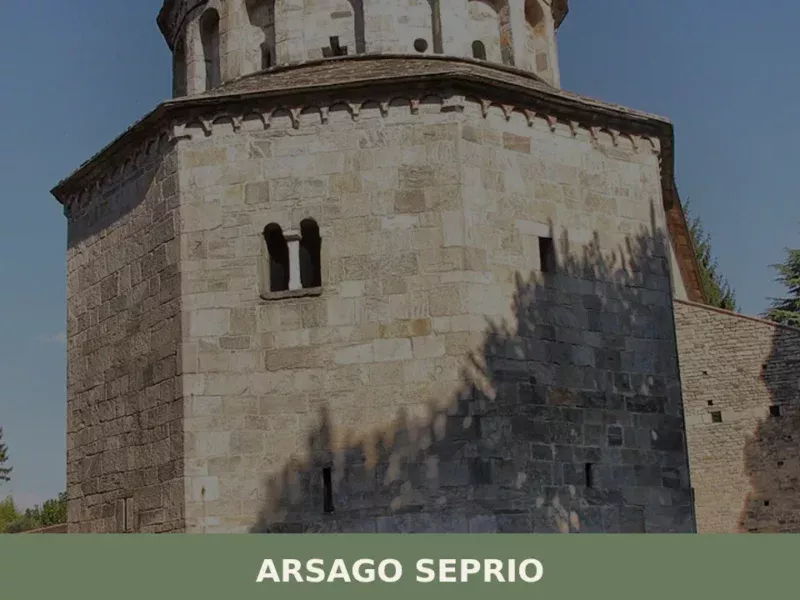
Arsago Seprio
 Hills
Hills
In Arsago Seprio, located in the province of Varese, the ancient Basilica of San Vittore Maggiore features structures dating back to the 9th century, indicating continuous settlement rooted in Roman times. This specific detail introduces a village of 4,869 inhabitants, located 290 meters above sea level, where historical layering is a tangible element. For those […]
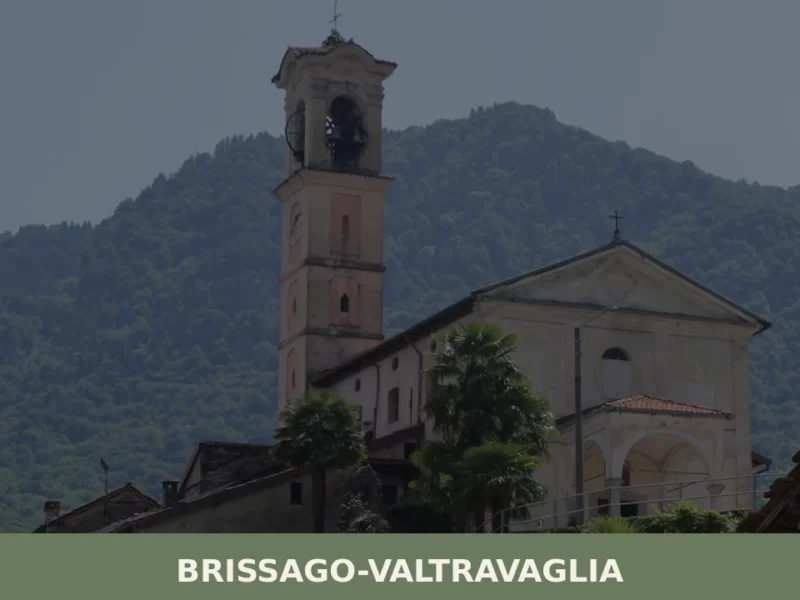
Brissago-Valtravaglia
Hills
What to see in Brissago-Valtravaglia: village at 429m with 5 top attractions, Lombard cuisine and panoramic trails. Explore the complete guide now.
Acquanegra Cremonese
Plains
Discover what to see in Acquanegra Cremonese, a rural comune of 1,159 in the Province of Cremona, Lombardia u2014 from cascine architecture to Po Valley food culture.
Brescia
Plains
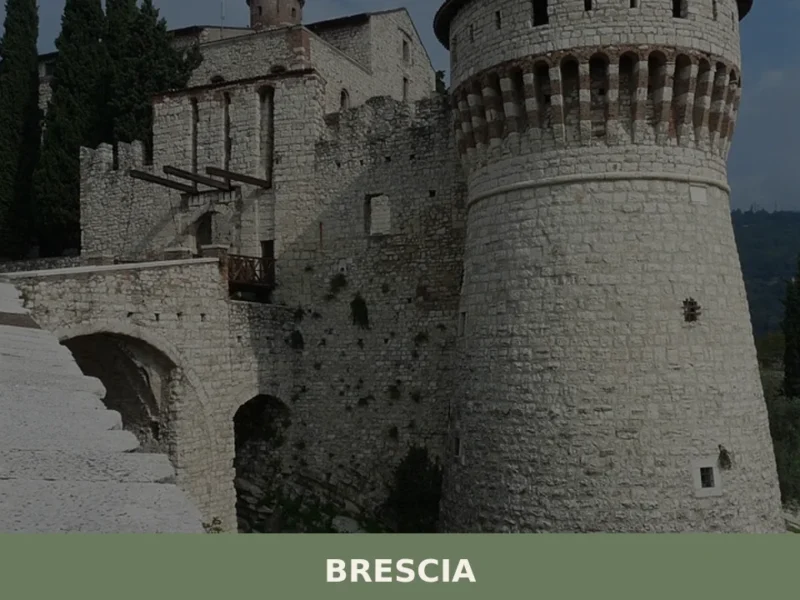
In 1826, during the excavation of a house’s foundations on Via Musei, the Winged Victory emerged from the ground — a Roman bronze from the 1st century AD, nearly two metres tall, and the symbol of a city that has layered twenty-five centuries of history upon itself. Anyone wondering what to see in Brescia today […]
Bedero Valcuvia
Plains
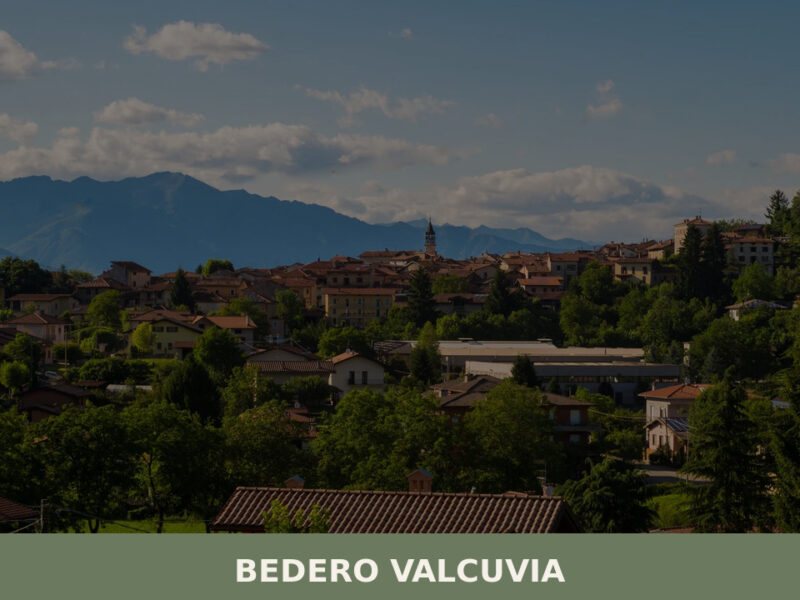
Morning light reaches Bedero Valcuvia in stages — first the bell tower of the parish church, then the stone walls along Via Roma, and finally the gardens where fig trees press against iron railings. The village holds 680 residents in the broad green trough of the Valcuvia, a valley running between Lake Maggiore and Lake […]
Cremona
Plains
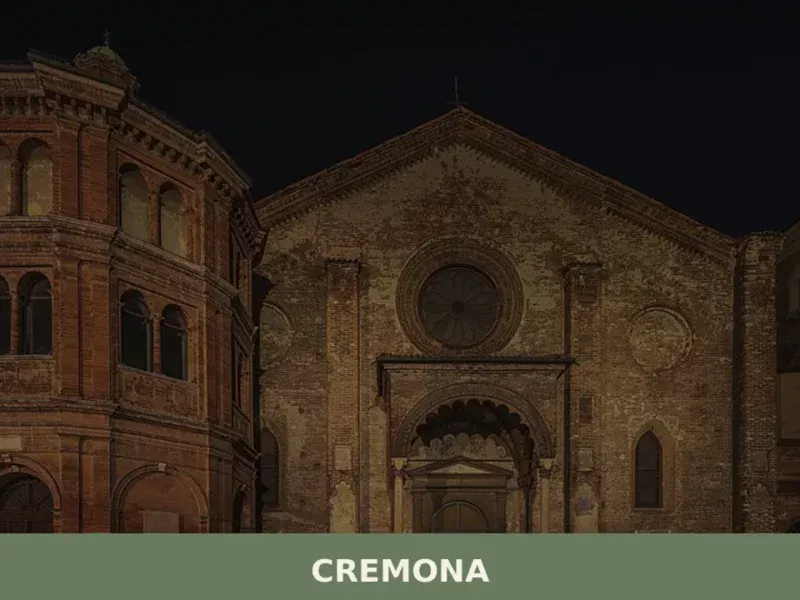
What to see in Cremona? With a population of 70,637, this city of lutherie offers the iconic Torrazzo and Violin Museum. Explore our guide.
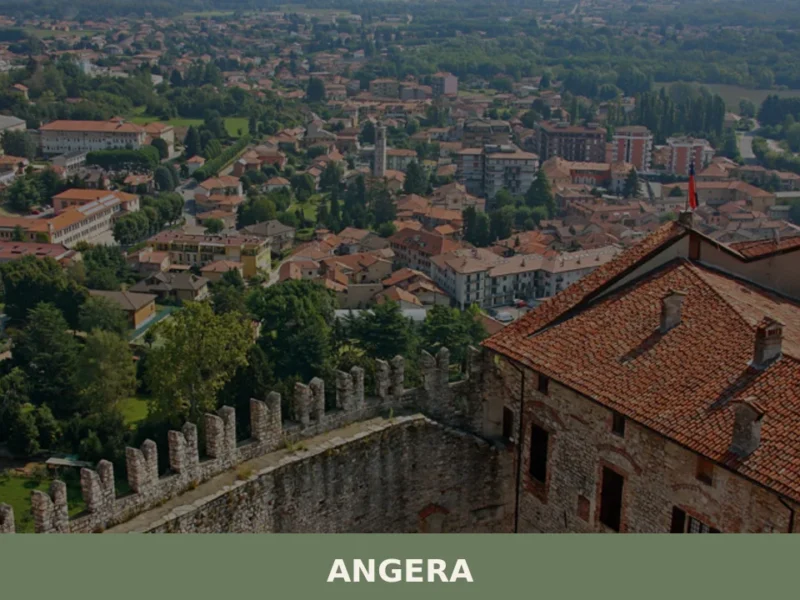
Angera
Hills
 Lake
Lake
What to see in Angera: 5 must-see attractions. Discover the Borromea Fortress and the Doll Museum. Book your trip today!
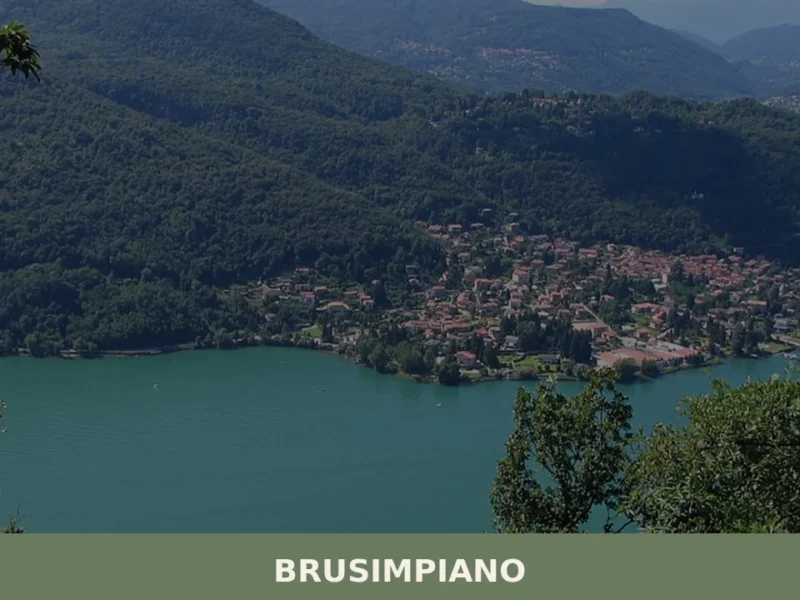
Brusimpiano
Hills
Lake
What to see in Brusimpiano: 1,229 inhabitants, 289m above Lake Lugano. Discover the Church of the Nativity, lakeside promenade and nature trails. Plan your visit now.





🏡 Know Paderno Dugnano better than we do?
If you’re a local or have been there, your knowledge matters: add what’s missing or fix a detail on this page.