


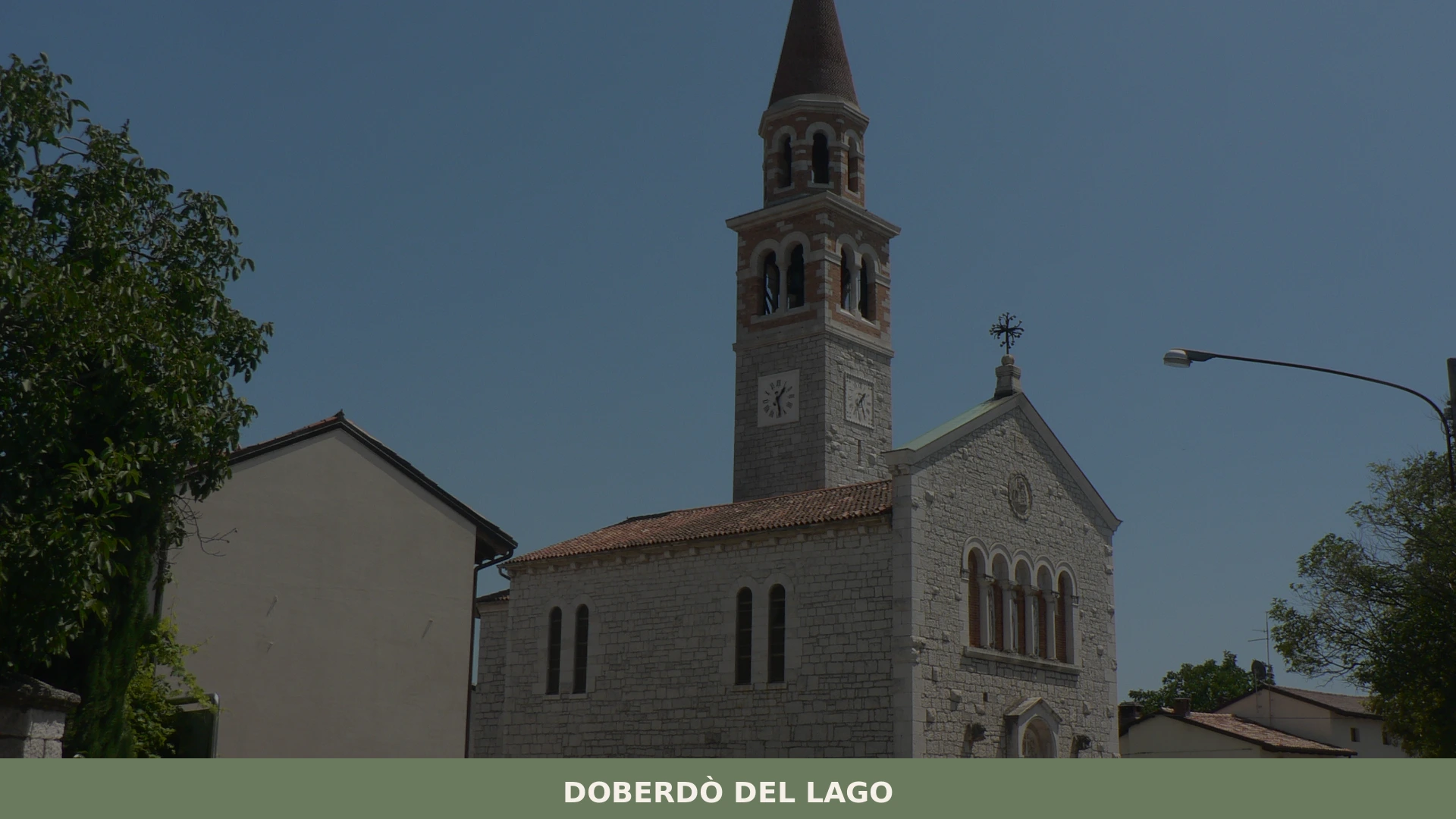
Doberdò del Lago
 Plains
What to see in Doberdò del Lago, Italy, a village with 1,340 inhabitants. Discover the unique Karst Plateau and explore significant WWI sites. Plan your visit to Friuli-Venezia Giulia.
Discover Doberdò del Lago
The Karst Plateau, a distinctive geological formation, defines the landscape around Doberdò del Lago, where the terrain is characterized by its limestone composition and an intricate network of underground caves. This unique environment has shaped the village’s history and continues to influence its cultural identity, providing a stark visual contrast to the nearby Adriatic coast.
The region’s geological features, including dolines and sinkholes, are visible reminders of the ancient processes that formed this part of northeastern Italy.
For those wondering what to see in Doberdò del Lago, this village, situated at an altitude of 92 m (302 ft) above sea level, offers a compelling mix of natural beauty and historical depth.
Visitors can explore the unique ecosystem of Lake Doberdò and reflect upon the significant World War I sites that dot the landscape. The Doberdò del Lago highlights include its strategic Dol Canyon and the numerous caves, making it a destination rich in both natural exploration and historical reflection.
History of Doberdò del Lago
The settlement of Doberdò del Lago, first documented in 1179 under the name “Dobradan,” likely originated from a misspelling of its Slovene designation, Doberdob. This area of the Karst Plateau was settled by the Slavic ancestors of today’s Slovenes as early as the 7th century AD, establishing a deep cultural and linguistic heritage. Throughout the Middle Ages, the village transitioned through various dominations, including the Lombard and Frankish Kingdoms, before falling under the ecclesiastical authority of the Patriarchate of Aquileia.
By the 15th century, Doberdò became part of the territories controlled by the Counts of Gorizia, further cementing its historical ties to the wider Friuli-Venezia Giulia region.
In 1500, Doberdò del Lago, alongside the rest of the County of Gorizia, came under the extensive rule of the Habsburg monarchy, a period that lasted until 1918.
This era concluded with the village’s occupation and subsequent annexation by Italy following World War I. The conflict brought immense devastation to the region, as Doberdò was at the heart of the fierce Battles of the Isonzo, resulting in its complete destruction and the loss of over a fifth of its population. The post-war period saw the village subjected to a policy of violent Fascist Italianization between 1922 and 1943, during which time it was administered as part of the Province of Trieste, a policy that significantly impacted the local Slovene-speaking community.
The tumultuous 20th century continued to shape Doberdò’s identity through World War II, when the Communist-led Liberation Front of the Slovenian People organized anti-Fascist resistance in the area from late 1942.
Many local inhabitants participated in and perished fighting with Yugoslav partisan units, contributing to the village’s eventual liberation by the Yugoslav People’s Army on 1 May 1945. Although the Yugoslav forces withdrew in June of the same year, replaced by the Anglo-American Military administration, Doberdò was reincorporated into Italy in September 1947, returning to the Province of Gorizia.
Politically, the village was a stronghold of the Italian Communist Party from the mid-1950s to the late 1980s, with significant support also for the Slovene Union, reflecting its strong ethnic minority presence; since the 1990s, left-wing parties have largely dominated the local electorate, a pattern also seen in other historically significant areas of Friuli-Venezia Giulia, such as Dignano.
What to see in Doberdò del Lago, Friuli-Venezia Giulia: top attractions
The Karst Plateau
The municipality of Doberdò del Lago is unique within the former Province of Gorizia, as it lies entirely upon the Karst Plateau, a geological formation known for its distinctive limestone landscape.
This area is a natural marvel, featuring approximately two hundred caves, including the significant Abisso Bonetti and Grotta dell’Artiglieria. Exploring the Karst reveals a network of subterranean passages and chambers, remnants of ancient geological processes. Visitors can observe the characteristic Karst phenomena such as dolines and uvalas, which are depressions formed by the dissolution of soluble bedrock.
The best time to appreciate the Karst Plateau’s unique ecosystem is during spring or autumn, when the weather is mild and the vegetation is vibrant.
Dol Canyon
Running directly through the center of Doberdò del Lago from north to south, the Dol Canyon is a relatively wide and flat geological feature that holds crucial strategic importance. This natural corridor connects the Vipava Valley to the Adriatic Sea, serving as the most direct route between the Goriška region and the coast.
The primary road linking Gorizia and Trieste traverses this canyon, making it a vital transportation artery. The canyon’s formation, carved by ancient waters, offers a cross-section of the Karst geology. Understanding the Dol Canyon’s strategic significance enhances a visitor’s appreciation of the region’s historical events and its role in regional connectivity.
Lake Doberdò
Situated at the southern end of the Dol Canyon, Lake Doberdò is a quintessential example of a Karst polje, a closed basin with a flat floor and internal drainage. This unique lake is characterized by its fluctuating water levels, which are entirely dependent on subterranean water flows within the Karst system, making it a dynamic natural spectacle. The lake is a focal point of the local ecosystem, providing a habitat for diverse flora and fauna adapted to its specific hydrological conditions.
Visitors can observe the lake’s ecological significance and the unusual Karst processes that sustain it. Access to the lake area is generally open, allowing for peaceful walks along its shores.
Doberdò Karst (Carso di Doberdò)
The Doberdò Karst, locally known as Carso di Doberdò or doberdobski Kras, is an elevated section of the Karst Plateau located to the west of the Dol Canyon.
This specific area provides a vantage point over the surrounding lowlands and the canyon itself, offering panoramic views of the unique landscape. The terrain is rugged and rocky, with sparse vegetation typical of Karst environments, including resilient shrubs and wildflowers that thrive in the limestone soil. This part of the plateau is crisscrossed with trails suitable for hiking, allowing visitors to experience the raw beauty of the Karst up close.
The Doberdò Karst offers a distinct perspective on the region’s geography, contrasting with the more cultivated areas nearby, similar to the varied terrain found around Buja.
WWI Commemorative Chapel in Visintini/Vižintini
Doberdò del Lago holds deep symbolic significance for its role in World War I, particularly for Slovene and Hungarian soldiers who fought and perished there as part of the Austro-Hungarian Army. A chapel commemorating the Hungarian victims of the Battles of the Isonzo was inaugurated in May 2009 in the hamlet of Visintini (Slovene: Vižintini). This chapel features a trilingual inscription in Italian, Hungarian, and Slovene, honoring the diverse sacrifices made during the conflict.
The village’s name became widely known through the popular Slovene war song “Doberdob,” with its poignant verse “Doberdob, slovenskih fantov grob” (“Doberdò, the grave of Slovene lads”). Slovene writer Prežihov Voranc further solidified its symbolic status with his 1940 novel, Doberdob, making the village a central memorial for Slovene World War I victims. This site provides a solemn place for reflection on the profound human cost of the war, a theme that resonates across many European historical sites.
Local food and typical products of Doberdò del Lago
The gastronomic traditions of Doberdò del Lago are deeply influenced by its unique location on the Karst Plateau and its bicultural heritage, reflecting both Italian and Slovene culinary practices.
The rugged Karst environment historically necessitated a cuisine based on resourceful use of local produce, wild herbs, and preserved foods. Dishes often feature simple, hearty ingredients, prepared in ways that maximize flavor and sustenance. The proximity to the Adriatic Sea also introduces elements of seafood, though inland Karst cooking traditionally leans towards game, cured meats, and robust vegetable dishes. This blend of influences creates a distinct culinary identity for the region, where fresh, seasonal ingredients are paramount.
Typical dishes found in the Doberdò del Lago area often emphasize the flavors of the land.
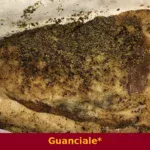
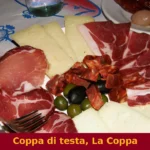
Strong regional cheeses, often aged, form a staple, alongside cured meats such as prosciutto del Carso. Soups and stews, utilizing root vegetables, legumes, and sometimes wild mushrooms or game, provide warmth and nourishment, particularly during colder months.
Pasta dishes might feature rich, savory sauces, while polenta, a versatile cornmeal dish, serves as a common accompaniment. The Slovene influence is evident in preparations such as jota, a hearty soup made with sauerkraut, beans, potatoes, and smoked pork, or various forms of štruklji, rolled dumplings with sweet or savory fillings. These dishes represent the historical ingenuity of a community living off a challenging yet rewarding landscape.
While specific certified products originating solely from Doberdò del Lago are not detailed in available sources, the broader Friuli-Venezia Giulia region is renowned for its diverse agricultural output. The Karst area, including Doberdò, contributes to regional specialties that might include specific types of honey, cheeses, or cured meats produced using traditional methods.
Visitors interested in local produce can explore markets in nearby larger towns like Gorizia, where a wider array of regional products can be found.
The emphasis remains on quality ingredients and time-honored techniques that reflect the deep connection between the people and their land, a characteristic shared with communities in Colloredo di Monte Albano and Arba, which also pride themselves on regional culinary heritage.
Festivals, events and traditions of Doberdò del Lago
The community of Doberdò del Lago maintains strong traditions, deeply rooted in its bicultural Slovene and Italian heritage. The village celebrates its patron saint, Martino di Tours, with an annual feast day on November 11. This occasion typically involves religious ceremonies, community gatherings, and often local festivities that bring residents together to honor their patron. Such celebrations are an integral part of village life across Italy, providing opportunities for cultural expression and the perpetuation of historical customs.
While specific details of the Doberdò celebration are not extensively documented, patron saint festivals generally include processions, special masses, and communal meals, sometimes accompanied by music or traditional performances.
Beyond religious observances, Doberdò del Lago fosters a vibrant cultural scene through its numerous cultural and civic associations, which play a crucial role in preserving local identity, particularly the Slovene language and customs.
The village’s educational institutions, including a preschool, elementary school, and high school, all conduct instruction in Slovene. The elementary school is named after the Slovene writer Prežihov Voranc, while the high school honors Ivan Trinko, a Slovene bishop, author, and minority rights activist. Most locals speak the Karst dialect of Slovene, a linguistic heritage actively maintained through these institutions and community initiatives. These efforts ensure that the unique cultural fabric of Doberdò del Lago continues to thrive for future generations.
When to visit Doberdò del Lago, Italy and how to get there
The best time to visit Doberdò del Lago, Italy, and the wider Friuli-Venezia Giulia region, is generally during the spring (April to June) and early autumn (September to October).
During these months, the weather is pleasantly mild, making it ideal for exploring the Karst Plateau’s natural attractions and World War I historical sites without the intense heat of summer. Spring brings blooming wildflowers to the Karst landscape, while autumn offers comfortable temperatures for hiking and clear views across the plateau. Summer (July and August) can be warm, but is suitable for those who enjoy outdoor activities in sunnier conditions, while winter (November to March) is colder and quieter, offering a more contemplative experience of the historical sites.
Doberdò del Lago is readily accessible for those planning a day trip from nearest major cities in the region.
It is located approximately 30 km (19 mi) northwest of Trieste and about 11 km (7 mi) southwest of Gorizia. Visitors arriving by car can reach the village via well-maintained regional roads. From Trieste, the journey takes around 30-40 minutes, while from Gorizia, it is a shorter drive of about 15-20 minutes. The nearest major train stations are in Gorizia and Monfalcone, which offer connections to larger Italian cities.
For international travelers, the nearest airport is Trieste Airport (TRS), situated approximately 15 km (9.3 mi) from Doberdò del Lago, providing easy access to the region. Public bus services connect Doberdò del Lago with nearby towns, though a car offers the most flexibility for exploring the Karst terrain. For detailed local information, the official municipal website provides useful resources: Comune di Doberdò del Lago.
When preparing for your visit to Doberdò del Lago, be aware that the Karst terrain can be uneven, so comfortable walking shoes are advisable for exploring the caves, hiking trails, and historical battlefields. While major tourist centers in Italy are accustomed to English speakers, in smaller villages like Doberdò del Lago, English may be less commonly spoken in local shops and eateries. Carrying some Euros cash can be convenient for smaller purchases, as not all establishments may accept credit cards. Planning your itinerary to include both the natural wonders and the poignant historical sites will ensure a comprehensive understanding of what to see in Doberdò del Lago.
Frequently asked questions about Doberdò del Lago
What is the best time to visit Doberdò del Lago?
The ideal times to visit Doberdò del Lago are spring and autumn. During these seasons, the weather is mild, making it perfect for exploring the unique ecosystem of the Karst Plateau, its caves, and Lake Doberdò, when vegetation is most vibrant. Additionally, if you wish to experience a local tradition, the feast of the patron saint, Martino di Tours, is celebrated on November 11th, offering a glimpse into the village's cultural life during the autumn period.
What are the historical origins of Doberdò del Lago?
Doberdò del Lago's history traces back to at least 1179, when it was first documented as 'Dobradan,' likely a variation of its Slovene name, Doberdob. The area was settled by Slavic ancestors of today's Slovenes as early as the 7th century AD, establishing a deep cultural and linguistic heritage. Over centuries, it was influenced by various powers, including the Patriarchate of Aquileia, the Counts of Gorizia, and the Habsburg monarchy, before its tumultuous 20th-century history marked by both World Wars and periods of Italianization.
What to see in Doberdò del Lago? Main monuments and landmarks
Doberdò del Lago offers a compelling mix of natural and historical landmarks. Key natural attractions include the unique Karst Plateau, featuring around two hundred caves like Abisso Bonetti and Grotta dell'Artiglieria, and the dynamic Lake Doberdò, a Karst polje ideal for peaceful walks. The Dol Canyon, a significant geological corridor, also runs through the village. For historical reflection, visit the WWI Commemorative Chapel in Visintini (Vižintini), inaugurated in 2009, honoring Hungarian and Slovene soldiers who perished in the Battles of the Isonzo, with trilingual inscriptions.
What are the main natural or scenic attractions of Doberdò del Lago?
The primary natural attractions revolve around the Karst Plateau, a distinctive limestone landscape with approximately two hundred caves, including Abisso Bonetti and Grotta dell'Artiglieria, as well as visible dolines and uvalas. Lake Doberdò, a unique Karst polje with fluctuating water levels, is a dynamic natural spectacle and a focal point for local flora and fauna. The Dol Canyon, a wide geological corridor, offers insight into the region's formation, while the elevated Doberdò Karst (Carso di Doberdò) provides panoramic views and rugged trails for experiencing the raw beauty of the landscape.
Where to take the best photos in Doberdò del Lago?
For breathtaking photos in Doberdò del Lago, head to the Doberdò Karst (Carso di Doberdò), an elevated section west of the Dol Canyon. This area offers panoramic views over the surrounding lowlands and the canyon itself, showcasing the unique Karst landscape with its rugged terrain and sparse vegetation. Additionally, the shores of Lake Doberdò provide serene and picturesque settings, especially during spring and autumn, with its unique hydrological features and diverse ecosystem creating stunning natural backdrops.
Are there museums, churches or historic buildings to visit in Doberdò del Lago?
In Doberdò del Lago, a significant historic site to visit is the WWI Commemorative Chapel in the hamlet of Visintini (Slovene: Vižintini). Inaugurated in May 2009, this chapel honors the Hungarian and Slovene victims of the fierce Battles of the Isonzo, a pivotal conflict of World War I. It features a trilingual inscription in Italian, Hungarian, and Slovene, serving as a solemn place for reflection on the profound human cost of the war and the village's deep historical significance in the region.
What can you do in Doberdò del Lago? Activities and experiences
Doberdò del Lago offers a variety of activities centered around its natural and historical heritage. Visitors can explore the Karst Plateau's unique geological features, including its numerous caves and formations like dolines. Hiking is a popular activity, with trails crisscrossing the Doberdò Karst offering scenic views. Peaceful walks can be enjoyed along the shores of Lake Doberdò. For those interested in history, reflecting on the profound events of World War I at the Commemorative Chapel in Visintini provides a poignant experience. The region's bicultural culinary traditions also invite exploration of local flavors.
Who is Doberdò del Lago suitable for? Families, couples, hikers, solo travelers?
Doberdò del Lago is particularly suitable for nature enthusiasts, hikers, and history buffs. Its unique Karst landscape, including Lake Doberdò and numerous caves, appeals to those seeking natural exploration and outdoor activities like walking and hiking. History enthusiasts will find the village's significant role in World War I, commemorated by the chapel in Visintini, deeply compelling. Solo travelers and couples looking for reflective experiences amidst stunning natural beauty and profound historical sites will also find Doberdò del Lago an enriching destination.
What to eat in Doberdò del Lago? Local products and specialties
The cuisine of Doberdò del Lago reflects its Karst environment and bicultural Italian-Slovene heritage, emphasizing hearty, resourceful dishes. Specialties include strong regional cheeses, often aged, and cured meats such as prosciutto del Carso. You can savor traditional Slovene dishes like jota, a robust soup with sauerkraut, beans, potatoes, and smoked pork, or various forms of štruklji, which are rolled dumplings with diverse fillings. While no specific certified products originate solely from Doberdò, the broader Karst area contributes to regional honey, cheeses, and cured meats produced using traditional methods.
Nearby Villages near Doberdò del Lago
In Friuli-Venezia Giulia More villages to discover
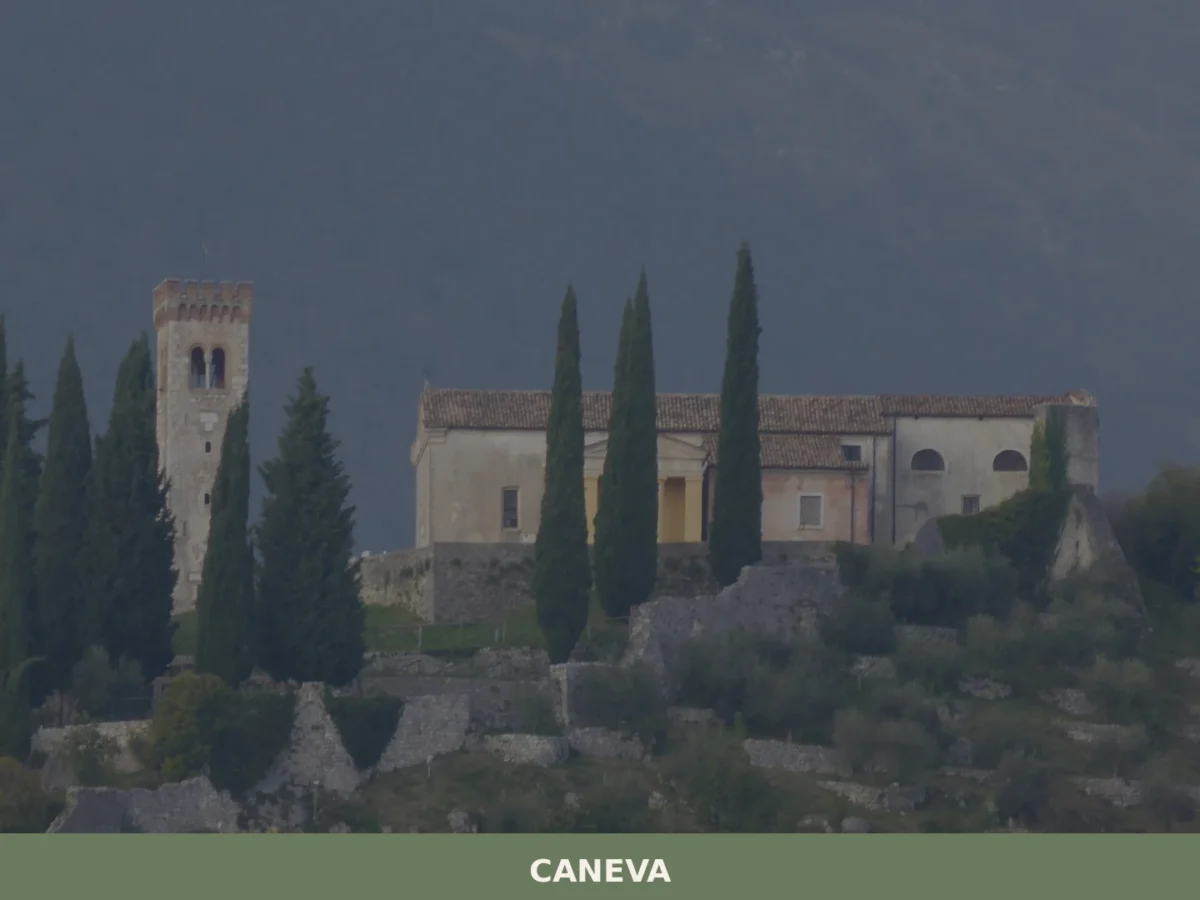
Caneva
Plains
What to see in Caneva, Italy: explore a 42 km² comune near Pordenone. Discover top attractions, local food and travel tips. Read the complete guide.
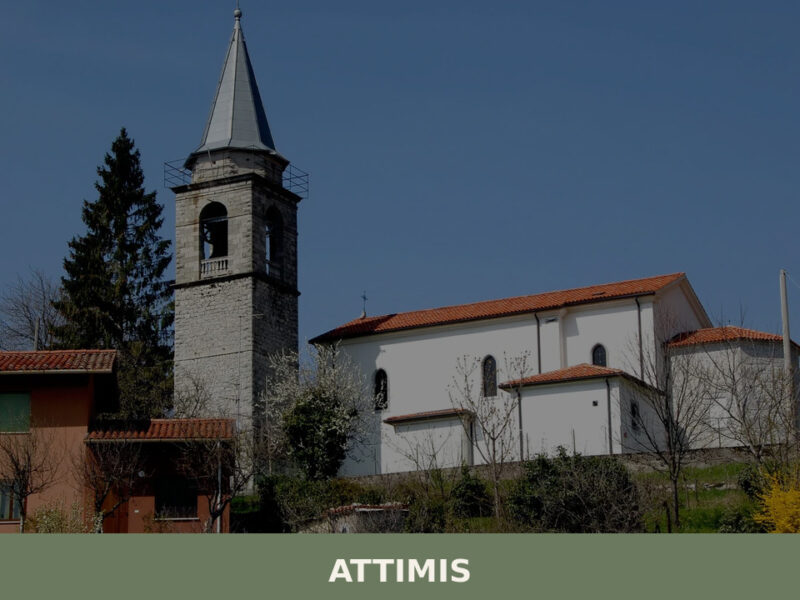
Attimis
Plains
Twin castle ruins, a medieval archaeological museum, and the secluded mountain hamlet of Porzûs — Attimis reveals Friuli's layered history in a quiet valley near Udine.
Bagnaria Arsa
Plains
In 1420, when the Venetian Republic extended its dominion over Friuli, the territory of Bagnaria Arsa came firmly into the Venetian orbit: the Republic’s cadastral records document a rural settlement structured around two distinct centres — Bagnaria and Sevegliano — separated by fields planted with cereals and crossed by drainage channels. Today, anyone wondering what […]
Ampezzo
 Hills
Hills
A documentary-style guide to Ampezzo in Carnia, covering its history, key attractions, Carnic cuisine, and how to reach this quiet alpine village in Friuli Venezia Giulia.
Aviano
Hills
What to see in Aviano, Italy: Explore this town of 8,948 inhabitants, from its 10th-century castle ruins to the Cathedral of San Zenone. Discover its rich history and natural beauty.
Basiliano
Plains
In 1309, a notarial deed drawn up in Udine recorded the transfer of certain feudal rights relating to the territory of Basiliano, confirming the existence of a settlement already organised along the route connecting Udine to Codroipo. Today that route partly coincides with regional road 464, and anyone travelling along it crosses a plain where […]
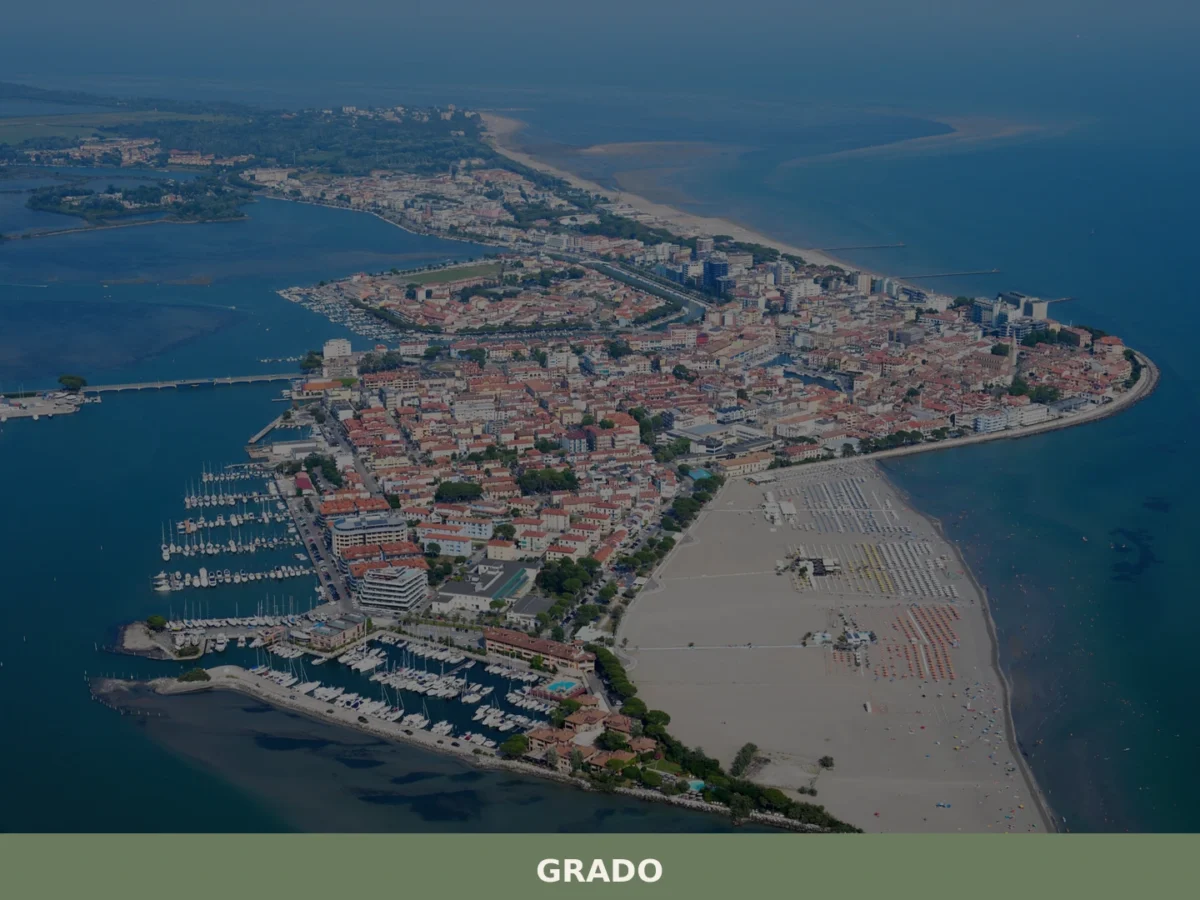
Grado
 Sea
Sea
What to see in Grado, Italy? Explore its 2 m altitude, discover over 7,658 residents, and visit the impressive Basilica di Sant'Eufemia. Discover Italy's unique offerings today.
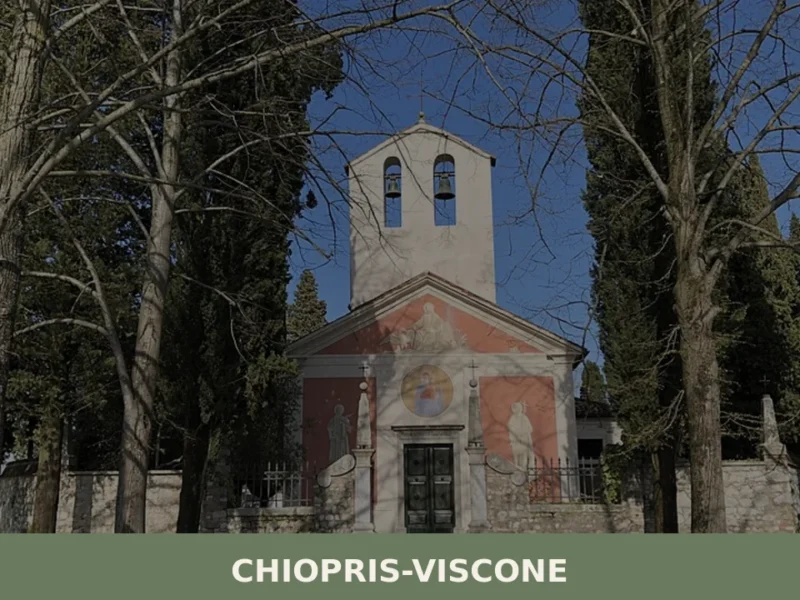
Chiopris-Viscone
Plains
Two hamlets, two bell towers, two patron saints — and a single road running through both, the provincial route from Palmanova towards the Slovenian border. Anyone arriving in Chiopris-Viscone for the first time immediately notices this duality: the municipality, created in 1928 through the administrative merger of two distinct settlements, still retains a twin-centre layout, […]
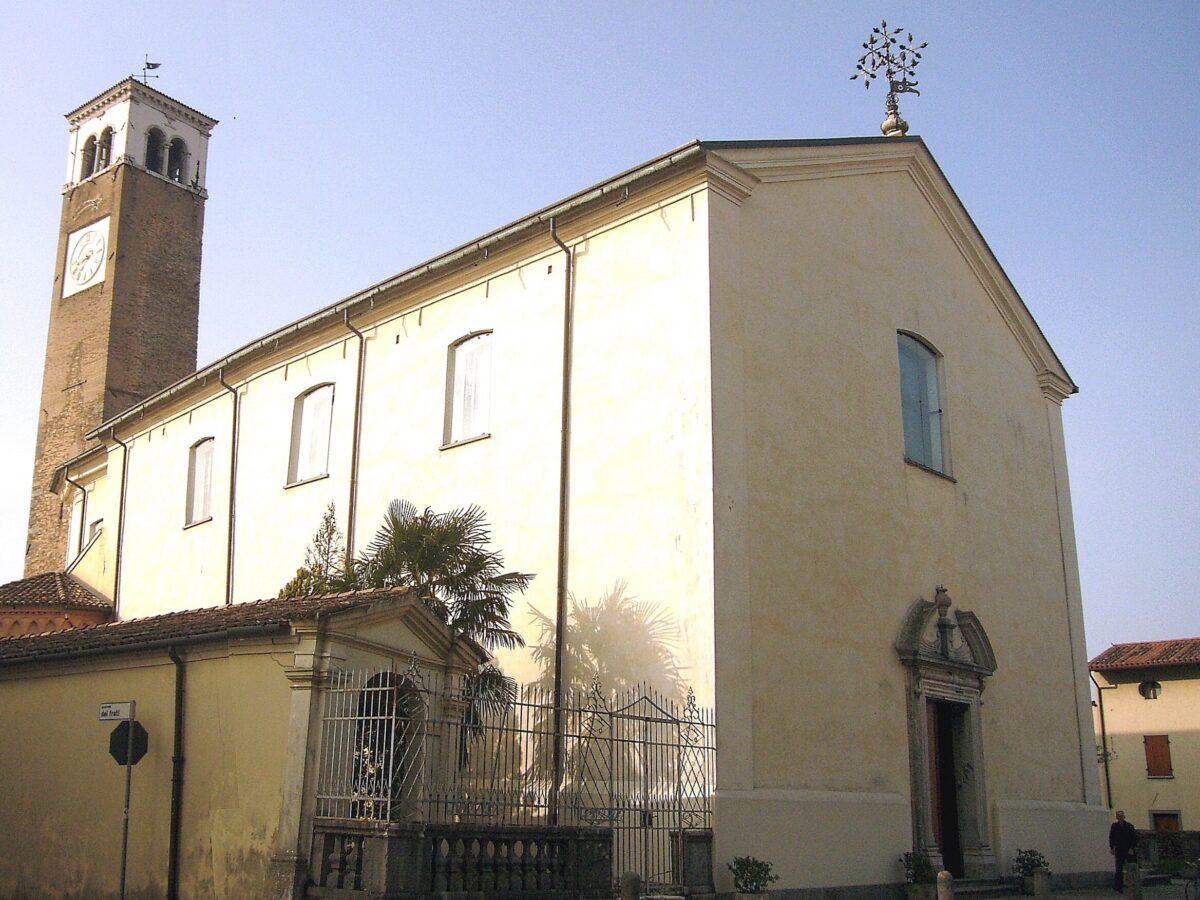
Bertiolo
Plains
The earliest documented mention of the name Bertiolo dates back to 1219, in a notarial deed linked to the properties of the Patriarchate of Aquileia. Arriving today along the road that leads south from Codroipo, visitors encounter a compact urban centre laid out along a grid of orderly streets, surrounded by fields of maize and […]
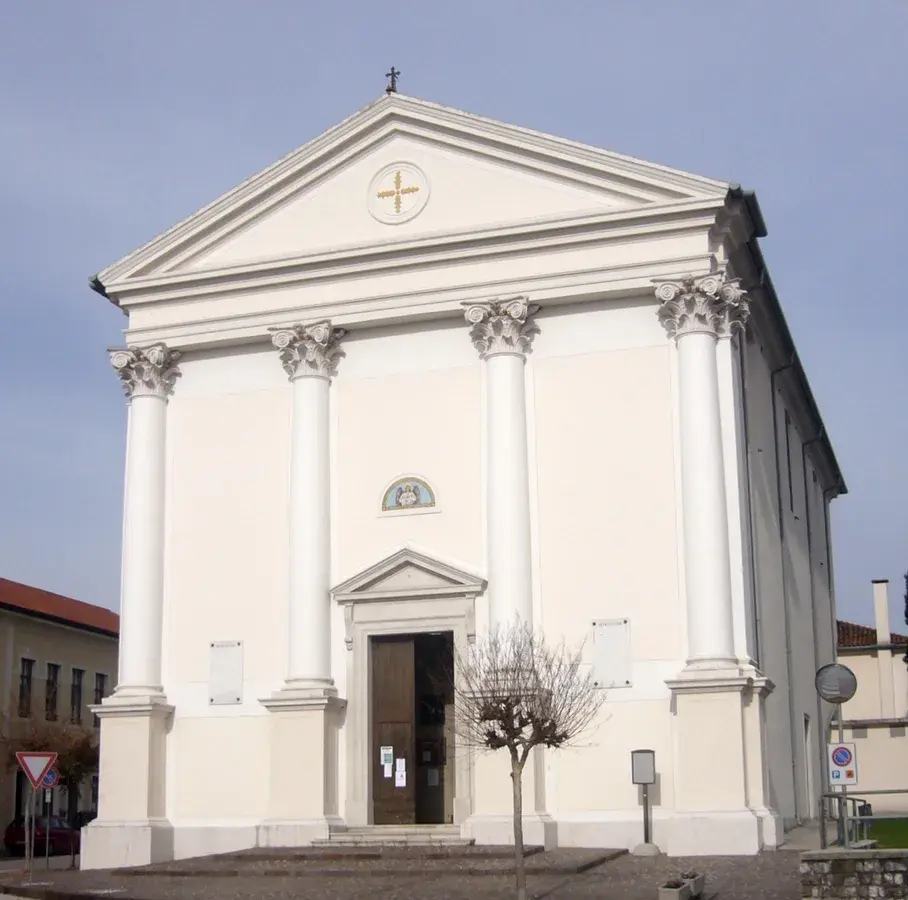
Arba
Plains
What to see in Arba: Explore Italy's Arba, a village at 210 meters altitude. Discover its historic church and vibrant patron saint festival on September 29. Read more.



🏡 Know Doberdò del Lago better than we do?
If you’re a local or have been there, your knowledge matters: add what’s missing or fix a detail on this page.