


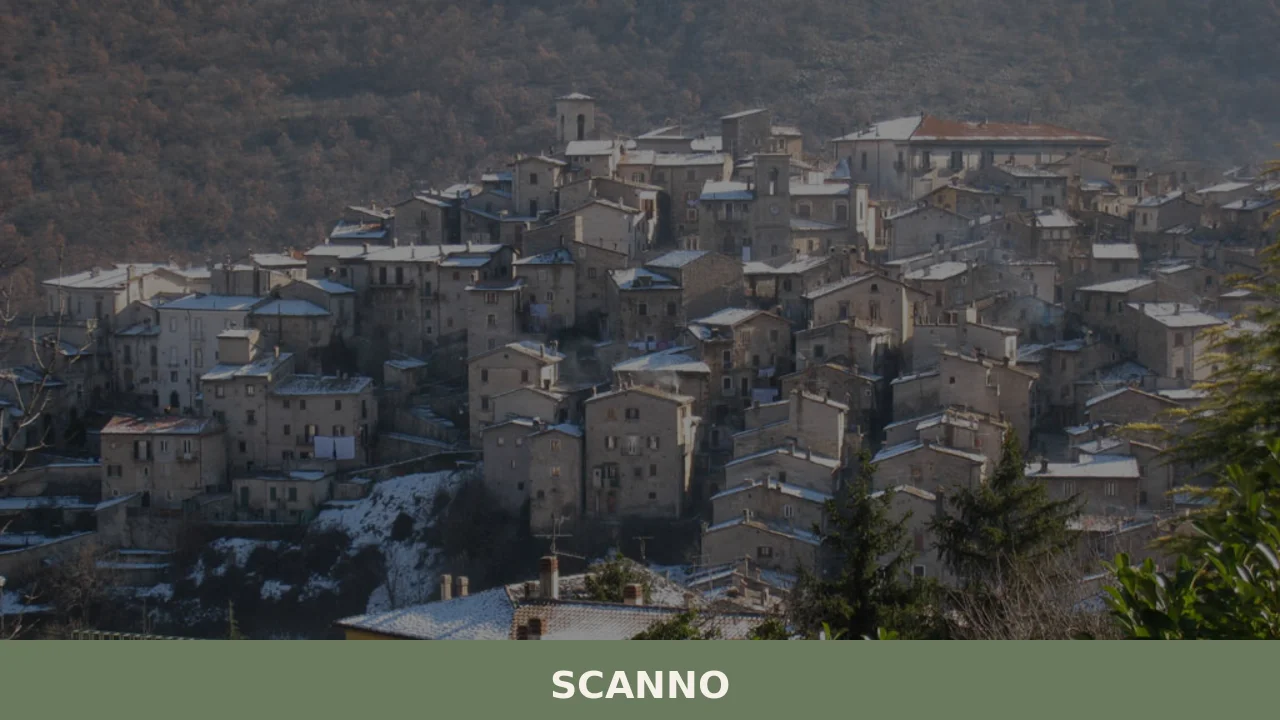

what to see in scanno, Italy? Explore this Abruzzese village at 1,050 m (3,445 ft), admire Lago di Scanno and its ancient crafts. Discover more.
Discover Scanno
The narrow, winding alleys of Scanno, paved with ancient stone, climb steeply between houses built from local rock, often adorned with wrought iron balconies. These architectural features speak of centuries of history and a tradition of skilled craftsmanship that has shaped the village’s unique character.
At an elevation of approximately 1,050 m (3,445 ft) above sea level, the village offers perspectives over the surrounding Sagittario Valley, a landscape defined by rugged mountains and deep green foliage.
For those planning what to see in Scanno, the village provides a rich experience blending natural beauty with cultural heritage.
This Abruzzese destination, home to roughly 1,750 inhabitants, is renowned for its heart-shaped lake and the enduring traditions of its goldsmiths and lacemakers. Visitors to Scanno find opportunities to explore historic churches and immerse themselves in the local culture, making it a compelling stop in central Italy.
History of Scanno
The origins of Scanno, a village in the province of L’Aquila, Abruzzo, Italy, trace back to ancient times, with evidence suggesting pre-Roman settlements by local tribes such as the Peligni or Marsi.
Its strategic location within the Sagittario Valley, surrounded by the Monti Marsicani, contributed to its relative isolation and the preservation of its distinct cultural identity over centuries.
During the Roman era, the area likely served as a pastoral region, connected to larger settlements by transhumance routes.
The medieval period saw the consolidation of Scanno into a fortified settlement, as protection against various incursions and to control the valuable mountain passes. Documents from the 12th century confirm its existence as a thriving community, and its development continued under different feudal lords throughout the Middle Ages and Renaissance.
This era established the village’s characteristic urban layout, featuring tightly packed stone houses and a labyrinth of narrow streets designed for defense and efficient use of space.
By the modern age, Scanno became known for its pastoral economy, particularly sheep farming, which fueled its wealth and cultural expressions, including traditional costumes and goldsmithing. The practice of transhumance, moving flocks between mountain pastures and lowland plains, profoundly influenced the village’s social structure and traditions.
Despite the challenges of maintaining its rural character in the 20th and 21st centuries, Scanno has successfully preserved much of its historical integrity and continues to celebrate its unique heritage.
What to see in Scanno, Abruzzo: top attractions
Lago di Scanno
The striking Lago di Scanno, a natural lake formed by ancient landslides, captivates visitors with its distinctive heart shape, especially when viewed from specific vantage points above the valley.
This is the largest natural lake in the Abruzzo region, with a maximum depth recorded at approximately 32 m (105 ft). Its clear, emerald waters are suitable for swimming during the warmer months and offer opportunities for paddle boating and kayaking, attracting both local and international tourists.
A well-maintained path, often referred to as the “Sentiero del Cuore” (Heart Path), leads to a panoramic viewpoint that perfectly frames the lake’s iconic shape. The area around the lake is also part of the Gole del Sagittario nature reserve, providing various trails for hiking and birdwatching, particularly for species like the common kingfisher.
It is advisable to visit during spring or early autumn to enjoy milder temperatures and vibrant natural colors, making the 4 km (2.5 mi) perimeter walk especially pleasant.
Historic Centre of Scanno
Wandering through the historic centre of Scanno reveals a meticulously preserved collection of stone houses, archways, and narrow, stepped alleys (*vicoli*) that climb the hillside.
Many buildings date back several centuries, showcasing robust Abruzzese architecture, with some featuring carved stone portals and intricate ironwork. The layout of the village reflects its medieval origins, designed for defense and community, where every corner holds a piece of local history.
The village has been officially recognized as one of Italy’s most beautiful villages, a testament to its architectural integrity and cultural vibrancy. Visitors can spend hours exploring its pedestrian-friendly streets, discovering small artisan workshops and local shops.
Look for the traditional wells and fountains, which served as essential water sources for the community for hundreds of years, some still bearing dates from the 17th or 18th century.
Chiesa di Santa Maria della Valle
Dominating a central square in Scanno, the Chiesa di Santa Maria della Valle presents an imposing facade crafted from local stone, reflecting centuries of architectural evolution.
While its precise founding date is debated, the church likely has medieval origins, undergoing significant reconstruction and embellishment in the 16th and 17th centuries. The bell tower, often featuring distinct Romanesque elements, stands prominently against the mountain backdrop, reaching a height of approximately 30 m (98 ft).
Inside, the church houses several notable artworks, including a wooden choir and a finely carved pulpit, which provide insight into the artistic traditions of the region. The interior layout follows a traditional basilica plan, with a nave and two aisles, offering a sense of grandeur and solemnity.
Visitors should pay attention to the detailed altarpieces and frescoes that adorn its walls, some dating back to the 18th century, illustrating biblical scenes and local saints.
Museum of Wool and Traditional Costumes
Housed within an ancient building in Scanno’s historic core, the Museum of Wool and Traditional Costumes offers a tangible connection to the village’s rich pastoral and artisanal heritage.
The exhibition showcases traditional tools used for wool processing, from shearing to spinning and weaving, some implements dating back to the early 1900s. It illustrates the profound economic and cultural importance of sheep farming to the community throughout its history.
A significant portion of the museum is dedicated to the elaborate traditional costumes of Scanno, particularly the distinctive female attire, which is still worn by some elder women on special occasions. These garments, characterized by dark fabrics, intricate embroidery, and specific head coverings, are often made from local wool and silk, reflecting a tradition maintained for over 300 years.
Observing these preserved artifacts provides a clear understanding of the village’s unique identity and its commitment to ancestral crafts.
Gole del Sagittario (Sagittario Gorges)
Just a short distance from Scanno, the Gole del Sagittario, a dramatic natural canyon carved by the Sagittario River, offers a spectacular landscape of towering limestone cliffs and lush vegetation.
This area is recognized as a WWF Oasis and a regional nature reserve, protecting a diverse ecosystem of flora and fauna. The gorge extends for approximately 7 km (4.3 mi), with rock faces reaching heights of over 200 m (656 ft) in some sections.
Several well-marked hiking trails wind through the gorges, providing opportunities for outdoor enthusiasts to explore its natural beauty and observe wildlife, including various bird species and occasional sightings of mammals. The crystalline waters of the river flow through ancient rock formations, creating a refreshing environment especially during the warmer months.
Access points and visitor information are available near the entrance to the reserve, often providing maps that detail the varying lengths and difficulties of the trails.
Local food and typical products of Scanno
The gastronomic tradition of Scanno is deeply rooted in its pastoral history and the rugged landscape of Abruzzo, characterized by hearty, seasonal ingredients.
The local cuisine reflects centuries of self-sufficiency, with an emphasis on sheep’s milk products, mountain herbs, and simple, robust preparations. This culinary heritage draws influence from the broader Abruzzese region, known for its strong flavors and adherence to traditional cooking methods, often passed down through generations.
Among the typical dishes, visitors will encounter rich pasta preparations such as maccheroni alla chitarra, often served with a robust lamb or pork ragù, showcasing the region’s strong meat-based culinary identity. Another local specialty is agnello al forno, slow-roasted lamb seasoned with mountain herbs and garlic, which highlights the quality of local meats.
For those with a sweet tooth, pan dell’orso, a cake made with honey and almonds, and mostaccioli, spiced biscuits often flavored with cooked wine, offer a glimpse into traditional desserts.
Scanno is also celebrated for its certified products, including Pecorino di Scanno (PAT), a distinctive sheep’s milk cheese produced using traditional methods.
This cheese, known for its intense flavor and varying degrees of aging, is a staple of the local diet and a representation of the pastoral economy. While no specific municipalities are listed for its certification, its production is intrinsically tied to the Scanno area and its immediate surroundings. Other local products include cured meats like salsicce di Scanno, prepared from local pork and seasoned with regional spices.
To experience the local food culture firsthand, visitors can explore the small shops and delis within the historic centre that sell these traditional products.
While specific large-scale food fairs are not consistently documented, local markets often take place, particularly during the summer and autumn months. These provide an opportunity to purchase fresh produce, cheeses, and cured meats directly from local producers, ensuring authenticity and supporting the community’s agricultural traditions.
Festivals, events and traditions of Scanno
The cultural calendar of Scanno is marked by several traditional festivals and events that reflect its deep-rooted heritage and strong community spirit.
The most significant of these is the Festa di Sant’Eustachio, dedicated to the village’s patron saint, typically celebrated in the third week of September. This religious festival involves solemn processions through the historic streets, where a statue of the saint is carried, accompanied by local bands and participants in traditional attire.
The festivities often conclude with musical performances and a display of fireworks over the Sagittario Valley, bringing together residents and visitors in a shared celebration.
Another notable tradition is the Fuochi di Sant’Antonio Abate (Bonfires of Saint Anthony Abbot), observed on January 17th. This ancient ritual involves the lighting of large bonfires in various parts of the village, a practice intended to bless animals and ensure fertility for the coming year. The event provides a warm, communal gathering during the winter months, offering traditional food and drink around the fires. These traditions, maintained for centuries, offer an authentic glimpse into the spiritual and social life of Scanno, preserving customs that define its unique identity.
When to visit Scanno, Italy and how to get there
The best time to visit Scanno, Italy, largely depends on the activities you wish to pursue, as each season offers a distinct experience.
Spring (May to June) and early autumn (September to October) provide mild temperatures, ideal for hiking around Lago di Scanno and exploring the historic centre without the peak summer crowds. The landscapes during these periods are particularly vibrant, with blooming wildflowers in spring and rich foliage colors in autumn.
Summer (July and August) is popular for those seeking warmer weather for swimming in the lake and engaging in outdoor sports, though the village can be busier.
For those interested in winter sports or a tranquil, snow-covered landscape, December to March transforms Scanno into a picturesque destination, with opportunities for skiing in nearby resorts. The terrain around the village and lake is generally accessible, though the historic centre features steep, cobbled streets that may be challenging for visitors with limited mobility or strollers. Carrying some Euros cash can also be useful, as English may be limited in smaller, independent shops.
Reaching Scanno typically involves travel by car due to its mountain location.
From Rome, the village is approximately 160-180 km (99-112 mi) away, making it a feasible day trip from the capital, taking around 2 to 2.5 hours via the A24/A25 motorway. The recommended exits are Bussi sul Tirino or Sulmona, from which scenic regional roads, such as the SS479, lead directly to Scanno.
The nearest major train station is Sulmona, located about 30 km (18.6 mi) from Scanno, offering connections to larger Italian cities via Trenitalia services. The closest airport is Abruzzo Airport (PSR) near Pescara, approximately 90 km (56 mi) away, while Rome Fiumicino Airport (FCO) is about 180 km (112 mi) distant, providing more international flight options.
Where to stay near Scanno
Scanno and its immediate surroundings offer a variety of accommodation options that cater to different preferences, from cozy bed and breakfasts within the historic centre to rural agriturismi in the surrounding countryside. Visitors can find small, family-run hotels that provide comfortable stays and a genuine connection to local hospitality.
Many establishments are housed in renovated traditional stone buildings, offering an authentic experience of Abruzzese village life.
For those seeking a more immersive rural experience, several agriturismi operate in the valleys and hillsides near Scanno, providing opportunities to enjoy farm-to-table cuisine and tranquil natural settings.
Holiday rentals and apartments are also available, particularly suitable for longer stays or for families and groups. These accommodations allow guests to fully explore what to see in Scanno at their own pace, enjoying the village’s charm and the beauty of Lago di Scanno.
Visitors to Scanno can also extend their exploration to other unique Italian villages, such as Cancellara in Basilicata, which shares a similar commitment to preserving ancient traditions and a strong sense of community, offering a different but equally compelling glimpse into Italy’s diverse rural heritage.
Frequently asked questions about Scanno
What is the best time to visit Scanno?
Spring (April–June) and early autumn (September–October) offer the most rewarding visits. In spring, the Sagittario Valley is lush and temperatures are mild, ideal for hiking the Gole del Sagittario and walking the lake perimeter. Early autumn brings vibrant foliage and cooler air, coinciding with the Festa di Sant'Eustachio, celebrated around 20 September in honor of the village's patron saint. Summer is popular for swimming and boating at Lago di Scanno but attracts peak crowds. Winter suits skiers and those seeking a quiet, snow-dusted mountain atmosphere.
What are the historical origins of Scanno?
Scanno's origins trace to pre-Roman times, with evidence of settlements by Italic tribes such as the Peligni or Marsi in the Sagittario Valley. During the Roman era the area functioned as a pastoral corridor linked by transhumance routes. Written records from the 12th century confirm a thriving medieval community, which developed under successive feudal lords into the tightly fortified stone village visible today. Its wealth grew through sheep farming and skilled crafts, including goldsmithing and lacemaking, traditions still alive in the historic centre.
What to see in Scanno? Main monuments and landmarks
Key highlights include Lago di Scanno — the largest natural lake in Abruzzo, viewable in its iconic heart shape from the panoramic Sentiero del Cuore — and the meticulously preserved medieval historic centre, officially listed among Italy's most beautiful villages. The Chiesa di Santa Maria della Valle dominates a central square with its roughly 30 m bell tower, a wooden choir, carved pulpit, and 18th-century frescoes. The Museum of Wool and Traditional Costumes documents the village's pastoral heritage and distinctive local dress, still worn on ceremonial occasions.
What are the main natural or scenic attractions near Scanno?
The Gole del Sagittario, a WWF Oasis and regional nature reserve just outside the village, offers approximately 7 km of dramatic limestone canyon with rock faces exceeding 200 m. Well-marked trails suit various fitness levels and are excellent for birdwatching, including sightings of the common kingfisher. Lago di Scanno itself, with its 4 km perimeter walk and emerald waters, allows kayaking and paddle boating in warmer months. The surrounding Monti Marsicani provide a broader alpine backdrop for longer mountain excursions.
Where to take the best photos in Scanno?
The most celebrated vantage point is the panoramic overlook along the Sentiero del Cuore, where Lago di Scanno's heart shape is fully visible — best photographed in morning light or at golden hour. Within the village, the steep stone vicoli with wrought iron balconies and ancient carved portals offer rich architectural shots. The entrance to the Gole del Sagittario, where towering limestone walls frame the turquoise Sagittario River, is another visually dramatic location. Spring and early autumn deliver the most saturated natural colors.
Are there museums, churches or historic buildings to visit in Scanno?
Yes. The Chiesa di Santa Maria della Valle is the village's principal church, featuring medieval origins, a prominent Romanesque-influenced bell tower, 18th-century altarpieces, frescoes, a carved pulpit, and a wooden choir. The Museum of Wool and Traditional Costumes, housed in an historic building in the centre, displays early-20th-century wool-processing tools and three-centuries-old traditional garments still worn by some local women today. The historic centre itself contains fountains and wells dated to the 17th and 18th centuries. Verify current opening hours locally before visiting.
What can you do in Scanno? Activities and experiences
Outdoor activities dominate: hiking and birdwatching in the Gole del Sagittario WWF Oasis, kayaking and paddle boating on Lago di Scanno, and mountain walks across the Monti Marsicani. Culture seekers can visit the church, museum, and browse artisan workshops in the historic centre selling handmade gold jewellery and lacework. Foodies should explore local delis for Pecorino di Scanno, cured meats, and traditional sweets. In September, the Festa di Sant'Eustachio (around 20 September) offers an authentic window into local religious and community traditions.
Who is Scanno suitable for? Families, couples, hikers, solo travelers?
Scanno suits a wide range of visitors. Hikers and nature lovers will appreciate the Gole del Sagittario trails and mountain terrain. Couples are drawn by the romantic lakeside setting and the intimacy of the stone-paved alleys. Families enjoy the lake's swimming and boating in summer and the approachable perimeter walk. Culture enthusiasts value the medieval architecture, artisan traditions, and local museum. Photography travelers find exceptional material in both the natural landscape and the village streetscape. Its compact, walkable historic centre makes it accessible even for less active visitors.
What to eat in Scanno? Local products and specialties
Scanno's cuisine is rooted in its pastoral economy. Must-try dishes include maccheroni alla chitarra with lamb or pork ragù, and agnello al forno — slow-roasted lamb with mountain herbs. The standout local product is Pecorino di Scanno (PAT-certified), an aged sheep's milk cheese with an intense flavour tied specifically to this area. Cured meats such as salsicce di Scanno are also traditional. For sweets, look for pan dell'orso (honey and almond cake) and mostaccioli, spiced biscuits flavored with cooked wine, both sold in village shops and local markets.
Nearby Villages near Scanno
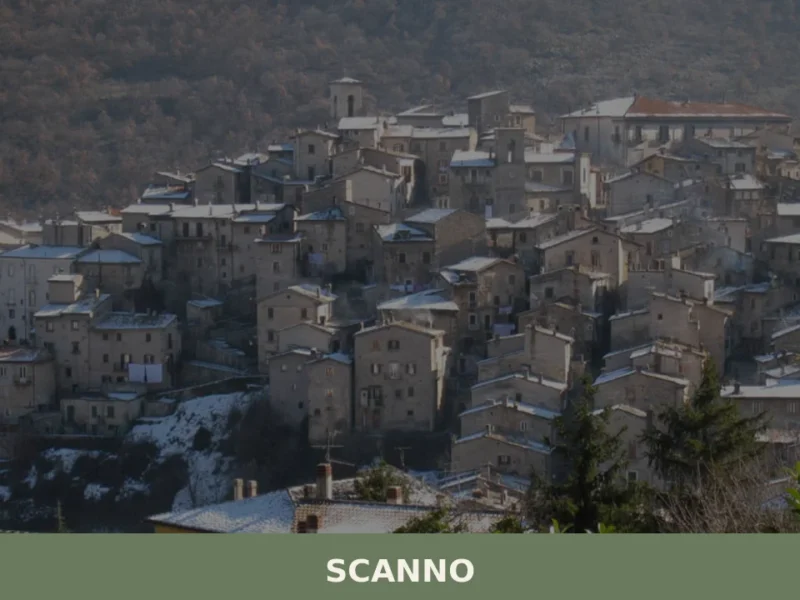
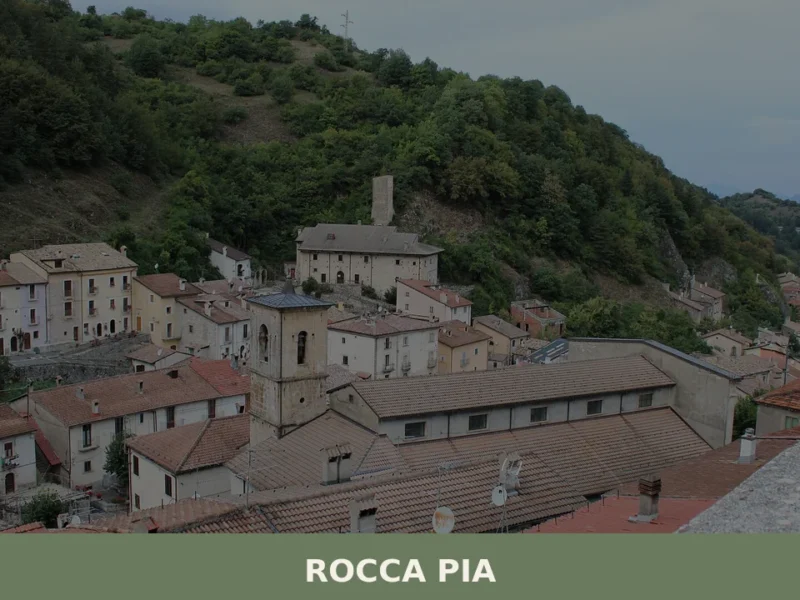
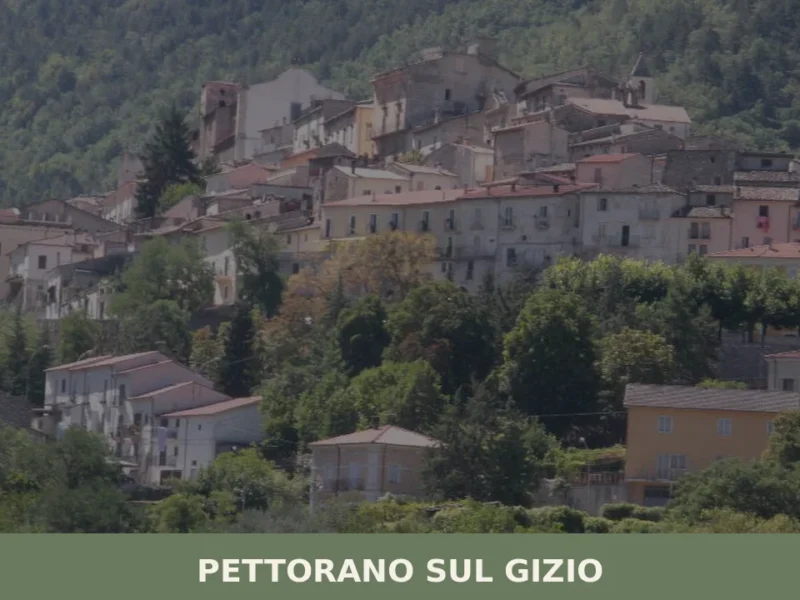
In Abruzzo More villages to discover
Introdacqua
 Mountain
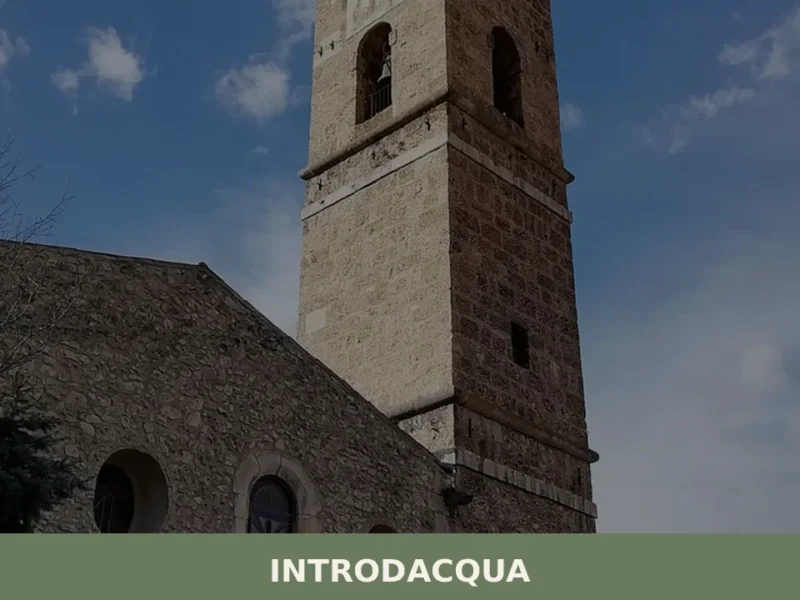
At 642 metres above sea level, at the exact point where three watercourses — the Gizio, the Nera and the San Callisto — converge in the Peligna valley, stands Introdacqua, whose Latin name Intro Acquas records this confluence of waters. The village has a current population of 2,117 and retains an urban layout reflecting at […]
Canzano
 Hills
Hills
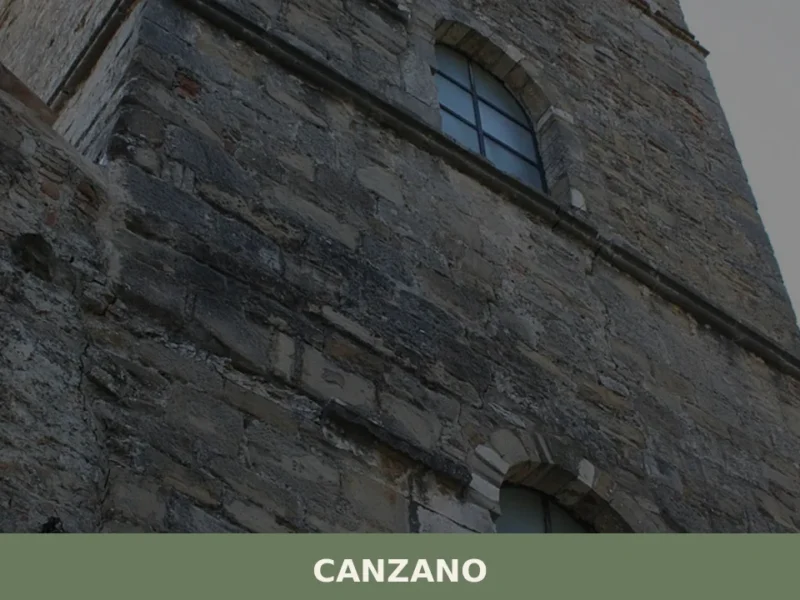
Canzano has 1,786 inhabitants and stands at 448 metres above sea level on a hill in the province of Teramo, along the foothill belt separating the Vomano valley from the first Apennine ridges. Anyone wondering what to see in Canzano will find an urban core where the fortified medieval layout coexists with a precise and […]
Vacri
 Sea
Sea
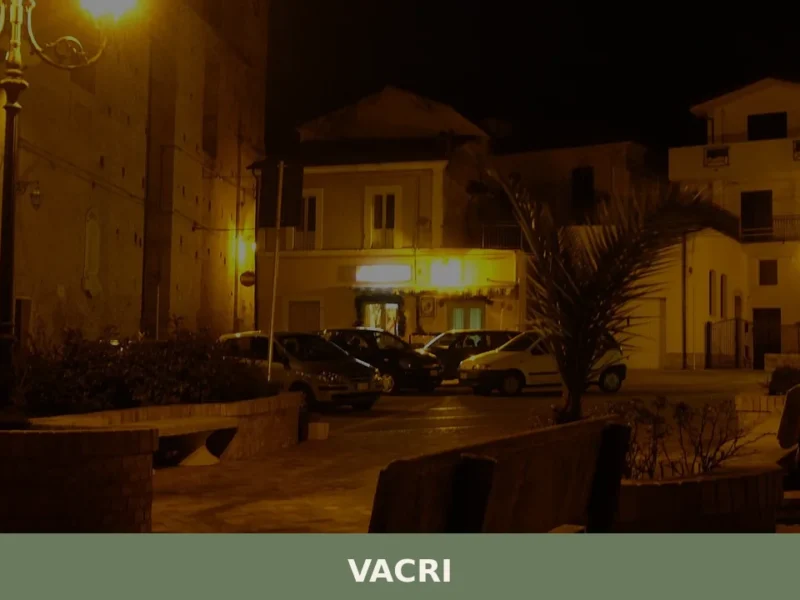
What to see in Vacri? Explore the 5 must-see attractions of this Abruzzese village. Discover history and breathtaking views. Read on and plan your itinerary!
Prata d’Ansidonia
Mountain
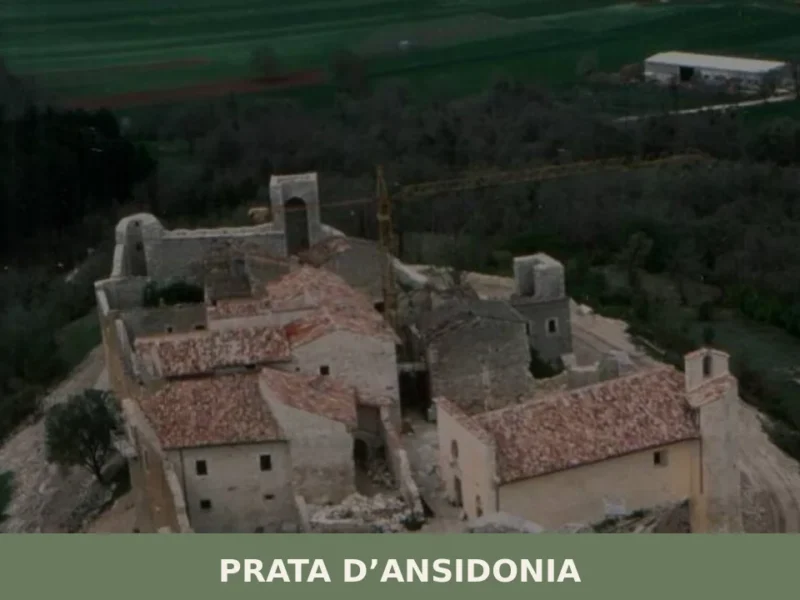
What to see in Prata d’Ansidonia? Discover the 5 must-see historic attractions of this village in Abruzzo. Plan your visit and immerse yourself in local history.
Atri
Hills
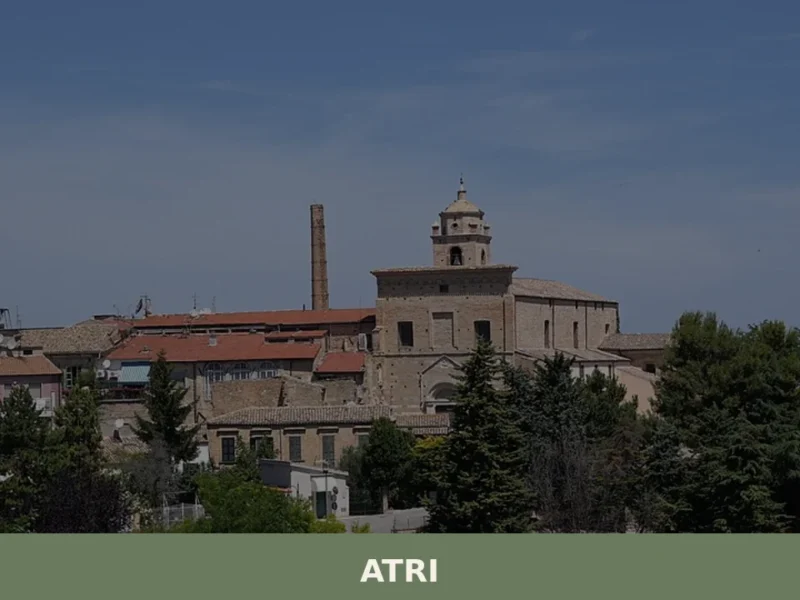
Atri, in the province of Teramo, stands at 442 meters above sea level, an altitude that allows the city to overlook the Teramo hills. Its origins lie in ancient Hatria, a Picene settlement and later an important Roman municipality, known for minting its own coins as early as the 3rd century BC. This historical richness […]
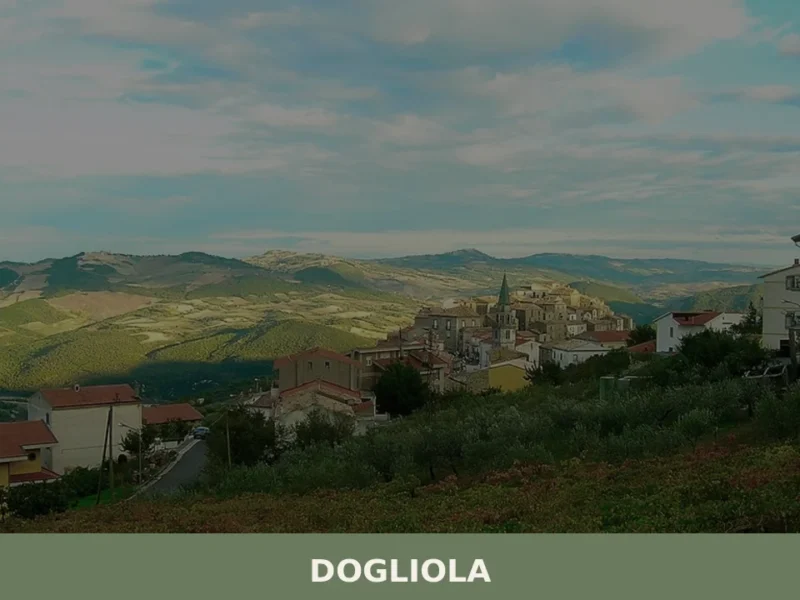
Dogliola
Hills
what to see in dogliola, Italy: Discover the 445 m elevation, 311 residents, and San Rocco festival. Explore rich history and stunning landmarks.
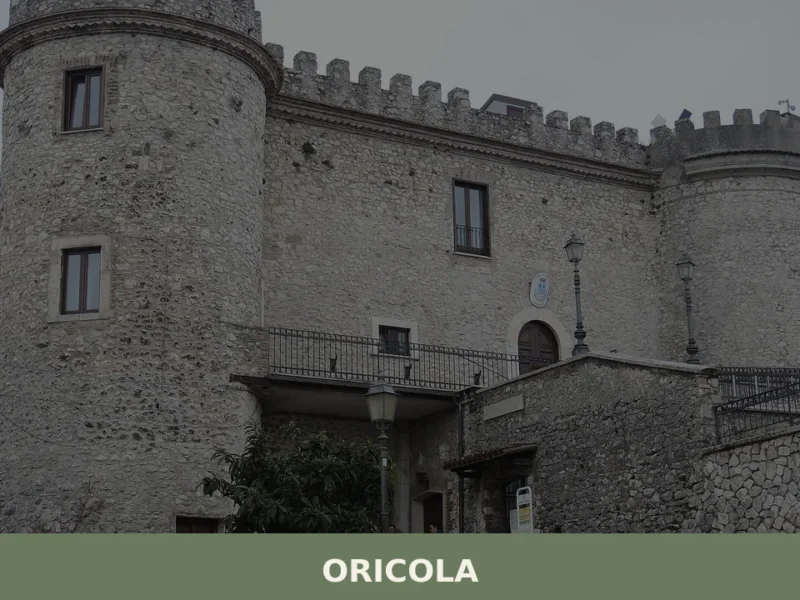
Oricola
Mountain
What to see in Oricola, Italy? Explore its 1,182 inhabitants, ancient Italic settlements, and a mid-15th century fortress. Discover this Abruzzo village.
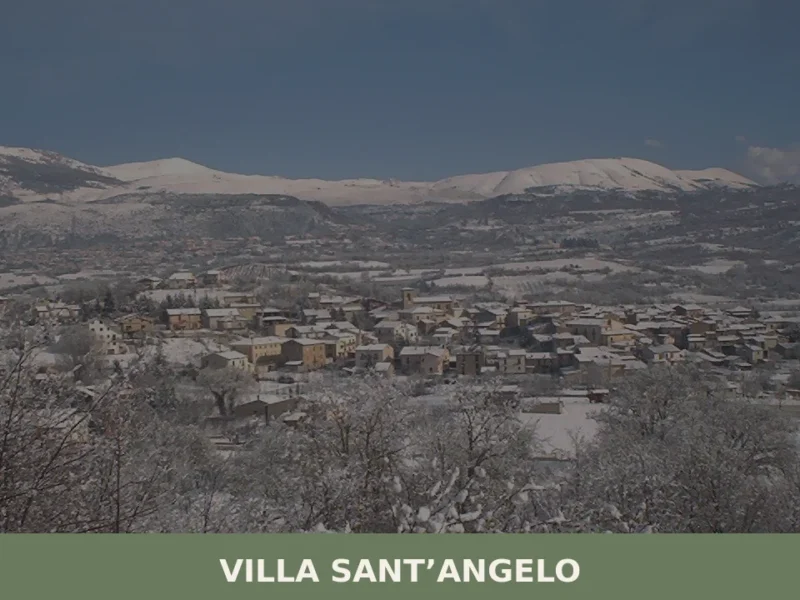
Villa Sant’Angelo
Mountain
What to see in Villa Santu2019Angelo? Discover 5 must-see attractions and the history of the ancient village. Plan your guided visit now!
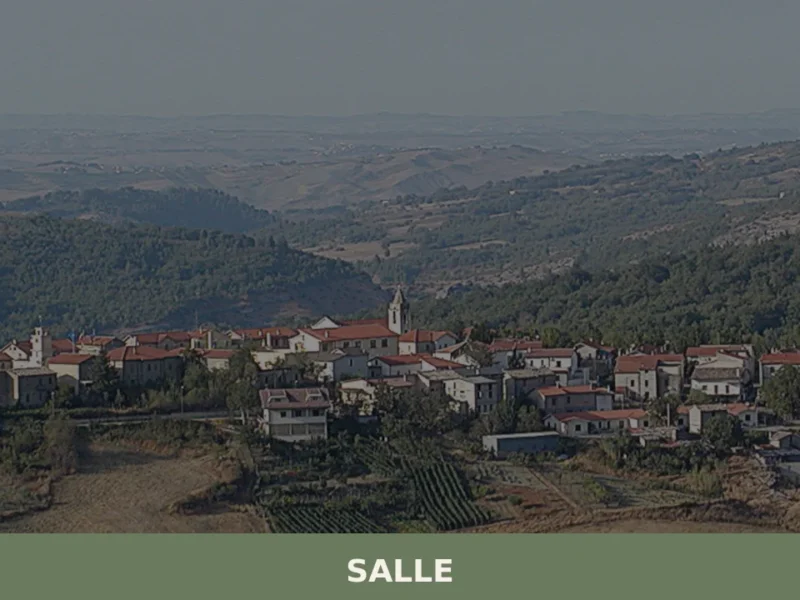
Salle
Mountain
From its elevation of 680 m (2,231 ft) above sea level, the village of Salle overlooks the Orta Valley, where the river carves through limestone gorges towards the Majella massif. Stone houses, built from local materials, cluster tightly along ancient pathways, revealing centuries of human habitation in this mountainous landscape. The air often carries the […]
Bolognano
Hills
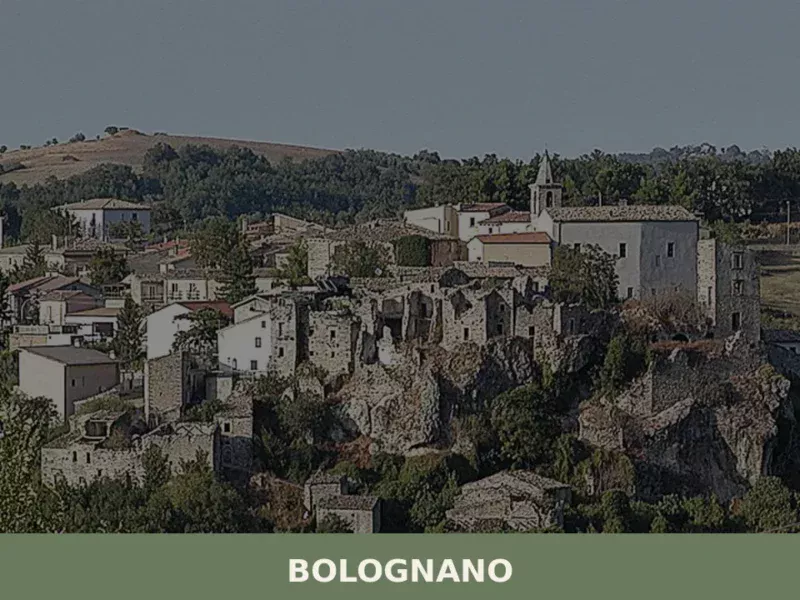
At 276 metres above sea level, along the Orta valley, Bolognano has a current population of 1,002 and occupies a stretch of flatland in the province of Pescara that served, between 1989 and 1992, as the site of an international art experiment conceived by the German artist Joseph Beuys. Asking what to see in Bolognano […]





🏡 Know Scanno better than we do?
If you’re a local or have been there, your knowledge matters: add what’s missing or fix a detail on this page.