


Barbara
 Hills
Hills
What to see in Barbara, Marche, Italy: 5 top attractions, local food, festivals and how to get there. Population 1,484. Discover this Ancona province comune.
Discover Barbara
The road west from Ancona loses the coast quickly. Within 40 kilometres (25 mi), the terrain shifts from flat Adriatic littoral to a landscape of compact ridges and grain-coloured hills, where villages cluster on high ground and the valleys between them carry seasonal streams rather than traffic.
Barbara occupies one such ridge in the Province of Ancona, its municipal boundary enclosing exactly 10.8 square kilometres (4.2 sq mi) of rolling inland Marche countryside.
At the last official count, 1,484 people lived within those limits.
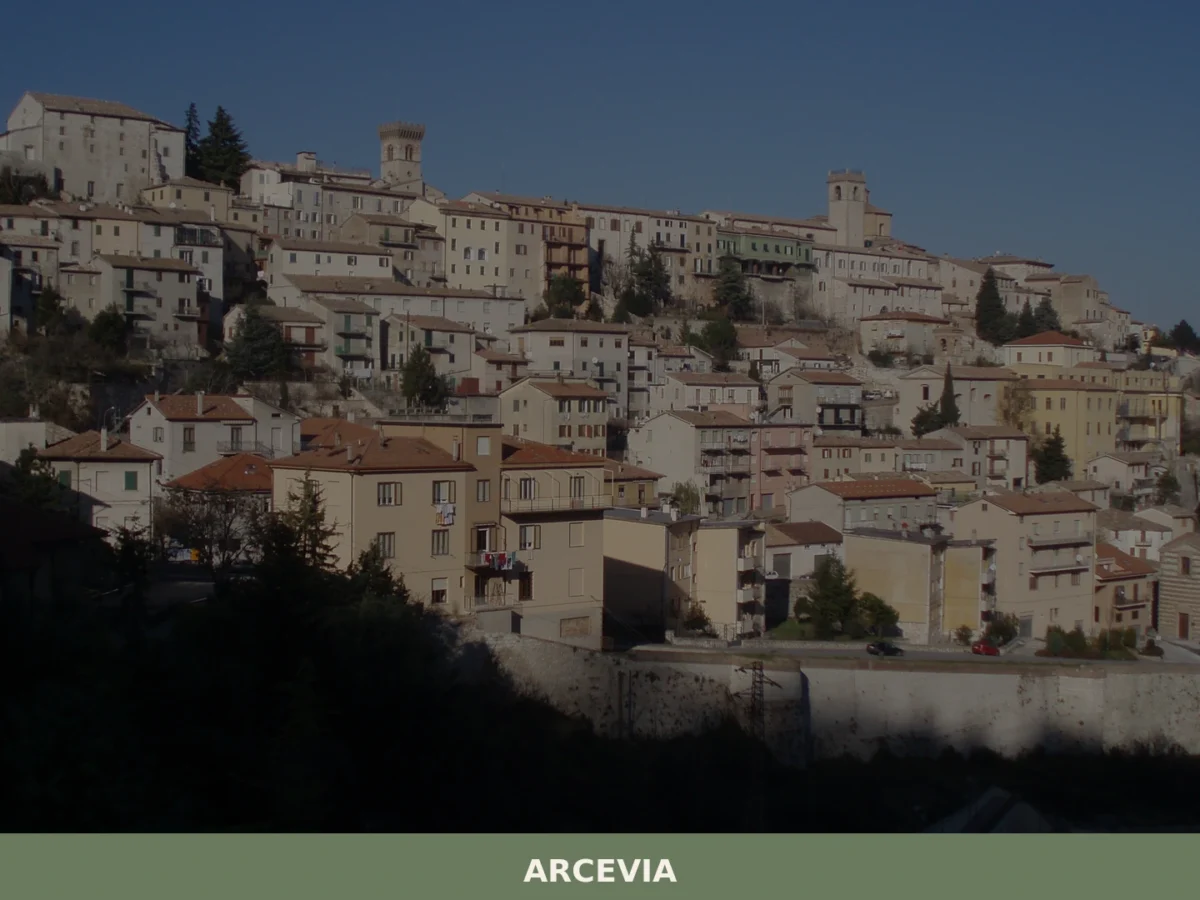
For travellers researching what to see in Barbara, the answer begins with the geometry of the place itself: a tight medieval core set above agricultural land, bordered by the municipalities of Arcevia, Castelleone di Suasa, Ostra Vetere and Serra de’ Conti. Visitors to Barbara find a village where the built fabric and the surrounding landscape remain closely connected, making it a practical and rewarding stop for anyone travelling inland from the Adriatic coast.
The Barbara highlights include its historic centre, its parish churches and the wider circuit of walks and drives linking it to the neighbouring comuni — the Italian term for municipalities — of the Misa and Nevola river valleys.
History of Barbara
The written record of Barbara as a settlement in the Marche interior reaches back into the medieval period, when hilltop castelli — fortified villages — were the standard form of organised habitation across the Province of Ancona. Control of the high ground gave communities both defensive advantage and visibility over the agricultural lands they depended upon. Barbara’s position, roughly equidistant between the Misa valley to the east and the Arcevia uplands to the west, placed it within a network of similar settlements that defined the social and economic geography of this part of Marche for several centuries.
The name Barbara itself is documented in medieval Latin records and corresponds to the Christian martyr Saint Barbara, whose feast falls on 4 December.
The choice of a saint’s name for a settlement was common practice in central Italy during the period of ecclesiastical expansion between the tenth and thirteenth centuries, when parish organisation spread across rural territories and villages often adopted the name of their titular patron.
This pattern is visible across the Province of Ancona, where numerous small comuni carry names derived directly from the Christian calendar. Whether the dedication here preceded or followed the establishment of the settlement as an administrative unit remains a matter for local archival research, but the connection between name and patron is well established in the documentary tradition.
Through the late medieval and early modern periods, Barbara, like most of its neighbours, passed through the overlapping jurisdictions characteristic of the Papal States, which controlled most of present-day Marche from the fourteenth century onward until Italian unification in 1861. The transition to the Kingdom of Italy and subsequently to the Republic reorganised these territories into provinces, placing Barbara firmly within the Province of Ancona where it remains today.
The twentieth century brought demographic pressures common to small inland villages across Italy: agricultural mechanisation reduced the need for a large rural labour force, and the population stabilised at the figure of 1,484 recorded at the end of 2004.
The village’s four bordering municipalities — Arcevia, Castelleone di Suasa, Ostra Vetere and Serra de’ Conti — share this same historical and administrative trajectory, each having evolved from medieval fortified settlement to modern comune within the same provincial framework.
What to see in Barbara, Marche: top attractions
The Historic Centre and Medieval Street Plan
Barbara’s historic centre follows the logic of a ridge-top settlement: the main axis runs along the spine of the hill, with narrower lateral lanes dropping away on either side toward the agricultural land below. The street widths reflect pre-vehicular construction, rarely exceeding three metres at the tightest points, and the building fabric is predominantly local stone laid in courses that show the hand of successive generations of rural masons. Walking the full length of the main street takes no more than ten minutes, but the elevation changes within that short distance reveal the underlying topography clearly.
The best time to observe the street plan is on a clear morning, when the light falls at a low angle and the texture of the stone facades is most visible.
Parish Church of the Village Centre
The parish church anchors the upper part of Barbara’s historic core and serves as the primary reference point for the village’s civic and religious life.
Like most rural churches in the Province of Ancona, it was built and modified over several centuries, with the current fabric reflecting interventions from the early modern period onward. The facade faces the main square, and the interior follows the single-nave plan typical of Marchigian rural ecclesiastical architecture: a barrel-vaulted ceiling, side altars in local stone, and decorative work consistent with the resources of a small agricultural community.
The church is the focal point of the annual feast of Saint Barbara on 4 December, when the village’s religious calendar reaches its highest point of the year.
Views over the Misa and Nevola Valleys
From the eastern edge of Barbara’s historic perimeter, the land drops toward the Misa valley, one of the main drainage corridors of inland Marche running broadly northeast toward the Adriatic. On clear days the visibility extends across a succession of cultivated ridges, each carrying its own cluster of buildings at the summit, a pattern repeated across the 40 kilometres (25 mi) between Barbara and the coast at Senigallia. The sight gives a direct sense of the settlement logic of this territory: no village occupies a valley floor, and the distances between them were calibrated to the range of a day’s agricultural work on foot.
The northern outlook opens toward the Nevola valley, which separates Barbara’s ridge from the uplands around Arcevia to the west.
The Municipal Territory and Agricultural Landscape
Barbara’s municipal area of 10.8 square kilometres (4.2 sq mi) is almost entirely agricultural, divided between arable land on the gentler slopes and scrub or woodland on the steeper gradients.
The cultivated fields follow the contour lines closely, a technique adapted over centuries to the erodible clay and sand soils of the Marche interior. Cereal crops, sunflowers and vineyards occupy the terraced land immediately below the village, while the deeper valleys retain a cover of mixed oak and hornbeam. For visitors interested in the working agricultural landscape of central Italy, the roads circling Barbara’s perimeter provide a direct view of this system in operation, especially in May and June when the cereal fields are at full height.
The Boundary Villages: Arcevia, Castelleone di Suasa, Ostra Vetere and Serra de’ Conti
Barbara’s four bordering municipalities each sit within a short drive of the village centre, making them natural additions to any visit. Arcevia, to the west, is the largest of the group and carries a more substantial historic centre with a documented medieval and Renaissance heritage. Castelleone di Suasa lies to the north, Serra de’ Conti to the south, and Ostra Vetere to the east on the road back toward the Adriatic coast.
The distances between these settlements are modest — none exceeds roughly 15 kilometres (9.3 mi) from Barbara — so a single day is sufficient to cover the immediate circuit.
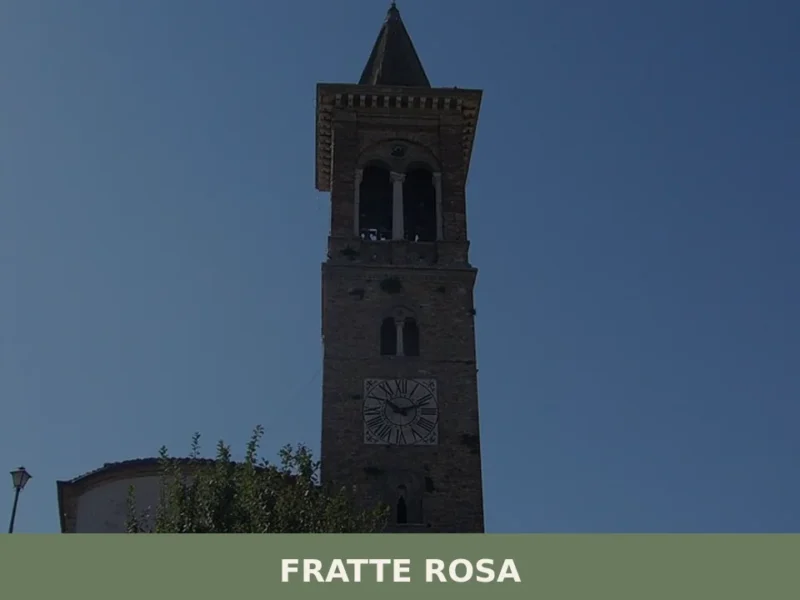
Visitors focusing specifically on what to see in Barbara can use this cluster of villages to extend their stay into a two-day inland itinerary. The village of Fratte Rosa, a short distance further into the Metauro valley, shares the same pattern of ridge-top medieval settlement and is worth including if time allows.
Local food and typical products of Barbara
The food culture of Barbara and the surrounding Misa and Nevola valleys belongs to the inland Marche tradition, which differs meaningfully from the coastal cooking of Senigallia and Ancona. Distance from the sea meant that the diet here was historically built around grain, legumes, cured pork and seasonal vegetables rather than fish. The hills around Barbara have supported wheat cultivation for centuries, and the pasta and bread traditions of the area reflect that agricultural base directly.
Olive oil production, while not as intensive as in the more southerly parts of Marche, has a presence on the lower slopes where the microclimate permits.
Among the dishes associated with the inland Marche table, vincisgrassi occupies a central position: a baked pasta preparation layered with a slow-cooked meat ragù, typically made from a mixture of pork, chicken giblets and sometimes lamb, bound with a béchamel and finished with a dusting of aged hard cheese.
The technique requires a ragù that has cooked for several hours until the meat fibre breaks down completely, producing a dense and cohesive sauce quite different from a quick Bolognese. Another fixture is crescia, a flatbread cooked on a cast-iron griddle called a testo: the dough is unleavened or very lightly leavened, rolled thin, and cooked at high heat until it blisters and chars slightly at the edges.
It is eaten with cured meats, soft fresh cheese or simply with olive oil.
Cured pork products from the Marche interior follow the pattern common across central Italy: lonza, a cured loin seasoned with black pepper and sometimes fennel seed; coppa, made from the neck and shoulder; and various forms of salame produced by small-scale local butchers using recipes that vary from one valley to the next.
These products are not subject to a specific protected designation of origin tied exclusively to Barbara, but they form part of the broader Marche salumeria tradition that visitors will encounter in village shops and local markets throughout the Province of Ancona. Aged sheep’s milk cheese — pecorino in its various local forms — appears regularly on the inland table, often paired with honey or local preserves at the end of a meal.
The most practical opportunity to sample these products is at local markets and the periodic food events organised in the village and neighbouring comuni during the autumn months, when the agricultural year concludes and the new olive oil and wine are available.
September and October bring the highest concentration of food-related events across inland Marche, and visiting Barbara during this period gives access to producers selling directly at village festivals. A visit to the nearby Macerata area further south extends the range of Marchigian food traditions considerably, as the Macerata province carries several distinct cured meat and pasta specialities of its own.
Festivals, events and traditions of Barbara
The principal annual event in Barbara is the feast of Sant’Barbara, celebrated on 4 December in honour of the village’s patron saint.
The day follows the structure common to Italian village patron festivals: a solemn Mass in the parish church, a procession through the main streets of the historic centre, and communal gathering in the central square. The December timing places the feast in the coldest and shortest days of the year, so the festivities tend to be concentrated within the village rather than spreading into the surrounding countryside.
Illuminated decorations mark the route of the procession, and local households and businesses observe the day as a significant point in the civic calendar.
Beyond the patron feast, Barbara participates in the seasonal rhythm of events characteristic of inland Marche villages, including summer gatherings and local food fairs known as sagre — traditional festivals centred on a specific local product or dish — typically organised between June and September when outdoor events are practical.
These events draw both local residents and visitors from the surrounding municipalities, and they function as the primary occasion for communal socialising outside the religious calendar. The specific programme varies year to year and is best confirmed through the Comune di Barbara official website, which publishes updated information on local initiatives and public events.
When to visit Barbara, Italy and how to get there
The most practical period to visit Barbara falls between April and October.
Spring — specifically late April through June — offers mild temperatures, the cereal fields at their most visually striking, and a lower volume of traffic on the secondary roads connecting the inland villages of the Province of Ancona.
Late summer and early autumn, from late August through October, brings the olive harvest, the grape harvest and the concentration of food festivals that make the inland Marche table most accessible to visitors. The winter months are cold and the village is quiet, though the feast of Saint Barbara on 4 December gives the early winter period a specific point of interest. Those asking about the best time to visit Marche in general will find that the same late spring and early autumn window applies across the region.
Getting to Barbara by car is straightforward.
The village lies approximately 40 kilometres (25 mi) west of Ancona, reachable via the A14 Adriatic motorway with exit at Senigallia, followed by inland roads through the Misa valley toward Ostra Vetere and then Barbara. The drive from the motorway exit takes roughly 30 to 40 minutes depending on traffic and the specific route chosen through the valley. For those making a day trip from the nearest major city, Ancona is the obvious starting point: the city centre is under an hour by car, and the route passes through a sequence of smaller settlements that add context to the visit.
A day trip from Ancona to Barbara and the surrounding villages is entirely feasible within a single afternoon, leaving the morning free for Ancona itself.
Travellers arriving by rail can reach Senigallia or Ostra on the Trenitalia coastal line, then continue inland by local bus or taxi.
The nearest airport is Aeroporto Internazionale delle Marche (Ancona Falconara), approximately 45 kilometres (28 mi) from Barbara by road. International visitors should note that English is spoken with varying degrees of confidence in smaller inland villages; carrying sufficient euro cash for small purchases in local shops and markets is advisable, as card payment terminals are not universal in this part of inland Marche.
Travellers with time to extend their itinerary beyond the immediate area might consider including Acquaviva Picena, a well-preserved hill village in the southern part of the Marche coast that illustrates how the same ridge-top settlement pattern plays out in a different provincial context.
For those driving north and west from Barbara toward the Apennine foothills, Apecchio in the upper Borghese valley represents the most northerly and mountainous extension of the Marche interior, with a landscape and built fabric that contrast clearly with the lower hills around Barbara.
Both stops add genuine variety to a multi-day circuit of inland Marche and reward visitors already engaged in exploring what to see in Barbara and its surrounding territory.
Frequently asked questions about Barbara
What is the best time to visit Barbara?
Late spring (May and June) is ideal for visiting Barbara: the cereal fields and sunflowers on the surrounding slopes are at full height, offering the most vivid agricultural landscape in the Misa and Nevola valleys. Early autumn brings harvested fields and clear visibility across the ridges toward the Adriatic. The most atmospheric single day on the local calendar is 4 December, the feast of Santa Barbara, when the parish church becomes the focal point of the village's main religious and civic celebration of the year.
What are the historical origins of Barbara?
Barbara's origins lie in the medieval hilltop castelli that characterised the Province of Ancona, where fortified ridge-top settlements controlled both defensive high ground and the agricultural land below. The village name appears in medieval Latin records and corresponds to the Christian martyr Saint Barbara, whose feast falls on 4 December — a naming practice common across central Italy during the ecclesiastical expansion between the tenth and thirteenth centuries. From the fourteenth century onward, Barbara fell under the jurisdiction of the Papal States until Italian unification in 1861, after which it became part of the Province of Ancona.
What to see in Barbara? Main monuments and landmarks
The primary attraction is Barbara's medieval historic centre, a compact ridge-top street plan with narrow lanes dropping away from a main axis toward the agricultural land below. The parish church anchors the upper village, featuring a single-nave interior with barrel-vaulted ceiling and side altars in local stone — typical of Marchigian rural ecclesiastical architecture. From the eastern perimeter, views extend across cultivated ridges toward the Misa valley and the coast at Senigallia some 40 kilometres away. The bordering comuni of Arcevia, Serra de' Conti, Ostra Vetere and Castelleone di Suasa are all within 15 kilometres and easily combined into a day circuit.
What are the main natural or scenic attractions of Barbara?
Barbara's municipal territory of 10.8 square kilometres encompasses a working agricultural landscape of contour-following cereal fields, sunflower plots and vineyards on the gentler slopes, with mixed oak and hornbeam woodland in the steeper valleys. The roads circling the village perimeter offer direct views of this system, particularly striking in May and June. The northern outlook opens toward the Nevola valley separating Barbara's ridge from the Arcevia uplands, while the eastern edge overlooks the Misa valley drainage corridor running northeast toward the Adriatic coast.
Where to take the best photos in Barbara?
The eastern perimeter of Barbara's historic centre provides the most rewarding viewpoint: on clear days the eye travels across a succession of ridge-top villages toward the Adriatic, illustrating the settlement logic of inland Marche in a single frame. The best light falls in the morning hours, when low-angle sun also picks out the texture of the local stone facades along the main street. The northern edge offers a contrasting view toward the Nevola valley and the Arcevia uplands, useful for capturing the layered topography of this part of the Province of Ancona.
What can you do in Barbara? Activities and experiences
Barbara is best experienced as part of a slow inland circuit. The roads around the village perimeter make for a manageable half-day drive or walk through active agricultural countryside, with cereal, sunflower and vineyard plots visible at close range. The cluster of four neighbouring comuni — Arcevia, Serra de' Conti, Ostra Vetere and Castelleone di Suasa, all within 15 kilometres — lends itself to a full two-day inland itinerary from the Adriatic coast. The village of Fratte Rosa in the Metauro valley is a documented extension worth adding if time permits.
Who is Barbara suitable for? Families, couples, hikers, solo travelers?
Barbara suits travellers who prefer quiet, unhurried inland Marche over the busier Adriatic coast. Couples and independent travellers interested in medieval village morphology, agricultural landscapes and regional food traditions will find it rewarding. The compact historic centre and easy road circuit around the municipality are manageable for families with older children. Its position at the centre of four neighbouring comuni makes it a practical base for anyone building a multi-stop inland itinerary. It is not a destination for visitors expecting organised tourist infrastructure, beaches or nightlife.
What to eat in Barbara? Local products and specialties
Barbara's food culture belongs to the inland Marche tradition built around grain, legumes and cured pork rather than fish. The signature dish of the area is vincisgrassi, a baked layered pasta with a slow-cooked ragù of pork, chicken giblets and sometimes lamb, finished with béchamel and aged hard cheese. Crescia, an unleavened flatbread cooked on a cast-iron testo griddle until slightly charred, is eaten with cured meats, soft fresh cheese or olive oil. Olive oil is produced on the lower slopes where the microclimate permits, alongside the cereal crops that have historically underpinned this valley's diet.
📷 Photo Gallery — Barbara
Nearby Villages near Barbara
In Marche More villages to discover
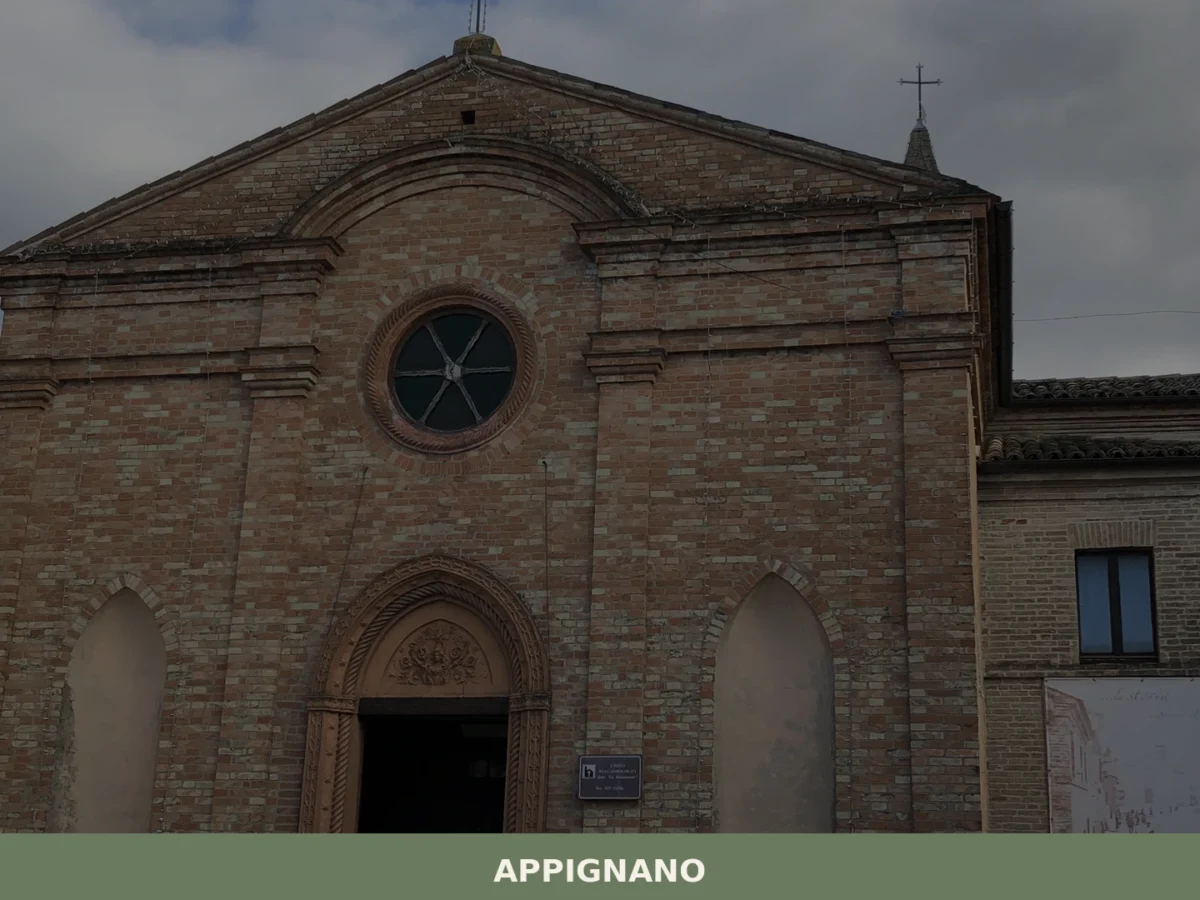
Appignano
 Plains
What to see in Appignano, Marche, Italy: discover the church of San Giovanni, local food traditions, and a village 35 km from Ancona. Explore the full guide.
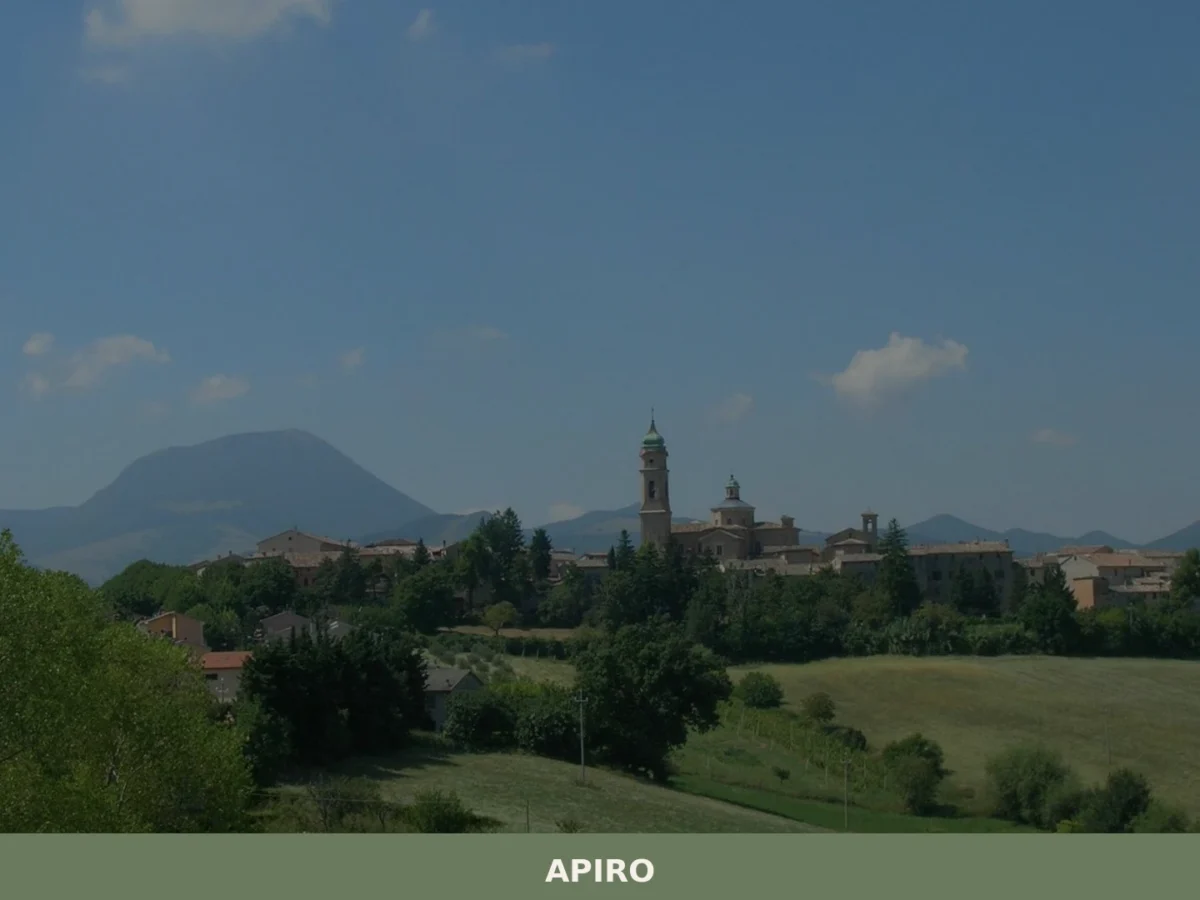
Apiro
Hills
What to see in Apiro, Marche, Italy: discover the Sant'Urbano museum, a 14th-century church, and local cuisine 40 km from Ancona. Explore the full guide.
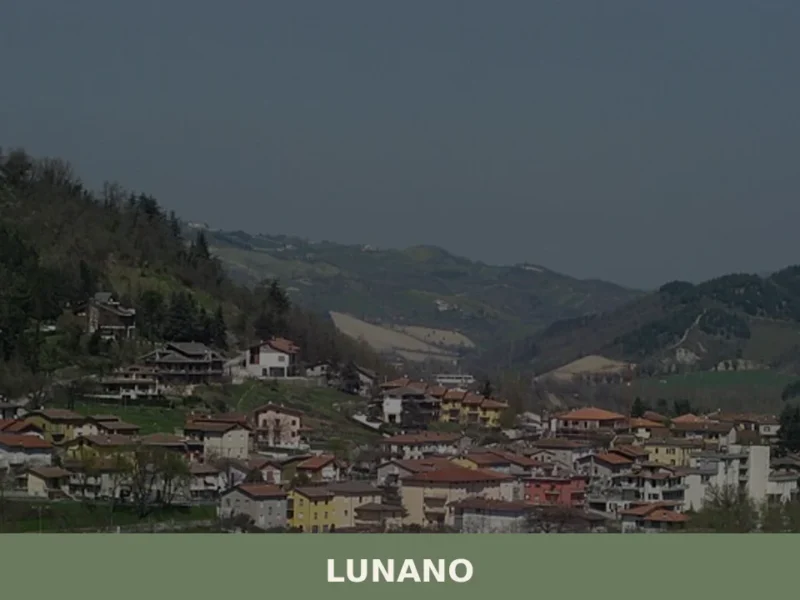
Lunano
Hills
what to see in lunano, Italy: Discover its 297-meter altitude, ancient castle, and unique Chestnut Festival. Explore this Montefeltro village.
🏡 Know Barbara better than we do?
If you’re a local or have been there, your knowledge matters: add what’s missing or fix a detail on this page.