


Arcevia
 Hills
Hills
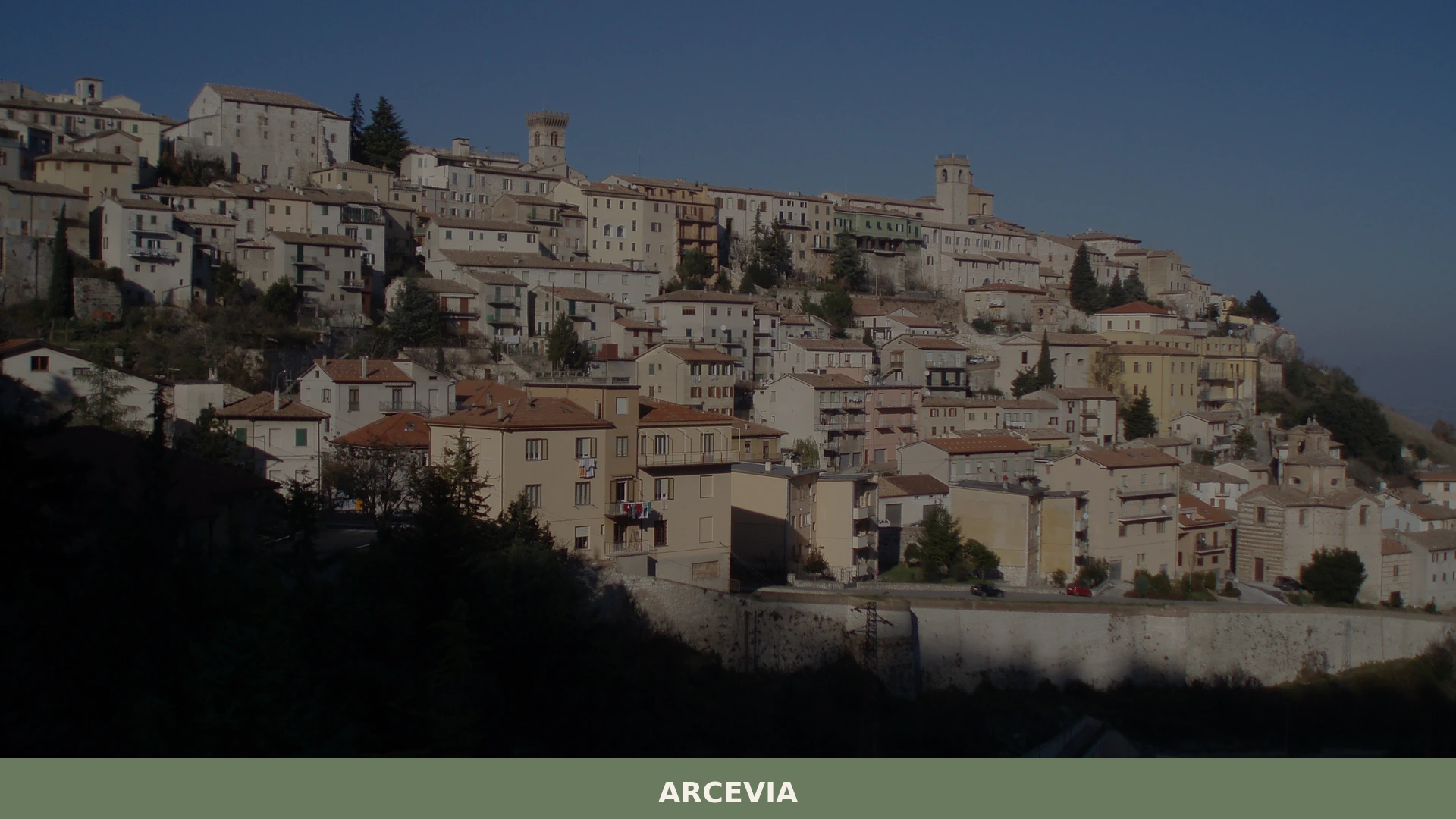
A hill at 535 metres (1,755 ft) above the Misa and Nevola river valleys: this is where Arcevia stands, its streets running along a ridge in the province of Ancona, roughly 50 kilometres (31 mi) south-west of the regional capital. The town was fortified by Pippin the Younger, fought over by condottieri, renamed by a […]
Discover Arcevia
A hill at 535 metres (1,755 ft) above the Misa and Nevola river valleys: this is where Arcevia stands, its streets running along a ridge in the province of Ancona, roughly 50 kilometres (31 mi) south-west of the regional capital. The town was fortified by Pippin the Younger, fought over by condottieri, renamed by a pope in 1817, and lost seventy of its people to a Nazi massacre in May 1944.
Each of those facts is still legible in the fabric of the place.
Knowing what to see in Arcevia means understanding that this is a borgo — a compact historic village — formally recognised among I Borghi più belli d’Italia (The Most Beautiful Villages of Italy), a national certification awarded to fewer than 350 comuni across the country.
Visitors to Arcevia find a medieval street layout, a set of notable churches containing Renaissance-era artwork, and a position that commands clear views over the surrounding valleys. The altitude alone — 535 metres (1,755 ft) — guarantees cooler temperatures than the Adriatic coast below, and the drive up from the valley floor already signals the kind of terrain the town was built to exploit.
History of Arcevia
The site was occupied before Rome consolidated its hold over central Italy.
According to tradition, a Gallic settlement preceded the Roman conquest, after which the locality was gradually overshadowed by larger nearby centres such as Suasa, the Roman city whose archaeological remains lie in the valley below. The strategic value of the hill, however, never disappeared. Pippin the Younger, King of the Franks, had the settlement fortified, and Charlemagne subsequently donated it to the Papal States, a transfer that would shape the town’s political identity for centuries.
Under the name Rocca Contrada, the place occupied a border position between the Marca di Ancona, Umbria, and the Duchy of Urbino — a location that made it a recurring object of territorial competition.
In 1201, Rocca Contrada declared itself an independent commune, and in 1266 Pope Clement IV granted it the formal status of civitas — the Latin designation for a city, a recognition that carried real legal and administrative weight.
The town remained firmly in the Guelph camp throughout the medieval conflicts between papal and imperial factions. Its military importance attracted powerful adversaries: in the 15th century, Ladislaus, King of Naples, laid siege to the town, prompting the inhabitants to call upon the condottiero Braccio da Montone. Braccio lifted the siege, recaptured the surrounding castles, and was declared Signore of the city. Later, the forces of Francesco Sforza took control, and after further shifts in power, Rocca Contrada passed to the Guelph Malatesta family.
The 16th century brought relative stability under the reorganised Papal States, and Rocca Contrada entered a period of cultural development. Professorships in classical subjects were established, literary academies were founded, and the city produced figures who gained recognition beyond the region, including the painter Ercole Ramazzani and, in the 18th century, the architect Andrea Vici.
In 1817, Pope Pius VII replaced the medieval name with the current one: Arcevia.
The transition to the Kingdom of Italy followed Italian unification under the Savoy monarchy. The town’s most traumatic modern episode came in May 1944, when seventy people were killed on Monte Sant’Angelo as a reprisal for local resistance to Nazi occupation — a loss that the community has documented and commemorated ever since.
What to see in Arcevia, Marche: top attractions
Collegiate Church of San Medardo
The collegiate church dedicated to San Medardo is the principal religious building inside the historic centre, and it holds the most concentrated group of Renaissance painting in Arcevia. The church contains a cycle of altarpieces attributed to Luca Signorelli, the Umbrian painter active in the late 15th and early 16th centuries, whose work here places Arcevia on a map of Signorelli sites that otherwise runs through Orvieto and Cortona.
Standing inside, the scale of the painted panels relative to the interior space is immediately striking: these were not decorative accents but the dominant visual programme of the building. Visiting in the morning, when light enters from the south-facing windows, gives the clearest view of the colour gradations in the figures.
Rocca di Arcevia (medieval fortress)
The fortress that gave Rocca Contrada its medieval name still defines the highest point of the town’s profile.
Its walls were built to control the approach routes from the Misa valley and from the territories of the Duchy of Urbino, and the choice of position — at the apex of the ridge — made it visible from several kilometres (miles) of surrounding countryside. Fortification here predates the Carolingian period, with the documented intervention by Pippin the Younger placing its political history in the 8th century. The external perimeter gives the clearest sense of the original defensive logic: corner towers, wall thickness, and the steep drop on the valley-facing sides all remain legible.
Access is possible on foot from the central square within a few minutes.
Church of San Francesco
The Church of San Francesco stands within the historic perimeter and contains further documented works from the local and regional artistic tradition, including contributions associated with the painter Ercole Ramazzani, who was born in Arcevia and worked primarily in the second half of the 16th century. Ramazzani trained in the late Mannerist current circulating through central Italy at that time, and the paintings here show that influence in the treatment of elongated figures and complex compositional arrangements.
The church itself follows the standard Franciscan model of the period: a single nave, relatively plain external stonework, and a facade that gives little indication of what the interior contains. This contrast between exterior restraint and interior pictorial density is characteristic of the town’s religious architecture as a whole.
Monte Sant’Angelo and the 1944 memorial site
Monte Sant’Angelo, in the municipal territory of Arcevia, is the location where seventy residents were killed in May 1944 following resistance activity against Nazi occupation.
The site functions as a documented place of memory and carries specific historical weight for the community. Reaching it involves leaving the town centre and travelling into the surrounding hills — the elevation and the open landscape place the event in a rural context that contrasts sharply with what happened there. For visitors with an interest in the history of the Italian resistance and the civilian cost of the German occupation of central Italy, this is one of the most historically specific sites in the province of Ancona.
Local commemorative events are held annually at the site.
Viewpoints over the Misa and Nevola valleys
The position of Arcevia at 535 metres (1,755 ft) on a ridge between two river valleys creates a series of natural viewpoints accessible from within the town on foot. The Misa river valley to the east and the Nevola river valley to the south-west are both visible from different points along the town’s outer edge.
The clarity of the view changes with the season: in winter, after the deciduous vegetation has dropped its leaves, the geometry of the agricultural terraces and the courses of both rivers become visible in detail. In late spring and early summer, the cultivated fields running up to the base of the hill produce a layered effect of contrasting colours. No specialist equipment or guided tour is needed to reach these viewpoints — the perimeter path of the historic centre leads to them directly.
Local food and typical products of Arcevia
Arcevia, Marche, Italy sits within an agricultural zone where the primary products come from cereal cultivation, sheep farming, and the mixed smallholder tradition typical of the Apennine foothills. The proximity to both the Adriatic coast and the inland hill system means that the local food culture draws on two distinct supply lines: preserved and cured meats from the hill farms, and fish preparations that arrived historically through trade with the coastal towns.
The elevation of the town itself — 535 metres (1,755 ft) — means that the growing season is shorter than on the coast, which historically concentrated local food production toward cured and dried ingredients capable of lasting through winter.
The table in this part of Marche typically opens with cured meats sliced thin and served with crescia, a flatbread cooked on a stone griddle made from flour, water, salt, and lard or olive oil depending on the household.
The dough is rolled flat and cooked directly on a heated surface until it blisters and chars in places — the charred edges are considered normal and desirable. Vincisgrassi, the Marche version of baked layered pasta, differs from the more widely known Emilian lasagne in its use of offal-enriched meat sauce and a béchamel made with local whole milk. Lamb, raised on the surrounding hills, appears in slow-braised preparations seasoned with wild herbs gathered from the same terrain where the animals graze.
Pecorino produced in the area — sheep’s milk cheese aged at varying lengths — moves from fresh and mild at a few days old to sharp and crumbly after several months.
The inland Marche does not hold a high density of formally certified DOP or IGP products specific to Arcevia itself, though the broader regional certifications for Marche olive oil and Marche IGP pork products apply across the territory. Visitors looking for locally produced goods are best served by the periodic markets held in the town square, where producers from the surrounding municipality bring seasonal vegetables, cheeses, honey, and preserved meats directly.
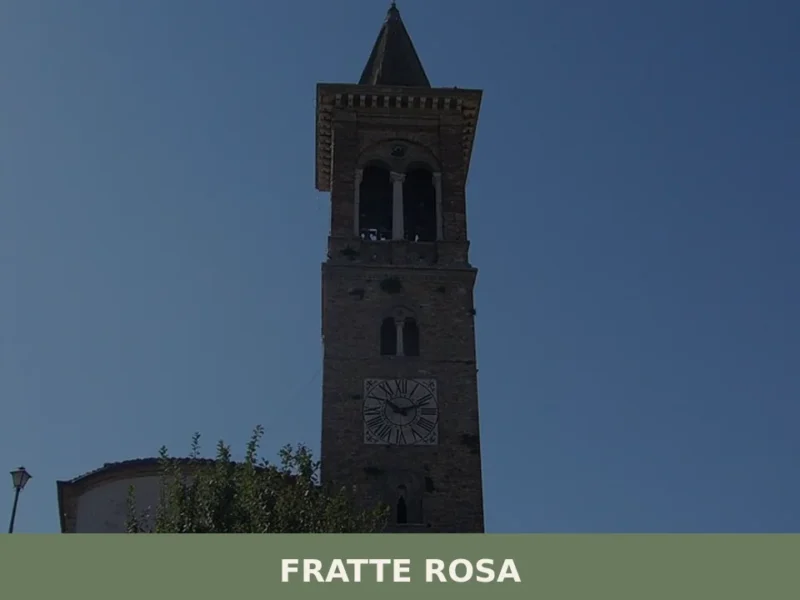
The village of Fratte Rosa, not far to the north-east in the same provincial territory, shares a similar hill-farm food culture and is also known for its traditional terracotta craft production, making it a coherent addition to a food-focused day in the area.
The autumn months from September through November bring the highest concentration of local food events across the Marche interior.
Mushrooms gathered from the surrounding woodland — primarily porcini and ovoli — appear in markets and on restaurant menus from late September onward. Truffle from the Apennine foothills enters local kitchens in a similar window. For visitors specifically interested in seasonal ingredients at their source, arriving in October gives access to both the harvest market period and the cooler, clearer weather that the elevation of Arcevia delivers in that month.
Festivals, events and traditions of Arcevia
The civic and religious calendar of Arcevia is anchored to the feast of San Medardo, the patron saint to whom the town’s collegiate church is dedicated.
San Medardo’s feast falls on 8 June, and the day is marked in the historic centre with a religious procession through the main streets, a solemn mass inside the collegiate church, and communal gatherings in the central square.
The date in early June coincides with a favourable moment in the hill climate — temperatures at 535 metres (1,755 ft) are still moderate, and the surrounding landscape is at full vegetative growth, which gives the outdoor components of the celebration a specific visual context.
Beyond the patron saint’s feast, the town participates in the broader calendar of sagre — traditional local food festivals — that runs through the Marche interior from late spring to early autumn. These events, typically organised by local associations, centre on a specific seasonal ingredient and combine communal meals with live music and open-air gatherings in the village square.
Arcevia’s documented history of literary academies and cultural institutions, which dates to the Renaissance period described above, also surfaces in periodic cultural events held in the town, though the precise scheduling of these varies by year and is best confirmed through the official municipal website arceviaweb.it before travel.
When to visit Arcevia, Italy and how to get there
The best time to visit Arcevia falls between late April and early June, and again from September through October.
In both windows, the altitude keeps temperatures manageable — cooler than the Adriatic coast by several degrees — and the light is clear enough for extended walking around the historic perimeter. July and August bring more visitors to Marche generally, but Arcevia, sitting at 535 metres (1,755 ft), avoids the worst of the coastal summer heat.
Winter is quiet and the views across the valleys are at their sharpest, though some local businesses reduce their hours from November onward. For those whose primary interest is the Signorelli paintings in San Medardo or the architectural fabric of the historic centre, the shoulder seasons offer the most favourable conditions with the least crowd pressure.
Arcevia is reachable by car from Ancona in approximately one hour via the SS76 state road toward Fabriano, followed by local roads climbing to the ridge.
Ancona itself is served by the Trenitalia rail network, with connections from Rome (approximately 3 hours), Florence (approximately 2.5 hours), and Bologna (approximately 2 hours). From Ancona station, reaching Arcevia requires a car — the town has no direct rail connection, and local bus services from Ancona to the interior hill towns run on limited schedules.
If you arrive by car from the A14 Adriatic motorway, exit at Senigallia and follow the SS360 inland toward Arcevia, a distance of approximately 42 kilometres (26 mi) from the motorway exit. The nearest airport is Ancona Falconara (Marche Airport), located approximately 55 kilometres (34 mi) from Arcevia by road. For international visitors, carrying cash in Euros is advisable, as smaller shops and markets in hill towns of this size may not accept card payments reliably, and English is not widely spoken outside the main accommodation points.
Arcevia works well as a day trip from Ancona, which is the nearest major city and the provincial capital.
The 50-kilometre (31 mi) distance and roughly one-hour drive makes it feasible to spend a full morning and afternoon in the town and return to Ancona for the evening. Those based further south in Marche, near the area of Macerata or Fermo, can also reach Arcevia in under two hours by road. The village of Acquaviva Picena, another member of I Borghi più belli d’Italia in the southern part of Marche, makes a logical pairing for visitors building a multi-stop itinerary through the region’s recognised historic villages.
Visitors to Arcevia can extend their trip northward toward Frontino, a small borgo in the Montefeltro area that shares the same pattern of hilltop position and medieval civic architecture found across this part of Marche.
Alternatively, those drawn to the Renaissance heritage of the Duchy of Urbino corridor will find that Monteciccardo, further north in the province of Pesaro-Urbino, sits within the same cultural and historical orbit and can be reached in under an hour and a half by car from Arcevia.
Frequently asked questions about Arcevia
What is the best time to visit Arcevia?
The best time to visit Arcevia is from late spring to early autumn, particularly June to September, when the weather is mild and ideal for exploring the historic streets and surrounding countryside. The feast of San Medardo, the town's patron saint, on June 8th, offers a unique cultural experience with festivities that attract locals and visitors alike.
What to see in Arcevia? Main monuments and landmarks
In Arcevia, don't miss the Collegiate Church of San Medardo, featuring Renaissance art by Luca Signorelli. The Rocca di Arcevia, a medieval fortress, provides insight into the town’s historical defenses. Access to these sites is generally open during daylight hours, and viewing art in the church is particularly rewarding in the morning.
Who is Arcevia suitable for? Families, couples, hikers, solo travelers?
Arcevia is ideal for history enthusiasts, families, and couples who appreciate medieval architecture and cultural heritage. Hikers and nature lovers will also find the surrounding hills and landscape appealing, offering opportunities for scenic walks and photography.
Are there museums, churches or historic buildings to visit in Arcevia?
Yes, Arcevia is home to several historic sites, including the Church of San Francesco, featuring works by local artists such as Ercole Ramazzani. These sites showcase the town's rich artistic history and are accessible during regular hours.
What to eat in Arcevia? Local products and specialties
In Arcevia, try local specialties such as vincisgrassi, a type of lasagna with offal-enriched sauce, and crescia, a delicious flatbread. The area is also known for its pecorino cheese, which is produced locally and varies from mild to sharp.
📷 Photo Gallery — Arcevia
Nearby Villages near Arcevia
In Marche More villages to discover
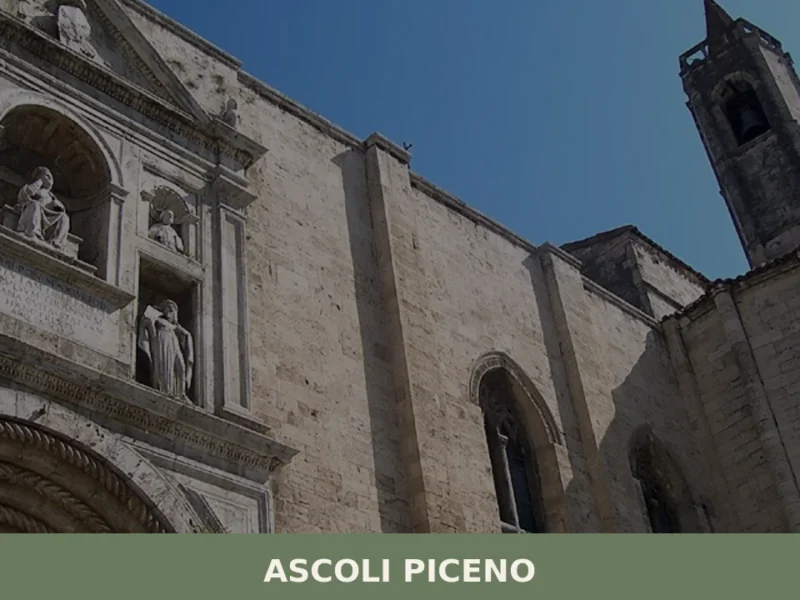
Ascoli Piceno
 Plains
At 154 meters above sea level, in the heart of southern Marche, Ascoli Piceno rises between the waters of the Tronto river and its tributary, the Castellano, a natural crossroads that has shaped its identity over millennia. In this article History and origins of Ascoli Piceno What to see in Ascoli Piceno: main attractions Typical […]
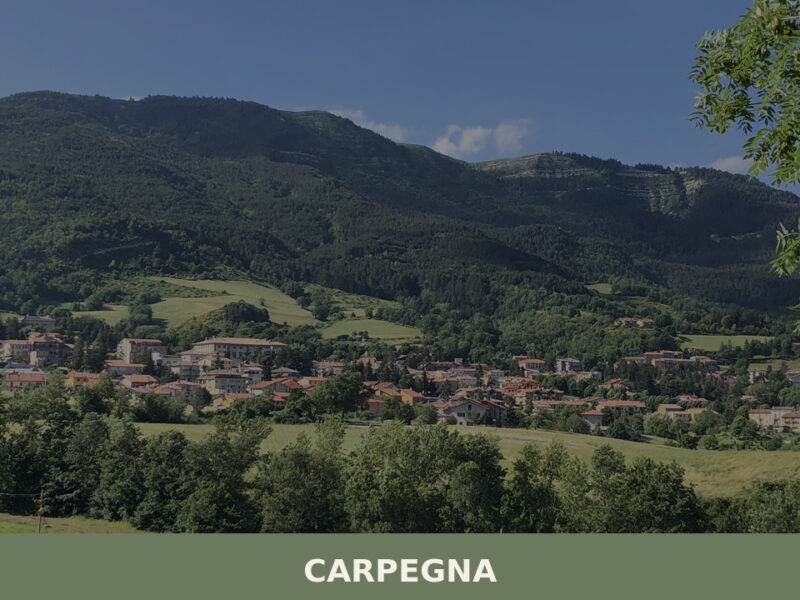
Carpegna
 Mountain
Morning mist lifts off Monte Carpegna in slow, deliberate layers, revealing stone walls the colour of raw honey and a bell tower that has marked the hours here for centuries. The village sits at the foot of its namesake peak in the province of Pesaro e Urbino, home to just 1,672 residents who move through […]
Isola del Piano
Hills
Discover Isola del Piano, a charming village in Marche, Italy. Explore its rich history, organic traditions, stunning landscapes, and authentic Italian culture.
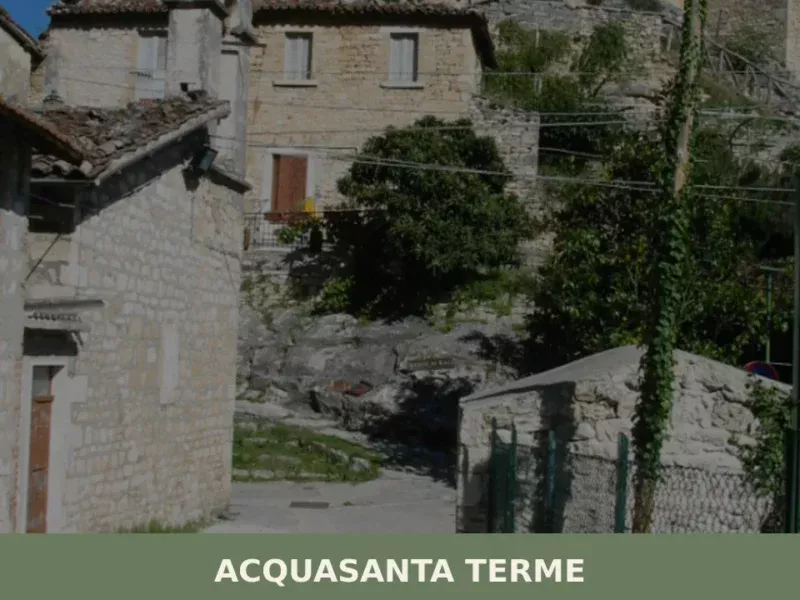
Acquasanta Terme
Mountain
Discover what to see in Acquasanta Terme: Roman thermal baths, Tronto gorge, medieval hamlets and Apennine landscapes in Marche's Ascoli Piceno province.
Petritoli
Hills
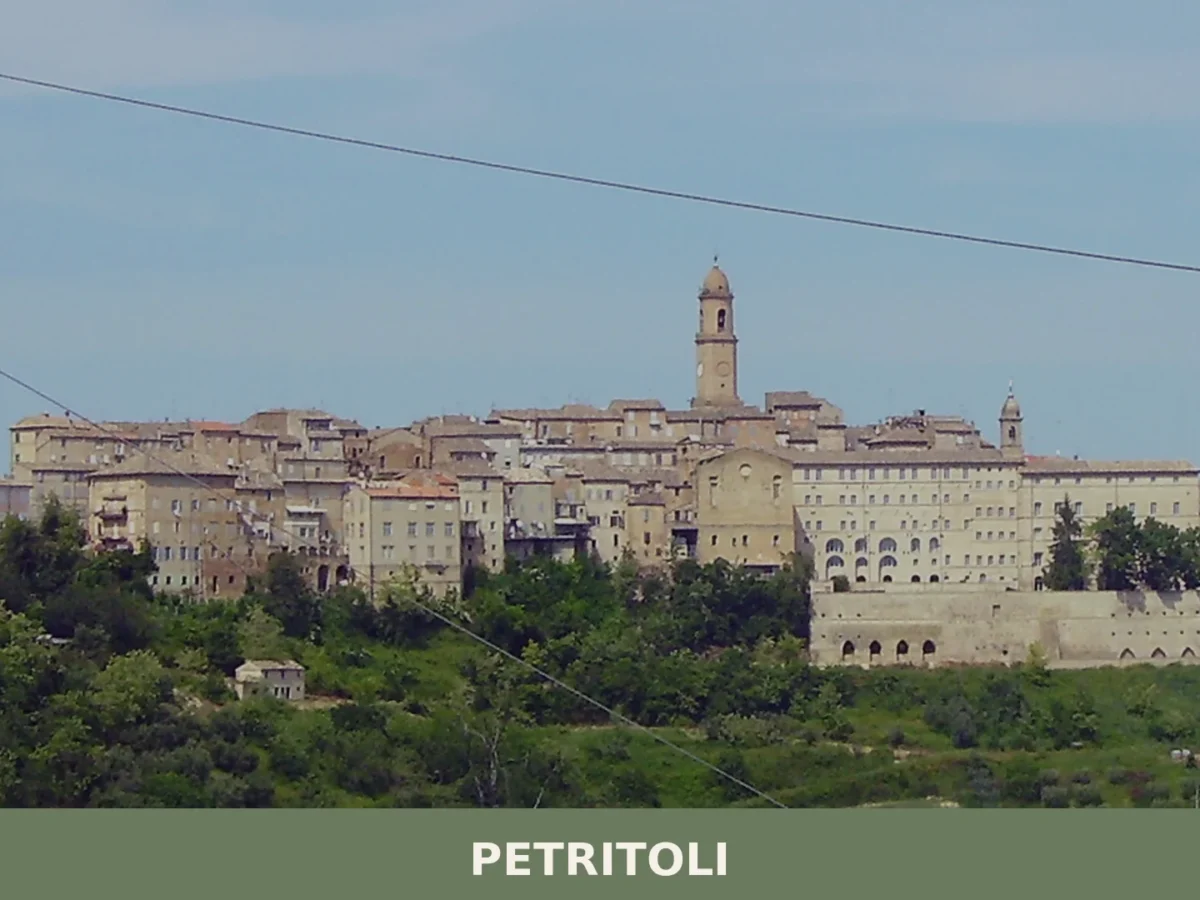
Petritoli is a hill town of around 2,100 inhabitants in the province of Fermo, Marche, set at 335 metres above sea level across seven hills on the left bank of the river Aso.
Appignano del Tronto
Plains
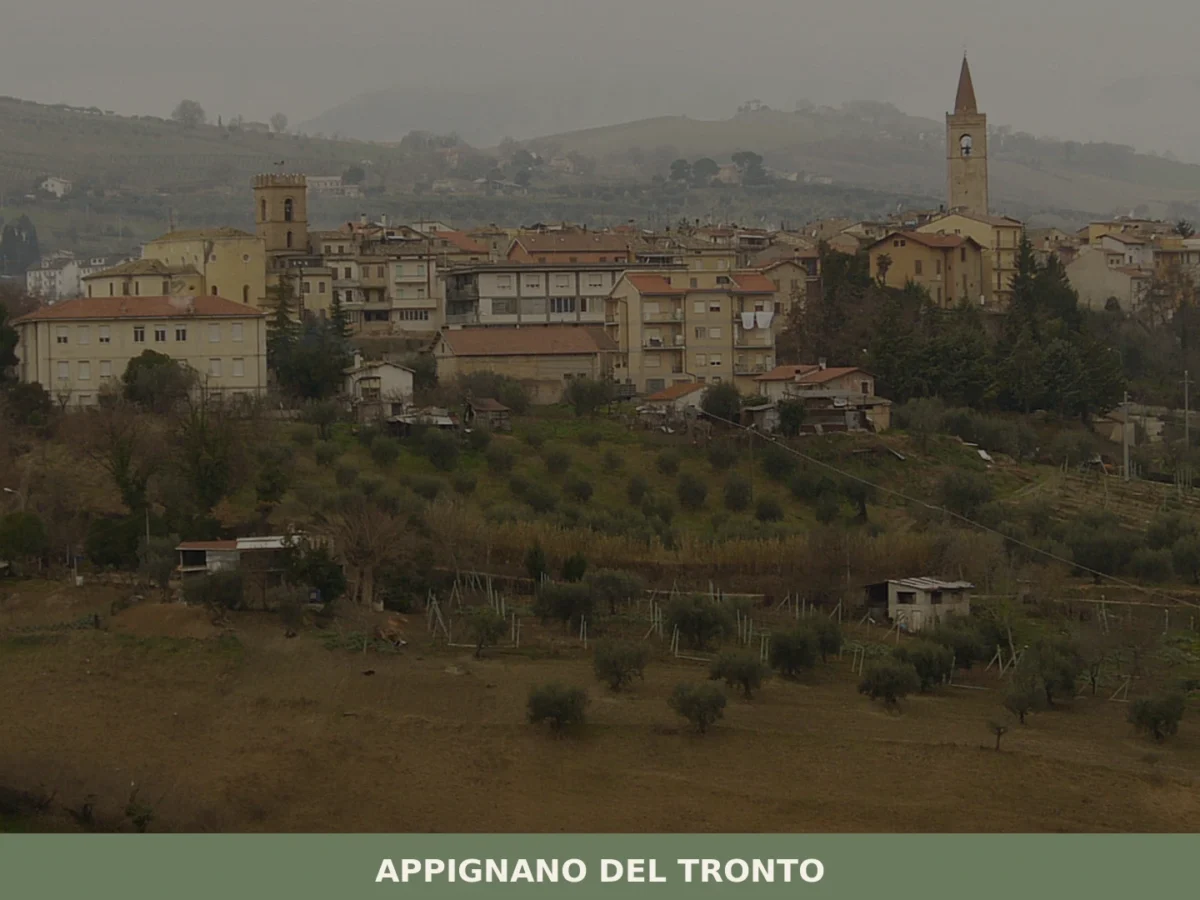
What to see in Appignano del Tronto, Italy: 9 km from Ascoli Piceno, discover top attractions, local food, and travel tips for this Marche village. Explore now.
Altidona
 Sea
Sea
Discover what to see in Altidona, a Marche village in the Province of Fermo. History, attractions, local food, and practical travel tips.
Macerata
Hills
What to see in Macerata: discover the 5 main attractions, including the Sferisterio and Piazza della Libertu00e0. Plan your visit to this Marche village.
Fano
Sea
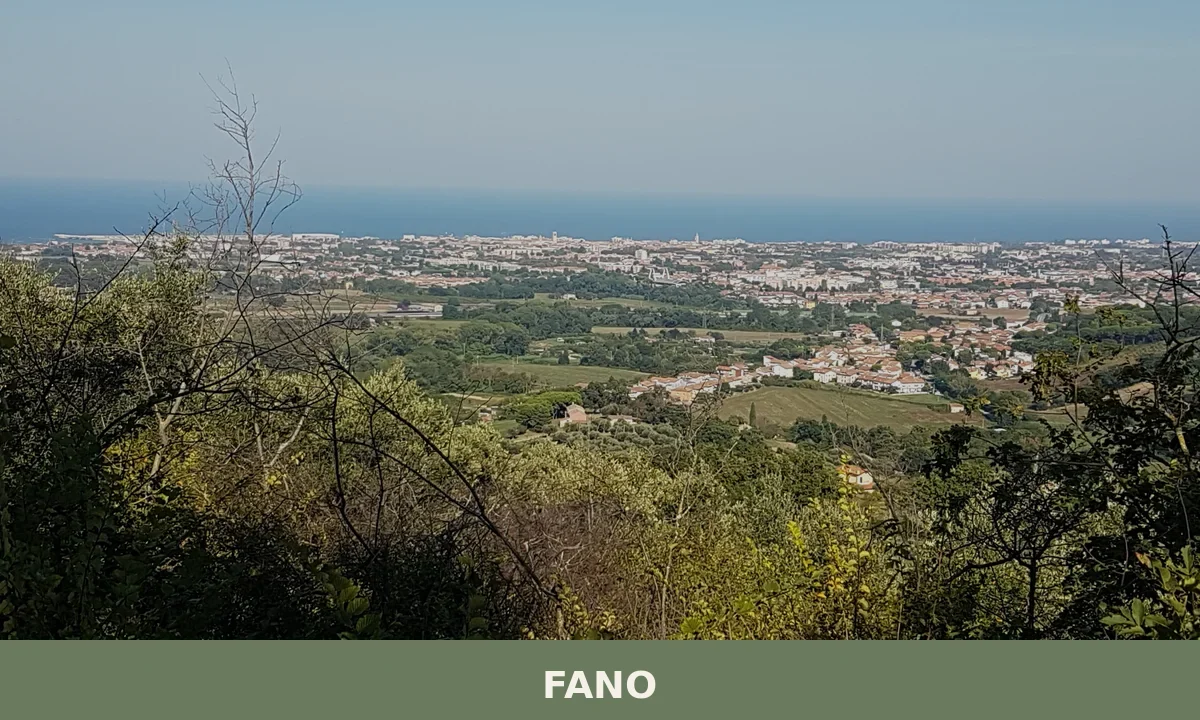
Fano holds one of Italy's oldest carnivals and a Roman triumphal arch dating to 9 AD. Two thousand years of layered history await on the Adriatic coast.
Acquaviva Picena
Sea
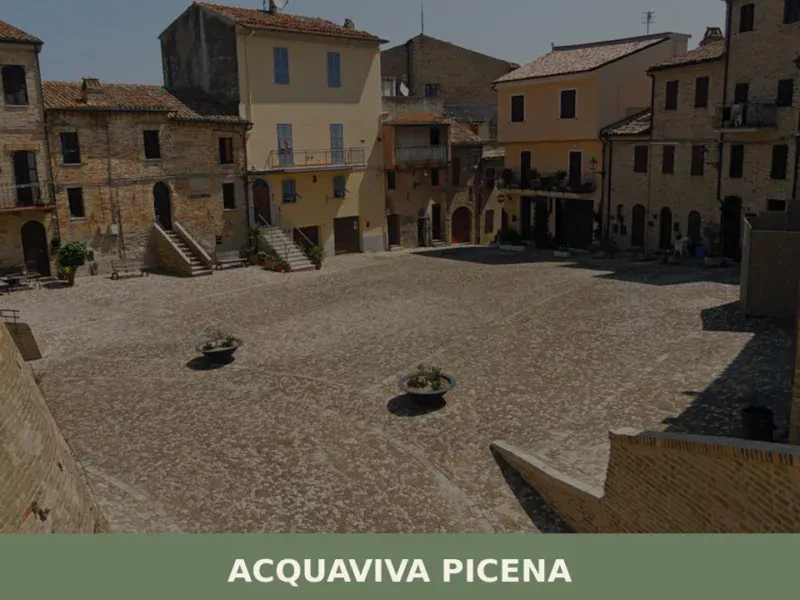
Discover what to see in Acquaviva Picena: medieval fortress, town walls, local food and travel tips for this hilltop village in Ascoli Piceno, Marche.

🏡 Know Arcevia better than we do?
If you’re a local or have been there, your knowledge matters: add what’s missing or fix a detail on this page.