


Bormida
 Hills
Hills
The Bormida di Pallare runs cold through the upper valley, cutting between the flanks of Monte Settepani at 1,386 m (4,547 ft) and Ronco di Maglio at 1,108 m (3,635 ft). Iron was worked here for centuries, and the name of at least one surviving building still carries that industrial memory. The village covers 22.4 […]
Discover Bormida
The Bormida di Pallare runs cold through the upper valley, cutting between the flanks of Monte Settepani at 1,386 m (4,547 ft) and Ronco di Maglio at 1,108 m (3,635 ft). Iron was worked here for centuries, and the name of at least one surviving building still carries that industrial memory.
The village covers 22.4 square kilometres (8.6 sq mi) in the Province of Savona, in the Italian region of Liguria, where the landscape shifts from maritime coastline to forested highland within a short drive.
Deciding what to see in Bormida rewards those who look carefully at specific details: a medieval fresco, a carved wooden Madonna, a park surrounding a former ironworks.
The municipality of Bormida, Liguria, Italy sits roughly 20 km (12 mi) west of Savona, and a population of around 404 inhabitants gives the place a quietness that makes its architectural and natural features easy to examine at close range. Visitors to Bormida find a parish church dating to the year 1200, a Baroque-remodelled campanile, and wooded terrain that connects to neighboring highland communities.
History of Bormida
The settlement most likely took shape during the medieval period, though the earliest documentary evidence places it firmly in 1549.
That year, Alfonso Del Carretto, lord of Finale Ligure, formalized a set of privileges for the local population through a notarized deed — the first written record in which Bormida appears by name. The valley had strategic value as a passage between the Ligurian coast and the Piedmontese interior, and iron processing made it economically relevant long before the modern road network connected the area to larger centers.
In 1713, after a period under Spanish military control, Bormida passed into the jurisdiction of the Republic of Genoa.
Later in the eighteenth century, the village gained the status of an independent municipality, separating its administrative identity from the neighboring commune of Osiglia. That period of relative stability ended abruptly when the French army of Napoleon Bonaparte swept through the upper Val Bormida during his first Italian campaign, leaving Bormida almost completely destroyed.
The scale of the damage reshaped the built environment and explains why certain structures visible today date from subsequent reconstruction efforts rather than from the medieval or early modern period.
From 1815 onward, Bormida followed the political trajectory of the Kingdom of Sardinia, and with the unification of the Italian peninsula it became part of the Kingdom of Italy in 1860. In the twenty-first century, the village faced a different kind of pressure: a declining population prompted Mayor Daniele Galliano, in May 2017, to announce a resettlement proposal directed at the Ligurian regional government. Under the scheme, new residents would receive €2,000 upon taking up residence and access to subsidized housing at rents between €50 and €120 per month. The announcement drew international attention, though Galliano subsequently clarified that it remained a proposal rather than a confirmed policy.
What to see in Bormida, Liguria: top attractions
Parish Church of San Giorgio
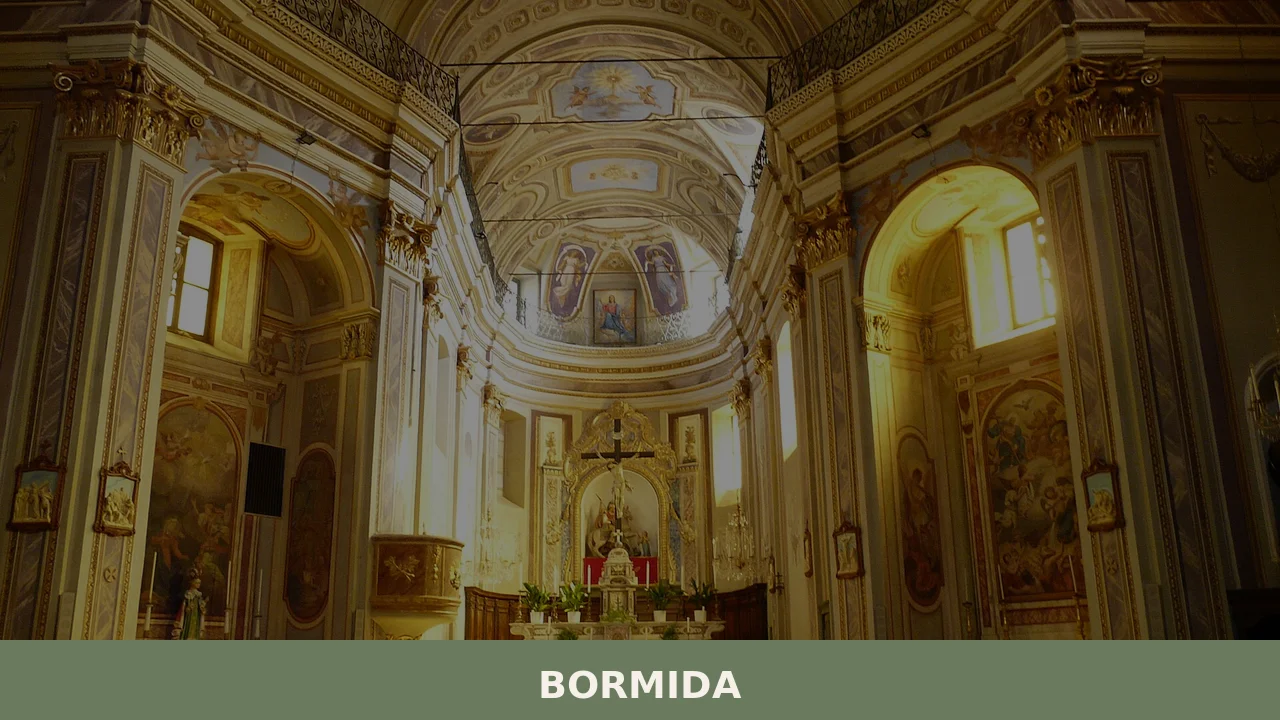
The walls of San Giorgio enclose frescos that have survived more than eight centuries of mountain winters and one Napoleonic campaign.
The church dates to the year 1200, making it one of the older structures in the upper Val Bormida, and its interior holds a wooden Madonna formally attributed to the sculptor Anton Maria Maragliano, a Genoese artist known for polychrome wooden figures produced in the late seventeenth and early eighteenth centuries.
Maragliano’s work appears in several Ligurian churches, and the Bormida example places the village within that regional artistic tradition. The frescos reward sustained attention: look at the areas where pigment has lifted slightly from the plaster, as these sections often reveal the preparatory drawing beneath.
The Baroque Campanile
Standing beside San Giorgio, the campanile was originally constructed in the fifteenth century and later remodelled in the Baroque style, a transformation that added decorative elements typical of the seventeenth or early eighteenth century to a structure built in a plainer Gothic register. The contrast between the older stonework at the base and the later Baroque additions at the belfry level is visible without any specialist knowledge of architectural history.
From a practical standpoint, the campanile serves as a useful orientation point within the village: it is visible from several of the surrounding approach roads and marks the ecclesiastical center of Bormida’s compact built core.
Palazzo La Ferriera and Its Park
The name La Ferriera — literally “the ironworks” — identifies a palazzo whose past connects directly to the valley’s dominant industry.
Iron processing was the principal economic activity of the upper Val Bormida in earlier centuries, and this building preserves that history in its name if not in active production. The structure is surrounded by a park that the sources describe as large and of genuine botanical interest, making it one of the few green spaces in the village with sufficient scale for a proper walk. The combination of a historic building and planted grounds provides a different kind of visit from the church interiors, and the park remains one of the clearest examples of what to see in Bormida for those interested in landscape as much as architecture.
The Upper Val Bormida Landscape
The terrain between Settepani at 1,386 m (4,547 ft) and Ronco di Maglio at 1,108 m (3,635 ft) frames Bormida’s territory on the higher ground, while the Bormida di Pallare — a tributary of the Bormida di Spigno — runs through the lower portions of the municipality.
This river system gives the valley its name and has historically shaped settlement patterns, agricultural use, and the location of mills and processing facilities. The Comunità Montana Alta Val Bormida, of which Bormida is a member, administers several municipalities across this upland zone. For visitors arriving from the coast, the shift in vegetation from Mediterranean scrub to mixed chestnut and beech forest becomes noticeable within a few kilometers of ascent.
The Border Villages and Their Mountain Context
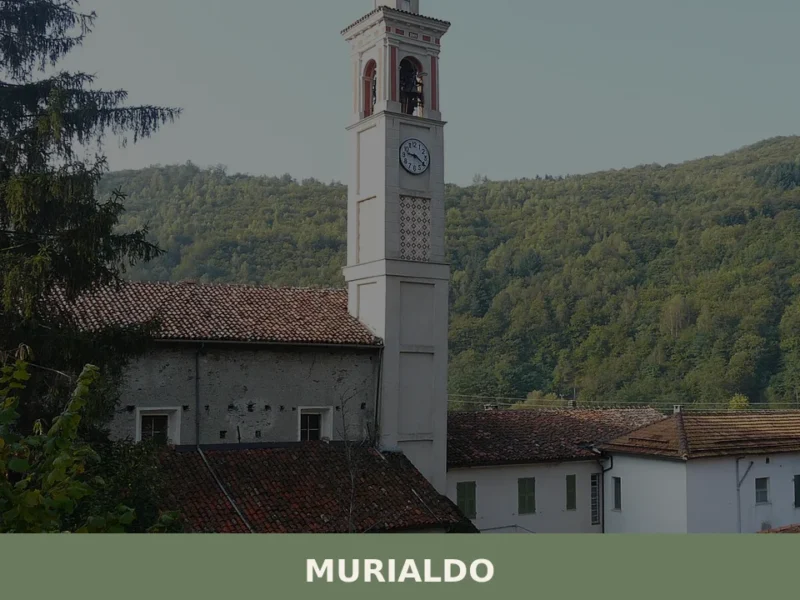
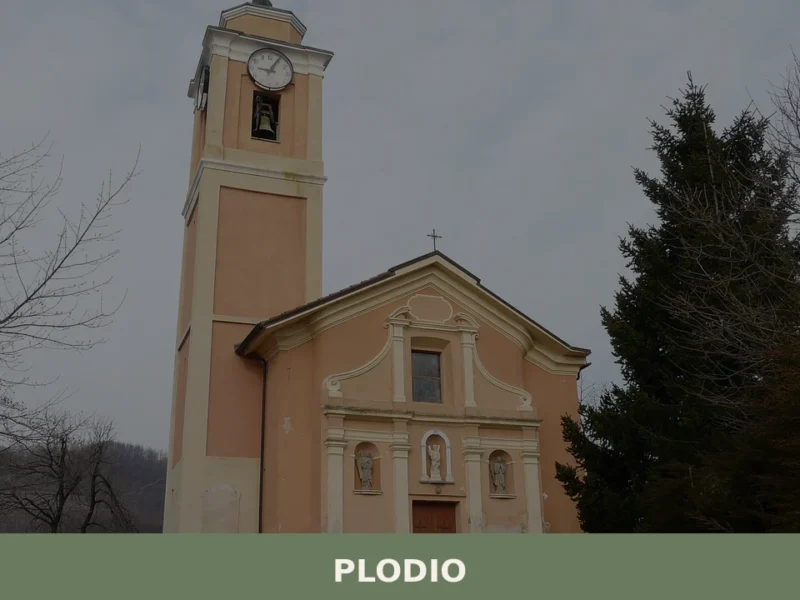
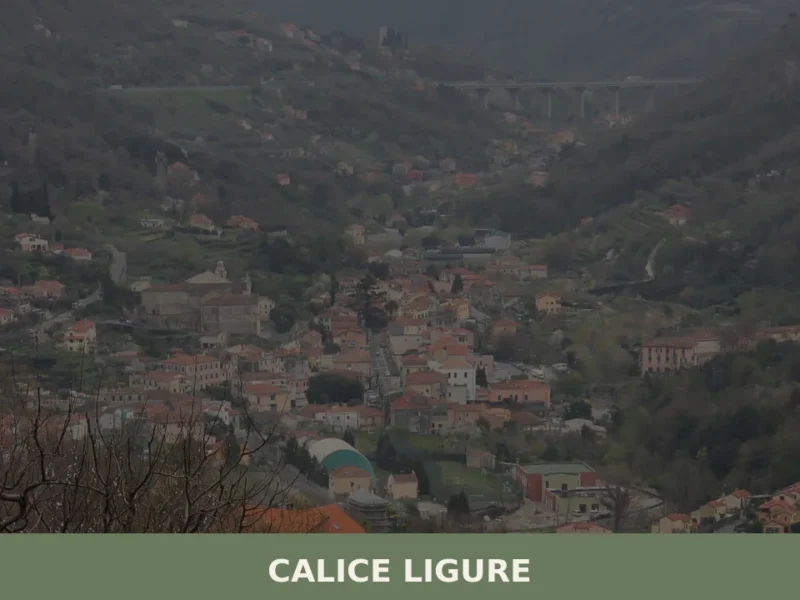
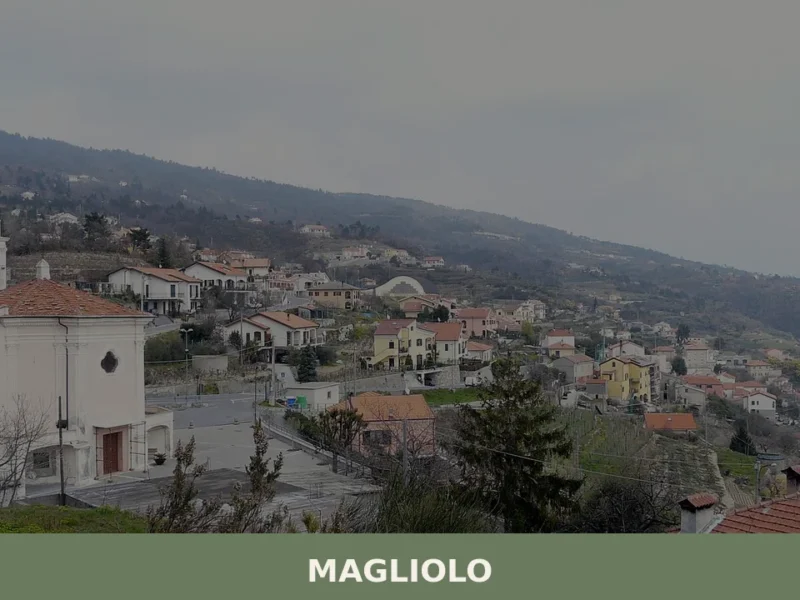
Bormida shares municipal boundaries with Calice Ligure, Calizzano, Mallare, Osiglia, Pallare, and Rialto — a ring of communities that collectively define the social and geographic fabric of this section of the Ligurian Apennines.
Osiglia in particular carries historical weight for Bormida, since the village was once administered as part of the Osiglia municipality before gaining independent status in the eighteenth century.
Travelling between these border communes on the Strada Provinciale 339 di Cengio reveals the variety of the upland landscape: open ridgelines, dense timber-producing forests, and small agricultural plots where cereals are still grown. Visitors exploring what to see in Bormida often extend their itinerary to include at least one of these neighboring settlements, each within a short drive.
Local food and typical products of Bormida
The economy of the upper Val Bormida has historically rested on three activities: timber production, cereal farming, and livestock raising. Cheese production follows directly from the livestock tradition, and the combination of mountain pasture and a cool, humid climate produces conditions suited to aged dairy products. The Ligurian interior has long maintained a culinary identity distinct from the coastal strip, where olive oil, fish, and focaccia dominate the diet.
In the highlands around Bormida, the emphasis shifts toward preserved meats, cereal-based preparations, and hard cheeses that keep well without refrigeration — a practical adaptation to the isolation of upland settlements before modern transport.
The village’s agricultural tradition produces cereals that enter the local diet through bread and pasta preparations typical of inland Liguria.
Livestock farming supports the production of local cheese, made from cow’s or sheep’s milk depending on the herd composition of individual farms, and aged according to practices that vary between producers. Chestnut flour, gathered from the forested slopes that cover much of Bormida’s 22.4 square kilometres (8.6 sq mi), historically served as a staple carbohydrate and appears in flatbreads and simple desserts across the wider Ligurian mountain zone.
These are not restaurant-menu constructions but working-farm products, available in their raw or minimally processed form from local producers.
Timber remains the leading economic sector, and the managed forests around Bormida supply wood that feeds regional processing operations. For the visitor, this means that the landscape itself is a kind of productive infrastructure rather than purely recreational terrain: the chestnut groves and mixed woodland visible from the road are working forests with a documented economic role.
Cheese produced in the upper Val Bormida does not currently carry a certified protected designation of origin (PDO or PGI) that is documented in the available sources, but local production continues on a small scale tied to the agricultural calendar.
The feast of the Madonna del Carmine on 16 July, described in more detail in the festivals section below, draws visitors to the locality of Piano Sottano and typically coincides with the broader summer season when local agricultural products are most available at farm level.
Those interested in purchasing local cheese, cured products, or timber crafts should aim for the summer months when producers are most accessible and the mountain roads are clear.
Festivals, events and traditions of Bormida
The principal annual observance in Bormida is the feast of the Madonna del Carmine, celebrated on 16 July in the locality known as Piano Sottano. A small church dedicated to the Madonna del Carmine stands in that locality and serves as the focal point for the celebration. The feast falls within the broader Catholic calendar of Marian observances tied to the Carmelite order, with 16 July marking the traditional feast day of Our Lady of Mount Carmel across Italy and beyond.
In a village of around 404 inhabitants, such events draw participation from both residents and visitors from neighboring communes.
The patron of the parish church is San Giorgio, and the church’s role in village life extends beyond the July Marian feast to include the liturgical cycle of a working rural parish.
The convergence of the two observances — the Marian feast in summer at Piano Sottano and the parish dedication to San Giorgio — gives Bormida two distinct religious focal points across the calendar year. Local traditions in the upper Val Bormida tend to be organized around agricultural and pastoral rhythms, and the summer period from late June through August concentrates most communal activity, both religious and informal.
When to visit Bormida, Italy and how to get there
The best time to visit Bormida sits between late May and early October, when the mountain roads are fully passable, the forested terrain is accessible on foot, and the feast of the Madonna del Carmine on 16 July provides a specific cultural event to plan around.
Winter brings snow to the higher elevations — Settepani reaches 1,386 m (4,547 ft) — and can make the secondary roads less reliable.
Spring offers the chestnut forests in new growth, while September and October are useful for those who prefer cooler temperatures and fewer visitors on the approach roads. International travellers who plan their trip around the “best time to visit Liguria” often concentrate on the coastal towns in July and August; Bormida’s highland location means it avoids the peak coastal heat and congestion during those same weeks.
If you arrive by car, the most practical route uses the Autostrada A6 Verdemare, which links Turin to Savona, exiting at Altare. From the Altare exit, the Strada Provinciale 339 di Cengio — which connects Cengio to Cortemilia and passes through Bormida — provides the direct road access. There is no autostrada exit closer to the village. For those travelling by rail, the nearest station is Trenitalia services at Altare, on the Turin–Savona line.
From Savona, the city lies roughly 20 km (12 mi) east of Bormida by road, making it a practical base for a day trip into the upper Val Bormida.
From Genoa, the regional capital sits approximately 60 km (37 mi) east along the A10 and A6 motorways, putting Bormida within a comfortable day-trip range for visitors based on the Ligurian coast. A practical note for international visitors: English is not widely spoken in shops and smaller establishments in this part of inland Liguria, and carrying cash in euros is advisable since card payment terminals are not universal in rural mountain communes.
Those arriving from further afield — Milan, for instance — can reach Savona in roughly two hours by car via the A26 and A10 motorways, then continue to Bormida on the A6. The village has no direct airport connection, but Genoa Cristoforo Colombo Airport serves as the most practical international entry point for the western Ligurian interior, at approximately 70 km (43 mi) from Bormida by road.
The drive from the airport takes roughly one hour under normal traffic conditions on the A7 and A26 motorways toward Savona, followed by the A6 to the Altare exit.
Visitors exploring what to see in Bormida who want to extend their itinerary into the broader Ligurian hinterland may find the village of Favale di Malvaro, situated in the Ligurian Apennines further east, a useful point of comparison for how different highland communities have preserved their architectural and economic identity across the region.
For a contrasting coastal experience reached from the same Ligurian base, the small seaside village of Bonassola on the eastern Riviera demonstrates how the region shifts character within a short distance from its inland mountains to its Mediterranean shoreline.
Frequently asked questions about Bormida
What is the best time to visit Bormida?
The best time to visit Bormida is late spring through early autumn (May–September), when mountain roads are clear and the chestnut and beech forests are at their most scenic. The feast of the patron saint San Giorgio falls on 23 April, making late April a meaningful time for those interested in local traditions. The feast of the Madonna del Carmine on 16 July draws visitors to Piano Sottano and coincides with peak availability of local farm products. Summer also offers the coolest respite from coastal heat, with Bormida sitting at 585 m altitude.
What are the historical origins of Bormida?
Bormida's first documented appearance in written records dates to 1549, when Alfonso Del Carretto, lord of Finale Ligure, formalized a notarized deed granting privileges to the local population. The valley's strategic position as a passage between the Ligurian coast and the Piedmontese interior, combined with iron processing, gave it early economic relevance. In 1713 it passed to the Republic of Genoa. Napoleon's army devastated the village during his first Italian campaign, which explains why much of the current built environment reflects post-Napoleonic reconstruction rather than medieval fabric.
What to see in Bormida? Main monuments and landmarks
The three key sites are the Parish Church of San Giorgio (dating to 1200), which contains medieval frescos and a polychrome wooden Madonna attributed to Genoese sculptor Anton Maria Maragliano; the adjacent Baroque campanile, originally built in the fifteenth century and later remodelled with Baroque decorative elements visible at belfry level; and Palazzo La Ferriera, a historic building whose name recalls the valley's iron-processing past, surrounded by a park of notable botanical interest. All three are within the compact village core and accessible on foot.
What are the main natural or scenic attractions of Bormida?
Bormida's territory is framed by Monte Settepani at 1,386 m and Ronco di Maglio at 1,108 m, with the Bormida di Pallare river running through the valley floor. The municipality covers 22.4 square kilometres of mixed chestnut and beech forest that forms part of the working managed woodland of the Comunità Montana Alta Val Bormida. The drive along the Strada Provinciale 339 di Cengio connecting Bormida to neighboring communes such as Calizzano and Osiglia passes open ridgelines and dense timber forests that change visibly with the seasons.
Where to take the best photos in Bormida?
The campanile of San Giorgio, visible from several approach roads into the village, provides a classic orientation point and photographic anchor for the built core. The park surrounding Palazzo La Ferriera offers framed views of historic architecture set within planted grounds. For landscape photography, the elevated terrain between Monte Settepani and Ronco di Maglio offers ridge-level perspectives across the upper Val Bormida, best captured in early morning light during late spring and autumn when atmospheric clarity is highest and the forest canopy shows seasonal colour contrast.
Are there museums, churches or historic buildings to visit in Bormida?
The Parish Church of San Giorgio, founded in 1200, is the principal historic building open for visits, housing eighth-century-surviving frescos and a wooden Madonna by Anton Maria Maragliano. The fifteenth-century campanile, Baroque-remodelled, stands adjacent and is visible from the street without requiring entry. Palazzo La Ferriera, named for the valley's historic ironworks, is accompanied by a park that can be explored on foot. Specific opening hours and admission fees for these sites are not confirmed in available sources; visiting during morning hours or around the 23 April feast day improves access chances.
What can you do in Bormida? Activities and experiences
Visitors can explore the church of San Giorgio to examine medieval frescos and the Maragliano Madonna, walk the botanical park surrounding Palazzo La Ferriera, and drive the Strada Provinciale 339 di Cengio to neighboring highland communes including Calizzano and Osiglia. The upper Val Bormida landscape, with chestnut and beech forest covering much of the municipality, is suited to woodland walks. Attending the feast of the Madonna del Carmine on 16 July at Piano Sottano and the patron feast of San Giorgio on 23 April provide direct contact with local religious and community traditions.
Who is Bormida suitable for? Families, couples, hikers, solo travelers?
Bormida suits slow travelers, couples, and hikers who appreciate a quiet, uncrowded mountain village with genuine historic depth rather than mass tourism infrastructure. Its population of around 327 means the atmosphere is intimate and unhurried. Families interested in landscape and architectural heritage will find the church, campanile, and park manageable in a half-day. The surrounding highland terrain and connections to the Comunità Montana Alta Val Bormida trail network make it a practical base for walkers exploring the Ligurian Apennines. It is not suited to visitors seeking beaches, nightlife, or extensive restaurant options.
What to eat in Bormida? Local products and specialties
The food tradition of Bormida reflects the Ligurian highland rather than the coast. Local production centres on aged cheeses made from cow's or sheep's milk by small-scale farms following the agricultural calendar, preserved meats, and cereal-based preparations typical of inland Liguria. Chestnut flour, harvested from the forested slopes surrounding the village, historically appears in flatbreads and simple desserts across the mountain zone. These products are available directly from local producers, most accessibly during summer months. No PDO or PGI designation specific to Bormida's cheeses is currently documented in available sources.
Nearby Villages near Bormida
In Liguria More villages to discover
Genova
 Sea
Sea
What to see in Genova: city at 18 m above sea level with UNESCO Rolli palaces and Europe's largest aquarium. Plan your visit with our full guide.
Aurigo
Hills
A 331-inhabitant village above the Impero Valley. Discover what to see in Aurigo: centuries-old sanctuaries, stone lanes, and olive terraces across the Ligurian hinterland.
Ceriana: A Ligurian Hill Village Guide
Hills
What to see in Ceriana, Italy: Explore this Ligurian village at 369 m (1,211 ft) altitude. Discover historical sites and lively festivals. Read our guide.
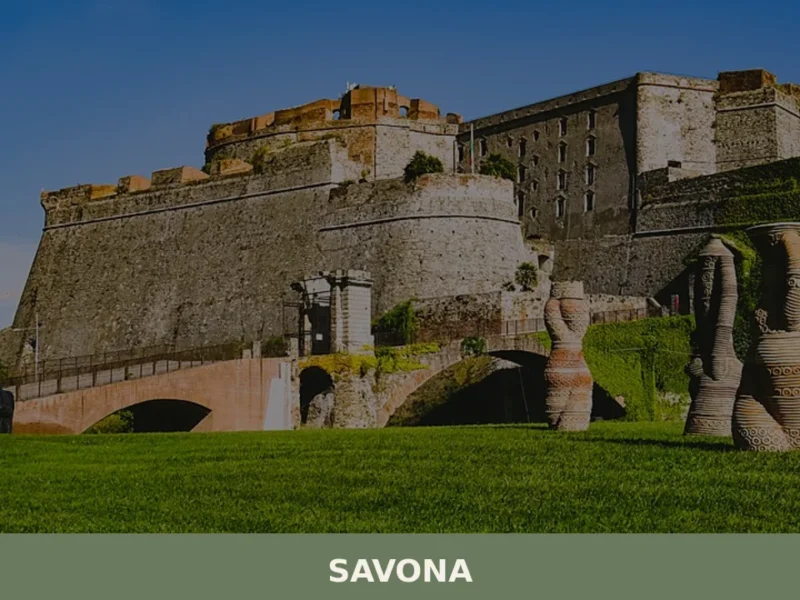
Savona
Sea
A port town of 58,500 souls on Liguria's western coast, Savona bridges medieval urban fabric with centuries of maritime trade and religious devotion.
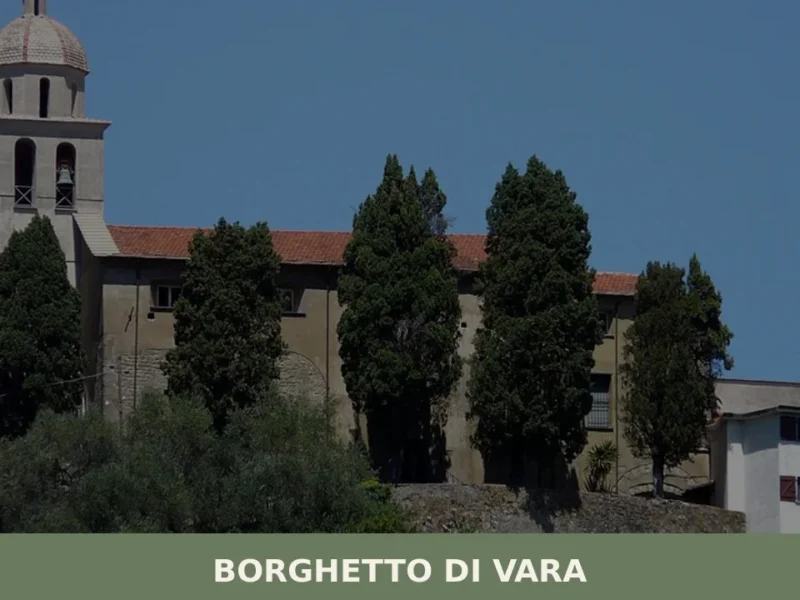
Borghetto di Vara
 Plains
What to see in Borghetto di Vara, Italy: Discover a village of 870 inhabitants at 104 m altitude. Explore its plain landscape and the Parish Church of San Carlo Borromeo.
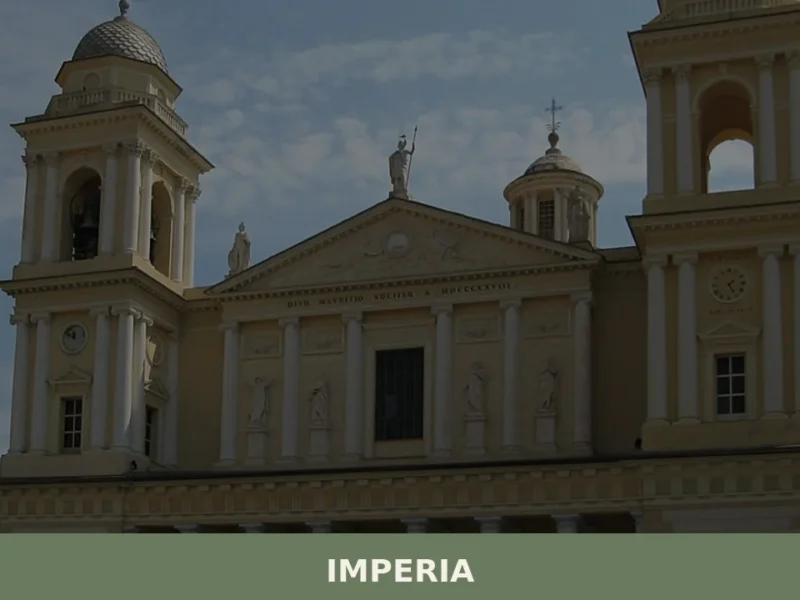
Imperia
Sea
What to see in Imperia: dual city rising to 534 m in Liguria. Explore the Parasio, the free Olive Museum and sardenaira. Plan your visit now.
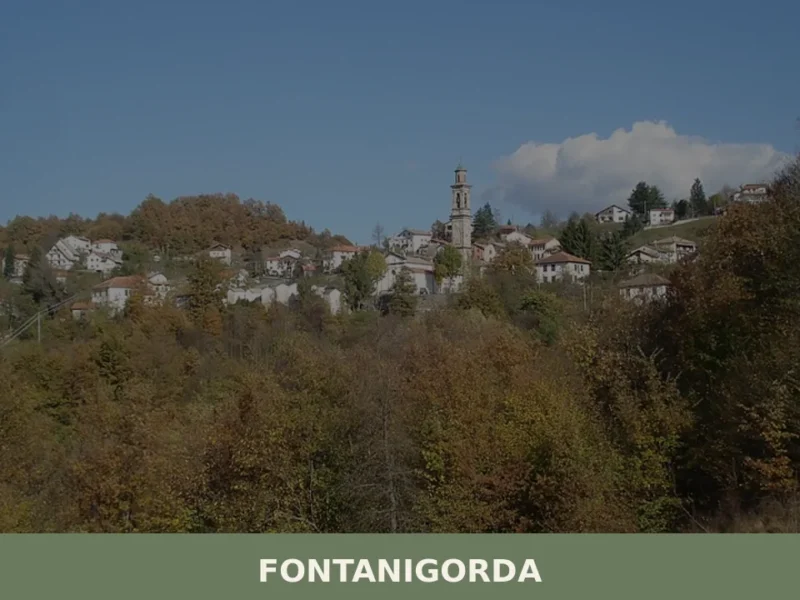
Fontanigorda
 Mountain
At 819 meters above sea level, in the heart of the upper Trebbia Valley, Fontanigorda appears as an alpine settlement in the province of Genoa. Its documented origin dates back to 1153, when it appears in annals as “Fontana Gordana,” a reference to the abundance of water in its territory. This village, with a population […]
Bonassola
Sea
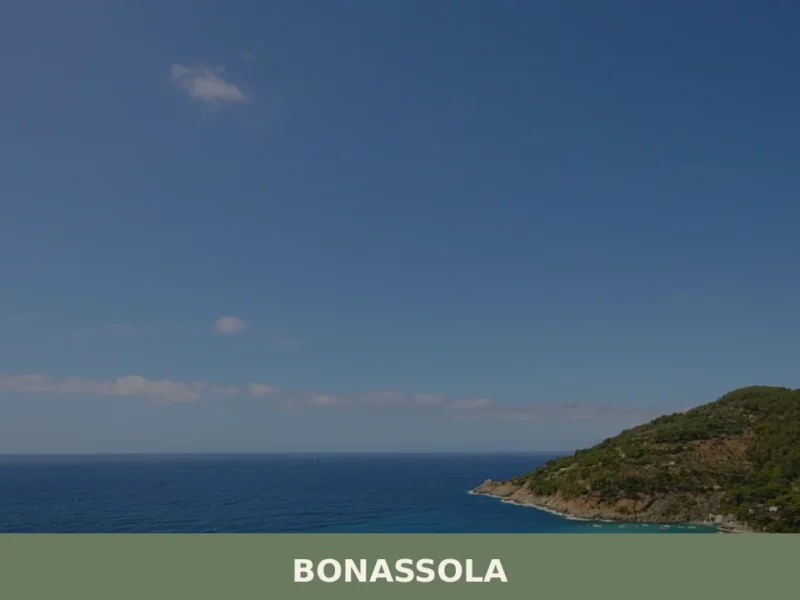
Bonassola’s single-track railway station, opened in 1874 as part of the Genoa–La Spezia line, brought the first outsiders to a coastal settlement that had survived for centuries on olive oil, wine, and anchovies. Today this compact village of 794 inhabitants sits at six metres above sea level along the Riviera di Levante, its beach one […]
Castel Vittorio: Liguria’s Enduring Stone Village
Hills
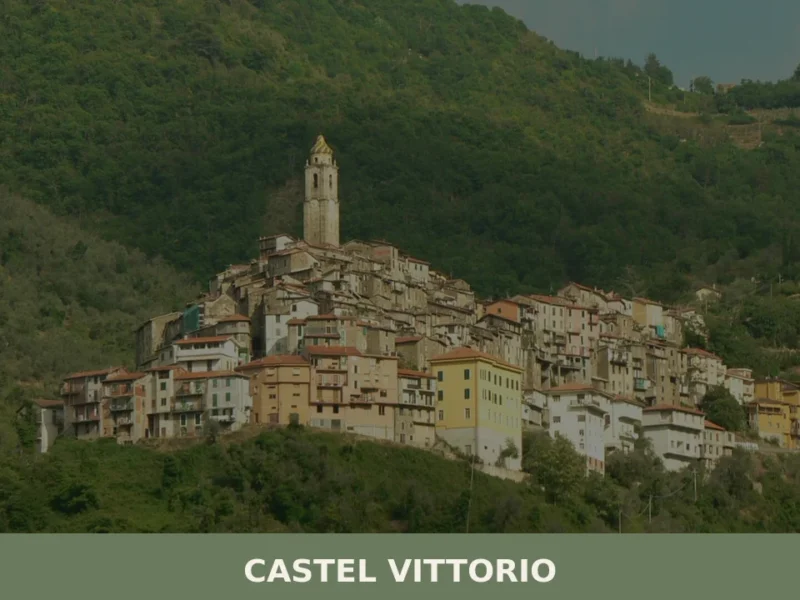
What to see in Castel Vittorio, Liguria, Italy: at 420 m altitude, 261 inhabitants, parish art by Venusti & Maragliano. Discover top attractions & travel tips.
Dolceacqua
Plains
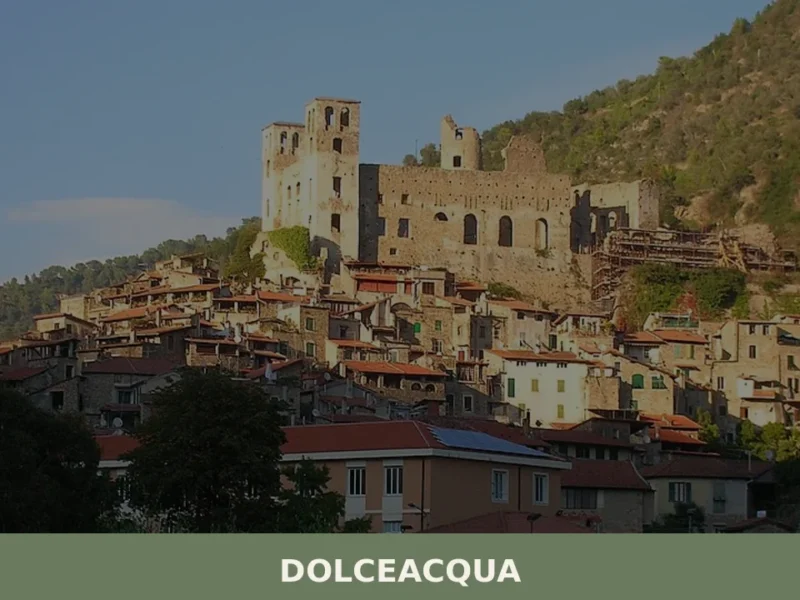
What to see in Dolceacqua: discover Doria Castle, the Old Bridge, and 5 main attractions of this Ligurian village. Plan your visit!
🏡 Know Bormida better than we do?
If you’re a local or have been there, your knowledge matters: add what’s missing or fix a detail on this page.