


Castronuovo di Sant’Andrea
 Mountain
Discover Castronuovo di Sant’Andrea, a hidden Basilicata gem with medieval roots, ancient churches, stunning Apennine landscapes, and rich local traditions.
Discover Castronuovo di Sant’Andrea
Eight hundred and thirty-four inhabitants, the province of Potenza, and a name that already carries within it two overlapping stories: that of the medieval castrum on rock and that of the cult of Sant’Andrea, which reshaped the identity of the place over the centuries.
The village clings to a ridge in the Apennines of southern Basilicata, surrounded by woodlands and valleys that cut through the territory in different directions, in a landscape where the elevation rises and falls without pause.
What to see in Castronuovo di Sant’Andrea is the right question for those travelling through inland Basilicata in search of little-visited yet historically rich villages.
The settlement lies in the province of Potenza and offers visitors a compact historic centre, churches of medieval origin, remains of defensive structures and a natural setting that makes every journey on foot an integral part of the experience. Those who come here will find a village where religious and civic architecture overlap along narrow alleyways, and where the local cuisine reflects the Lucanian peasant tradition in its most direct form.
History and origins of Castronuovo di Sant’Andrea
The village’s name condenses two distinct elements pointing to different eras. The component castrum novum most likely refers to a fortified settlement of medieval foundation, distinct from an earlier inhabited nucleus or from an older castrum present in the territory.
This toponymic structure — the adjective “new” applied to a place of defence — recurs throughout Lombard and Norman southern Italy, and places the village’s origins within a chronological span covering the centuries between the early Middle Ages and the Norman period.
The addition of “Sant’Andrea,” on the other hand, is devotional in nature and identifies the patron saint to whom the community entrusted its protection, layering a liturgical reference onto the military name of the place — one that over time came to prevail in everyday use.
The territory of Castronuovo di Sant’Andrea falls within the area of inland Basilicata that, during the Norman and Swabian period, was subject to an intense reorganisation of the feudal system. The villages along this Apennine strip were control points over the rural territory, nodes in a defensive network linking the valleys and mountain passes of the region.
Within this context the village developed its urban structure around the ecclesiastical nucleus and the garrison buildings, with a layout that can still be read today in the arrangement of the oldest structures.
Its proximity to other centres in the province of Potenza, such as Castelsaraceno, points to shared historical dynamics tied to the same network of feudal control over the southern Lucanian Apennines.
In the following centuries the village followed the fortunes of the Kingdom of Naples, passing through the Angevin and Aragonese dominions that characterised all of Basilicata between the 13th and 15th centuries.
The modern era brought with it the administrative changes linked to Italian unification, when Castronuovo di Sant’Andrea became part of the new provincial framework with Potenza as its capital.
The demographic structure of the village underwent throughout the twentieth century the same process of contraction that affected much of the Apennine centres of southern Italy, with migratory flows towards the industrial cities of the North and abroad progressively reducing the population to the current 834 inhabitants.
What to see in Castronuovo di Sant’Andrea: main attractions
Church of Sant’Andrea Apostolo
The church dedicated to the village’s patron saint occupies a central position in the urban fabric and serves as the architectural and devotional point of reference for the entire community. The structure displays the typical characteristics of Lucanian religious architecture of southern origin, with a façade in local stone and a single-nave interior that preserves decorative elements accumulated over several centuries of modifications and restorations.
The entrance portal, crafted from local stone, bears the marks of successive reworkings that bear witness to the building’s enduring importance in the life of the village.
Inside, visitors can trace the layering of liturgical furnishings, from the oldest canvases to works of sacred goldsmithery, which document local devotion to Sant’Andrea across different eras. For information on public opening hours and the celebration of religious services, it is best to check directly with the local parish or the municipal website.
Historic core and medieval urban layout
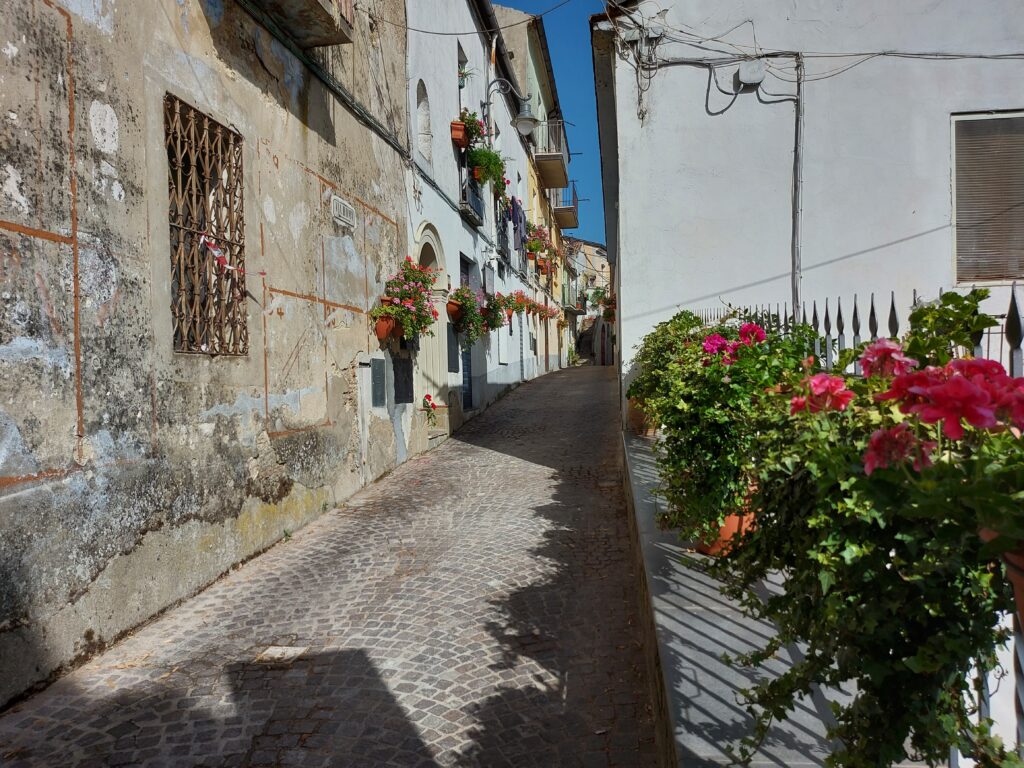
The old centre of Castronuovo di Sant’Andrea preserves an urban layout that reflects the medieval settlement logic of the Lucanian Apennine villages: narrow paths that follow the contour lines of the hillside, adjoining houses that form continuous frontages, irregular open spaces in front of religious buildings. Walking through the historic core, one can still make out traces of the original organisation of space, with the main axes leading towards the highest points of the village where the control structures once stood.
The dominant building materials are local stone and mortar, with construction solutions that echo the rural building tradition of the province of Potenza.
Exploring the historic core on foot, without a set itinerary, allows one to grasp the overall logic of the settlement: the way in which each building responds to the morphology of the terrain beneath it. The best time for this exploration is in the morning, when the raking light brings out the textures of the wall surfaces.
Remains of defensive structures
As in many villages of inland Basilicata, the urban landscape of Castronuovo di Sant’Andrea also preserves traces of the defensive structures that formed the backbone of the medieval castrum. The visible remains — sections of walls, tower bases, stretches of fortified perimeter — are best read by walking around the outer edge of the old nucleus, where the continuity between the original defensive structures and the later dwellings is most apparent.
These structures were designed to provide visual control over the surrounding territory: from the elevated position of the village, a wide stretch of the valley below is dominated, which explains the settlement choice at this point on the hillside.
A useful comparison for understanding these defensive dynamics can be found by visiting Banzi, another centre in the province of Potenza where the superimposition of ancient and medieval structures is particularly legible. To appreciate the remains at their best, it is worth approaching in full daylight, when the volumetric contrasts are most pronounced.
Landscape and Apennine trails
The municipal territory of Castronuovo di Sant’Andrea extends across a sector of the southern Lucanian Apennines characterised by an articulated morphology, with wooded slopes, open ridgelines and valley floors crossed by minor watercourses. This geographical context offers walking routes that connect the village to the surrounding rural territory, passing through different environments over the course of just a few kilometres.
The predominant vegetation is that of the mixed broadleaf woodland — Turkey oak, downy oak, hornbeam — which covers the slopes at mid-altitude, while the higher ridgelines display open meadows with wide views over the Apennine peaks.
Those who walk these routes encounter a residual agricultural landscape, with abandoned terracing and ruins of farmhouses that document a human presence that was once intense and has today almost entirely disappeared. The autumn period, between October and November, offers the best conditions for walks through the woods, with the colours of the foliage and the cool temperatures making the hiking more comfortable.
Church of the Madonna del Calvario and other local oratories
Apennine Lucanian villages of a size comparable to Castronuovo di Sant’Andrea almost invariably preserve a plurality of minor religious buildings — oratories, rural chapels, devotional churches — that once dotted the parish territory and served the outlying hamlets or peripheral districts of the inhabited centre. These buildings, often smaller and less altered than the main church, sometimes preserve architectural and decorative elements of great interest, precisely because they escaped the more invasive restoration works.
The distribution of these places of worship across the territory re
official website of the Municipality of Castronuovo di Sant’AndreaTypical cuisine and products of Castronuovo di Sant’Andrea
The cuisine of Castronuovo di Sant’Andrea belongs to the peasant tradition of the Lucanian Apennines, a food system built over centuries around the local availability of cereals, legumes, vegetables, and sheep and pork. In a geographical area where connections with larger centres were difficult and seasonal, the cuisine developed around preservable ingredients and domestic transformation techniques — drying, salting, fermentation — that made it possible to use every part of the available raw materials. This context explains the energy density and formal simplicity of traditional dishes, built to sustain intense physical labour in the fields and forests.
Among the dishes that reflect this tradition, homemade pasta holds a central place.
Cavatelli with pork or lamb ragù represent one of the most widespread formats in inland Lucanian cuisine, with a hand-worked durum wheat semolina pasta then dressed with long sauces cooked over low heat for several hours.
Lagane with chickpeas — a wide, flat pasta paired with a legume that has been cultivated in this area for centuries — is another dish documented in the regional tradition, with local variants that differ in the ratio of pasta to legume and in the use of garlic, oil, and dried chilli as seasoning. The frittata with cruschi peppers makes use of one of Basilicata’s most characteristic ingredients: peppers that are dried and then fried in oil until crispy, a process that concentrates the flavour and radically transforms the texture of the vegetable.
As regards certified products, the current database contains no DOP, IGP, or PAT designations specifically attributed to the municipal territory of Castronuovo di Sant’Andrea. Local cuisine nonetheless fits within the broader framework of traditional Lucanian products, which include pork cured meats prepared according to handed-down recipes, pecorino cheeses made with milk from local flocks, and vegetable preserves prepared from the produce of family gardens.
Those looking for these products on site can seek out small local producers and the area’s periodic markets, checking dates and locations directly on the spot or through the municipality’s information channels.
A similar gastronomic context, sharing the same peasant roots and the same basic ingredients of the Lucanian tradition, can be found in Campomaggiore, another village in the province of Potenza where local cuisine retains the same characteristics of simplicity and nutritional density.
If a journey through inland Basilicata includes several stops, comparing the local variants of the same traditional dishes is a concrete way to understand the micro-territorial differences of this cuisine.
Festivals, events and traditions of Castronuovo di Sant’Andrea
The feast of the patron saint Sant’Andrea Apostolo is celebrated on 30 November, the date corresponding to the liturgical commemoration of the saint in the Roman Catholic calendar. As in all Lucanian centres with a well-established devotional tradition, the celebration includes religious services in the main church, a procession with the statue or effigy of the saint through the streets of the village, and moments of community gathering involving residents and emigrants who return for the occasion.
The 30 November date falls at a time of year when the village has emptied of its summer tourists, which gives the feast a distinctly local and community-centred character, far removed from the dynamics of mass tourism.
The popular traditions of Castronuovo di Sant’Andrea are tied to the agricultural cycle and the religious practices that marked the peasant calendar: spring processions for the blessing of the fields, rites linked to the autumn harvest, and celebrations of the Christmas cycle with the choral and musical forms typical of inland Basilicata.
For up-to-date information on any food festivals, cultural events, or summer events organised by the municipal administration, the most reliable reference remains the official municipal website or the communication channels of the local Pro Loco, which manage the events calendar on a seasonal basis. If you are planning a visit and want to discover what to see in Castronuovo di Sant’Andrea beyond its cuisine and traditions, these local sources are an invaluable starting point.
When to Visit Castronuovo di Sant’Andrea and How to Get There
The best time to visit Castronuovo di Sant’Andrea spans from late spring to early autumn, with May–June and September–October as the optimal windows. In spring, the Apennine vegetation is at its most vibrant, with forests covering the hillsides and wildflowers blooming in the ridge meadows. Summer brings higher temperatures that are never excessive at this altitude, with cool evenings that make for a pleasant stay.
Autumn transforms the wooded landscape and coincides with the patron saint’s feast on 30 November, which ideally closes out the season. Winter isolates the village in the mists and snowfalls of the Apennines, making road access more difficult and some facilities closed.
If you are travelling by car, the most convenient route runs along the A3 Salerno–Reggio Calabria Motorway, exiting at Lagonegro Nord, followed by national and provincial roads that cross the southern Lucanian Apennines for approximately 40–50 km.
The secondary road network in this area is largely single-carriageway with frequent bends: allow for longer travel times than the straight-line distances would suggest. The nearest railway station is Lagonegro, served by the Battipaglia–Reggio Calabria line. For train travel, check timetables and connections on Trenitalia, bearing in mind that a private vehicle or local transport service is required from the station to the village.
The nearest airport is Naples Capodichino, approximately 180 km away, or alternatively Lamezia Terme, approximately 120 km to the south. Always check the carrier’s official website for local transport timetables and any changes before you depart.
| Departure Point | Distance | Estimated Time |
|---|---|---|
| Lagonegro (A3 exit) | approx. 45 km | approx. 1 hour |
| Potenza | approx. 90 km | approx. 1 hour 30 minutes |
| Naples (Capodichino) | approx. 180 km | approx. 2 hours 30 minutes |
| Lamezia Terme (airport) | approx. 120 km | approx. 1 hour 45 minutes |
Those planning a broader itinerary through the southern Lucanian Apennines can consider Castronuovo di Sant’Andrea as a stop on a route that includes other villages in the same area. When thinking about what to see in Castronuovo di Sant’Andrea and its surroundings, the provincial road network connects the area to nearby historic centres with similar characteristics, making a multi-day tour of the inland villages of the province of Potenza entirely feasible without ever retracing the same roads.
🚶 Religious routes in Basilicata
- Via Francigena · 1970 km
- Cammino Basiliano · 1535 km
- Cammino Materano – Sei vie di fede nel Sud Italia · 430 km
- Percorso antico della fede Madonna del Pollino · 186 km
- Cammino della Madonna Nera · 52 km
Source: Italian Ministry of Tourism, open data 2024
📷 Photo Gallery — Castronuovo di Sant’Andrea
In Basilicata More villages to discover
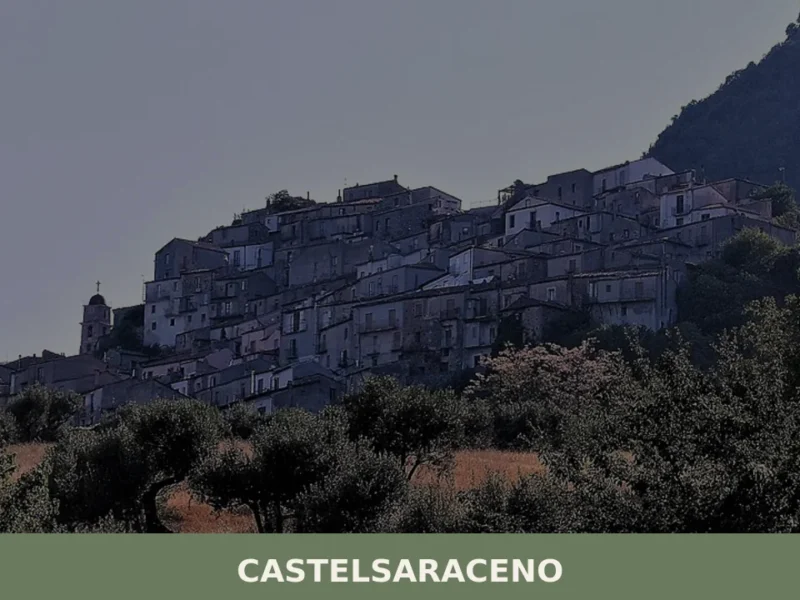
Castelsaraceno
Mountain
What to see in Castelsaraceno, Italy? Explore this mountain village at 916 m (3,005 ft) altitude. Discover the 586 m (1,923 ft) Tibetan Bridge and its historic core. Read our guide.
Banzi
 Hills
Hills
In 1956, during archaeological excavations in the area of ancient Bantia, the “Bantine Table” was discovered, a bronze tablet inscribed in the Oscan language, providing direct evidence of the legislation of this Italic community from the 4th-3rd century BC. For those wondering **what to see in banzi** today, the village, located at 571 meters above […]
Bernalda
 Sea
Sea
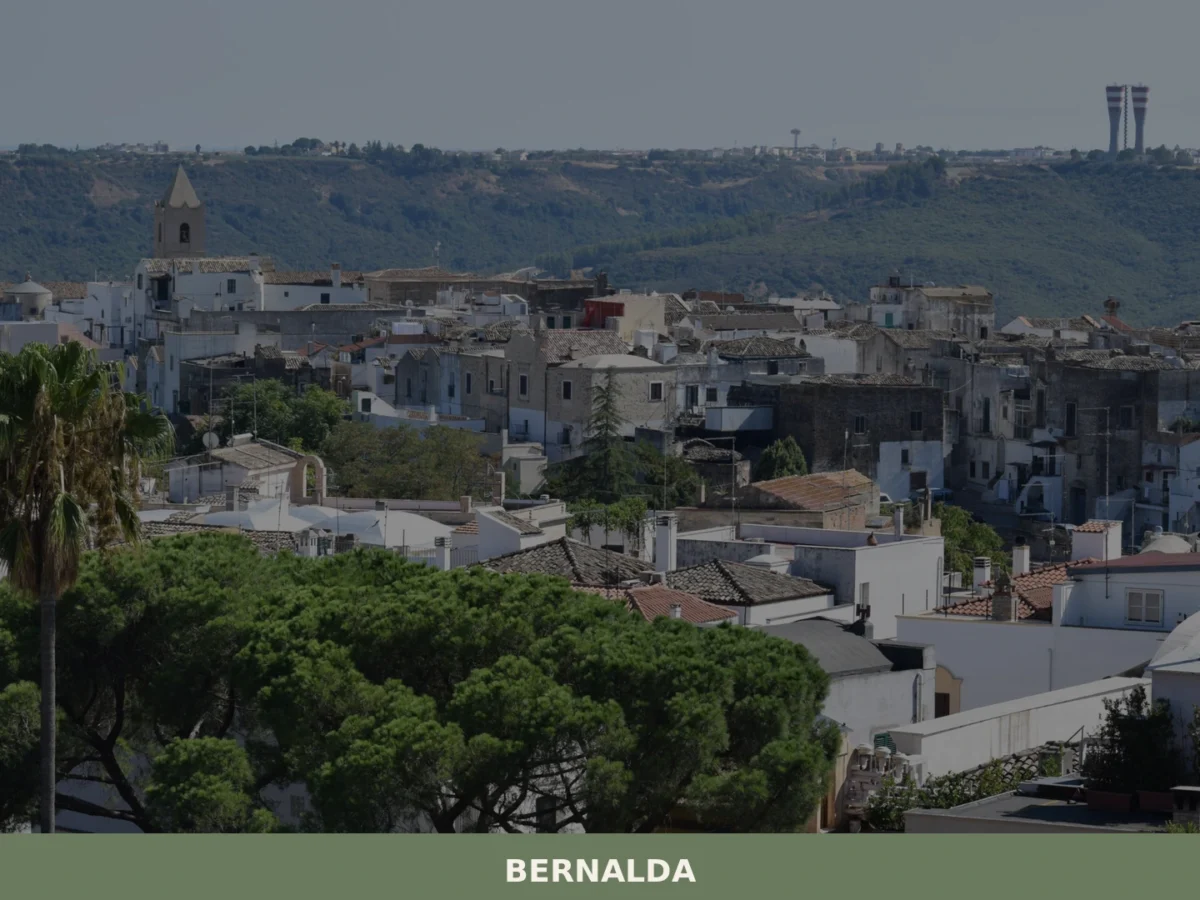
What to see in Bernalda: 5 attractions in this Basilicata village, from the historic center to Metaponto. Discover the complete guide and plan your visit.
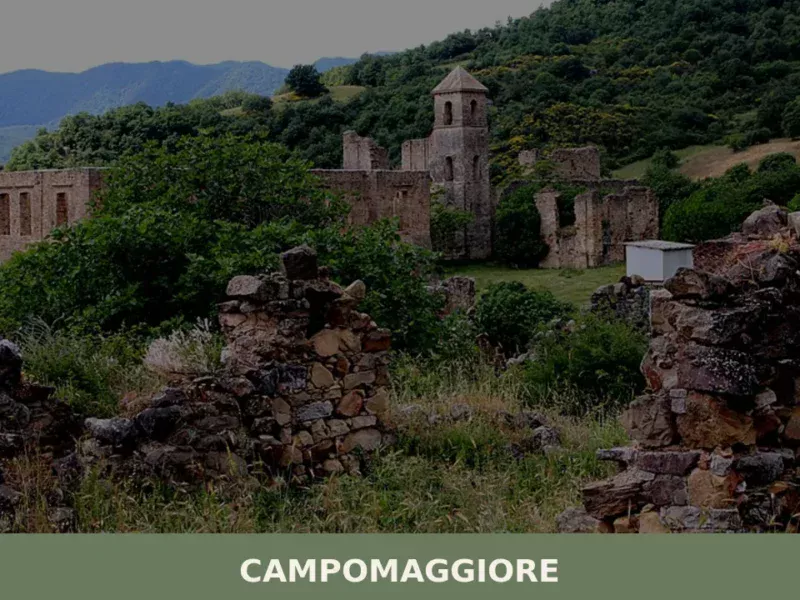
Campomaggiore
Mountain
As the morning mist reluctantly peels back from the Lucanian Apennines, a faint scent of wild herbs drifts through the narrow lanes of **Campomaggiore**. At 795 meters above sea level, this small community, home to 832 inhabitants, begins its day with a quiet rhythm. Sunlight catches the weathered stone of an ancient wall, illuminating moss […]
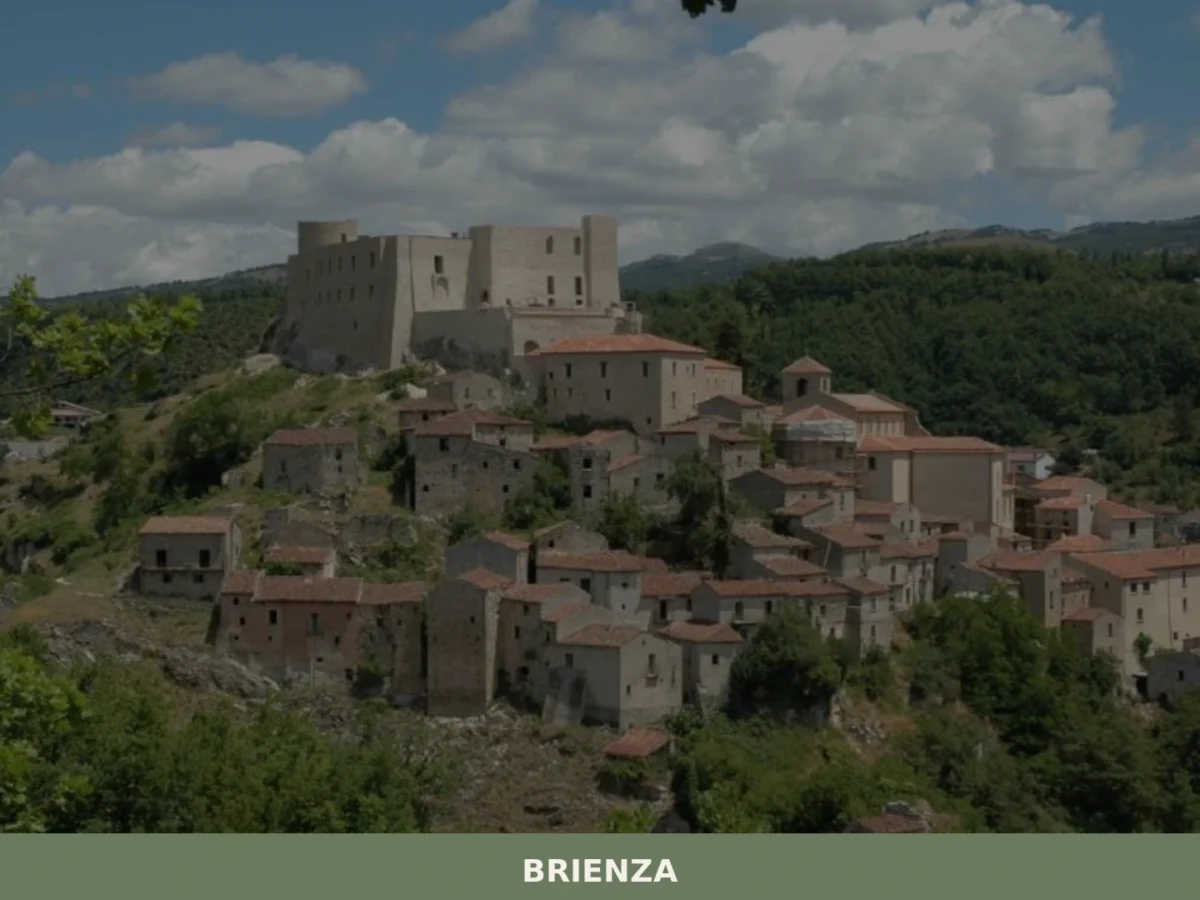
Brienza
Mountain
What to see in Brienza? Explore 5 historic points of interest in this Basilicata village. Discover Caracciolo Castle and ancient churches. Plan your visit!
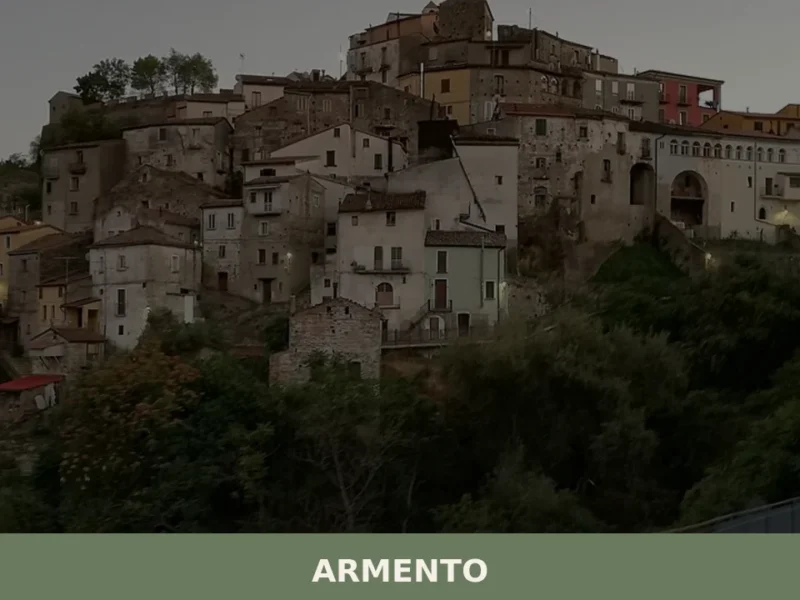
Armento
Mountain
In 1814, a farmer unearthed a Lucanian funerary assemblage dating to the 4th century BC in the countryside around Armento: a golden crown, now held at the Antikensammlung in Munich, which confirmed the presence of a high-ranking Italic settlement in this part of the Val d’Agri. The village sits at 710 metres above sea level […]
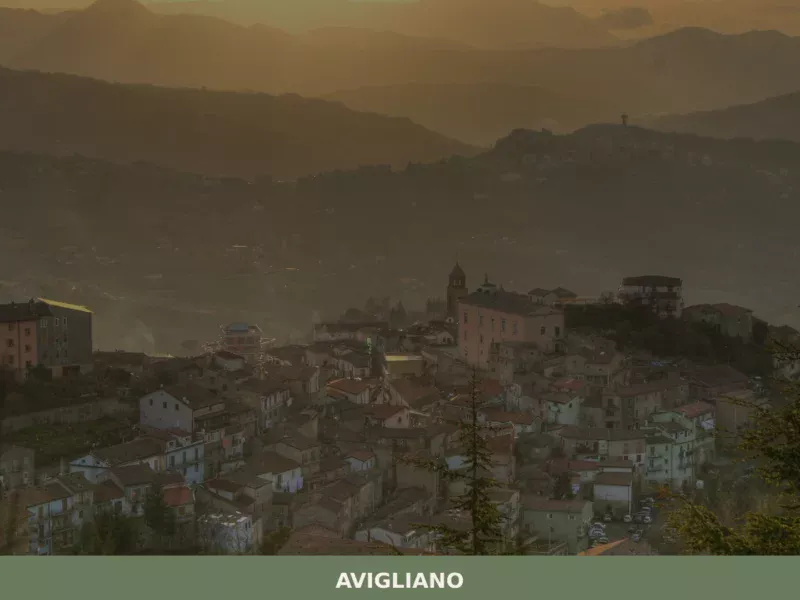
Avigliano
Mountain
Discover what to see in Avigliano, a recognised cittu00e0 in Basilicata's Potenza province. History, attractions, food, and travel tips for this Apennine town.
Calvello
Mountain
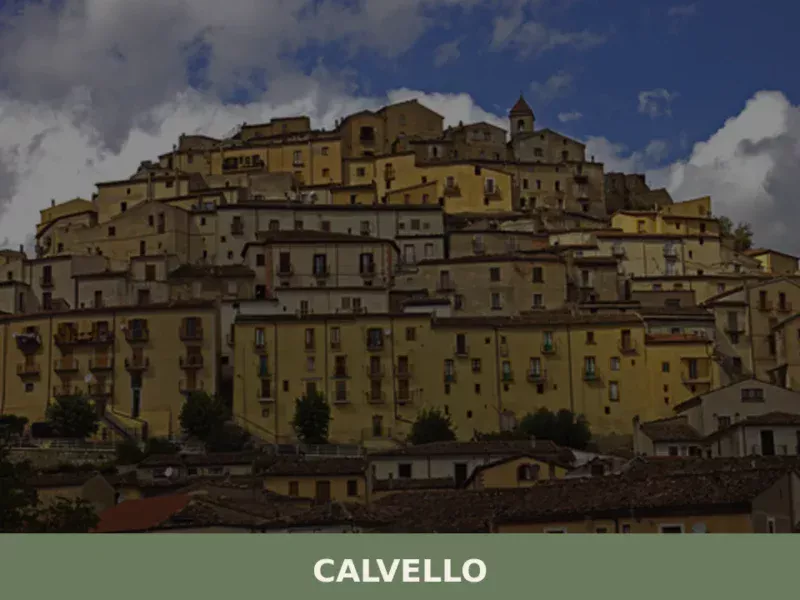
Calvello has 1,768 inhabitants and sits at 730 metres above sea level in the middle Camastra valley, in the province of Potenza. The town extends along the slope that descends from the ruins of the Norman castle down to the plain where the local streams converge. Asking what to see in Calvello means crossing an […]
Fardella
Mountain
Discover Fardella, a quiet hilltop village in Potenza province with 569 inhabitants, medieval roots, stone architecture, and unspoiled Apennine landscapes.

Filiano
Mountain
What to see in Filiano, Basilicata, Italy: explore the Grotta dei Pisconi rock art, Pecorino di Filiano PDO, and a 16th-century hilltop comune. Discover it now.


🏡 Know Castronuovo di Sant’Andrea better than we do?
If you’re a local or have been there, your knowledge matters: add what’s missing or fix a detail on this page.