


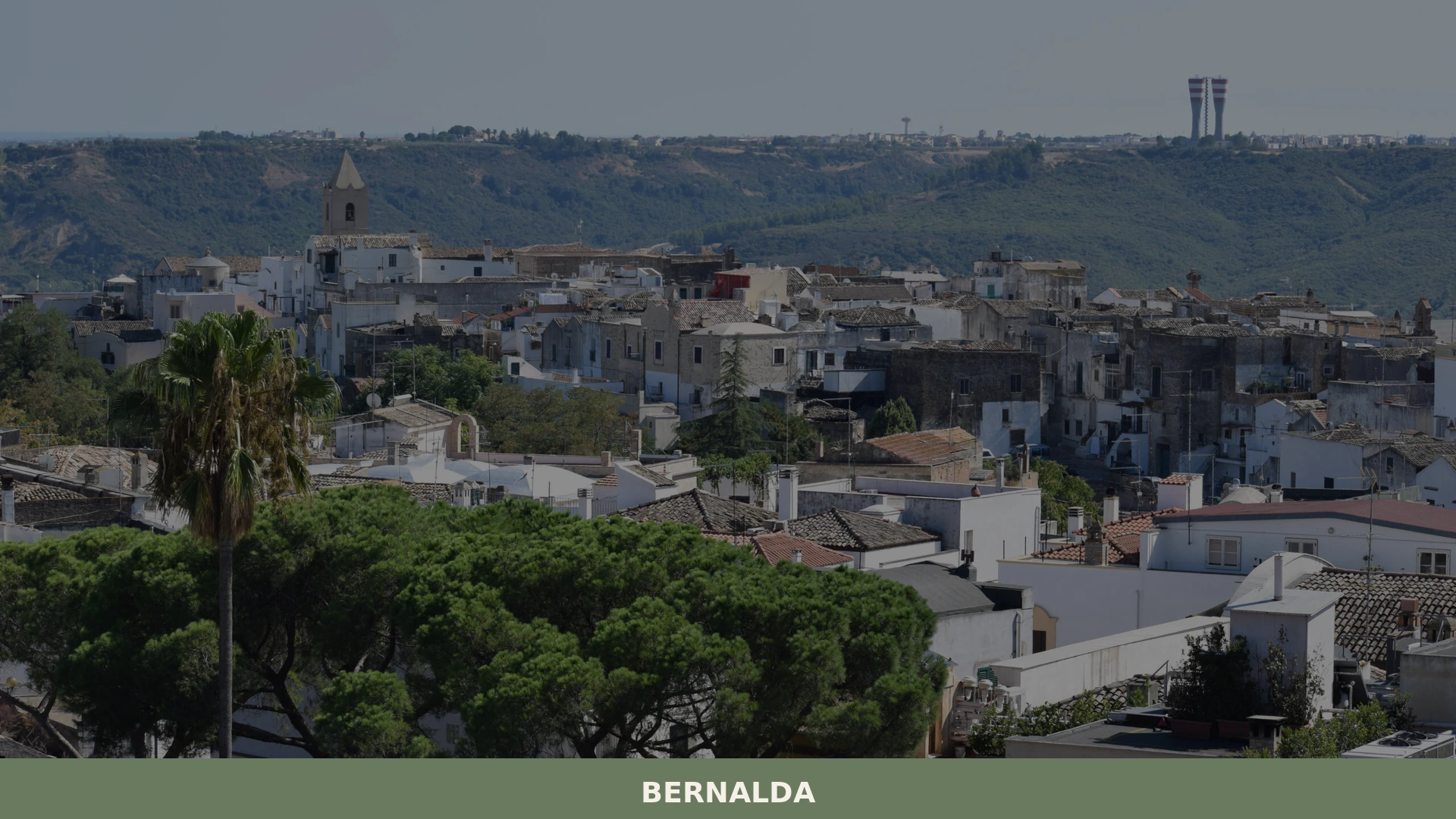
Bernalda
 Sea
Sea
What to see in Bernalda: 5 attractions in this Basilicata village, from the historic center to Metaponto. Discover the complete guide and plan your visit.
Discover Bernalda
The thin square tower on Bernalda’s west side stands as a testament to its ancient origins, a structure considered older than the round towers that later fortified the village.
This architectural element, likely dating back to the Norman era, offers a tangible link to centuries of history, predating the Aragonese embellishments that shaped much of the modern appearance of its main defensive stronghold.
The visual contrast between these differing forms provides insight into the layered development of this Basilicata settlement, inviting observers to trace its evolution through stone and masonry.
For those asking what to see in Bernalda, the village, home to 11,922 inhabitants, presents a compelling array of historical and cultural points of interest. Visitors to Bernalda find a 15th-century castle with an intriguing past and several ancient religious buildings, each telling a distinct story of faith and community. The Bernalda highlights include exploring the Mother Church, originally built in the 1530s, and discovering the unique local culinary traditions that define the region.
History of Bernalda
Bernalda, known as Camarda until the 15th century, holds a history deeply intertwined with the shifting powers of southern Italy.
Understanding what to see in Bernalda begins with tracing its historical layers and the village’s name change, which reflects a significant period of transformation, marking its development and increasing prominence within the region. This evolution from an older designation to its current name occurred during a dynamic era for the Kingdom of Naples, where new identities often emerged from political and social restructuring.
The village’s strategic importance was recognized early, with a castle likely established by the Normans in the 11th century.
This initial fortification provided a defensive stronghold, a common feature across Basilicata, and would have been crucial for controlling the surrounding territory. Later, under Aragonese rule in the 15th century, the castle underwent significant restoration and enlargement, transforming it into a more formidable structure complete with a moat and a drawbridge, thereby enhancing its defensive capabilities and architectural grandeur.
The administrative and religious life of Bernalda also saw considerable development over the centuries.
The Convent of St. Antonio from Padova, alongside its attached church, was founded in 1616, reflecting the enduring influence of religious orders in the community. During the Italian unification, many properties belonging to the Ecclesiastical Fund, including the convent, became state assets, leading to the monks ceding their convent to serve as municipal offices. This transition highlights a pivotal moment in the nation’s history, impacting local governance and the public use of historic buildings, a pattern also seen in nearby communities like Cersosimo.
What to see in Bernalda, Basilicata: top attractions
Bernalda Castle
The Bernalda Castle stands as a robust example of medieval defensive architecture, originally fortified with a moat and a drawbridge, elements that speak to its historical military significance.
While possibly originating with the Normans in the 11th century, it was substantially restored and enlarged during the Aragonese domination in the 15th century, giving it much of its current imposing structure.
Visitors can observe the distinct architectural styles, including a thin square tower on the west side, which is considered more ancient than the round towers added later, illustrating the castle’s layered construction history. The façade overlooking the Mother Church also represents a subsequent restoration, indicating continuous adaptation and maintenance over centuries.
Mother Church
The Mother Church, with its foundational structure dating back to the 1530s, was commissioned by Bernardino de Bernaudo and initially featured a single, modest nave. Over time, its importance grew, leading to a significant expansion in the 17th century when a second nave was added to accommodate the burgeoning congregation. Inside, historical arrangements included a cemetery for priests beneath the choir and another, specifically for children who died within their seventh year, situated near the baptismal font.
The church has undergone several refurbishments, notably in the 1950s, 1960s, and most recently in the 2000s, ensuring its preservation and continued use as a central place of worship in Bernalda.
Church of Our Lady of Mount Carmel
The Church of Our Lady of Mount Carmel showcases a history of architectural evolution, having undergone at least two or three refurbishments and amplifications to achieve its present form.
A significant addition occurred in 1678, when an altar featuring an image of the Our Lady of Mount Carmel painted directly on the wall was installed, becoming a focal point of devotion. In the latter half of the 19th century, the church was further enlarged, specifically to house various statues and a large 17th-century wooden crucifix, which remains an important artistic and religious artifact. This continuous development reflects the community’s enduring commitment to its spiritual heritage.
Convent Church of St. Antonio from Padova
The Convent of St. Antonio from Padova, established in 1616, includes an attached church with a notable history of dedication. During its titling, a debate arose between two factions: one advocating for the Immaculate, and the other for St. Antonio from Padova, with fate ultimately favoring St. Antonio. The church’s current front, a distinct architectural feature, was constructed in the 19th century, giving it a more contemporary appearance compared to its earlier foundations.
Following the Italian unification, the convent, like many ecclesiastical properties, became state assets, leading the monks to transfer the premises to house municipal offices.
Today, a 19th-century crucifix can be found in the right nave, continuing to serve as a point of reverence.
Palazzo Margherita
Among the various noble residences in Bernalda, Palazzo Margherita stands as a prominent example of the village’s architectural heritage. While specific details of its construction date or original inhabitants are not extensively documented in the available records, its designation as a palazzo indicates its historical significance as a residence of importance. Visitors can observe its exterior, which contributes to the urban fabric of Bernalda, reflecting the architectural styles prevalent among the affluent families of past centuries.
This building, alongside others like Palazzo Dell’Osso and Palazzo Fischetti, offers a glimpse into the domestic grandeur that characterized the village’s more distinguished residents.
Local food and typical products of Bernalda
The gastronomic tradition of Bernalda is deeply rooted in the agricultural bounty of Basilicata, a region where local ingredients form the basis of a hearty and flavorful cuisine. Historical influences, shaped by centuries of rural life and seasonal harvests, have led to the development of dishes that are both simple and profoundly satisfying. The culinary practices here emphasize fresh produce, legumes, and traditional preparation methods, reflecting a heritage of self-sufficiency and respect for the land.
This regional approach to food is a significant aspect of what to see in Bernalda for any visitor interested in local culture.
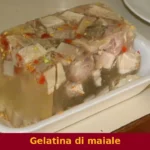
Among the distinctive local dishes, Crapiata is a traditional preparation, often a rich legume soup that combines various pulses and grains, embodying the peasant culinary heritage of the area.
Another staple is Cialledda, typically a refreshing dish made with stale bread, tomatoes, and other fresh vegetables, often consumed during warmer months. For those with a preference for sweets, Scorzette pastries offer a delightful conclusion to a meal, showcasing the village’s baking traditions. These preparations reflect the practical ingenuity of local cooking, utilizing readily available ingredients to create flavorful and nourishing meals.
While the sources do not specify any certified products with specific municipality lists, the dishes of Bernalda itself represent a strong local identity. The emphasis on ingredients like legumes and fresh vegetables points to an agricultural landscape that has sustained the community for generations, ensuring a distinct regional flavor profile.
Exploring these traditional foods offers a direct connection to the cultural fabric of Bernalda, Basilicata, Italy, providing a genuine taste of its heritage.
Festivals, events and traditions of Bernalda
The village of Bernalda observes its primary annual celebration in honor of its patron saint, Saint Bernardino of Siena.
This significant religious event is marked twice a year, providing two distinct opportunities for the community to come together in devotion and festivity. The first celebration occurs on May 20th, while the second takes place on August 23rd, allowing for wider participation and seasonal enjoyment. These dates anchor the village’s cultural calendar, drawing both residents and visitors.
During these celebrations, the spirit of Bernalda, Basilicata, comes alive with various traditional observances.
While specific details on processions or rituals are not provided, patron saint festivals in Italy typically involve religious ceremonies, street decorations, and often include musical performances and local markets. These events provide a deeper understanding of what to see in Bernalda beyond its physical structures, showcasing the village’s enduring cultural practices and community spirit.
When to visit Bernalda, Italy and how to get there
The best time to visit Basilicata, and specifically Bernalda, generally falls between late spring (May and June) and early autumn (September and October).
During these months, the climate is typically mild and pleasant, making it ideal for exploring historical sites and enjoying outdoor activities without the intense heat of mid-summer. May and August are particularly noteworthy for the celebrations of Saint Bernardino, offering a cultural dimension to a visit and shaping much of what to see in Bernalda. While July and August can be quite warm, they are also popular for coastal destinations, including the nearby Metaponto, drawing visitors interested in combining cultural exploration with beach relaxation.
Reaching Bernalda, Basilicata, Italy, requires planning for those traveling from major cities.
The village is accessible by road, with the nearest major city being Matera, approximately 40 km (25 mi) away, known for its UNESCO-listed Sassi. For those considering a day trip from a nearest major city, Bari, with its international airport, is about 100 km (62 mi) to the north, making it a feasible hub. The absence of specific motorway exits or direct train stations in the source means that travel typically involves regional roads and bus connections from larger transport hubs. Visitors should note that English proficiency might be limited in smaller establishments, and carrying some Euros cash is advisable for local purchases.
For international visitors, the most practical approach to how to get to Bernalda often involves flying into a larger airport such as Bari Karol Wojtyła Airport (BRI) or Brindisi – Salento Airport (BDS), both located in the neighboring region of Puglia.
From these airports, renting a car offers the most flexibility for exploring Bernalda and its surroundings, including the ancient site of Metapontum.
Public transport options, such as regional trains and buses, connect larger towns and cities, but may require transfers to reach smaller villages like Bernalda. Checking local bus schedules in advance is recommended for a smoother journey, especially when considering day trips to other Basilicata villages like Balvano or Castronuovo di Sant’Andrea.
Beyond the immediate attractions of Bernalda, visitors seeking to explore more of Basilicata’s diverse landscape and historical depth can consider a trip to Calvello. This village, like many in the region, offers its own unique cultural heritage and provides another perspective on the rich traditions of southern Italy, complementing the experience of what to see in Bernalda.
Nearby Villages near Bernalda
In Basilicata More villages to discover

Cirigliano
 Mountain
What to see in Cirigliano, Italy: a medieval village with a 17th-century Pietu00e0, an oval castle tower, and local pasta traditions. Discover 5 top attractions.
Fardella
Mountain
Discover Fardella, a quiet hilltop village in Potenza province with 569 inhabitants, medieval roots, stone architecture, and unspoiled Apennine landscapes.
Castelluccio Superiore
Mountain
what to see in castelluccio superiore, Italy. Discover this mountain village at 680 m, explore its historic core, and experience the feast of Santa Margherita di Antiochia.
Cersosimo
 Hills
Hills
Discover what to see in Cersosimo, an authentic village in Basilicata. From the Mother Church to the castle remains, explore the history and typical cuisine of this hilltop center in the province of Potenza.

Forenza
Mountain
Discover Forenza, a hilltop village in Potenza province at 800m, with historic churches, Apennine panoramas, and authentic Lucanian cuisine.
Cancellara
Mountain
Population 1,091. A hillside village in Potenza province where rural rhythms and agricultural heritage define everyday life.
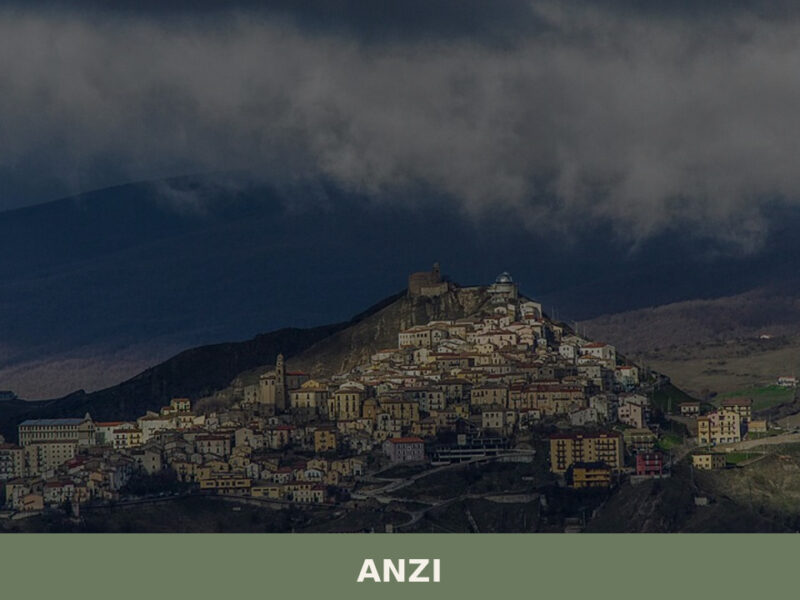
Anzi
Mountain
Anzi sits at 1,008 metres above sea level in the province of Potenza, making it one of the highest settlements in Basilicata. Home to 1,745 inhabitants, this small Lucanian village occupies a rocky spur along the upper valley of the Camastra river, surrounded by dense forests of oak and chestnut. For anyone researching what to […]
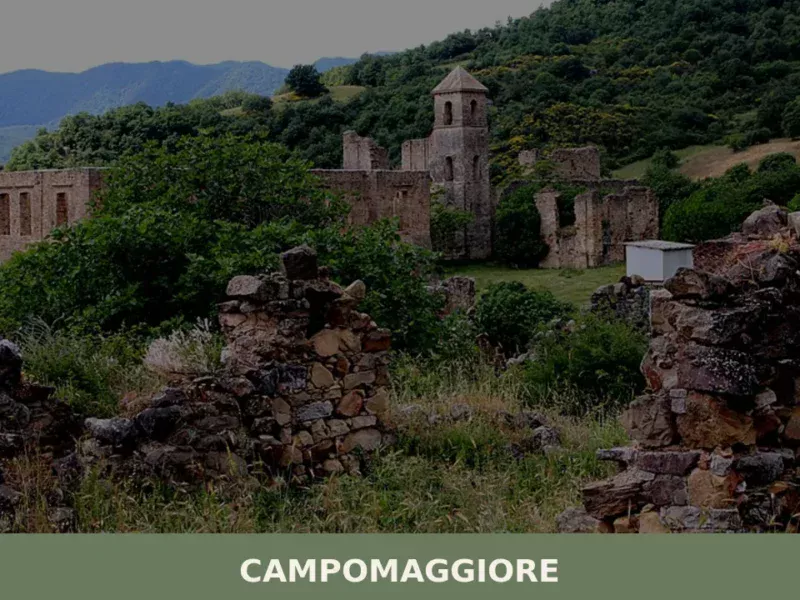
Campomaggiore
Mountain
As the morning mist reluctantly peels back from the Lucanian Apennines, a faint scent of wild herbs drifts through the narrow lanes of Campomaggiore. At 795 meters above sea level, this small community, home to 832 inhabitants, begins its day with a quiet rhythm. Sunlight catches the weathered stone of an ancient wall, illuminating moss […]
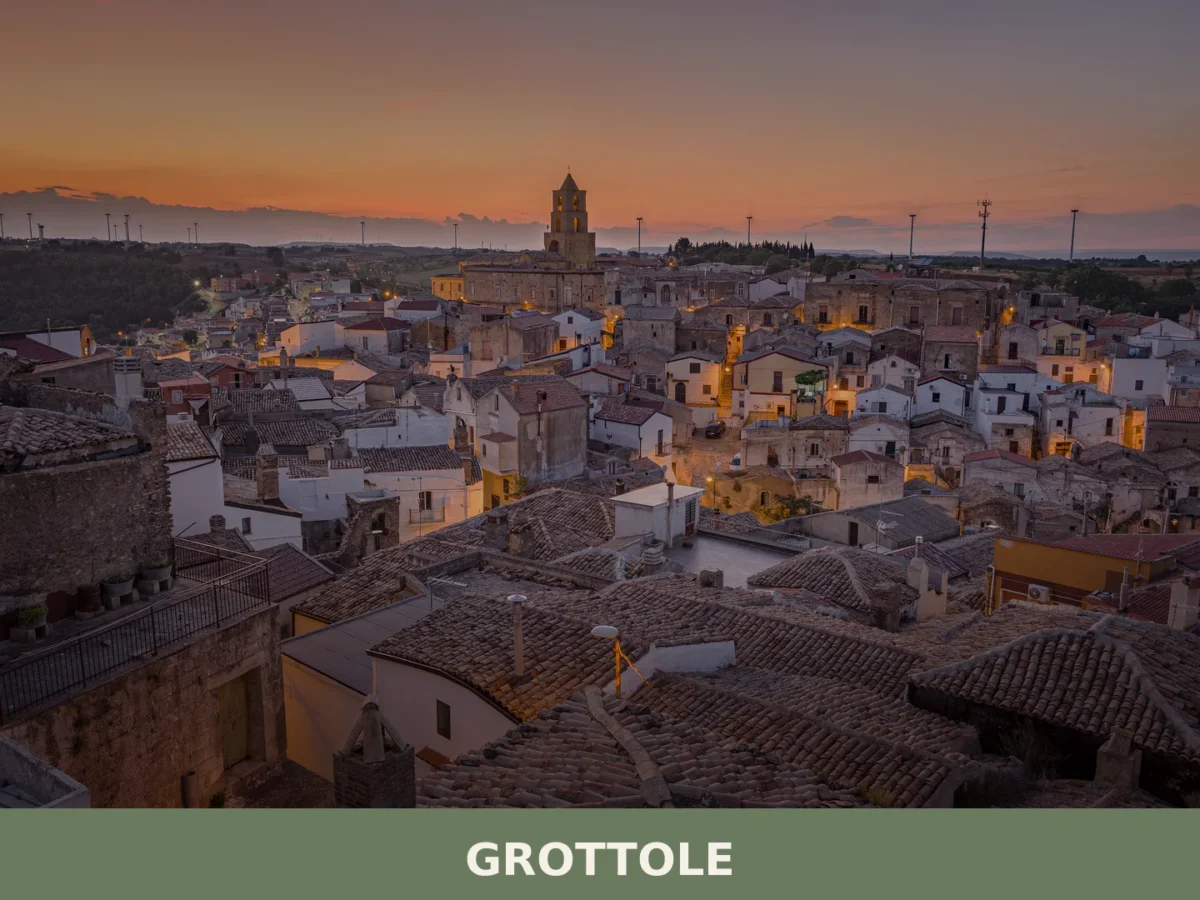
Grottole
Hills
Grottole is a hill town of roughly 1,960 inhabitants in the province of Matera, Basilicata, with a documented history from prehistoric times through to the end of the feudal era in 1874.
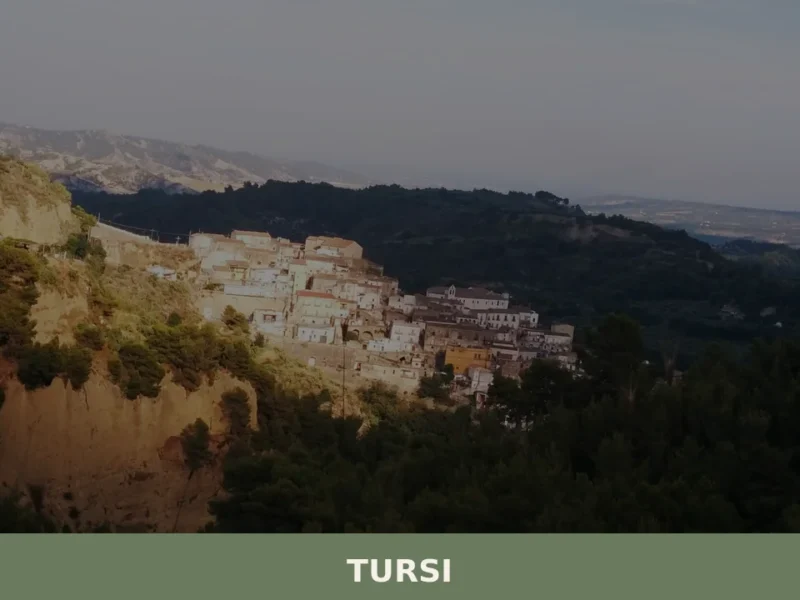
Tursi
 Plains
The ochre-yellow clay slopes that surround Tursi do not stay still. Every significant rainfall shifts the marly sediment, exposing new gullies in the Cenozoic rock and deepening the three chasms — the Palmara ditch to the north, the St. Francis ditch to the east, and the Cathedral ditch to the west — that have protected […]




🏡 Know Bernalda better than we do?
If you’re a local or have been there, your knowledge matters: add what’s missing or fix a detail on this page.