


Banzi
 Hills
Hills
In 1956, during archaeological excavations in the area of ancient Bantia, the “Bantine Table” was discovered, a bronze tablet inscribed in the Oscan language, providing direct evidence of the legislation of this Italic community from the 4th-3rd century BC. For those wondering what to see in banzi today, the village, located at 571 meters above […]
Discover Banzi
In 1956, during archaeological excavations in the area of ancient Bantia, the “Bantine Table” was discovered, a bronze tablet inscribed in the Oscan language, providing direct evidence of the legislation of this Italic community from the 4th-3rd century BC. For those wondering what to see in banzi today, the village, located at 571 meters above sea level in the province of Potenza, offers a journey through historical layers that extend far beyond this exceptional artifact. With a population of 1,160 inhabitants, this hillside center in Basilicata maintains an identity shaped by millennia of presence, from pre-Roman civilizations to medieval monastic influences.
History and Origins of Banzi
The roots of Banzi are in antiquity, with archaeological evidence attesting to the presence of Daunian and Lucanian settlements since the 4th century BC. The village’s name itself derives from Bantia, an important center of ancient Lucania, as documented by the renowned Bantine Table. This artifact, now preserved at the National Archaeological Museum of Naples, reveals details about the civic and legal life of the Oscan community, confirming the strategic and cultural importance of the site already in the pre-Roman era.
With the arrival of the Romans, Bantia maintained some relevance, although its role changed. The medieval period saw the flourishing of an important monastic institution: the Abbey of Santa Maria di Banzi. Founded by the Benedictines around the 11th century, it became a religious, cultural, and economic reference point for the entire Vulture-Melfese area, acquiring vast possessions and influencing the development of the surrounding village. The Abbey, with its extensive library and school, helped preserve and disseminate knowledge during a time of significant transformations.
Subsequently, Banzi came under the control of various feudal families, including the Del Balzo and the Doria, who left their mark on the urban fabric and civil architecture. Despite historical events and demographic changes, the village has maintained consistency in its layout, with the inhabited center developing around the oldest core, demonstrating a continuity that defies time and events.
What to see in Banzi: 5 Points of Interest
Abbey of Santa Maria di Banzi
The Abbey of Santa Maria represents the historical and artistic core of the village. Founded by the Benedictines in the 11th century, it preserves Romanesque and Gothic architectural elements, a result of subsequent modifications. The structure, though partially in ruins, still shows the grandeur of the ancient church and cloister, with fragments of frescoes and sculptures that indicate its past prestige.
Mother Church of San Vito Martire
Dedicated to the village’s patron saint, the Mother Church is a place of worship featuring a Baroque layout, resulting from renovations of a pre-existing medieval structure. Inside, wooden altars, paintings, and devotional statues are preserved, including that of San Vito Martire, celebrated with the patronal feast on June 15. The facade is characterized by simple lines and an adjacent bell tower.
Acropolis Archaeological Area
On the hills surrounding the village are the remains of the ancient Acropolis of Bantia. Traces of the defensive walls and residential structures that formed the original core of the Italic settlement are visible here. The site offers a perspective on pre-Roman and Roman urban planning, allowing visitors to imagine the life of a community that predated the current settlement.
Fountain of Sant’Antuono
The Fountain of Sant’Antuono is an ancient public fountain, once essential for the community’s water supply. With its stone structure and washbasins, it represents an example of functional architecture that shaped the daily lives of inhabitants for centuries. It is a historical meeting point, linked to local traditions and the management of water resources in the area.
Ruins of the Ducal Palace
In the upper part of the village, one can observe the ruins of what was once the Ducal Palace, residence of Banzi’s feudal lords. Although much of the structure has been lost, the ruins allow for an understanding of the building’s former size and its dominant position over the surrounding landscape, once a symbol of power and authority in the territory.
Typical Cuisine and Local Products
The cuisine of Banzi and inland Basilicata expresses its hilly land, where pastoralism and agriculture have always shaped the flavors. Among the most representative dishes are “lagane e ceci,” a fresh pasta similar to wide tagliatelle, served with chickpeas and a drizzle of extra virgin olive oil. Another classic is “orecchiette with turnip greens” or with meat ragù, often lamb or pork, reflecting the influence of neighboring regions and the availability of local ingredients. Lamb meat, raised on the pastures of the Lucanian hills, is central to preparations such as “agnello alla potentina,” cooked with potatoes, peppers, and onions.
Among the local products, “peperoni cruschi” stand out—sweet peppers dried and then quickly fried in hot oil, which acquire a characteristic crispness and intense flavor, used as a side dish or to enrich first courses. “Pecorino di Filiano PDO,” produced in the municipalities of the Vulture-Melfese area, offers a hard cheese with a distinct and aromatic flavor, perfect to enjoy alone or grated. Also prominent are “salsicce lucane,” prepared with local pork and flavored with wild fennel and chili pepper, an example of the area’s cured meat tradition.
When to Visit Banzi: The Best Period
The climate of Banzi, at 571 meters of altitude, is typically hilly, with cool and sometimes snowy winters, and mild but not excessively hot summers. The best time to visit the village is late spring and early summer, between May and June, when temperatures are pleasant and the surrounding nature is vibrant with vegetation. This is also the time of the patronal feast of San Vito Martire, celebrated on June 15, an opportunity to observe local traditions and community participation.
The months of September and October can also offer a pleasant experience, with cooler temperatures and the colors of autumn painting the hilly landscape. During winter, although colder, the village can take on a quiet and evocative appearance, ideal for those seeking an experience of calm and reflection, away from major tourist flows.
How to Get to Banzi
Banzi is primarily accessible by private transport, given its location in the Lucanian hinterland.
- By car: From the north, you can take the A16 Napoli-Canosa motorway, exit at Candela, then continue on the SS655 towards Melfi, and finally on the SP10 to Banzi. From the south, you can reach Potenza via the SS407 Basentana or the SS658 Potenza-Melfi, and from there follow signs for Banzi. The distance from Potenza is approximately 45 km.
- By train: The nearest train station is Potenza. From there, it is possible to continue by public bus (with limited connections) or by taxi/rental car.
- By plane: The most convenient airports are Bari Karol Wojtyla (approximately 120 km) and Naples Capodichino (approximately 180 km). From both airports, it is advisable to rent a car to reach Banzi.
Other Villages to Discover in Basilicata
Basilicata is a region rich in settlements that maintain a strong connection to their history and territory, often characterized by altitudes similar to Banzi and an economy tied to local resources. Among these, consider a visit to Abriola, a village that rises among the mountains, known for its castle and stone architecture, offering another perspective on Lucanian mountain life.
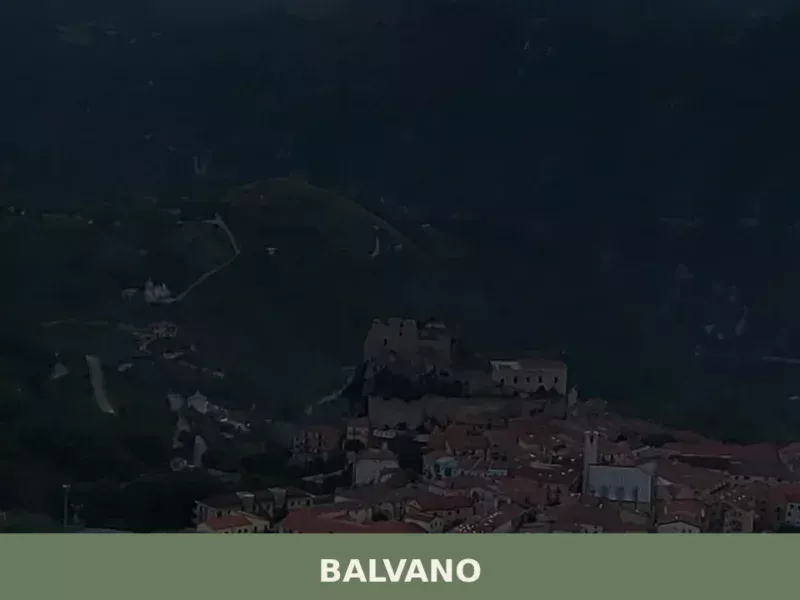
Another destination that merits attention is Balvano, also in the province of Potenza. This municipality, with a history marked by natural events, preserves a center that shows signs of resilience and reconstruction, with a Mother Church of notable interest and a surrounding landscape that reflects the region’s typical hilly morphology, offering insights into the historical depth and adaptability of Lucanian communities.
Frequently asked questions about Banzi
What is the best time to visit Banzi?
The ideal period is late spring and early summer, particularly May and June, when temperatures at 571 metres above sea level are mild and the surrounding hillside landscape is at its most vibrant. June 15 is the feast of San Vito Martire, Banzi's patron saint, offering a genuine window into local religious and community traditions. September and October are equally pleasant, with cooler air and autumn colours across the Lucanian hills. Winter is quiet and atmospheric but cold, best suited to travellers seeking solitude rather than outdoor exploration.
What are the historical origins of Banzi?
Banzi originates from the ancient Italic settlement of Bantia, inhabited by Daunian and Lucanian populations from at least the 4th century BC. Its fame rests on the Bantine Table, a bronze tablet inscribed in the Oscan language discovered in 1956, now housed at the National Archaeological Museum of Naples. This document records the civic legislation of the community. Under Roman rule Bantia retained some importance, and in the medieval period the Benedictine Abbey of Santa Maria di Banzi, founded around the 11th century, became the dominant religious and cultural institution of the Vulture-Melfese area.
What to see in Banzi? Main monuments and landmarks
The five principal sites are: the Abbey of Santa Maria di Banzi, an 11th-century Benedictine foundation with Romanesque and Gothic elements, partially ruined but still impressive; the Mother Church of San Vito Martire, a Baroque church preserving wooden altars, paintings and a devotional statue of the patron saint; the Acropolis archaeological area on the surrounding hills, where traces of Bantia's defensive walls remain visible; the historic Fountain of Sant'Antuono, a stone public fountain with washbasins; and the ruins of the Ducal Palace in the upper village. Access to the outdoor sites is generally unrestricted.
Are there museums, churches or historic buildings to visit in Banzi?
The most significant historic buildings are the Abbey of Santa Maria di Banzi, a partially ruined Benedictine complex founded around the 11th century with surviving Romanesque and Gothic architectural elements, frescoes and sculptural fragments; and the Mother Church of San Vito Martire, the main parish church with a Baroque interior. The Acropolis area preserves visible remains of ancient Bantia's walls and structures. The Bantine Table itself, the village's most celebrated artefact, is held at the National Archaeological Museum of Naples rather than on site. Visitors should check locally for current access conditions to the Abbey.
What to eat in Banzi? Local products and specialties
Banzi sits within an area whose food traditions centre on simple, land-based ingredients. Classic dishes include lagane e ceci, wide fresh pasta ribbons served with chickpeas and extra virgin olive oil, and orecchiette with turnip greens or lamb and pork ragù. Lamb raised on the Lucanian hills features in agnello alla potentina, slow-cooked with potatoes, peppers and onions. Notable local products include peperoni cruschi, sweet dried peppers fried to a crisp, and Pecorino di Filiano PDO, a hard aromatic sheep's milk cheese produced in the surrounding Vulture-Melfese municipalities. Salsicce lucane, pork sausages seasoned with wild fennel and chilli, complete the picture.
Who is Banzi suitable for? Families, couples, hikers, solo travelers?
Banzi suits travellers with a genuine interest in archaeology, medieval history and authentic southern Italian village life. History enthusiasts will appreciate the Abbey of Santa Maria, the Acropolis site and the legacy of the Bantine Table. Couples and solo travellers seeking quiet, unhurried destinations away from mass tourism will find the hillside setting and small-scale atmosphere rewarding. The patronal feast of San Vito Martire on June 15 makes the village particularly welcoming for those curious about local traditions. Families with older children interested in history and archaeology will also find worthwhile content, though facilities remain limited as expected in a village of 1,160 inhabitants.
What can you do in Banzi? Activities and experiences
The main activities in Banzi revolve around cultural and food-and-wine tourism. Visitors can explore the Abbey of Santa Maria di Banzi and the Acropolis archaeological area on foot, connecting the two sites for a compact heritage walk through different historical layers of the settlement. The patronal feast of San Vito Martire on June 15 provides an opportunity to experience authentic local celebration. The surrounding hilly countryside of the Vulture-Melfese area lends itself to scenic drives and discovery of nearby villages. Sampling local specialties such as peperoni cruschi, Pecorino di Filiano PDO and lagane e ceci at local restaurants rounds out a visit.
📷 Photo Gallery — Banzi
![Reference Map of Ancient Italy, Southern Part [1] Historical Atlas by William R. Shepherd, 1911. Courtesy of the Univer — Banzi](https://www.villagesitaly.com/wp-content/uploads/2026/03/960px-Shepherd-c-030-031.jpg)
Nearby Villages near Banzi
In Basilicata More villages to discover
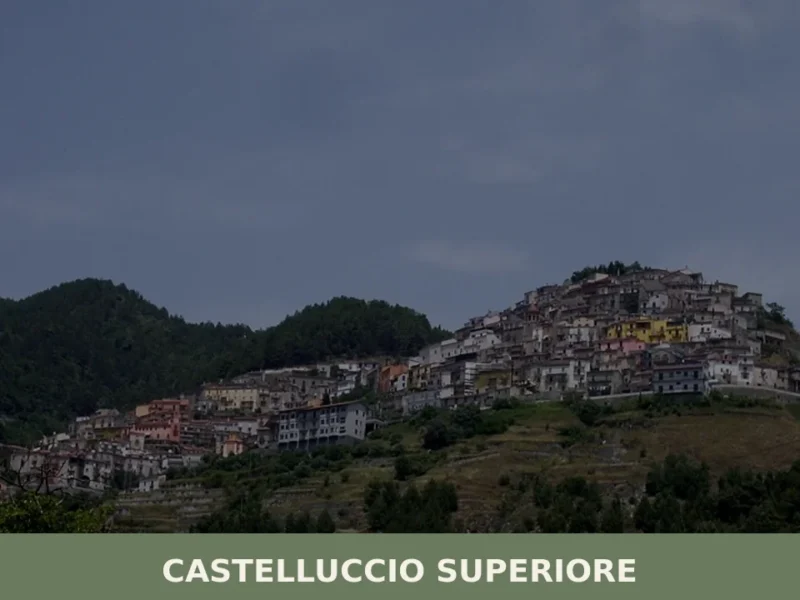
Castelluccio Superiore
 Mountain
what to see in castelluccio superiore, Italy. Discover this mountain village at 680 m, explore its historic core, and experience the feast of Santa Margherita di Antiochia.

Ferrandina
Hills
What to see in Ferrandina, Basilicata, Italy: 6 historic churches, olive oil production, and a hilltop at 482 m. Discover top attractions and how to get there.
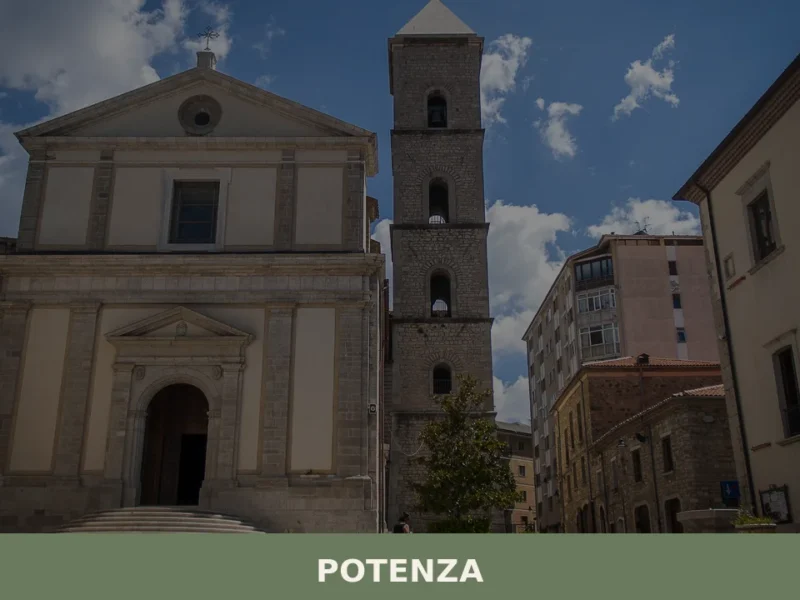
Potenza
Mountain
What to see in Potenza: from the historic centre churches to Castello Tramontano. Complete guide with 5 attractions and practical tips for your visit.
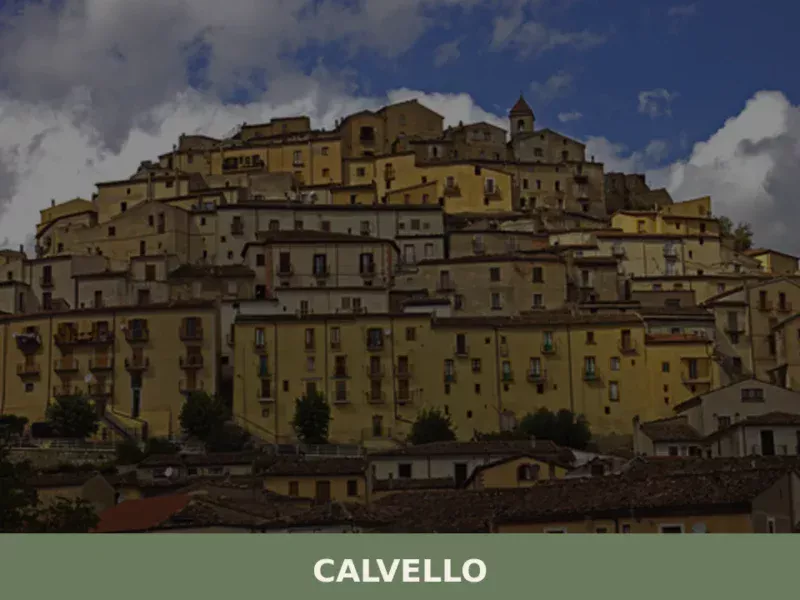
Calvello
Mountain
Calvello has 1,768 inhabitants and sits at 730 metres above sea level in the middle Camastra valley, in the province of Potenza. The town extends along the slope that descends from the ruins of the Norman castle down to the plain where the local streams converge. Asking what to see in Calvello means crossing an […]

Gallicchio
Mountain
Discover Gallicchio, a hilltop village in Potenza province with a medieval castle, historic streets, and stunning views over the Val d'Agri valley.

Craco
Mountain
What to see in Craco, Italy: explore the abandoned town at 400 m (1,312 ft), its medieval tower, film locations, and Basilicata's landscape. Discover it all here.
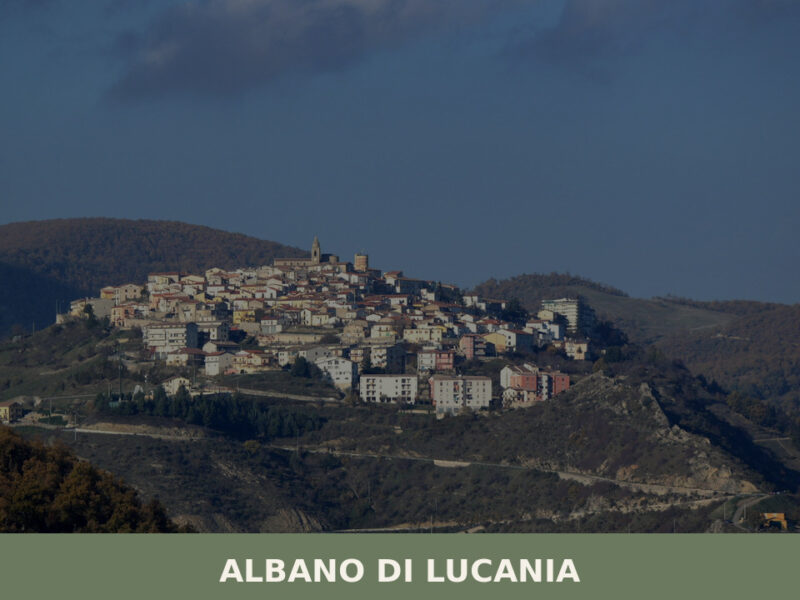
Albano di Lucania
Mountain
A complete guide to Albano di Lucania in Basilicata — its medieval lanes, stone churches, Lucanian cuisine, and the quiet landscapes of the upper Basento valley.
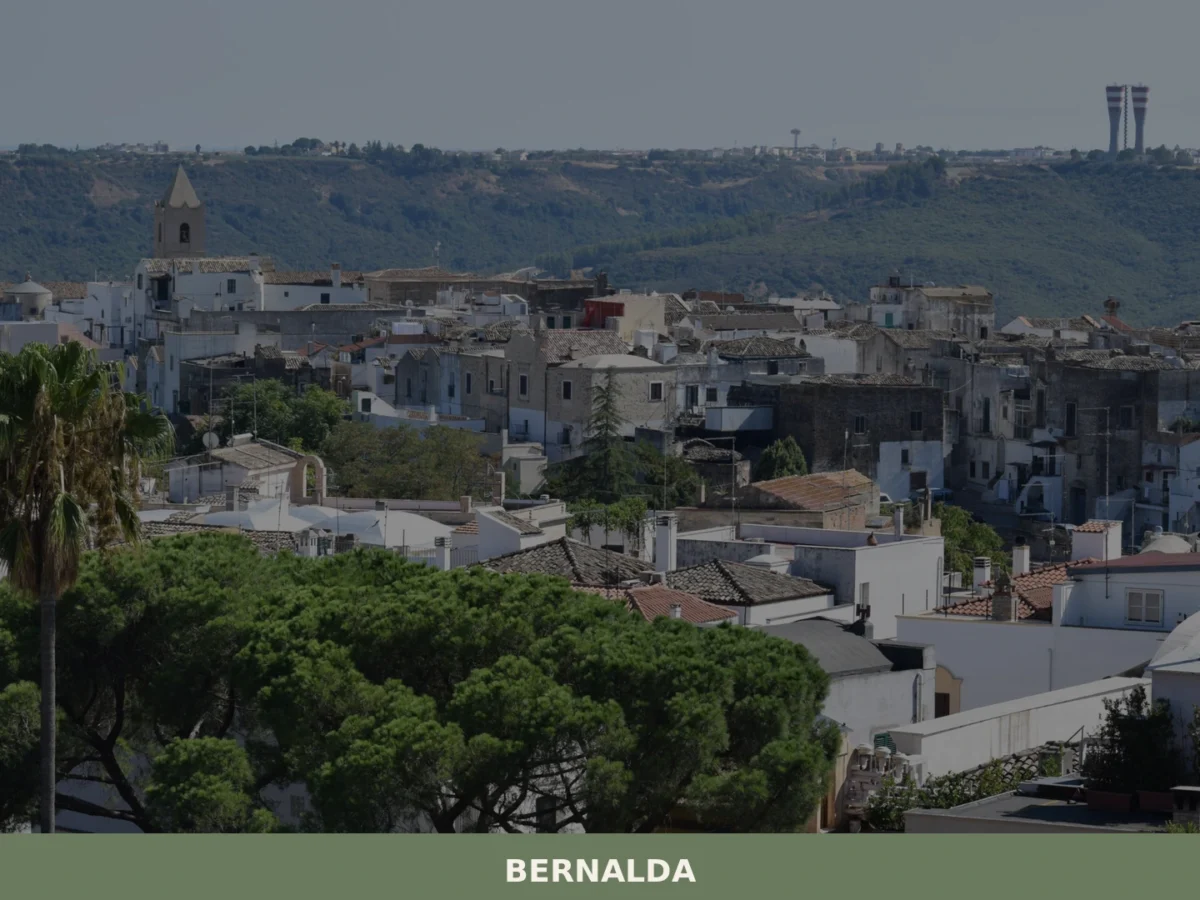
Bernalda
 Sea
Sea
What to see in Bernalda: 5 attractions in this Basilicata village, from the historic center to Metaponto. Discover the complete guide and plan your visit.
Balvano
Hills
Balvano, a municipality in the province of Potenza, rises 425 meters above sea level, fitting into the hilly landscape of Basilicata. This altitude is not just a number, but the coordinate of a natural observatory from which the Platano valley can be viewed. With a population of 1,722 inhabitants, the village maintains the size of […]
Brienza
Mountain
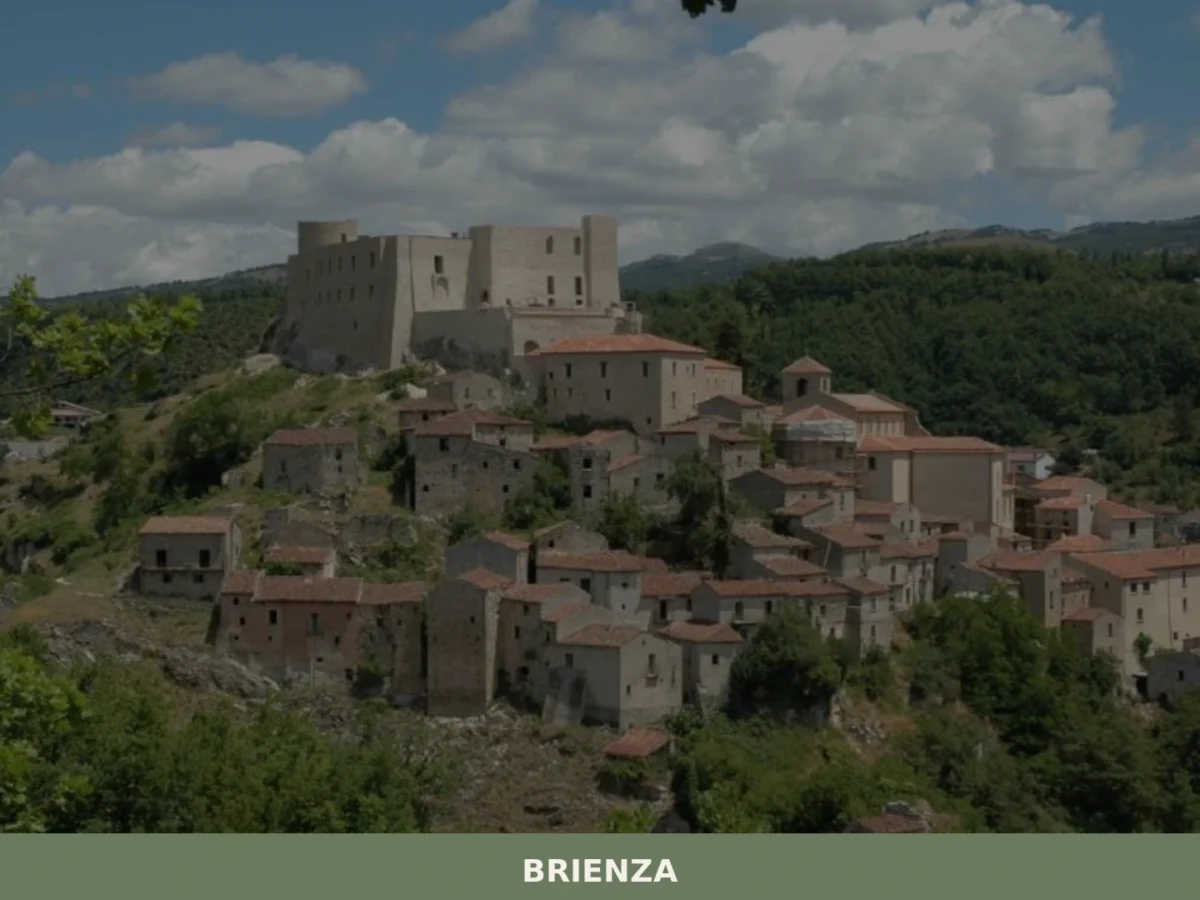
What to see in Brienza? Explore 5 historic points of interest in this Basilicata village. Discover Caracciolo Castle and ancient churches. Plan your visit!



🏡 Know Banzi better than we do?
If you’re a local or have been there, your knowledge matters: add what’s missing or fix a detail on this page.