


Brienza
 Mountain
What to see in Brienza? Explore 5 historic points of interest in this Basilicata village. Discover Caracciolo Castle and ancient churches. Plan your visit!
Discover Brienza
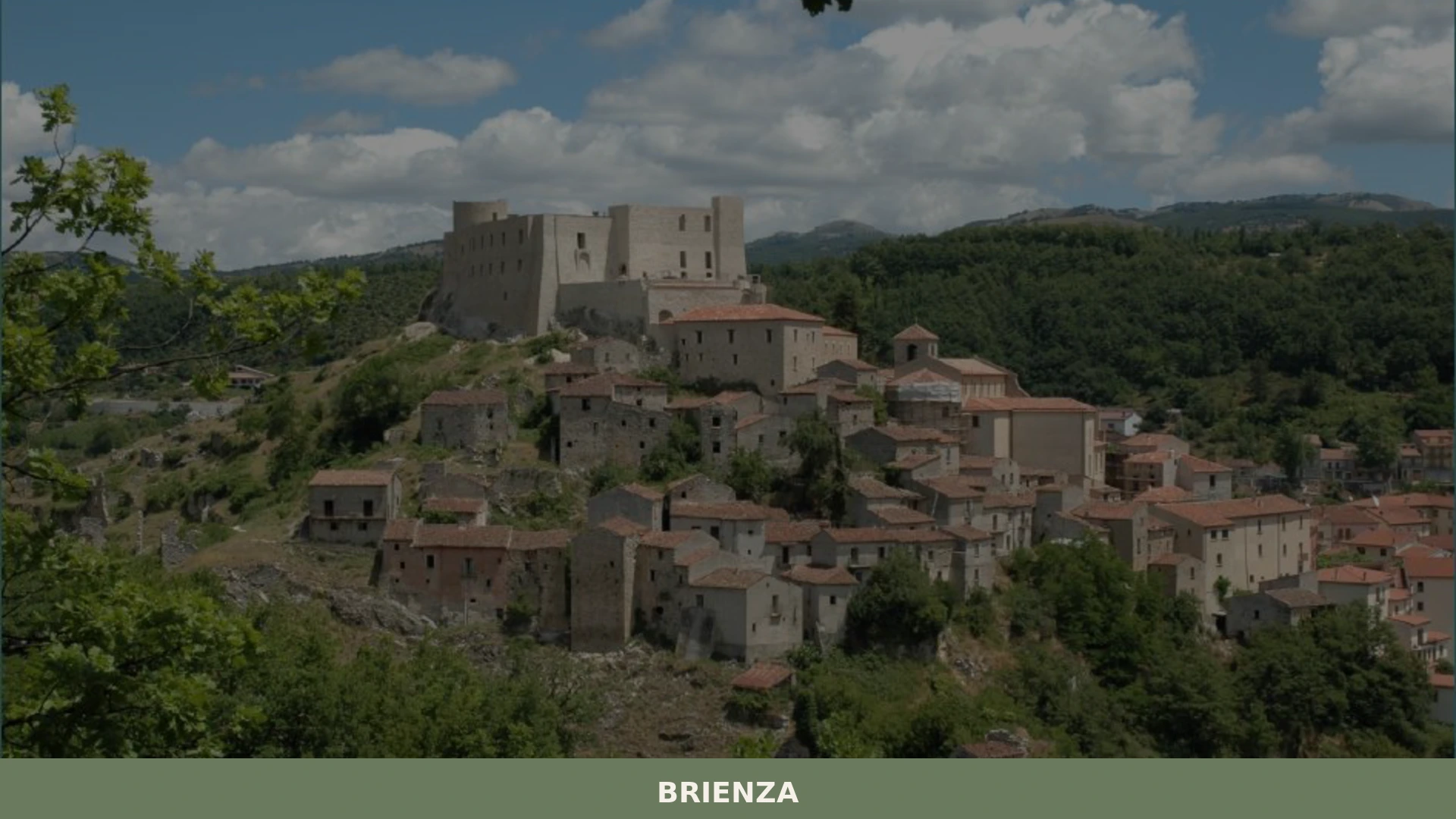
On a rocky spur, Caracciolo’s Castle surveys the Melandro valley, its ancient stones rising sheer from the river Pergola below. This commanding position has anchored the village of Brienza in Basilicata for centuries, a silent witness to the ebb and flow of history in Southern Italy.
The castle, though largely a ruin, retains fragments of its original flooring and two statues, offering a tangible connection to its past.
For visitors wondering what to see in Brienza, the village offers a glimpse into a rich historical narrative, centered around its 7th-century origins.
The Brienza highlights include the imposing Caracciolo’s Castle, a testament to Angevin rule, and the opportunity to savor the distinctive Lucanian Caciocavallo Podolico cheese, produced in the surrounding province of Potenza. This blend of historical depth and gastronomic tradition makes Brienza a compelling destination for those exploring Basilicata.
History of Brienza
The origins of Brienza trace back to the 7th century AD, when a settlement began to form around a newly constructed castle.
This period coincided with the Lombard rule over the Duchy of Benevento, a significant political entity in Southern Italy following the collapse of the Western Roman Empire. The strategic location of the castle, dominating the Melandro valley, likely played a crucial role in its establishment and subsequent development as a local center within the province of Potenza.
Over the centuries, Brienza continued to evolve, with its castle becoming a prominent landmark.
The current structure, known as Caracciolo’s Castle, dates from the Angevin rule in the Kingdom of Naples, a powerful dynasty that governed much of Southern Italy from the 13th to the 15th centuries. This historical context underlines the castle’s architectural significance and its role in the region’s medieval defenses.
Furthermore, Brienza is notable as the birthplace of Mario Pagano, an influential philosopher, politician, and lawyer, who was born on 8 December 1748, contributing to the village’s cultural legacy.
The late 19th and early 20th centuries marked a period of significant demographic change for Brienza, as many residents embarked on a mass migration to the Americas. Large communities of Brienza immigrants settled in cities such as Buenos Aires, Argentina, particularly in the Mataderos (Nueva Chicago) neighborhood, and Chicago, in the United States.
The Argentine community maintains a cultural affinity with its ancestral village through organizations like Asociacion Italiana Brienza, preserving a tangible link across continents.
What to see in Brienza, Basilicata: top attractions
When considering what to see in Brienza, the village’s most prominent historical landmark is undoubtedly its ancient castle, offering insights into centuries of regional history.
The rugged landscape of Basilicata provides a dramatic backdrop for this structure, inviting visitors to explore its preserved fragments.
Caracciolo’s Castle
Perched atop a rocky spur, Caracciolo’s Castle commands sweeping views across the Melandro valley, with its foundations rising sharply from the river Pergola below. This strategic position, chosen during its founding in the 7th century AD, highlights its historical importance as a defensive stronghold.
The castle’s current form largely reflects its reconstruction during the Angevin rule in the Kingdom of Naples, showcasing architectural elements typical of that era.
Although now a ruin, the castle has undergone restoration efforts since the 20th century, which have helped preserve key features for contemporary visitors. Inside, fragments of its original flooring can still be observed, alongside two statues that offer clues to its past grandeur and decorative style.
The manor now serves as a venue for cultural events, bridging its ancient heritage with modern community life.
Exploring the castle grounds provides an opportunity to appreciate the panoramic vistas of the surrounding Basilicata landscape, a view that has changed little over centuries. Visitors can reflect on the castle’s role in the region’s history, from Lombard dominion to Angevin power. To fully experience the site, it is advisable to wear comfortable shoes, as the terrain around the rocky spur can be uneven, especially when exploring the approaches to the ancient fortifications.
Local food and typical products of Brienza
The gastronomic identity of Brienza, like much of Basilicata, is deeply rooted in its agricultural traditions and the unique characteristics of its local livestock.
The region’s extensive pastures and wild rearing practices contribute significantly to the distinctive flavors found in its traditional products, particularly its cheeses. This connection to the land ensures a culinary experience that reflects centuries of local food production methods.
Among the most characteristic cheeses of Basilicata, and a staple in Brienza, is the Lucanian Caciocavallo Podolico.
This stringy cheese is produced exclusively from the whole milk of the Podolic breed of cow, which grazes mainly in the wild pastures of the southern Apennine mountains. The milk, collected during the morning’s milking, must be processed within 24 hours, adhering to strict production regulations that govern every step from processing to seasoning. This meticulous approach ensures the cheese retains its authentic qualities.
The Lucanian Caciocavallo Podolico is recognizable by its characteristic pear shape, traditionally hung “by the neck” between roof beams to mature, a process that imparts its unique flavor profile.
The bouquet of the aged cheese often carries aromatic notes of rosemary and heather, reflecting the diverse flora of the cows’ grazing lands.
A process is currently underway to achieve the European DOP (Denominazione di Origine Protetta) mark for this cheese, with production regulations already drafted. It is produced in several municipalities across Basilicata, including Brienza, Forenza, Viggiano, Atella, San Fele, Calvello, Pietrapertosa, Tolve, and Lagonegro in the province of Potenza, as well as Accettura, Salandra, Stigliano, and Ferrandina in the province of Matera.
Festivals, events and traditions of Brienza
While the provided sources do not detail specific festivals, events, or traditional celebrations unique to Brienza, the cultural landscape of Basilicata is generally rich with community gatherings. Many villages in Southern Italy observe patron saint festivals, often featuring religious processions, music, and local culinary traditions.
Visitors interested in the broader cultural heritage of the region are encouraged to consult local tourist information upon arrival, as smaller, seasonal events may not always be widely publicized in advance.
When to visit Brienza, Italy and how to get there
The best time to visit Basilicata, and specifically Brienza, generally spans the spring and autumn months.
From April to June, the weather is typically mild and pleasant, with blooming landscapes, making it ideal for exploring historical sites and enjoying outdoor activities without the intense heat of summer. September and October also offer comfortable temperatures and often fewer crowds, providing a serene experience of the region. Summer, from July to August, can be quite hot, though the higher elevation areas may offer some respite, and evenings are usually cooler.
Brienza, situated on a rocky spur, presents terrain that can be steep and uneven in places, particularly around the castle, so comfortable footwear is recommended for exploration.
Regarding accessibility, the provided sources do not detail specific transportation routes, such as nearest major cities for day trips, motorway exits, train stations, or airports with distances and travel times. For international visitors, it is practical to note that English may be limited in smaller shops and eateries, and carrying some Euros cash can be useful for local transactions.
📷 Photo Gallery — Brienza
Nearby Villages near Brienza
In Basilicata More villages to discover
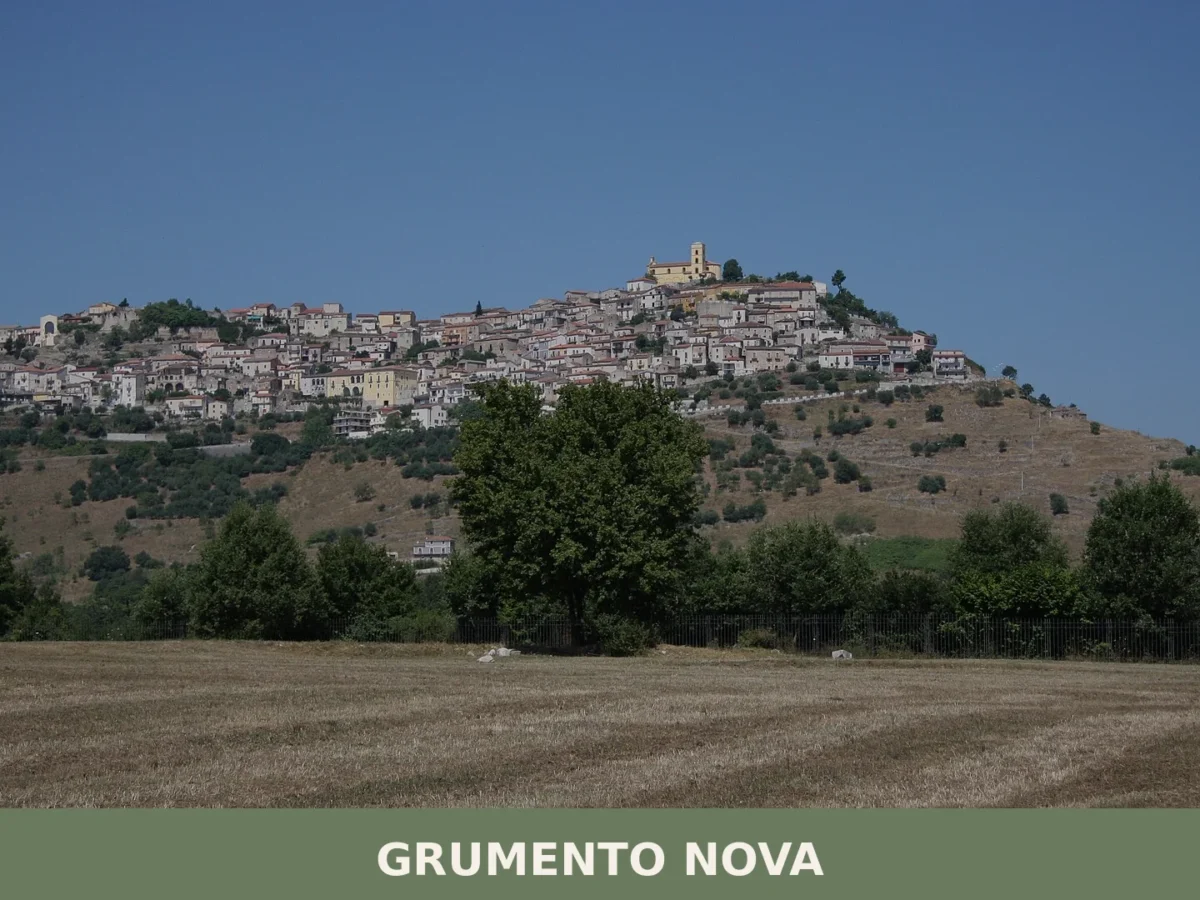
Grumento Nova
Mountain
Grumento Nova is a mountain comune at 746 metres in Basilicata's Val d'Agri, where the ruins of Roman Grumentum and more than a thousand years of layered history await travellers seeking an authentic
Potenza
Mountain
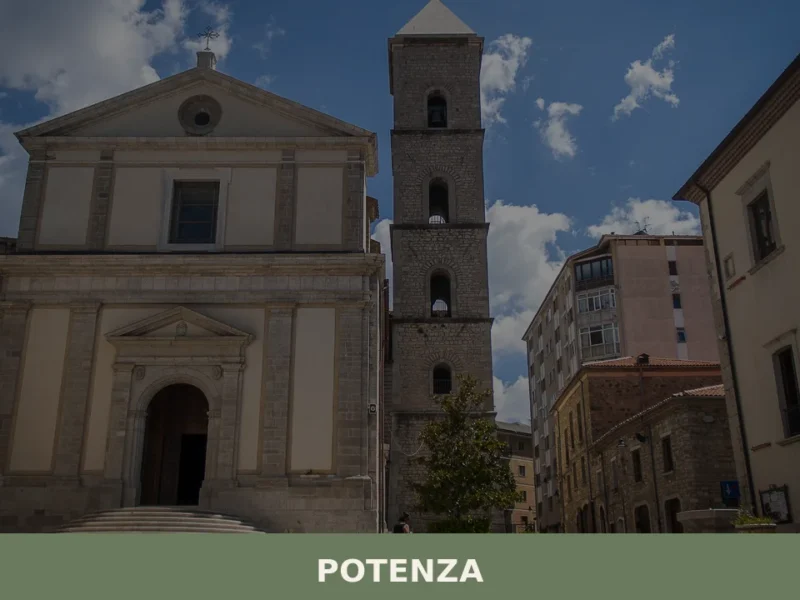
What to see in Potenza: from the historic centre churches to Castello Tramontano. Complete guide with 5 attractions and practical tips for your visit.

Castelluccio Inferiore
Mountain
What to see in Castelluccio Inferiore: 5 must-see attractions, from the historic center to baroque churches. Discover the complete guide to this Basilicata village.
Aliano
 Hills
Hills
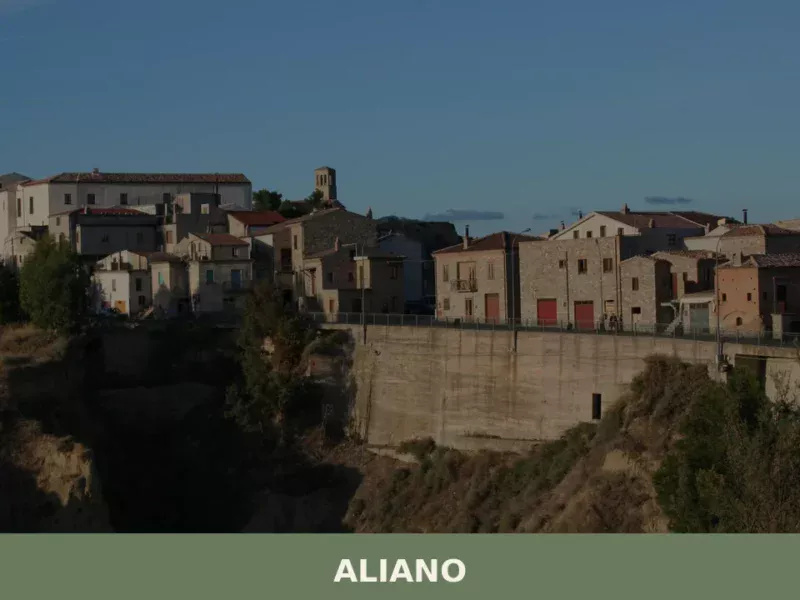
Discover what to see in Aliano, Basilicata: Carlo Levi's exile house, the dramatic calanchi landscape, local olive oil culture and practical travel tips.
Calvera
Mountain
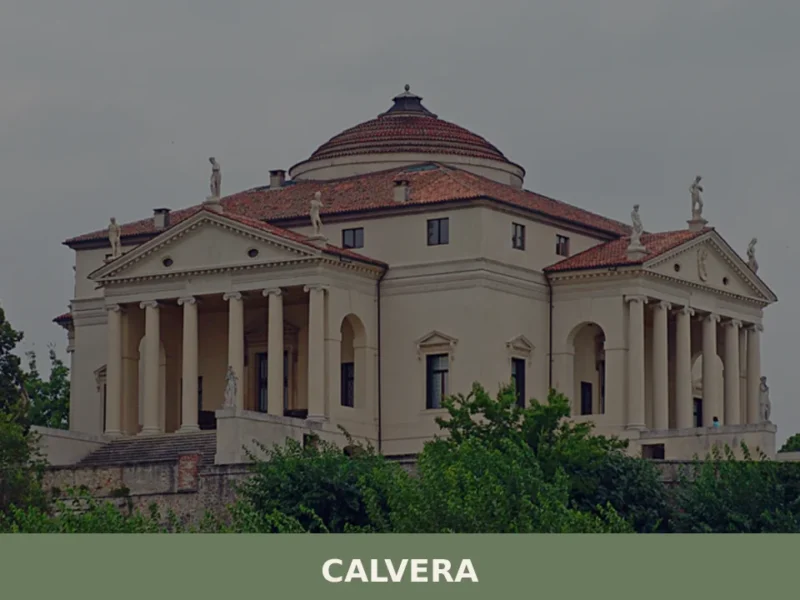
At 630 meters above sea level, in the heart of the province of Potenza, lies Calvera, a small Lucanian municipality distinguished by its elevated position and authentic atmosphere. The village, with its stone houses clinging to the hillside, offers panoramic views of the surrounding valley, bearing witness to a history of mountain life and a […]
Baragiano
Mountain
What to see in Baragiano, Italy: a village at 625 m altitude with 2,485 inhabitants. Discover top attractions, local food, festivals and how to get there.
Calciano
Hills
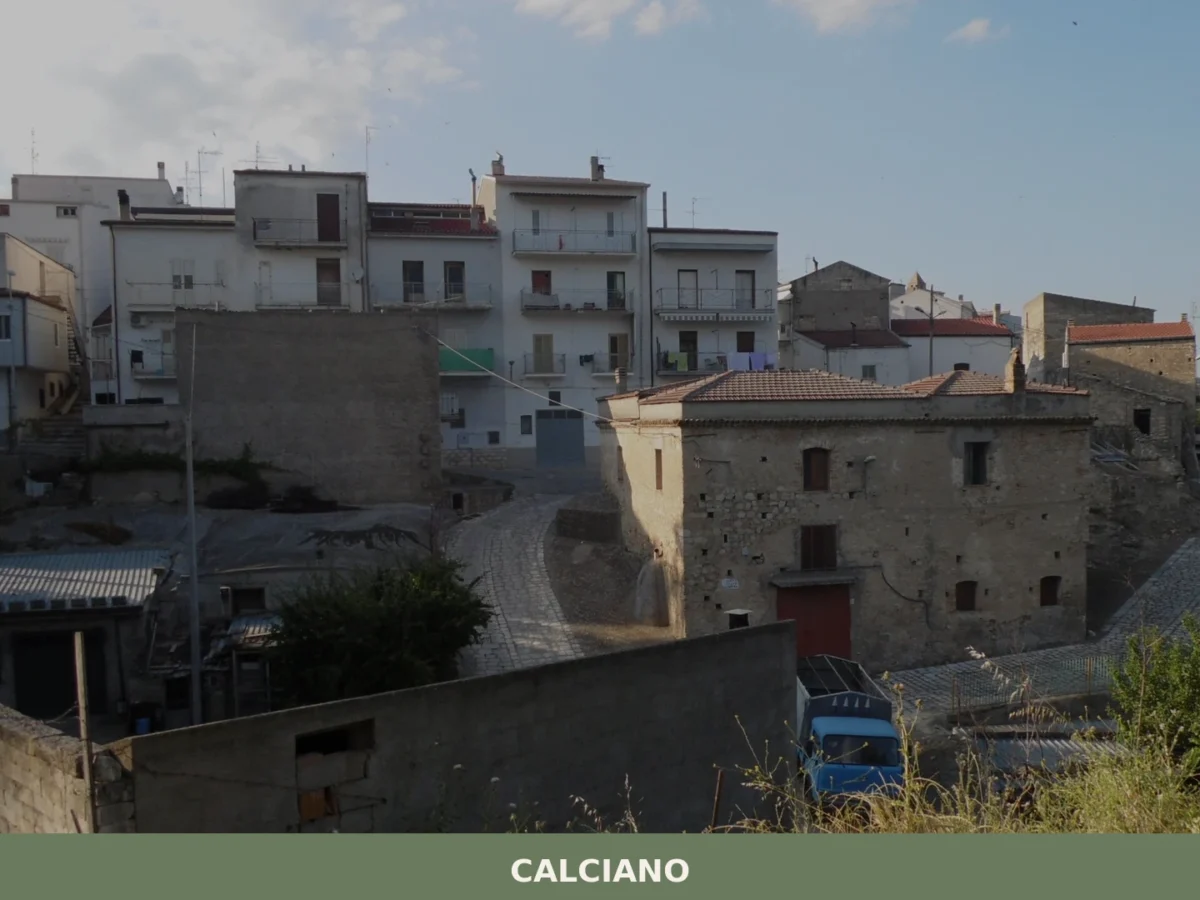
Six hundred inhabitants, a dialect that calls the town Caucësciànë, and a landscape that the province of Matera renders with geometric precision: clay hills that change colour with the passing hours, narrow streets where the wind carries dust in summer and silence in winter. In this article History and origins of Calciano What to See […]
Pietrapertosa
 Sea
Sea
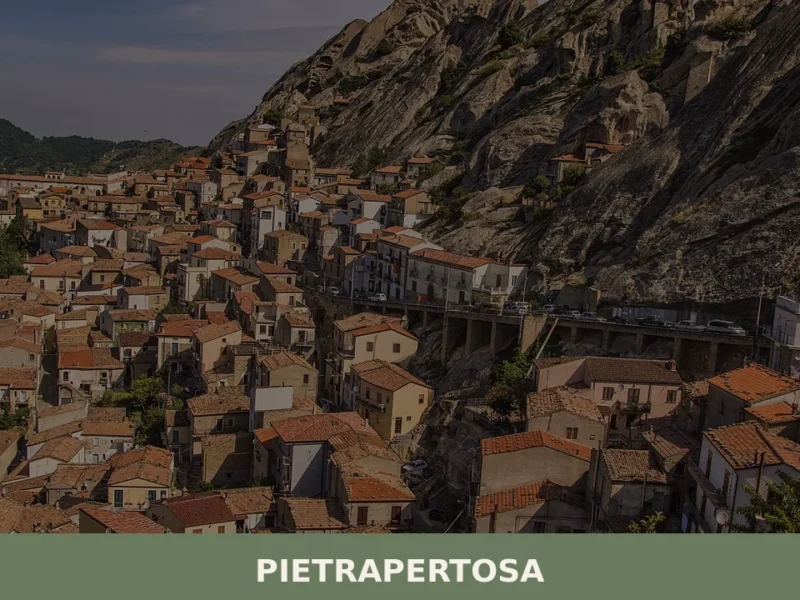
What to see in Pietrapertosa, Basilicata, Italy: from the Volo dell'Angelo zip line to Dolomiti Lucane rock formations. Discover top things to do. Read the guide.
Carbone
Mountain
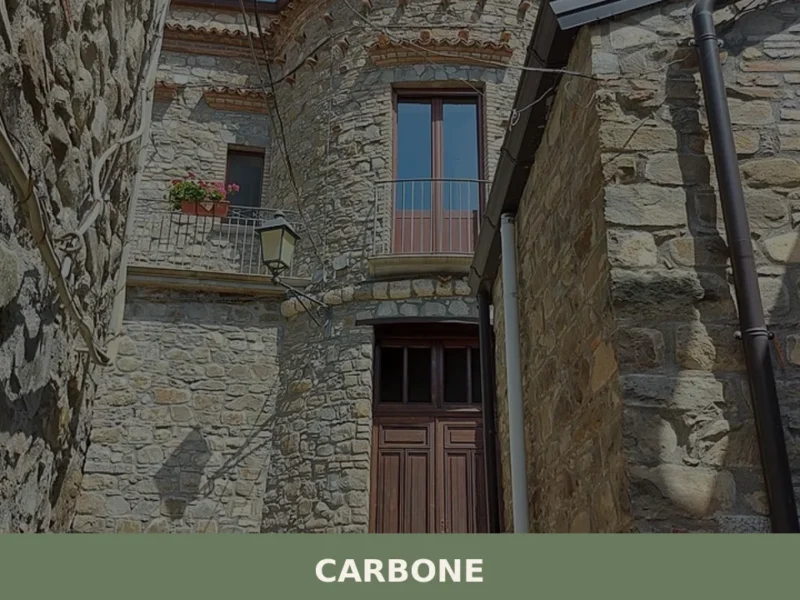
In the heart of Basilicata, 692 meters above sea level, lies Carbone, a settlement whose history is deeply connected to the 10th-century foundation of the Abbey of San Luca by Basilian monks. This monastic settlement, which became one of the most influential in Southern Italy, influenced the village’s identity, affecting its architecture and culture for […]

Forenza
Mountain
Discover Forenza, a hilltop village in Potenza province at 800m, with historic churches, Apennine panoramas, and authentic Lucanian cuisine.




🏡 Know Brienza better than we do?
If you’re a local or have been there, your knowledge matters: add what’s missing or fix a detail on this page.