


Filiano
 Mountain
What to see in Filiano, Basilicata, Italy: explore the Grotta dei Pisconi rock art, Pecorino di Filiano PDO, and a 16th-century hilltop comune. Discover it now.
Discover Filiano
The Vitalba valley opens out across a plateau in the province of Potenza at roughly 700 m (2,297 ft) above sea level, where the land was first cleared by settlers from Avigliano in the sixteenth century. That act of clearance — cutting through woodland to lay out agricultural plots — left a physical imprint that is still readable in the field boundaries and dry-stone walls surrounding the comune today. Prehistoric communities left an earlier mark still, pressing hand shapes and symbolic figures into the rock face of a cave on the valley margins, centuries before any written record of the place existed.
Deciding what to see in Filiano means moving across several distinct layers of human occupation, from Neolithic cave art to Baroque ecclesiastical architecture and a food economy built on sheep’s-milk cheese.
The comune sits within the boundaries of the province of Potenza, in the Southern Italian region of Basilicata, roughly 25 km (15.5 mi) northwest of the regional capital Potenza. Visitors to Filiano find a working agricultural settlement with a documented prehistoric site, a network of rural churches, and a certified dairy product — Pecorino di Filiano PDO — that connects the village directly to the wider economy of the Lucanian uplands.
History of Filiano
The origins of Filiano are bound to a specific demographic movement that unfolded in the sixteenth century across the highlands of Basilicata. The inhabitants of the castrum of Avigliano — the fortified settlement that had concentrated the local population through the medieval period — began moving outward to bring uncultivated land under the plough. The Vitalba valley, a broad depression in the Apennine foothills of the province of Potenza, was the principal destination of this agricultural expansion, and Filiano was among the new settlements that took shape as a result.
The Lucanian dialect name Filiàne preserves the phonetic character of the region’s oral tradition, distinct from the Italianised form used in administrative records.
Before the sixteenth-century founding, the territory around Filiano was not uninhabited. The Grotta dei Pisconi, a cave formation on the valley margins, contains prehistoric rock art that documents human presence in the area long before the first permanent agricultural settlement was established. This evidence places Filiano within a broader pattern of early occupation across the Basilicata uplands, where natural shelters served as sites of ritual activity and community gathering. The presence of this art does not imply continuity of settlement, but it does establish that the landscape was already meaningful to communities operating before the historical period.
Through the seventeenth, eighteenth, and nineteenth centuries, Filiano developed as a farming community oriented around cereal cultivation and pastoral activity. The comune is bordered by the municipalities of Atella, Avigliano, Forenza, Ripacandida, and San Fele — a configuration that reflects the administrative geography established during the Bourbon Kingdom of Naples and subsequently confirmed under unified Italy. The village of Atella, to the northwest, shares the same general history of upland agricultural settlement and was part of the same network of communities that developed along the river valleys and plateau edges of the Vulture-Melfese area.
What to see in Filiano, Basilicata: top attractions
Grotta dei Pisconi
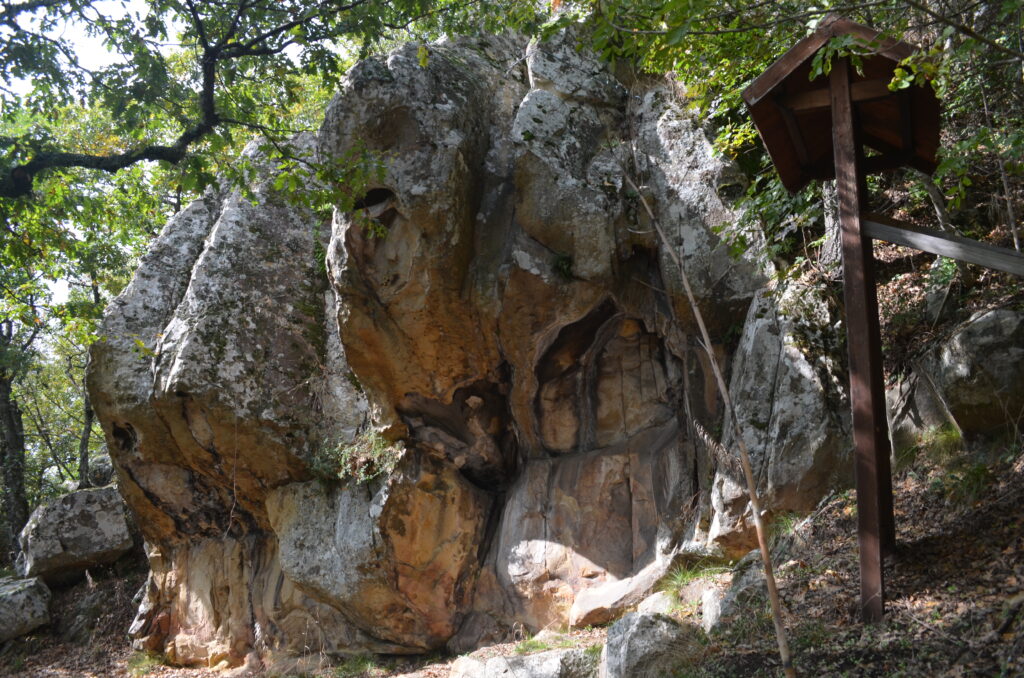
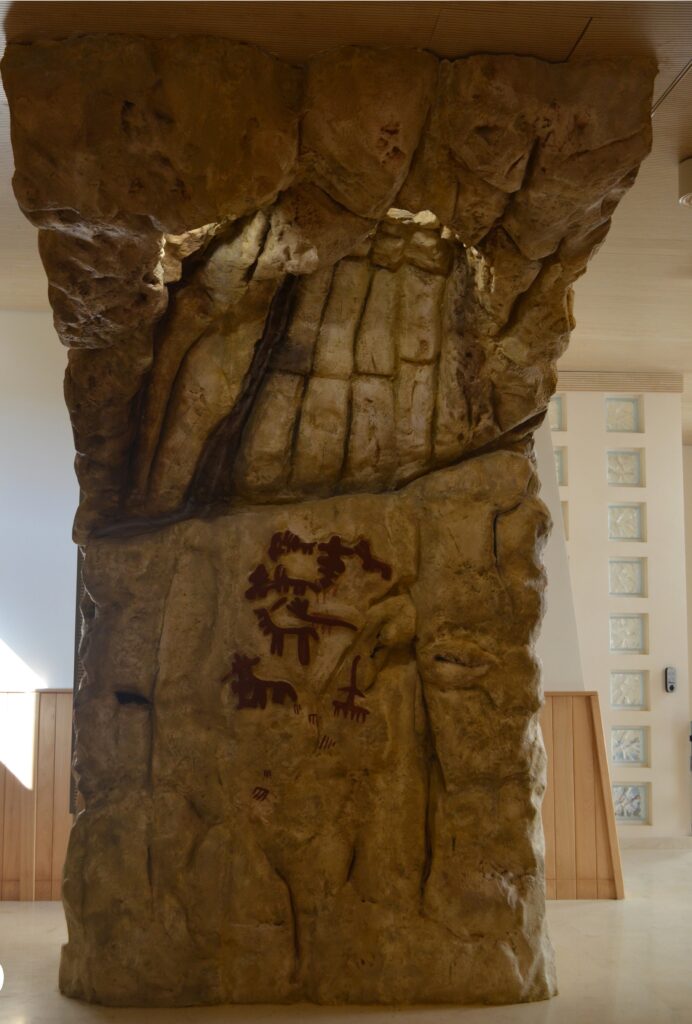
The cave walls at the Grotta dei Pisconi carry incised and painted figures that date to the prehistoric period, making this the most significant archaeological site directly associated with the territory of Filiano.
The rock surface shows hand stencils and symbolic marks consistent with Neolithic and early Bronze Age practices documented at comparable sites elsewhere in southern Italy. Standing at the cave entrance, visitors look into a narrow natural chamber where the stone retains moisture year-round, a condition that has helped preserve the pigment traces over millennia. Access is on foot from the valley floor; the path involves uneven terrain, and sturdy footwear is necessary regardless of season.
Centro Storico and the village layout
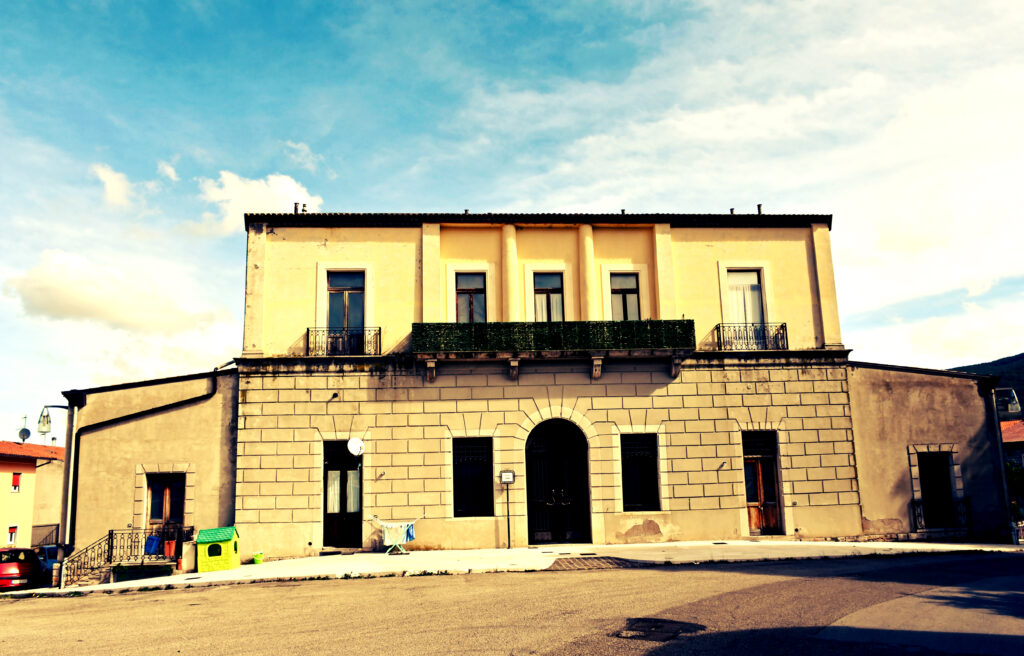
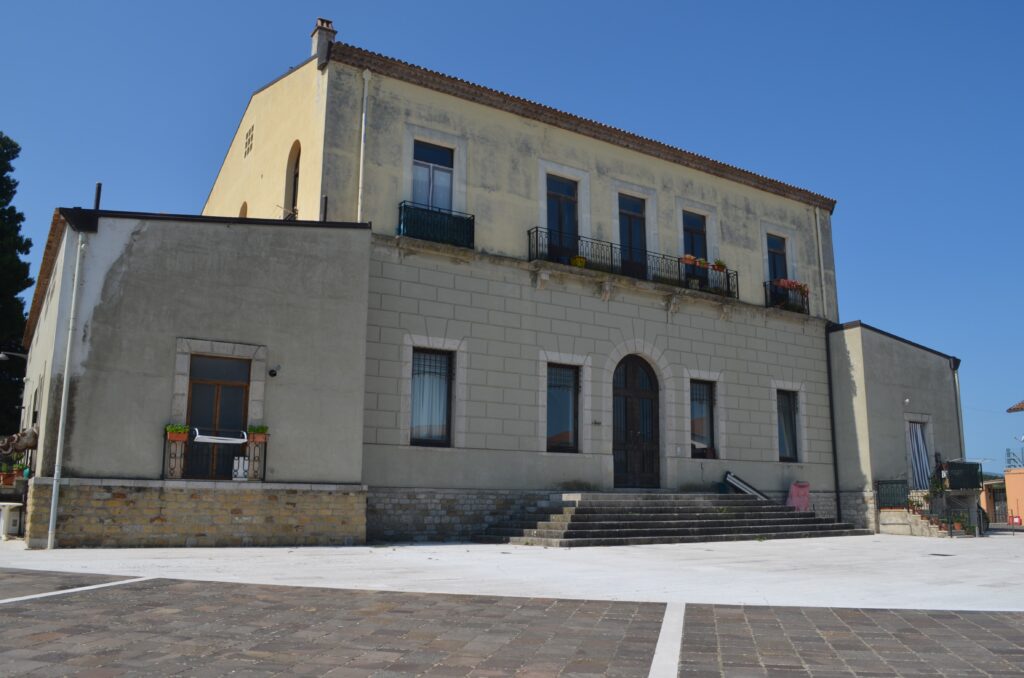
The urban fabric of Filiano reflects the grid-like logic of a planned sixteenth-century agricultural settlement rather than the organic accumulation typical of medieval hill towns. The streets running between the main residential blocks are wide enough for carts, a practical dimension imposed by the farming economy that originally required movement of grain and livestock equipment through the centre. Several of the older buildings retain external features — stone corbels, arched doorways with limestone surrounds — that are consistent with construction practices from the seventeenth and eighteenth centuries.
Walking the length of the main street from the upper end of the village to the lower takes approximately ten minutes and gives a clear overview of the settlement’s original scale.
Rural churches and religious architecture
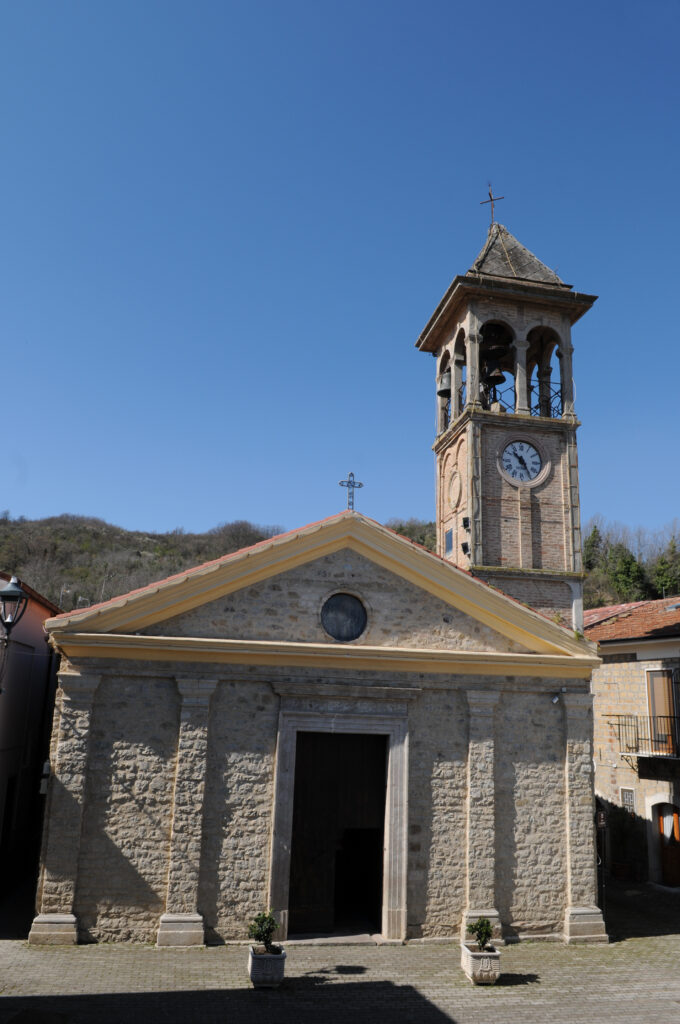
Filiano’s ecclesiastical buildings are distributed across the commune rather than concentrated in a single piazza, a pattern that reflects the dispersed nature of rural settlement in the Vitalba valley. The parish church holds the community’s principal liturgical function and contains interior furnishings — altarpieces, carved wooden choir stalls — that date from the Baroque period, when the Diocese of Melfi-Rapolla-Venosa provided significant investment in local church fabric across the upland parishes. The church calendar still organises the rhythm of village life, with feast days marking seasonal transitions. Late spring and early autumn offer the clearest light for examining the exterior stonework and the carved details above the main portal.
The agricultural landscape of the Vitalba valley
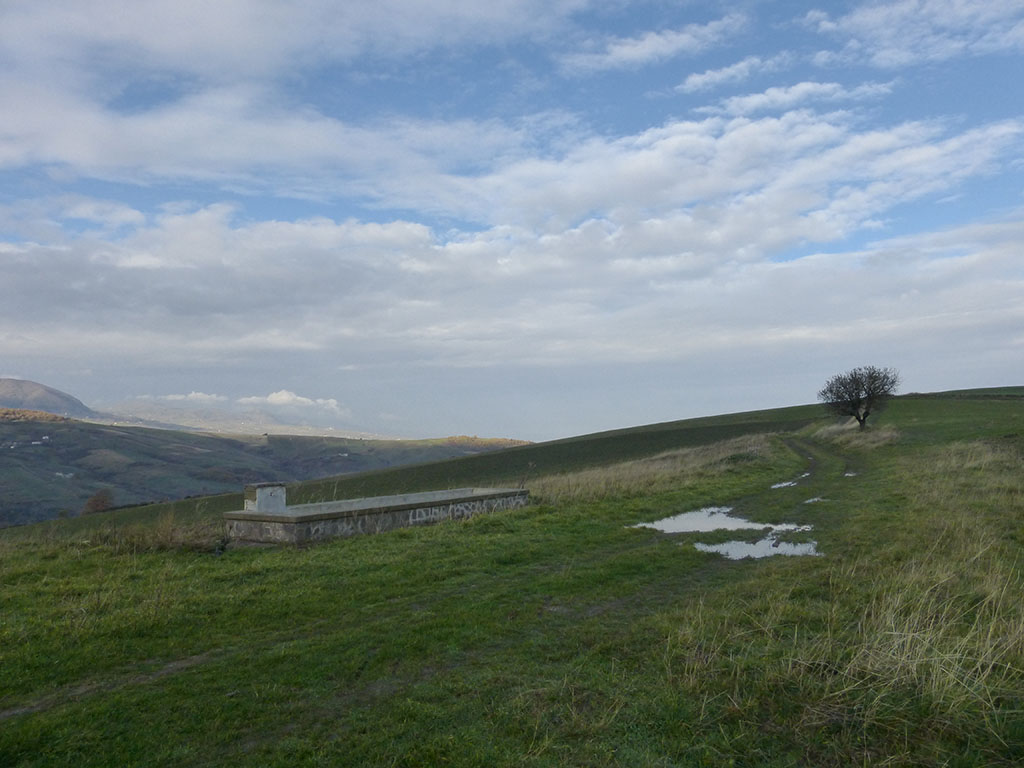
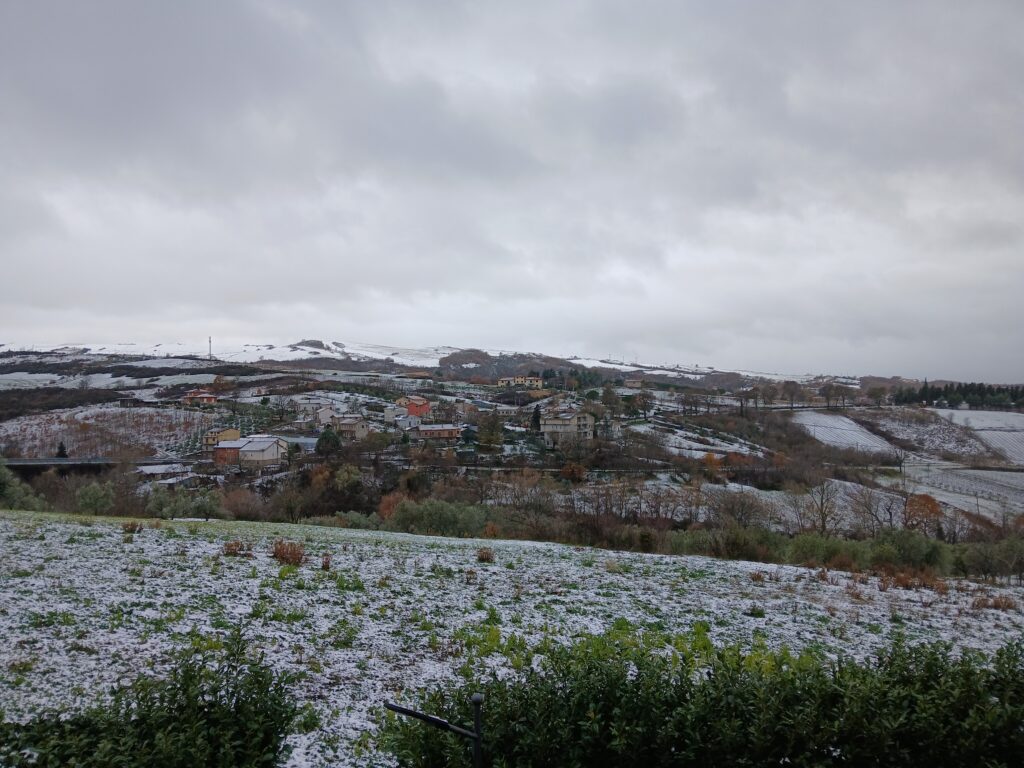
The valley itself, at an altitude of approximately 680 m (2,231 ft) at the village core, constitutes a verifiable geographic feature that shapes every aspect of life in Filiano. The land visible from the upper end of the village stretches across a plateau of mixed arable and pasture, with sheep still grazed on the higher ground during the summer months — a practice directly connected to the production of Pecorino di Filiano PDO. The field system preserves a pattern of rectangular plots that corresponds to the original land-clearance of the sixteenth century.
Visitors interested in agricultural landscape history will find the view from the village edge more informative than many conventional tourist sites in the region.
Surroundings: the Vulture area and Monte Vulture
Within a 30 km (18.6 mi) radius of Filiano, the extinct volcano of Monte Vulture rises to 1,326 m (4,350 ft), defining the northeastern horizon and providing a clear geographic reference for orientation. The lakes of Monticchio, formed in two craters on the volcanic cone, lie approximately 28 km (17.4 mi) from Filiano and are reachable by car in under forty minutes. This proximity places what to see in Filiano within a broader itinerary that includes one of the most distinctive geological formations in southern Italy. The Benedictine abbey of Sant’Ippolito, positioned between the two Monticchio lakes, adds an ecclesiastical layer to a day trip that already includes prehistoric and agricultural elements concentrated around Filiano itself.
Local food and typical products of Filiano
The food economy of Filiano is inseparable from sheep farming. The upland plateau of the Vitalba valley has supported transhumant and semi-transhumant pastoral activity since at least the medieval period, when flocks moved between summer pastures in the Apennine highlands and winter lowlands along routes that crossed the province of Potenza. This long pastoral continuity produced a localised dairy tradition that eventually received formal recognition under European Union protected designation rules. The broader culinary context of Basilicata — a region that relied historically on preserved pork products, dried legumes, and hard wheat pasta — provides the background against which Filiano’s specific sheep’s-milk specialisation stands out.
Everyday cooking in Filiano draws on ingredients available from the surrounding farmland and the pastoral economy.
Pasta con peperoni cruschi combines dried and fried red peppers — a preparation specific to the Basilicata uplands, where peppers are harvested in late summer and hung to dry — with a simple pasta format and a base of olive oil and garlic. Agnello al forno, oven-roasted lamb seasoned with rosemary, garlic, and local white wine, appears at family tables throughout the year but reaches its highest frequency during Easter and the summer feast days. Calzone di cipolla, a folded bread dough filled with slowly cooked onions, olives, and salted anchovies, represents the cucina povera tradition — the resourceful cooking of limited means — that characterises village food across much of inland southern Italy.
The most formally recognised product associated with Filiano is Pecorino di Filiano (PDO) — a semi-hard sheep’s-milk cheese produced from the raw milk of Gentile di Puglia, Lucanian, and Merino sheep breeds raised in the province of Potenza. The cheese is aged for a minimum of 180 days for the mature version, during which the rind develops a straw-yellow to brown colour and the paste takes on a compact, slightly granular texture with a pronounced savoury flavour.
The production zone covers multiple municipalities in the province of Potenza, with Filiano as the denominating centre. A younger version, aged for 60 days, has a softer paste and milder flavour profile. Both versions are produced using traditional wooden tools including the fiscella, a wicker or rush basket mould that imprints a characteristic pattern on the rind surface.
The village of Baragiano, further south in the province of Potenza, lies within the same pastoral zone and shares related dairy traditions, making a combined food itinerary across the two villages a practical option for visitors focused on Basilicata’s sheep’s-milk cheese production. Local producers in Filiano sell directly from farm premises during the spring and summer months; asking at the comune offices or the parish church will usually result in a reliable referral to a working producer.
Festivals, events and traditions of Filiano
The religious calendar in Filiano follows the pattern common to rural communities in the province of Potenza, with the feast of the patron saint providing the most significant annual gathering.
Devotional processions, in which the statue of the patron is carried through the main streets of the village, are accompanied by music from a local brass band and followed by communal meals. The agricultural rhythm of the Vitalba valley — lambing in spring, grain harvest in early summer, grape harvest in early autumn — has historically aligned with moments of collective celebration, and the feast day calendar reflects these seasonal anchors even where the direct agricultural connection has weakened.
The production and consumption of Pecorino di Filiano PDO gives the village a second annual focal point in the form of local food markets and producer presentations, which typically take place in late spring and early summer when the cheese produced from the winter milk reaches optimal ageing. These events bring producers from across the PDO zone into direct contact with visitors and trade buyers. The sagra format — a traditional local food festival centred on a single product or dish — is well established across Basilicata, and Filiano participates in this regional pattern with food-focused events that coincide with the agricultural calendar.
When to visit Filiano, Italy and how to get there
The most practical period for visiting Filiano falls between late April and early October.
Spring brings the landscape into full agricultural activity — flocks on the upland pastures, wildflowers on the valley margins, and the beginning of the outdoor market season for local producers. Summer temperatures on the plateau rarely exceed 28°C (82°F), making the village considerably cooler than the Ionian coast during July and August, which is one reason it attracts visitors looking for alternatives to the crowded coastal towns of southern Basilicata. Autumn, from September through October, coincides with the grape and olive harvest across the province and with the best conditions for walking the agricultural tracks around the village. Winter is quiet and access is straightforward, though some small businesses operate reduced hours between November and March.
Filiano lies approximately 25 km (15.5 mi) northwest of Potenza, the regional capital, which is reachable from Rome in roughly 3.5 hours by direct Trenitalia intercity service or in approximately 4 hours by car via the A2 Autostrada del Mediterraneo. From Potenza, the drive to Filiano takes under 30 minutes along the SS658 state road toward Melfi. The nearest airport with regular domestic and international connections is Bari Karol Wojtyła Airport, approximately 100 km (62 mi) to the east, with a driving time of around 1 hour 15 minutes.
Naples Capodichino Airport offers an alternative entry point at approximately 180 km (112 mi) to the northwest, with a driving time of roughly 2 hours. There is no direct train service to Filiano; visitors arriving by rail should travel to Potenza Centrale and hire a car or arrange private transfer for the final leg. If you arrive by car from Bari, the most direct route follows the SS96 toward Foggia and then the SS655 through Melfi before joining the SS658 south toward Filiano. International visitors should be aware that English is not widely spoken in smaller village shops and at farm producers; carrying euros in cash is practical, as card payment infrastructure in rural Basilicata remains inconsistent.
A day trip from Potenza to Filiano is easily combined with a stop at Banzi, a small comune to the east that preserves significant Roman-period remains, adding archaeological depth to an itinerary that already spans prehistoric rock art and sixteenth-century agricultural history. For those covering what to see in Filiano as part of a longer circuit through inland Basilicata, Carbone, in the southern part of the region, provides a contrasting example of a mountain comune with a distinct historical and monastic heritage.
📷 Photo Gallery — Filiano
In Basilicata More villages to discover
Baragiano
Mountain
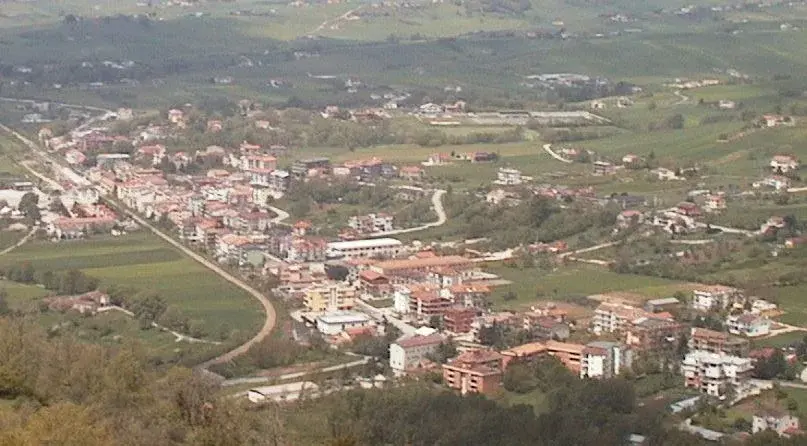
What to see in Baragiano, Italy: a village at 625 m altitude with 2,485 inhabitants. Discover top attractions, local food, festivals and how to get there.
Albano di Lucania
Mountain
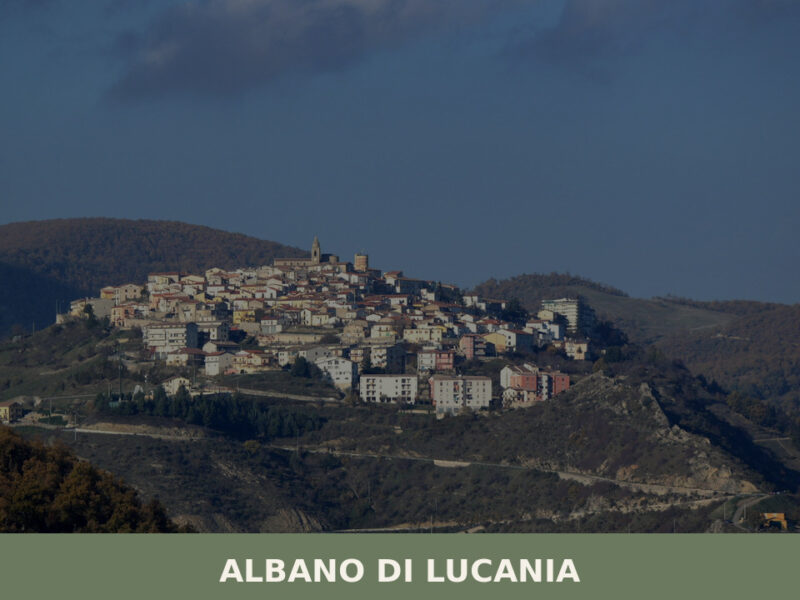
A complete guide to Albano di Lucania in Basilicata — its medieval lanes, stone churches, Lucanian cuisine, and the quiet landscapes of the upper Basento valley.
Acerenza
 Hills
Hills
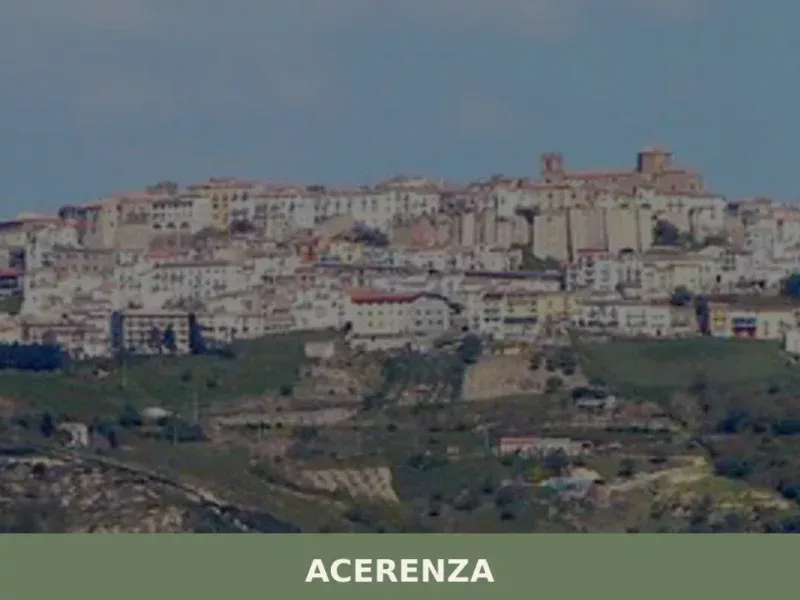
Discover what to see in Acerenza, Basilicata: a Norman cathedral, medieval streets, calanchi views and local food. Practical tips for visiting this hilltop episcopal town.

Castronuovo di Sant’Andrea
Mountain
Discover Castronuovo di Sant'Andrea, a hidden Basilicata gem with medieval roots, ancient churches, stunning Apennine landscapes, and rich local traditions.
Potenza
Mountain
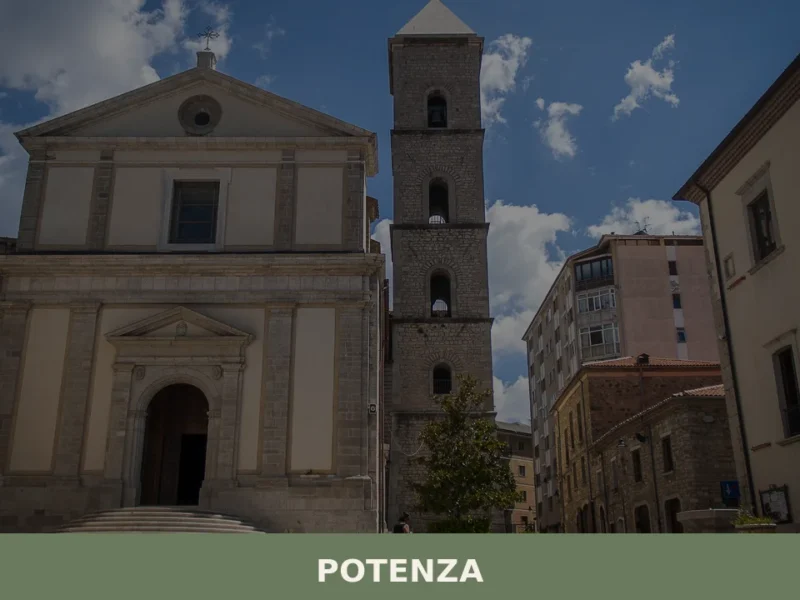
What to see in Potenza: from the historic centre churches to Castello Tramontano. Complete guide with 5 attractions and practical tips for your visit.
Trivigno
Mountain
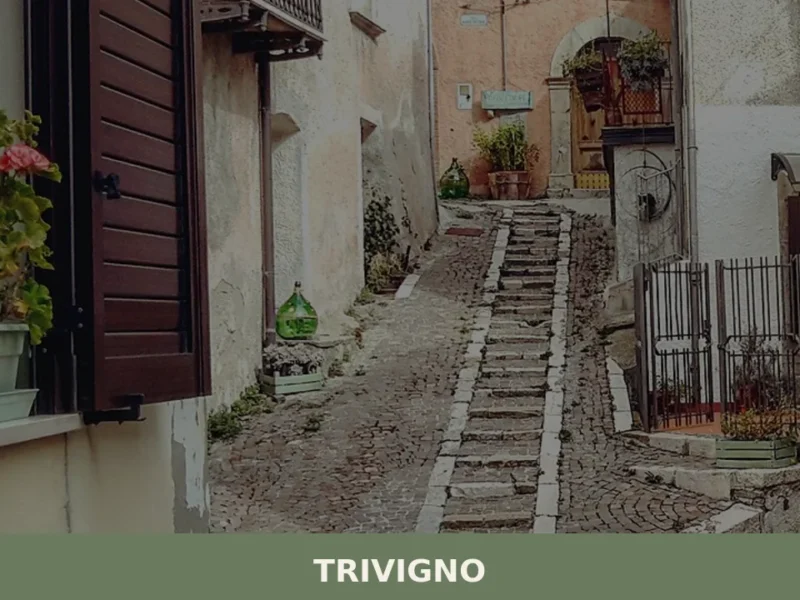
Trivigno has a current population of 570 and occupies a ridge at 725 metres above sea level in the middle Basento valley, in the province of Potenza. Its territory extends across fields of durum wheat and Turkey oak woods covering the eastern slopes up to the borders with neighbouring municipalities. Those looking for what to […]
Bernalda
 Sea
Sea
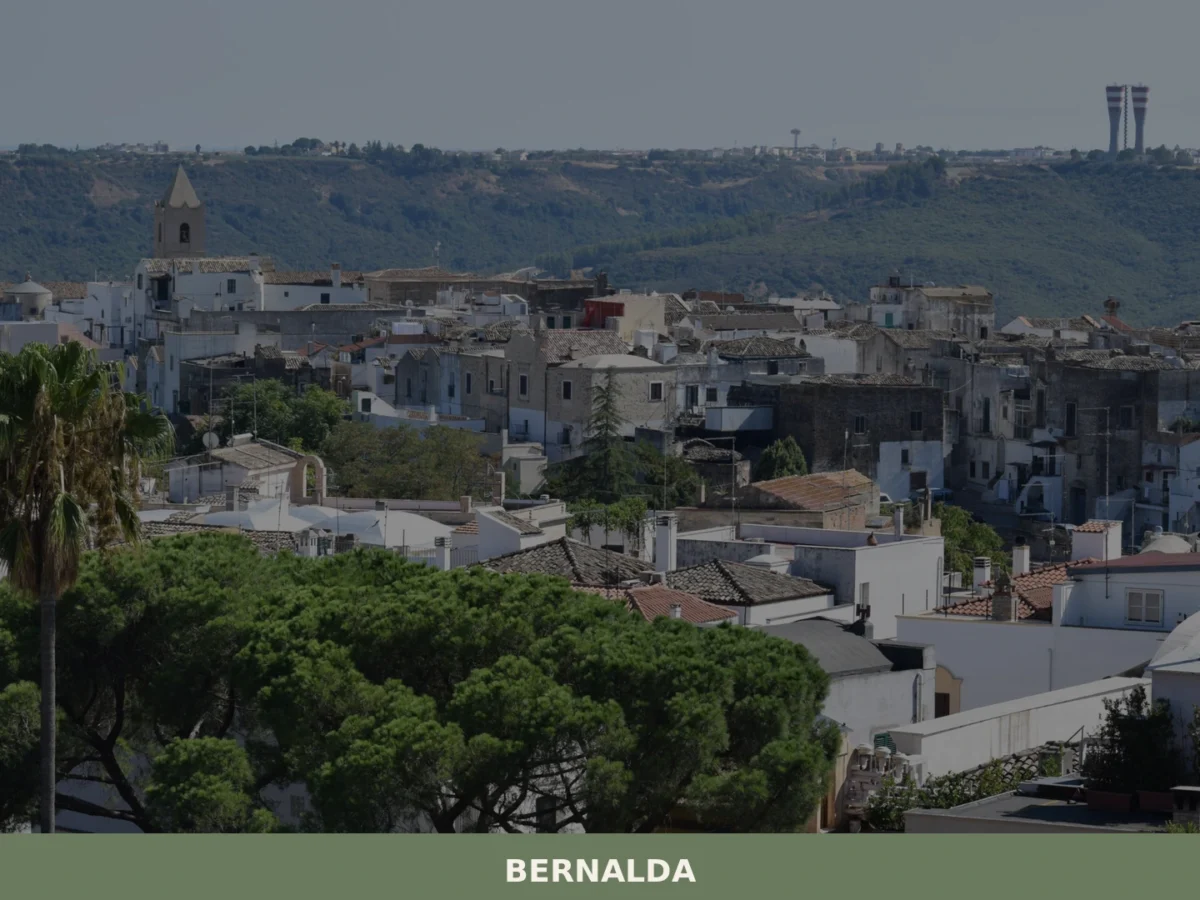
What to see in Bernalda: 5 attractions in this Basilicata village, from the historic center to Metaponto. Discover the complete guide and plan your visit.
Banzi
Hills
In 1956, during archaeological excavations in the area of ancient Bantia, the “Bantine Table” was discovered, a bronze tablet inscribed in the Oscan language, providing direct evidence of the legislation of this Italic community from the 4th-3rd century BC. For those wondering **what to see in banzi** today, the village, located at 571 meters above […]
Matera
Hills
What to see in Matera, Italy: explore the UNESCO Sassi cave districts, a 52 m cathedral, and rupestrian churches. City of 60,009 in Basilicata. Discover how to get there.
Brienza
Mountain
What to see in Brienza? Explore 5 historic points of interest in this Basilicata village. Discover Caracciolo Castle and ancient churches. Plan your visit!


🏡 Know Filiano better than we do?
If you’re a local or have been there, your knowledge matters: add what’s missing or fix a detail on this page.