


Fardella
 Mountain
Discover Fardella, a quiet hilltop village in Potenza province with 569 inhabitants, medieval roots, stone architecture, and unspoiled Apennine landscapes.
Discover Fardella
Well over six hundred metres above sea level, local stone shaping compact houses along the slopes of southern Basilicata, and all around a landscape of forests and valleys belonging to the Lucanian Apennine ridge.
This is how Fardella presents itself to those travelling along the provincial roads of the province of Potenza: a village of 569 inhabitants where historic architecture engages in dialogue with the surrounding hills, and where the urban fabric retains the settlement logic typical of Lucanian centres that arose at elevated positions for defensive reasons.
What to see in Fardella is the right question for anyone travelling through this part of Basilicata in search of places off the beaten track.
The village offers a historic centre to explore on foot, churches that document centuries of local devotion, and a landscape setting that rewards those who travel by car along the roads connecting the municipality to nearby centres. With 569 inhabitants, Fardella belongs to the category of smaller villages in the province of Potenza, but it is precisely this scale that allows for a direct reading of the territory without tourist mediation.
History and origins of Fardella
The origins of Fardella fit within the framework of medieval settlements that characterise southern Basilicata, a territory that over the centuries witnessed the succession of Lombard, Norman, Swabian and Aragonese rule. The name of the municipality, like many Lucanian place names, preserves traces of the linguistic and cultural stratifications that affected the entire region of the Mezzogiorno.
The elevated position of the village reflects a settlement choice dictated by the need to control the territory and provide protection, a characteristic common to most centres founded or consolidated in the early Middle Ages along the Apennine ridge.
During the Norman and later Swabian periods, the area corresponding to the present-day province of Potenza was organised into fiefdoms dependent on the great administrative centres of the kingdom.
Fardella was part of this feudal system, following the political and military events that affected the continental Mezzogiorno up until Italian unification. During Aragonese and later Spanish rule, the small Lucanian municipalities went through alternating phases of demographic growth and crisis, linked to fluctuations in agricultural output and the fiscal pressure exerted by local lords.
The territory of Fardella, like that of neighbouring municipalities, was primarily devoted to agriculture and livestock farming, activities that shaped the agrarian landscape still visible today.
Between the nineteenth and twentieth centuries, Fardella underwent the demographic processes that affected the whole of Basilicata: emigration to the Americas first, then to northern Italy, progressively reduced the population. The municipality nevertheless maintained its administrative identity and its residential core, preserving the architectural structures and community practices that today constitute the material and intangible heritage of the village.
Those visiting San Paolo Albanese, a nearby municipality with a strong Arbëreshë identity, can compare two different settlement models that are geographically close to one another, both rooted in the same province of Potenza.
What to See in Fardella: Main Attractions
The historic core of the urban centre
The historic centre of Fardella develops according to the typical morphology of Lucanian villages built at altitude: narrow streets following the contour lines of the terrain, houses built closely together with local limestone masonry, and an urban structure that responds to the logic of saving space on sloping ground.
Walking through the lanes of the ancient nucleus, one can read the local building techniques in the stone facings, where dressed stone alternates with sections of brickwork from more recent interventions.
The layout of the village allows visitors to walk through the entire historic centre in less than an hour, gaining an overall view of Lucanian vernacular architecture. The best time for this exploration is the morning, when the light strikes directly onto the façades of the historic buildings and makes the constructive details of the fronts visible.
The main parish church
The parish church of Fardella represents the architectural and spiritual focal point of the village, as is the case in almost all Lucanian municipalities of a similar size.
The religious building, which gathers the community during liturgical and festive occasions, preserves inside it decorative elements and sacred furnishings accumulated over centuries of parish life.
The external stone masonry structure blends seamlessly into the urban landscape of the historic centre, confirming the tendency of local builders to use materials from the surrounding territory. The position of the church within the urban fabric reflects the function of community barycentre that these buildings fulfilled in southern villages: not simply a place of worship, but a topographical reference point for the entire settlement. Those arriving in the village can identify the church as their first point of orientation for reading the urban layout.
The hill landscape and views over the Lucanian ridges
At approximately 600 metres above sea level, Fardella offers views over the hilly and mountainous system of southern Basilicata stretching towards the border with Calabria. The ridges surrounding the municipality belong to the Lucanian Apennines, with slopes covered by mixed woodland and pasture areas that document centuries of agro-silvo-pastoral land use.
From the highest points of the village, the eye can range across valleys that have not undergone significant industrial transformation, maintaining a dense vegetation cover.
This position makes Fardella a particularly useful vantage point for observing the southern Lucanian landscape for those following hiking or cycling routes along the trails connecting the municipalities of the province of Potenza. It is well worth reaching the edges of the built-up area in the upper part of the village to gain the broadest perspective over the surrounding ridges.
The minor religious architecture
In addition to the main parish church, the municipal territory of Fardella includes chapels and votive shrines that dot both the built-up centre and the rural paths that historically connected the village to the cultivated farmland. These minor structures, often built in stone masonry with simple coverings, document popular devotion and the widespread presence of religion throughout the Lucanian territory.
Votive shrines are generally located at road junctions or at the meeting points of country paths, following a logic of sacred guardianship of the land that can be found throughout rural Basilicata.
Some of these structures preserve frescoes or sacred images datable between the eighteenth and nineteenth centuries, testimony to local devotional continuity. Those walking the paths around the village can spot them along the trails that descend towards the agricultural areas.
The routes through the municipal territory
The territory surrounding Fardella lends itself to walking along trails that pass through oak woods and beech forests found on the higher slopes of the municipality. These routes, which in part follow ancient mule tracks and drove roads used for transhumance, offer direct contact with the Lucanian Apennine vegetation and with the traditional agricultural system of the outlying districts.
The local fauna includes species typical of the southern Apennines, with documented presences of birdlife and wildlife linked to woodland habitats.
The routes around Fardella form part of a wider system of itineraries connecting the villages of the province of Potenza, allowing multi-day excursions with bases in different municipalities. Those wishing to walk these trails must equip themselves with up-to-date maps and check the condition of the paths before setting out, particularly in the winter months when rainfall can render certain sections impassable.
Traditional cuisine and products of Fardella
The cuisine of Fardella is part of the gastronomic tradition of southern Basilicata, a food system historically founded on the resources of the mountain and hilly territory: cereals, legumes, vegetables, meat from locally raised animals, and products derived from the processing of sheep’s and goat’s milk. The geographical isolation of the smaller Lucanian municipalities has favoured the preservation of ancient preparations tied to the seasonal agricultural cycle, with a clear prevalence of simple yet nutritious dishes, conceived to sustain work in the fields and forests.
This mountain cuisine shares many elements with that of the neighbouring municipalities in the province of Potenza, while maintaining local variants in preparation techniques and basic ingredients.
Among the dishes of the Lucanian tradition also present in the Fardella area, homemade pasta holds a central place: the typical formats of Basilicata, such as cavatelli and lagane, are seasoned with sauces based on pork, lamb, or legumes such as beans and chickpeas, according to recipes handed down within families.
Pork has historically been at the heart of Lucanian peasant cuisine: the processing of the pig during winter produced cured meats, aged sausages, and soppressate that made up the family’s protein reserve for the entire year. Homemade bread, baked in communal or family ovens using locally grown wheat flour, traditionally accompanies every meal and is also consumed in its cooled versions, seasoned with extra virgin olive oil and tomato.
No products with DOP, IGP, or PAT certification currently registered in official databases are found in the territory of Fardella. Local gastronomy is expressed through non-certified preparations that are nonetheless deeply rooted in family practice and passed down orally. Cheeses made from sheep’s and goat’s milk raised on communal pastures, such as cacioricotta, typical of southern Basilicata, constitute an important component of the local diet, consumed fresh or aged.
Extra virgin olive oil, produced in the lower hilly areas of the province, features as a seasoning in many traditional preparations.
Opportunities to experience local cuisine are mainly linked to the patron saint festivals and summer events that animate the village during the months of July and August, when the community organises public convivial gatherings.
Those travelling in this part of Basilicata can also find traditional gastronomic offerings in nearby municipalities, particularly those that organise food festivals dedicated to specific local mountain products. For up-to-date information on local events and festivals, it is advisable to consult the municipal website or contact the Pro Loco directly.
Festivals, events and traditions of Fardella
Community life in Fardella revolves around the Catholic liturgical calendar, with the patron saint’s feast as the central moment of the religious and social year. As in most Lucanian villages, the celebration of the patron saint includes a solemn mass, a procession through the village streets with the saint’s effigy carried on shoulders, and moments of popular gathering with music and market stalls.
These celebrations, which typically take place during the summer months when emigrated residents return to the village, also represent an opportunity to strengthen the bond of identity between the resident community and the diaspora.
The precise date and programme of the patron saint’s feast can be verified at the town hall or the local parish.
The folk traditions of Fardella include practices linked to the seasonal agricultural cycle, such as the collective preparation of cured meats in winter and harvesting activities during the autumn months. These practices, though reduced compared to the past due to depopulation and agricultural mechanisation, survive in diminished forms within families most closely tied to the land. Summer is also the period when the village sees the greatest influx of visitors and former residents, making the months of July and August the most lively of the year as far as public life in the village is concerned.
When to Visit Fardella and How to Get There
The most favourable period to visit Fardella falls between May and September. In spring, the vegetation of the surrounding woodlands is at its most vigorous, the trails are walkable in optimal conditions, and temperatures remain pleasant even during the middle of the day.
Summer, particularly July and August, is when the village is most lively, thanks to the return of emigrated residents and local festivities; temperatures at altitude are milder than on the plains of Basilicata.
Autumn offers the chromatic landscape of the Apennine woods, with the colours of the beech forests and oak groves making the rural paths especially appealing for photographers and hikers. Winter, on the other hand, can bring snowfall that makes reaching the village difficult for vehicles not equipped for such conditions.
Fardella can only be reached by car, as it is not served by direct railway lines. The most convenient route starts from the A3 Salerno–Reggio Calabria motorway, exiting at Lauria Sud, from where you continue north-east along the provincial road network for approximately 20 kilometres.
The nearest railway station is Lauria-Castelluccio, on the Battipaglia–Reggio Calabria line operated by Trenitalia, from which it is necessary to continue by car or local transport.
The reference airport for those arriving from outside the region is Naples Capodichino, approximately 170 kilometres away, or Lamezia Terme Airport, approximately 130 kilometres away, both connected to Fardella only via the motorway and provincial roads. For timetables and updates on local public transport, it is recommended to check directly with regional carriers.
| Departure point | Distance | Estimated time |
|---|---|---|
| Lauria Sud (A3 exit) | approx. 20 km | approx. 30 minutes |
| Lamezia Terme Airport | approx. 130 km | approx. 1 hour 45 minutes |
| Naples Capodichino Airport | approx. 170 km | approx. 2 hours 15 minutes |
| Potenza (provincial capital) | approx. 100 km | approx. 1 hour 30 minutes |
Those planning an itinerary in this part of Basilicata can build a route touching several villages in the province of Potenza over two or three days. Aliano, the town associated with the story of Carlo Levi and the badlands landscape, lies within the same province and represents a stop of great historical and literary interest, reachable in under two hours from Fardella.
Those heading north can include in their itinerary Abriola, an Apennine municipality in the province of Potenza that shares with Fardella its elevated position and the wooded scenery typical of the Lucanian highlands.
For those continuing towards the volcanic areas of the Vulture, Barile offers a distinct historical and cultural setting, with its Arbereshe tradition and the area’s wine production.
In Basilicata More villages to discover
Castronuovo di Sant’Andrea
Mountain
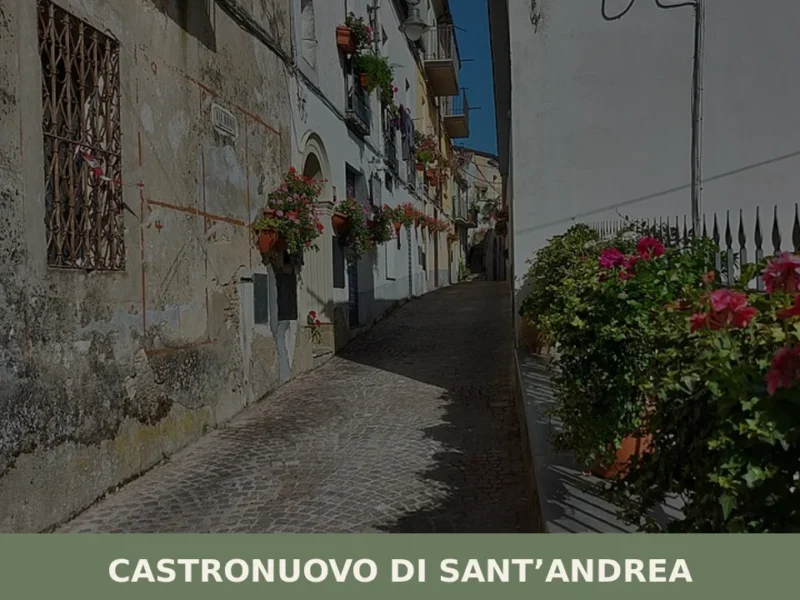
With a population of 1,111 inhabitants, Castronuovo di Sant’Andrea is a Lucanian town located in the province of Potenza, in the heart of the southern Apennines. The settlement, whose origins are lost in the folds of history, presents an urban structure that reflects centuries of layers. For those wishing to understand the essence of this […]
Carbone
Mountain
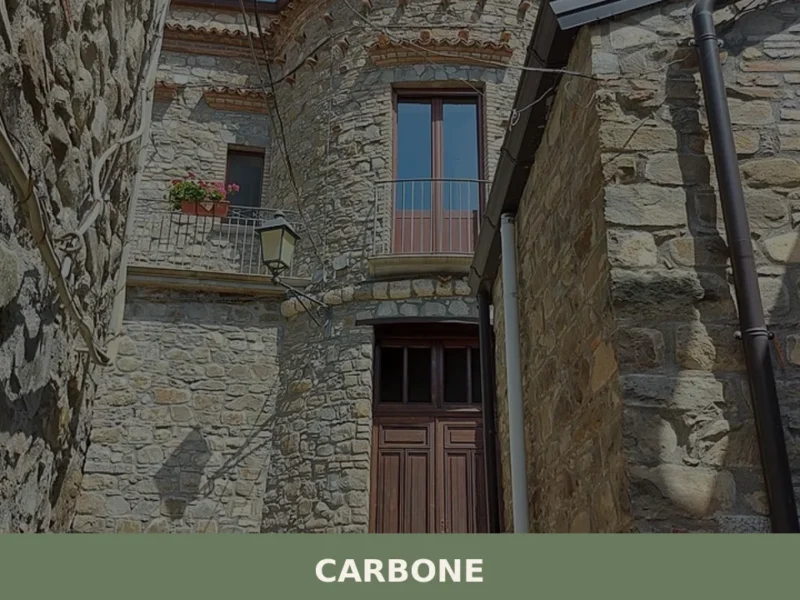
In the heart of Basilicata, 692 meters above sea level, lies Carbone, a settlement whose history is deeply connected to the 10th-century foundation of the Abbey of San Luca by Basilian monks. This monastic settlement, which became one of the most influential in Southern Italy, influenced the village’s identity, affecting its architecture and culture for […]
Albano di Lucania
Mountain
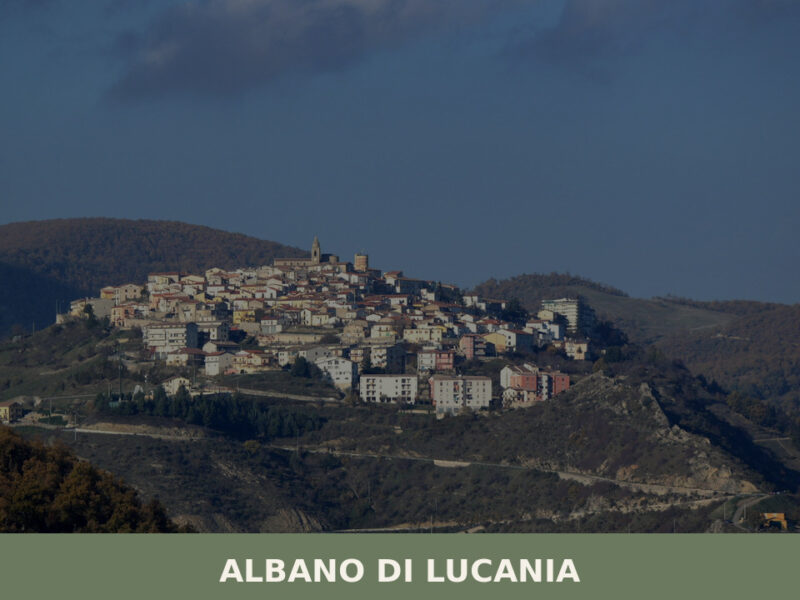
A complete guide to Albano di Lucania in Basilicata — its medieval lanes, stone churches, Lucanian cuisine, and the quiet landscapes of the upper Basento valley.

Francavilla in Sinni
Mountain
What to see in Francavilla in Sinni, Basilicata, Italy: explore a town founded in 1426, the Sinni river valley, and local food traditions. Discover it all here.
Accettura
Mountain
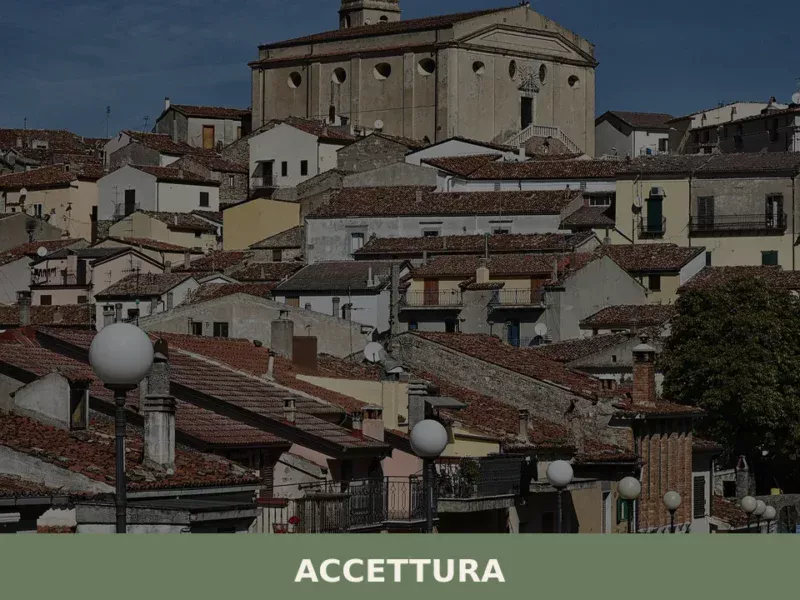
Discover what to see in Accettura, Basilicata: the Maggio festival, Gallipoli Cognato forest, local food and practical travel tips for this Matera province village.

Castronuovo di Sant’Andrea
Mountain
Discover Castronuovo di Sant'Andrea, a hidden Basilicata gem with medieval roots, ancient churches, stunning Apennine landscapes, and rich local traditions.
Baragiano
Mountain
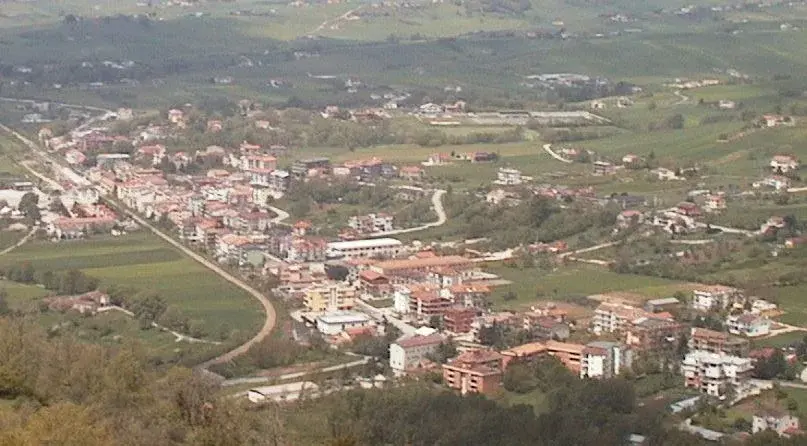
What to see in Baragiano, Italy: a village at 625 m altitude with 2,485 inhabitants. Discover top attractions, local food, festivals and how to get there.
Campomaggiore
Mountain
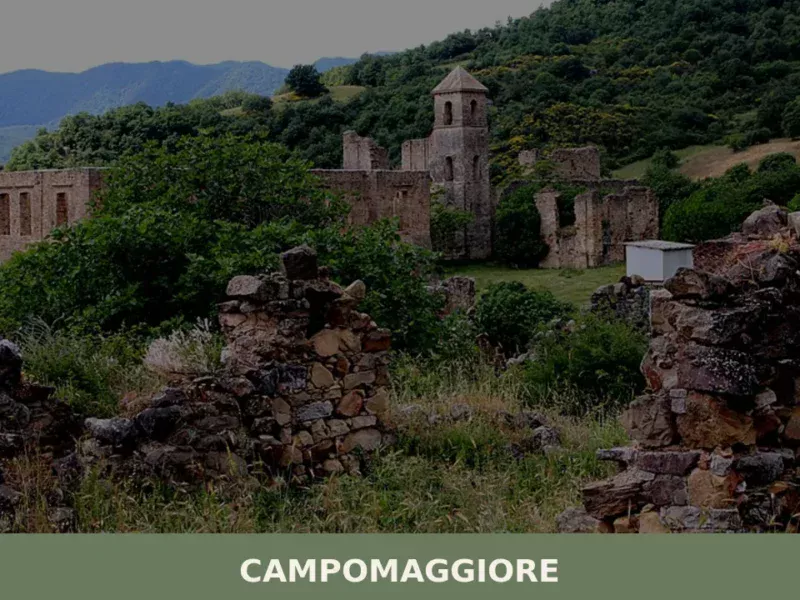
As the morning mist reluctantly peels back from the Lucanian Apennines, a faint scent of wild herbs drifts through the narrow lanes of **Campomaggiore**. At 795 meters above sea level, this small community, home to 832 inhabitants, begins its day with a quiet rhythm. Sunlight catches the weathered stone of an ancient wall, illuminating moss […]
Episcopia
 Hills
Hills
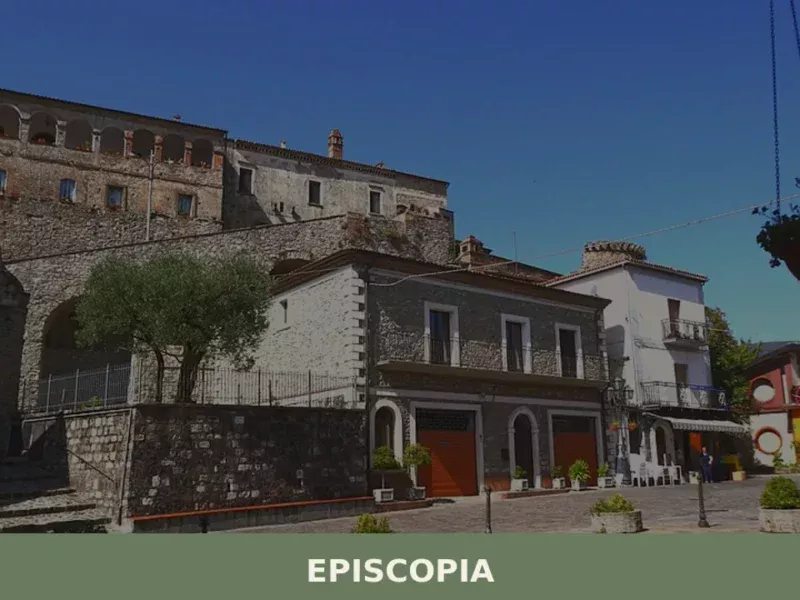
Episcopia, in Basilicata, stands at 530 meters above sea level, an altitude that influences its climate and its relationship with the surrounding landscape. Its name, of Greek origin, means “episcopal see,” suggesting an ecclesiastical importance established since the Byzantine era, a fact that traces its initial historical identity. For those wondering **what to see in […]
Trivigno
Mountain
Trivigno has a current population of 570 and occupies a ridge at 725 metres above sea level in the middle Basento valley, in the province of Potenza. Its territory extends across fields of durum wheat and Turkey oak woods covering the eastern slopes up to the borders with neighbouring municipalities. Those looking for what to […]



🏡 Know Fardella better than we do?
If you’re a local or have been there, your knowledge matters: add what’s missing or fix a detail on this page.