


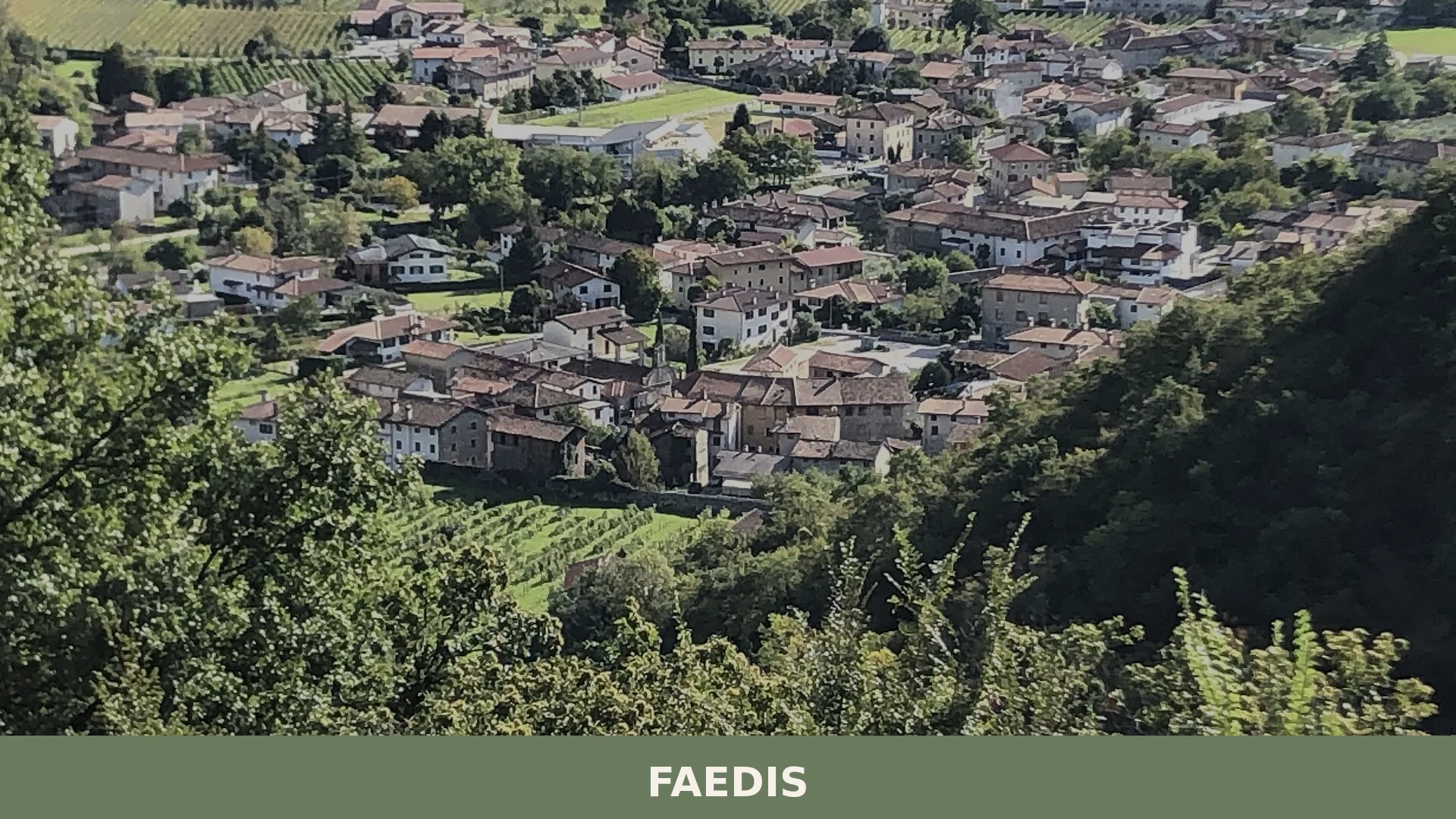

Faedis is a municipality of 2,765 inhabitants in the province of Udine, set at the foot of the Julian Prealps where the Grivò valley meets the plain, roughly 15 km north-east of Udine.
Discover Faedis
Faedis is a municipality of 2765 inhabitants in the province of Udine, Friuli-Venezia Giulia, situated at 172 metres above sea level at the foot of the Julian Prealps, where the Grivò torrent opens onto the plain roughly 15 km north-east of Udine and approximately equidistant between Cividale del Friuli and Tarcento. Its territory spans 46.61 square kilometres divided between plain, hill and mountain, and the main settlement of about 2765 inhabitants lies along state road 356, with the rest of the population distributed across a number of smaller localities.
Faedis village in Friuli-Venezia Giulia holds more than three thousand years of documented human presence, from prehistoric finds in the Grotta Çondar des Paganis to Roman traces at Colvillano, from the medieval castles of Cucagna, Zucco and Soffumbergo to the aristocratic villas of Ronchis, and from the wartime Zona Libera del Friuli Orientale to the rebuilding that followed the 1976 earthquake — a layered past that the landscape and the monuments make tangible at every turn.
Faedis village in Friuli-Venezia Giulia: history and origins
Faedis has a documented human presence stretching back to around 2000 BC, evidenced by finds from the Grotta Çondar des Paganis on the border with Attimis, while Roman traces — coins and structural remains — point to the likely existence of a settler’s villa at the foot of the Colvillano hill and a votive shrine on the site now occupied by the church of Santa Maria Assunta. The village enters the historical record more firmly shortly after the year 1000, when the Aquileian patriarch Popone authorised the Carinthian noble Odorico di Auspergh to erect a castle — the future Castello di Cucagna — built after 1027 on the hill commanding the Grivò valley.
From that point, local history was dominated by the Cucagna noble family and the branches that descended from them: the Zucco, the Partistagno and the Freschi. On 13 November 1248 the Patriarch of Aquileia Bertoldo granted permission to build the Castello di Zucco, a larger complex with a double ring of walls, a moat, a keep and a chapel. The Castello di Soffumbergo, constructed in the eleventh century, served for many centuries as a summer residence for the Patriarch of Aquileia, until the Cividale forces destroyed it in 1441. By the fifteenth century the noble families had left their hilltop fortresses for the more comfortable villas at Ronchis — Villa Freschi and Villa Partistagno — which they began building in that same century.
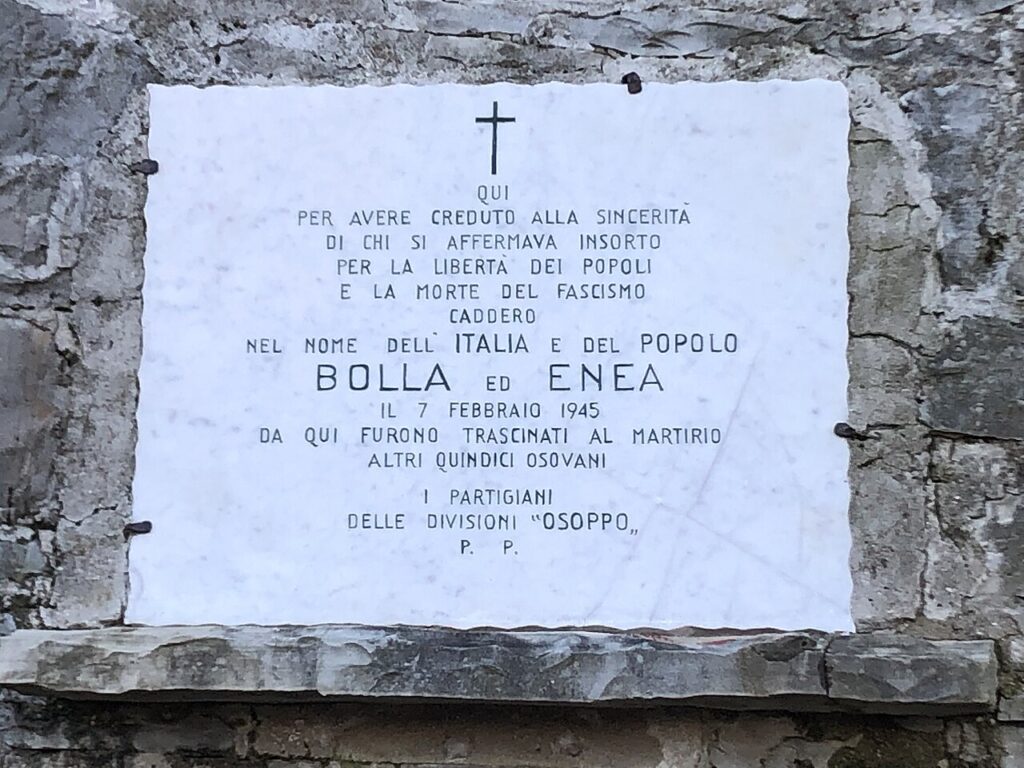
The twentieth century brought profound hardship. During the summer of 1944 the Garibaldi and Osoppo Brigades established the Free Zone of Eastern Friuli, encompassing Faedis alongside Attimis, Nimis, Lusevera, Taipana and Torreano di Cividale. A German counter-offensive at the end of September recovered the territory, burning homes and deporting and killing inhabitants. On 7 February 1945, in what became known as the Eccidio delle malghe di Porzûs, the Catholic partisans of Francesco De Gregori, known as “Bolla”, were captured and killed by Communist gap fighters led by Mario Toffanin, known as “Giacca”. After liberation, the first free elections saw 1,534 votes for the Republic against 973 for the Monarchy, and Giuseppe Pelizzo became the first democratically elected mayor. Between 1945 and 1959 approximately 1,700 residents left the municipality in search of better prospects elsewhere. The 1976 Friuli earthquake struck Faedis with damage that was almost entirely material; the reconstruction effort that followed earned the municipality the Gold Medal for Civil Merit, revoking a silver medal previously awarded by presidential decree on 12 December 2002.
Castles, Villas and Churches Across the Territory of Faedis
Faedis offers visitors three medieval castles, a group of noble villas concentrated in the hamlet of Ronchis, several churches ranging from the late thirteenth to the twentieth century, and a hillside chapel with sixteenth-century frescoes.
Castello di Cucagna
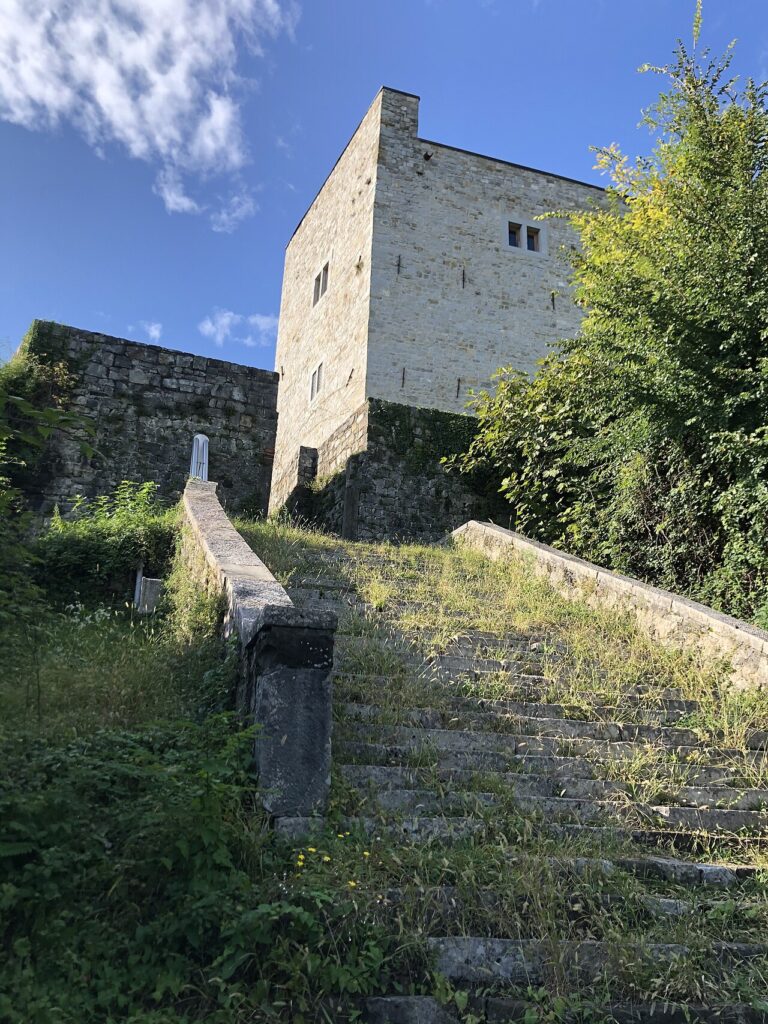
Built after 1027 on the hill of Cucagna, the castle was constructed by Odorico di Auspergh following permission granted by the Patriarch of Aquileia Popone. Its most distinctive surviving feature is a tall quadrangular tower with a raised postern gate. The remains of a fortified residential structure and a large cistern are also present on the site. The castle was abandoned in the fifteenth century when the noble families moved to more comfortable residences, and was subsequently acquired by the Fullini family of Polcenigo.
Castello di Zucco
Permission to build this castle was granted on 13 November 1248 by the Patriarch of Aquileia Bertoldo. The complex is characterised by a double circuit of walls, a moat, a keep tower, a main residential hall, further living quarters, and a castle chapel. Like Cucagna, it was abandoned in the fifteenth century; the Venetians subsequently set it on fire, and the Fullini family of Polcenigo later took it over in the sixteenth century.
Castello di Soffumbergo
Dating from the eleventh century, this castle served at one point as a summer residence for the Patriarch of Aquileia. It was destroyed in 1441 by the people of Cividale.
Villa Freschi and Villa Partistagno
Both villas stand in Ronchis and were built from the fifteenth century onward by noble families that descended from the Cucagna line. Villa Freschi comprises a main residential block, two wings, farm buildings, a park with pigeon houses in tower form, and a small private chapel dedicated to San Carlo Borromeo, also known as Santa Croce. Villa Partistagno includes a main house, a projecting wing connected to the church of San Lorenzo, and interior frescoes attributed to the painter Domenico Paghini, dated to the early nineteenth century.
Palazzo Comunale
The town hall building in Faedis shows forms associated with the tradition of Venetian villas. It is believed to have been erected by the Candeo family, Venetian nobles who settled in Faedis in the seventeenth century.
Chiesa Parrocchiale di Santa Maria Assunta
The parish church of Faedis was consecrated in 1934. The sources indicate a Roman votive shrine once occupied the same site.
Chiesa di San Pietro degli Slavi
This church dates from the late thirteenth century and contains a wooden altar described as Renaissance in character.
Chiesetta di Santa Maria di Colvillano
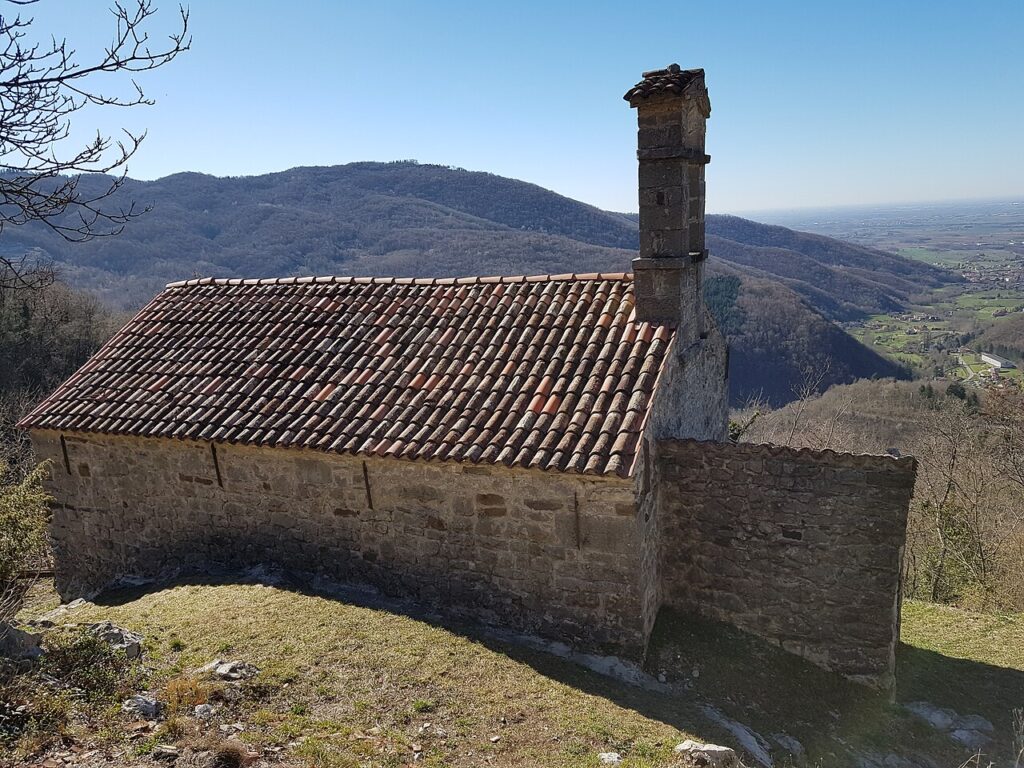
Situated on the hill of Colvillano, this small chapel is documented from 1300 and preserves frescoes dating to the sixteenth century.
Other Churches
The territory of Faedis also includes the church of San Rocco in Canale, the church of Santa Maria Maddalena in Rupis, the church of the Santi Pietro e Lorenzo, and the Madonna di Zucco chapel, the latter regarded locally as a place of particular devotion.
Grotta Çondar des Paganis
Located on the boundary between Faedis and the neighbouring municipality of Attimis, this cave yielded finds attesting to human presence in the area around 2000 BC.
Certified Products and Regional Flavours Around Faedis
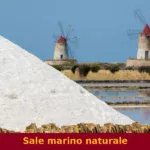
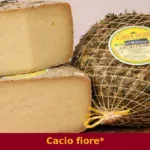
The Faedis area sits within a province that produces several certified specialities, including Montasio DOP cheese, Prosciutto di San Daniele DOP, Brovada DOP, Prosciutto di Sauris IGP, and Salamini italiani alla cacciatora DOP — none exclusive to this single comune, but all well established in the regional food tradition it shares. At the table, these certified products are complemented by a range of PAT items documented in the broader territory: distilled pear spirit, must (most), and syrups made from elderflower, dandelion, buckthorn, and small forest fruits, alongside apple juice. The wines most closely associated with the hills around Faedis include the Friuli Colli Orientali DOC and the Rosazzo DOCG, both produced in the immediately surrounding zone, with further regional denominations such as Friuli Grave DOC and Collio Goriziano DOC available across the wider Friuli-Venezia Giulia wine landscape.
Getting to Faedis and Planning Your Stay
Faedis is most conveniently reached by road via the SS356 state road, approximately 15 km north-east of Udine (about 20 minutes by car), roughly 12 km from Cividale del Friuli (about 15 minutes), and roughly 12 km from Tarcento (about 15 minutes), placing it almost at the midpoint between those two towns. The municipality sits at 172 metres above sea level, at the mouth of the Grivò valley where the pre-Alpine terrain begins to rise — a landscape that divides into approximately 20% plain, 35% hill, and 45% mountain. Spring and early autumn offer the most comfortable conditions for exploring the three castle sites, the villas at Ronchis, and the hillside churches, where gradients and uneven paths reward unhurried exploration. The neighbouring village of Attimis lies close to the same valley and shares with Faedis the Grotta Çondar des Paganis archaeological site on their common boundary, making a combined half-day excursion entirely feasible. Visitors arriving from the Udine plain might also consider stopping at Cassacco en route.
| Departure | Distance | Time |
|---|---|---|
| Udine | approx. 15 km | approx. 20 min |
| Cividale del Friuli | approx. 12 km | approx. 15 min |
| Tarcento | approx. 12 km | approx. 15 min |
These practical references help organise the journey clearly, while the village itself is best understood slowly and on foot once you arrive.
Frequently asked questions about Faedis
How far is Faedis from Udine and how do I get there by car?
Faedis is located approximately 15 kilometres north-east of Udine in the province of Udine, Friuli-Venezia Giulia. You can reach it via state road 356, which passes through the main settlement. The journey takes roughly 20-25 minutes by car from Udine city centre. For drivers coming from the motorway, the nearest major exit is typically used to connect to regional roads leading to Faedis.
When is the best time to visit Faedis?
The patron saint festival honouring Maria SS. Assunta takes place on 15 August, making this an excellent time to experience local celebrations and traditions. Late spring through early autumn offers pleasant weather for exploring the hillside villages and surrounding landscape. The area's location at the foot of the Julian Prealps ensures cooler temperatures than the plain below, making summer visits comfortable despite the season's heat elsewhere in the region.
What historical periods are represented in Faedis?
Faedis boasts over three thousand years of documented history. Evidence spans from prehistoric times (Grotta Çondar des Paganis dating to around 2000 BC), through Roman occupation at Colvillano, medieval fortifications including castles at Cucagna, Zucco, and Soffumbergo, aristocratic villas at Ronchis, to its role as the Free Territory of Eastern Friuli during wartime, plus reconstruction following the devastating 1976 earthquake.
What is the geographical character of Faedis territory?
Faedis covers 46.61 square kilometres of diverse terrain spanning plain, hill, and mountain zones. Situated at 172-173 metres above sea level at the foot of the Julian Prealps, the municipality is defined by the Grivò torrent opening onto the plain. The main settlement of approximately 1,600 inhabitants follows state road 356, while the remaining population inhabits smaller villages scattered throughout the territory, creating a dispersed settlement pattern.
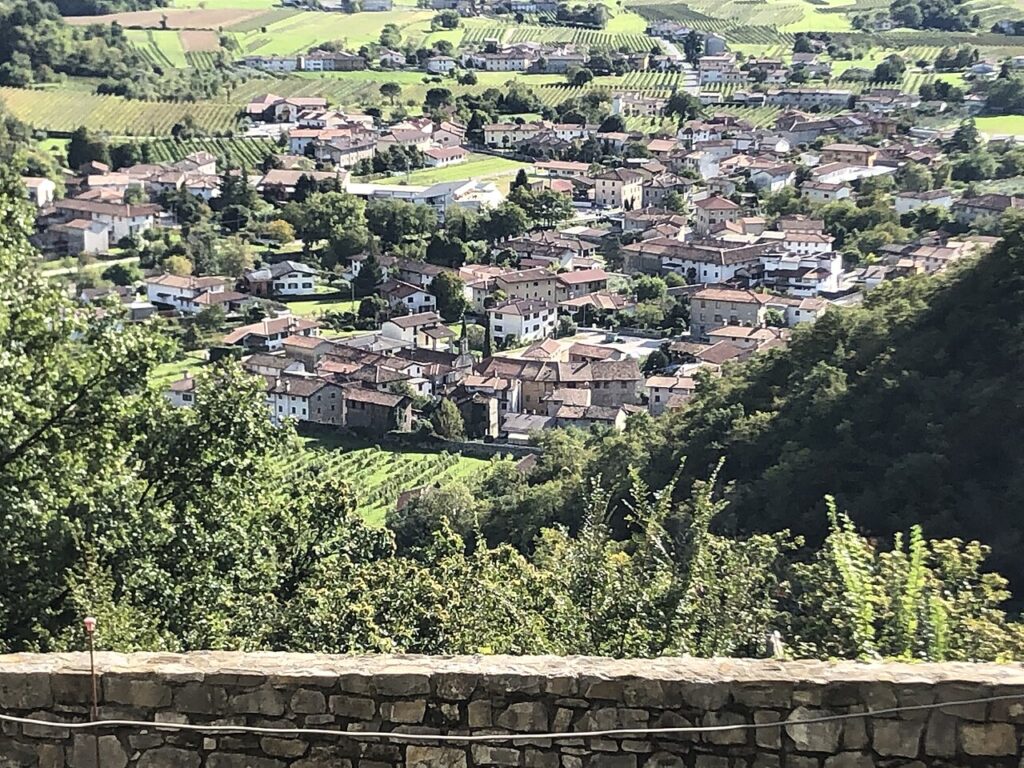
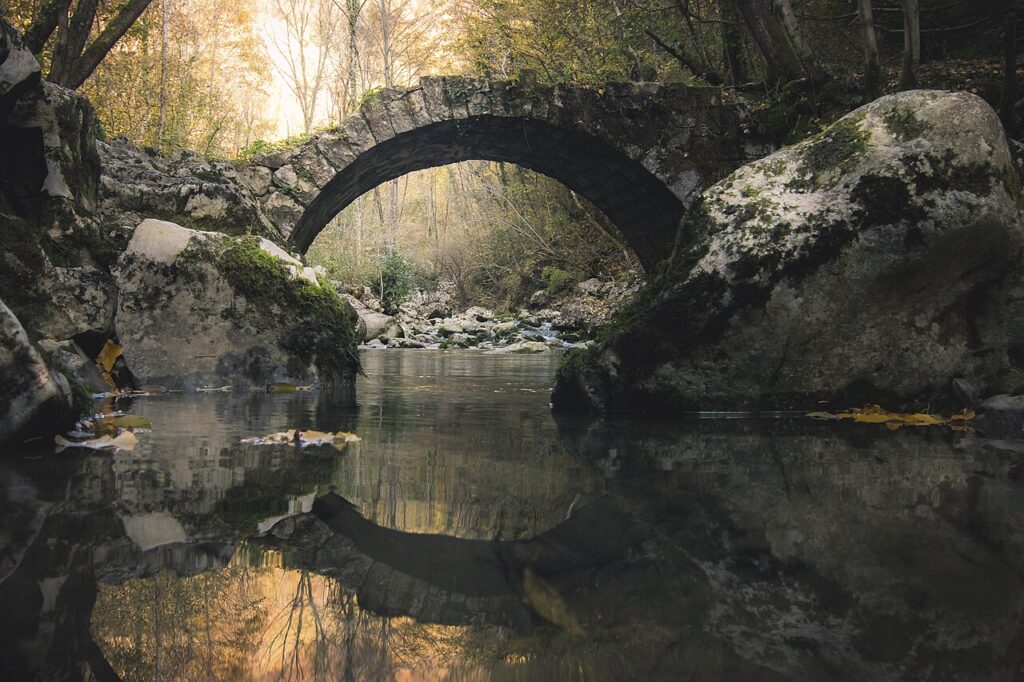
📷 Photo Gallery — Faedis
In Friuli-Venezia Giulia More villages to discover
Chiopris-Viscone
 Plains
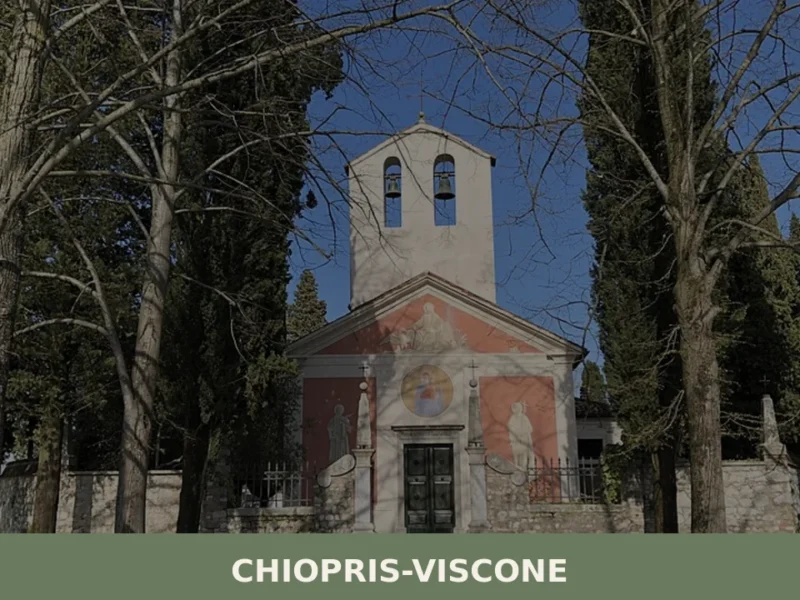
Two hamlets, two bell towers, two patron saints — and a single road running through both, the provincial route from Palmanova towards the Slovenian border. Anyone arriving in Chiopris-Viscone for the first time immediately notices this duality: the municipality, created in 1928 through the administrative merger of two distinct settlements, still retains a twin-centre layout, […]
Coseano
Plains
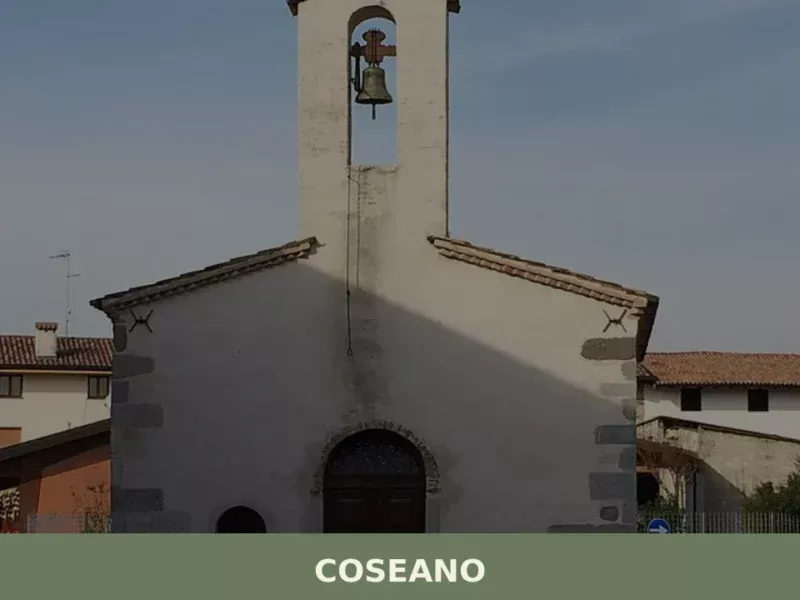
In 1275, a document from the Patriarchate of Aquileia records the name Cosean among the communities subject to feudal jurisdiction in the Udine hill area. Seven centuries later, the municipality retains its rural layout, spread across the main settlement and the hamlets of Cisterna, Barazzetto, Muscletto and Nogaredo di Coseano, scattered over flat terrain at […]
Gorizia
Plains
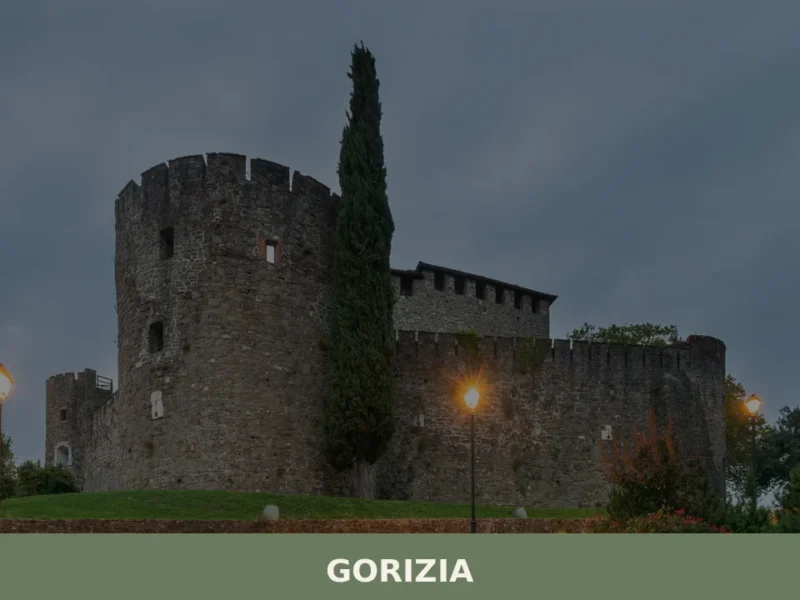
What to see in Gorizia, located at 84m. Discover 5 historic attractions, including its iconic Castle, and savor typical local cuisine. Explore your trip!
Trieste
 Sea
Sea
What to see in Trieste, a city with over 200,000 inhabitants? Discover 5 main attractions and savor local cuisine like Jota and Presnitz. Explore its unique history.
Bagnaria Arsa
Plains
In 1420, when the Venetian Republic extended its dominion over Friuli, the territory of Bagnaria Arsa came firmly into the Venetian orbit: the Republic’s cadastral records document a rural settlement structured around two distinct centres — Bagnaria and Sevegliano — separated by fields planted with cereals and crossed by drainage channels. Today, anyone wondering what […]
Udine
Plains
what to see in udine, home to 98,780 residents. Discover the historic Castle, Piazza della Libertu00e0, and Tiepolo Galleries. Explore its rich heritage.
Castions di Strada
Plains
A straight road cuts across the Friulian plain at twenty-three metres above sea level, and along that route — the ancient road that connected Aquileia to Concordia Sagittaria — a settlement grew whose very name declares its reason for being. Castions di Strada owes its identity to that Roman road, to a network of drainage […]
Artegna
 Hills
Hills
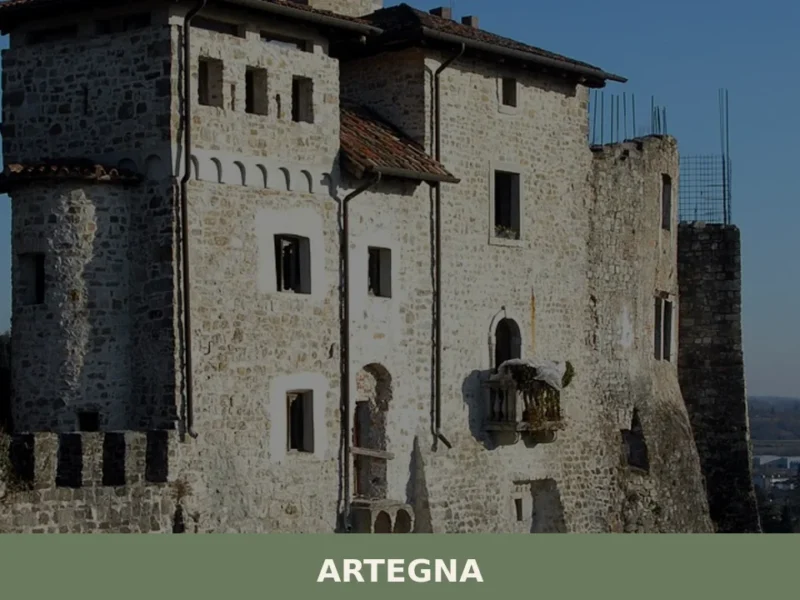
In 1976, two violent earthquakes devastated Friuli, and Artegna was among the hardest-hit communities. The reconstruction that followed did not simply raise walls again: it redesigned the very identity of the town, bringing to light archaeological layers buried beneath the rubble of the San Martino hill. Today, anyone wondering what to see in Artegna will […]
Pordenone
Plains
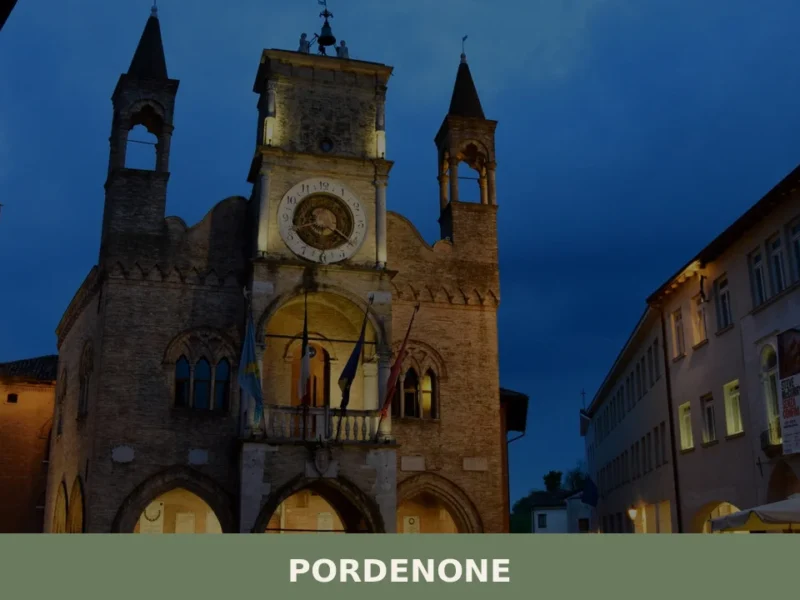
Pordenone is a river city of 52,314 residents in Friuli-Venezia Giulia, where a navigable stretch of the Noncello shaped two millennia of trade, art, and urban life.
Aviano
Hills
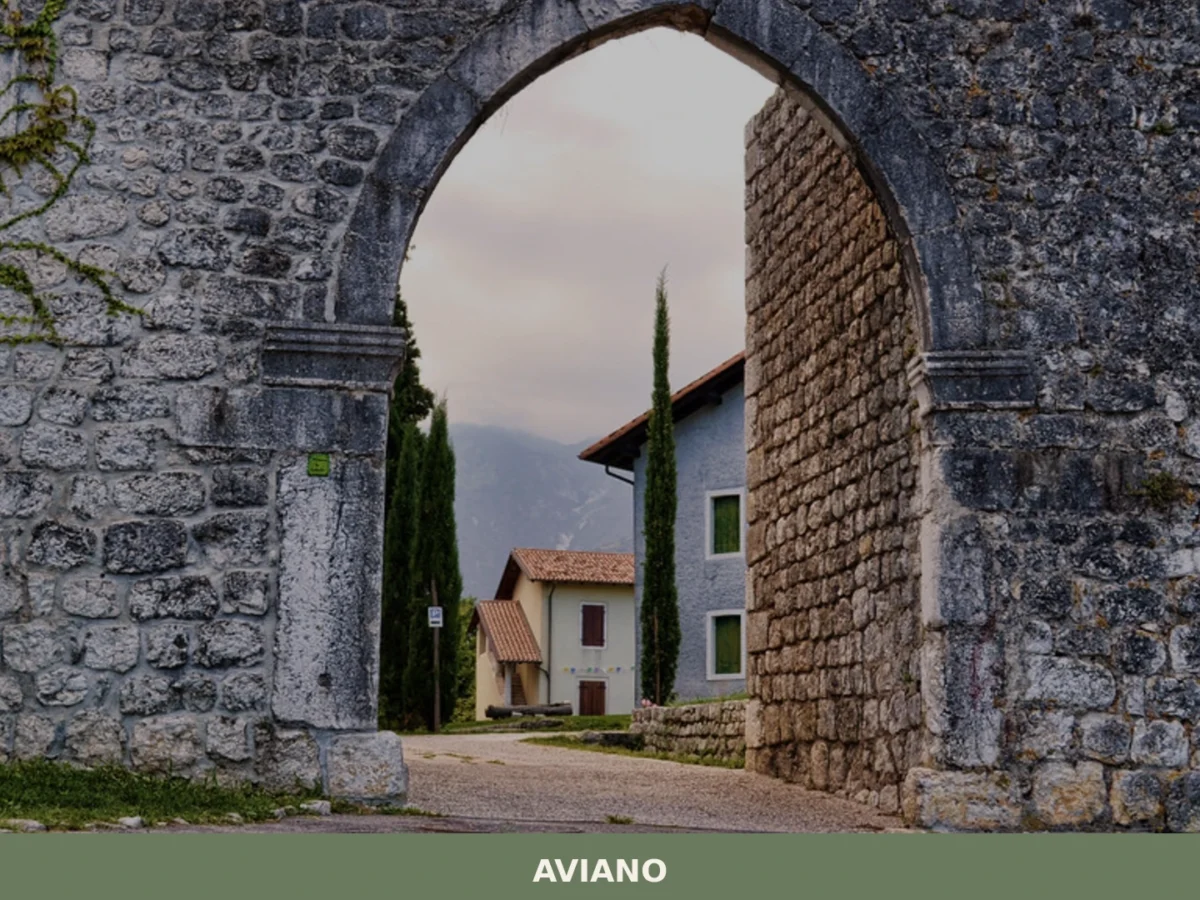
What to see in Aviano, Italy: Explore this town of 8,948 inhabitants, from its 10th-century castle ruins to the Cathedral of San Zenone. Discover its rich history and natural beauty.



🏡 Know Faedis better than we do?
If you’re a local or have been there, your knowledge matters: add what’s missing or fix a detail on this page.