


Pordenone
 Plains
What to see in Pordenone, Italy: explore its 79-meter bell tower and Venetian porticoes. Discover its rich history and cultural events. Read our guide for your trip.
Discover Pordenone
The 79-meter (259 ft) bell tower of Pordenone’s Duomo rises prominently above the city’s historic center, a vertical marker of its long past.
From its origins as Portus Naonis, a river port on the Noncello, Pordenone has evolved through centuries of trade and shifting allegiances.
Roman settlements existed in the Torre area, hinting at even older roots and continuous human presence in this lowland region.
What to see in Pordenone, Friuli-Venezia Giulia: top attractions
For those wondering what to see in Pordenone, this city in Friuli-Venezia Giulia, Italy, offers a wealth of historical and cultural experiences. With 7,876 foreign residents recorded as of January 1, 2025, Pordenone presents a diverse and evolving atmosphere. Visitors can explore the Gothic Communal Palace, a medieval marvel, or stroll along Corso Vittorio Emanuele II, admiring its distinctive Venetian porticoes.
History of Pordenone
The name Pordenone originates from the Latin Portus Naonis, meaning “port on the Noncello River,” a direct reference to its establishment in the Early High Middle Ages.
This strategic location on the river fostered its growth as a vital river port. Prior to its formal founding, Roman villas and agricultural settlements thrived in the Torre area, suggesting a long human presence. Between 1257 and 1270, Ottokar II of Bohemia conquered Pordenone, though his dominion was short-lived as Rudolph I of Habsburg brought the city back under imperial control in 1277.
By 1278, Pordenone was handed over to the Habsburg family, forming an Austrian enclave within the Patriarchal State of Friuli.
Its substantial growth during the 14th century, fueled by flourishing river trades, led to its official city status in December 1314. The Republic of Venice seized Pordenone in 1508, following Emperor Maximilian’s unsuccessful invasion.
This period of Venetian influence, shared with nearby cities like Treviso, shaped Pordenone’s architectural and administrative landscape. Although Austrian forces temporarily occupied the city during the War of the League of Cambrai from 1509 to 1516, Venetian sovereignty was ultimately reconfirmed in 1516.
When to visit Pordenone, Italy and how to get there
Pordenone is easily accessible by train, with frequent connections to Venice, Udine, and Trieste. The A4 motorway also provides convenient access by car. For air travelers, Venice Marco Polo Airport (VCE) and Trieste Airport (TRS) are the closest international options.
For a period until 1537, the d’Alviano feudal family governed the town, a reward for Bartolomeo d’Alviano’s military service to Venice, under whose administration Pordenone saw the construction of a new port and improvements in its manufacturing industries. Following the Napoleonic era, Pordenone became part of the Austrian possessions in Italy, known as the Kingdom of Lombardy–Venetia. The opening of the Pordenone railway station in 1855 and the construction of the Pontebbana road initiated the decline of the city’s historic river port, but simultaneously spurred significant industrial development, particularly in the cotton sector.
Pordenone was eventually annexed to Italy in 1866.
The cotton industry faced severe challenges after the damage of World War I and collapsed entirely following the 1929 crisis, leading to economic hardship.
After World War II, the local Zanussi firm emerged as a global leader in household appliances, revitalizing the economy. In 1968, Pordenone became the capital of its namesake province, incorporating territory previously belonging to Udine. The post-war era also saw Pordenone, like other parts of Friuli-Venezia Giulia, become a significant military garrison to counter potential invasions from socialist Yugoslavia, a presence that continued to boost the local economy and offers another facet to consider when planning what to see in Pordenone. Today, it remains a garrison for the 132nd Armored Brigade “Ariete”.
What to see in Pordenone, Friuli-Venezia Giulia: top attractions
Cathedral of St. Mark (Duomo)
The Cathedral of St. Mark, Pordenone’s Duomo, is distinguished by its imposing 79-meter (259 ft) bell tower. Construction began in 1363, evolving into a Romanesque-Gothic style, with subsequent restorations in the 16th and 18th centuries. Inside, visitors can admire a notable fresco of San Rocco and an altarpiece depicting the Virgin of Mercy by Giovanni Antonio de’ Sacchis, known as Il Pordenone, a native Renaissance painter.
The church also preserves a baptistery and font crafted by Giovanni Antonio Pilacorte, fragments of frescoes from the circle of Gentile da Fabriano, and a painting attributed to Tintoretto.
Gothic Communal Palace
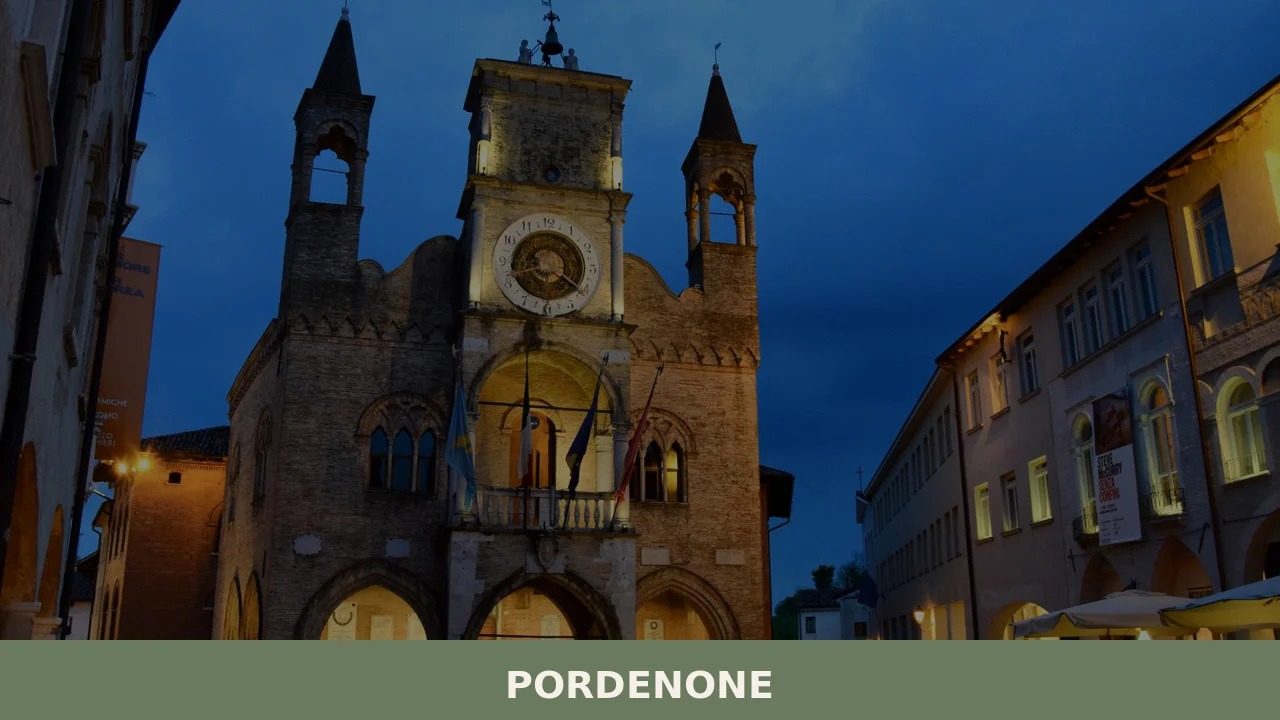
Dominating the historic center, the Gothic Communal Palace dates its construction between 1291 and 1395, serving as a testament to Pordenone’s medieval civic life.
Its loggia features a distinctive clock-tower, which was a 16th-century addition designed by the painter Pomponio Amalteo. The palace stands along Corso Vittorio Emanuele II, an ancient thoroughfare known for its Venetian porticoes, which locals sometimes liken to a “small waterless Grand Canal.” This architectural ensemble provides a vivid sense of the city’s historical prosperity and its strong ties to Venice.
Palazzo Ricchieri / Civic Art Museum
Originally built in the 13th century as a fortified house complete with a defensive tower, Palazzo Ricchieri later underwent significant reconstruction to serve as the residence for the prominent Ricchieri family. Today, this historic edifice houses the Civic Art Museum, offering visitors insight into the region’s artistic heritage. The museum’s collection spans various periods, providing a journey through local artistic expressions within a building that itself tells a story of medieval defense and aristocratic living.
The transformation from fortress to museum reflects Pordenone’s evolving identity over the centuries, showcasing its commitment to preserving cultural assets.
Castello di Torre / Western Friuli Archaeological Museum
The Castello di Torre, a late 12th-century structure, once served as the formidable residence of the Ragogna family.
Imperial troops assaulted and largely destroyed the castle in 1402, though a tower was rebuilt some years later, symbolizing resilience. Currently, the castle grounds are home to the Western Friuli Archaeological Museum, which showcases artifacts from the region, including discoveries from the nearby Roman Villa of Torre. These remains of a patrician villa, unearthed in the 1950s, provide concrete evidence of Roman presence in the area, offering a glimpse into ancient life in the Pordenone lowlands.
Church of St. Mary of the Angels
Also known as the Church of the Wooden Christ, this religious building was constructed in 1309. Its entrance is marked by a portal crafted from Istrian stone by Giovanni Antonio Pilacorte, a notable Renaissance sculptor. Inside, the church preserves a crucifix dating from 1466 by Johannes Teutonicus and significant remains of a cycle of 14th-century frescoes.
Among these, visitors can observe the Saint Barbara by Gianfrancesco da Tolmezzo and the Our Lady of Sorrows, a fresco from the first half of the 14th century, alongside a Madonna of Humility, a 14th-century fresco from the school of Vitale da Bologna, located on the left wall.
Local food and typical products of Pordenone
Pordenone’s historical foundation as an agricultural area means its culinary traditions are deeply rooted in local produce.
While specific historical recipes are not detailed in existing records, the region’s fertile lowlands, part of the Po-Venetian Valley, have long supported diverse farming practices. This abundance of water, characteristic of the Pordenone lowlands, would have provided a rich larder for generations, influencing a cuisine that values freshness and seasonal ingredients. The broader Friuli-Venezia Giulia region, where Pordenone is situated, is known for a robust culinary heritage that often incorporates elements from neighboring Venetian, Austrian, and Slavic cooking styles, creating a unique gastronomic identity.
The modern economy of Pordenone, as of 2022, includes a significant and diversified food industry sector.
This indicates a contemporary focus on quality processing and production within the area, suggesting that local ingredients are utilized in both traditional and innovative ways. Although specific traditional dishes are not explicitly named in historical accounts, the prevalence of agriculture and food industries implies a culinary landscape where staples like cured meats, various cheeses, and polenta, commonly found in northern Italian gastronomy, would feature prominently.
Visitors can expect to encounter dishes that reflect these regional characteristics, emphasizing hearty flavors and local sourcing.
Beyond consumables, Pordenone is particularly renowned for the skilled production of ceramics and terracotta, representing distinct local products that underscore the area’s deep artisanal heritage.
These craft items, though not food, are a significant part of the region’s economic and cultural output, reflecting long-standing traditions in craftsmanship and design. The industrial districts surrounding Pordenone, including Brugnera, Maniago, Meduno, and San Vito al Tagliamento, are home to numerous small and medium-sized enterprises. These businesses contribute to a diverse range of industrial sectors, with ceramics and terracotta standing out as key examples of local ingenuity and historical production.
Festivals, events and traditions of Pordenone
Pordenone hosts the annual book festival pordenonelegge.it, an event that has taken place for over a decade. This cultural gathering transforms the city, attracting authors and readers for discussions, presentations, and literary events. The festival provides a vibrant cultural experience, typically unfolding across various locations within the city center and drawing both national and international literary figures.
Its consistent presence highlights Pordenone’s role as a hub for intellectual and artistic exchange in the region.
In the realm of sports, Pordenone has been the venue for the Volleyball Cornacchia World Cup since 1983, a significant international competition for U19 and U17 boys and girls teams.
This long-running event demonstrates the city’s commitment to sports and brings young athletes from around the world to the area. The Ottavio Bottecchia Stadium, with its 3,000 seats and important outdoor velodrome, further underscores the city’s sporting infrastructure. These annual events contribute to the city’s dynamic cultural calendar, offering both intellectual stimulation and athletic excitement for residents and visitors alike.
When to visit Pordenone, Italy and how to get there
Pordenone experiences a Humid Subtropical Climate (Cfa), characterized by mild differences between high and low temperatures and adequate rainfall throughout the year. The most comfortable periods for visiting are typically spring (April to June) and autumn (September to October), when temperatures are pleasant for exploring the city’s monuments and enjoying walks along the Noncello river, providing ideal conditions for discovering what to see in Pordenone.
The annual pordenonelegge.it book festival, usually held in autumn, offers a significant cultural highlight for visitors during this season, drawing a lively crowd.
Pordenone is well-connected for travelers.
By road, the city is served by the Autostrada A28 and the Strada statale 13 Pontebbana (SS13), making it accessible by car. For those preferring rail travel, the Pordenone railway station, opened in 1855, is a stop on the Venice–Udine railway, accommodating approximately 3 million passengers annually. This makes Pordenone an accessible day trip from major cities like Venice, which is directly connected by train and is a realistic short-transfer range for international visitors.
The nearest air connections are through Venice-Treviso (TSF) Airport and Trieste Airport (TRS), both located approximately 75 kilometers (47 miles) from the city, offering convenient access for international arrivals. Local bus services, operated by ATAP, provide ten urban routes within the municipal territory and numerous extraurban routes connecting Pordenone to destinations across the province, including Aviano and Lignano Sabbiadoro. International visitors should note that while English may be understood in larger establishments, carrying some Euros cash can be useful in smaller shops and cafes, especially outside the main tourist areas.
Frequently asked questions about Pordenone
What is the best time to visit Pordenone?
Late spring (May–June) and early autumn (September–October) offer the most pleasant weather for exploring Pordenone's historic center, with mild temperatures and fewer crowds. September is especially rewarding: the pordenonelegge.it literary festival typically takes place that month, filling the city with cultural events. The feast of patron saint Mark the Evangelist is celebrated twice yearly, on 25 April and 8 September, offering a chance to witness local traditions. Avoid the humid mid-summer heat if you prefer comfortable sightseeing on foot along the Venetian porticoes of Corso Vittorio Emanuele II.
What are the historical origins of Pordenone?
Pordenone takes its name from the Latin Portus Naonis, meaning 'port on the Noncello River,' established in the Early High Middle Ages. Before that, Roman villas and settlements existed in the Torre area. The city passed through Bohemian, Habsburg, and ultimately Venetian rule — Venice seized it in 1508 — before becoming part of the Kingdom of Lombardy–Venetia after Napoleon. It was annexed to Italy in 1866. In 1968 it became the capital of its own province, having previously belonged to the province of Udine.
What to see in Pordenone? Main monuments and landmarks
Key sites include: the Cathedral of St. Mark (Duomo), with its striking 79-meter bell tower and works by Renaissance painter Il Pordenone; the Gothic Communal Palace (1291–1395) on Corso Vittorio Emanuele II, featuring a 16th-century clock-tower by Pomponio Amalteo; Palazzo Ricchieri, a 13th-century fortified house now housing the Civic Art Museum; the Castello di Torre, home to the Western Friuli Archaeological Museum with Roman-era finds; and the Church of St. Mary of the Angels (1309), preserving 14th-century frescoes. Strolling the Venetian porticoes of Corso Vittorio Emanuele II is a must.
Where to take the best photos in Pordenone?
The most photogenic spots in Pordenone are concentrated along Corso Vittorio Emanuele II, where the continuous Venetian porticoes create a striking perspective often compared to a 'small waterless Grand Canal.' The Gothic Communal Palace with its loggia and clock-tower makes an excellent focal point. The 79-meter bell tower of the Duomo dominates the skyline and offers a dramatic vertical subject. The Noncello riverbanks, the city's original raison d'être as a river port, also provide picturesque reflections and quieter, less-visited vantage points.
Are there museums, churches or historic buildings to visit in Pordenone?
Yes. The Civic Art Museum inside Palazzo Ricchieri displays works spanning multiple periods of regional art history. The Western Friuli Archaeological Museum at Castello di Torre presents artifacts including finds from the nearby Roman Villa of Torre, excavated in the 1950s. The Cathedral of St. Mark contains paintings attributed to Tintoretto and Il Pordenone, plus a baptistery by Giovanni Antonio Pilacorte. The Church of St. Mary of the Angels preserves a 1466 crucifix and a rich cycle of 14th-century frescoes. For current opening hours and admission fees, check the Municipality of Pordenone's official website.
What can you do in Pordenone? Activities and experiences
Pordenone offers a varied cultural calendar year-round. The pordenonelegge.it book festival draws national and international literary figures for talks and presentations across the city center. Sports enthusiasts can follow the Volleyball Cornacchia World Cup, held here since 1983 for U17/U19 international teams. The Ottavio Bottecchia Stadium includes an outdoor velodrome for cycling events. Exploring the historic center on foot — through Venetian porticoes, medieval palaces, and the Noncello riverside — is a rewarding half-day experience. Local ceramics and terracotta workshops reflect the area's long artisanal tradition worth seeking out.
Who is Pordenone suitable for? Families, couples, hikers, solo travelers?
Pordenone suits a broad range of visitors. Culture lovers and history enthusiasts will appreciate the layered medieval, Venetian, and Habsburg heritage visible in its architecture and museums. Families can engage with the archaeological museum at Castello di Torre and the Civic Art Museum. Literary-minded travelers should time their visit to coincide with pordenonelegge.it. Couples will enjoy a leisurely stroll under the Venetian porticoes. Solo travelers and urban explorers benefit from the city's compact, walkable historic center and its lively café and food scene rooted in Friuli-Venezia Giulia's rich gastronomic tradition.
What to eat in Pordenone? Local products and specialties
Pordenone's cuisine reflects Friuli-Venezia Giulia's position at the crossroads of Italian, Austrian, and Slavic culinary traditions. Expect hearty staples such as polenta, cured meats, and aged cheeses typical of the Friulian lowlands. The region is noted for Montasio DOP cheese and San Daniele DOP prosciutto, both produced nearby. The city's contemporary food industry, significant as of 2022, also supports quality local processing. Pordenone is additionally known for its artisanal production of ceramics and terracotta — distinctive craft souvenirs to bring home alongside regional food specialties found in local markets and delicatessens.
📷 Photo Gallery — Pordenone
Getting there
Corso Vittorio Emanuele II, 33170 Pordenone (PN)
Nearby Villages near Pordenone
In Friuli-Venezia Giulia More villages to discover
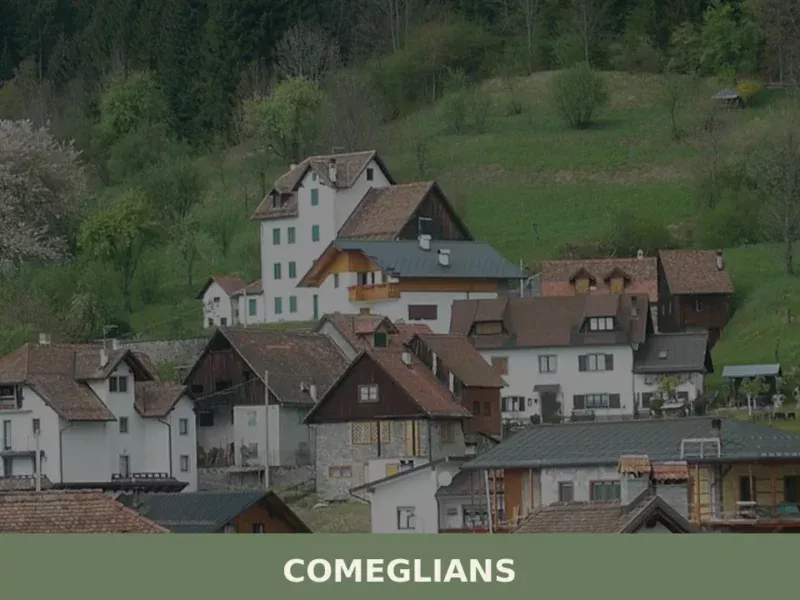
Comeglians
 Hills
Hills
In the valley of the Degano torrent, along the road that climbs from Tolmezzo toward the Monte Croce Carnico pass, Comeglians marks a precise point on the map of Carnia: 553 metres above sea level, 533 inhabitants spread across the main village and the hamlets of Povolaro, Maranzanis, Tualis, and Calgaretto. The municipality is documented […]
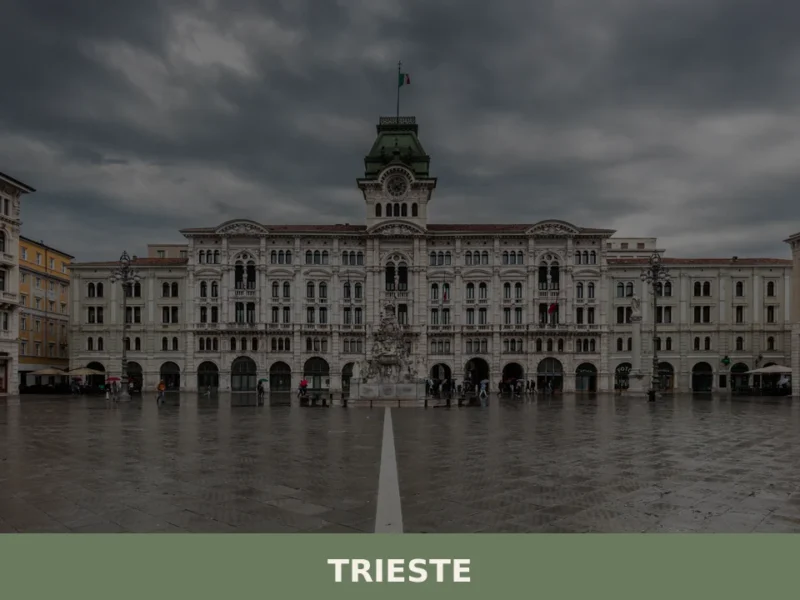
Trieste
 Sea
Sea
What to see in Trieste, a city with over 200,000 inhabitants? Discover 5 main attractions and savor local cuisine like Jota and Presnitz. Explore its unique history.
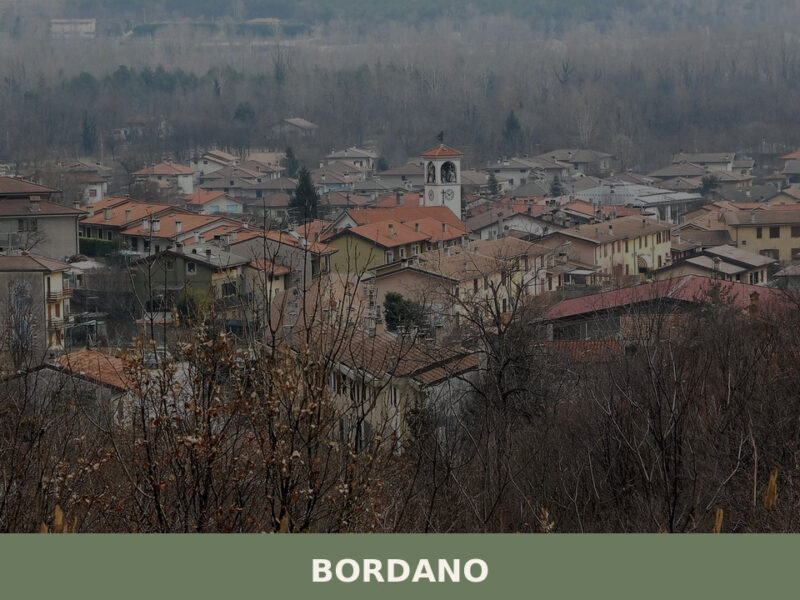
Bordano
Hills
Bordano, the Village of Butterflies in Friuli Venezia Giulia, pairs over 100 painted murals with genuine alpine biodiversity. A guide to its trails, lake, food, and art.
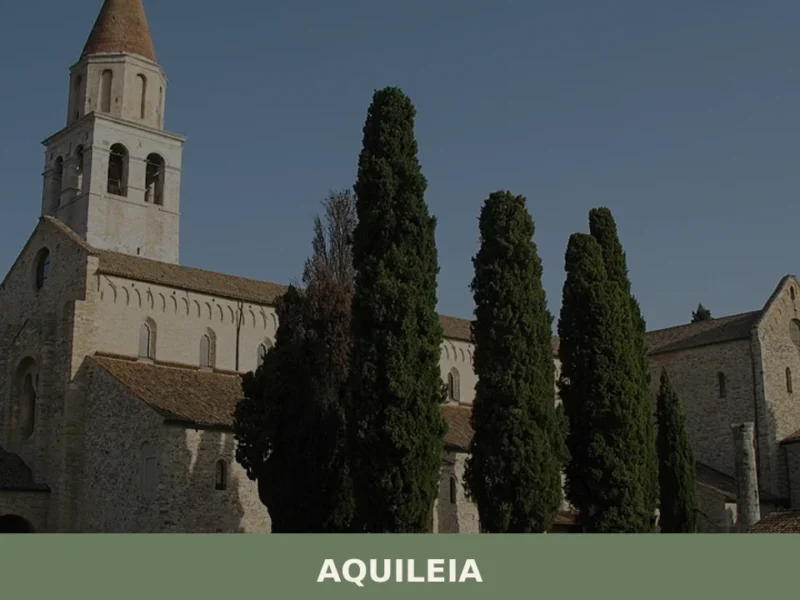
Aquileia
Plains
What to see in Aquileia: early Christian basilica, UNESCO mosaics, Roman forum, archaeological museum. Guide with history, cuisine and how to get there.
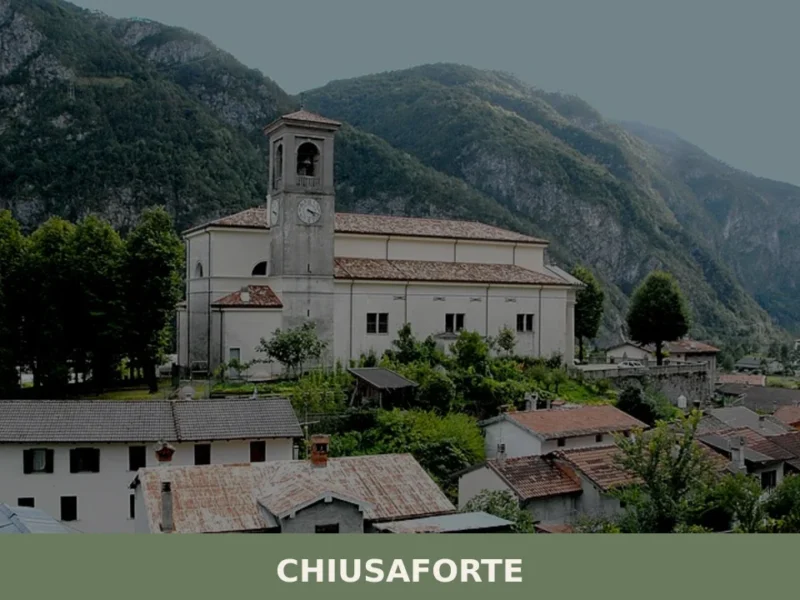
Chiusaforte
Hills
Anyone travelling along the A23 motorway towards the Austrian border will notice, quite suddenly, the Fella valley narrowing between sheer rock walls. Right at that point stands Chiusaforte, a settlement of 684 inhabitants at 391 metres above sea level, whose name — from “chiusa forte,” meaning “strong barrier” — declares without ambiguity the military and […]
Camino al Tagliamento
Plains
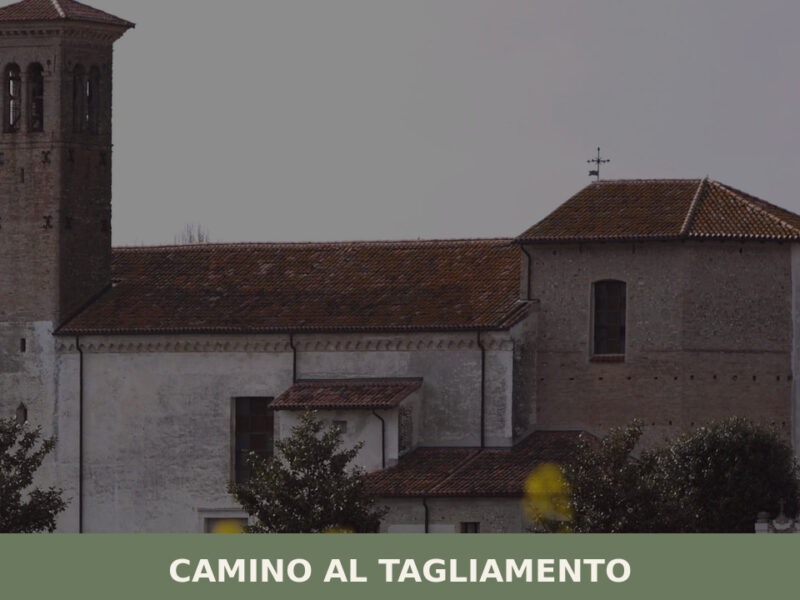
A guide to Camino al Tagliamento in Friuli Venezia Giulia — its medieval parish church, the Tagliamento riverbed, rural hamlets, and Friulian food traditions.
Grado
Sea
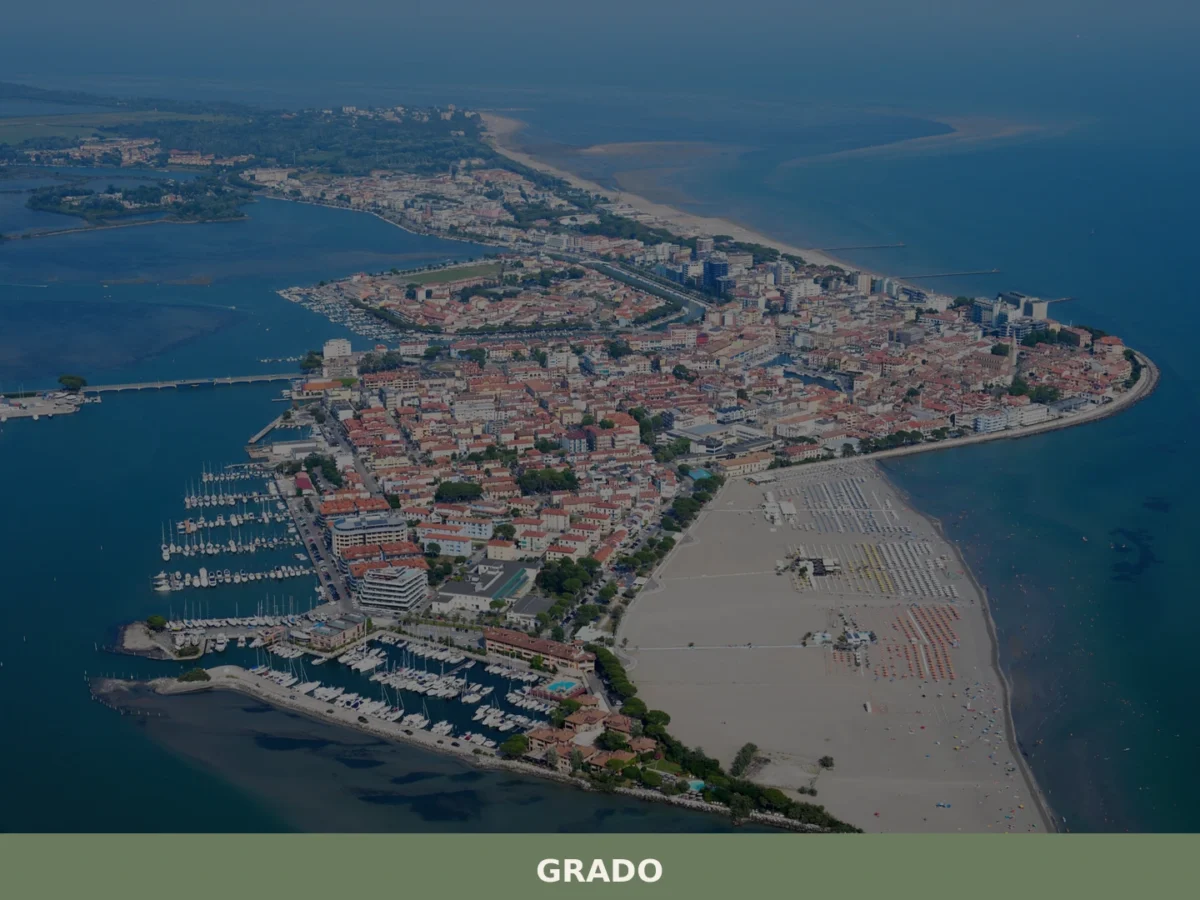
What to see in Grado, Italy? Explore its 2 m altitude, discover over 7,658 residents, and visit the impressive Basilica di Sant'Eufemia. Discover Italy's unique offerings today.
Coseano
Plains
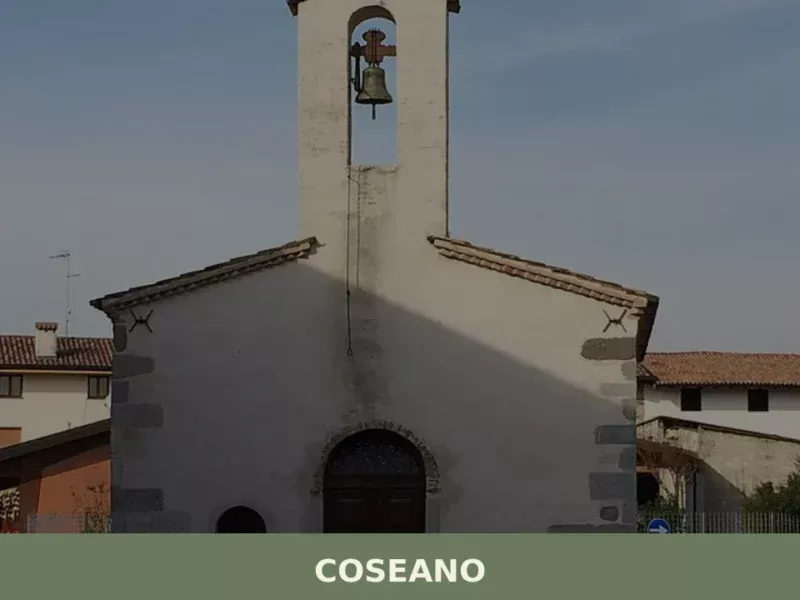
In 1275, a document from the Patriarchate of Aquileia records the name Cosean among the communities subject to feudal jurisdiction in the Udine hill area. Seven centuries later, the municipality retains its rural layout, spread across the main settlement and the hamlets of Cisterna, Barazzetto, Muscletto and Nogaredo di Coseano, scattered over flat terrain at […]
Corno di Rosazzo
Plains
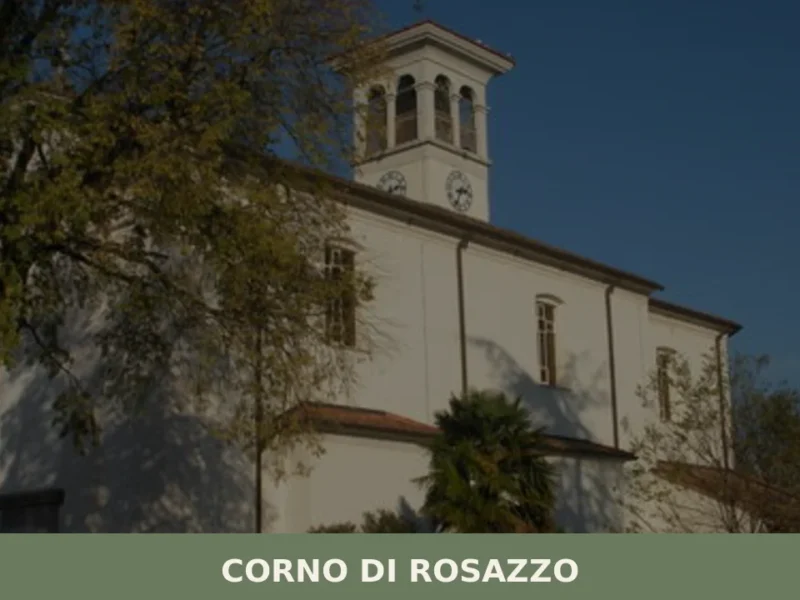
In 1070, a deed of donation by the Patriarch of Aquileia mentioned the name Corno di Rosazzo for the first time, linking it to a parish church and a territory already organized around viticulture and cereal farming. Today that territory extends over just twenty square kilometres across the Colli Orientali del Friuli, at 88 metres […]
Attimis
Plains
Twin castle ruins, a medieval archaeological museum, and the secluded mountain hamlet of Porzûs — Attimis reveals Friuli's layered history in a quiet valley near Udine.


🏡 Know Pordenone better than we do?
If you’re a local or have been there, your knowledge matters: add what’s missing or fix a detail on this page.