


Forenza
 Mountain
Discover Forenza, a hilltop village in Potenza province at 800m, with historic churches, Apennine panoramas, and authentic Lucanian cuisine.
Discover Forenza
A wooden crucifix, carved sometime in the 1600s, hangs inside a church at the top of a hill in the province of Potenza. Below the hill, partially buried and largely unexcavated, lie the remains of a Samnite city that Roman legions captured in 317 BC. The comune of Forenza sits between those two points in time — one visible in worn stone portals and church interiors, the other traceable only in the grass-covered outlines of a settlement that ceased to exist during the Gothic War of 535 to 553 AD.
For visitors researching what to see in Forenza, the answer takes shape across a compact historic centre with three documented churches, each preserving a distinct architectural or artistic element, and a hillside site directly connected to one of the oldest episodes of Roman expansion into southern Italy.
Forenza, Basilicata, Italy sits at around 680 m (2,231 ft) above sea level and is bounded by eight neighbouring comuni, making it a logical point of reference for anyone travelling through the interior of the Basilicata region. The Forenza highlights include a Romanesque portal, a 17th-century carved crucifix, and the documented ruins of ancient Forentum.
History of Forenza
The name Forenza derives directly from Forentum, the ancient Samnite city whose ruins stand near the current town. Forentum was not a minor settlement: it functioned as a significant urban centre among the Samnite peoples of the interior Apennines before it entered the orbit of Rome. The Samnites were a confederation of Italic tribes who contested Roman expansion into the south for several generations, and Forentum represented one of their established strongholds in the territory that would later become Lucania.
Roman forces took control of Forentum in 317 BC, during the period of the Samnite Wars, incorporating the site into the expanding network of allied and subjugated communities across southern Italy.
The settlement continued to function under Roman administration, and its position on elevated ground made it strategically relevant for controlling the surrounding valleys and routes between the Apennine interior and the coastal plains. This Roman phase of the town’s existence lasted for several centuries before the wider collapse of imperial infrastructure in the late antique period.
The destruction of the ancient city came during the Gothic War of 535 to 553 AD, the prolonged military conflict between the Byzantine Empire and the Ostrogothic Kingdom for control of the Italian peninsula. That conflict devastated numerous settlements across the south, and Forentum did not survive it. The medieval town of Forenza — known in the local Lucanian dialect as Ferénze — developed on the same hilltop in the centuries that followed, gradually accumulating the churches and civil structures that define it today.
The village is bounded by the comuni of Acerenza, Avigliano, Filiano, Ginestra, Maschito, Palazzo San Gervasio, Pietragalla, and Ripacandida, a geography that reflects the dense network of small comuni characteristic of inland Basilicata. Travellers interested in the wider medieval landscape of this area might also visit Cancellara, a neighbouring comune in the Potenza province that shares a similar pattern of hilltop medieval settlement and documented ancient origins.
What to See in Forenza, Basilicata: Top Attractions
Chiesa del Crocifisso
The interior of the Chiesa del Crocifisso holds a wooden crucifix produced in the 17th century, one of the few documented artworks in the Forenza area with a confirmed date of origin. Carved wood of this period in Basilicata typically reflects the influence of southern Italian Baroque devotional practice, in which large-scale processional crucifixes served both liturgical and civic functions. The object itself is the primary reason to enter this church: visitors standing before it can examine the craftsmanship directly, noting the articulation of the figure and the quality of the original carving.
It is worth arriving when the church is open for morning services to ensure access to the interior.
Chiesa Madre (Mother Church)
The Chiesa Madre, or Mother Church, presents its most significant architectural feature on the exterior: a Romanesque portal whose carved stone framing reflects a construction phase predating the Baroque additions visible elsewhere in the building. Romanesque portals in this part of Basilicata generally date from the 11th to 13th centuries, a period when Norman and Benedictine influence spread across the region and left a consistent architectural signature in stone doorways and blind arcading. Examining the portal at close range reveals the depth of the carving and the quality of the local stone used. The church occupies a central position in the village and is identifiable from the main square.
Annunziata Church
Inside the Annunziata Church, a statue of S. Maria of the Lombards occupies a position in the interior that signals a documented historical connection between Forenza and the Lombard populations who settled across southern Italy following the collapse of Byzantine administrative control. The statue’s name alone encodes a layer of local history: the Lombards established the Duchy of Benevento across much of present-day Basilicata, and dedications to figures associated with their presence appear in churches throughout the region. The church itself is smaller than the Chiesa Madre and offers a quieter space for examining the statue in detail.
Access is typically possible during morning hours on weekdays.
Ruins of Ancient Forentum
The ruins of Forentum occupy a position near the current village, on the same hilltop terrain that made the site viable for a Samnite urban centre. What remains above ground is fragmentary — the Gothic War of 535 to 553 AD and fifteen subsequent centuries of agricultural use and settlement have reduced the ancient city to scattered structural traces — but the site retains a measurable historical depth. Standing at the ruins, visitors can orient themselves relative to the surrounding valleys and understand why a population would have chosen this specific elevation, approximately 680 m (2,231 ft), to build a permanent settlement. The area around the ruins requires sturdy footwear, as the ground is uneven and partially overgrown.
The Hilltop Village Itself
Beyond the individual monuments, the spatial organisation of Forenza repays attention in its own right. The village layout follows the contours of the hilltop, with streets that widen briefly into small squares before narrowing again between stone building facades. This pattern — common across the interior comuni of Basilicata — reflects centuries of incremental construction on difficult terrain, with each building adjusted to the slope rather than imposing a regular grid.
Visitors researching what to see in Forenza often find that the connections between the three churches, read as a circuit of approximately 400 m (1,312 ft) from the nearest to the farthest, provide a coherent framework for understanding the village’s scale and historic density. The panoramic views from the perimeter of the village extend across several of the eight neighbouring comuni.
Local Food and Typical Products of Forenza
The food culture of inland Basilicata, the region to which Forenza belongs, developed under conditions of geographic isolation and limited agricultural variety. The Apennine terrain at this altitude — roughly 680 m (2,231 ft) — historically supported cereal crops, legumes, sheep farming, and small-scale pig husbandry rather than the Mediterranean fruit and olive cultivation more typical of the coastal zones. The culinary tradition of Forenza and its surrounding comuni reflects these constraints, producing a cuisine built around preserved meats, dried legumes, hard wheat pasta, and aged cheeses.
Among the most documented preparations of this area is pasta e fagioli, a dense soup of pasta and dried beans cooked with pork fat, dried chilli pepper (peperoncino), and wild herbs gathered from the surrounding slopes.
The chilli pepper is not a minor flavouring in Basilicata’s cooking: it appears in quantities that produce sustained heat rather than background warmth, and its use in this area dates to at least the 18th century following the spread of New World crops across southern Italy. Lucanica, the cured sausage whose name is etymologically linked to the ancient region of Lucania, is produced across the province of Potenza and appears in the local diet both fresh for grilling and dried for storage, flavoured with black pepper, fennel seed, and sometimes chilli. Pane di Matera, a sourdough bread made from durum wheat semolina with a dense crumb and thick crust, is baked in the wider Basilicata region and available in local markets throughout the interior.
No certified designation of origin products (DOP, IGP, or STG) are confirmed specifically to Forenza in the available sources. The broader Basilicata region holds several certified products — including the Peperone di Senise IGP, the dried sweet pepper produced in the Sinni valley — but the documentation does not link these certifications specifically to Forenza’s municipal territory.
Visitors should treat the local food offer as reflective of the wider Potenza province tradition rather than a product of any single certified local supply chain.
The best opportunity to encounter local food products directly is during the late summer and early autumn period, when many comuni in the province of Potenza hold sagre — traditional food festivals centred on a single ingredient or dish. The specific calendar for Forenza is not documented in the available sources, but the broader regional pattern places most sagre between August and October, coinciding with the harvest period and the processing of preserved meats and vegetables.
Festivals, Events and Traditions of Forenza
The available sources do not document the specific date of Forenza’s patron saint festival or the detailed ritual programme of its principal annual celebration. What the sources confirm is that the Annunziata Church houses a statue of S. Maria of the Lombards, suggesting a Marian devotional tradition within the community that would typically manifest in processions and liturgical events at certain points in the Catholic calendar. Churches dedicated to or housing significant Marian figures in Basilicata generally observe the feast of the Annunciation on 25 March and the Assumption on 15 August with public religious ceremonies.
The wider context of Forenza’s position among eight neighbouring comuni — Acerenza, Avigliano, Filiano, Ginestra, Maschito, Palazzo San Gervasio, Pietragalla, and Ripacandida — means that the local festival calendar is enriched by events in the surrounding area accessible within a short drive.
Visitors researching what to see in Forenza should check the event programmes of adjacent comuni during the summer months, when the density of local festivals across inland Basilicata is at its highest. The village of Anzi, another comune in the Potenza province, similarly maintains documented religious and community traditions that complement a circuit of the interior.
When to Visit Forenza, Italy and How to Get There
The best period to visit Forenza is between May and September. At 680 m (2,231 ft) above sea level, the village avoids the extreme summer heat that affects the lower zones of Basilicata, making the summer months — particularly June and July — comfortable for walking the hilltop streets and visiting the churches. Spring brings clear visibility across the surrounding valleys. Winter at this altitude brings cold temperatures and occasional snow, which can affect road conditions on the provincial routes leading to the village. For those whose primary interest is the documentary and historical aspects of the site, the shoulder seasons of April to May and September to October offer the most practical combination of weather and access.
Forenza sits in the province of Potenza in the interior of Basilicata, southern Italy. The nearest major city is Potenza, approximately 25 km (15.5 mi) to the southwest, making Forenza a viable day trip from the regional capital. From Naples, the distance is approximately 150 km (93 mi) by road, with a journey time of roughly two hours depending on the route.
From Rome, the drive covers approximately 330 km (205 mi), placing Forenza at the outer limit of a long day trip from the capital but well within range for travellers already based in Basilicata or Campania. If you arrive by car, the most direct approach from Potenza follows the SS658 and then provincial roads toward Forenza; the terrain is hilly and the final approach to the village involves a climb on a narrow road, so a vehicle with adequate clearance is advisable. The nearest train station is in Potenza, served by Trenitalia connections from Naples, Rome, and Bari; from Potenza, onward travel to Forenza requires a car or taxi, as no regular public bus line to the village is documented in the available sources. The nearest international airport is Bari Karol Wojtyła Airport, approximately 115 km (71.5 mi) to the east, with a drive time of around 90 minutes under normal conditions. For international visitors, it is worth noting that English is not widely spoken in smaller shops and municipal offices in this part of Basilicata, and carrying cash in Euros is practical as card payment acceptance in smaller establishments is not guaranteed.
Travellers planning a broader circuit of the Potenza province interior might combine a visit to Forenza with a stop at Brindisi Montagna, another hilltop comune in the same province, or at Colobraro, a village in the Matera province of Basilicata known for its documented folk traditions. Both are reachable by car and offer complementary points of reference for understanding the variety of inland Basilicata’s historic settlements.
📷 Photo Gallery — Forenza


In Basilicata More villages to discover
Acerenza
 Hills
Hills
Discover what to see in Acerenza, Basilicata: a Norman cathedral, medieval streets, calanchi views and local food. Practical tips for visiting this hilltop episcopal town.
Potenza
Mountain
What to see in Potenza: from the historic centre churches to Castello Tramontano. Complete guide with 5 attractions and practical tips for your visit.
Albano di Lucania
Mountain
A complete guide to Albano di Lucania in Basilicata — its medieval lanes, stone churches, Lucanian cuisine, and the quiet landscapes of the upper Basento valley.
Cersosimo
Hills
Discover what to see in Cersosimo, an authentic village in Basilicata. From the Mother Church to the castle remains, explore the history and typical cuisine of this hilltop center in the province of Potenza.
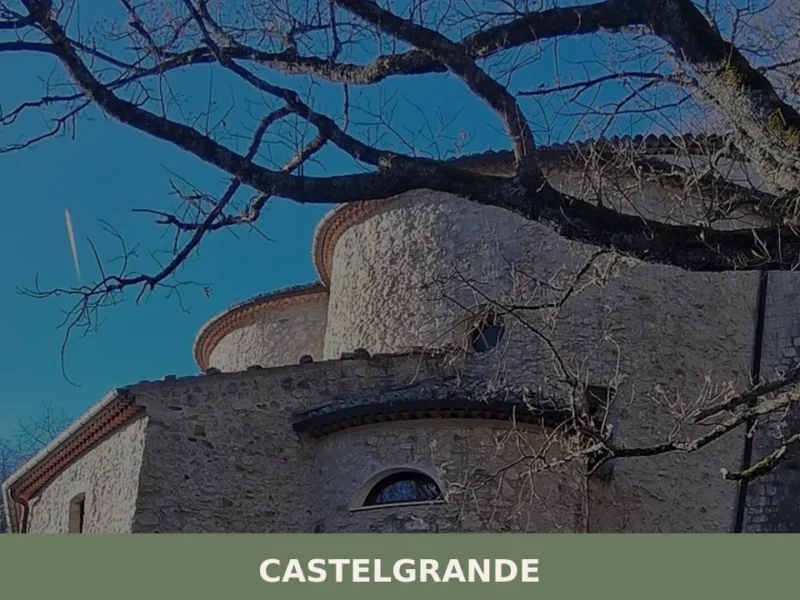
Castelgrande
Mountain
Discover what to see in Castelgrande, a mountain village in Basilicata. From the Mother Church to the historic center, a journey through history and nature. Includes practical tips for your visit.
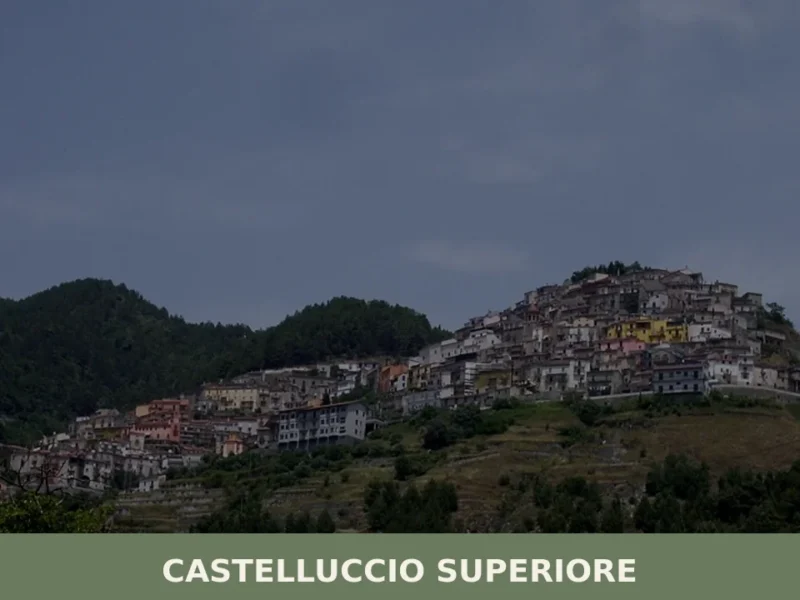
Castelluccio Superiore
Mountain
what to see in castelluccio superiore, Italy. Discover this mountain village at 680 m, explore its historic core, and experience the feast of Santa Margherita di Antiochia.
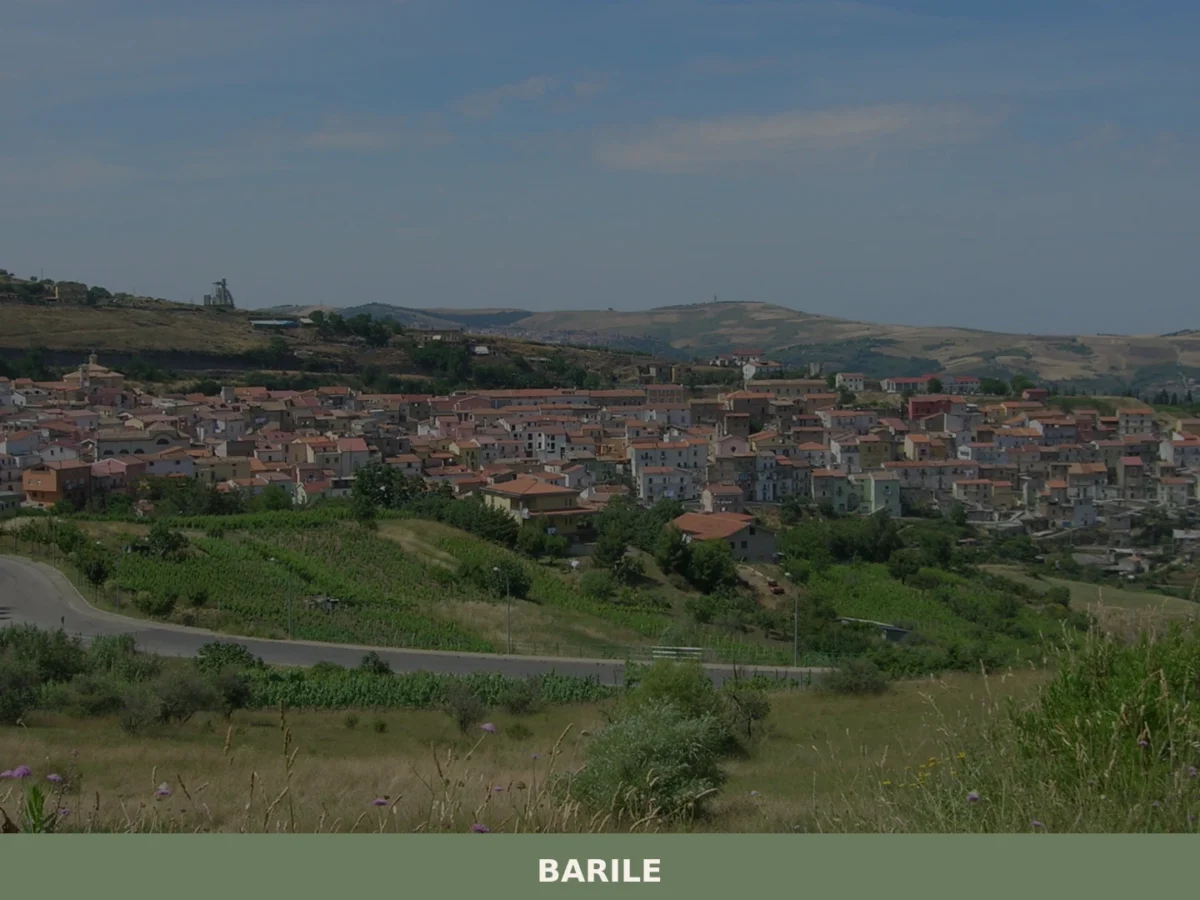
Barile
Mountain
What to see in Barile? Discover 5 must-see attractions in this Basilicata village. The complete guide to visiting Barile awaits you. Plan your trip!
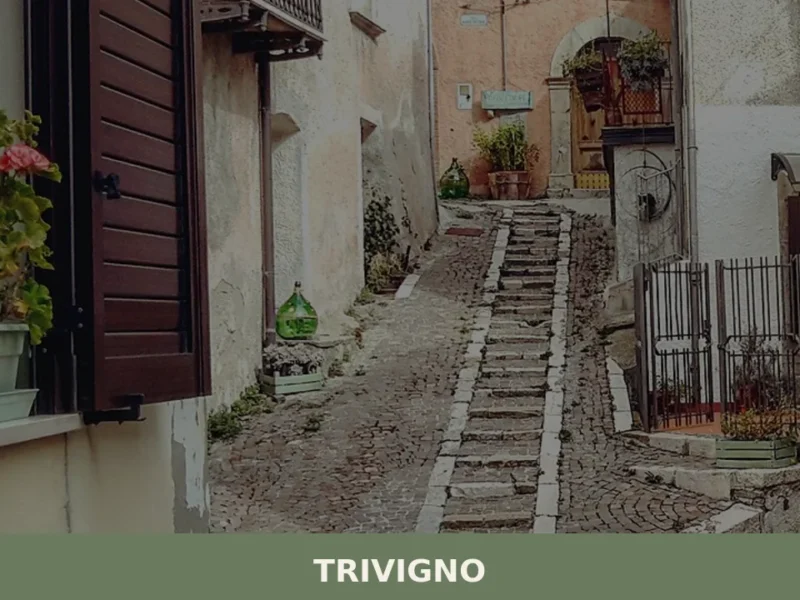
Trivigno
Mountain
Trivigno has a current population of 570 and occupies a ridge at 725 metres above sea level in the middle Basento valley, in the province of Potenza. Its territory extends across fields of durum wheat and Turkey oak woods covering the eastern slopes up to the borders with neighbouring municipalities. Those looking for what to […]
Campomaggiore
Mountain
As the morning mist reluctantly peels back from the Lucanian Apennines, a faint scent of wild herbs drifts through the narrow lanes of **Campomaggiore**. At 795 meters above sea level, this small community, home to 832 inhabitants, begins its day with a quiet rhythm. Sunlight catches the weathered stone of an ancient wall, illuminating moss […]
Aliano
Hills
Discover what to see in Aliano, Basilicata: Carlo Levi's exile house, the dramatic calanchi landscape, local olive oil culture and practical travel tips.





🏡 Know Forenza better than we do?
If you’re a local or have been there, your knowledge matters: add what’s missing or fix a detail on this page.