


Castellalto
 Sea
Sea
Scopri cosa vedere a Castellalto: borghi medievali, panorami mozzafiato e tesori nascosti dell’Abruzzo. La guida completa alle 5 tappe imperdibili!
Discover Castellalto
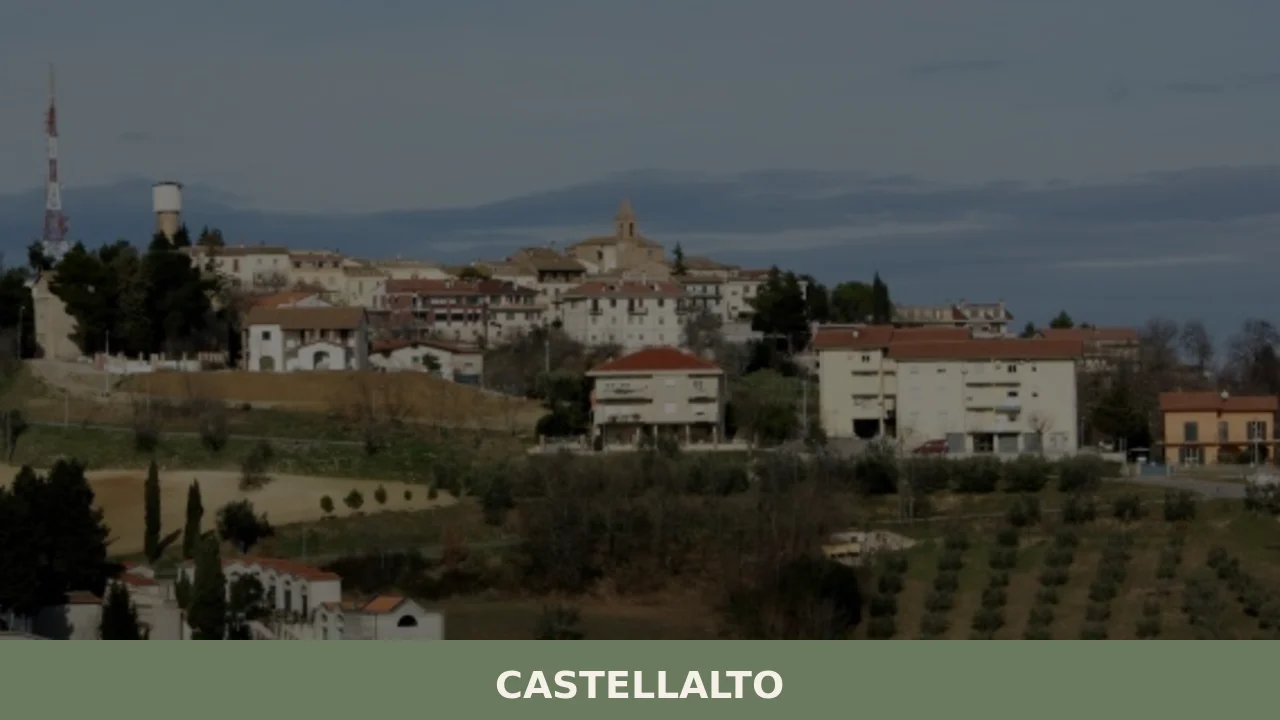
The ridge between the Tordino valley and the Vomano Valley runs straight towards the east, and from there the main settlement of Castellalto is visible before you even arrive: a compact outline of houses and towers at 481 metres above sea level, with the local stone changing colour depending on the time of day. The position is no accident.
That hill guarantees visual control over both valleys, a defensive logic that guided the founding of the village and determined its form, still recognisable today.
Those wondering what to see in Castellalto will find a hilltop village of over 7,000 inhabitants in the province of Teramo, with a historic centre positioned at the top of the hill and an open view over two Abruzzo valleys.
The main attractions include the urban layout of the medieval main settlement, the parish church, the historic defensive system, the ridge landscape and the scattered hamlets spread across the municipal territory. Castellalto is part of the Unione dei Comuni Colline del Medio Vomano, a geographical context that gives a sense of how closely this territory is tied to the river morphology of the Teramo hinterland.
History and origins of Castellalto
The name of the village already contains its essential history: “Castel Alto” refers to the elevated position of the original fortification, built on the top of the hill to make use of the natural visibility over the surrounding territory. This settlement logic was common in medieval Abruzzo, where control of the communication routes along the river valleys represented a strategic and military advantage. The village developed around the original defensive nucleus, with an urban layout that followed the profile of the ridge and grew denser towards the interior to protect inhabitants in the event of a siege.
The position on the ridge between the Tordino and the Vomano placed Castellalto in an important transit zone for trade and movement through the Teramo hinterland.
The two valleys converge towards the Adriatic coast and represented natural axes of connection between the mountainous inland areas and the coastal centres of the province.
Whoever controlled the intermediate heights could monitor traffic along both routes, and this explains why the site was chosen and then maintained through the following centuries. The history of Castellalto is intertwined with that of the other hilltop municipalities of the province of Teramo, united by similar feudal dynamics and by a long dependence on the ecclesiastical and noble powers that took turns controlling the Abruzzo territory during the medieval period and the modern age. Cermignano, located in the same Teramo hill area, also shares this historical structure of a defensive village tied to the morphology of the landscape.
During the modern age the municipality incorporated a series of hamlets distributed across the territory, reflecting an administrative model widespread throughout the province of Teramo. This fragmentation of settlements reflects the history of a predominantly agricultural territory, where rural communities organised themselves into separate nuclei linked to the resources of the land. The structure of the present-day municipality, with the main settlement on the hill and the hamlets in the surrounding areas, preserves the memory of this multi-century development.
Membership of the Unione dei Comuni Colline del Medio Vomano, established in recent decades, represents the most recent attempt to rationalise the management of a historically fragmented but geographically coherent territory.
What to see in Castellalto: main attractions
The main village and the ridge belvedere
The main village occupies the hilltop in a panoramic position, with the built-up edge following the ridge line and overlooking both valleys below. From this point, the visual elevation difference between the valley floor and the village exceeds 400 metres compared to the lowest areas of the Vomano valley, guaranteeing an open view that on clear days extends all the way to the Gran Sasso mountain range.
The layout of the historic centre reflects the typical structure of Teramo’s hill villages, with streets running parallel to the contour lines and access routes climbing from multiple directions. Those who walk the perimeter of the main village along the edge of the hill can clearly read the original defensive logic: every stretch of wall was calculated to seal the natural access points to the summit.
The best time for this perimeter walk is in the morning, when the light is ideal for observing the landscape towards the Tordino valley.
The Vomano Valley
From the elevation of 481 metres above sea level of the main village, the Vomano Valley opens northward with a wide and articulated profile, marked by the course of the river of the same name descending from the Apennines towards the Adriatic coast. The Vomano is one of the main rivers in the province of Teramo, and its valley floor has historically served as a connecting axis between the inland mountain areas and the coastline.
Seen from the heights of Castellalto’s ridge, the river landscape reveals the sequence of alluvial terraces and the inhabited settlements dotting both banks. This vantage point allows visitors to understand the geographical structure of the Teramo hinterland better than many other viewpoints in the area, because the intermediate position of the hill enables a simultaneous view of the valley floor and the mountain crests in the background.
Access to the panoramic part of the hill is directly from the centre of the main village, with no need for marked trails.
The Tordino valley and the hill landscape
On the opposite side from the Vomano, the Tordino valley descends towards Teramo with a narrower and more incised profile than its twin valley to the north. The Tordino rises in the Monti della Laga and crosses the province of Teramo before flowing into the Adriatic near Giulianova. From the ridge of the main village, visitors can observe the morphological difference between the two valleys: the Vomano’s being wider and terraced, the Tordino’s being more incised and wooded in its innermost stretches.
This double outlook over two distinct river systems is Castellalto’s most singular geographical feature and explains the original settlement choice more clearly than any historical document could. The intermediate hill landscape, with cultivated fields alternating with wooded areas and the outlying hamlets visible in the distance, constitutes a visual record of the centuries-long transformation of Abruzzo’s agricultural territory.
The historic centre and the village architecture
The architecture of the main village makes predominant use of locally quarried stone worked into regular ashlar blocks, with doorways and cornices marking the principal civic and religious buildings of the old core.
The density of the built fabric reflects the historical necessity of concentrating dwellings within the defensive perimeter, with internal courtyards and narrow alleyways optimising the available space on the hilltop. The religious buildings present in the historic centre historically served a community gathering function as well as a devotional one, and their position within the urban fabric marks the main reference points for orienting oneself in the village.
Walking through the centre, visitors encounter architectural elements from different periods, from the medieval era to the nineteenth century, which bear witness to the site’s continuous habitation over the centuries. Those visiting Castellalto in search of specific architectural details should pay close attention to the stonework of the doorways, which varies from building to building and documents the different construction phases of the village.
The hamlets of the municipal territory
The territory of Castellalto includes several hamlets distributed across the hills surrounding the main village, each with its own settlement identity and its own relationship with the agricultural landscape.
These smaller nuclei often preserve traces of a rural structure older than that of the main village, with farmhouses, agricultural holdings and small rural chapels that document the organisation of the territory before modernisation.
The distance between the hamlets and the main village varies, but the municipal road network connected them already before Italian unification, contributing to the cohesion of the territory. Visiting the hamlets allows visitors to observe aspects of Abruzzo’s rural architecture that are less documented than the main historic centres, with materials and construction techniques directly linked to local resources. Those travelling between the hamlets by their own means can take in panoramas different from those of the main village, often oriented towards the coastal plain.
Traditional cuisine and products of Castellalto
The cuisine of the Castellalto area is rooted in the hill-country gastronomic tradition of the province of Teramo, one of the most well-defined in the entire Abruzzo region.
Over the centuries, the Teramo hinterland developed a cuisine based on local agricultural and livestock products, with food preservation and processing techniques adapted to the hill climate and the seasonal availability of raw ingredients. The municipality’s geographical position, between the two valleys of the Tordino and the Vomano, places it in a transitional area between the produce of the inland mountains and that of the coastal hills, with influences arriving from both directions.
Among the traditional dishes of the Teramo area that also feature in local cuisine are maccheroni alla chitarra, made with durum wheat flour and eggs, cut using the characteristic wire-strung tool that gives the pasta its square cross-section.
The traditional condiment calls for a ragù of mixed meats, often lamb and pork, with tomato and local spices.
Pecora alla cottora is another dish documented in the Teramo tradition, involving the slow cooking of mutton with aromatic herbs from the area. Legumes, particularly lentils and chickpeas grown on the inland hills, feature in soups and minestre that formed the backbone of peasant diet. The seasonality of ingredients was strict: every preparation followed the agricultural calendar and whatever was available at the time.
As regards certified products, the available database records no DOP, IGP or PAT designations specifically associated with the territory of Castellalto. Local cuisine should therefore be considered within the broader context of the Teramo gastronomic tradition, without attributing certifications that available sources do not confirm.
The products of sheep and cattle farming, along with the vegetable and cereal output of the Vomano hills, nonetheless remain the concrete reference point for anyone wishing to taste the local cuisine during a visit — a key part of what to see in Castellalto.
The weekly markets of neighbouring municipalities and the area’s food shops represent the most direct points of access to local produce.
In autumn, the mushroom and truffle season activates a production and commercial activity that involves many hill municipalities in the province of Teramo, and Castellalto is no exception to this seasonal dynamic. Those visiting Castellalto at this time of year will find the products of the hill undergrowth at local markets alongside tomato preserves, jams and cured meats that are the hallmarks of the Abruzzo larder.
Festivals, events and traditions of Castellalto
Available sources do not provide specific data on Castellalto’s patron saint festival with a precise date and detailed description of the ceremony. In general terms, the hill municipalities of the province of Teramo celebrate religious feast days dedicated to their patron saint with processions, solemn masses and moments of community gathering that follow the Catholic liturgical calendar.
For exact dates of religious celebrations and local events, the most reliable reference remains the official website of the Municipality of Castellalto, which publishes an up-to-date calendar of events.
Community life in Castellalto, like that of many hill municipalities in Abruzzo, revolves around the agricultural cycle and the religious festivals that traditionally marked the year.
The hamlets of the territory have often maintained their own autonomous local traditions, with small celebrations tied to the local rural church or to specific occasions in the rural calendar. Summer is generally the busiest period for events, with food festivals and village fairs bringing life to both the main town and the outlying hamlets. Those planning a visit in July or August are more likely to encounter events of this kind, although the specific programme varies from year to year.
When to Visit Castellalto and How to Get There
Spring and early autumn are the most favourable periods for visiting Castellalto.
Between April and June the hilly landscape is green and easy to explore, temperatures at 481 m above sea level are mild, and visibility towards both valleys is generally good. September and October offer similar conditions, with the added advantage of seasonal produce and lower tourist numbers compared to summer. The summer months are suitable for those looking to enjoy local village festivals, but temperatures can be high during the middle of the day. Winter does not rule out a visit, but the ridge is exposed to wind and the short days reduce the time available for excursions around the area.
If you arrive by car, the A24 motorway from Rome to L’Aquila and Teramo, with the exit at Teramo, is the main connection from the Adriatic axis and the interior.
From Teramo, the distance to the main town of Castellalto is approximately 15 kilometres, covered in 20–25 minutes along State Road 150 of the Vomano valley. Those coming from the Adriatic coast can also use State Road 80 or follow the Vomano valley route inland.
The nearest railway station is Giulianova, on the Adriatic line, approximately 25 kilometres from the village. For up-to-date information on rail connections, visit the Trenitalia website. The nearest airport is Pescara, approximately 55 kilometres away and reachable in about 50 minutes by car via the A14 motorway and the local road network.
| Departure point | Distance | Estimated time |
|---|---|---|
| Teramo (city centre) | approx. 15 km | 20–25 minutes |
| Giulianova railway station | approx. 25 km | 30–35 minutes |
| Pescara Airport | approx. 55 km | 50–60 minutes |
| L’Aquila | approx. 85 km | 70–80 minutes |
Those wishing to extend their itinerary within the province of Teramo can include a stop at , another inland hilltop municipality in the Teramo area with similar geographical characteristics.
For those who prefer to broaden their exploration towards other scenic settings in Abruzzo, Anversa degli Abruzzi offers a completely different landscape, with the Sagittario gorge and the backdrop of the National Park.
Those heading towards the coast can instead include Vasto in their itinerary — perched on a promontory overlooking the Adriatic in the province of Chieti, approximately 90 kilometres from Castellalto along the coastal route. Discovering what to see in Castellalto is therefore an ideal starting point for a wider journey through the landscapes of Abruzzo.
Frequently asked questions about Castellalto
What is the best time to visit Castellalto?
Spring (April–June) and early autumn (September–October) offer the most pleasant conditions for exploring Castellalto: mild temperatures, clear skies ideal for panoramic views over the Tordino and Vomano valleys, and the Apennine landscape at its most vivid. The feast of the patron saint San Giovanni Evangelista falls on 27 December, making the Christmas period an interesting time for those who want to experience local religious and community traditions. Summer is warm but the hilltop position at 481 metres ensures cooler conditions than the coastal plain.
What are the historical origins of Castellalto?
The name itself reveals the origins: 'Castel Alto' refers to the elevated fortification built on the hilltop to control the communication routes along both the Tordino and Vomano river valleys. This defensive settlement logic was typical of medieval Abruzzo, where visibility over valley trade routes held strategic value. The village developed around the original fortified nucleus, with an urban layout shaped by the ridge profile. Over the centuries Castellalto absorbed surrounding rural hamlets, following a pattern common to feudal and ecclesiastical territories throughout the province of Teramo.
What to see in Castellalto? Main monuments and landmarks
The historic centre of the main village is the primary destination, with its compact stone architecture, narrow alleyways, internal courtyards and carved doorways documenting construction phases from the medieval period to the nineteenth century. The ridge perimeter walk reveals the original defensive logic of the walls and gates. The parish church serves as the main religious landmark and gathering point within the urban fabric. The surrounding municipal territory includes several rural hamlets with farmhouses, agricultural holdings and small chapels that preserve traces of Abruzzo's pre-modern rural organisation.
What are the main natural or scenic attractions of Castellalto?
Castellalto's most distinctive natural feature is its dual panoramic outlook: from the 481-metre ridge, visitors can simultaneously observe the wider, terraced Vomano Valley to the north and the narrower, more wooded Tordino Valley descending towards Teramo to the south. On clear days the view extends to the Gran Sasso massif. The intermediate hill landscape, with cultivated fields alternating with wooded areas and scattered hamlets, forms a continuous scenic backdrop. No marked CAI trail network is documented for the village, but the ridge perimeter is directly accessible from the centre without dedicated trails.
Where to take the best photos in Castellalto?
The ridge perimeter of the main historic village offers the most rewarding viewpoints. The northern edge, overlooking the Vomano Valley, frames the river's alluvial terraces against the backdrop of the Apennine crests. The southern side provides views down into the more incised Tordino Valley. Morning light is recommended for photographs towards the Tordino valley, as noted in the article, when the low sun illuminates the valley floor and the stone facades of the village. The local stone itself changes colour depending on the time of day, making dusk another photogenic moment.
What can you do in Castellalto? Activities and experiences
Visitors can walk the ridge perimeter of the historic village to read its defensive layout and take in the dual valley panoramas, explore the outlying hamlets by car to discover Abruzzo's rural stone architecture, and experience the local Teramo-tradition cuisine in the surrounding area. The feast of San Giovanni Evangelista on 27 December provides an occasion to witness a local religious and community event. The proximity to both the Vomano and Tordino valleys situates Castellalto as a practical base for exploring the broader Teramo hinterland and the Colline del Medio Vomano territory.
Who is Castellalto suitable for? Families, couples, hikers, solo travellers?
Castellalto suits travellers who value landscape, quiet historic centres and authentic hill-country character over mass tourism infrastructure. Couples and solo travellers interested in Abruzzo's medieval settlement history and Teramo gastronomy will find it rewarding. The panoramic ridge walk and hamlet exploration are accessible without technical hiking equipment, making it suitable for families with older children. Those travelling by car have the most flexibility for reaching the outlying hamlets. The village is a good choice for anyone using it as a base to explore the broader province of Teramo, including the Gran Sasso area and the Adriatic coast.
What to eat in Castellalto? Local products and specialties
The cuisine of the Castellalto area belongs to the Teramo hill-country tradition, one of Abruzzo's most distinctive. The foundational dish is maccheroni alla chitarra, egg pasta cut on the characteristic wire-strung tool, traditionally served with meat ragù. The Teramo area is also known for arrosticini (grilled mutton skewers), brodetto di pesce in coastal variants, and local cured meats and cheeses from the Apennine foothills. The municipality's position between the two valleys means produce from both inland livestock farming and coastal agricultural areas historically converges in local cooking.
📷 Photo Gallery — Castellalto
Getting there
Via Madonna degli Angeli, 64020 Castellalto (TE)
Nearby Villages near Castellalto
In Abruzzo More villages to discover
Barete
 Mountain
Morning light hits the limestone walls of Barete’s older houses at a low angle, turning them briefly gold before the shadow of the Gran Sasso massif reclaims the narrow lanes. A rooster calls from somewhere behind a garden wall. The air smells of woodsmoke and cold stone. This is a settlement of roughly 695 inhabitants, […]
Campli
 Hills
Hills
What to see in Campli, Abruzzo, Italy: explore the Scala Santa, the Farnese archaeological museum, and the August porchetta festival in this village of 7,167 inhabitants. Discover it all.
Calascio
Mountain
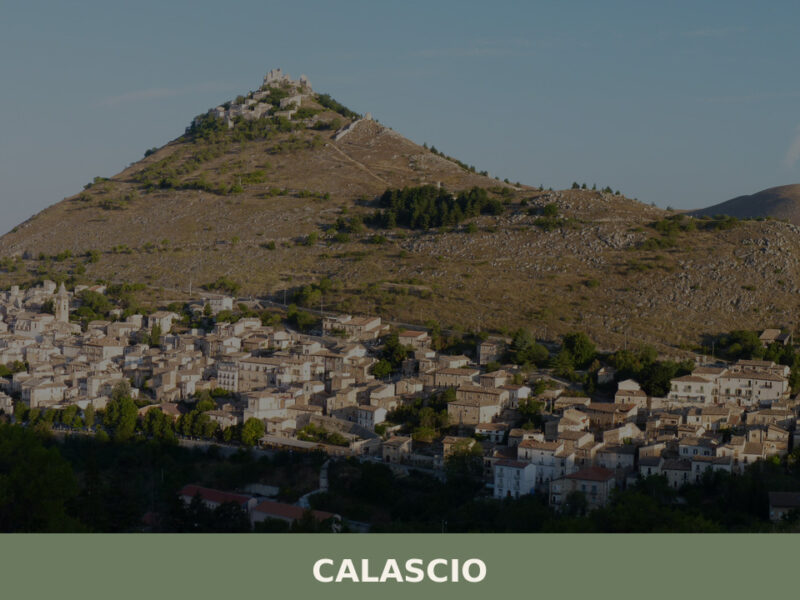
Morning light catches the limestone walls of Rocca Calascio before it reaches the village below, turning the fortress a pale gold against the dark mass of the Gran Sasso. At 1,210 metres above sea level, the air is thin and sharp, carrying the sound of wind through empty doorways. Only 127 people live here year-round, […]
Poggio Picenze
Mountain
What to see in Poggio Picenze, Italy: explore 5 top attractions at 760 m altitude, the Blues festival, and San Felice feast. Discover Abruzzo's limestone village.
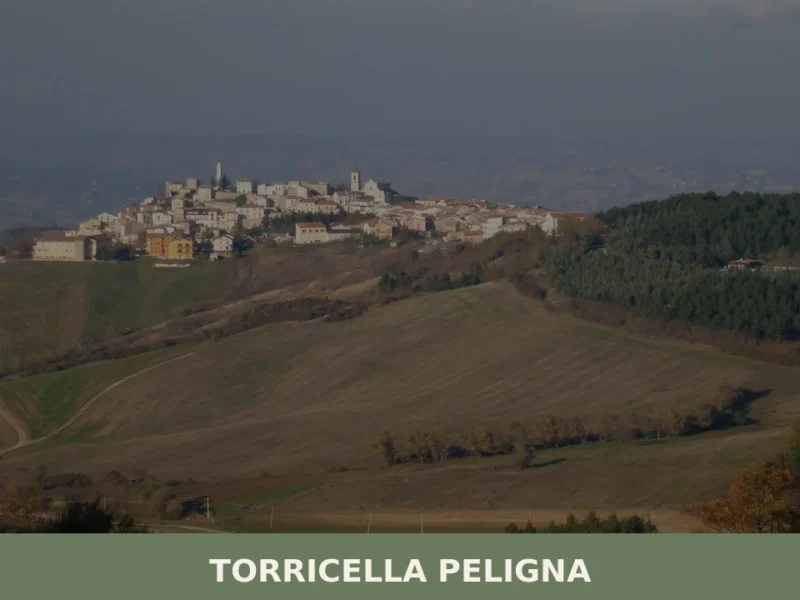
Torricella Peligna
Mountain
What to see in Torricella Peligna, Italy: Explore its 1,392 inhabitants and significant WWII history. Discover ancient Samnite finds and the Church of San Giacomo.
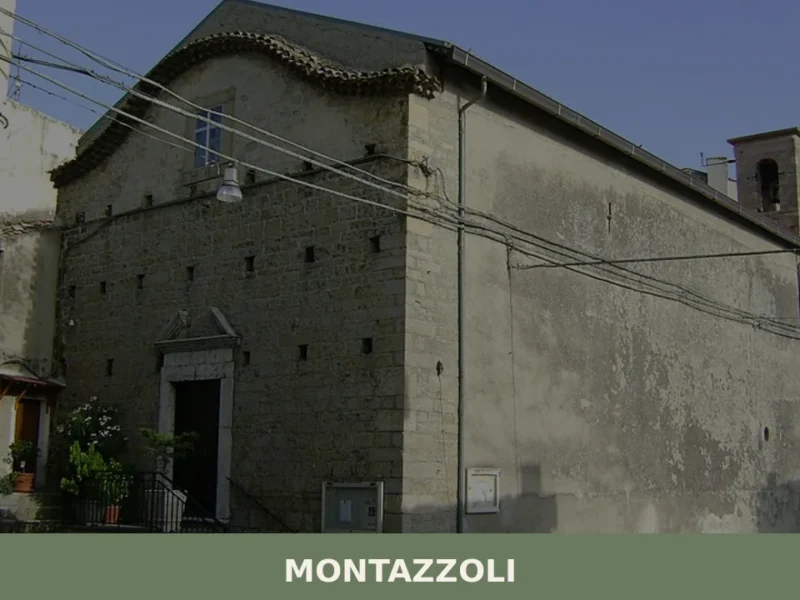
Montazzoli
Mountain
From the heights of the Chieti area, at 850 meters above sea level, the panorama of Montazzoli unfolds, an Abruzzese village with 836 inhabitants in the province of Chieti. Its stone houses cluster around an ancient fortress, bearing witness to centuries of history and mountain life. In this article History and origins of Montazzoli What […]
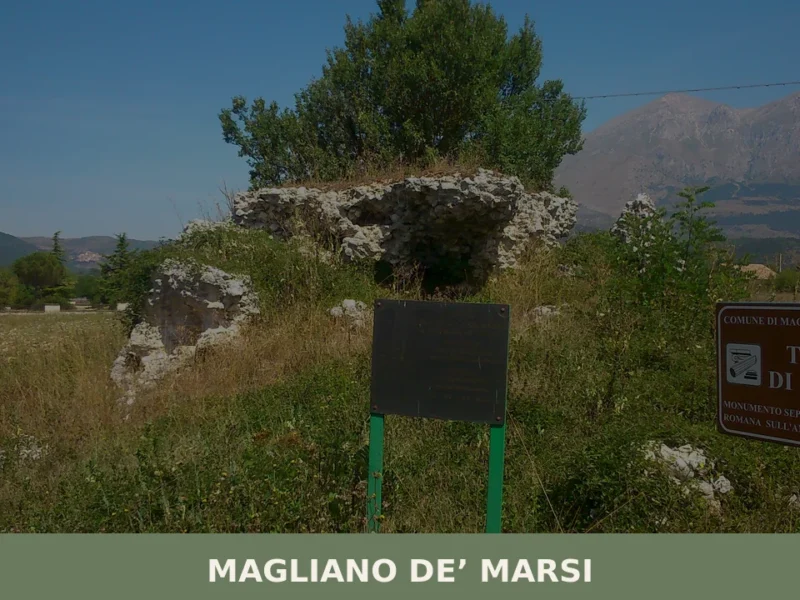
Magliano de’ Marsi
Mountain
Magliano de’ Marsi has 3,739 inhabitants and extends along the western slope of the Fucino Plain, in the province of L’Aquila, at an altitude of approximately 720 metres. The town lies along the route that once connected Rome to the Adriatic coast through the Marsica basin, and its urban layout still bears the marks of […]
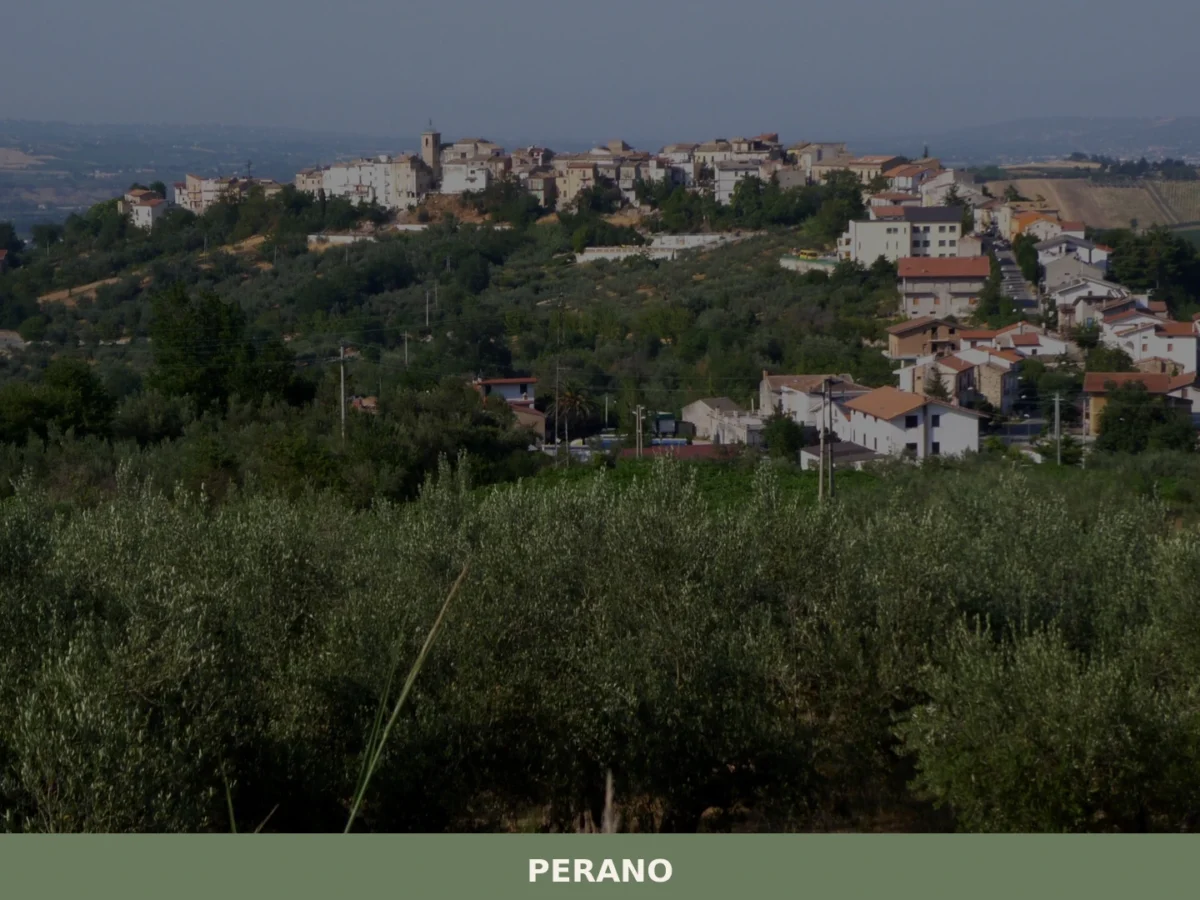
Perano
 Plains
What to see in Perano? Discover the complete guide to the 3 unmissable attractions of this Abruzzo village. Plan your visit now!
Carapelle Calvisio
Mountain
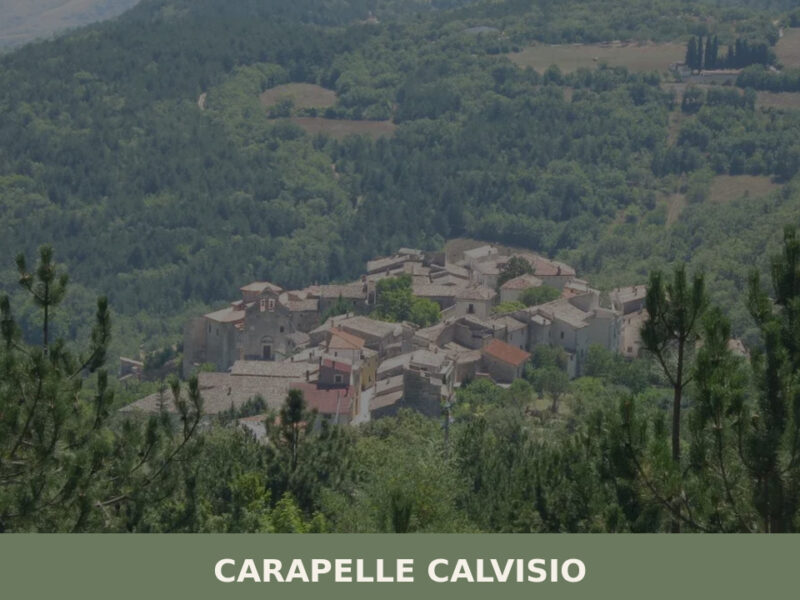
What to see in Carapelle Calvisio, Italy? Explore this village at 910 m (2,986 ft) altitude, visit Rocca Calascio, and discover its unique population status. Read our guide!
Arsita
Hills
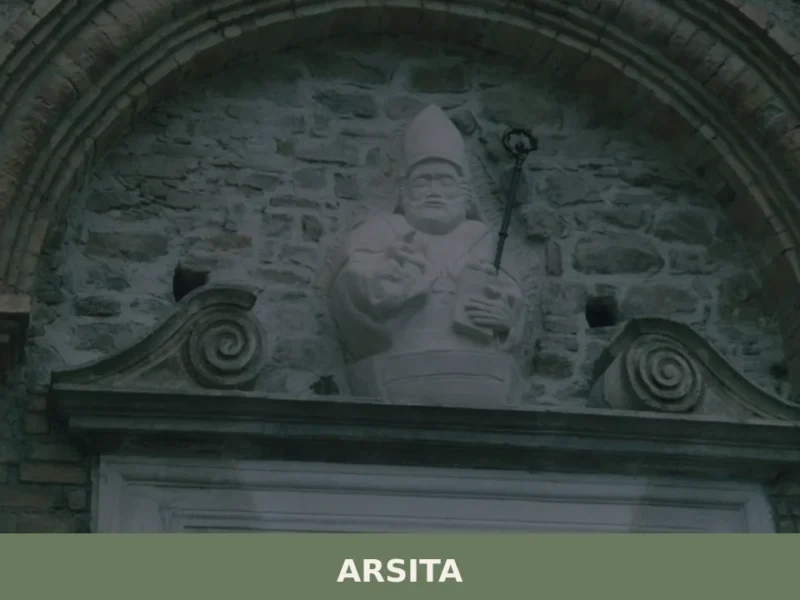
Until 1905, this village was called Bacucco, a name likely derived from the Latin bacuca, which referred to olives that had fallen to the ground — a direct reference to the agricultural character of the area. Situated at 470 metres above sea level on the hills of the Teramo province, Arsita and its 733 inhabitants […]



🏡 Know Castellalto better than we do?
If you’re a local or have been there, your knowledge matters: add what’s missing or fix a detail on this page.