


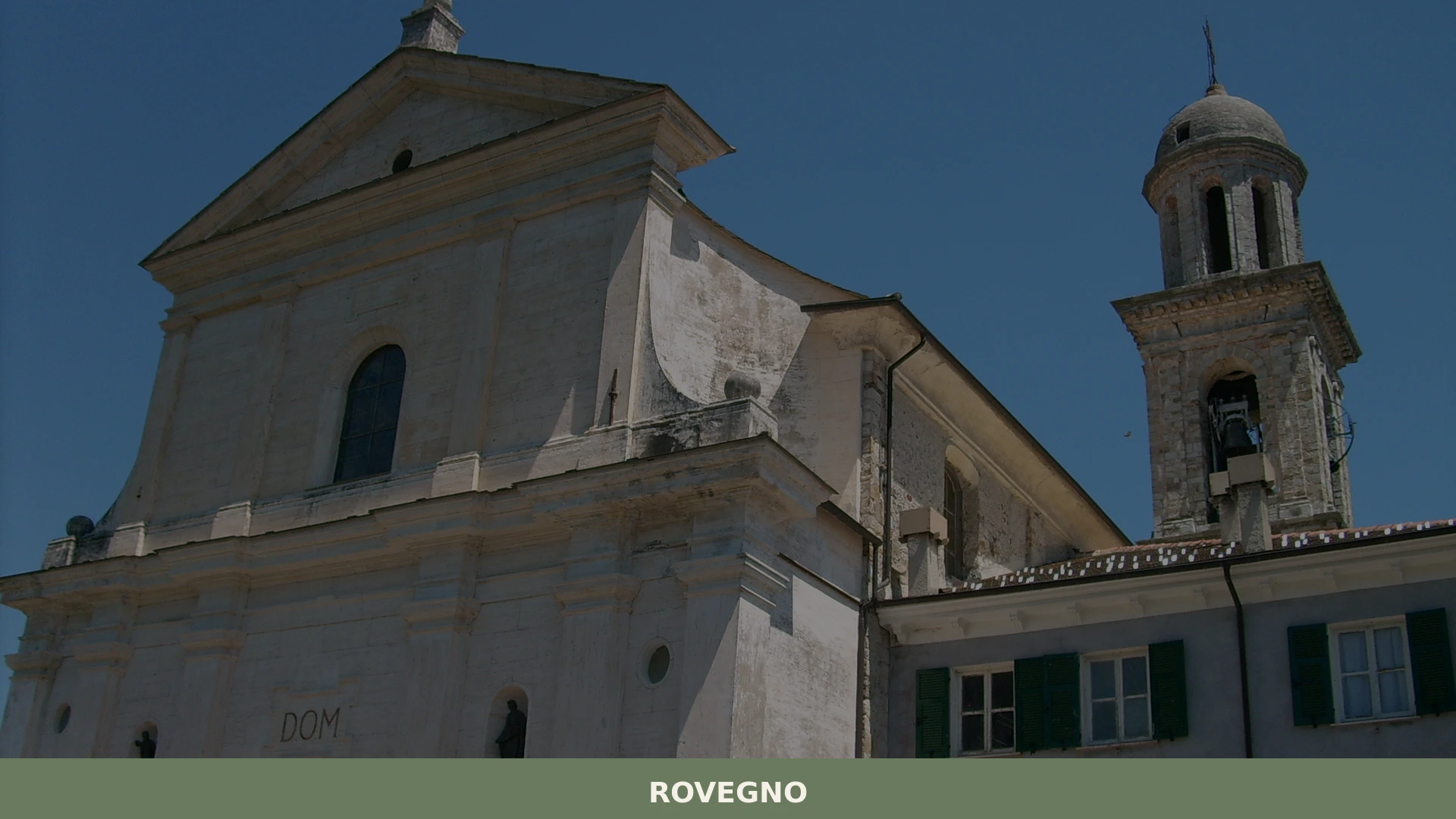
Rovegno
 Mountain
What to see in Rovegno, Italy: Explore the Val Trebbia, 35 km (22 mi) from Genoa. Discover its valley landscape and the surrounding municipalities. Read our guide.
Discover Rovegno
The Trebbia river carves its path through the deep valleys of Liguria, defining a landscape where communities cling to slopes and open spaces.
About 35 kilometres (22 mi) northeast of Genoa, Rovegno stands as a settlement within this rugged terrain.
Its position in the Metropolitan City of Genoa places it firmly within the regional identity of Liguria, a region known for its dramatic topography and rich history.
For those wondering what to see in Rovegno, the village offers insights into life in the Val Trebbia, a region defined by its natural beauty and historical routes.
Visitors can explore the village’s central area and appreciate the panoramic views of the valley, a landscape shared with its five bordering municipalities.
The Rovegno highlights include the tranquil atmosphere of the Ligurian interior and the opportunities for outdoor exploration in the surrounding Apennine foothills.
History of Rovegno
Rovegno, identified by its Ligurian name Roegno, is a comune within the Metropolitan City of Genoa, situated in the Italian region of Liguria.
Its location approximately 35 kilometres (22 mi) northeast of Genoa, deep within the Val Trebbia, indicates a history shaped by its geographical position. This valley, historically a passage between Liguria and the Po Valley, influenced the development of its communities, fostering a distinct local identity.
While specific founding dates or detailed historical events for Rovegno are not extensively documented in available sources, its administrative status as a comune suggests a long-standing organization of local governance.
The village’s existence in such a pronounced valley environment points to patterns of settlement common across the Ligurian Apennines, where communities developed around agricultural practices and resource management over centuries.
The interaction with its bordering municipalities—Fascia, Fontanigorda, Gorreto, Ottone, and Rezzoaglio—would have been crucial for trade, social connections, and shared regional development.
The evolution of Rovegno into its modern form is intrinsically linked to the broader history of Liguria and the Metropolitan City of Genoa.
As a community in the Val Trebbia, it has likely experienced periods of relative isolation, punctuated by the movements of people and goods along the valley’s routes. Understanding Rovegno today means acknowledging its continuous presence as a small yet resilient community within a distinct Italian geographical context, retaining characteristics that reflect its unique blend of Ligurian and Apennine influences.
What to see in Rovegno, Liguria: top attractions
The Historic Village Center of Rovegno
The heart of Rovegno reveals itself through a cluster of traditional stone buildings that line its compact streets.
These structures, often built with local materials, reflect the architectural heritage of the Ligurian interior, designed for resilience against the mountain climate. Exploring the narrow lanes offers a glimpse into the village’s past, where daily life unfolded within these sturdy walls.
The central area, likely featuring a small piazza, serves as a focal point for community gathering, a tradition maintained for generations.
The Parish Church
Dominating a central point within Rovegno is its parish church, a structure typical of many Italian villages, serving as both a spiritual and social anchor.
While specific architectural details are not provided, such churches in this region often feature simple stone facades, robust bell towers, and interiors that, over centuries, have accumulated local artistry and devotional objects. Its presence signifies the enduring role of faith in the community’s life, a constant through historical changes.
Visitors can often find quiet contemplation here, observing the local traditions.
The Val Trebbia Landscape
The broader Val Trebbia, which envelops Rovegno, offers a dramatic natural spectacle, characterized by the winding Trebbia river and its steep, forested banks.
This valley is a defining geographical feature, shaping the local climate, ecology, and human settlement patterns.
The landscape provides numerous viewpoints to appreciate the geological formations and the interplay of water and rock, making it a significant attraction for those seeking natural beauty. This extensive valley has been a conduit for various historical movements, connecting diverse regions for millennia.
Panoramic Views of the Ligurian Apennines
From various points within the comune of Rovegno, visitors can appreciate extensive panoramic views across the Ligurian Apennines, a mountain range that forms the backbone of the region. These vistas showcase a tapestry of dense forests, open pastures, and distant peaks, offering a profound sense of the area’s wild character.
The elevation of Rovegno, combined with its position in the valley, provides unique perspectives on this rugged environment.
Clear days allow for photography and quiet observation, revealing the sheer scale of the surrounding natural world.
The Bordering Municipalities Landscape
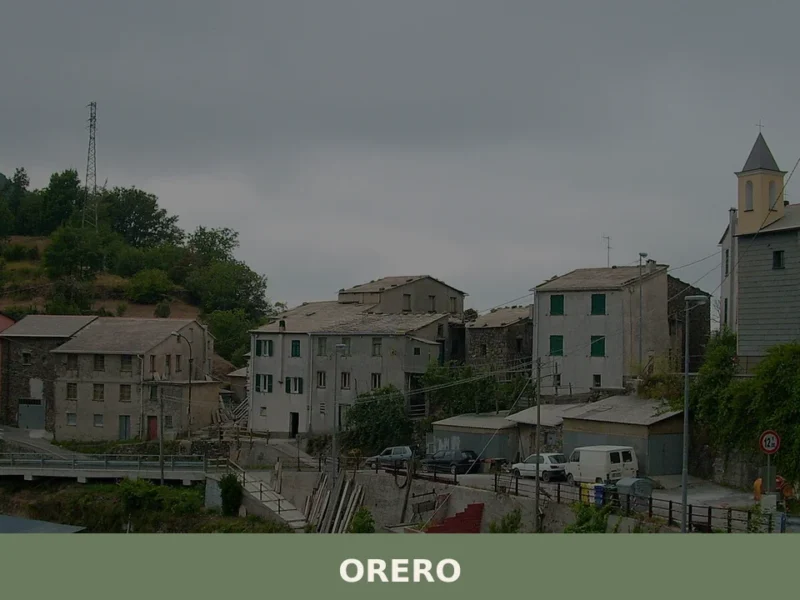
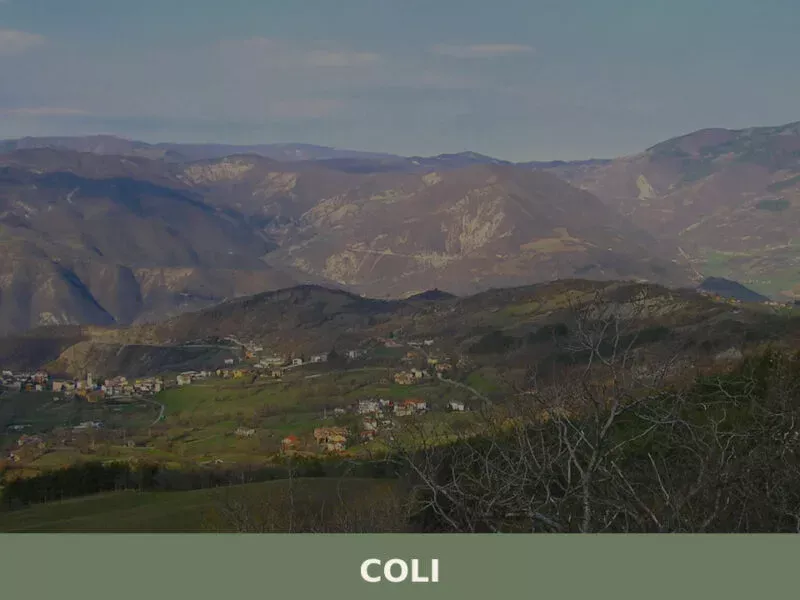
Rovegno shares its immediate geographical context with five distinct municipalities: Fascia, Fontanigorda, Gorreto, Ottone, and Rezzoaglio.
This cluster of villages forms a network of communities within the Val Trebbia, each contributing to the regional identity. Observing the landscape that connects these small towns provides insight into the interconnectedness of rural life in this part of Liguria.
Travelers interested in exploring the wider region will find that these neighboring villages offer additional opportunities for discovery, similar to how Opi in Abruzzo showcases a cluster of mountain communities.
Local food and typical products of Rovegno
While specific culinary traditions unique to Rovegno are not detailed in the provided sources, the village’s location in the Val Trebbia, within the Ligurian Apennines, suggests a gastronomic heritage rooted in hearty, seasonal ingredients.
This mountain and valley cuisine often contrasts with the lighter, seafood-focused dishes found along the Ligurian coast, favoring produce from the land.
The local diet would traditionally emphasize wild herbs, foraged mushrooms, and game, alongside staple crops grown in the valley.
The traditional fare in this region typically includes robust pasta dishes, often made with local flours and served with simple, flavorful sauces.
Ingredients like chestnuts, historically a crucial food source in Apennine communities, would feature in various preparations, from flour for bread and pasta to roasted snacks. Locally produced cheeses, derived from sheep or goat milk, would also play a significant role, reflecting the pastoral traditions of the area.
These dishes embody the resourcefulness and deep connection to the land characteristic of such communities.
Regarding certified products, the available sources do not list any specific designations for Rovegno itself. However, the broader Ligurian region boasts a range of recognized agricultural products, often celebrated for their unique characteristics shaped by the local climate and traditional cultivation methods.
Visitors interested in regional specialties might explore products from the wider Metropolitan City of Genoa, though specific Rovegno-based certifications are not documented.
Similarly, information on specific food fairs or local markets held in Rovegno is not provided in the available documentation.
In many rural Italian communities, however, seasonal harvest festivals (known as sagre) are common occurrences, celebrating local produce such as chestnuts, mushrooms, or truffles.
These events, if present, would typically take place in autumn, offering a chance to taste regional specialties and experience local traditions.
Festivals, events and traditions of Rovegno
Specific details regarding festivals, events, or unique traditions held in Rovegno are not extensively documented in the available sources.
However, as a traditional Italian comune, it is highly probable that Rovegno observes a patron saint’s day, a common practice across the country. These religious festivals typically involve a mass, followed by a procession through the village streets, often accompanied by local bands and culminating in community celebrations.
Such events serve as important cultural anchors, reinforcing community bonds and preserving local customs that have been passed down through generations.
Beyond religious observances, communities in the Ligurian Apennines often celebrate seasonal changes and harvests.
While no specific events are confirmed for Rovegno, it is plausible that informal gatherings or smaller local fairs occur throughout the year, especially during warmer months. These might focus on local produce or traditional crafts, reflecting the agricultural rhythms of the Val Trebbia.
Such traditions, even if not widely publicized, form an integral part of the village’s social fabric, offering glimpses into authentic local life.
When to visit Rovegno, Italy and how to get there
The best time to visit Rovegno, Italy, largely depends on the activities you plan to undertake. Spring (April-May) and autumn (September-October) offer pleasant temperatures, ideal for exploring the Val Trebbia’s natural landscapes and engaging in outdoor activities like hiking. The surrounding forests display vibrant colors during these seasons, making for picturesque scenery.
Summers (June-August) are typically warm, providing good conditions for enjoying the river and the cooler mountain air, though it can be busy.
Winters are generally quiet, with cooler temperatures, suitable for visitors seeking tranquility away from crowds.
Rovegno’s terrain, situated in a valley, is likely to feature uneven paths and inclines, characteristic of mountain villages. Visitors should be prepared for walking on varied surfaces, and sturdy footwear is recommended. While some areas may be accessible, the overall environment might pose challenges for strollers or those with limited mobility.
For international visitors, it is advisable to carry some Euros cash, as smaller shops and establishments may have limited card payment options, and English may not be widely spoken outside of tourist hubs.
To reach Rovegno, the most practical approach for those arriving from outside the region is often by car.
The village is located about 35 kilometres (22 mi) northeast of Genoa, accessible via regional roads that wind through the Val Trebbia. If you arrive by car, you can take the A7 Milan-Genoa motorway, exiting near Genoa and then following signs for the Val Trebbia. The nearest major train station is Genoa Brignole or , both offering connections to major Italian cities.
From Genoa, public bus services may be available, though schedules can be infrequent, especially on weekends. The nearest international airport is Genoa Cristoforo Colombo Airport (GOA), approximately 45-50 kilometres (28-31 mi) from Rovegno, with a drive time of about 1 hour and 15 minutes, depending on traffic.
A day trip from Genoa is entirely feasible, offering a contrasting experience of Liguria’s interior compared to its bustling coastal capital.
Visitors exploring Rovegno may also find interest in other Italian villages that share a similar focus on natural beauty and local character, such as Colle di Tora in Lazio, which offers a serene lakeside and mountain setting.
Another option is to consider Bomarzo, also in Lazio, known for its unique historical gardens and a distinct connection to its past.
Frequently asked questions about Rovegno
What is the best time to visit Rovegno?
The best time to visit Rovegno depends on your preferred activities. Spring (April-May) and autumn (September-October) offer pleasant temperatures, ideal for hiking and appreciating the vibrant colors of the Val Trebbia's natural landscapes. Summers (June-August) are warm, suitable for enjoying the river and the cooler mountain air, though it can be a busier period. A significant cultural event is the patron saint's feast day for San Giovanni Battista on June 24th, featuring religious ceremonies and community celebrations. Winters provide a tranquil escape for those seeking quietude away from crowds.
What to see in Rovegno? Main monuments and landmarks
In Rovegno, visitors can explore the charming Historic Village Center, a cluster of traditional stone buildings lining compact streets and narrow lanes, offering a glimpse into the village's past. This central area likely features a small piazza, serving as a focal point for community gathering. Dominating a central position is the Parish Church, a typical Italian village structure that functions as both a spiritual and social anchor. While specific architectural details are not provided, these churches in the region often feature simple stone facades and robust bell towers, inviting quiet contemplation.
What are the main natural or scenic attractions of Rovegno?
Rovegno is enveloped by the dramatic Val Trebbia Landscape, characterized by the winding Trebbia river and its steep, forested banks, showcasing impressive geological formations. This valley is a defining geographical feature, offering numerous viewpoints to appreciate its natural beauty. From various points within the comune, visitors can also enjoy extensive Panoramic Views across the Ligurian Apennines. These vistas present a tapestry of dense forests, open pastures, and distant peaks, providing a profound sense of the area's wild character, perfect for photography and quiet observation.
Are there museums, churches or historic buildings to visit in Rovegno?
Yes, Rovegno offers its Parish Church, a central fixture for the community, typical of many Italian villages with simple stone facades and robust bell towers. This site serves as both a spiritual and social anchor, offering a glimpse into local traditions. Visitors can also explore the Historic Village Center, a cluster of traditional stone buildings and narrow lanes that reflect the architectural heritage of the Ligurian interior. These structures, built with local materials, are designed for resilience against the mountain climate and provide insight into the village's enduring past.
What can you do in Rovegno? Activities and experiences
Rovegno offers several activities centered around its natural beauty and cultural heritage. Visitors can engage in outdoor exploration, particularly hiking in the surrounding Apennine foothills during spring and autumn. The Val Trebbia provides opportunities for enjoying the river and its cooler mountain air in summer. Exploring the Historic Village Center and the Parish Church offers a cultural experience, delving into the village's past and traditions. On June 24th, the village celebrates its patron saint, San Giovanni Battista, with religious ceremonies and community gatherings, providing a unique local experience.
Who is Rovegno suitable for? Families, couples, hikers, solo travelers?
Rovegno is ideal for those seeking tranquility, nature lovers, and active travelers. Its serene atmosphere and ample opportunities for outdoor exploration in the Ligurian Apennines make it perfect for hikers, solo travelers, and couples looking for a peaceful escape. Families who enjoy nature and walking will also appreciate the area. However, due to its characteristic mountain village terrain with uneven paths and inclines, visitors should be prepared with sturdy footwear, and it may pose challenges for strollers or those with limited mobility.
📷 Photo Gallery — Rovegno
Nearby Villages near Rovegno




🏡 Know Rovegno better than we do?
If you’re a local or have been there, your knowledge matters: add what’s missing or fix a detail on this page.