


Desenzano del Garda
 Lake
Lake
 Plains
what to see in desenzano del garda in Italy. Explore Desenzano del Garda, Lombardia, Italy, at 67 m a.s.l., from its Roman Villa to the Old Port. Discover its history and attractions.
Discover Desenzano del Garda
The shimmering expanse of Lake Garda meets the Lombard plain at an altitude of 67 m (220 ft) above sea level, where Desenzano del Garda unfolds. From its southern shore, the town offers clear views extending towards the distant Alps, a panorama that has attracted settlers since the Bronze Age.
The fortifications of the Castello, first erected around 1000 CE, stand as a testament to centuries of strategic importance.
For those wondering what to see in desenzano del garda, this town of 29,106 inhabitants presents a compelling array of historical and natural attractions.
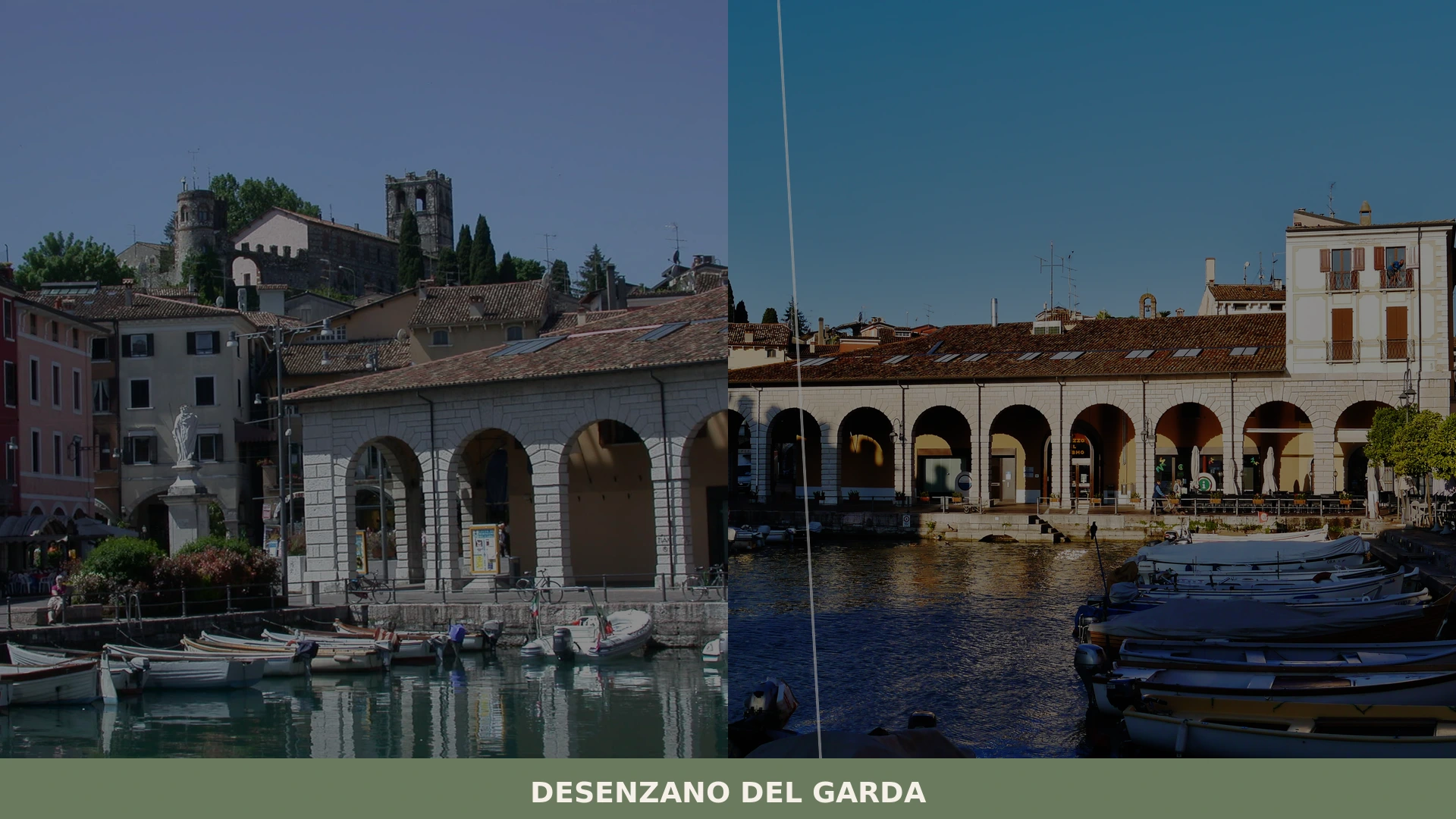
Visitors to Desenzano del Garda find themselves exploring the expansive Roman Villa, one of northern Italy’s most significant Roman sites, or wandering through the reconstructed Old Port, a vital commercial hub since 1454. The Desenzano del Garda highlights include its ancient history, scenic lakeside setting, and lively squares.
History of Desenzano del Garda
The area now known as Desenzano del Garda holds evidence of human settlement dating back to the Bronze Age, making it a site of long-standing human presence. By the first century BCE, the region around Lake Garda, including Desenzano, became a favored retreat for the affluent élite of Verona, then a prominent Roman city in northeastern Italy.
The town’s name, Desenzano, is theorized to originate from ‘Decentius,’ believed to be the Latin name of the owner of a significant fourth-century Roman farm and villa, which remains a key archaeological site today. An alternative popular etymology connects the name to the town’s position stretching along a hilly slope, suggesting a link to the word ‘descent’.
The strategic importance of Desenzano del Garda continued into the medieval period, leading to the construction of the Castello around 1000 CE.
This fortification was designed to protect the local populace from bandit raids and Hungarian incursions, its layout mirroring the ancient Roman castrum design, later expanded in the 15th century. During the Venetian Republic’s control over this part of Italy, the Old Port was significantly rebuilt in 1454, transforming Desenzano into a major commercial center connecting with cities like Brescia, Mantova, and Verona. The town’s religious architecture also developed during this era, with the baroque Cathedral of St Mary Magdalene, designed by Giulio Todeschini, constructed between 1586 and 1611 upon the foundations of an earlier parish church.
The 19th century brought Desenzano del Garda into the heart of Italy’s unification struggles.
On June 24, 1859, Sardinian infantry divisions engaged elements of the Austrian Eighth Corps in a fierce battle near Madonna della Scoperta, Pozzolengo, and San Martino, the latter being an earlier name for Desenzano del Garda. This engagement was a crucial component of the larger Battle of Solferino during the Second Italian War of Independence, contributing significantly to the eventual unification of Italy eleven years later.
The town faced further conflict during the Third Italian War of Independence, enduring bombardment by the Austrian navy. Desenzano del Garda has also been home to notable figures, including the poet and librettist Angelo Anelli, born in 1761, whose work influenced operas by Rossini and Donizetti, and more recently, Olympic gold medalist sprinter Marcell Jacobs, who grew up here, alongside athletes Sonny Colbrelli and Alessandro Michieletto.
What to see in Desenzano del Garda, Lombardia: top attractions
The Cathedral of St Mary Magdalene
The Cathedral of St Mary Magdalene stands prominently with its baroque facade, a design attributed to Giulio Todeschini.
Construction commenced in 1586 on the site of an older parish church, reaching completion in 1611. Visitors observe the architectural elements typical of the late Renaissance and early Baroque periods, including its grand interior spaces. The cathedral serves as a central point of local religious life and offers a glimpse into the artistic patronage of the era, particularly during its patron saint’s feast day.
Its location near the historic center makes it easily accessible for those exploring the town on foot.
The House of St Angela Merici
The House of St Angela Merici offers a direct connection to the patron saint of Desenzano del Garda, born in 1474 in the nearby village of Grezze. This site provides insight into the life and origins of the founder of the Ursuline Order, a significant figure in Catholic history. While the exact structure may have evolved, the house preserves the memory of her early years and vocation. Visitors can reflect on her legacy and the impact she had on education and spiritual life, particularly relevant during the annual patron feast on January 27th.
The simple architecture reflects the period of her birth and upbringing.
The Tower of St Martin (Torre di San Martino)
The Tower of St Martin, locally known as Torre di San Martino, commemorates a pivotal moment in Italian history, specifically the Battle of San Martino on June 24, 1859. This imposing structure, standing 70 m (230 ft) high, offers panoramic views of the surrounding area, including the battlefields that led to Italian unification. Visitors can ascend the tower to appreciate the strategic landscape and understand the scale of the conflict. The site includes a museum that details the events of the Second Italian War of Independence, providing historical context for the unification movement.
It is located a short distance from the town center and offers a clear vantage point.
The Museum of Archaeology (Museo Civico Archeologico)
The Museum of Archaeology, or Museo Civico Archeologico, houses a collection of artifacts that illuminate the ancient past of Desenzano del Garda and its environs. The exhibits span from the Bronze Age, showcasing early settlements, to the Roman era, with particular emphasis on discoveries from the local Roman Villa.
Visitors can examine pottery, tools, and other daily objects that provide tangible evidence of life over millennia. The museum offers a structured overview of the region’s archaeological heritage, complementing a visit to the actual Roman excavation site. It serves as a vital educational resource for understanding the area’s deep historical layers.
Roman Villa Densenzano (La Villa Romana)
The Roman Villa Densenzano, or La Villa Romana, represents one of northern Italy’s most extensive and important Roman archaeological complexes, covering an area of 11,000 square meters (118,400 sq ft). Constructed in the first century BCE, the villa remained occupied until the fifth century, with its final stage believed to be built by Flavius Magnus Decentius. Discovered in the 1920s, the site allows visitors to walk among the remains of opulent mosaic floors and structural foundations, offering a direct encounter with Roman domestic life.
The intricate mosaics depict mythological scenes and geometric patterns, providing artistic and historical insights.
This significant historical monument is easily accessible from the town center.
Local food and typical products of Desenzano del Garda
The gastronomic traditions of Desenzano del Garda are shaped by its location on the southwestern shore of Lake Garda, within the Lombardia region. This position naturally integrates freshwater fish into the local diet, alongside agricultural products cultivated in the surrounding plains and hills. The area also benefits from a long history of olive cultivation, yielding high-quality olive oil that forms a staple of regional cooking. Culinary influences extend from the broader Lombard cuisine, often characterized by rice and polenta, to elements shared with neighboring Veneto due to historical trade routes and Venetian control. This blend creates a distinctive yet recognizable flavor profile.
While specific traditional dishes for Desenzano del Garda are not detailed in the provided sources, the presence of numerous open-air cafés, shops, gelaterie (ice-cream parlours), and bars in the city center suggests a vibrant local food scene. Visitors can expect to find establishments offering a variety of Italian staples, including freshly made pasta and locally sourced ingredients that reflect the agricultural bounty of Lombardia and the freshwater offerings of Lake Garda. The popularity of gelaterie indicates a strong appreciation for artisanal ice cream, a common delight across Italy, enjoyed in the town’s central squares such as Piazza Malvezzi and Piazza Matteotti.
The local culinary experience is centered around accessible, enjoyable dining options.
The provided sources do not specify any certified food products unique to Desenzano del Garda or its immediate vicinity.
However, given its location in Lombardia, the broader regional agricultural output often includes various protected designation of origin (PDO) and protected geographical indication (PGI) products, particularly cheeses and cured meats from the wider Brescia province. Without explicit confirmation, it is not possible to list specific certified products directly associated with Desenzano del Garda itself. Visitors interested in regional specialties should inquire locally about products from the wider Lake Garda area or the province of Brescia, such as olive oil or local wines.
Information regarding specific food fairs or markets with documented dates and locations in Desenzano del Garda is not available in the provided sources. However, as is common in Italian towns, local markets typically offer fresh produce, regional cheeses, and other foodstuffs on specific days of the week, providing an opportunity for visitors to experience local commerce.
These markets are often a good place to find seasonal ingredients and artisanal products from the surrounding agricultural areas. For specific market schedules or any seasonal food events, local tourism information points would be the primary resource.
Festivals, events and traditions of Desenzano del Garda
Desenzano del Garda celebrates its patron saint, Sant’Angela Merici, with an annual feast day on January 27th.
Sant’Angela Merici, born in the nearby locality of Grezze, is revered as the founder of the Ursuline Order. While the sources do not detail the specific unfoldment of the festivities, patron saint days in Italy typically involve religious observances, including masses and sometimes processions. These events often bring together the local community in a shared expression of tradition and faith, reflecting centuries-old customs. Visitors present during this time can observe a significant aspect of local cultural and spiritual life.
Beyond the patron saint’s day, the provided information does not detail other specific festivals, events, or documented traditions for Desenzano del Garda.
However, as a significant tourist destination on Lake Garda, the city’s main squares, Piazza Malvezzi and Piazza Matteotti, are known to be crowded with people in the summer, suggesting a lively atmosphere. This general vibrancy often translates into seasonal events, concerts, or local gatherings, particularly during peak tourist months. For up-to-date information on any contemporary cultural events or markets, consulting the official Desenzano tourism website would be advisable for visitors planning their trip.
Planning Your Visit: When and what to see in Desenzano del Garda
The question of the best time to visit Lombardia, and specifically Desenzano del Garda, Lombardia, Italy, largely depends on desired activities.
The summer months, when Piazza Malvezzi and Piazza Matteotti are crowded, offer a lively atmosphere for nightlife and lakeside activities. However, for those who prefer milder temperatures and fewer crowds, the spring (April-May) and autumn (September-October) seasons are ideal. During these periods, the climate is pleasant for exploring historical sites and enjoying views of the Alps from the southern shore of Lake Garda without the peak tourist rush.
The town’s altitude of 67 m (220 ft) above sea level ensures a relatively mild lakeside climate throughout much of the year, making it suitable for various visitor types. The town’s general terrain is relatively flat around the lakefront and main squares, making it stroller-friendly for families. For those planning a broader tour of Lombardia, extending beyond Lake Garda to areas like Lake Como presents a different yet equally rewarding experience with its alpine backdrop.
Visitors wondering how to get to Desenzano del Garda have several convenient options. The town is directly accessible via the A4 motorway, which connects Milan and Venice, with its own dedicated exit. For those traveling by rail, the Desenzano del Garda-Sirmione railway station provides connections to the broader European railway system, making train travel a practical choice from major Italian cities like Milan or Venice.
The station is located on the south-western outskirts of the city.
Several airports serve the region, including Valerio Catullo Airport, 37 km (23 mi) to the east, and Bergamo Orio al Serio Airport, 78 km (48 mi) to the northwest. Further options include Linate Airport, 110 km (68 mi) to the west, Venice Marco Polo Airport, 161 km (100 mi) to the east, and Malpensa Airport, 165 km (103 mi) to the northwest, offering international access. For a day trip from the nearest major city, Verona is a short train ride away.
For international visitors, it is advisable to carry some Euros cash, especially for smaller shops or local markets, as card payments may not always be universally accepted. While English is often understood in major tourist-oriented establishments, knowing a few basic Italian phrases can enhance interactions in smaller, family-run businesses.
Consulting the official Desenzano del Garda municipality website provides further local information and updates. Planning travel in advance, especially during peak season, is recommended for securing accommodation and transportation.
Where to stay near Desenzano del Garda
Desenzano del Garda offers a variety of accommodation options for visitors, catering to different preferences and budgets.
The town is home to 27 major hotels, providing a range of choices from luxury establishments to more modest stays, many offering views of Lake Garda. In addition to hotels, visitors can find numerous bed and breakfasts, holiday rentals, and apartments, particularly in the areas surrounding the town center and along the lakeside. The presence of these options makes Desenzano a practical base for exploring the southern shore of Lake Garda and undertaking day trips to nearby towns. Booking in advance, especially during the summer and peak holiday seasons, is recommended due to the town’s popularity as a Southern European holiday destination.
Frequently asked questions about Desenzano del Garda
What is the best time to visit Desenzano del Garda?
The best time to visit Desenzano del Garda is typically during spring (April-May) and early autumn (September-October) for pleasant weather and fewer crowds, ideal for exploring historical sites and enjoying the lakeside. Summer months (June-August) offer a lively atmosphere with open-air cafés and events, perfect for enjoying Lake Garda, though it can be busier. The town celebrates its patron saint, Sant'Angela Merici, on January 27th. While this winter date might be quieter, it offers a glimpse into local traditions. Consider your preference for vibrant activity versus tranquil exploration.
What are the historical origins of Desenzano del Garda?
Desenzano del Garda boasts a rich history, with evidence of human settlement dating back to the Bronze Age. By the 1st century BCE, it became a favored retreat for the Roman elite, and its name is theorized to derive from 'Decentius,' a Roman villa owner. Strategic importance led to the construction of the Castello around 1000 CE, later expanded in the 15th century. The Old Port was rebuilt in 1454, establishing it as a major commercial hub. The town also played a role in the 19th-century Italian unification struggles, including the Battle of San Martino.
What to see in Desenzano del Garda? Main monuments and landmarks
Desenzano del Garda offers several significant landmarks. Explore the expansive Roman Villa Densenzano, one of northern Italy's most important Roman sites, featuring opulent mosaic floors. Visit the baroque Cathedral of St Mary Magdalene, built between 1586 and 1611, located in the historic center. Ascend the Tower of St Martin (Torre di San Martino), a 70m high monument commemorating a pivotal battle, offering panoramic views. Don't miss the Museum of Archaeology for artifacts from the Bronze Age to the Roman era, and the reconstructed Old Port. All these sites are easily accessible from the town center.
What are the main natural or scenic attractions of Desenzano del Garda?
Desenzano del Garda's primary natural and scenic attraction is the shimmering expanse of Lake Garda itself, offering clear views extending towards the distant Alps from its southern shore. The town's lakeside setting provides picturesque promenades and opportunities to enjoy the tranquil waters. While the area is described as part of the Lombard plain, the strategic vantage point from the Tower of St Martin offers comprehensive panoramic views of the surrounding landscape, including the historic battlefields and the lake.
Where to take the best photos in Desenzano del Garda?
For the best photos in Desenzano del Garda, focus on its scenic lakeside setting and historic charm. The reconstructed Old Port with its charming boats and buildings provides a picturesque backdrop. The lively central squares, Piazza Malvezzi and Piazza Matteotti, are ideal for capturing the town's vibrant atmosphere. Ascending the Tower of St Martin offers unparalleled panoramic views of Lake Garda, the surrounding plains, and the distant Alps, perfect for sweeping landscape shots. The Roman Villa's intricate mosaic floors also present unique photographic opportunities.
Are there museums, churches or historic buildings to visit in Desenzano del Garda?
Yes, Desenzano del Garda is rich in museums, churches, and historic buildings. You can visit the Cathedral of St Mary Magdalene, a notable Baroque church completed in 1611. The Museum of Archaeology (Museo Civico Archeologico) houses artifacts from the Bronze Age to the Roman era, complementing a visit to the extensive Roman Villa Densenzano. Other significant historic sites include the remains of the ancient Roman Villa itself, the medieval Castello, the reconstructed Old Port, and the Tower of St Martin, which also contains a museum detailing Italian unification history. The House of St Angela Merici offers insight into the patron saint's origins.
What can you do in Desenzano del Garda? Activities and experiences
In Desenzano del Garda, visitors can immerse themselves in history by exploring the expansive Roman Villa and the medieval Castello, or by visiting the Tower of St Martin and its museum. Enjoy leisure activities by strolling along the lakeside, wandering through the reconstructed Old Port, and experiencing the lively atmosphere of Piazza Malvezzi and Piazza Matteotti. The town's vibrant food scene invites you to relax at open-air cafés, gelaterie, and bars. Shopping and enjoying local culinary offerings, including freshwater fish and regional specialties, are also popular activities.
Who is Desenzano del Garda suitable for? Families, couples, hikers, solo travelers?
Desenzano del Garda is suitable for a diverse range of visitors. History enthusiasts and culture seekers will appreciate its rich past, from Bronze Age settlements to the extensive Roman Villa, medieval Castello, and significant historical monuments like the Tower of St Martin. Couples and solo travelers can enjoy the scenic lakeside setting, leisurely strolls, and the vibrant atmosphere of its lively squares with cafés and shops. Families will find accessible attractions and enjoyable dining options, including popular gelaterie. While not primarily a hiking destination due to its plain theme, it appeals to those seeking a blend of historical exploration, relaxation, and Italian charm by the lake.
What to eat in Desenzano del Garda? Local products and specialties
Desenzano del Garda's cuisine is influenced by its lakeside location and Lombard heritage. Expect to find fresh freshwater fish from Lake Garda, alongside high-quality olive oil from the surrounding hills. While specific certified products unique to Desenzano are not detailed, the broader regional output includes various PDO and PGI products, particularly cheeses and cured meats from the wider Brescia province, which visitors can inquire about locally. The town center features numerous gelaterie, offering artisanal Italian ice cream, and establishments serving Italian staples like freshly made pasta and dishes incorporating local agricultural products, including rice and polenta.
Getting there
Via Giosuu00e8 Carducci, 25015 Desenzano del Garda (BS)
Nearby Villages near Desenzano del Garda
 Mountain
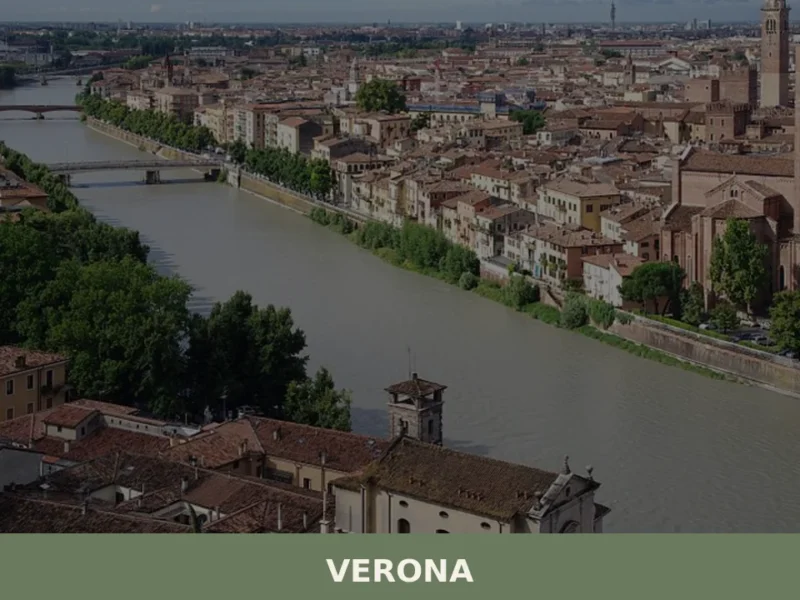
In Lombardy More villages to discover
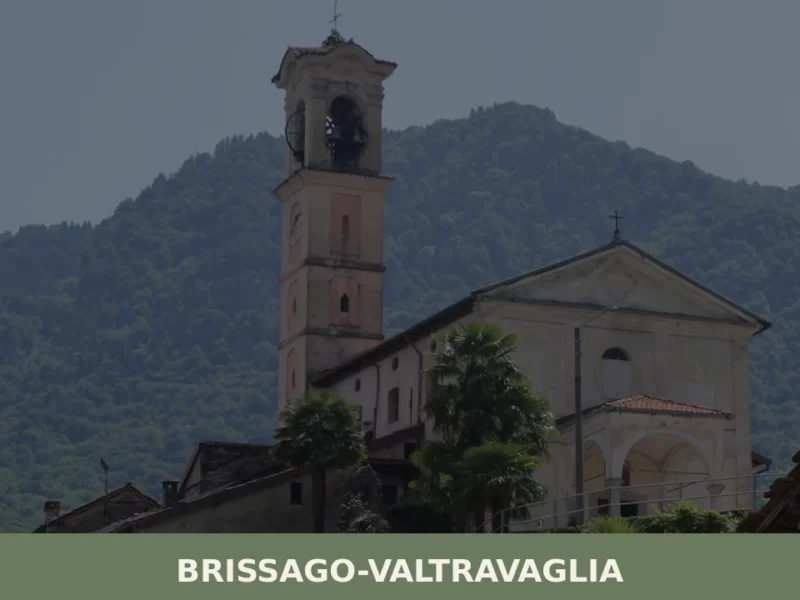
Brissago-Valtravaglia
 Hills
Hills
What to see in Brissago-Valtravaglia: village at 429m with 5 top attractions, Lombard cuisine and panoramic trails. Explore the complete guide now.
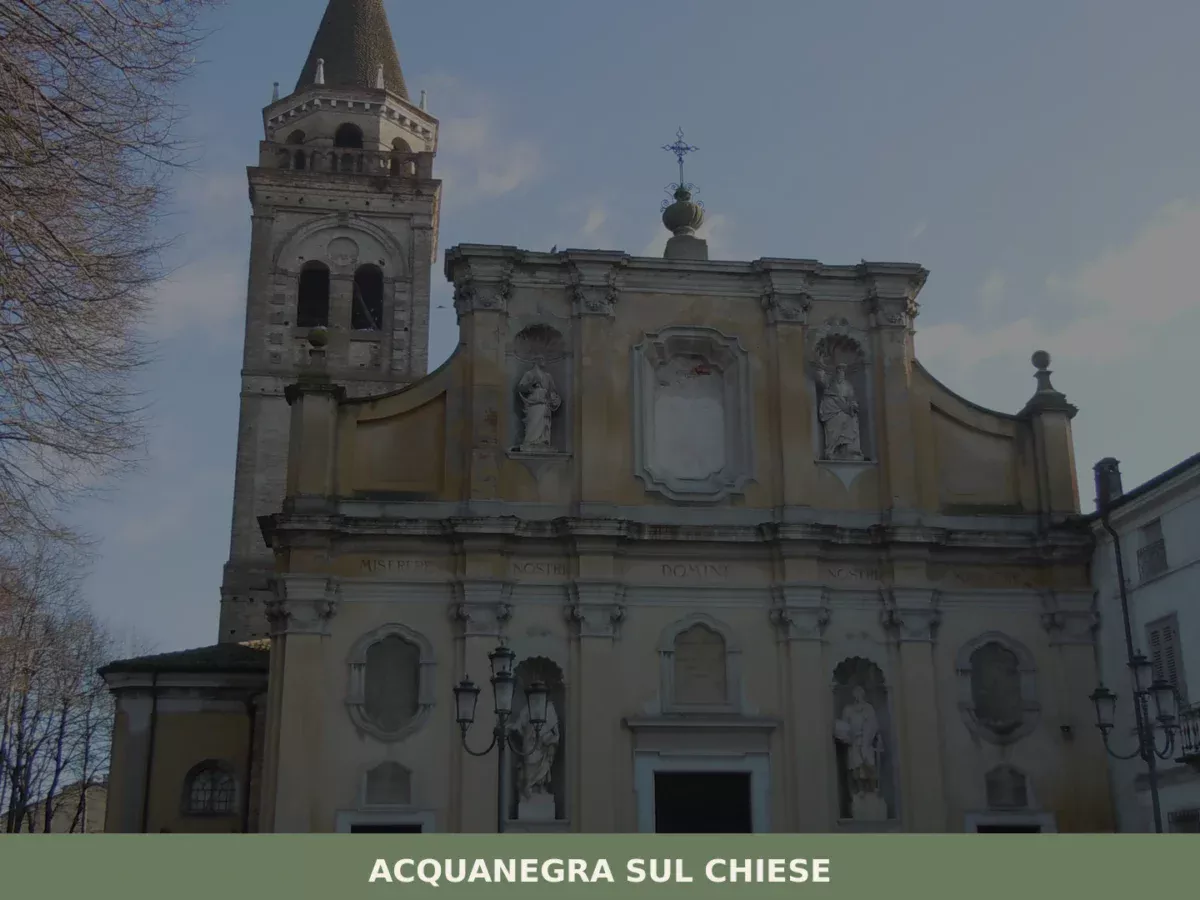
Acquanegra sul Chiese
Plains
What to see in Acquanegra sul Chiese, Lombardia, Italy — 100 km from Milan. Discover 5 top attractions, local food traditions, and how to get there. Explore now.
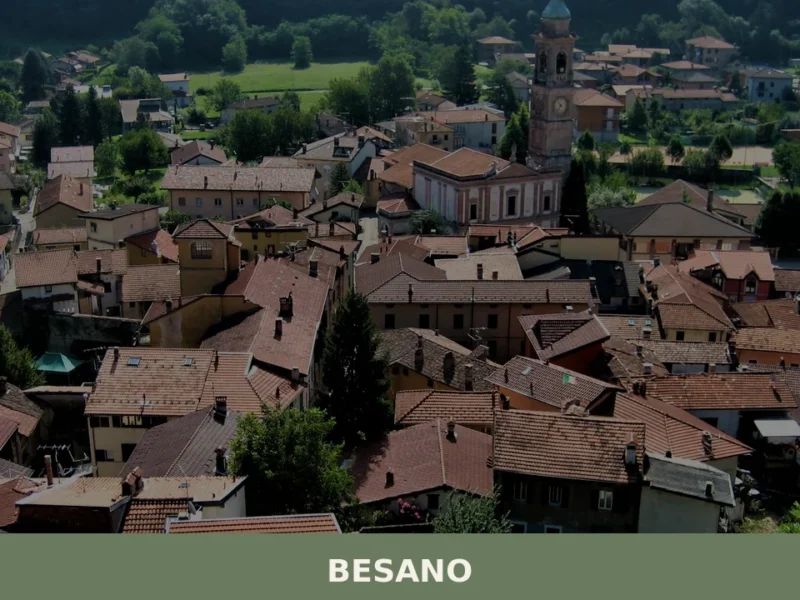
Besano
Hills
What to see in Besano, Italy: Explore the paleontological site and discover village life at 350 m (1,148 ft) a.s.l. Read our guide to Lombardy's unique corners.
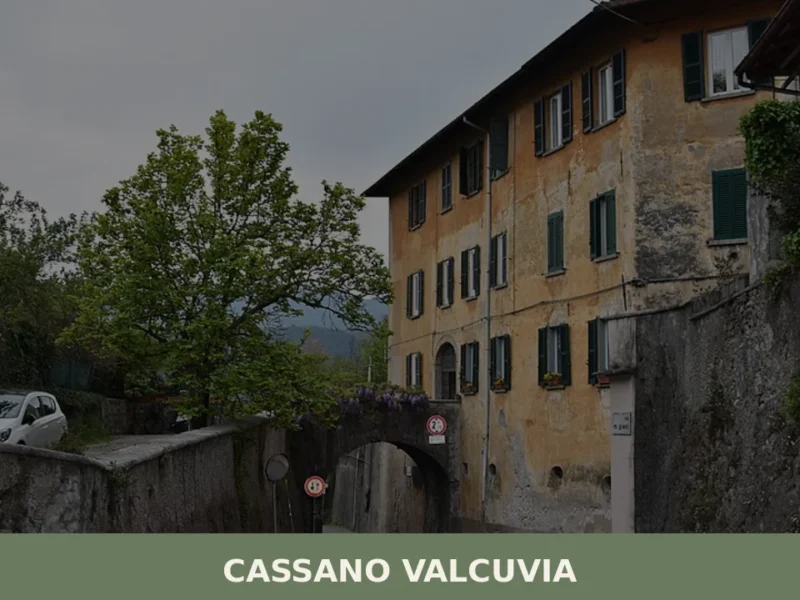
Cassano Valcuvia
Hills
What to see in Cassano Valcuvia: discover this village of 660 inhabitants amidst history and nature. Explore its historic center and hillside trails.
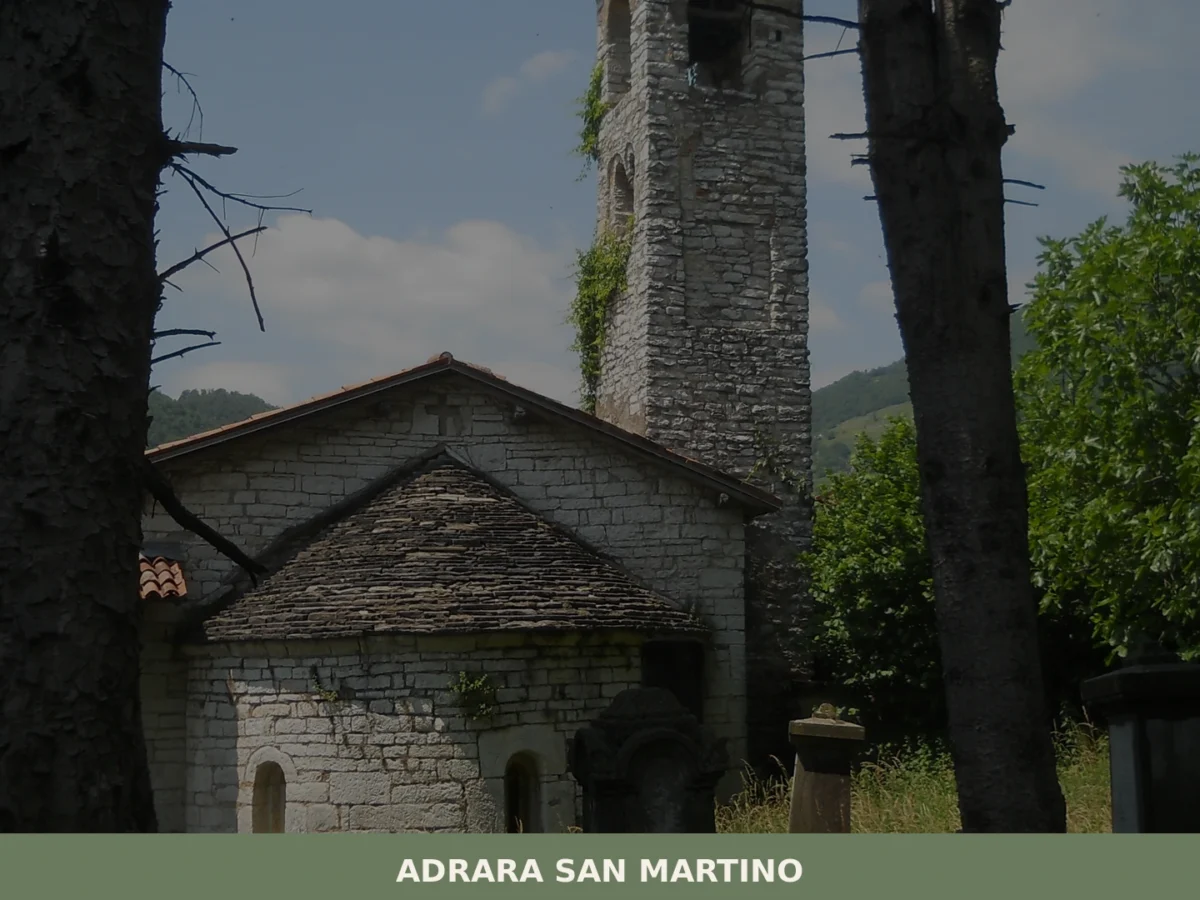
Adrara San Martino
Hills
What to see in Adrara San Martino? Discover the 5 must-see attractions of this Lombard village. The complete guide for your visit. Plan your trip!
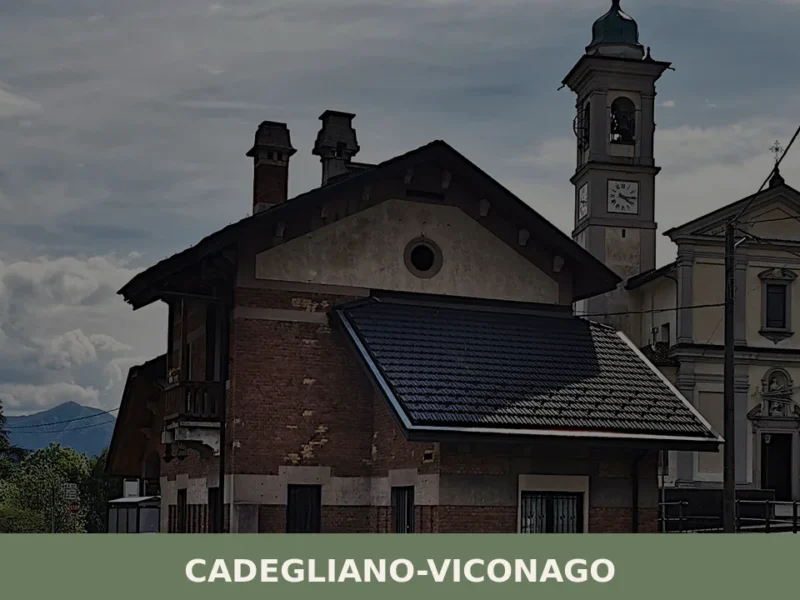
Cadegliano-Viconago
Hills
What to see in Cadegliano-Viconago: hilltop village at 414m, 2,155 residents. Two historic centres, chestnut woodland, views over Lake Lugano. Plan your visit with this complete guide.
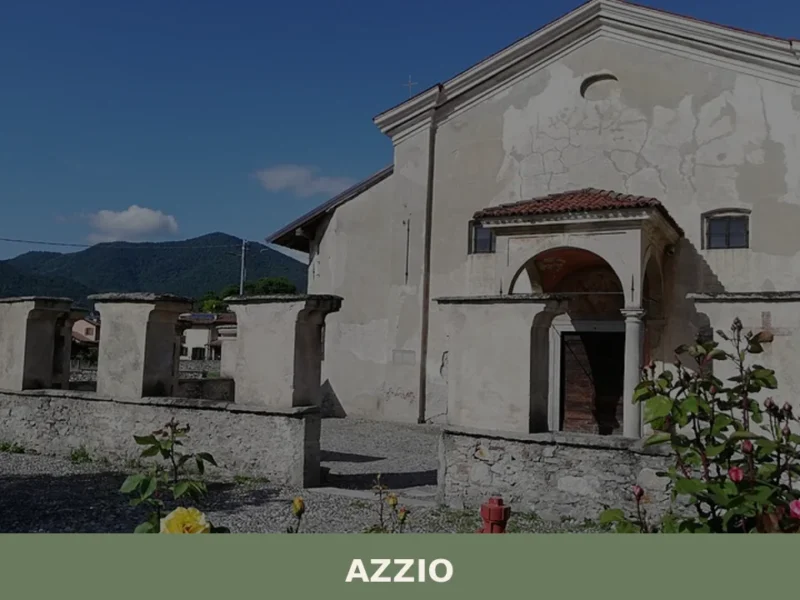
Azzio
Hills
What to see in Azzio: discover attractions like the Parish Church and the Path of the Rocks. Explore Azzio now!
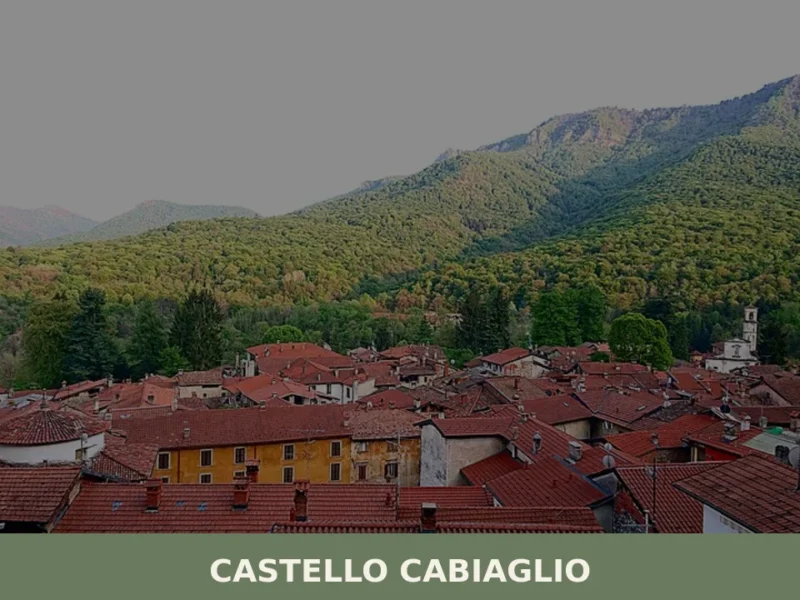
Castello Cabiaglio
Hills
What to see in Castello Cabiaglio: a hill village at 514m with 567 residents in Varese. Explore Sant'Appiano church, Campo dei Fiori trails and local porcini risotto. Plan your visit now.
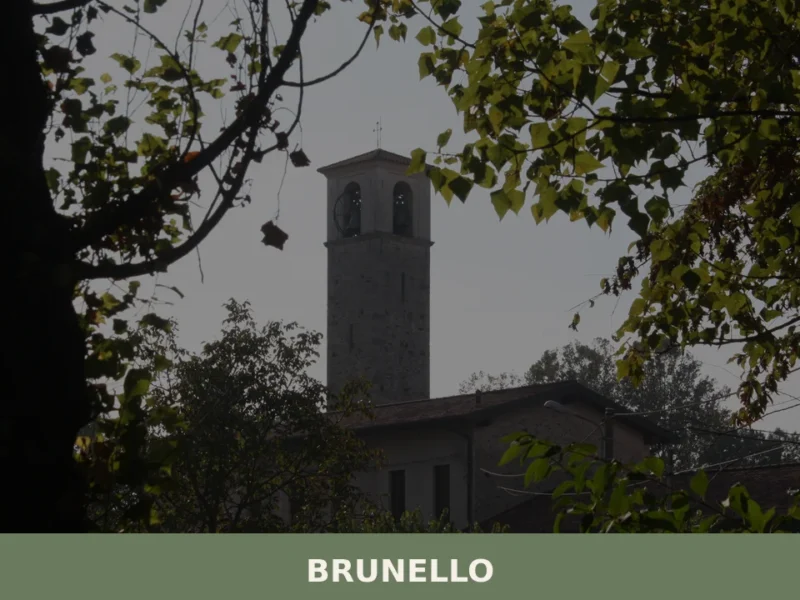
Brunello
Hills
What to see in Brunello, a village of 1,022 people in the province of Varese. Visit the Parish Church of San Giorgio, the Civic Tower and the Roggia Mulinara Trail. Plan your visit now.
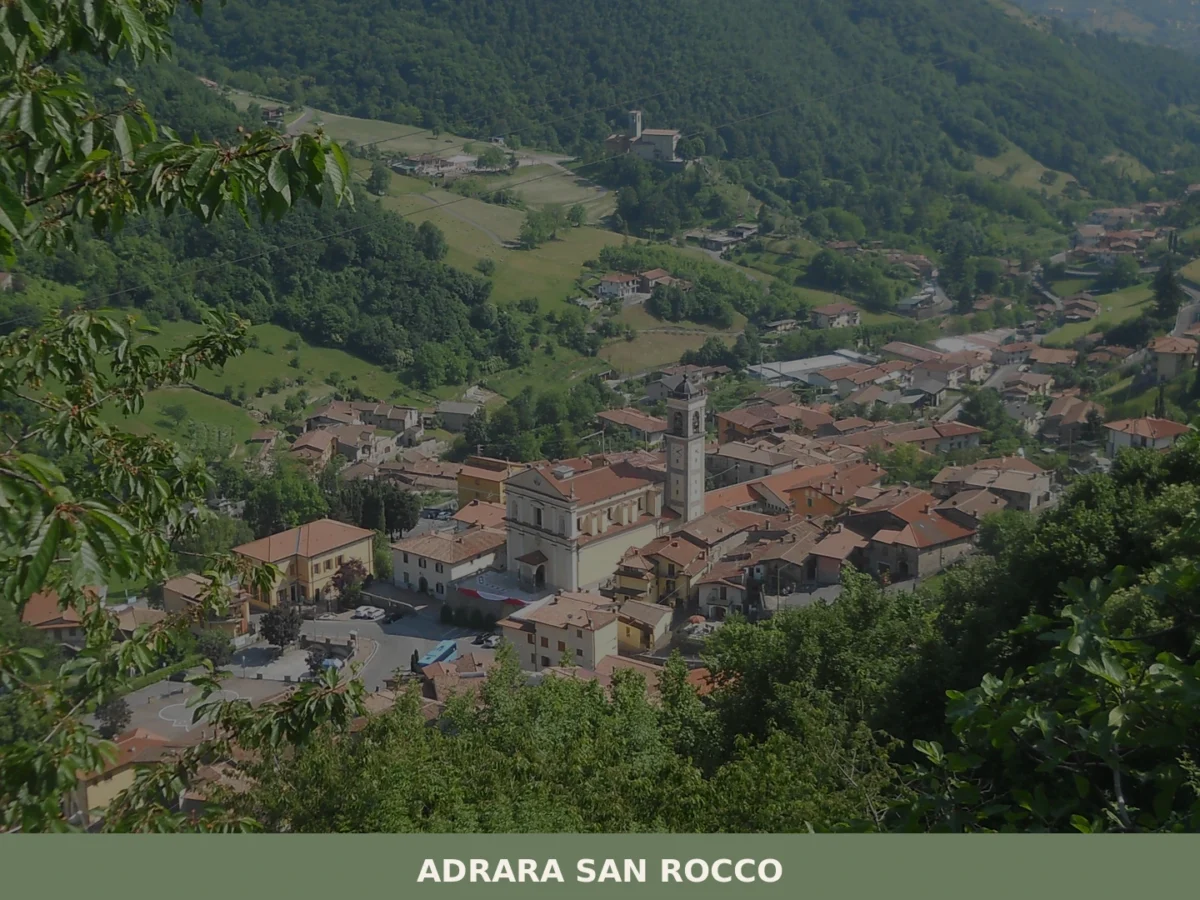
Adrara San Rocco
Hills
The long external staircase of the church of San Rocco rises above the Guerna river valley, its stone steps worn by five centuries of use since the building was consecrated in 1539. The valley cuts eastward from Bergamo, 25 kilometres (16 mi) away, deep into the territory of Monte Bronzone Sebino. A castle once stood […]
🧀 Italian traditional products




🏡 Know Desenzano del Garda better than we do?
If you’re a local or have been there, your knowledge matters: add what’s missing or fix a detail on this page.