


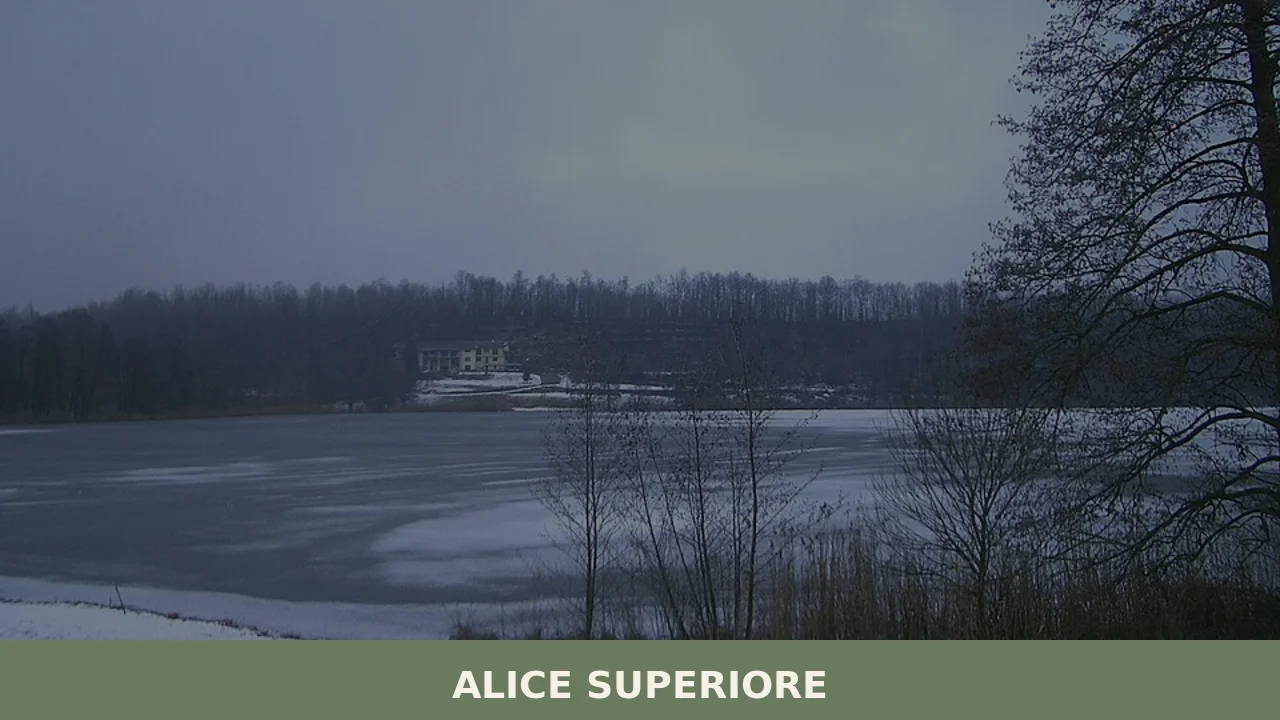
Alice Superiore
 Mountain
Alice Superiore sits at 610 metres above sea level in the Chiusella Valley, a lateral branch of the Canavese district within the Metropolitan City of Torino. Home to 711 inhabitants, the village occupies a stretch of sloping terrain where chestnut woods give way to Alpine pasture. For anyone researching what to see in Alice Superiore, […]
Discover Alice Superiore
Alice Superiore sits at 610 metres above sea level in the Chiusella Valley, a lateral branch of the Canavese district within the Metropolitan City of Torino. Home to 711 inhabitants, the village occupies a stretch of sloping terrain where chestnut woods give way to Alpine pasture. For anyone researching what to see in Alice Superiore, the answer begins with its compact medieval layout, its parish church, and a landscape defined by the geological reality of the morainic hills left behind by Pleistocene glaciers. The community’s identity is bound to small-scale agriculture, stone construction, and the rhythms of a valley that connects the Po plain to the mountains of the Gran Paradiso massif.
History of Alice Superiore
The toponym “Alice” likely derives from the Latin aliciae or a pre-Roman root connected to water or alder trees — both plausible given the watercourses that cut through the Chiusella Valley. Documentary evidence places the settlement within the feudal holdings of the Canavese during the medieval period, when the territory was contested between local lords and the expanding power of the Savoy dynasty. By the late Middle Ages, the distinction between Alice Superiore and its lower counterpart, Alice Inferiore — now known as Alice Superiore in administrative records — had been formalised, reflecting the common Piedmontese practice of splitting communes along elevation lines.
Under Savoy rule, the village functioned as a minor agricultural centre. Its economy depended on chestnuts, rye, and animal husbandry — an arrangement that persisted with little structural change through the 17th and 18th centuries. The Napoleonic period briefly reorganised the administrative map of the Canavese, but Alice Superiore returned to its prior boundaries after the Restoration. The 19th century brought modest population growth, followed by the same pattern of rural depopulation that affected much of the Piedmontese mountain zone after the Second World War. Today’s population of 711 reflects a community that has contracted but not collapsed, sustained in part by proximity to the industrial centres of Ivrea and Torino.
The Chiusella Valley’s broader history includes episodes of Waldensian presence and Counter-Reformation activity, both of which left marks on the religious architecture and social organisation of its communes. Alice Superiore’s built fabric — thick stone walls, narrow passages, slate-roofed houses — records these centuries of adaptation to a terrain that rewarded patience more than ambition.
What to See in Alice Superiore: 5 Key Attractions
Parish Church of San Giacomo
The parish church, dedicated to Saint James, anchors the village centre. Its structure incorporates elements from different construction phases, with a Romanesque foundation visible in the lower walls and later Baroque modifications to the nave and façade. Inside, the altarpiece and decorative programme reflect the devotional priorities of the Counter-Reformation era in the Canavese. The bell tower, built in local stone, serves as the village’s most recognisable vertical element.
The Medieval Borgo
Alice Superiore’s historic core preserves a compact arrangement of stone dwellings linked by narrow covered passages, locally called viae. Many buildings retain original features: arched doorways, external staircases, and drystone walls assembled without mortar. The settlement pattern follows the contour of the hillside, creating a layered effect when viewed from the valley floor — a functional response to terrain rather than deliberate aesthetic planning.
Chestnut Groves and Rural Paths
The chestnut forests surrounding Alice Superiore were cultivated for centuries as a primary food source and remain an integral part of the landscape. Marked footpaths connect the village to neighbouring hamlets and to higher ground, passing through groves where individual trees reach several metres in circumference. Autumn, when the canopy turns copper-brown and the harvest begins, is the most active season for these woods.
Chapel Network Along the Valley Trails
Scattered across the slopes above and around the village, small devotional chapels — piloni votivi and rural oratories — mark trail intersections and property boundaries. These structures, typically whitewashed with simple painted images of saints, document the religious geography of the Chiusella Valley. Several date to the 17th and 18th centuries, their frescoed surfaces worn but legible.
Panoramic Views Toward the Gran Paradiso
From the upper reaches of the village, clear sightlines extend northwest toward the peaks of the Gran Paradiso massif, the only mountain group exceeding 4,000 metres entirely within Italian borders. On days without haze, the glaciated summit is visible — a geographic fact that places Alice Superiore within the visual orbit of one of the Western Alps’ most significant landforms.
Local Food and Typical Products
The cuisine of Alice Superiore follows the Canavese mountain tradition, which relies heavily on chestnuts, dairy, and foraged ingredients. Chestnut flour appears in bread, polenta, and desserts, including castagnaccio, a dense cake made without refined sugar. Toma cheese, produced from the milk of cows grazed on valley pastures, is the principal dairy product — ranging from soft and fresh to hard and aged depending on the season. Soups built from root vegetables, barley, and beans constitute everyday fare during the colder months. The Piemonte regional tourism board lists the Canavese as a recognised area for traditional mountain gastronomy.
Wine production in the immediate vicinity is limited by altitude, but the lower Canavese — particularly around Carema and Caluso — produces notable wines under DOC designation, including the white Erbaluce di Caluso. Local agriturismi and small trattorias in and around Alice Superiore serve meals that depend on seasonal availability. Wild herbs, mushrooms (especially porcini in autumn), and honey from valley apiaries round out a diet shaped entirely by elevation and climate.
Best Time to Visit Alice Superiore
Late spring — May through mid-June — offers the clearest conditions for walking the trails and viewing the surrounding peaks, with long daylight hours and wildflowers in the meadows above the chestnut line. Autumn, from late September through October, brings the chestnut harvest and the most dramatic colour in the valley’s deciduous forests. Local festivals tied to the agricultural calendar, including chestnut fairs common across the Canavese, typically take place in October and November. Winters are cold at 610 metres, with occasional snowfall that can limit access to higher paths but lends the stone village a stark, photographic quality. Summers are warm but not extreme, making July and August viable for hikers heading toward the Gran Paradiso approaches.
Visitor infrastructure is limited: there are no large hotels in the village, and accommodation tends toward small guesthouses or agriturismi in the surrounding valley. Planning ahead is advisable, particularly during autumn weekends when food festivals draw day-visitors from Torino and Ivrea.
How to Get to Alice Superiore
Alice Superiore is located approximately 55 kilometres north of Torino. By car, the most direct route follows the A5 motorway (Torino–Aosta) to the Ivrea exit, then proceeds northwest along provincial roads into the Chiusella Valley — a drive of roughly one hour from central Torino. From Milano, the journey covers about 145 kilometres and takes approximately two hours via the A4 and A5 motorways. The nearest railway station with regular service is in Ivrea, connected to the Torino–Aosta line operated by Trenitalia; from Ivrea, local bus services or a private vehicle are needed to cover the remaining 20 kilometres into the valley. Torino-Caselle Airport (TRN) is the closest commercial airport, roughly 65 kilometres to the south. Milano Malpensa (MXP), at approximately 140 kilometres, is the nearest major international hub.
More Villages to Discover in Piemonte
The Chiusella Valley and the wider Canavese contain a network of small communes that share Alice Superiore’s architectural character and agricultural heritage. Downstream, the valley opens toward Ivrea and the morainic amphitheatre that defines the region’s geography. For those exploring what to see in Alice Superiore and its surroundings, the neighbouring settlements offer additional layers of the same historical and environmental narrative — stone villages where the relationship between terrain and daily life remains legible.
Further afield in Piemonte, communities such as Lugnacco, located in the same valley system, preserve similar rural traditions and ecclesiastical architecture. To the south, Vidracco offers another perspective on life in the pre-Alpine foothills, with its own distinct history and landscape. Together, these villages form a constellation of small settlements that repay slow, attentive exploration — each one a concrete record of how Piedmontese mountain communities built, farmed, and survived across centuries of limited resources and demanding geography.
Frequently asked questions about Alice Superiore
What is the best time to visit Alice Superiore?
Late spring (May to mid-June) is ideal for hiking the valley trails, with wildflowers in bloom and clear views toward the Gran Paradiso. Autumn (late September through October) is the most characterful season: chestnut groves turn copper-brown, the harvest is underway, and chestnut fairs typical of the Canavese area take place in October and November. The village's patron saint, Martino di Tours, is celebrated on 11 November, coinciding with the heart of chestnut season. Summer is pleasant for walking; winter brings occasional snow and a stark beauty to the stone borgo.
What are the historical origins of Alice Superiore?
The toponym 'Alice' likely derives from a Latin or pre-Roman root connected to water or alder trees, reflecting the watercourses of the Chiusella Valley. During the medieval period the settlement belonged to the feudal holdings of the Canavese, contested between local lords and the Savoy dynasty. The administrative split between Alice Superiore and Alice Inferiore formalised a common Piedmontese practice of dividing communes by elevation. The village's economy — chestnuts, rye, animal husbandry — changed little until post-war rural depopulation reduced its population to today's 711 inhabitants.
What to see in Alice Superiore? Main monuments and landmarks
The parish church of San Giacomo anchors the village centre, combining a Romanesque foundation with Baroque modifications to the nave and façade; its stone bell tower is the borgo's most recognisable landmark. The medieval historic core preserves narrow covered passages, arched doorways, external staircases, and drystone walls. Scattered across the surrounding slopes, 17th- and 18th-century devotional chapels — piloni votivi and rural oratories — mark trail intersections with worn but legible frescoes. From the upper village, clear sightlines extend northwest to the glaciated summit of Gran Paradiso on fine days.
What are the main natural or scenic attractions of Alice Superiore?
The chestnut forests surrounding the village were cultivated for centuries and remain central to the landscape, with marked footpaths connecting Alice Superiore to neighbouring hamlets and higher-altitude pastures. Individual chestnut trees reach remarkable circumferences along these trails. The morainic hills — remnants of Pleistocene glaciers — shape the terrain throughout the Chiusella Valley. At higher elevations, Alpine meadows open up toward the Gran Paradiso massif, the only mountain group exceeding 4,000 metres entirely within Italian territory, visible from the village on clear days.
Where to take the best photos in Alice Superiore?
The upper part of the village offers the most rewarding panoramic shots, with unobstructed sightlines northwest toward the Gran Paradiso glaciers — best photographed in morning light. The layered roofscape of the medieval borgo, seen from the valley floor, captures the contour-following settlement pattern characteristic of Piedmontese mountain villages. In autumn, the chestnut groves on the slopes surrounding the village provide dramatic colour backdrops, particularly in October when the canopy turns copper-brown against the slate rooftops.
Are there museums, churches or historic buildings to visit in Alice Superiore?
The parish church of San Giacomo is the principal historic building open to visitors, with a Romanesque structural base, Baroque interior modifications, and an altarpiece reflecting Counter-Reformation devotional traditions of the Canavese. The medieval borgo itself functions as an open-air architectural document, with drystone construction, covered passages, and arched doorways dating from different periods. The network of rural chapels and piloni votivi scattered along the valley trails — several retaining 17th- and 18th-century frescoes — constitutes the village's most extensive historic heritage outside the centre. Specific opening hours are not formally published.
What can you do in Alice Superiore? Activities and experiences
Hiking is the primary activity, with marked footpaths through chestnut groves connecting the village to neighbouring hamlets and higher Alpine terrain toward the Gran Paradiso approaches. Autumn visits can be combined with the chestnut harvest and local food fairs common across the Canavese in October and November. Birdwatching and foraging for porcini mushrooms are seasonal draws. Small agriturismi and trattorias in and around the valley offer meals based on strictly local and seasonal ingredients. Day trips to Ivrea (20 km) and the Erbaluce wine zone around Caluso extend cultural and gastronomic options.
Who is Alice Superiore suitable for? Families, couples, hikers, solo travelers?
Alice Superiore suits hikers and nature lovers who appreciate quiet mountain landscapes over organised tourism. The marked trail network through chestnut forests and toward higher ground makes it particularly rewarding for walkers of moderate fitness. Couples and slow-travel enthusiasts drawn to medieval stone villages, rural gastronomy, and panoramic Alpine views will find the atmosphere genuinely unspoilt. Families with older children can explore the footpaths and devotional chapel network comfortably. The village is not suited to visitors expecting hotels, nightlife, or structured visitor facilities — accommodation is limited to small guesthouses and agriturismi.
What to eat in Alice Superiore? Local products and specialties
The local table follows the Canavese mountain tradition. Chestnut flour is used in bread, polenta, and castagnaccio — a dense, sugar-free cake. Toma cheese, made from valley-grazed cow's milk, is produced in both fresh and aged versions. Hearty winter soups combine root vegetables, barley, and beans. Porcini mushrooms, foraged in autumn, and local honey from valley apiaries are seasonal staples. The nearest DOC wine zone — Erbaluce di Caluso, a notable white, and Carema red — lies in the lower Canavese, easily reached for a half-day food and wine excursion from Alice Superiore.
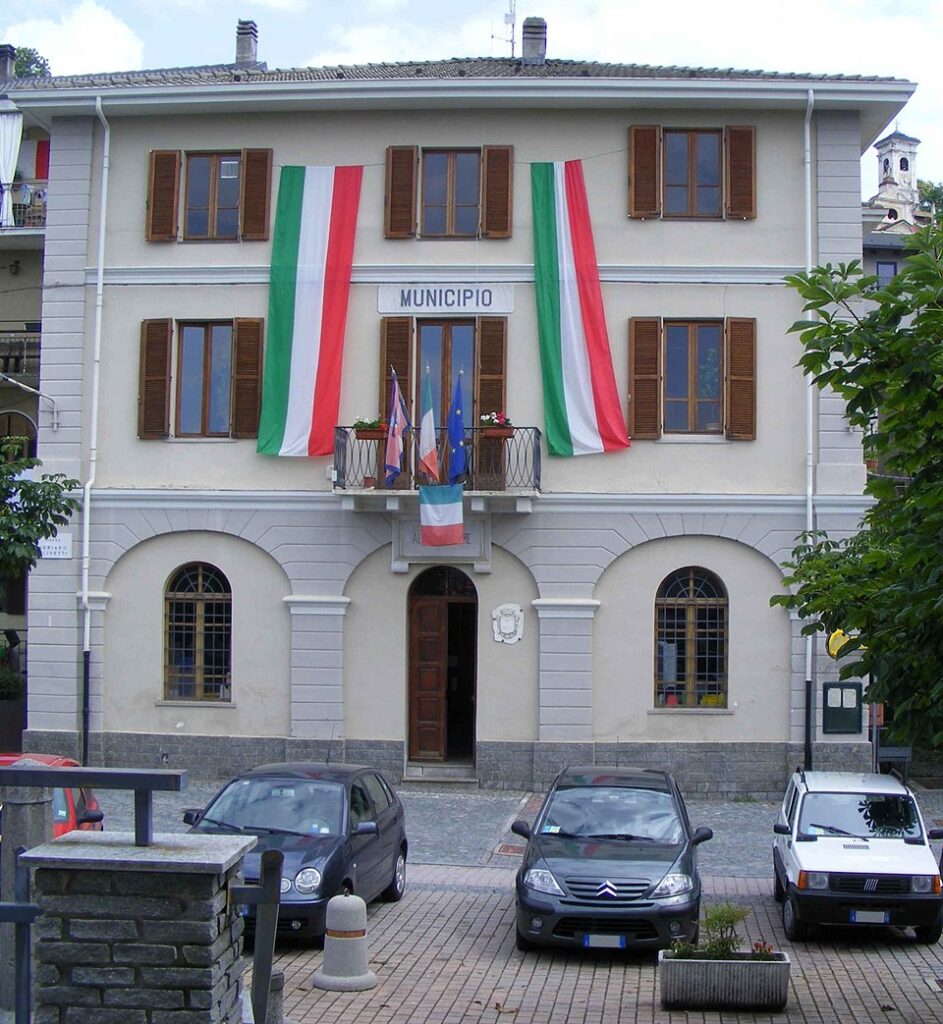
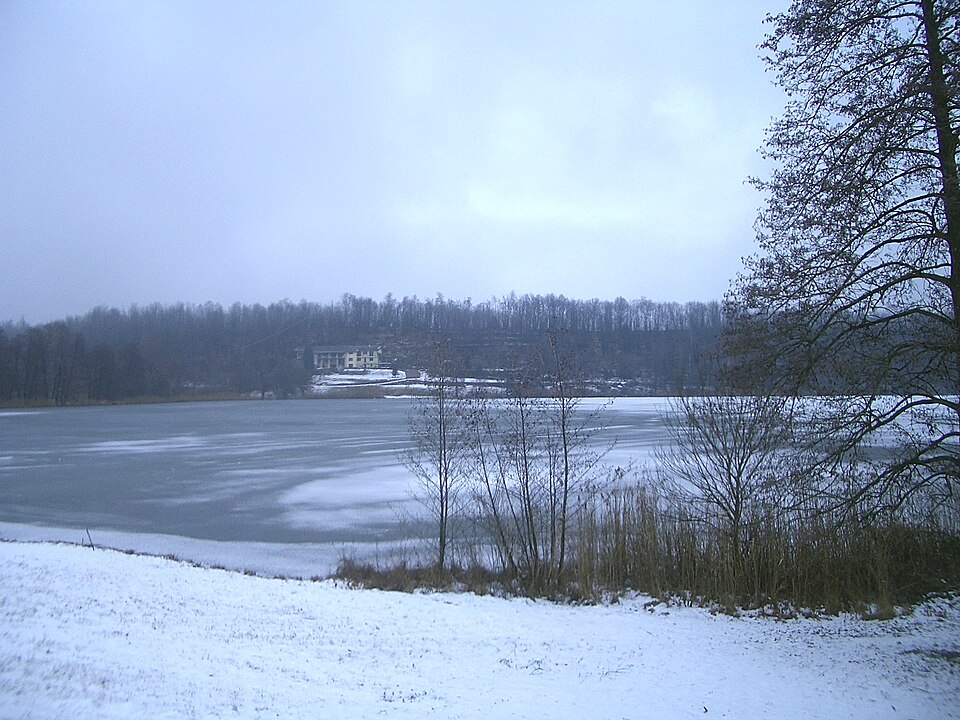
📷 Photo Gallery — Alice Superiore
Getting there
Piazza Adriano Olivetti, 10010 Alice Superiore (TO)
Nearby Villages near Alice Superiore
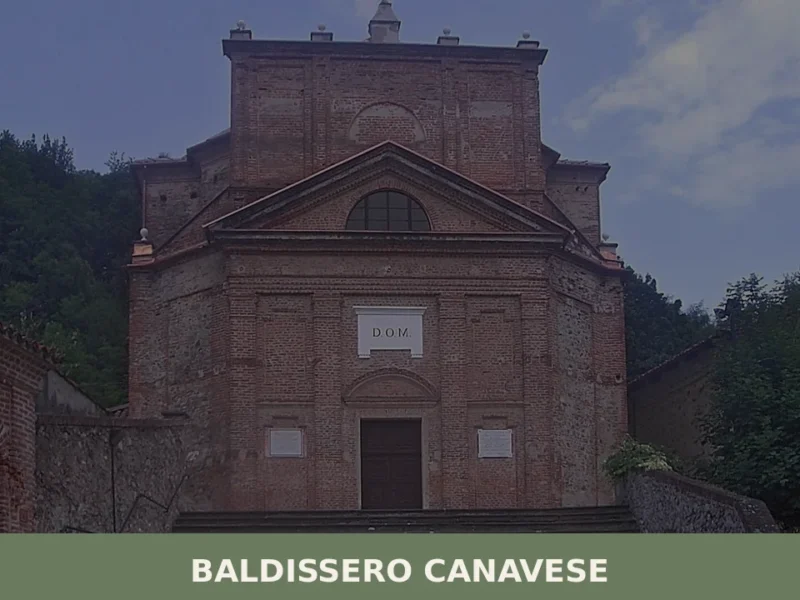
In Piedmont More villages to discover

Porte
 Hills
Hills
Discover what to see in Porte, a 1,108-inhabitant comune in the Metropolitan City of Turin with Occitan heritage, foothill walks, and Piedmontese food culture.
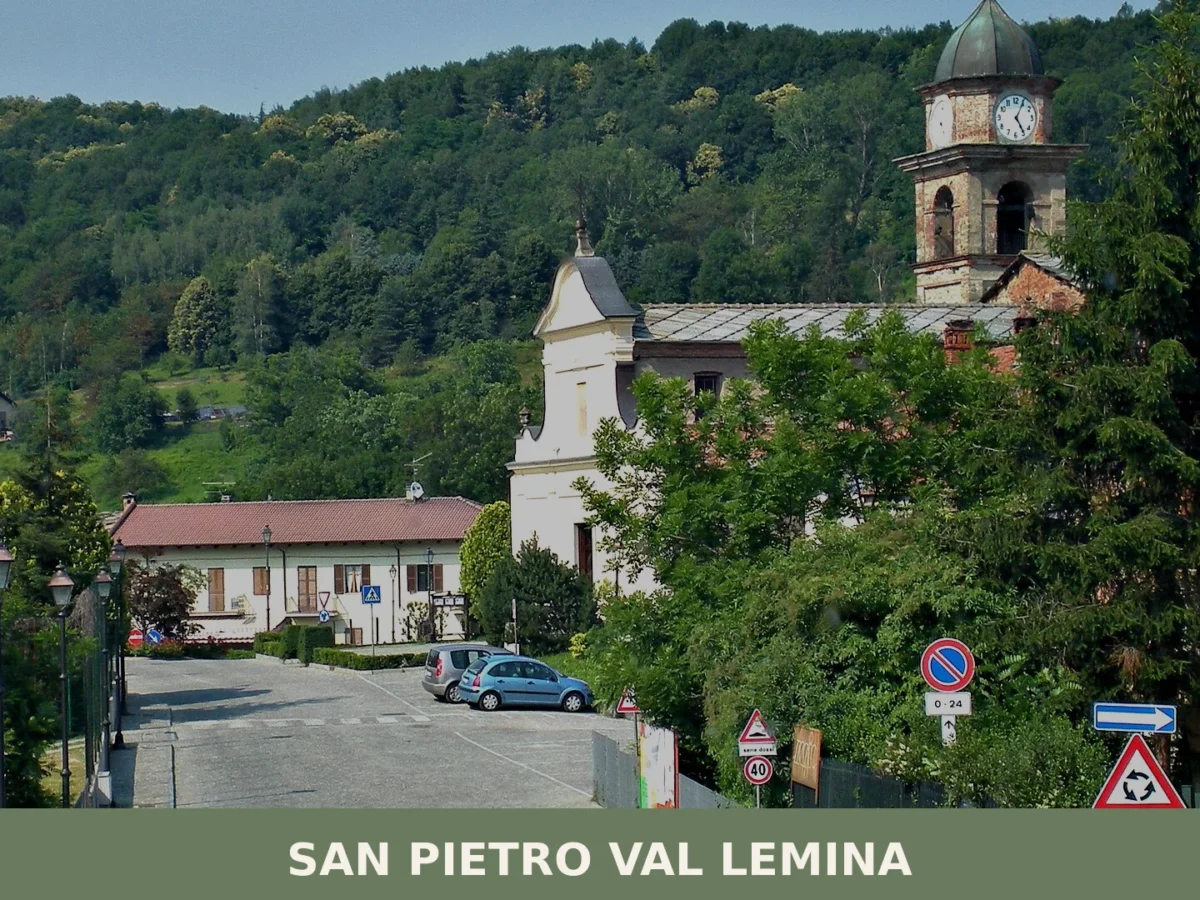
San Pietro Val Lemina
Mountain
Population 1,447. A small Turin commune where the Lemina torrent shaped settlement and identity, and where a landmark monument honors Piedmontese emigrants worldwide.
Campiglione Fenile
 Plains
Fifteen kilometres separate Campiglione Fenile from Pinerolo, and that distance is enough to create a perceptible shift: the noise of the city gives way to the compact silhouette of Piedmontese farmsteads, to the double-pitched roofs that cut across the Po Valley sky towards the Cottian Alps. In this article History and origins of Campiglione Fenile […]
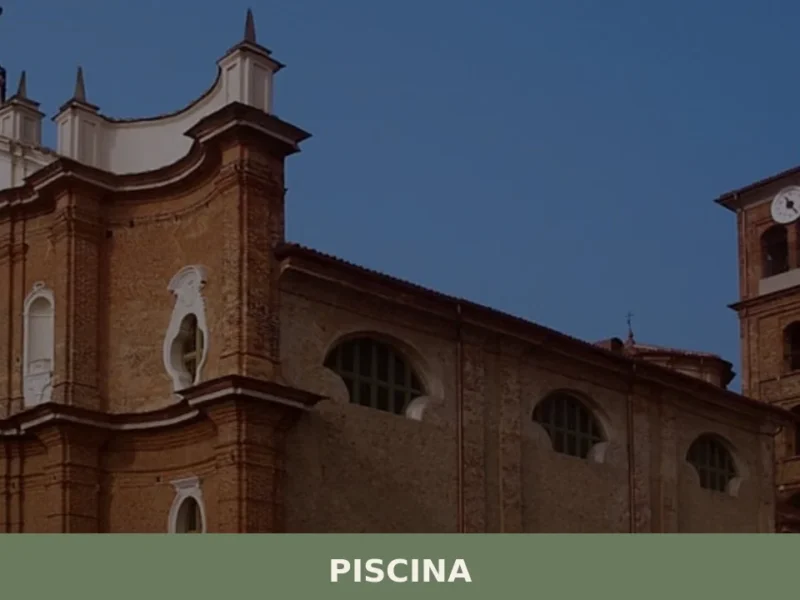
Piscina
Plains
Scopri Piscina borgo Piemonte: storia, tradizioni e attrazioni di questo affascinante comune piemontese tutto da esplorare.
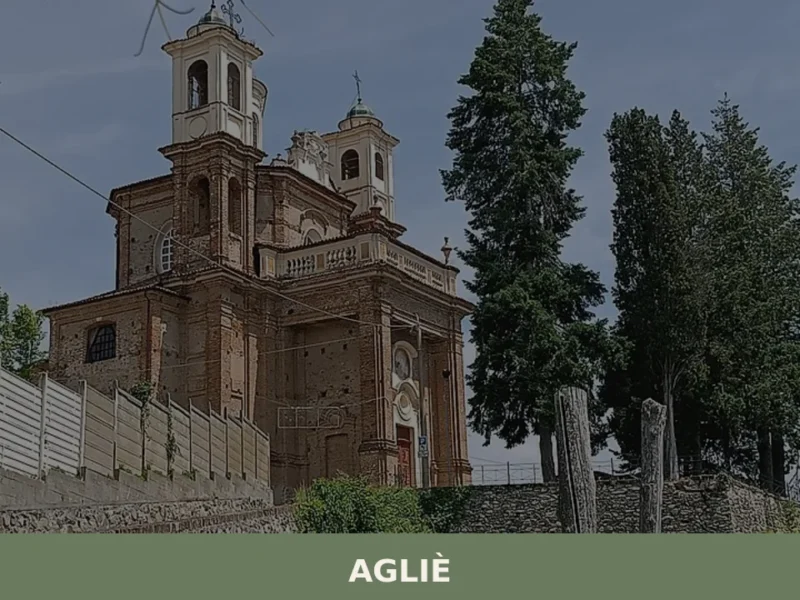
Agliè
Hills
In 1646, Count Filippo San Martino d’Agliè — diplomat, poet, choreographer at the court of Christine of France — danced in the great hall of the castle that bears his name, directing baroque festivities destined to reshape Savoyard court ceremony. That castle still dominates the village’s skyline today with its eighteenth-century façade stretching over one […]
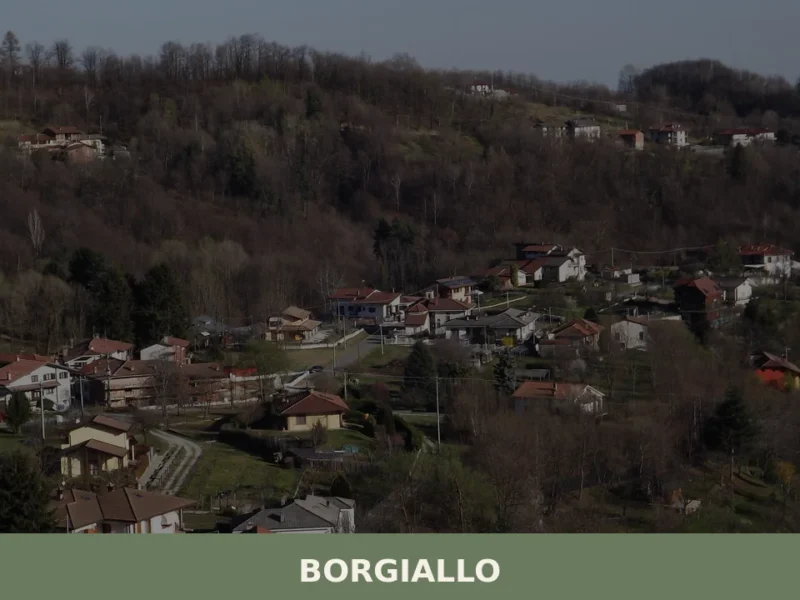
Borgiallo
Hills
Borgiallo has 579 inhabitants and sits at 540 metres above sea level on the hills of the Valle Sacra, in the province of Turin. Travellers who take the road climbing from Castellamonte towards the Canavese uplands find a compact settlement of stone and brick houses that follow the line of the ridge. Understanding what to […]
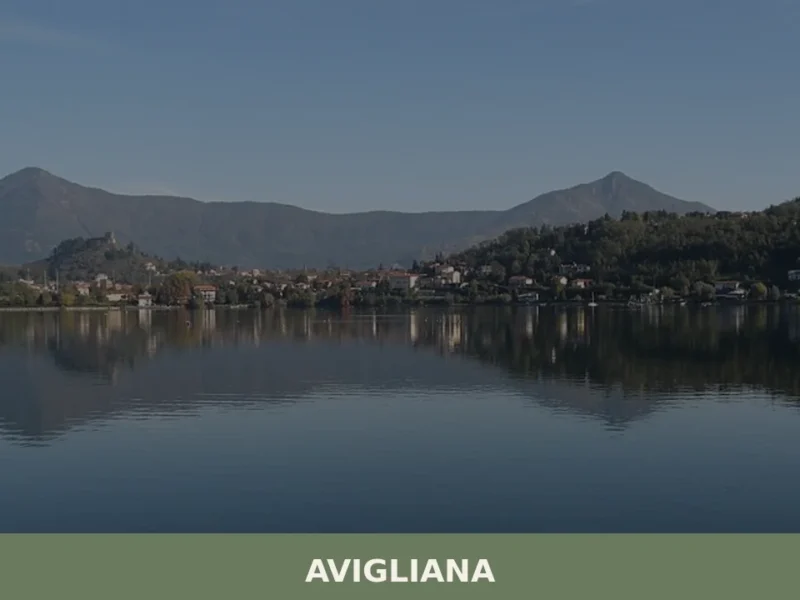
Avigliana
Hills
In 1092, a donation charter by Countess Adelaide of Susa mentioned for the first time the castrum Avillianae, a fortified settlement on the hill overlooking two moraine-origin lake basins in the lower Susa Valley. Anyone wondering what to see in Avigliana today will find an urban fabric preserving precise layers of history: thirteenth-century towers, Gothic […]
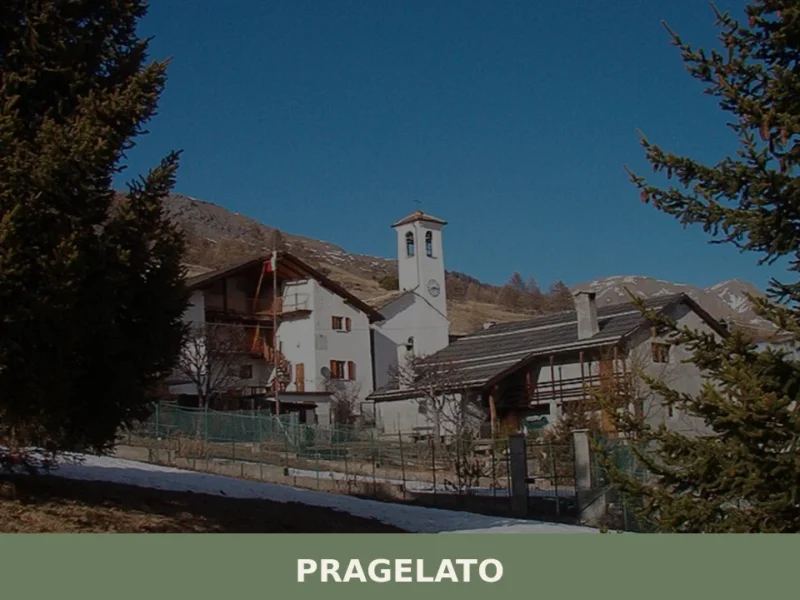
Pragelato
Mountain
Pragelato sits at around 1,524 metres above sea level in Val Chisone, approximately 82 kilometres west of Turin, and its Occitan name — Pradzalà or Prajalats — translates directly as “frozen meadow”, a reference to the high-altitude pastures that define the landscape here. With a resident population of 692, this is a compact Alpine commune […]
Baldissero Torinese
Hills
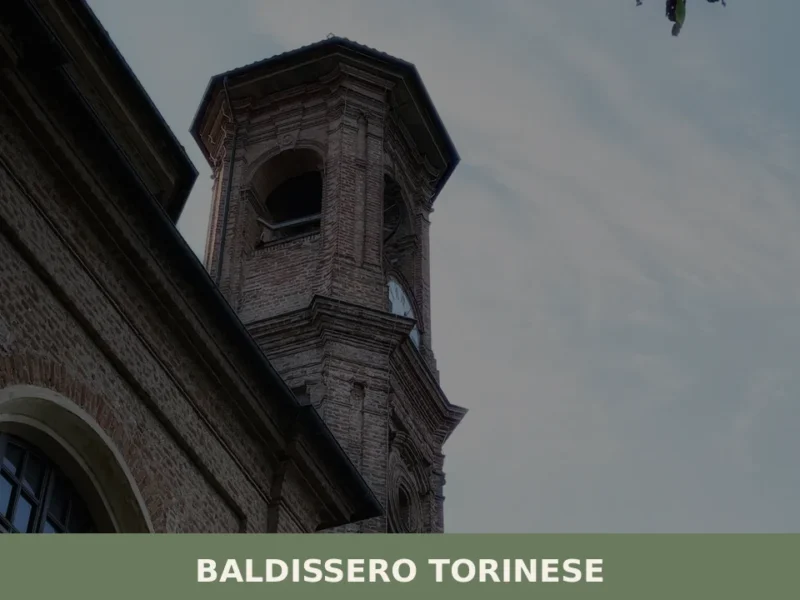
Baldissero Torinese stands at 421 metres above sea level, on the eastern slope of the Turin hills, less than fifteen kilometres from the Piedmontese regional capital. With a population of 3,789, the municipality belongs to the Metropolitan City of Turin and retains an urban layout that still reflects its historical layers, from the medieval core […]
Busano
Plains
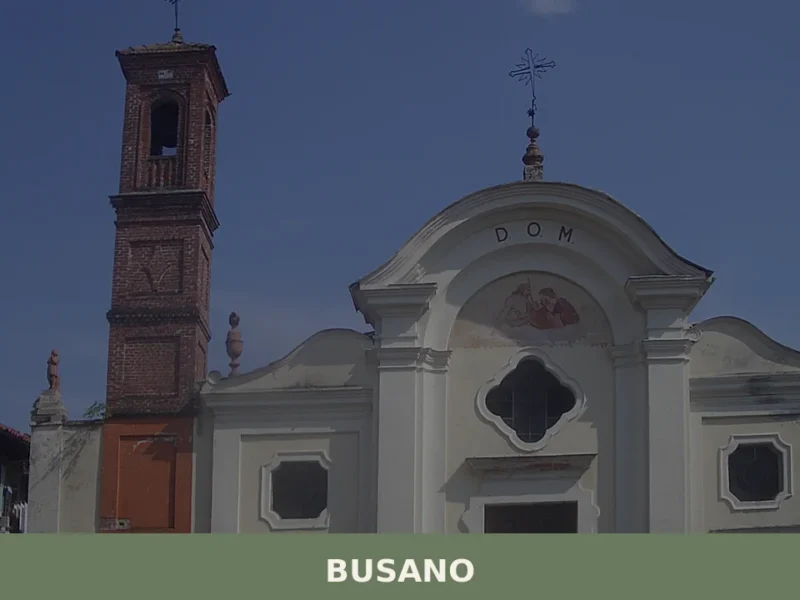
What to see in Busano, Piemonte, Italy: 30 km from Turin, explore the Canavese landscape, local cuisine, and festivals. Discover how to get there and when to visit.


🏡 Know Alice Superiore better than we do?
If you’re a local or have been there, your knowledge matters: add what’s missing or fix a detail on this page.