


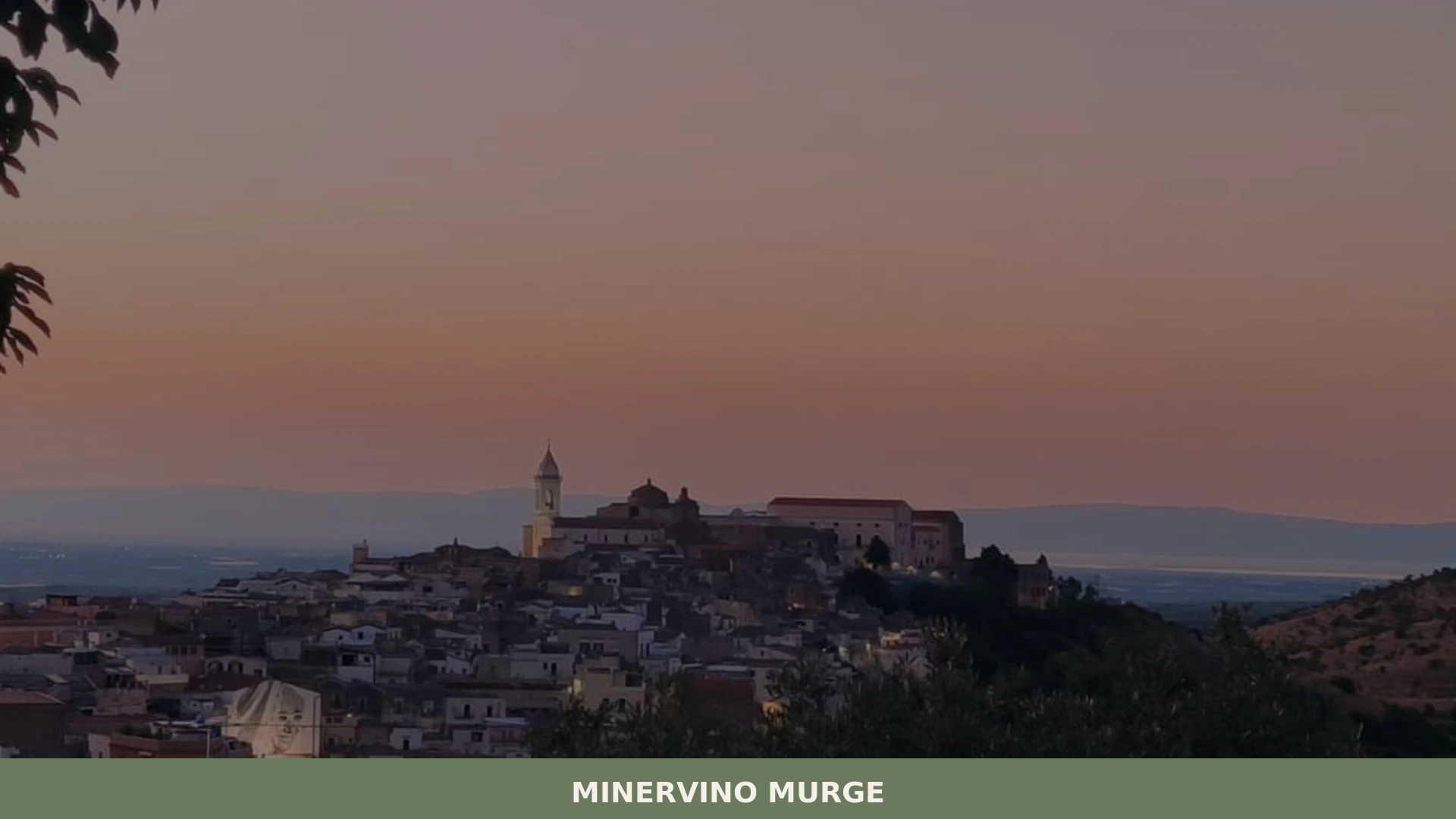
Minervino Murge
 Hills
Hills
Discover what to see in Minervino Murge, Puglia: Alta Murgia national park, historic centre, drove roads, local food and practical travel tips.
Discover Minervino Murge
Minervino Murge sits at roughly 450 metres above sea level on the north-western edge of the Alta Murgia plateau, and today counts close to 7,800 inhabitants registered in the province of Barletta-Andria-Trani. Since 2004, the greater part of its territory has fallen within the boundaries of the Parco Nazionale dell’Alta Murgia, one of southern Italy’s largest protected areas.
For anyone asking what to see in Minervino Murge, that geographical context matters from the first moment: the landscape itself is part of the offer, a broad limestone plateau scored by dry-stone walls and grazed by transhumant livestock for centuries.
History of Minervino Murge
The town’s name derives almost certainly from the Latin Minervium, pointing to a Roman cult site or settlement dedicated to Minerva on the plateau. The suffix “Murge” was added officially only in 1863, when an administrative decree of the newly unified Italian state required disambiguation between identically named municipalities across the peninsula. Before that year, the settlement appeared in documents simply as Minervino, a name that had remained unchanged through Norman, Swabian, Angevin and Aragonese dominion over the Terra di Bari.
During the medieval period, Minervino formed part of the complex feudal geography of southern Italy. The town passed through the hands of several baronial families and for a significant stretch was associated with the fiefdoms managed by powerful Neapolitan noble clans that controlled much of the Murgia interior. The Cathedral of the Assumption, whose origins are traceable to the Norman reorganisation of ecclesiastical structures in Apulia during the eleventh and twelfth centuries, reflects that layered political history: it was rebuilt and modified under different lordships, each leaving structural and decorative marks on the fabric of the building.
Economically, Minervino Murge has historically functioned as a market centre for the pastoral and cereal economy of the Alta Murgia.
Transhumance routes — the tratturi, the wide drove roads that connected summer highland pastures with Adriatic and Ionian lowland winter pastures — passed through or near its territory, making the town a node in a livestock trade network that operated for centuries across the whole of the Mezzogiorno. The progressive mechanisation of agriculture and depopulation pressures of the twentieth century reduced this role, but the landscape still bears the physical evidence of that pastoral economy in its dry-stone walls, sheepfolds and unploughed grassland now protected within the national park.
What to see in Minervino Murge: 5 must-visit attractions
1. Cathedral of the Assumption (Cattedrale dell’Assunta)
The Cathedral of the Assumption stands at the highest point of the old town and traces its origins to the Norman period, with substantial reconstructions in subsequent centuries. Its façade shows the blending of Romanesque structural logic with later Baroque decorative interventions. The interior preserves carved stone elements and devotional artworks accumulated across several hundred years of continuous liturgical use.
2.
The Historic Centre and the Borgo Antico
The centro storico of Minervino Murge occupies a compact ridge-top position, with narrow lanes of pale limestone running between low domestic buildings. Several arched passageways — archi — connect parallel streets, a typical feature of Murgia hill towns designed to stabilise the urban fabric against subsidence. The view northward from the upper lanes takes in a wide sweep of the plateau dropping toward the Ofanto valley.
3. Parco Nazionale dell’Alta Murgia
The largest portion of Minervino Murge’s municipal territory lies within the , established by law in 2004. The park protects a semi-arid limestone landscape of pseudo-steppe grasslands, rare endemic flora and fauna including the endangered Lesser Kestrel. Walking and cycling trails cross the plateau, passing specchie — ancient dry-stone cairns of Bronze Age and Iron Age origin — and medieval masserie.
4.
The Tratturi (Drove Roads)
Segments of the ancient tratturo network remain visible in and around Minervino Murge’s territory. These drove roads, formally measured in passi napoletani and legally protected as public land under the Kingdom of Naples from the fifteenth century onward, were the arteries of the southern Italian pastoral economy. Their flat, broad, uncultivated strips are among the oldest managed landscape features in Puglia.
5. The Panoramic Belvedere
From the belvedere accessible on the northern edge of the old town, the ground falls sharply toward the Ofanto river valley and, on clear days in winter or after rain, the Apennine ridgeline is visible to the west. The view gives a precise sense of Minervino’s role as a boundary point between the interior plateau and the coastal lowlands historically cultivated with wheat and olive groves.
Local food and typical products
The Alta Murgia interior produces a diet rooted in cereals, pulses and sheep husbandry.
In Minervino Murge and the surrounding area, orecchiette and cavatelli — both hand-shaped pasta formats — appear on local tables dressed with turnip tops, dried tomato or slow-cooked lamb ragù. Lamb and kid, raised on the plateau’s grasslands, have traditionally been the main meat sources. Cacioricotta, a semi-firm sheep’s or goat’s milk cheese made in small family dairies, remains closely associated with the Murgia food economy. Olive oil from the broader Barletta-Andria-Trani province is produced under the Terre di Bari DOP designation, and the variety used tends toward a greener, more peppery profile than coastal Apulian oils.
For visitors, the practical reality is that Minervino Murge is a small interior town: restaurants are few and tend to operate on local schedules, closing early and shutting on Mondays. The best approach is to eat at trattorie and agriturismi in the surrounding countryside, where the connection between farm production and plate is most direct. The official Puglia tourism portal maintains an updated register of agriturismo facilities across the Alta Murgia that serve traditional meals.
Best time to visit Minervino Murge
Spring — from late March through May — is the most rewarding season for visiting the Alta Murgia.
The plateau grasslands are in full growth, the specchie stand in contrast to green vegetation, temperatures are moderate and the long-distance views are sharp before summer haze reduces visibility. Autumn, particularly September and October, offers comparable conditions and coincides with the olive harvest in the surrounding groves. Summer on the Murgia plateau can be intense: temperatures regularly exceed 35°C in July and August, with minimal shade on the open plateau.
The local liturgical calendar centres on the feast of the Madonna della Croce, the town’s principal religious celebration, which draws participation from surrounding communities. The town also activates during the annual festival circuit typical of Puglia’s interior municipalities in August, though Minervino’s events are smaller in scale than those of the coastal cities.
For visitors interested in the natural park, weekday visits in spring or autumn involve significantly less traffic on the plateau tracks than weekend days in peak season.
How to get to Minervino Murge
Minervino Murge sits roughly 60 kilometres inland from Bari and about 50 kilometres from the Adriatic coast at Barletta. The nearest airport with scheduled domestic and international connections is Bari Karol Wojtyła Airport (BRI), approximately 65–70 kilometres to the south-east, accessible by car in roughly one hour depending on traffic on the SS98 and connecting roads. Brindisi Airport is a secondary option, significantly further at around 130 kilometres.
- By car: From Bari, take the SS96 westward toward Altamura then connect via the SS97 or SS168 toward Minervino Murge. From the A14 motorway (Bologna–Taranto), exit at Trani or Andria and follow the SP directions inland. A car is effectively essential for exploring the Alta Murgia plateau.
- By train: The nearest Trenitalia station with regular service is Spinazzola, approximately 15 kilometres from Minervino Murge. Connections from Bari run via Altamura on the Ferrovie Appulo-Lucane (FAL) regional network. From Spinazzola, onward travel requires a taxi or local bus.
- By bus: Regional bus services operated by local carriers connect Minervino Murge with Barletta, Andria and Canosa di Puglia on working days, but schedules are limited on Sundays and public holidays.
Where to stay in Minervino Murge
Accommodation options in Minervino Murge itself are limited to a small number of B&Bs and rooms-to-rent in the historic centre. For visitors prioritising access to the national park and the open plateau landscape, the better practical choice is one of the agriturismi scattered across the municipal territory and neighbouring municipalities: these working farms offer rooms and sometimes self-catering apartments, frequently with half-board arrangements built around their own produce.
The quality of the natural setting around these rural properties often justifies the choice over a town-centre room.
Visitors who prefer a wider range of hotel infrastructure and restaurants as a base for day trips into the Alta Murgia tend to stay in Andria or Barletta, both within 40–50 kilometres by road and served by the A14 motorway. Booking accommodation well in advance is advisable for the August period, when southern Italian domestic tourism peaks. For stays outside high season, last-minute availability is generally not a problem in this part of the Murgia interior.
More villages to discover in Puglia
Puglia’s interior presents a distinct character from its more frequently visited coastline. The limestone plateau of the Murge runs southward into the Valle d’Itria, where Locorotondo offers a sharp contrast to the open grassland landscapes of the Alta Murgia: here, the landscape closes into a bowl of cultivated terraces planted with Verdeca and Bianco d’Alessano vines, and the village itself is built in a circular plan with whitewashed limestone houses.
Further north, near the coast, Adelfia — a municipal fusion of two originally separate settlements — gives a sense of how the Adriatic hinterland of Bari developed its own distinct urban form across the centuries.
Beyond the immediate province, the diversity of Puglia’s inland settlements extends into the sub-Apennine foothills. Monteleone di Puglia, in the Foggia province, represents a different altitude and cultural register — closer to Campanian and Basilicatan influences than to the Adriatic coastal plain.
Equally instructive is the trajectory of smaller communities on the Adriatic side, such as Poggio Imperiale in the Capitanata, which illustrates the agricultural colonisation of the Tavoliere plain in a way that the Murgia interior villages, with their pastoral economy, never needed to.
Frequently asked questions about Minervino Murge
What is the best time to visit Minervino Murge?
Spring (late March to May) offers moderate temperatures, lush grasslands, and clear long-distance views, ideal for exploring the Alta Murgia National Park. Autumn (September and October) provides similar pleasant conditions, coinciding with the olive harvest. Summers (July-August) can be very hot, often exceeding 35°C with minimal shade. Important local events include the feast of San Michele Arcangelo on September 29th and the Madonna del Sabato on the second Saturday after Easter. The town also celebrates the Madonna della Croce and hosts smaller festivals in August. Weekday visits in spring or autumn avoid peak season traffic on park trails.
What are the historical origins of Minervino Murge?
Minervino Murge's name likely originates from u0022Minervium,u0022 suggesting a Roman cult site dedicated to Minerva. The u0022Murgeu0022 suffix was added in 1863 for disambiguation. Historically, it was known simply as Minervino through Norman, Swabian, Angevin, and Aragonese periods. During the medieval era, it was a feudal town, passing through various baronial families, and served as a vital market center for the pastoral and cereal economy of the Alta Murgia, positioned along ancient transhumance routes known as tratturi.
What to see in Minervino Murge? Main monuments and landmarks
In Minervino Murge, start with the Cathedral of the Assumption (Cattedrale dell'Assunta), a Norman-era church at the highest point of the old town, showcasing Romanesque and Baroque styles. Explore the Historic Centre and Borgo Antico, with its narrow limestone lanes, arched passageways (u0022archiu0022), and views stretching towards the Ofanto valley. Don't miss the Panoramic Belvedere on the northern edge for breathtaking vistas. The Parco Nazionale dell'Alta Murgia offers expansive landscapes with ancient u0022specchieu0022 (dry-stone cairns) and medieval u0022masserieu0022 visible along walking trails, alongside segments of the historic Tratturi (drove roads).
What are the main natural or scenic attractions of Minervino Murge?
The primary natural attraction is the Parco Nazionale dell'Alta Murgia, covering most of the municipal territory. This protected area features semi-arid limestone grasslands, unique flora, and fauna like the Lesser Kestrel. Visitors can explore walking and cycling trails to discover ancient u0022specchieu0022 (dry-stone cairns) and historic u0022masserie.u0022 The Tratturi, ancient drove roads, offer insight into centuries of pastoral economy and are among Puglia's oldest managed landscape features. For panoramic views, the Belvedere on the northern edge of the old town provides stunning vistas over the Ofanto river valley and, on clear days, the Apennines.
Where to take the best photos in Minervino Murge?
For breathtaking landscape shots, head to the Panoramic Belvedere on the northern edge of the old town, offering expansive views over the Ofanto river valley and the distant Apennines. The Historic Centre (Borgo Antico) provides picturesque opportunities with its narrow limestone lanes, traditional low buildings, and characteristic arched passageways (u0022archiu0022). Within the Parco Nazionale dell'Alta Murgia, capture the unique pseudo-steppe grasslands, ancient u0022specchieu0022 (dry-stone cairns), and historic u0022masserieu0022 that dot the plateau, especially during spring's full growth or autumn's golden light.
Are there museums, churches or historic buildings to visit in Minervino Murge?
Yes, the most prominent historic building is the Cathedral of the Assumption (Cattedrale dell'Assunta), dating back to the Norman period. Located at the highest point of the old town, it features a blend of Romanesque and Baroque architecture, with an interior preserving ancient stone carvings and devotional art. The entire Historic Centre (Borgo Antico) itself is a significant historic area, characterized by its compact ridge-top layout, narrow limestone streets, and distinctive arched passageways. No specific museums are mentioned in the available information.
What can you do in Minervino Murge? Activities and experiences
Minervino Murge offers a blend of natural exploration and cultural immersion. Visitors can enjoy hiking and cycling through the scenic trails of the Parco Nazionale dell'Alta Murgia, discovering ancient u0022specchieu0022 and traditional u0022masserie.u0022 Explore the Historic Centre on foot, admiring the architecture and panoramic views. A key experience is indulging in the local food and wine, tasting specialties like orecchiette with lamb ragù, cacioricotta cheese, and Terre di Bari DOP olive oil. For an authentic culinary experience, dine at the numerous trattorie and agriturismi in the surrounding countryside, connecting directly with farm-to-table produce.
Who is Minervino Murge suitable for? Families, couples, hikers, solo travelers?
Minervino Murge is ideal for nature enthusiasts and hikers drawn to the expansive landscapes and trails of the Parco Nazionale dell'Alta Murgia. Foodies and culinary travelers will appreciate the authentic Murgia cuisine and the opportunity to dine at local trattorie and agriturismi. It's also suitable for couples and solo travelers seeking a tranquil, off-the-beaten-path experience away from crowded tourist hubs, offering a glimpse into Puglia's rural interior and its layered history. Families can enjoy the open spaces and farm stays, connecting with nature and traditional life.
What to eat in Minervino Murge? Local products and specialties
Minervino Murge's cuisine is deeply rooted in the Alta Murgia's pastoral and cereal economy. Must-try specialties include orecchiette and cavatelli, hand-shaped pasta often served with turnip tops, dried tomato, or slow-cooked lamb ragù. Lamb and kid, raised on the plateau's grasslands, are traditional meat sources. Don't miss Cacioricotta, a semi-firm sheep's or goat's milk cheese from local family dairies. The region also produces high-quality olive oil under the Terre di Bari DOP designation, typically featuring a greener, more peppery profile.
Getting there
Piazza Trento e Trieste, 76013 Minervino Murge (BT)
Nearby Villages near Minervino Murge
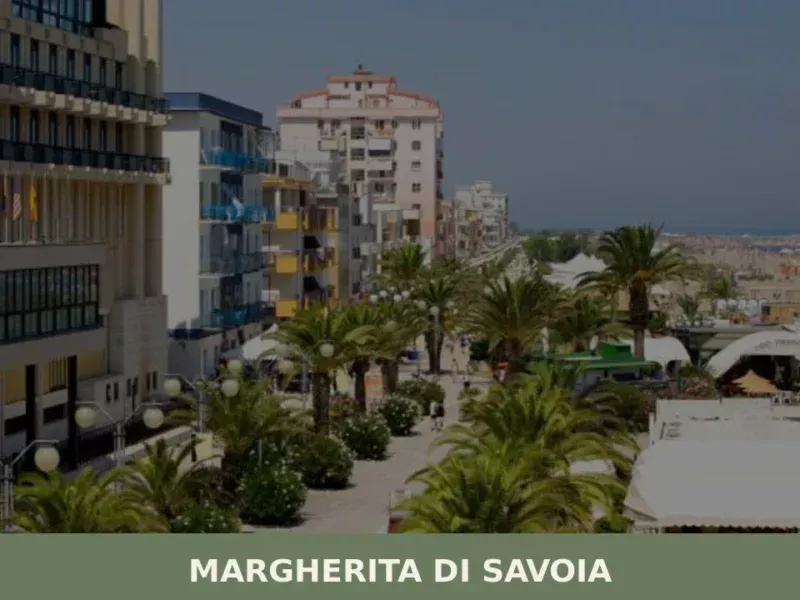
In Apulia More villages to discover
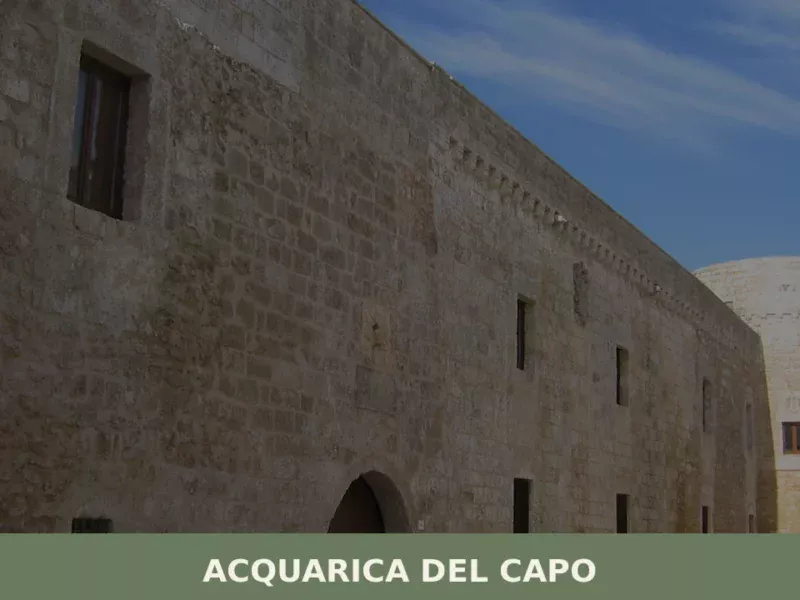
Acquarica del Capo
 Plains
Acquarica del Capo existed as an independent municipality in the province of Lecce for decades before a formal merger on 15 May 2019 united it with neighbouring Presicce to form the new comune of Presicce-Acquarica. That administrative change did nothing to alter the physical village, which sits in the Capo di Leuca territory at the […]
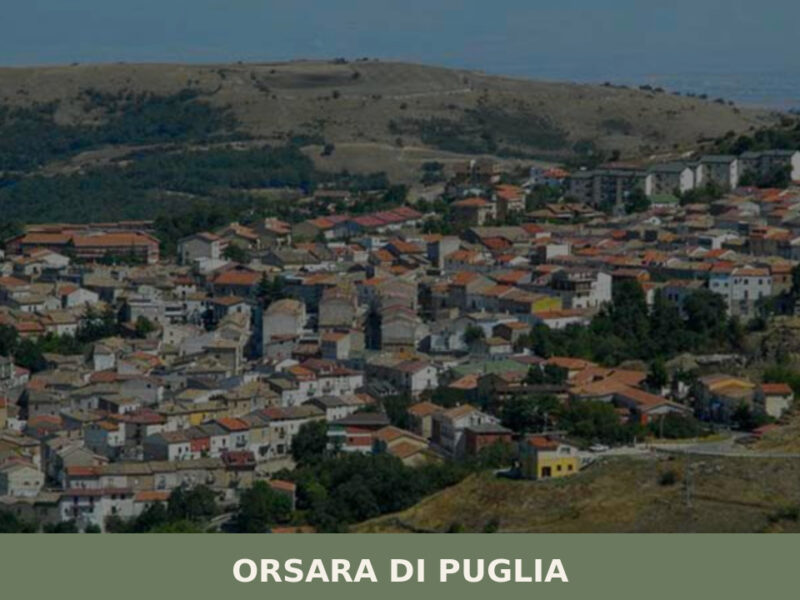
Orsara di Puglia
 Mountain
A mountain village of 2,507 people in the Foggia province, Orsara di Puglia holds sacred grottoes, medieval stonework, and one of southern Italy's most distinctive culinary traditions.
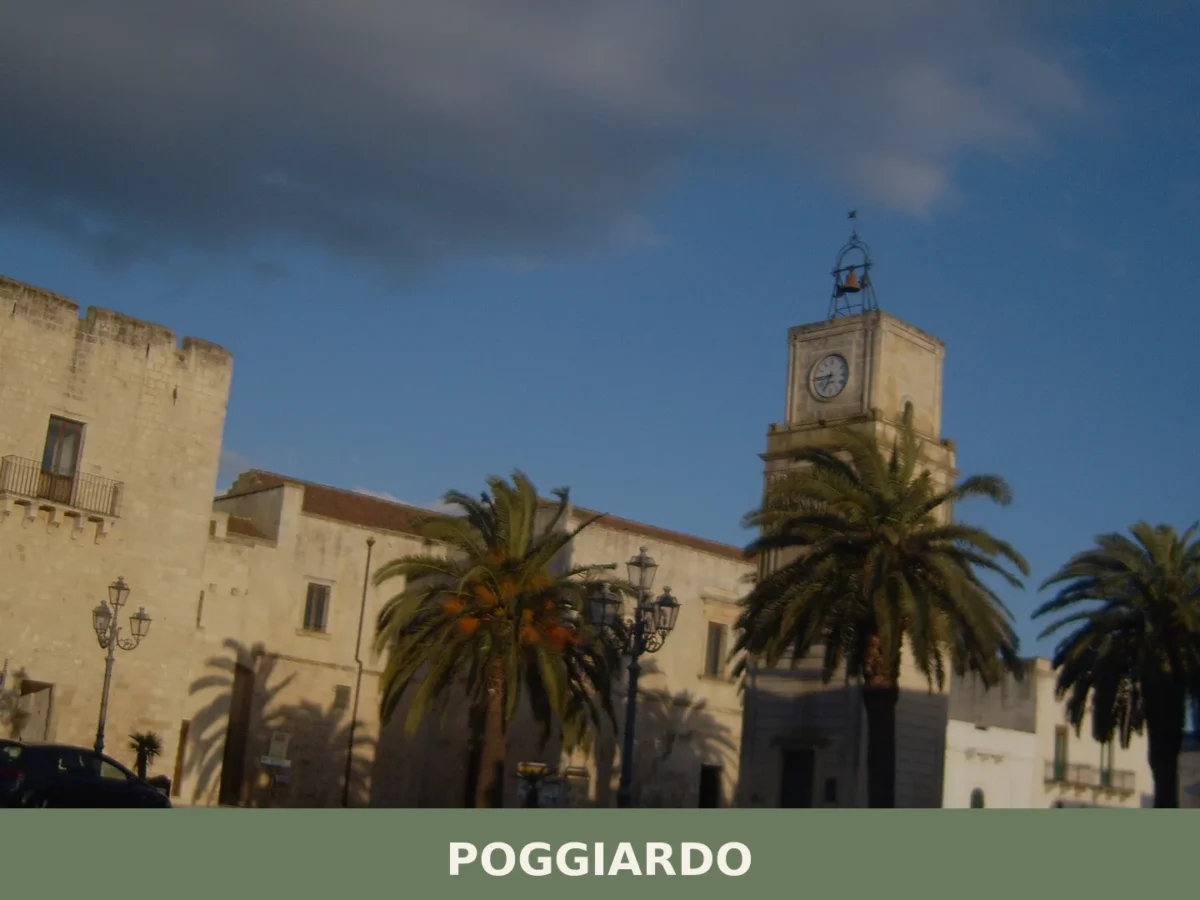
Poggiardo
Plains
A village of 5,753 inhabitants built on the ruins of ancient Vaste. Discover ducal palaces, rock-cut churches and the archaeology of Salento's past.
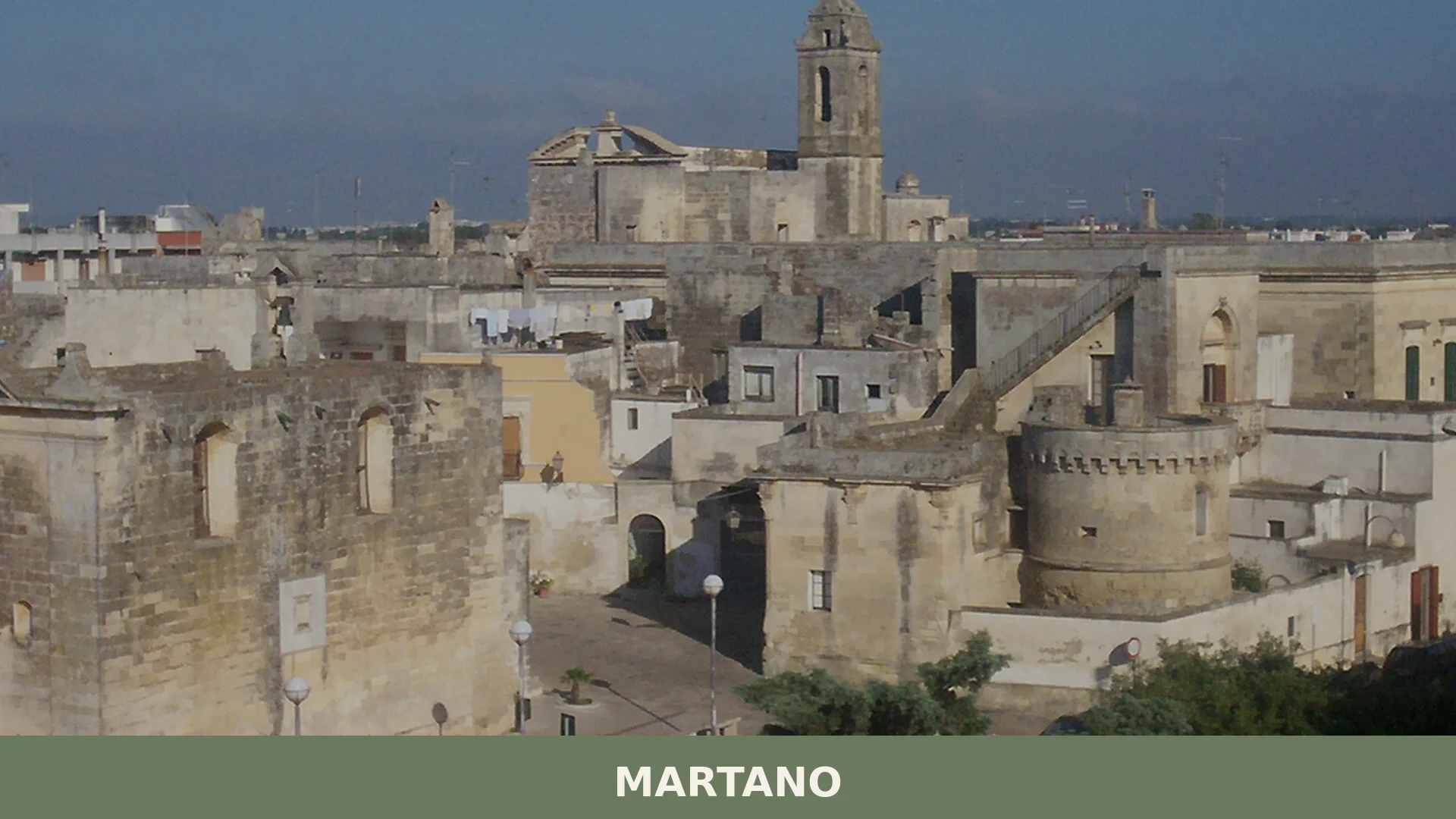
Martano
Plains
8,478 residents. A Baroque settlement rooted in Greek culture and feudal heritage, home to five centuries of religious art and an emerging aloe industry.
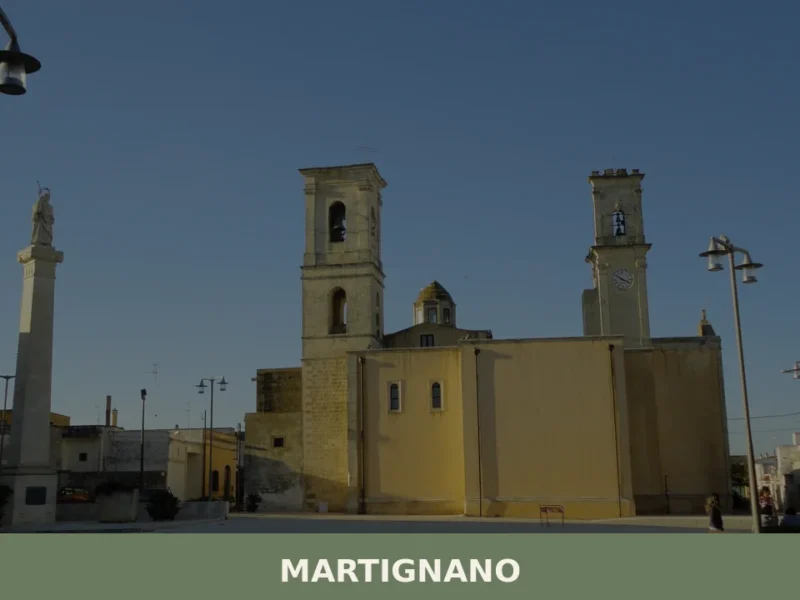
Martignano
Plains
What to see in Martignano: from medieval churches to the main square, discover the 5 top attractions of this Griko village. Plan your visit with this guide.
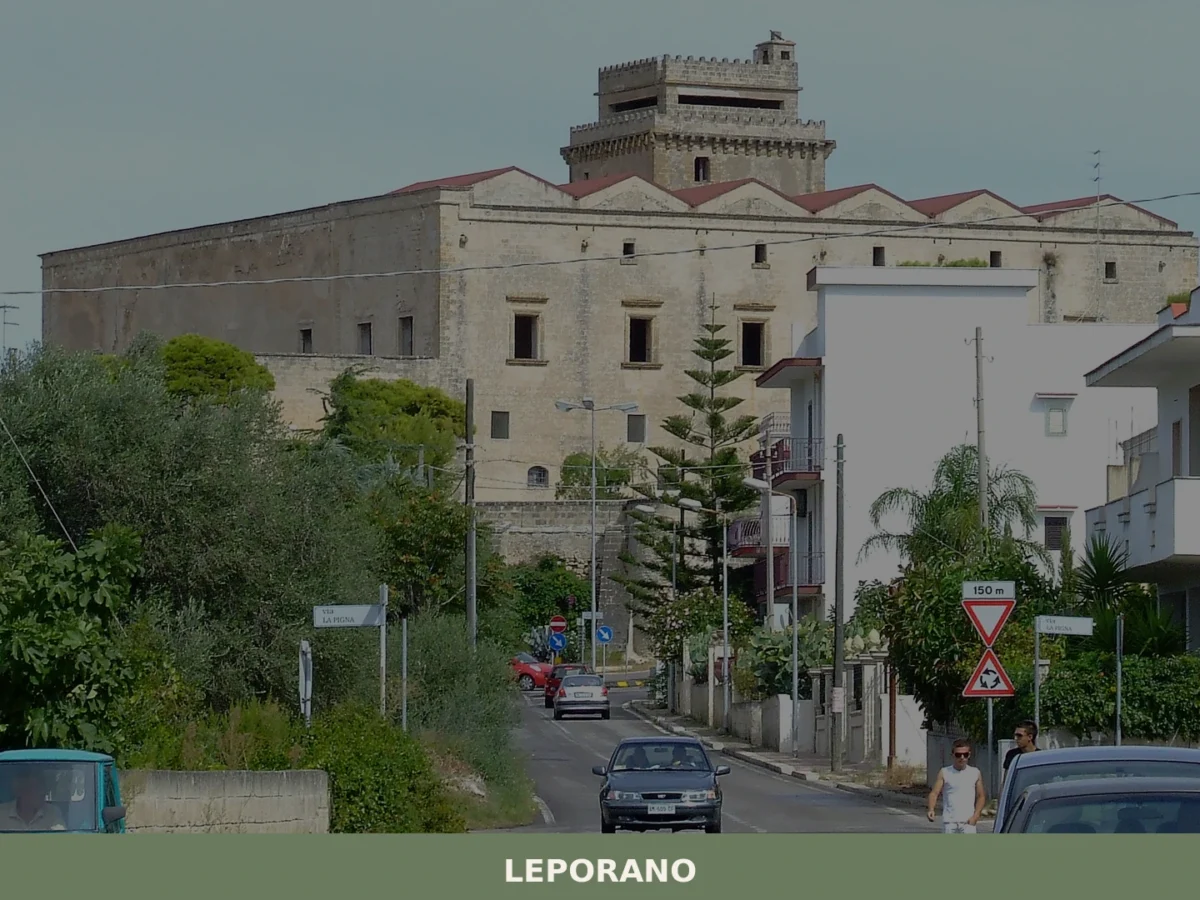
Leporano
 Sea
Sea
Discover what to see in Leporano, Puglia: Aragonese tower, Ionian coastline, local food and practical tips for visiting this Taranto province municipality.
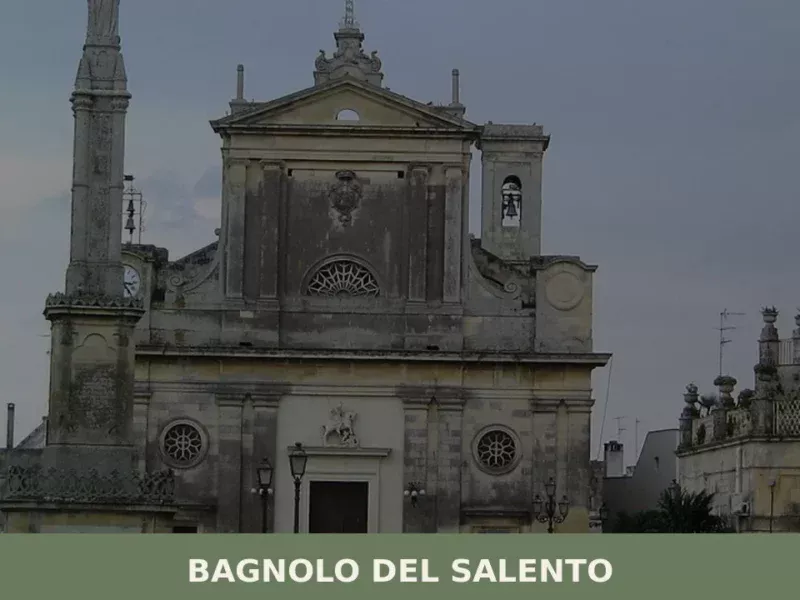
Bagnolo del Salento
Plains
Bagnolo del Salento: discover the village, visit historic churches, and taste traditional cuisine. Plan your trip now!
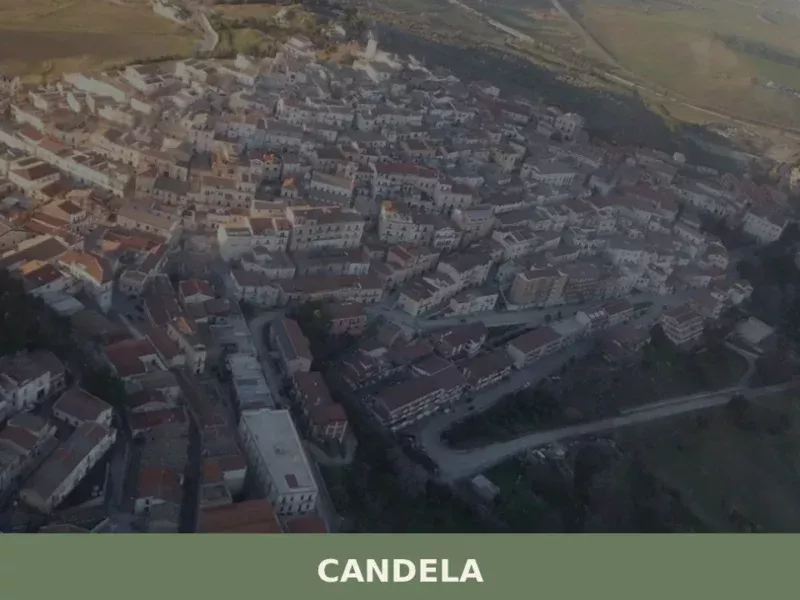
Candela
Hills
What to see in Candela, Puglia, Italy: explore a hilltop village at 474 m with Roman-era roots, the Feast of San Rocco and local wheat traditions. Discover it now.
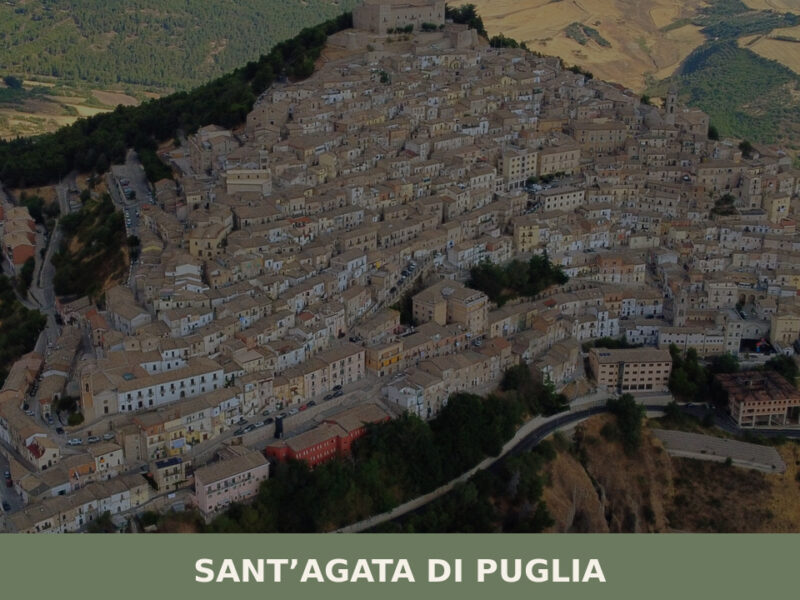
Sant’Agata di Puglia
Mountain
A ridge-top village at 794 metres in the Daunia hills, Sant'Agata di Puglia rewards slow exploration with its Norman castle, stepped stone alleyways, and mountain cooking.
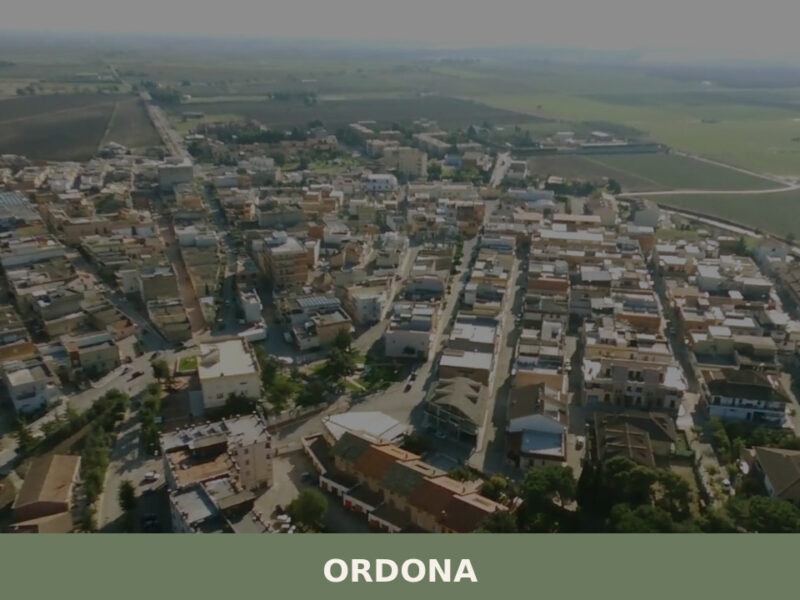
Ordona
Plains
Ordona sits on the Tavoliere plain near Foggia, above the ancient Daunian-Roman city of Herdonia. A guide to its archaeology, food, and surroundings.




🏡 Know Minervino Murge better than we do?
If you’re a local or have been there, your knowledge matters: add what’s missing or fix a detail on this page.