


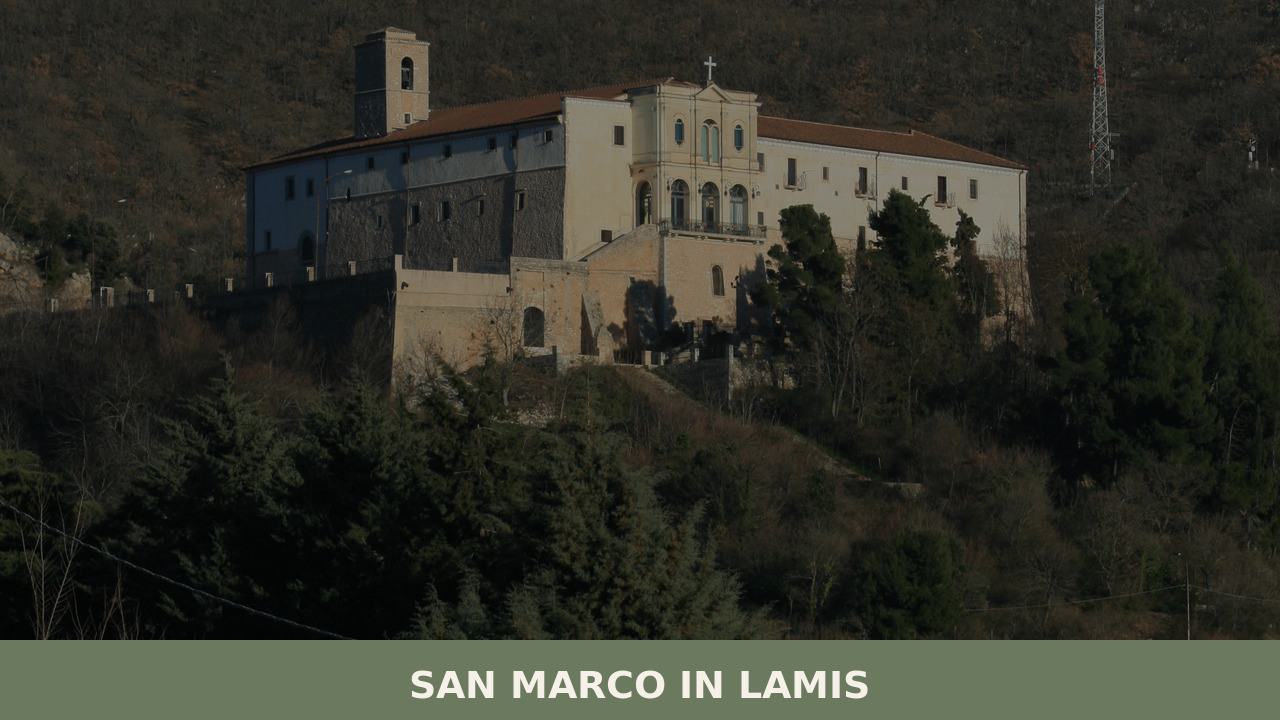
San Marco in Lamis
 Hills
Hills
A highland town on the western Gargano, San Marco in Lamis holds ancient monasteries, a dramatic Good Friday fire procession, and the quiet intensity of inland Puglia.
Discover San Marco in Lamis
Morning fog lifts from the Gargano’s western slopes and the bells of the Convento di San Matteo roll across limestone rooftops, reaching the piazza before the first café raises its shutters. At 550 metres above sea level, the air here carries the scent of pine resin and woodsmoke — a reminder that this is not coastal Puglia, but its mountain interior. Understanding what to see in San Marco in Lamis means stepping into a town of 12,600 inhabitants that has looked out over the Tavoliere plain for the better part of a millennium, its identity shaped by monastic scholarship, pastoral farming, and a fierce attachment to its own rituals.
History of San Marco in Lamis
The town’s name offers its own archaeology. “San Marco” honours the evangelist, patron of the local church since at least the Norman period. “In Lamis” derives from the Latin lama — a depression or marshy hollow — describing the shallow karst basins that pockmark this section of the Gargano promontory. The toponym appears in documents from the eleventh and twelfth centuries, when the settlement consolidated around monastic foundations that served pilgrims travelling to the shrine of the Archangel Michael at Monte Sant’Angelo.
The Benedictine monastery of San Matteo, founded in the sixth century according to local tradition and certainly operative by the early medieval period, became the intellectual and economic engine of the community. Under successive waves of Lombard, Norman, and Swabian rule, the monastery accumulated land, tithes, and manuscripts. The town itself grew as an agricultural service centre in the province of Foggia — a market point for grain, livestock, and timber drawn from the surrounding forests. Earthquakes, plague, and the slow decline of the transhumance routes marked the early modern centuries, yet the town persisted, its population held in place by the deep soils of its highland basin.
By the eighteenth century, San Marco in Lamis had become a minor centre of printing and religious education, linked to the Franciscan friars who took stewardship of the Convento di San Matteo. That scholarly tradition left a documentary archive that historians of southern Italy still consult today. The twentieth century brought emigration — to northern Italian factories, to the Americas — but also a growing awareness that the town’s remoteness had preserved cultural practices lost elsewhere in the Mezzogiorno.
What to see in San Marco in Lamis: 5 must-visit attractions
1. Convento di San Matteo
Set on a hillside two kilometres outside the town centre, this monastery dates its origins to the early medieval period and houses a library of rare manuscripts and incunabula. The current structure, rebuilt and expanded across several centuries, features a seventeenth-century cloister with a double order of arches and a church containing carved wooden choir stalls. The view from its terrace extends across the Tavoliere plain to the distant outline of the Apennines.
2. Santuario della Madonna di Stignano
A Franciscan convent occupying a narrow valley roughly five kilometres south of town. The sanctuary’s origins are linked to a fifteenth-century Marian devotion, and the church interior preserves a cycle of naive frescoes and a carved stone portal. The surrounding holm oak woodland, dense and quiet even at midday, forms part of the Gargano National Park.
3. Chiesa Madre di San Marco Evangelista
The principal parish church stands in the heart of the old town, its stone façade orienting the grid of narrow streets around it. The interior, reorganised in the Baroque period, contains polychrome marble altars and a wooden statue of the patron saint carried through the streets during the June feast. The bell tower, visible from most approaches to the town, functions as a landmark across the surrounding plateau.
4. The Fracchie procession route
On Good Friday evening, enormous conical torches called fracchie — constructed from split oak logs bound with wire and filled with kindling — are dragged through the streets and set alight. The route winds from the lower quarters up to the Convento di San Matteo. Walking it on any day of the year, you can read the gradient of the town: the widening of certain streets designed to accommodate the flames, the scorch marks on cornerstones.
5. Centro Storico and Palazzo Badiale
The old centre’s lanes follow a medieval plan, with flights of external stone staircases, arched passageways, and courtyard houses built from local pale limestone. The Palazzo Badiale, once the administrative seat of the abbots who held feudal authority over the town, anchors the upper quarter. Its restrained façade — dressed stone, iron balconies, a carved doorway — speaks to ecclesiastical power exercised at a provincial scale.
Local food and typical products
The cooking of San Marco in Lamis reflects its position between mountain and plain. Lamb and goat dominate the protein register — roasted with wild herbs gathered from the Gargano’s limestone scrubland, or slow-cooked in earthenware pots with potatoes and lampascioni, the bitter wild hyacinth bulbs that are a signature ingredient of Pugliese cuisine. Handmade pasta, particularly orecchiette and cavatelli, is dressed with ragù of mixed meats or with turnip tops in winter. Bread is still baked in large round loaves from local semolina flour, its crust dark and thick from wood-fired ovens.
The surrounding territory produces a notable extra-virgin olive oil — the Gargano’s Ogliarola variety — and caciocavallo cheese aged in natural caves. Seasonal foraged foods include wild asparagus in spring and porcini mushrooms in autumn, gathered from the beech and oak forests that climb the mountain above town. Local trattorias tend to be family-run, with short menus that change according to what is available. Expect modest interiors, generous portions, and a carafe of local red wine poured without ceremony.
Best time to visit San Marco in Lamis
The town’s climate differs markedly from the Puglian coast. At 550 metres, winters are cold and occasionally bring snow; summer highs are tempered by altitude and rarely reach the extremes of the Tavoliere plain below. Spring — April through early June — is the most rewarding season: the Gargano’s wildflowers are at their peak, temperatures sit comfortably between 15 and 22 degrees, and the landscape is vivid green before the summer dry. Autumn, from late September through November, offers mushroom season and the olive harvest, along with a quality of afternoon light that turns the limestone buildings the colour of raw honey.
The single event that draws the largest number of visitors is the Processione delle Fracchie on Good Friday, when the burning torches transform the town into a scene that feels closer to a pagan fire ritual than a Catholic procession. Accommodation is limited and books out weeks in advance for Easter. Outside of this period, San Marco in Lamis receives few international visitors, and you are likely to have its churches and lanes largely to yourself — which, for a certain kind of traveller, is precisely the point.
How to get to San Marco in Lamis
San Marco in Lamis lies in the province of Foggia, on the western edge of the Gargano. By car from Foggia, take the SS272 northeast; the drive covers approximately 35 kilometres and takes around 40 minutes, climbing steadily through farmland before reaching the highland plateau. From Bari, the distance is roughly 170 kilometres via the A14 motorway, exiting at Foggia or San Severo — a journey of about two hours. The nearest airport is Bari Karol Wojtyła (BRI), well served by domestic and European low-cost carriers. Gino Lisa airport in Foggia has limited commercial service.
Rail connections run to Foggia, which sits on the main Trenitalia line between Milan, Bologna, and Lecce. From Foggia station, local bus services operated by the regional SITA network reach San Marco in Lamis, though frequencies are low — two or three departures per day — and a rental car offers far greater flexibility for exploring the Gargano interior. Parking in town is generally straightforward outside of Easter week.
More villages to discover in Puglia
The western Gargano and the sub-Appennine hills of the Foggia province hold a constellation of small centres that reward the same slow, attentive approach. Northwest of San Marco in Lamis, the hilltop settlement of Pietramontecorvino preserves a compact medieval core — the Terravecchia — with a Norman-Swabian tower and a ducal palace that overlooks the Daunia mountains. Its stone houses, many still inhabited, press tightly against each other along stepped lanes that have changed little since the fourteenth century.
Further into the interior, along the Fortore river valley, the small village of Carlantino sits above the Occhito reservoir — the largest artificial lake in southern Italy. With fewer than a thousand residents, it represents the quietest end of the spectrum: a place where the rhythms of agriculture and seasonal migration still define daily life. Together, these villages form an itinerary through a Puglia that most travellers never encounter — a landscape of high pastures, ancient monasteries, and towns that have kept their identity intact precisely because the main roads passed them by.
Frequently asked questions about San Marco in Lamis
Are there marked hiking trails near San Marco in Lamis suitable for trekking?
San Marco in Lamis sits within the Gargano National Park, which is crossed by the long-distance trail known as the Sentiero Italia, maintained by the CAI (Club Alpino Italiano). The Gargano section includes routes through the beech and oak forests above the town and connects to the broader network linking Monte Sant'Angelo and the Foresta Umbra. The CAI Foggia section documents local numbered paths; visitors should consult the Gargano National Park authority or the CAI for current trail maps and conditions before setting out.
How long does a visit to San Marco in Lamis typically take, and is it feasible as a day trip from Foggia?
San Marco in Lamis is easily reached from Foggia in around 40 minutes by car via the SS272, making a day trip entirely practical. The historic centre, Convento di San Matteo, and Santuario della Madonna di Stignano can be covered in a half day, though a full day allows time for a meal in a local trattoria and a walk into the surrounding Gargano countryside. Parking outside the old centre is generally straightforward except during Easter week.
Is San Marco in Lamis part of an official pilgrimage or historic road network?
Yes. The town historically served pilgrims travelling to the Sanctuary of the Archangel Michael at Monte Sant'Angelo, one of the most important medieval pilgrimage destinations in Europe and a UNESCO World Heritage Site. San Marco in Lamis functioned as a staging point on routes crossing the Gargano promontory from the Tavoliere plain. This Michaelic pilgrimage corridor is documented from the early medieval period and is still referenced in itineraries promoted by the Gargano National Park and regional cultural bodies.
What is the Fracchie tradition and is it recognised beyond the local level?
The Processione delle Fracchie is a Good Friday ritual in which massive conical torches made from split oak logs are set alight and dragged through the streets to the Convento di San Matteo. The tradition is recognised as one of the most visually striking Easter rites in southern Italy and is documented by the Gargano National Park and Italian ethnographic sources. It attracts visitors from across Puglia and beyond; accommodation in town books out weeks ahead of Easter, so advance planning is essential.
Nearby Villages near San Marco in Lamis

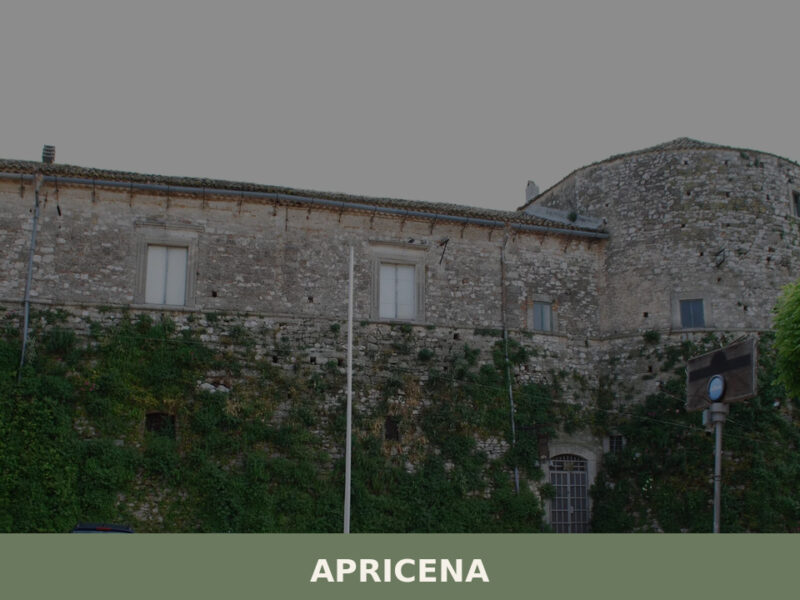
In Apulia More villages to discover
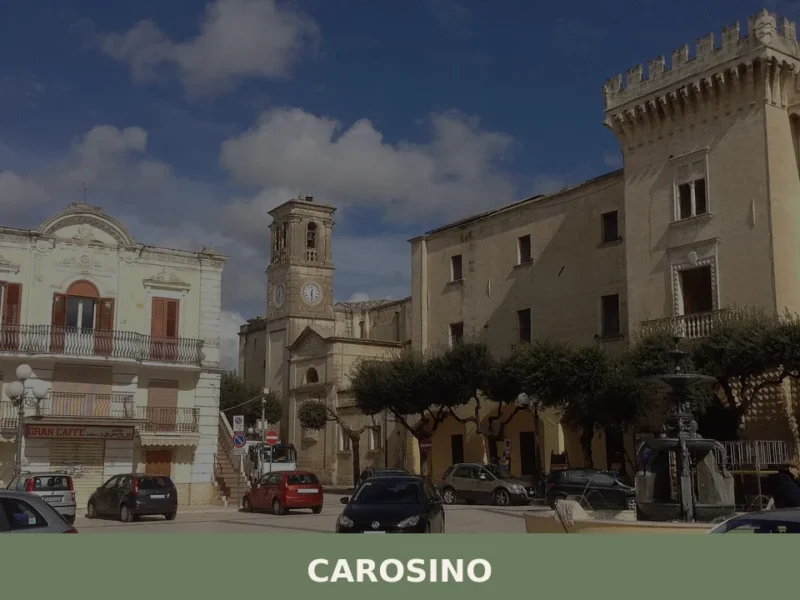
Carosino
 Plains
Carosino is a comune of 6,371 inhabitants in the province of Taranto, positioned in the Ionian arc of Puglia where the landscape flattens into olive groves and vineyards before reaching the coast. Known locally by its Salentine dialect name Carusinu, the town sits within a territorial context defined by centuries of agricultural production and the […]
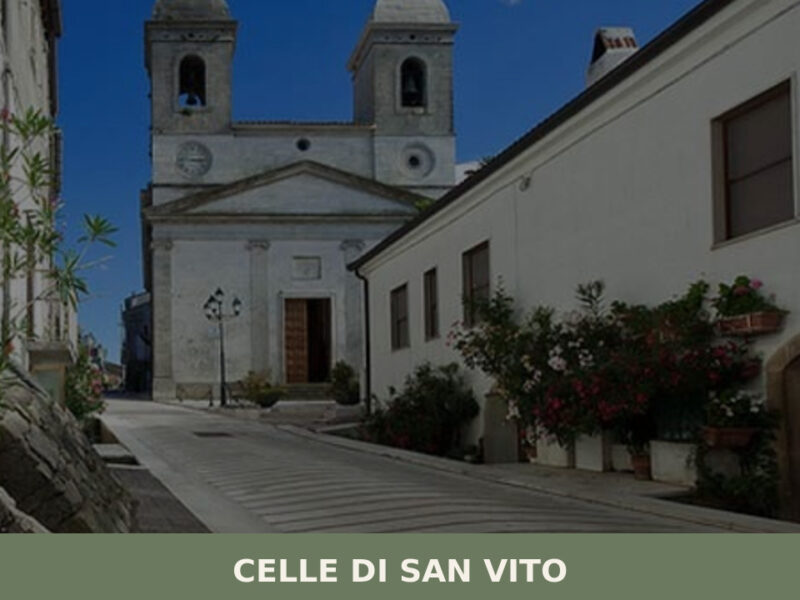
Celle di San Vito
 Mountain
A 148-resident Franco-Provençal enclave at 726 metres in the Daunia sub-Apennines. Discover what to see in Celle di San Vito, from medieval stone lanes to linguistic heritage.
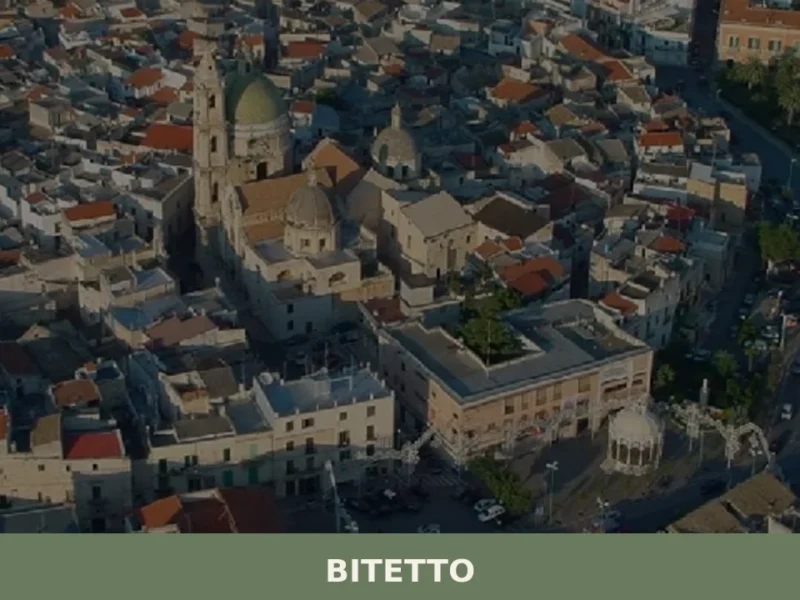
Bitetto
Plains
What to see in Bitetto, Italy: Discover its 14th-century cathedral and the legacy of Blessed James. Explore this Puglian village, 139 m above sea level, for a rich historical journey.
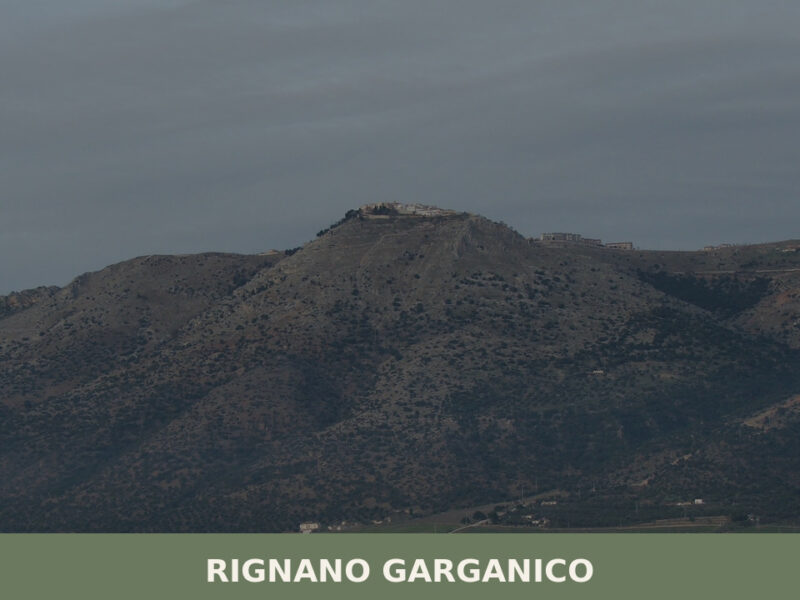
Rignano Garganico
Hills
A quiet hilltop village at 590 metres on the Gargano promontory, Rignano Garganico rewards visitors with medieval lanes, wide Tavoliere views, and the honest food traditions of inland Puglia.
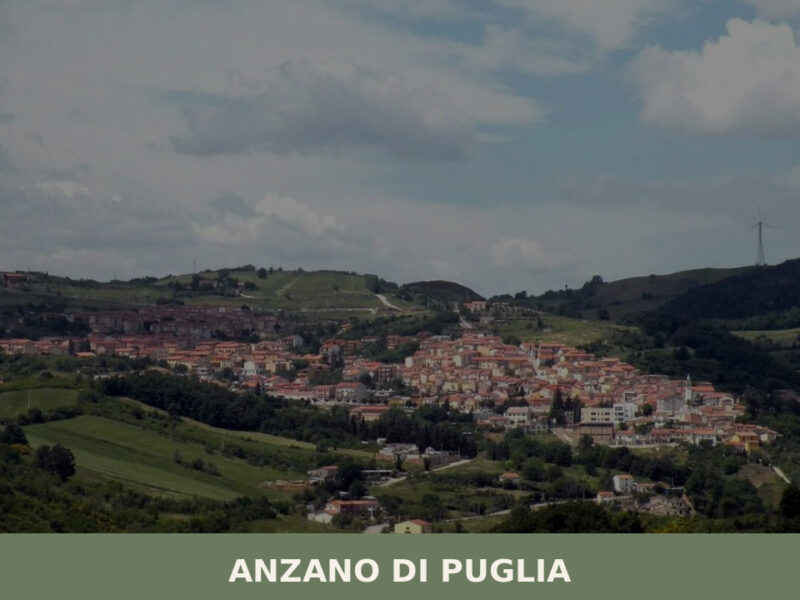
Anzano di Puglia
Mountain
A tiny hilltop village at 760 m in the Daunia Mountains, Anzano di Puglia enchants with stone lanes, sweeping panoramas, and authentic mountain cuisine.
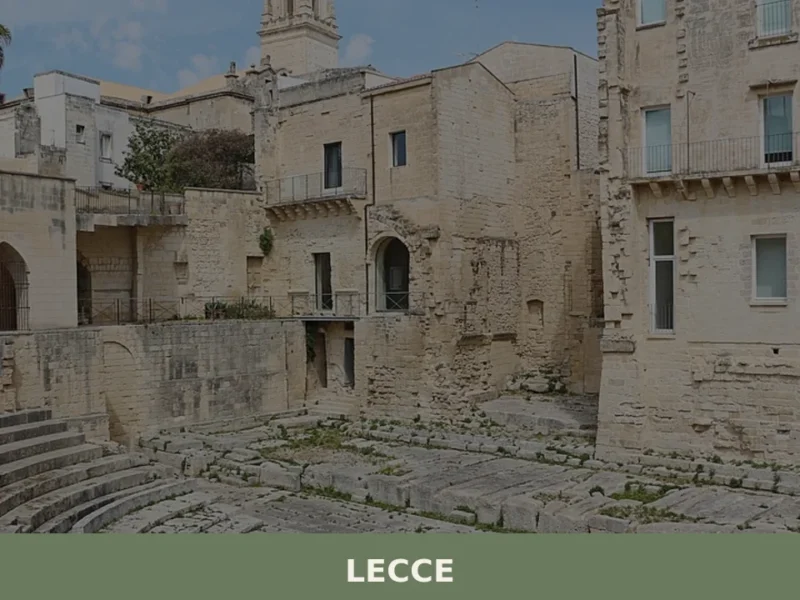
Lecce
 Sea
Sea
In the centre of Salento, on 26 August, the city of Lecce celebrates its patron saint, Sant’Oronzo, with a solemnity that unfolds among the scrolls and friezes of pale limestone. It is on days like these that the Lecce Baroque, the dominant stylistic hallmark, reveals itself in all its expressiveness, narrating centuries of history and […]
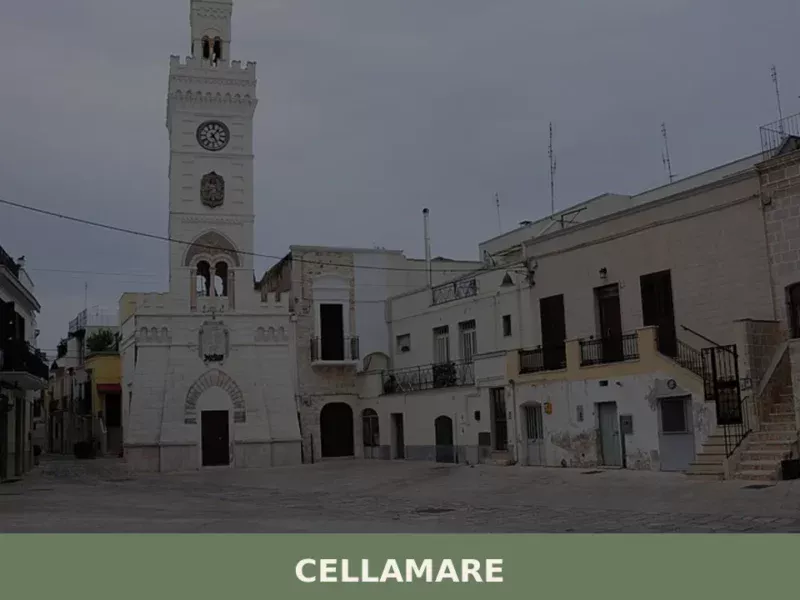
Cellamare
Plains
What to see in Cellamare, Italy: Explore this historic village, founded in 1171, located 110 m (361 ft) above sea level. Discover its grape industry and ancient origins.
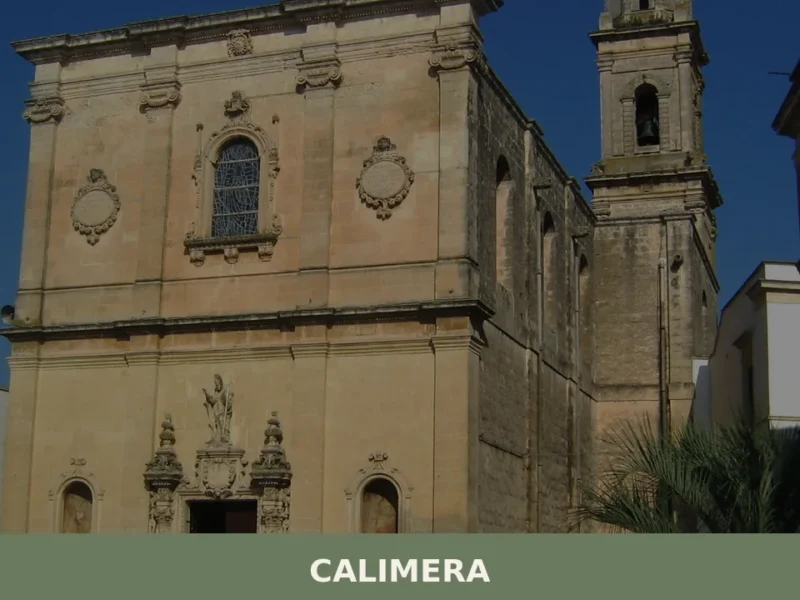
Calimera
Plains
Discover what to see in Calimera, the Puglia village at the heart of the Grecu00eca Salentina u2014 Griko culture, historic architecture, olive oil and local festivals.
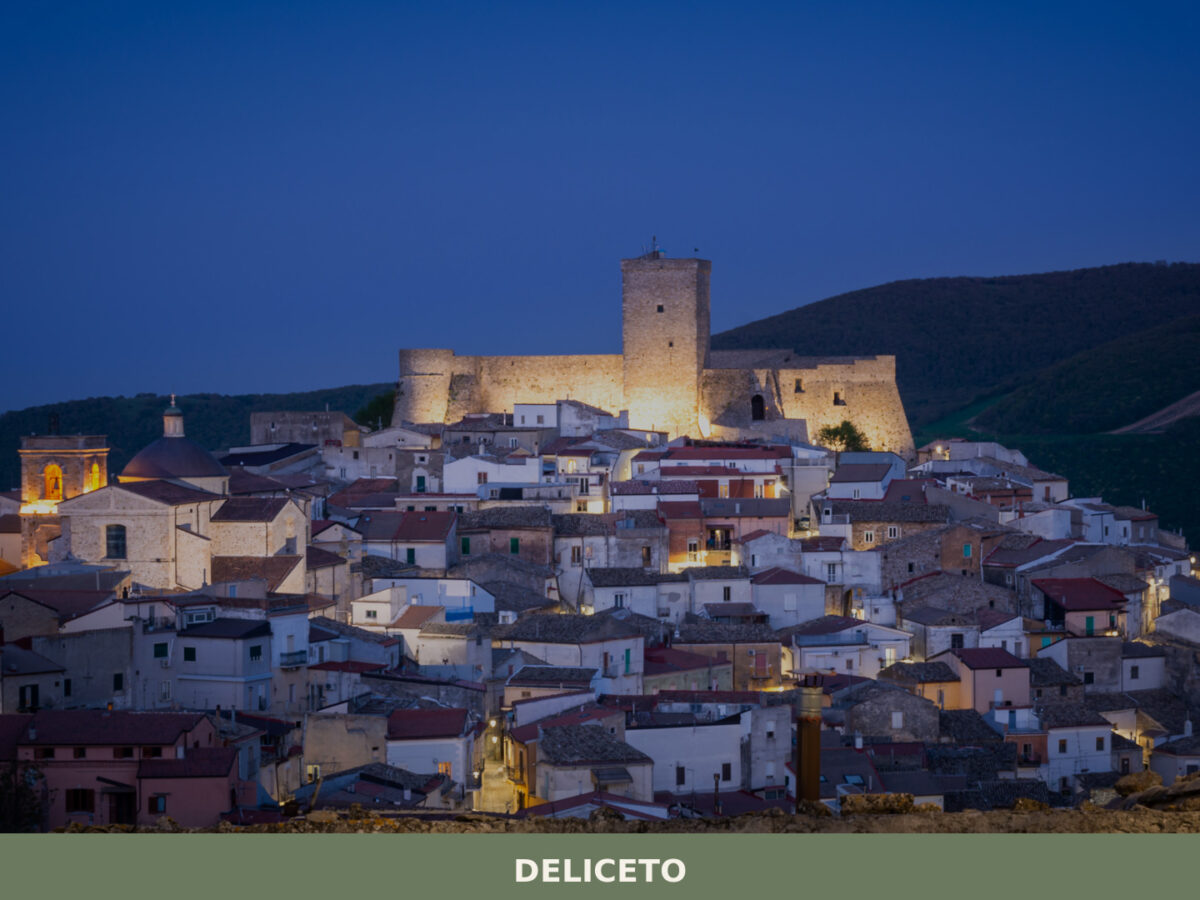
Deliceto
Hills
Deliceto rises at 575 metres on a ridge of the Subappennino Dauno, commanding the Tavoliere plain. A Norman castle, layered churches, and a stone-built historic centre define this compact Puglia hill village.
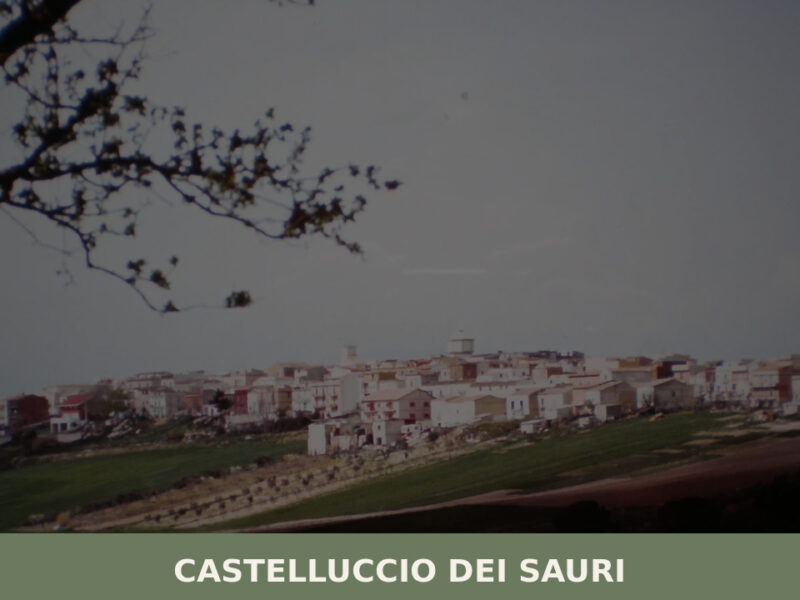
Castelluccio dei Sauri
Hills
A hilltop village of 2,024 inhabitants overlooking Puglia's Tavoliere plain. Castelluccio dei Sauri offers ancient tratturi routes, quiet stone lanes, and the deep agricultural traditions of the Capitanata.




🏡 Know San Marco in Lamis better than we do?
If you’re a local or have been there, your knowledge matters: add what’s missing or fix a detail on this page.