


Balvano
 Hills
Hills
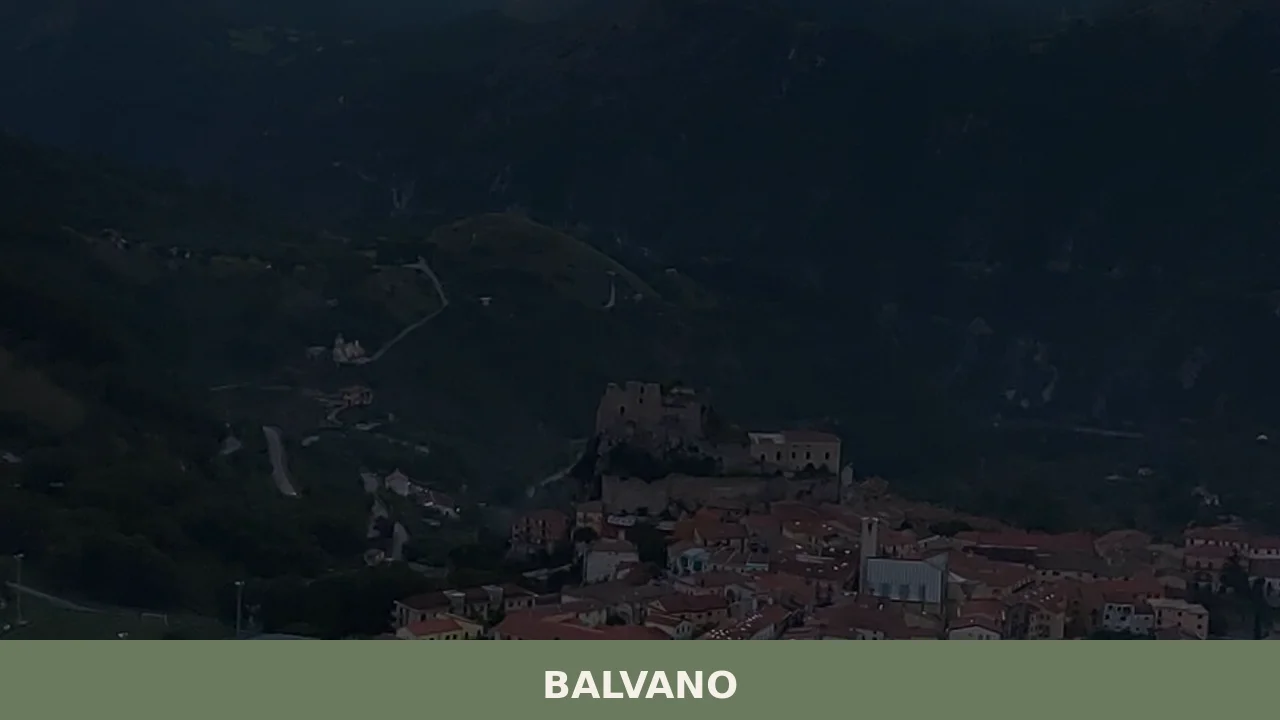
Balvano, a municipality in the province of Potenza, rises 425 meters above sea level, fitting into the hilly landscape of Basilicata. This altitude is not just a number, but the coordinate of a natural observatory from which the Platano valley can be viewed. With a population of 1,722 inhabitants, the village maintains the size of […]
Discover Balvano
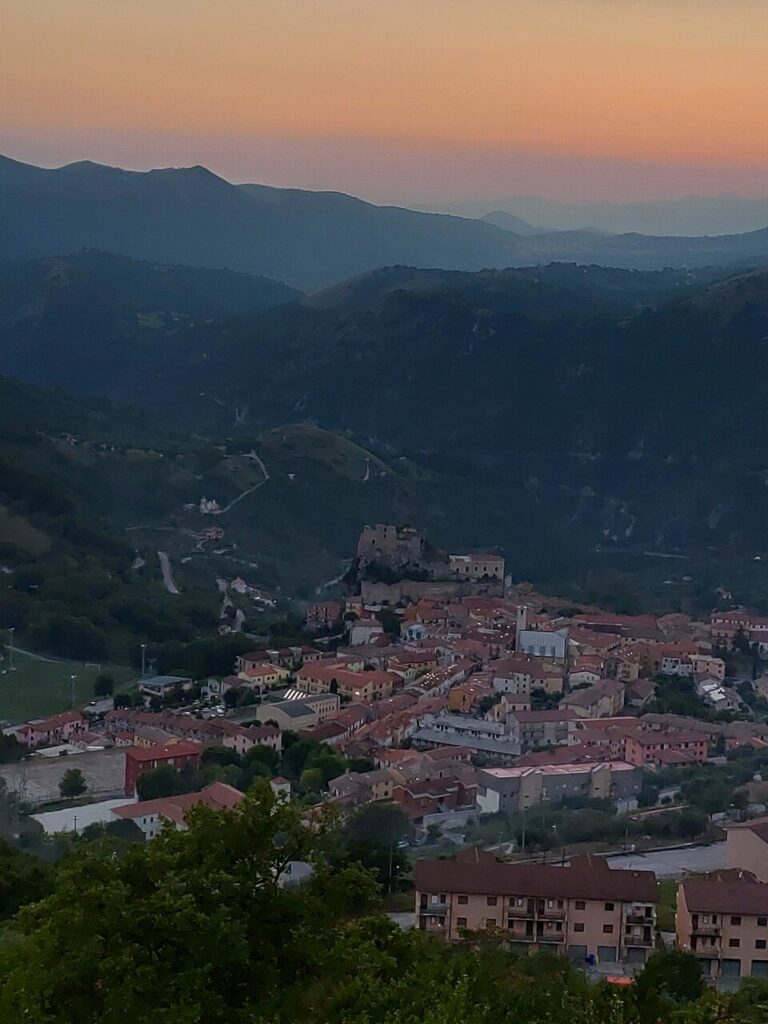
Balvano, a municipality in the province of Potenza, rises 425 meters above sea level, fitting into the hilly landscape of Basilicata. This altitude is not just a number, but the coordinate of a natural observatory from which the Platano valley can be viewed. With a population of 1,722 inhabitants, the village maintains the size of a cohesive community, where the rhythm of life is marked by long-standing traditions and devotion to the patron saint, Saint Anthony of Padua, celebrated every June 13. Those who ask what to see in balvano will discover a collection of elements that tell of its long presence in this territory.
History and Origins of Balvano
Balvano has its roots in a past that extends to the Roman era, with archaeological finds attesting to its presence. The name itself, according to some interpretations, could derive from “Balbanus,” an ancient landowner, or evoke the idea of a “bulwark” or fortified place, given its strategic position. Its history is marked by feudal events, passing under the dominion of various noble families who influenced its development and architecture.
The medieval period consolidated Balvano’s importance as an agricultural center and for controlling the surrounding territory. The construction of fortifications and religious buildings testifies to a community that, despite facing historical difficulties and transformations, managed to preserve its identity and social structures. Earthquakes, recurrent seismic events in the region, have repeatedly reshaped the village’s profile, forcing the reconstruction and reorganization of urban spaces, but without erasing the mark of its long presence on the hill. For historical insights, you can consult the dedicated page on Wikipedia Italy.
What to See in Balvano: 5 Essential Attractions
The Church of Saint Anthony of Padua
The main place of worship, dedicated to the village’s patron saint. Its structure has undergone modifications and reconstructions over the centuries, often due to seismic events. It features architectural elements that reflect different eras, preserving sacred artworks and evidence of local devotion within. It is the focal point of the patron saint’s celebrations on June 13.
Balvano Castle
Once an imposing fortress, Balvano Castle suffered severe damage due to earthquakes, particularly those in 1857 and the more recent one in 1980. Today, some ruins remain, allowing visitors to perceive its ancient configuration and defensive function. Its position offers a perspective on the surrounding landscape, recalling its strategic importance in controlling the valley.
The Historic Center
The oldest core of the village develops with a pattern of buildings that adapt to the terrain’s topography. Walking through the streets of the center allows one to observe the traditional architecture, small squares, and views that open onto the countryside. Here are traces of generations’ daily life, with stone portals and balconies that characterize local buildings.
The Belvedere over the Platano
Given its altitude, Balvano offers several viewpoints. The main belvedere, accessible from the inhabited center, allows one to take in the valley of the Platano river and the surrounding hills with a glance. On clear days, the view extends over the profiles of the Lucanian reliefs, offering a perception of the territory’s vastness and its geological formation.
The War Memorial
Located in one of the main squares, the monument is a reference point for the community. It commemorates those who fell in wars, representing a place of collective memory and reflection. Often, civil events and ceremonies take place around this space, reaffirming the village’s connection with national history and its memories.
Traditional Cuisine and Local Products
Balvano’s cuisine, like that of inland Basilicata, expresses a rural tradition that values local produce and livestock farming. A distinctive element is “peperoni cruschi,” sweet peppers dried and then quickly fried in hot oil, which acquire a crunchy texture and intense flavor. These are used to enrich first courses, such as homemade strascinati or lagane, often seasoned with fried breadcrumbs and a drizzle of local olive oil. Lamb meat, sourced from the hill farms, is another pillar of the gastronomy, prepared in various ways, including the traditional “agnello alla pastora” or roasted.
Cheeses are also present, with “Caciocavallo Podolico DOP” standing out for its long aging and complex aromatic notes, a result of the free-range grazing of Podolica breed cows. Other dairy products, such as ricotta and pecorino cheeses, complete the offering. The production of extra virgin olive oil, given the presence of olive groves, is a deeply rooted activity. Throughout the year, local festivals and celebrations offer the opportunity to taste these specialties, often prepared according to recipes handed down from generation to generation, keeping the village’s gastronomic identity alive.
When to Visit Balvano: The Best Time
Balvano’s climate, typical of inland hilly areas of Basilicata, features hot, dry summers and cold winters, with possible snowfall. The most suitable period for a visit extends from late spring to early autumn. In particular, the months of May, June, and September offer mild temperatures, ideal for exploring the village and its surroundings without the excessive summer heat. June, coinciding with the patron saint’s festival of Saint Anthony of Padua on the 13th, can be a significant time to observe the traditions and community participation.
Autumn, with its colors and activities related to olive harvesting or grape picking in nearby areas, offers a different and evocative atmosphere. It is a suitable period for those seeking peace and quiet and appreciating rural landscapes. During the colder months, the village takes on a more intimate appearance, but some accommodation and dining facilities might have reduced hours. It is always advisable to check local events on the official website of the municipality before planning your trip.
How to Get to Balvano
To reach Balvano, the most convenient means is by car. The village is accessible via State Road 407 “Basentana,” which connects Potenza with the Ionian coast. From the Basentana, take the turn-off for Balvano. Those coming from the north can take the A3 Salerno-Reggio Calabria motorway, exiting at Sicignano degli Alburni and then continuing on the SS 407. From Potenza, the distance is about 40 kilometers.
The nearest train station is Balvano-Ricigliano, on the Battipaglia-Potenza-Metaponto line, although train service on this route may be limited. The nearest airport is Naples-Capodichino, located about 130 kilometers away, from which it is then necessary to continue by car or with integrated public transport services.
Other Villages to Discover in Basilicata
Basilicata is a territory that preserves numerous villages, each with its own historical and landscape characteristics. After exploring Balvano, it can be interesting to continue discovering the province of Potenza by heading towards Anzi. This village, known for its astronomical observatory and its position overlooking the Basento valley, offers another perspective on the Lucanian highlands and the activities that take place there. Its history intertwines with that of ancient settlements, making it a significant stop for those wishing to delve deeper into the origins of the territory.
Another destination that deserves attention is Abriola, located at a higher altitude than Balvano. Abriola is characterized by a historic center that develops around the remains of its medieval castle, offering views of the surrounding nature and the peaks of the Lucanian Apennines. These villages, despite their individuality, share the identity of a Lucanian hinterland that keeps its traditions and its relationship with the hilly and mountainous environment alive.
Frequently asked questions about Balvano
What is the best time to visit Balvano?
The ideal period to visit Balvano runs from late spring to early autumn. May, June, and September offer mild temperatures perfect for exploring the historic center and enjoying panoramic views over the Platano valley. June 13 is particularly special: the feast of Saint Anthony of Padua, the village's patron saint, animates the community with traditional celebrations centered around the church dedicated to him. Autumn is excellent for those seeking tranquility and rural atmospheres, coinciding with olive harvesting in the surrounding area. Winter visits are quieter, but some local facilities may have reduced hours.
What are the historical origins of Balvano?
Balvano's origins date back to the Roman era, with archaeological finds confirming ancient settlement in the area. The village's name may derive from 'Balbanus,' a Roman landowner, or refer to its function as a fortified bulwark given its strategic hilltop position. During the medieval period it developed as an agricultural center and territorial control point, passing under the dominion of various noble families. Repeated seismic events, notably the earthquakes of 1857 and 1980, repeatedly reshaped its urban fabric without erasing its centuries-long presence on the hill.
What to see in Balvano? Main monuments and landmarks
Balvano's main attractions include: the Church of Saint Anthony of Padua, the focal point of local devotion featuring artworks spanning different architectural periods; the ruins of Balvano Castle, damaged by the 1857 and 1980 earthquakes, offering insight into the village's medieval defensive past; the historic center, with its stone portals and traditional architecture adapted to the hillside terrain; the Belvedere overlooking the Platano valley, accessible from the inhabited center; and the War Memorial in the main square, a site of community remembrance and civic ceremonies.
What are the main natural or scenic attractions of Balvano?
Balvano's position at 425 meters above sea level makes it a natural vantage point over the Platano river valley and the surrounding Lucanian hills. The main belvedere, accessible from the village center, offers sweeping views over the valley and, on clear days, extends across the profiles of the Lucanian Apennines. The hilly landscape surrounding the village, characterized by olive groves and agricultural land typical of inland Basilicata, provides a quiet rural environment suitable for leisurely walks and appreciation of the region's natural scenery.
Where to take the best photos in Balvano?
The most rewarding spots for photography in Balvano are the Belvedere overlooking the Platano valley, which frames the rolling Lucanian hills and the river below, and the ruins of Balvano Castle, whose weathered stonework and elevated position create compelling compositions. The narrow streets of the historic center, with traditional stone portals and hillside architecture, offer authentic village scenes. Early morning or late afternoon light brings out the warm tones of the local stone and the depth of the valley views particularly well.
Are there museums, churches or historic buildings to visit in Balvano?
The principal religious and historic buildings in Balvano are the Church of Saint Anthony of Padua, the main place of worship whose structure reflects architectural modifications across several centuries due to seismic reconstructions, and the remains of Balvano Castle, which, though heavily damaged by the earthquakes of 1857 and 1980, still conveys the scale of its original defensive function. The historic center itself preserves traditional vernacular architecture with stone buildings adapted to the hill's topography. Specific opening hours and admission details are best verified directly with the municipal offices or local pro loco.
What can you do in Balvano? Activities and experiences
Balvano is well suited to slow, immersive travel. Visitors can explore the historic center on foot, walk to the belvedere for views over the Platano valley, and visit the Church of Saint Anthony of Padua and the castle ruins. The June 13 patron saint festival offers a direct experience of local community traditions. The surrounding hilly countryside is suitable for leisurely walks amid olive groves and rural landscapes. Food and wine experiences centered on Lucanian specialties — including peperoni cruschi, Caciocavallo Podolico DOP, and local olive oil — can be enjoyed in village restaurants.
Who is Balvano suitable for? Families, couples, hikers, solo travelers?
Balvano is best suited to travelers who appreciate authentic, unhurried village life away from mass tourism. Couples seeking a quiet rural retreat will find its panoramic views and traditional atmosphere rewarding. Food and wine enthusiasts will value the genuine Lucanian gastronomy. History and heritage travelers will be interested in the castle ruins, the medieval historic center, and the seismic history that shaped the village. Families with older children curious about southern Italian rural culture will find it engaging. It is less suited to those seeking active adventure tourism or large-scale entertainment.
What to eat in Balvano? Local products and specialties
Balvano's table reflects the inland Basilicata culinary tradition. Signature products include peperoni cruschi — dried sweet peppers flash-fried to a crisp, used to season handmade pasta such as strascinati and lagane, often finished with toasted breadcrumbs and local extra virgin olive oil. Lamb from hill farms is a staple, prepared as agnello alla pastora or roasted. Caciocavallo Podolico DOP, an aged cheese from free-ranging Podolica cattle with complex aromatic notes, is the most prestigious dairy product. Ricotta and pecorino cheeses, along with locally produced olive oil, complete the traditional gastronomic picture.
📷 Photo Gallery — Balvano
Nearby Villages near Balvano
In Basilicata More villages to discover
Baragiano
 Mountain
What to see in Baragiano, Italy: a village at 625 m altitude with 2,485 inhabitants. Discover top attractions, local food, festivals and how to get there.
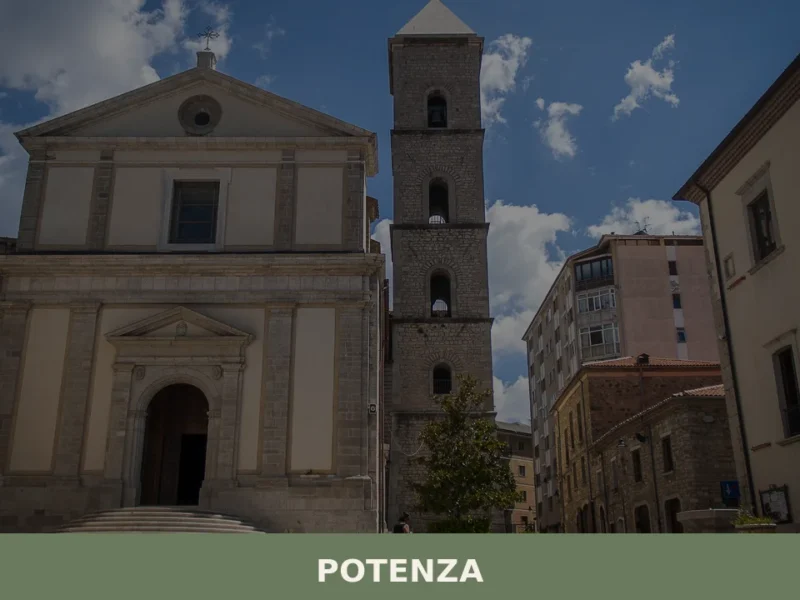
Potenza
Mountain
What to see in Potenza: from the historic centre churches to Castello Tramontano. Complete guide with 5 attractions and practical tips for your visit.
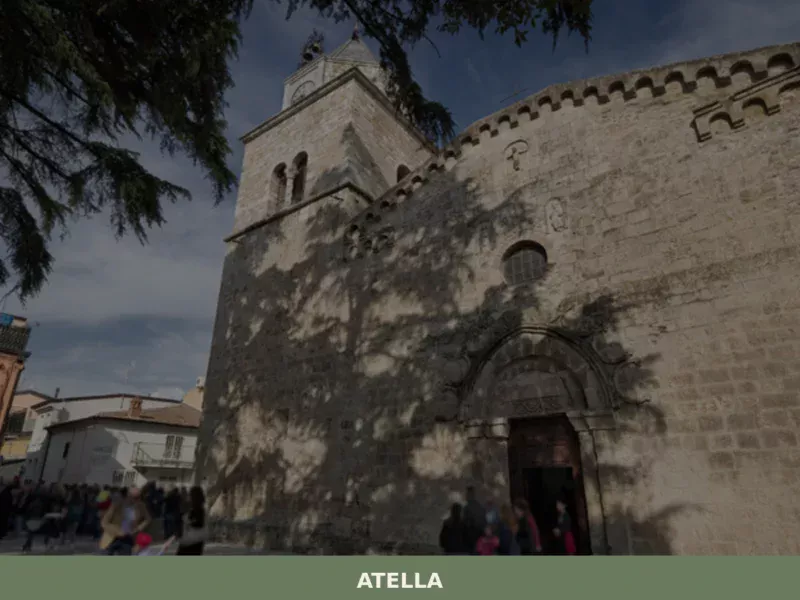
Atella
Hills
Discover what to see in Atella, a 3,574-inhabitant comune in Potenza province. History, food, travel tips and the best of the Vulture-Melfese area.
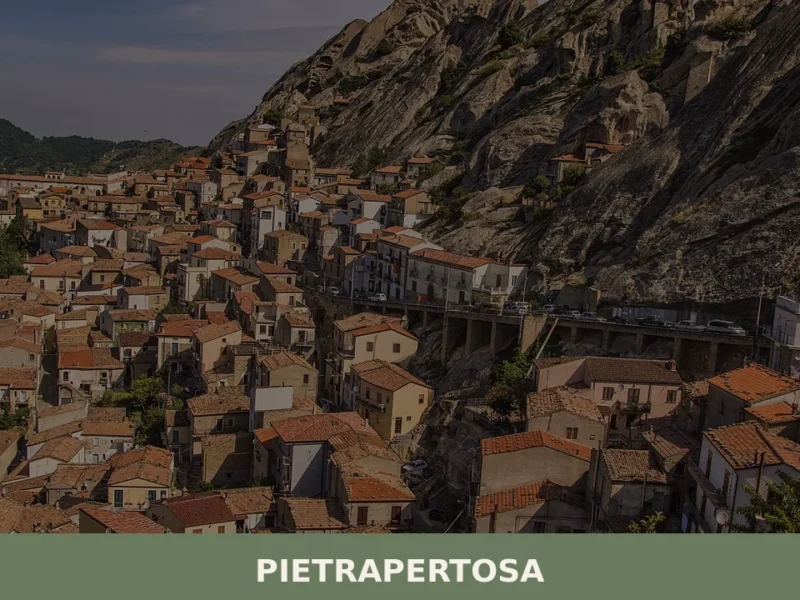
Pietrapertosa
 Sea
Sea
What to see in Pietrapertosa, Basilicata, Italy: from the Volo dell'Angelo zip line to Dolomiti Lucane rock formations. Discover top things to do. Read the guide.
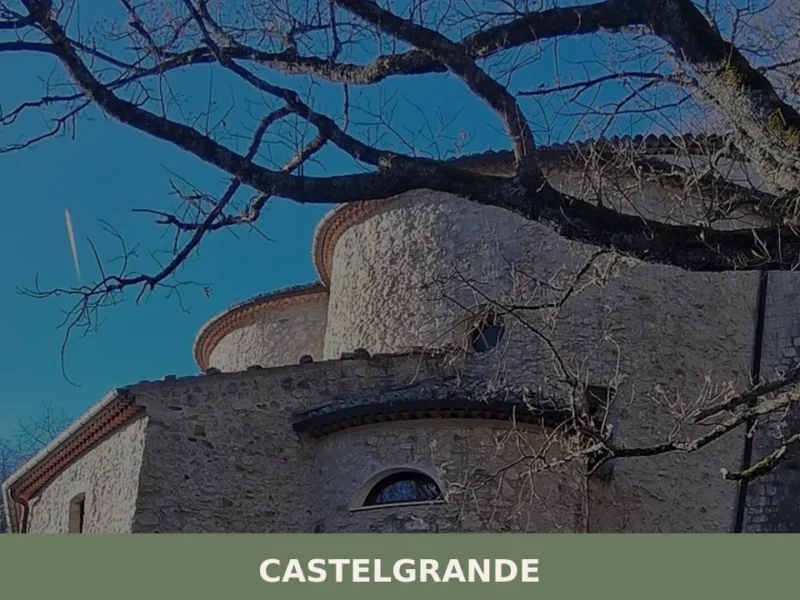
Castelgrande
Mountain
Discover what to see in Castelgrande, a mountain village in Basilicata. From the Mother Church to the historic center, a journey through history and nature. Includes practical tips for your visit.
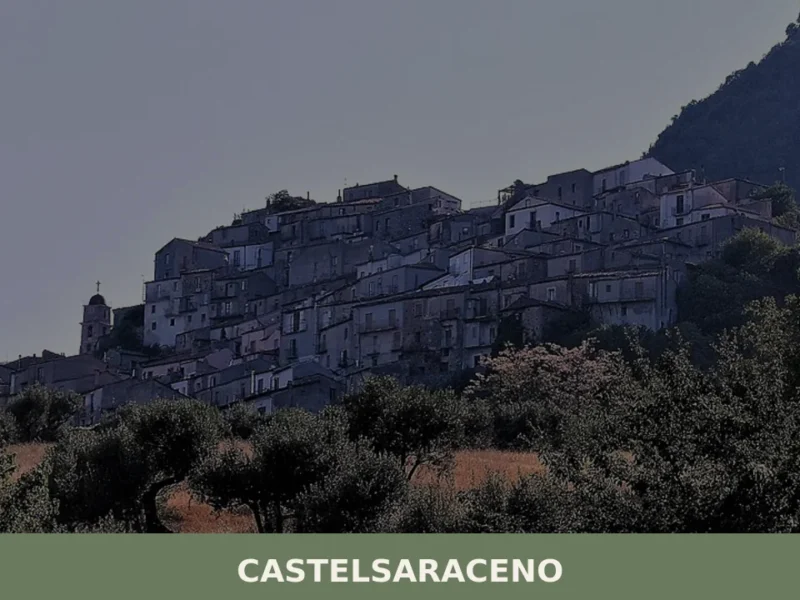
Castelsaraceno
Mountain
What to see in Castelsaraceno, Italy? Explore this mountain village at 916 m (3,005 ft) altitude. Discover the 586 m (1,923 ft) Tibetan Bridge and its historic core. Read our guide.
Acerenza
Hills
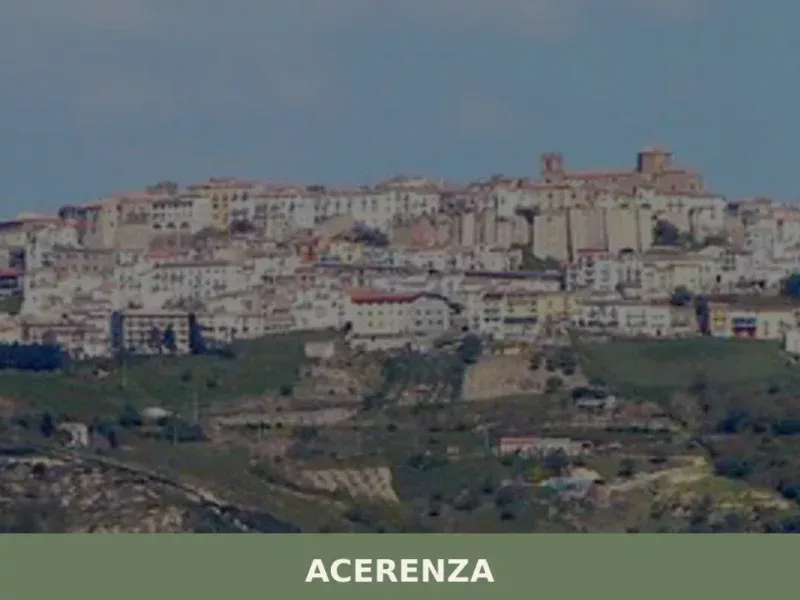
Discover what to see in Acerenza, Basilicata: a Norman cathedral, medieval streets, calanchi views and local food. Practical tips for visiting this hilltop episcopal town.

Genzano di Lucania
Mountain
Discover Genzano di Lucania, a stone-built hilltop village in Alta Basilicata, where ancient alleys, Apennine views, and local traditions shape everyday life.

Garaguso
Mountain
What to see in Garaguso, Italy: a hilltop comune at 460 m with a Greek Heroon, an 18th-century palace, and Iron Age finds. Discover the top attractions now.
Castronuovo di Sant’Andrea
Mountain
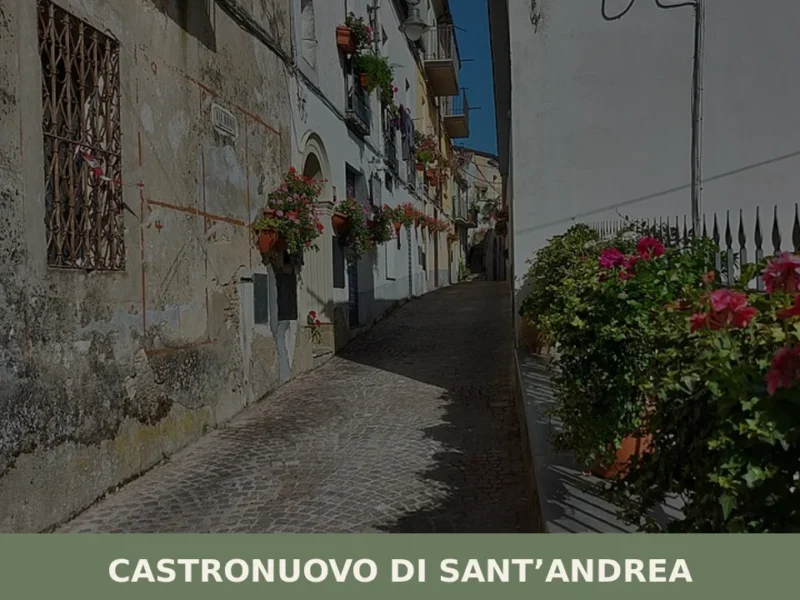
With a population of 1,111 inhabitants, Castronuovo di Sant’Andrea is a Lucanian town located in the province of Potenza, in the heart of the southern Apennines. The settlement, whose origins are lost in the folds of history, presents an urban structure that reflects centuries of layers. For those wishing to understand the essence of this […]
🧀 Italian traditional products


🏡 Know Balvano better than we do?
If you’re a local or have been there, your knowledge matters: add what’s missing or fix a detail on this page.