


Altavilla Irpina
 Mountain
Discover Altavilla Irpina, a hilltop village in Avellino province with medieval churches, ancient stone architecture, and authentic Irpinian food traditions.
Discover Altavilla Irpina
The name alone carries centuries of displacement: from Hauteville, the Norman dynastic family whose territorial grip across southern Italy left a trail of renamed settlements from Sicily to Campania. In the case of this comune in the province of Avellino, the renaming process passed through at least three intermediate forms — Scandiano, Altacoda, Altacauda — before the current name settled.
Some scholars have linked the site to Poetilia, a place mentioned by Virgil in the Aeneid, which would push the documented presence of human settlement here back to classical antiquity.
For visitors researching what to see in Altavilla Irpina, the town sits within the province of Avellino in Campania, Italy, at a point where the rail corridor connecting Avellino and Benevento passes through. The Altavilla Irpina highlights include its layered Norman and medieval fabric, the surrounding Irpinian landscape, and proximity to other inland Campanian communes worth combining into a day itinerary. Visitors to Altavilla Irpina find a compact settlement with a readable urban structure, direct train access, and a food culture rooted in the agricultural traditions of the Avellino hinterland.
History of Altavilla Irpina
The oldest possible reference to this site comes from Virgil’s Aeneid, where a place called Poetilia is mentioned. A line of scholars has proposed that Poetilia corresponds to the location now occupied by Altavilla Irpina. If that identification is correct, the area was already a named settlement in Roman cartographic and literary consciousness during the first century BCE. The hypothesis remains debated, but it anchors the town within a landscape of genuinely pre-medieval significance in southern Italy.
The name the settlement carries today derives directly from the Norman family known as Hauteville — Hauteville in Old French, referring to a high town or high estate — whose members became dominant power-brokers across southern Italy and Sicily from the eleventh century onward.
Before stabilising into its current form, the name moved through documented variants: Scandiano first, then Altacoda, then Altacauda. Each variant reflects a phonetic drift across spoken Latin, early Italian dialects, and the administrative language of successive rulers. The transition from Norman to Angevin to Aragonese control in the wider Kingdom of Naples would have passed through this town as through hundreds of others in Campania, leaving administrative records even where visible monuments did not survive.
The modern comune belongs to the province of Avellino, a province whose boundaries were formalised through the reorganisation of the Italian state in the nineteenth century. Altavilla Irpina, like many Irpinian towns, experienced the demographic pressures of post-Unification emigration and the seismic vulnerability that has periodically reshaped the built fabric of this part of Campania.
The Irpinia earthquake of 1980, one of the most destructive in postwar Italian history, affected numerous settlements across the province of Avellino, and its legacy is visible in the mix of restored historic structures and post-1980 construction that characterises many towns in the area, including those near Altavilla Irpina such as Arpaise, another Campanian commune that navigated similar cycles of damage and reconstruction in the Benevento-Avellino borderlands.
What to see in Altavilla Irpina, Campania: top attractions
The Historic Town Centre and Norman Street Layout
The urban fabric of Altavilla Irpina preserves the compact, defensive logic of a Norman-era settlement, where streets narrow toward a core rather than radiating outward in a grid. The name of the town itself — traceable to the Hauteville family who held territorial authority across southern Italy from the eleventh century — is physically legible in the arrangement of the older quarters. Walking through the centre, stone facades show the layering of construction phases that span several centuries of Campanian building practice.
The best time to observe the street plan in detail is mid-morning on weekdays, when traffic is minimal and the geometry of the lanes is fully visible without obstruction.
The Avellino-Benevento Railway Station
Altavilla Irpina holds a station on the Trenitalia Avellino-Benevento railway line, a regional rail corridor that crosses the interior of Campania through terrain that is geographically distinct from the coastal routes most visitors use. The station itself is a functional piece of infrastructure with documentary value: it marks the point where this inland town was formally integrated into the Italian rail network during the nation-building era of the late nineteenth and early twentieth century. For visitors arriving without a car, the station is the primary access point and orients immediately toward the town centre. Arriving by train also gives a clear read of the surrounding Irpinian landscape before reaching the platform.
The Irpinian Landscape and Surrounding Countryside
The countryside around Altavilla Irpina belongs to the broader Irpinian interior, a highland zone of the Campania region where elevation, agricultural land use, and valley morphology differ markedly from the coastal provinces of Naples and Salerno. The terrain here supports mixed cultivation — wheat, vegetables, and in certain areas vine and hazelnut — and the visual rhythm of the landscape alternates between open agricultural plots and wooded hillside. For those interested in the physical geography of inland southern Italy, this zone offers a different calibration than the Amalfi coast or the Vesuvian plain.
A walk along the roads immediately outside the built-up area during spring, between April and June, gives the clearest view of the seasonal agricultural cycle in full activity.
The Classical Connections: The Site of Ancient Poetilia
The proposed identification of Altavilla Irpina with the ancient Poetilia mentioned by Virgil in the Aeneid is not confirmed archaeology, but it is a documented scholarly hypothesis that gives the site a different depth when explored on foot. The landscape features — elevated position, proximity to valley routes — are consistent with the kind of site Virgil’s text implies. Visitors with an interest in Roman literary geography can use the known topography of the area to test the hypothesis against the terrain. The connection, if valid, would place Altavilla Irpina within a network of Campanian sites relevant to the study of early Roman settlement in southern Italy, a network that extends across the province of Avellino.
The Town’s Position on the Avellino-Benevento Corridor
Altavilla Irpina sits on one of the main inland routes connecting Avellino — the provincial capital approximately 15 km (9.3 mi) to the west — with Benevento, roughly 30 km (18.6 mi) to the east. This position on a functional corridor means the town has historically served as an intermediate point between two significant Samnite and later medieval administrative centres.
The route itself follows the natural topography of the Irpinian interior, passing through a succession of small communes each with distinct local histories. For visitors planning what to see in Altavilla Irpina as part of a longer inland circuit, this corridor logic provides a coherent geographic framework: the town fits naturally into a linear itinerary between two provincial cities, both of which have direct road and rail connections to Naples.
Local food and typical products of Altavilla Irpina
The food culture of Altavilla Irpina is rooted in the agricultural economy of the Avellino province, an inland zone of Campania where the relative distance from coastal trade routes historically concentrated production around grain, legumes, preserved meats, and locally grown vegetables. The Irpinian interior has long maintained a cuisine structured around what the land reliably yields: wheat-based pastas, dried pulses, cured pork, and seasonal greens foraged or grown at altitude. This is not the tomato-and-mozzarella register of coastal Campania but something older and more frugal in its logic, dependent on preservation techniques developed before refrigeration and still maintained in domestic and restaurant kitchens across the province.
In the broader Avellino area, pasta formats tend toward the hand-rolled and irregular: laganelle, a flat wide pasta cut into strips, served with legume-based sauces — cannellini beans, chickpeas, or dried fava — cooked slowly with garlic, rosemary, and local olive oil.
Fusilli al ragù prepared with the long spiral format native to Campanian tradition differs from its industrialised cousin in both texture and cooking time; the hand-formed version holds sauce differently and requires a slow-cooked pork or lamb ragù to reach the right consistency. Preserved pork products, including soppressata (a firm, dry-cured salami pressed into a rectangular shape) and capicollo (cured pork neck, sliced thin), are produced across the Irpinian communes and sold in local alimentari throughout the province.
The province of Avellino is also the production zone for the Nocciola di Giffoni IGP, a protected hazelnut variety grown in Campania whose quality standard is regulated at European level. While the Giffoni zone is in the province of Salerno, the hazelnut cultivation tradition extends across adjacent Campanian provinces and the product appears regularly in local pastry — ground into flour for biscuits, folded into filled pastry shells, or used as a base for crema di nocciole.
The Fiano di Avellino DOCG and Taurasi DOCG are the denomination wines most directly associated with the Avellino province; Taurasi, produced from the Aglianico grape, is among the most structurally significant red wines in southern Italy and is available in enoteca and restaurant wine lists across the Irpinian communes, including those close to Altavilla Irpina.
Local food markets and seasonal events tied to the agricultural calendar operate across the province in autumn, when the grape and hazelnut harvests conclude. October and November are the months when cured meat production begins for the winter cycle, and small-scale producers in the Avellino hinterland often sell directly at this time of year. Visitors combining a food-focused itinerary with what to see in Altavilla Irpina will find the autumn period — September through November — the most productive season for engaging with local food production at source.
Festivals, events and traditions of Altavilla Irpina
The sources available for Altavilla Irpina do not confirm a specific patron saint festival date or a named annual event with documented rituals.
What can be stated is that the town belongs to a province — Avellino — where the calendar of sagre (traditional local food festivals, typically tied to a single seasonal product or dish) and patron saint feast days is dense across the summer and early autumn months. In many Irpinian communes of comparable size, the local feast follows a pattern of outdoor procession, evening band concert, and fireworks display, but these details cannot be attributed to Altavilla Irpina specifically without confirmation from the available sources.
The broader Campanian festival calendar that surrounds Altavilla Irpina includes events in Avellino city and in neighbouring communes that a visitor staying in the area would realistically encounter. The Irpinian wine harvest, which concentrates in September and October, generates informal and formal celebrations across the province linked to the Aglianico grape and the Taurasi and Irpinia DOC denominations. Any visitor planning a trip specifically around a local festival in Altavilla Irpina should confirm the current programme through the municipal website or the Avellino provincial tourism office before travelling, as event dates in small communes are subject to variation year by year.
When to visit Altavilla Irpina, Italy and how to get there
The best time to visit this part of Campania is between April and June, when temperatures in the Irpinian interior are moderate — typically 15 to 22 degrees Celsius (59 to 72 degrees Fahrenheit) — and the landscape is at its most agriculturally active.
September and October offer a second viable window: the heat has dropped from August peaks, the grape harvest is underway across the Avellino province, and the light in the Irpinian hills has the low-angle quality that makes the topography easier to read. July and August are hot and, in small inland communes, often quiet to the point of closure for many local services. Winter visits are possible but some smaller businesses operate reduced hours between December and February.
Altavilla Irpina is accessible by rail on the Avellino-Benevento line, which makes it reachable from Avellino city — approximately 15 km (9.3 mi) to the west — without a car. From Naples, the journey to Avellino takes roughly one hour by regional train or bus, after which a connection toward Benevento reaches Altavilla Irpina. By road, the A16 motorway (the Autostrada dei Due Mari, connecting Naples with Bari) has an exit at Avellino Est, from which Altavilla Irpina is reachable in approximately 20 minutes by car.
From Rome, the drive covers roughly 250 km (155 mi) via the A1 and A16, making this a feasible day trip from the Italian capital for visitors with a car and an early start. The nearest major airport is Naples Capodichino (NAP), approximately 65 km (40 mi) to the southwest, with a transfer time of around 75 to 90 minutes depending on traffic and the connection chosen at Avellino. International visitors should note that English is not widely spoken in smaller shops and services in the Irpinian interior; carrying euros in cash is practical, as card acceptance in rural communes can be inconsistent.
For travellers building a longer route through the Campanian interior, Altavilla Irpina fits logically into a circuit that combines the Avellino-Benevento corridor with stops at other inland communes. The village of Vitulazio, in northern Campania, lies further toward the Caserta province and represents a different geographic register — lower elevation, closer to the Volturno plain — but fits within a multi-day Campanian interior itinerary.
Similarly, Formicola, a small comune in the province of Caserta, is reachable from the Avellino-Benevento corridor by crossing toward the northwestern Campanian hills and offers a comparable inland settlement scale to Altavilla Irpina.
Visitors extending their time in the area and curious about what to see in Altavilla Irpina in the context of the wider Sannio-Irpinia borderlands can also consider Camigliano, a Campanian village in the province of Caserta, which sits at the western edge of the inland Campanian arc and offers a distinct local history within the same general region.
In Campania More villages to discover
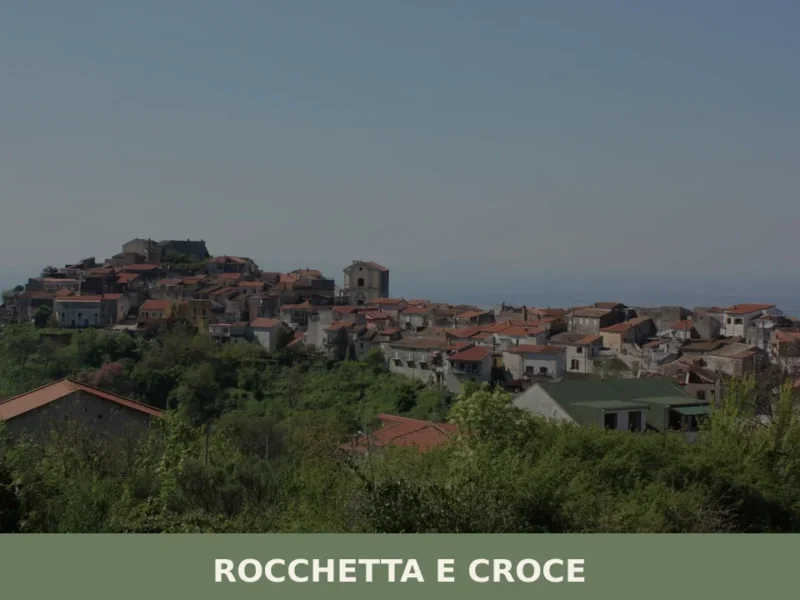
Rocchetta e Croce
 Hills
Hills
Discover Rocchetta e Croce, a charming village near Caserta. Our guide reveals what to see, must-see attractions, and the history of this Campanian gem.
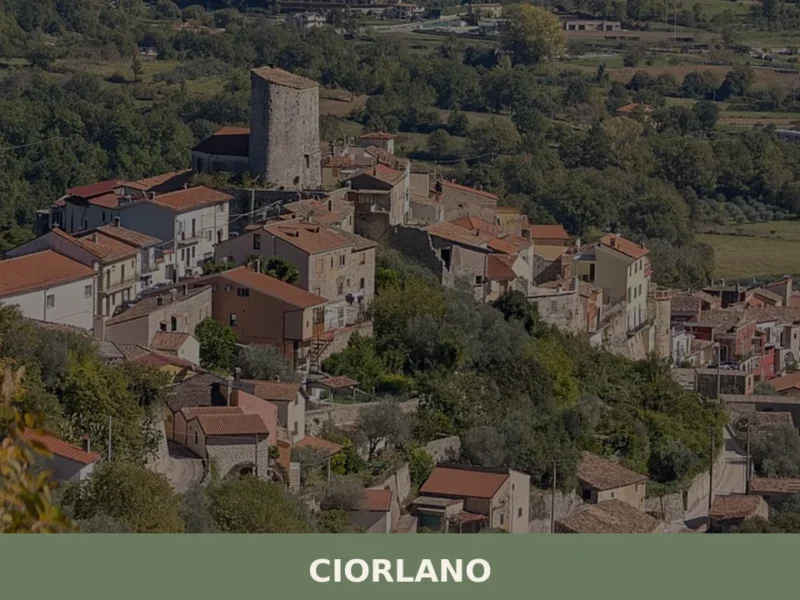
Ciorlano
Hills
With its 370 inhabitants spread across an elevation of 330 metres above sea level, Ciorlano is one of the least populated municipalities in the province of Caserta. The village sits in the middle Volturno valley, along the hillside that separates the Matese massif from the Alife plain. Anyone wondering what to see in Ciorlano will […]
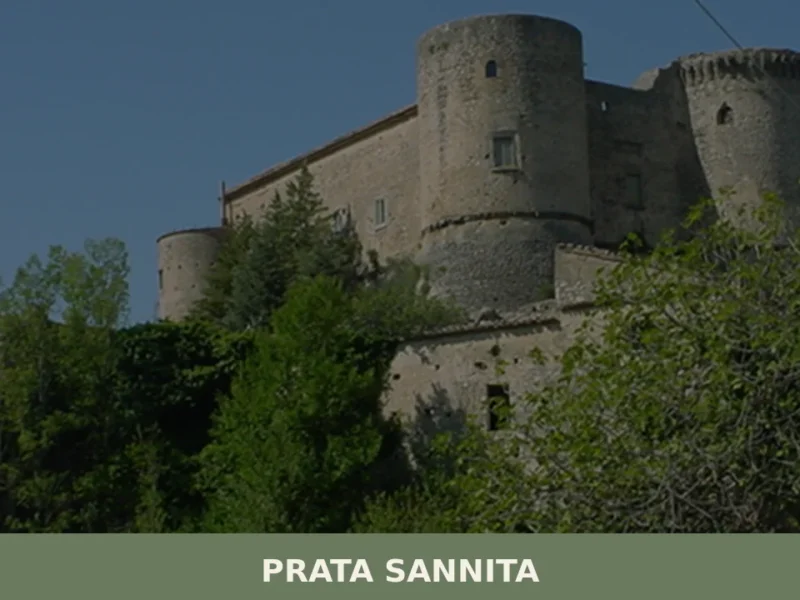
Prata Sannita
Hills
what to see in prata sannita, Italy: Explore this Campania comune at 333 meters altitude. Discover panoramic vistas and traditional village life.
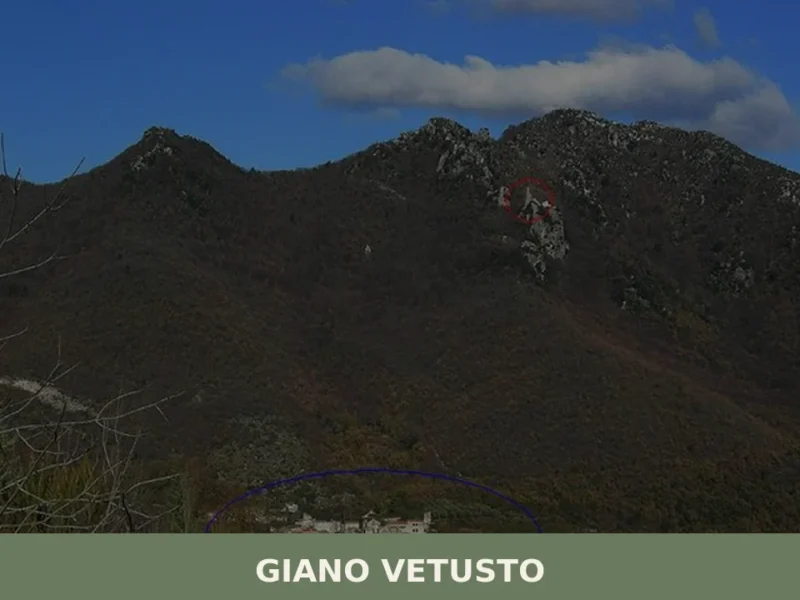
Giano Vetusto
Hills
What to see in Giano Vetusto: Church of Sant'Antonio, historic centre, agricultural landscape, local cuisine and how to reach this hillside village near Caserta.
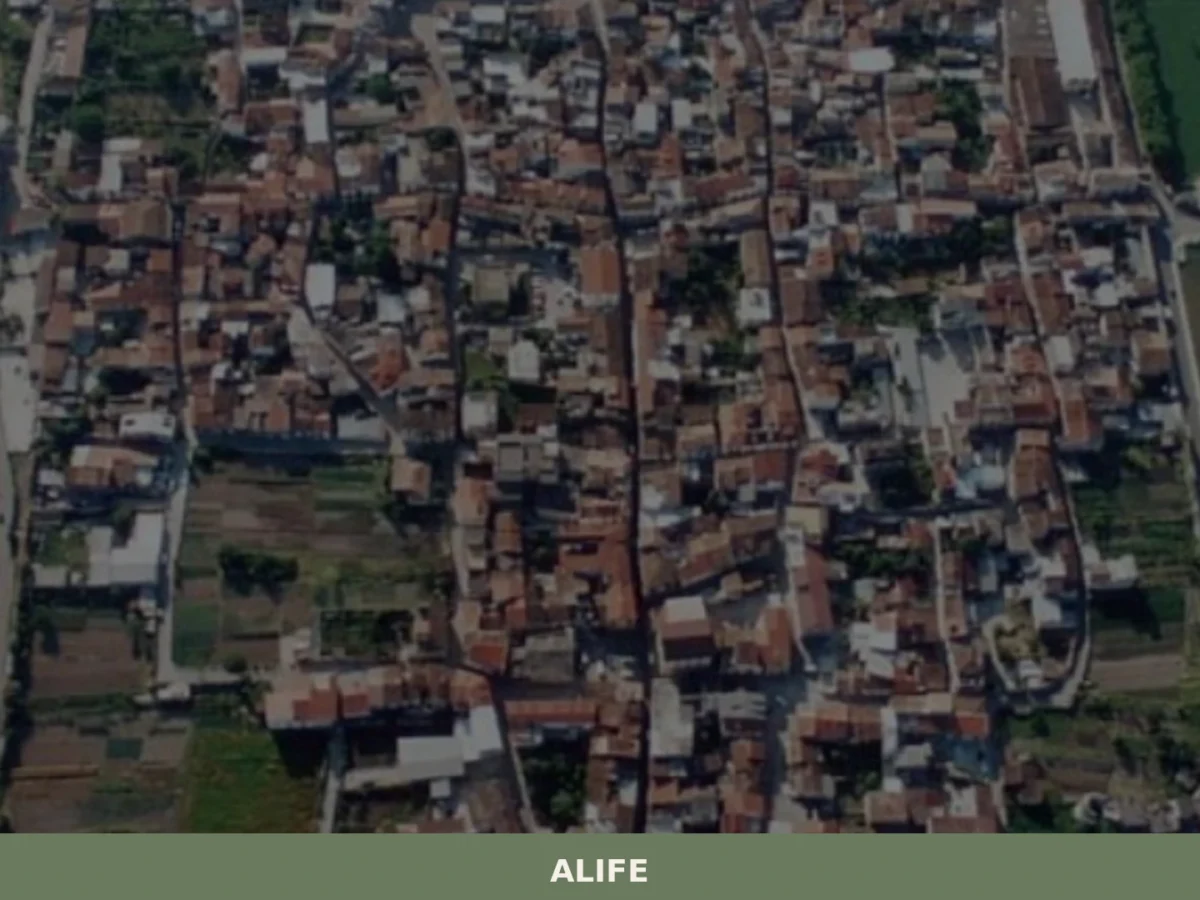
Alife
 Plains
What to see in Alife, Italy: Discover at 110 m altitude the Roman Amphitheatre and the Cathedral of Alife. Explore Campania's rich history!
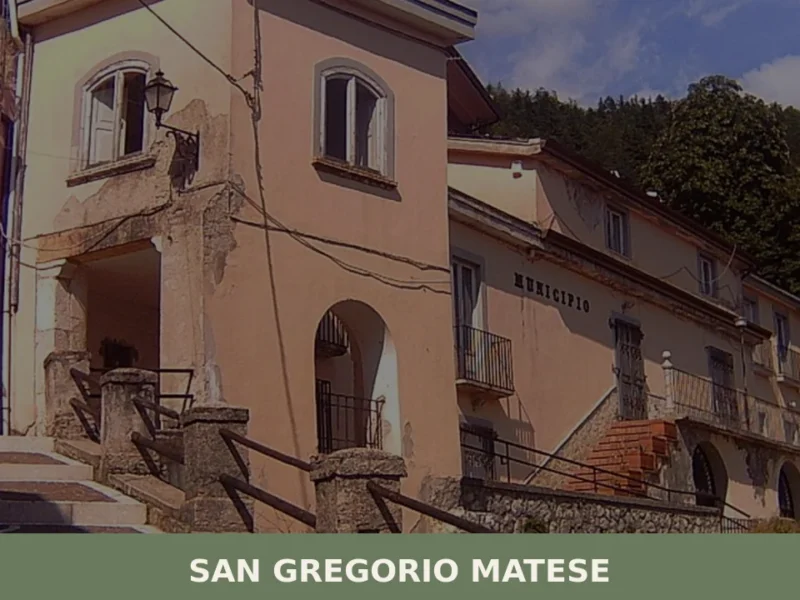
San Gregorio Matese
Mountain
What to see in San Gregorio Matese, Italy: Explore this mountain village at 765 m altitude. Discover its historic core and annual patron saint feast. Read our guide.
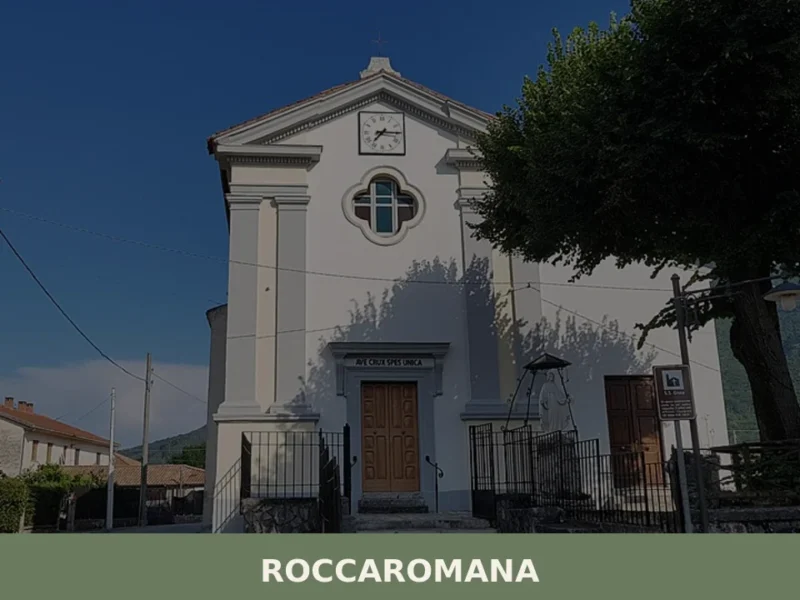
Roccaromana
Plains
What to see in Roccaromana, Italy: Explore its 180m altitude, discover historic churches and enjoy San Cataldo feast. Learn more about visiting this quaint village.
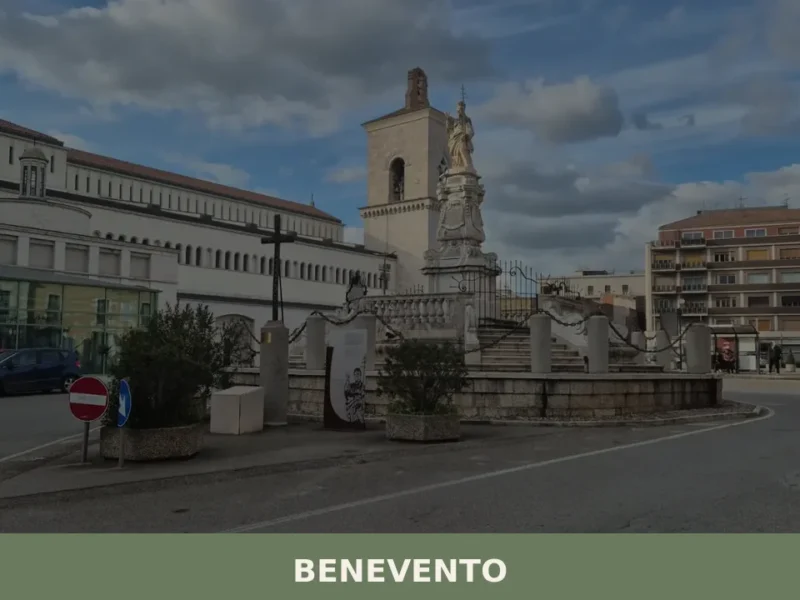
Benevento
Plains
Uncover the rich history and beautiful landscapes of the village of Benevento in Campania, Italy. Plan your visit to this charming Italian gem today!
San Potito Sannitico
Hills
Discover San Potito Sannitico, a hidden gem in Campania, Italy. Explore its rich history, stunning landscapes, local traditions, and authentic Italian charm.
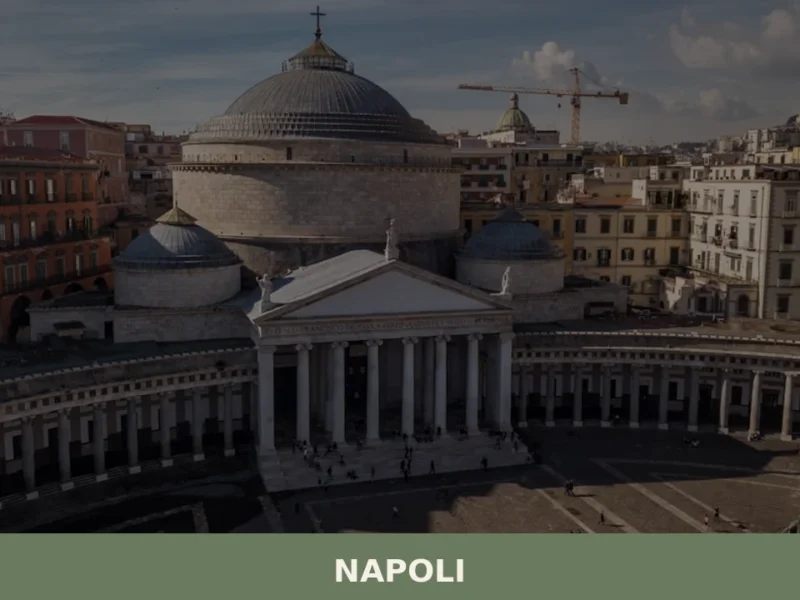
Napoli
 Sea
Sea
What to see in Napoli: 959,052 residents, UNESCO historic centre and Teatro San Carlo (1737). Discover the National Archaeological Museum, Neapolitan pizza and the 19 September San Gennaro feast.



🏡 Know Altavilla Irpina better than we do?
If you’re a local or have been there, your knowledge matters: add what’s missing or fix a detail on this page.