



Villa Literno is a municipality in the Caserta plain of Campania, known for its layered history from Roman Vicus Feniculensis to a modern agricultural town famous for tomato cultivation and a signific
Discover Villa Literno
Villa Literno is a municipality in the province of Caserta, Campania, covering approximately 61.65 square kilometres of low-lying plain at an altitude of 10 metres, with a population of around 12,800 residents. Part of the agro aversano, the town sits in the broad Campanian plain and carries the postal code 81039; its inhabitants are known as liternesi. The territory has long been associated with agricultural production — pomodoro cultivation above all — and today includes the protected wetland of the Oasi delle Soglitelle, within the Riserva naturale Foce Volturno – Costa di Licola.
From a Roman locality called Vicus Feniculensis to a Norman stronghold known as Vico di Pantano, from Angevin hunting grounds to a modern comune that drew international attention after the 1989 murder of South African refugee Jerry Masslo, this is a place where history has accumulated in unexpected layers. The Villa Literno village in Campania that visitors encounter today balances a modest built heritage — the Chiesa di Santa Maria Assunta, the remains of a medieval castle, the recent Complesso Nostra Signora di Lourdes — with a living agricultural calendar anchored by the summer Festa del Pomodoro and the Carnevale, whose modern edition dates officially to 1985.
Villa Literno village in Campania: history and origins
Villa Literno is a settlement in the province of Caserta with a recorded history stretching from Roman times through medieval feudal rule, modern administrative reshaping, and a turbulent contemporary chapter marked by immigration and social conflict. In the Roman period the locality was known as Vicus Feniculensis, and it is traditionally attributed with having been raised to a diocese during the Constantinian era, in the fourth century. It is also suggested that, around 1053, that early see was among those absorbed into the diocese of Aversa, alongside Cuma and Atella.
Through the Norman period the territory appears in records under the names San Sossio del Pantano and Vico di Pantano, a reference to the marshy ground surrounding the settlement. The Swabian era saw the land held by the De Apolita family; after 1268, under Angevin rule, King Carlo I d’Angiò promoted the construction of a castle intended as a hunting reserve. In the early fourteenth century the estate belonged to Michele de Cantono, a Messina-born councillor close to Queen Sancha d’Aragona and King Roberto d’Angiò, who had granted him the territories of Vico di Pantano and Gaudo. Ownership later passed by dowry to the Carafa della Stadera family, following the marriage of Francesco Malizia Carafa to Maria Origlia della Stadera. In 1528 the estate reverted to the Royal Court and was sold to Alfonso d’Avalos d’Aquino. Land-reclamation works were begun under the viceroy of Naples Pedro Álvarez de Toledo y Zúñiga and continued for centuries.
The feudal order ended in 1806 with the laws abolishing feudal privileges in the Kingdom of Naples; that same year Giuseppe Bonaparte reorganised the territory, placing Vico di Pantano within the province of Terra di Lavoro, district of Caserta, in the circondario of Trentola. In 1927, under the Mussolini government, that province was dissolved and Vico di Pantano was assigned to the province of Naples, receiving at the same time its current name, Villa Literno. After the Second World War it became part of the newly formed province of Caserta in 1945.
The postwar decades brought intensive agricultural development, particularly tomato cultivation, which drew large numbers of migrant workers — predominantly from Africa — into conditions of severe exploitation under the caporalato system. In 1989 the murder of Jerry Masslo, a South African refugee killed during a robbery targeting immigrant labourers, drew national attention and led to a state funeral. Five years later, in 1994, the informal settlement known as the ghetto of Villa Literno was destroyed in an arson attack, which the bishop of Caserta, Raffaele Nogaro, publicly described as an “incendio di Stato” — a fire of the State.
Churches, Ruins and Natural Reserves: Villa Literno’s Built and Natural Heritage
Villa Literno offers visitors a modest but historically layered set of sites: several churches spanning the medieval period to the present day, the remains of an Angevin castle, a wetland nature reserve, and a handful of rural landmarks scattered across the plain.
Chiesa di Santa Maria Assunta
The main parish church stands on ancient foundations and was partially rebuilt during the nineteenth century. A pastoral visitation record from 1560 referred to it as “Santa Maria del Castello di Vico Pantano,” linking the building directly to the earlier fortified settlement of Vico di Pantano.
Cappella di Santa Maria del Pantano
Located in the Pantano district, this chapel functions as a gathering point for the devout, particularly on the Tuesday following Easter. It takes its name from the marshy terrain that once defined this part of the territory.
Cappella di Santa Maria a Cubito
Dating to the fourteenth century, this chapel gave its name to the road on which it stands.
Complesso Nostra Signora di Lourdes
Consecrated in 2019, this religious complex ranks among the largest places of worship in the diocese of Aversa.
Remains of the Castle
Partial ruins survive of a castle constructed around 1460. The fortification traces its origins to the Angevin period, when Carlo I d’Angiò promoted the building of an earlier structure on the site as a hunting reserve after 1268.
Riserva Naturale delle Soglitelle
The wetland area known as the Soglitelle falls within the perimeter of the Riserva Naturale Foce Volturno – Costa di Licola. The zone is protected as a natural reserve and represents one of the more significant environmental features of the lower Volturno plain.
Other Landmarks
- A statue of Giuseppe Garibaldi, commissioned to mark the hundred and fiftieth anniversary of Italian unification.
- Masseria San Biagio, one of several historic farmsteads in the area that bear witness to the agricultural character of the Campanian plain.
Pomodoro, Buffalo Products and the Flavours of Villa Literno’s Territory
Villa Literno is best known for its tomato cultivation, one of the most significant in the Campania region, celebrated each summer through a dedicated festival organised by the local association Oro Rosso. Beyond the tomato, the broader provincial and regional area surrounding the town is home to several certified products: Mozzarella di Bufala Campana DOP and Ricotta di Bufala Campana DOP reflect the strong buffalo-farming tradition of the Caserta plain, while Melannurca Campana IGP represents one of the most recognisable fruits of the region. Other products linked to the wider Campania and Caserta area include Caciocavallo Silano DOP, Oliva di Gaeta DOP, and the olive oil Terre Aurunche DOP.
The territory also sits within reach of several notable wine appellations. Closest to the town are the Aversa DOC — known in particular for its Asprinio grape — and the Casavecchia di Pontelatone DOC, alongside the Falerno del Massico DOC produced on the Massico hillside to the north-west. The regional Campania IGT and Roccamonfina IGT designations cover a broad swath of the province. Among the more acclaimed Campania appellations reachable within the region are the four DOCGs: Aglianico del Taburno, Fiano di Avellino, Greco di Tufo and Taurasi.
Regional culinary traditions also include a range of PAT-listed preparations from the Caserta area — among them fig vinegar, laurel liqueur, and a black truffle liqueur — though these are not exclusive to Villa Literno itself.
Planning a Trip to Villa Literno: Seasons, Routes and Nearby Villages
Villa Literno is most comfortably reached by car or train from Naples or Caserta, and the most animated time to visit is summer, when the tomato harvest and the Oro Rosso festival bring the town to life, or late winter for the Carnevale celebrations, whose modern edition dates officially to 1985. The town sits at just 10 metres above sea level on the Campania plain, approximately 25 km from Caserta (around 25–30 minutes by car) and within easy reach of Naples via the A1 motorway or the Roma–Formia–Napoli railway line, which stops at Villa Literno station — notably the western origin point of the Naples rail passante.
For visitors exploring the Caserta province by car, the inland villages of Vitulazio and Camigliano offer a contrasting hillside perspective, while Pignataro Maggiore lies along routes connecting the plain to the Massico wine country. The Oasi delle Soglitelle — part of the larger Foce Volturno–Costa di Licola nature reserve — rewards naturalists willing to explore the wetland areas on the western edge of the municipality.
| Departure | Distance | Time |
|---|---|---|
| Napoli | approx. 35 km | approx. 35–45 min in auto |
| Caserta | approx. 25 km | approx. 25–30 min in auto |
| Roma (via Formia) | approx. 190 km | approx. 2 h in auto o trandno dirandtto |
Accommodation options in Villa Literno itself are limited; travellers who prefer a wider choice of hotels or agriturismi may find it practical to base themselves in Caserta or in the Aversa area and visit the town on a day trip. The ISTAT classification of Villa Literno among municipalities with a maritime vocation reflects its proximity to the Volturno coast, meaning a half-day excursion to the nearby shoreline can be combined with a visit to the town.
Frequently asked questions about Villa Literno
What is the best time to visit Villa Literno?
Summer is ideal for experiencing Villa Literno's vibrant Festa del Pomodoro, celebrating the region's famous tomato harvest. The Carnevale, with roots officially dating to 1985, offers another festive season. The Campanian plain experiences warm summers and mild winters. Visit during harvest season (July–September) to witness agricultural traditions firsthand and enjoy local produce at peak freshness.
How do I reach Villa Literno by car?
Villa Literno is located in the province of Caserta, Campania, in the flat Campanian plain. The nearest major motorway is the A1/E35. From Naples, take the SS7 towards Caserta and continue toward the Volturno River valley. The postal code is 81039. Total journey from Naples takes approximately 45 minutes by car depending on traffic.
What natural attractions are near Villa Literno?
The protected wetland Oasi delle Soglitelle is a major draw, located within the Riserva naturale Foce Volturno - Costa di Licola. This nature reserve protects crucial wetland ecosystems and is ideal for birdwatching and nature walks. The reserve encompasses the Volturno River estuary and coastal wetland habitats, offering visitors opportunities to observe local flora and fauna in their natural setting.
What is Villa Literno historically famous for?
Villa Literno's layered history spans from the Roman settlement of Vicus Feniculensis through the Norman period as Vico di Pantano, and Angevin hunting grounds. The municipality gained international attention following the 1989 murder of South African refugee Jerry Masslo, an event that highlighted immigration struggles. This complex past shapes the town's contemporary identity and cultural memory.
What agricultural products should I try in Villa Literno?
Villa Literno is renowned for pomodoro (tomato) cultivation, which dominates the region's agricultural heritage. The summer Festa del Pomodoro celebrates this iconic crop. The territory also produces buffalo dairy products typical of Campania. Visitors should sample fresh tomatoes, mozzarella di bufala, and other local specialties during their stay or at regional markets.
In Campania More villages to discover
Salerno
 Sea
Sea
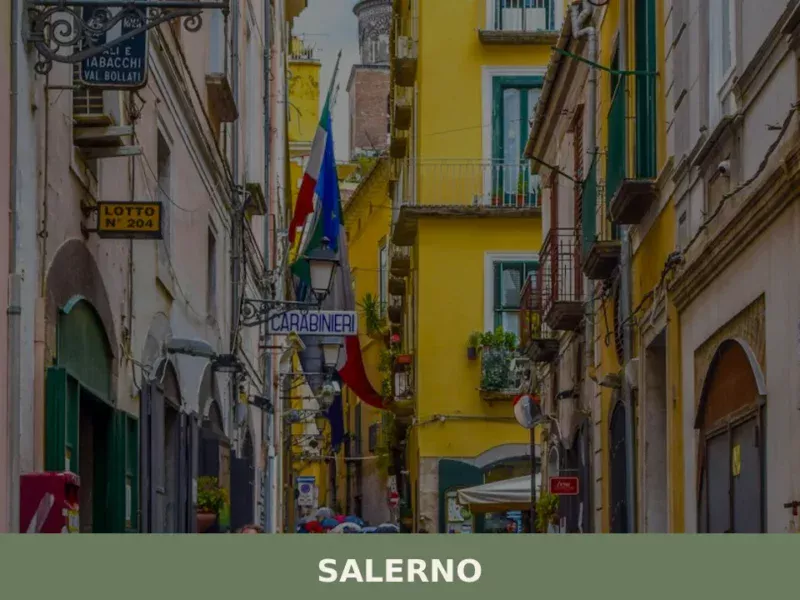
Discover Salerno, Italy, a charming coastal city in Campania. Explore its rich history, stunning cathedral, vibrant old town, and beautiful Mediterranean views. Plan your visit!
Vitulazio
 Plains
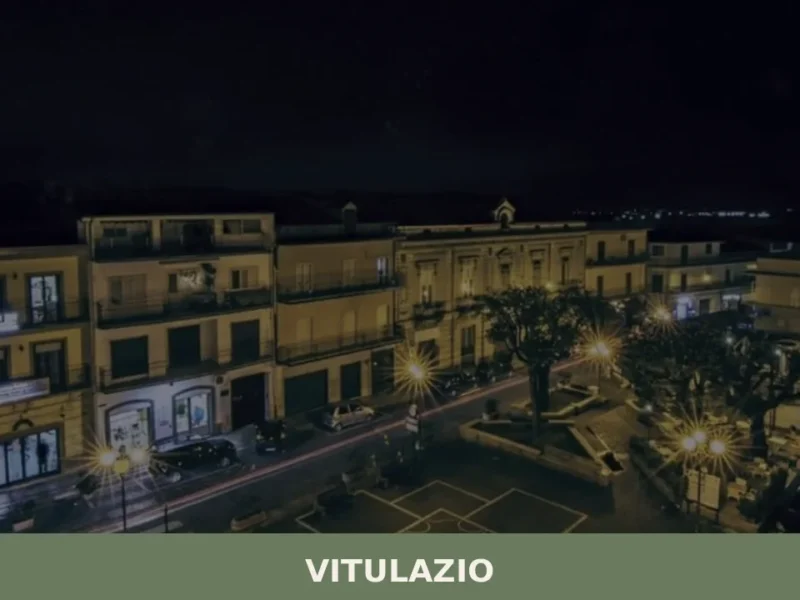
What to see in Vitulazio: 7,646 residents, 57m above sea level in Caserta province. Visit the Agnena Sanctuary, historic centre and taste PAT products like 'Ndunderi. Plan your trip.
Alife
Plains
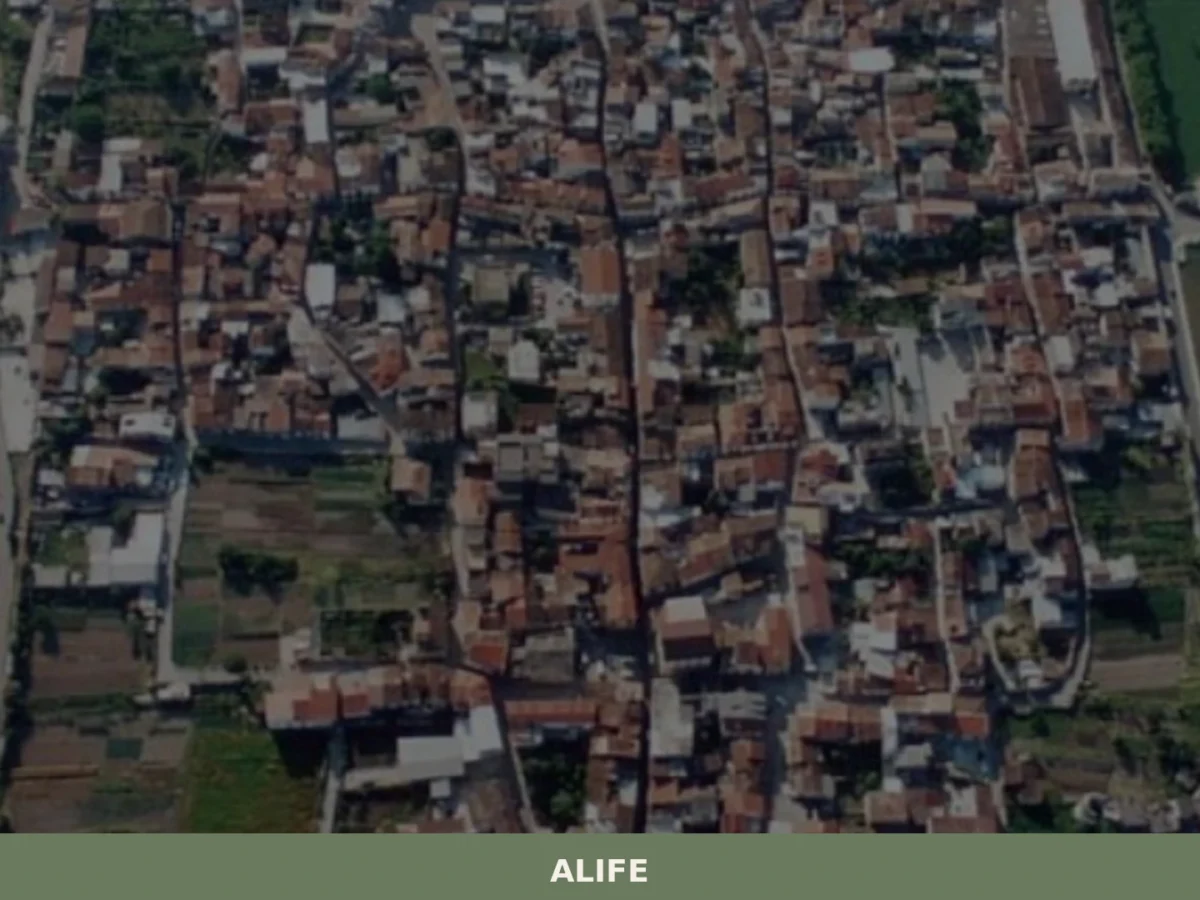
What to see in Alife, Italy: Discover at 110 m altitude the Roman Amphitheatre and the Cathedral of Alife. Explore Campania's rich history!
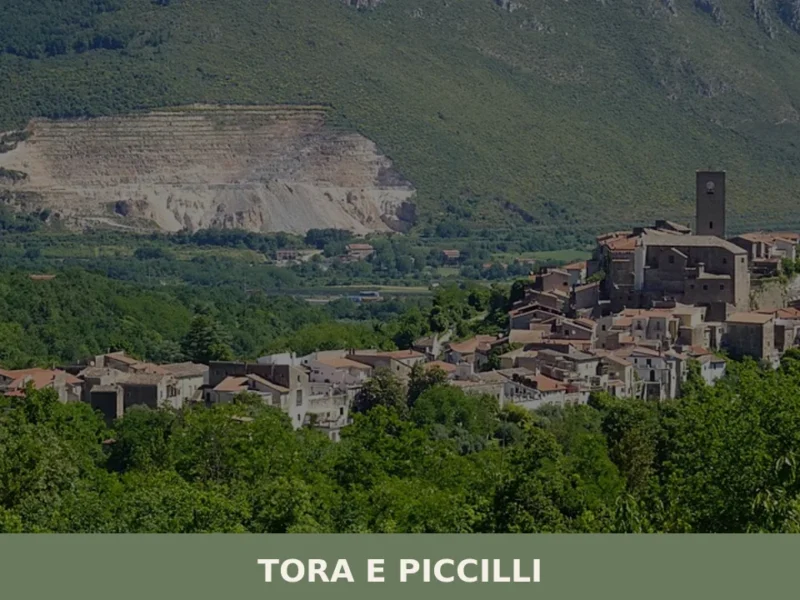
Tora e Piccilli
 Hills
Hills
What to see in Tora e Piccilli, Italy: discover this Caserta comune at 343 m altitude. Explore its hilly landscape and small-town character. Read our complete guide.
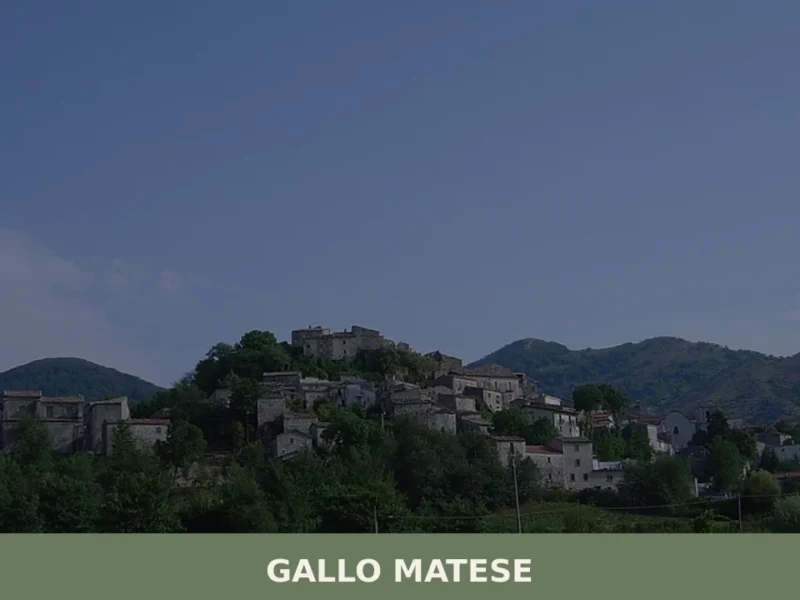
Gallo Matese
 Mountain
With its 625 inhabitants and an altitude of 875 meters above sea level, Gallo Matese ranks as one of the highest centers in the province of Caserta, Campania. Its geographical position, in the heart of the Matese mountain range, determines its identity and structure. The village, whose presence has been documented for centuries, developed in […]
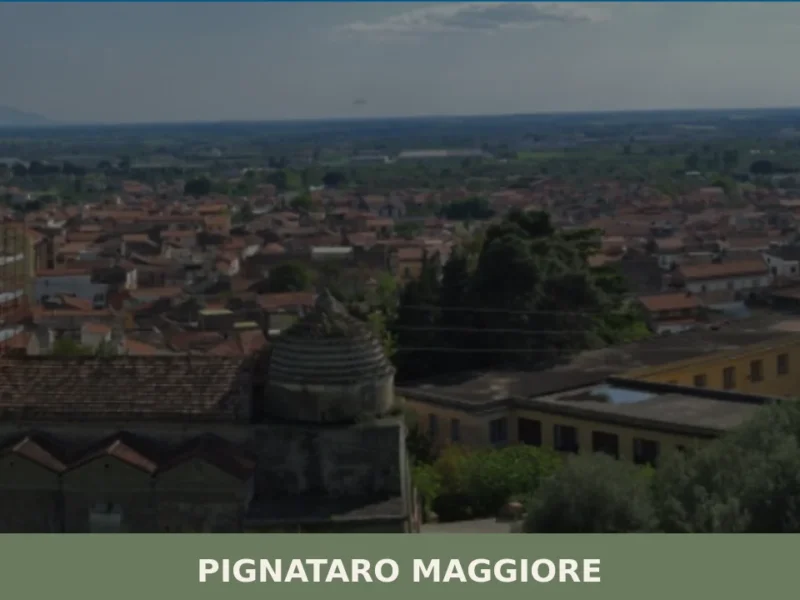
Pignataro Maggiore
Plains
What to see in Pignataro Maggiore: 5,733 residents, 93m above sea level in Caserta province. Visit San Giorgio Church, historic centre, 'Ndunderi PAT gnocchi. Plan your trip now.
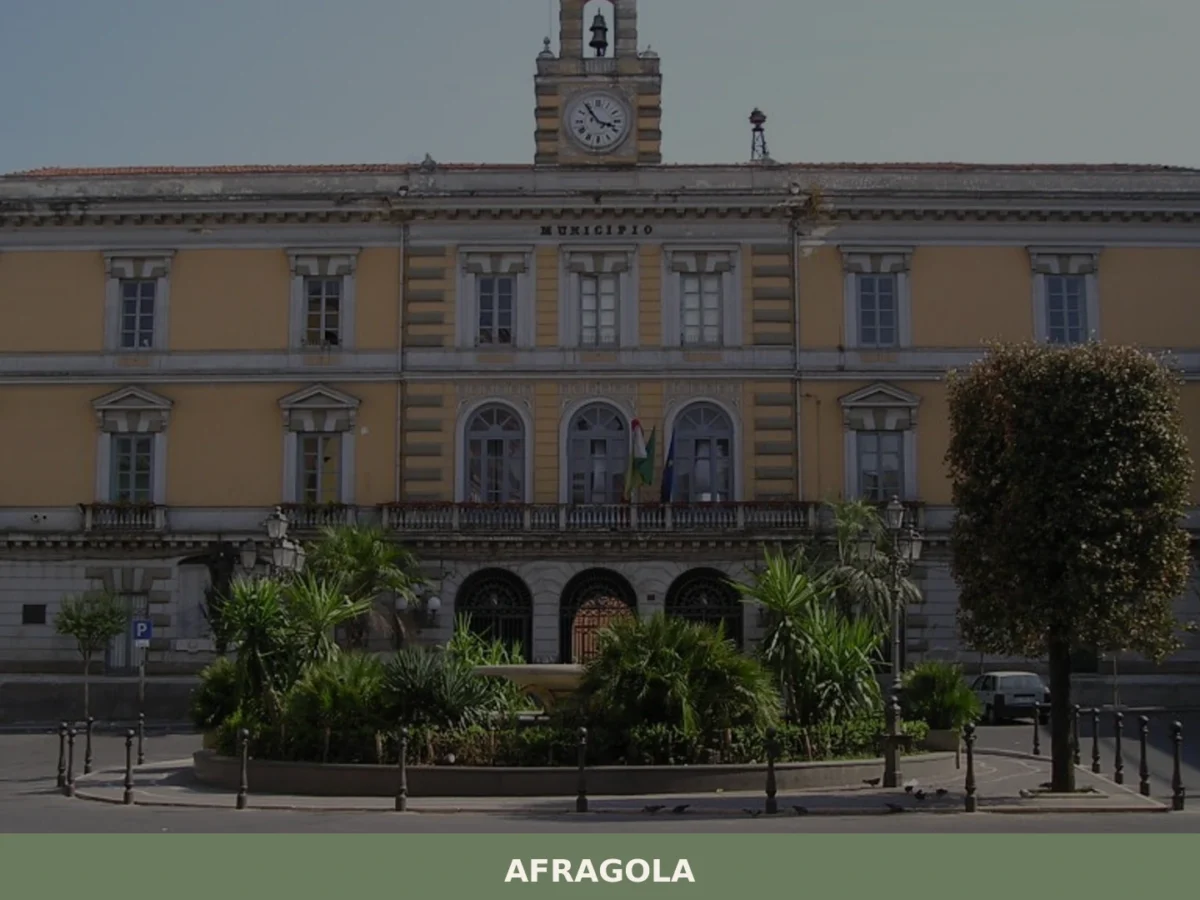
Afragola
Plains
Discover what to see in Afragola, Campania: Zaha Hadid's station, Baroque churches, local food, and practical travel tips for this Naples hinterland town.

Castellammare di Stabia
Sea
Castellammare di Stabia offers over 2,800 years of layered history, from buried Roman villas to Bourbon royal palaces, all framed by the Gulf of Naples.
Ruviano
Plains
What to see in Ruviano, Italy: Explore this comune at 80 m altitude, known for its patron feast and agricultural views. Discover Ruviano, Campania.

Caserta
Plains
What to see in Caserta: UNESCO Royal Palace, Casertavecchia and certified PAT products. City of 74,000 at 68m above sea level. Plan your visit with our complete guide.




🏡 Know Villa Literno better than we do?
If you’re a local or have been there, your knowledge matters: add what’s missing or fix a detail on this page.