


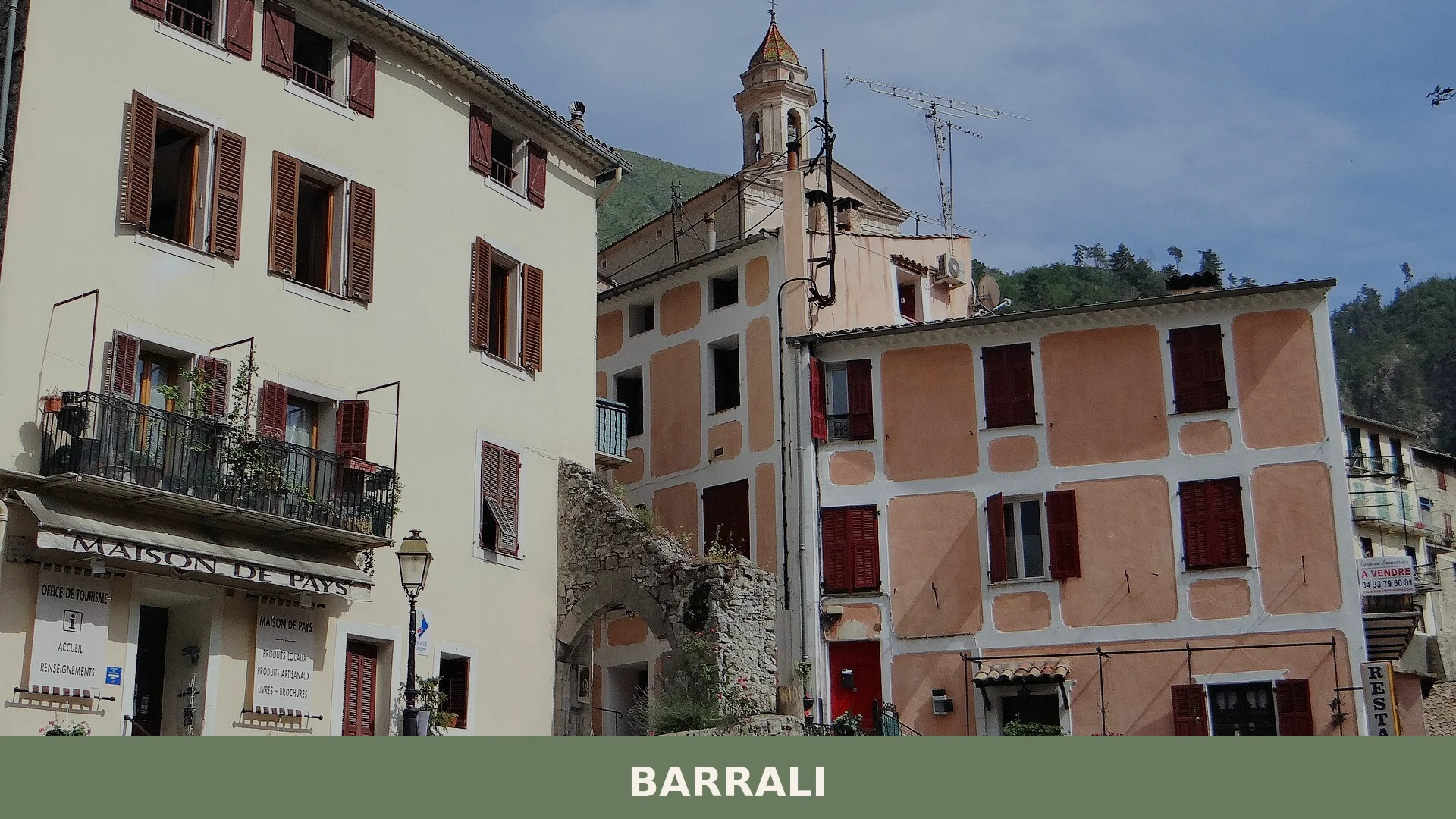

Barrali is a small comune of around 1,135 inhabitants in the Trexenta area of the Città metropolitana di Cagliari, with a history stretching from the Neolithic to modern municipal independence.
Discover Barrali
Barrali is a small comune of around 1135 inhabitants in the Trexenta area of the Città metropolitana di Cagliari, Sardegna, sitting at 140 metres above sea level on the lower slopes of Monte Uda. Covering just over 11.46 square kilometres, it borders Donori to the north, Sant’Andrea Frius and Ortacesus to the east, Pimentel and Samatzai to the south and west, with the Rio Mannu running through its agricultural land from north to south. The surrounding countryside preserves nuragic remains and traces of settlement reaching back several thousand years, making this quietly inhabited corner of southern Sardinia as layered in history as it is compact in size.
For travellers moving through the island’s interior, Barrali village in Sardinia is easily reached: the Strada Statale 128 crosses much of the municipal territory, placing the village roughly 35 km and about 35 minutes from Cagliari, approximately 20 km and around 20 minutes from Sanluri, and only some 6 km and about 8 minutes from the neighbouring centre of Ortacesus. The landscape visible from Monte Uda — taking in the Campidano plain, the gulf of Cagliari and distant mountain chains — gives some measure of why this elevated position mattered to those who settled and held the territory across the centuries.
Barrali village in Sardinia: history and deep roots
Barrali’s history stretches from the middle Neolithic period through medieval feudal rule to modern municipal independence, with human settlement documented across several thousand years and a succession of powerful overlords shaping its identity. The territory passed through the hands of Sardinian judges, Pisan merchants, Aragonese conquerors and Spanish nobles before becoming a self-governing commune in 1839.
The earliest documented human presence in the area dates to around 4,700 BC, attested by finds in the Grotte Su Musuleu. The nuragic age left numerous remains scattered across the territory, with strongholds positioned on high ground for control and surveillance. In the medieval period Barrali belonged to the Giudicato of Cagliari, within the curatoria of the Trexenta, and formed part of the Diocese of Dolia. When that giudicato fell in 1258, the village passed to the judges of Arborea — Guglielmo di Capraia and Mariano II — and subsequently to Pisa, which inherited it by testament in 1295 and took effective possession in 1300. The Aragonese conquest of Sardinia between 1323 and 1326 brought another change of hands: though Aragon became the sovereign power, Barrali was formally assigned as a fief to the commune of Pisa — by Aragonese concession — until 1365. The Black Death of 1348 left the territory heavily depopulated.
Churches, Heights and Historic Spaces in Barrali
Barrali’s main points of interest include the Parrocchia di Santa Lucia Vergine e Martire, the summit of Monte Uda with its stone altar and statue of Maria Ausiliatrice, Casa Maxia, and a cluster of central piazzas that form the social core of the village.
Parrocchia di Santa Lucia Vergine e Martire
The parish church dedicated to Saint Lucy, Virgin and Martyr, stands as the principal religious building of Barrali. The sources record its dedication but provide no further detail on its architecture or construction date.
Monte Uda and Its Summit
Rising to 140 metres and covered by a pine forest of some 300 hectares, Monte Uda dominates the landscape around Barrali. On the summit, a stone altar has been constructed alongside a statue of Maria Ausiliatrice. The mountain also preserves traces of earlier human activity: the territory around it contains nuragic remains that served as lookout and control structures, positioned on high ground to command the surrounding terrain.
Casa Maxia
An old country house dating from the late nineteenth century, Casa Maxia has been restored and converted into a house museum. No further detail on its contents or layout is recorded in the available sources.
The Central Piazzas
The village centre includes several piazzas. Piazza Funtana Manna takes its name from a historic fountain that no longer exists; its place has been taken by water jets at ground level.
Grotte Su Musuleu
This site preserves evidence of human settlement from the middle Neolithic period. It is noted in the sources primarily as an archaeological record rather than a visitor destination with developed infrastructure.
Barrali and Its Territory: Certified Flavours of the Trexenta and Cagliari Area
Barrali sits within a productive agricultural zone of the Cagliari province where several certified products are recognised at IGP and DOP level, including Agnello di Sardegna IGP, Carciofo Spinoso di Sardegna DOP, Fiore Sardo DOP, Pecorino Sardo DOP and Pecorino Romano DOP — none exclusive to the comune itself, but all part of the wider culinary landscape visitors will encounter across the area.
The territory around Barrali also falls within several wine denominations. Among the whites, Nuragus di Cagliari DOC and Nasco di Cagliari DOC are the most characteristic of this corner of southern Sardinia, while Cagliari DOC covers a broad range of local varieties. The regional IGT designations of Parteolla and Marmilla — both neighbouring zones — apply to wines produced close to Barrali’s borders. Spirits and liqueurs with regional PAT recognition, such as filu e ferru and liquore di cardo selvatico, reflect the island’s long tradition of small-scale distilling and foraging.
One agricultural practice historically tied to this part of the Trexenta is the cultivation of vines trained on pergolas, known locally as a barralis — a method some have linked to the very name of the village. The monte granatico, a grain-lending institution established in Sardinia from the seventeenth century onward, once operated in what is now Via Roma, underscoring the community’s deep roots in cereal farming.
Getting to Barrali and Planning Your Visit to the Trexenta
Barrali is most easily reached by road from Cagliari, approximately 35 km away and about 35 minutes by car along the SS128, the state road that crosses much of the village’s territory and historically connected southern Sardinia with the Barbagia interior. The village centre sits at 140 metres above sea level, at the foot of Monte Uda.
The SS128 also links Barrali to the nearby towns used as practical bases for exploring the Trexenta. Sanluri, to the west in the Campidano, lies approximately 20 km away and around 20 minutes by car. The neighbouring village of Ortacesus, within the Trexenta itself, is approximately 6 km away and reachable in around 8 minutes. Visitors wishing to explore the wider subregion may also pass through Nuraminis, set in the same stretch of southern Sardinia.
Barrali is classified as a non-tourist comune by ISTAT, which means infrastructure for visitors is modest. Spring and early autumn are the most comfortable seasons for walking the area around Monte Uda, whose 300-hectare pine forest offers shade and a broad outlook across the Trexenta, the Marmilla and the Campidano as far as the Gulf of Cagliari. The village also lies along the Cammino di San Giorgio Vescovo, a pilgrimage route, making it a point of reference for walkers crossing this part of the island on foot.
| Departure | Distance | Time |
|---|---|---|
| Cagliari | approx. 35 km | approx. 35 min |
| Sanluri | approx. 20 km | approx. 20 min |
These practical references help organise the journey clearly, while the village itself is best understood slowly and on foot once you arrive.
Frequently asked questions about Barrali
How do I reach Barrali from Cagliari?
Barrali is located approximately 35 kilometres south of Cagliari, reachable in about 35 minutes by car via the Strada Statale 128, which crosses the municipal territory. From Sanluri, the village is roughly 20 kilometres away and takes around 20 minutes to reach. The nearest larger town is Ortacesus, only 6 kilometres away (approximately 8 minutes by car). The SS128 provides straightforward access through Sardinia's interior.
When is the best time to visit Barrali?
Barrali celebrates its patron saint, Santa Lucia, during the first Sunday of July with the village's patronal feast. This is an ideal time to experience local traditions and community gatherings. Southern Sardinia generally enjoys a Mediterranean climate with warm summers and mild winters, making spring and early autumn pleasant seasons for exploring the Trexenta countryside and nearby archaeological sites without excessive summer heat.
What historical sites can I explore around Barrali?
The surrounding countryside of Barrali preserves nuragic remains and settlement traces dating back several thousand years, reflecting the deep historical layers of this corner of southern Sardinia. The elevated position of Monte Uda offers panoramic views across the Campidano plain, the gulf of Cagliari, and distant mountain chains—the same strategic vantage point that attracted settlers across centuries. Visitors interested in archaeology should explore the broader Trexenta region for documented nuragic sites.
How long should I plan to spend in Barrali?
Barrali is a compact village covering just over 11 square kilometres with approximately 1,135 inhabitants. A visit of 2–3 hours allows for exploring the village centre and enjoying views from Monte Uda. However, those interested in the area's archaeological heritage and the broader Trexenta countryside may benefit from spending a half-day, combining Barrali with visits to neighbouring towns like Ortacesus or Pimentel.
📷 Photo Gallery — Barrali
In Sardinia More villages to discover
Nuoro
 Hills
Hills
What to see in Nuoro: a city at 547m with 36,379 residents and birthplace of Nobel laureate Grazia Deledda. Explore museums, Monte Ortobene and Barbaricino cuisine. Plan your visit now.
Sant’Antioco
 Sea
Sea
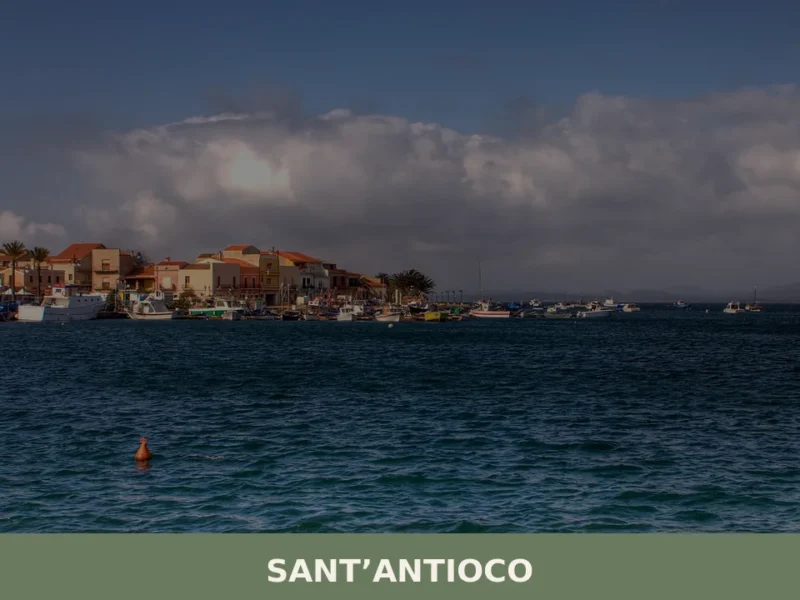
Sant'Antioco is a lagoon-fringed island town in southwestern Sardinia where Phoenician ruins, cave dwellings and flamingo-filled shallows occupy the same compact, sea-level landscape.

Nuraminis
 Plains
Discover Nuraminis, a Sardinian village with ancient nuraghi, Byzantine treasures & a Gothic-Catalan church. Your guide to an unmissable cultural escape.
Baunei
Hills
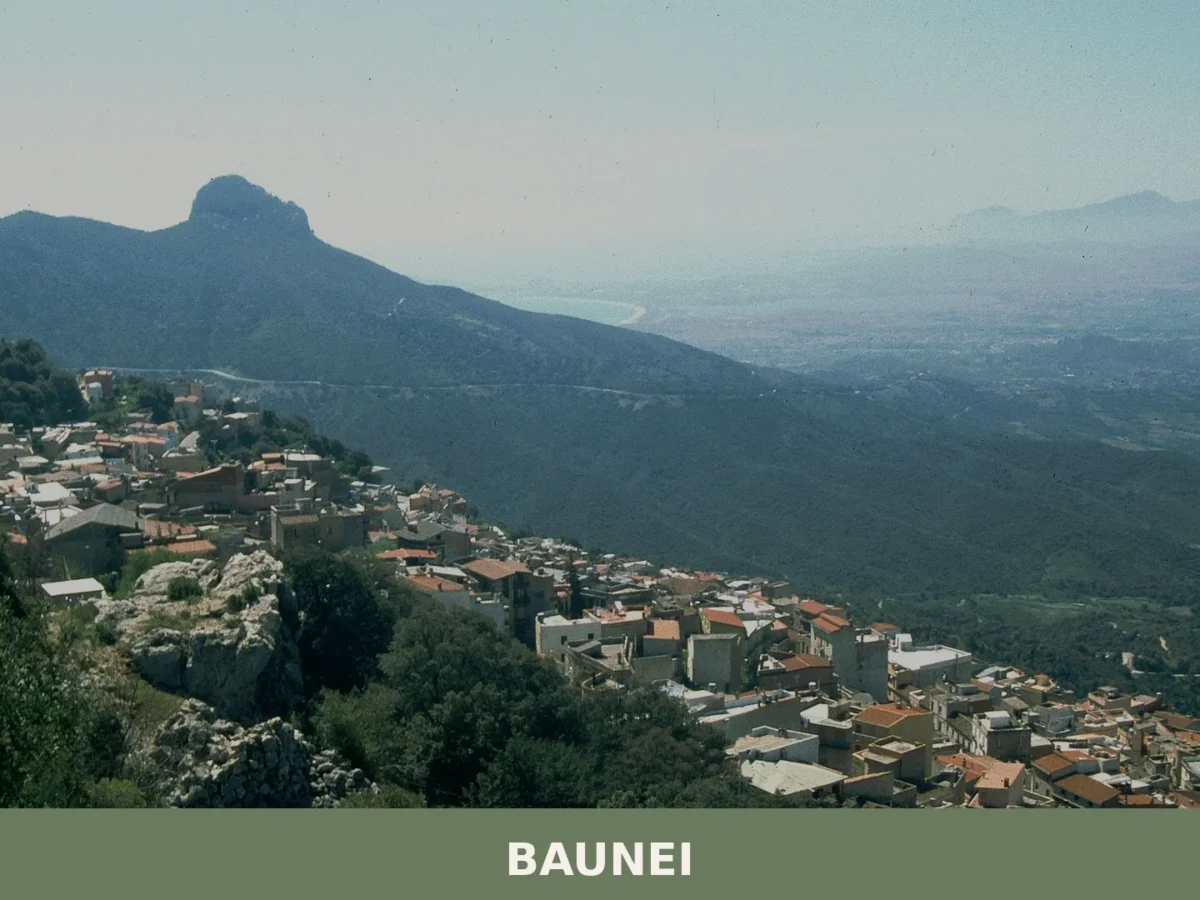
Baunei is a commune of around 3,678 inhabitants in Ogliastra, eastern Sardinia, where a high calcareous plateau meets 40 kilometres of dramatic Tyrrhenian coastline inside a national park.
Bessude
Hills
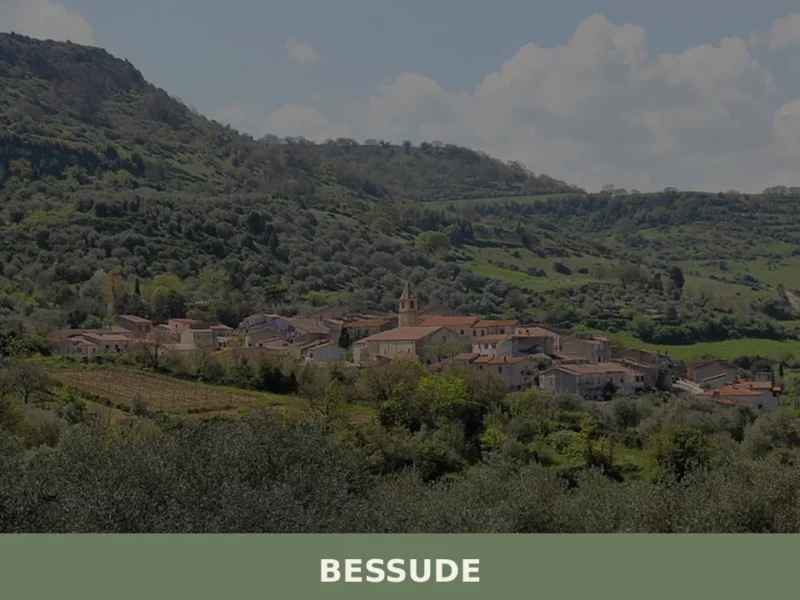
At 447 meters above sea level, with a population of 383 inhabitants as of 2023, Bessude is a small town in Logudoro-Meilogu, in the province of Sassari, whose existence is documented at least since 1341 in the Rationes Decimarum Sardiniae. The village, known for its hilly location and the Nuragic remnants that surround its territory, […]
Abbasanta
Hills
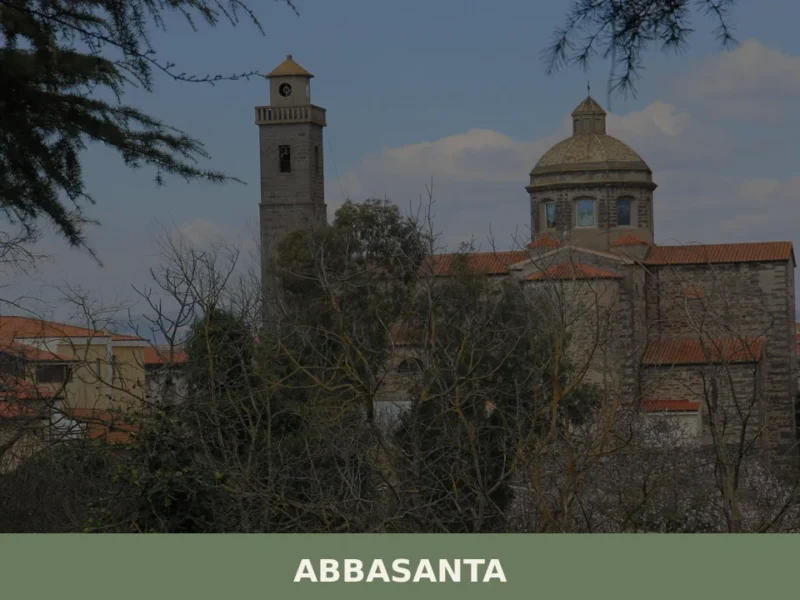
Scopri Abbasanta, affascinante borgo sardo ricco di storia, cultura e tradizioni. Un viaggio autentico nel cuore della Sardegna da non perdere.
Alà dei Sardi
 Mountain
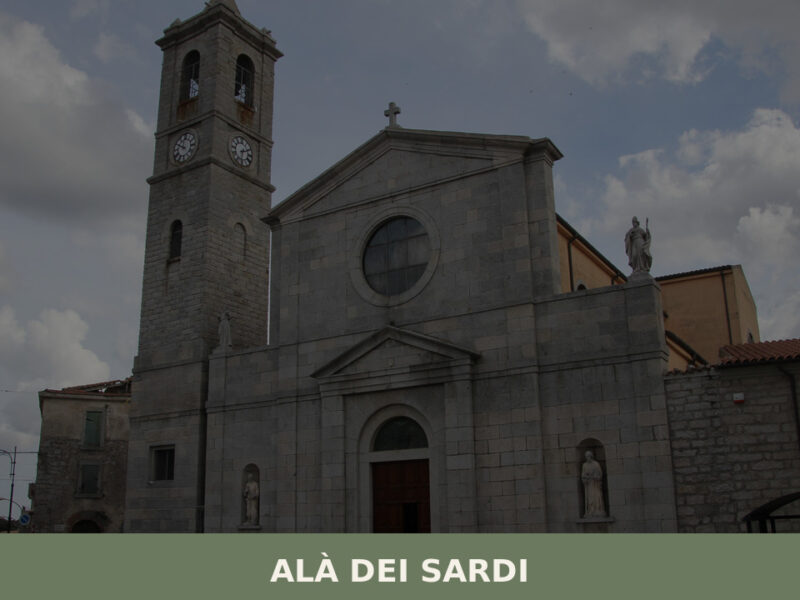
Morning mist rolls off the granite plateau and settles in the narrow streets, carrying the smell of woodsmoke and fresh bread from a communal oven that has not changed position in two centuries. At 663 metres above sea level, the air here is thinner, cooler, and quieter than on the coast below. Alà dei Sardi […]
Alghero
Sea
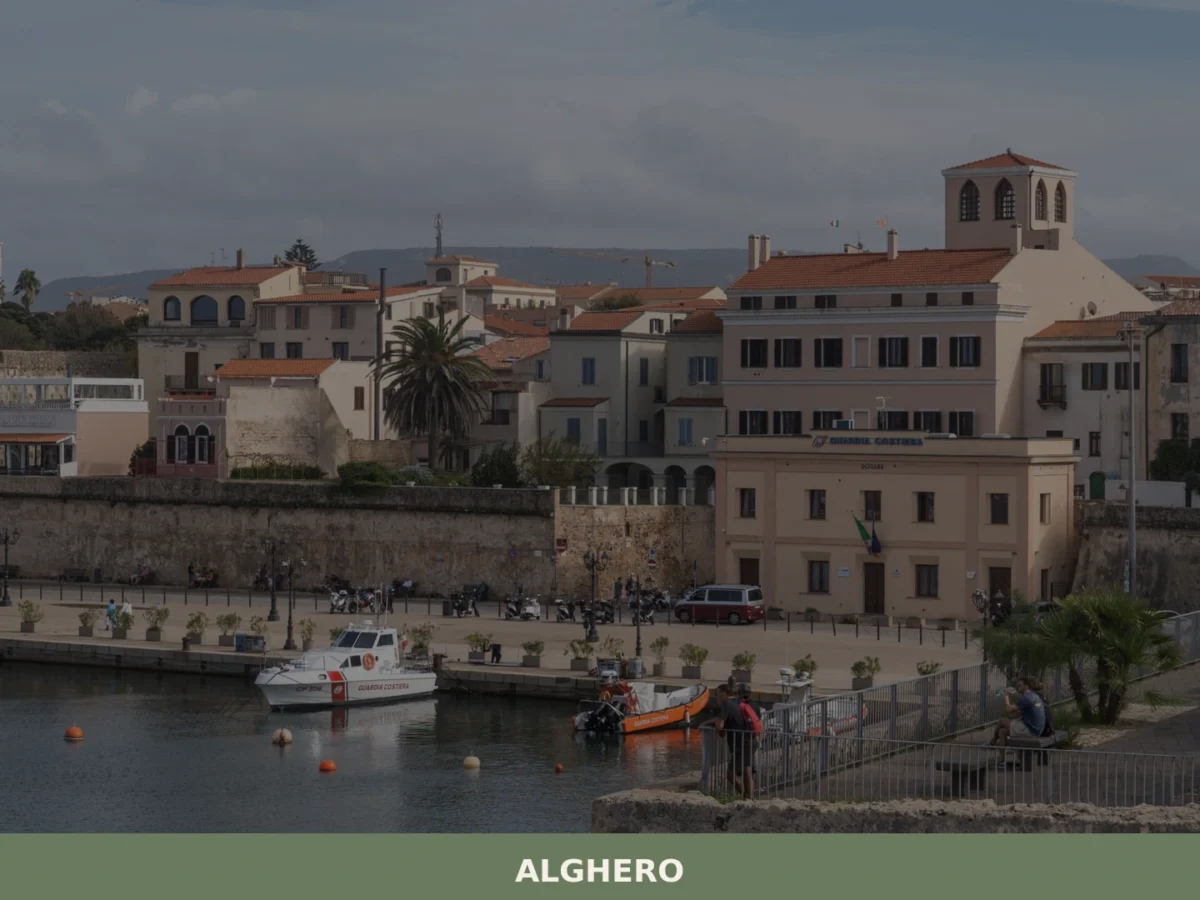
What to see in Alghero: from the Aragonese walls to the Neptune's Grotto, discover the 5 top attractions. Read the full guide to plan your visit.
Ardara
Hills
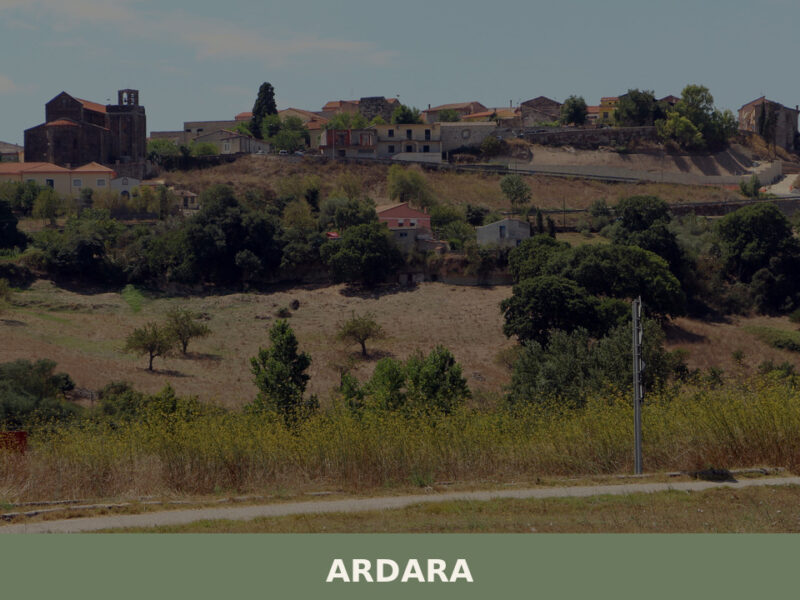
Morning light strikes the dark basalt walls of an old church, turning the stone the colour of wet coal. A rooster calls from somewhere behind the municipio. Ardara sits on a low rise at 296 metres above sea level in the province of Sassari, a village of 729 people that once served as the capital […]
Olbia
Sea
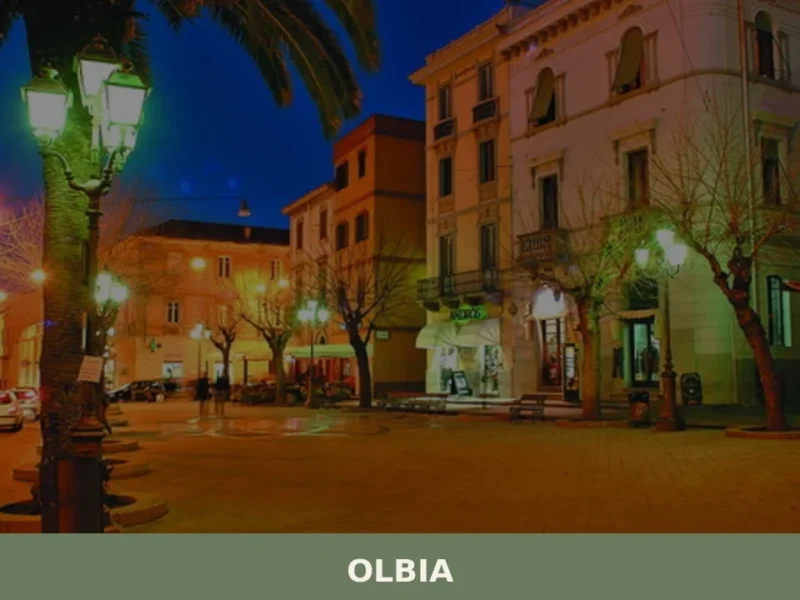
Discover Olbia, a charming village in Sardegna, Italy. Explore its rich history, stunning landscapes, and vibrant local culture in this Mediterranean treasure.
🏡 Know Barrali better than we do?
If you’re a local or have been there, your knowledge matters: add what’s missing or fix a detail on this page.