


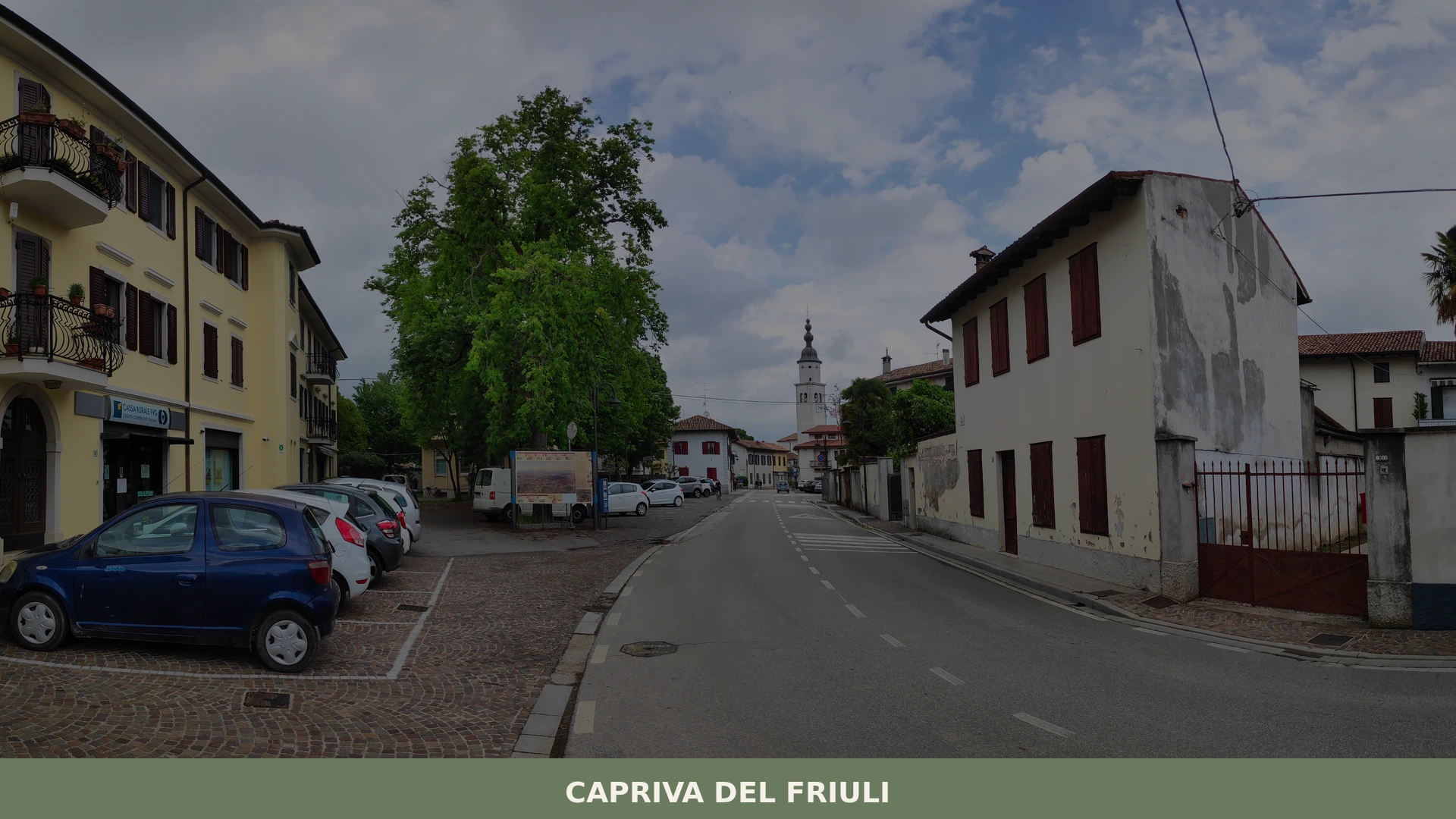
Capriva del Friuli
 Plains
What to see in Capriva del Friuli: 5 must-visit attractions including wineries, historic villas and the Collio hills. Discover the complete guide to plan your visit.
Discover Capriva del Friuli
Vines climb the low hills in tight rows, their canopy broken only by the occasional farmhouse wall and a water tower rising above the treeline. The land here belongs to the Collio, a hilly belt running along the Slovenian border where the soil shifts between marlstone and sandstone — a geological combination that has shaped local agriculture for at least two millennia.
The municipality of Capriva del Friuli covers this terrain at an elevation where morning fog and afternoon sun create the measured growing season its viticulture depends on.
Deciding what to see in Capriva del Friuli means engaging with several overlapping layers: a municipality in the Province of Gorizia, located about 40 km (25 mi) northwest of Trieste and roughly 8 km (5 mi) west of Gorizia in the Italian region of Friuli-Venezia Giulia.
Visitors to Capriva del Friuli find a place defined by documented Roman occupation, more than four centuries of Habsburg administration, and a present shaped largely by wine production in one of Italy’s most precisely delineated DOC zones. The Capriva del Friuli highlights include the Collio wine estates, medieval historical traces, and the surrounding hillside landscape that borders five municipalities.
History of Capriva del Friuli
Human settlement in the area now called Capriva del Friuli dates to Roman times.
Archaeological evidence places occupation firmly within the Roman period, after which the territory was incorporated into Lombardy following the collapse of Roman administration. The name itself carries linguistic traces of that layered past: the Slovene form Koprivno and the Friulian variants Caprive and Capriva coexist alongside the standard Italian name, reflecting the overlapping cultural influences that have operated across this border zone for more than a thousand years.
Around the year 1000, Capriva came under the authority of the Patriarchate of Aquileia, the ecclesiastical and political power that dominated much of northeastern Italy during the medieval period.
That control held for more than four centuries until 1428, when the territory passed to the Venetians. The Republic of Venice extended its influence across much of the northeastern Italian mainland during the 15th century, and Capriva formed part of that administrative expansion.
The transition from Aquileian to Venetian rule brought with it shifts in land management and agricultural organisation that would gradually reshape the local economy.
The 16th century marked another decisive turning point: Capriva became part of the Habsburg territories, entering a period of Austrian administration that would last until the conclusion of the First World War. Vienna’s governance shaped the built environment, local institutions, and the legal framework within which the municipality operated for roughly four hundred years. After the First World War, the territory was transferred to Italy, placing Capriva del Friuli within the modern Italian state and, eventually, within the autonomous region of Friuli-Venezia Giulia. That 20th-century transition is still legible in the local architecture and in the linguistic diversity that characterises the municipality to this day.
What to see in Capriva del Friuli, Friuli-Venezia Giulia: top attractions
The Collio DOC Wine Estates
The hillside vineyards of the Collio DOC zone define the visual and economic identity of Capriva del Friuli more than any single monument.
The Collio designation — one of Italy’s most rigidly bounded wine appellations — covers a strip of hills along the border with Slovenia, and Capriva sits within its core area.
The marlstone and sandstone subsoil, locally called ponca, retains moisture through dry summers and gives the white wines their mineral edge. Visiting the estates between late August and October allows travellers to observe the harvest directly; several producers operate tasting rooms that are open to the public, where wines including Friulano, Ribolla Gialla, and Pinot Grigio are poured in the same rooms where they are bottled.
The Hillside Landscape of the Collio Region
The terrain surrounding Capriva rises in a series of low ridges oriented roughly north to south, with slopes that rarely exceed 200 m (656 ft) in elevation but drop sharply enough to create distinct microclimates on east and west-facing exposures. This landscape is the direct result of tectonic activity and erosion over millions of years, and it forms the geographical reason why viticulture rather than arable farming dominates the local economy.
Walking the unpaved tracks between vineyard rows gives a clear view toward the Slovenian border hills to the northeast and, on clear days, toward the Isonzo plain to the south. Spring, from April through June, is the most rewarding season to cover this ground on foot, when cover crops between vine rows are still in flower.
The Medieval and Habsburg-Era Built Fabric
Capriva’s built environment reflects the long sequence of administrations that passed through the territory.
Structures dating to the Habsburg period — the four centuries of Austrian rule that ended only in the early 20th century — are visible in the proportions and materials of the older farmhouses and courtyard buildings in the village centre. The transition from Venetian to Austrian governance in the 16th century left its mark on land tenure patterns that are still partially readable in the field boundaries visible from elevated points. For visitors interested in vernacular architecture rather than monumental sites, the village streets reward close attention: doorways, corbels, and well surrounds preserve details that span from the early modern period through the 19th century.
Borders with Neighbouring Municipalities
Capriva del Friuli borders five municipalities: Cormons, Moraro, Mossa, San Floriano del Collio, and San Lorenzo Isontino.
Each of these communes contributes to the broader Collio landscape that surrounds Capriva, and together they form a circuit that can be covered in a single day by car or, more slowly, by bicycle along the rural roads. Cormons, to the southwest, functions as the main commercial centre for the area and hosts a weekly market. San Floriano del Collio, to the north, sits directly on the Slovenian border and offers elevated viewpoints across both sides of the frontier.
Moving between these municipalities gives a more complete picture of the Collio than any single village provides on its own.
The Isonzo Valley Proximity and Roman Heritage
The area around Capriva was occupied during Roman times, and the broader Isonzo valley — the river runs approximately 10 km (6.2 mi) to the south — was a documented transit corridor for Roman military and commercial movement.
The Roman period left traces across the Gorizia plain that archaeologists have identified through ceramic finds and structural remains, situating Capriva within a wider ancient settlement pattern. For visitors with an interest in early history, the proximity to the Isonzo valley means that the surrounding area holds considerable archaeological significance, even where above-ground remains are limited. The regional archaeological museum in Gorizia, 8 km (5 mi) to the east, provides the most systematic documentation of finds from this corridor.
Local food and typical products of Capriva del Friuli
The food tradition of Capriva del Friuli sits at the intersection of Friulian, Venetian, and Central European culinary influences, a consequence of the successive administrations that governed the territory over a period of roughly a thousand years. The Venetian period introduced ingredients and techniques from the broader lagoon-and-mainland trade network, while the Habsburg centuries brought Central European approaches to cured meats and dairy preservation.
The result is a local table that does not belong cleanly to any single tradition but draws practically from all of them, always anchored to what the surrounding hills and the Isonzo valley produce directly.
Within this food culture, a number of dishes are specific enough to the Friulian tradition to warrant description.
Frico is the most widely recognised: a preparation of Montasio cheese, either melted with potato until the exterior crisps into a thin shell, or made in the older crumbly form using aged cheese alone, fried in its own fat without additional binding. The technique is simple but requires cheese at the correct stage of ageing — fresh Montasio produces a different texture than cheese aged beyond 60 days. Cjarsons, a type of filled pasta particular to Friuli, combines sweet and savoury fillings — ricotta, raisins, smoked ricotta, herbs — in a half-moon shape boiled and finished with browned butter and cinnamon.
The contrast of flavours reflects the Central European influence on Friulian cooking more directly than almost any other preparation.
The most significant certified product associated with the area is the Collio DOC wine (DOC — Denominazione di Origine Controllata) — municipalities: Capriva del Friuli, Cormons, Dolegna del Collio, Gorizia, Mossa, San Floriano del Collio, San Lorenzo Isontino, Savogna d’Isonzo. White varieties dominate production: Friulano (formerly called Tocai Friulano), Ribolla Gialla, Malvasia Istriana, Pinot Grigio, and Sauvignon are the most planted.
The wines are characterised by pronounced aromatic profiles and relatively high natural acidity, attributable directly to the ponca subsoil and the diurnal temperature variation of the Collio hills. The DOC designation has been in place since 1968, making it one of the earlier Italian appellations to be formally delimited.
Local producers typically sell directly from their estates, and several operate small shops where visitors can purchase bottles alongside preserved products such as grappa (a grape-marc distillate) produced from the same varieties used for wine.
The harvest period — generally September through early October — is when the estates are most active and open, though tastings are available year-round at most wineries. Carrying cash is advisable at smaller producers, as card payment is not universally accepted.
Festivals, events and traditions of Capriva del Friuli
The liturgical calendar and agricultural cycle have historically structured community life in Capriva del Friuli, as in most Friulian municipalities of similar size.
The local patron saint festival, tied to the ecclesiastical calendar, follows the pattern common across the Collio: a religious procession through the village streets, a celebration in the church, and an informal gathering that extends into the evening with food and local wine.
The precise date follows the feast day of the village’s patron, and the event draws residents from neighbouring municipalities including Cormons and Mossa.
The wine harvest in September and early October functions as an informal but widely observed seasonal event across the entire Collio zone, including Capriva. Several estates open their doors during this period for visits that combine observation of the grape selection process with tastings of the current vintage and older releases.
The regional Cantine Aperte (Open Wineries) initiative, which takes place in late May as part of a national programme coordinated by the Movimento Turismo del Vino, brings additional visitors to the Collio area and typically includes Capriva estates in the programme. This late-May window is one of the most practical moments for international visitors to combine wine tourism with the spring landscape before summer heat arrives.
When to visit Capriva del Friuli, Italy and how to get there
The best time to visit Capriva del Friuli, Italy depends on what a traveller is primarily seeking.
Late spring — specifically May and June — offers mild temperatures averaging between 18°C (64°F) and 24°C (75°F), flowering cover crops in the vineyards, and the Cantine Aperte programme at participating estates. September and early October bring the harvest, when the estates are in full operation and the landscape takes on a different quality as the vine leaves begin to change colour.
Summer, July through August, is warmer and drier, with daytime temperatures regularly reaching 30°C (86°F); it is the busiest tourist period in the broader Friuli-Venezia Giulia region. Winter visits are quieter and the Collio landscape is less photogenic, but several wineries maintain tasting appointments by arrangement.
Reaching Capriva del Friuli from major Italian cities is straightforward by rail and road.
From Venice, the journey by car covers approximately 140 km (87 mi) via the A4 motorway heading east toward Trieste, exiting at Villesse and then following the SS56 toward Cormons and Capriva — total driving time is approximately 1 hour 40 minutes in normal traffic conditions. From Trieste, the distance is about 40 km (25 mi) northwest, a drive of roughly 40 minutes. The nearest railway station with regular connections is Cormons, approximately 4 km (2.5 mi) to the southwest of Capriva, served by Trenitalia regional trains on the Trieste–Udine line.
The nearest international airport is Trieste – Friuli Venezia Giulia Airport (TRS), located about 45 km (28 mi) to the south, from which a rented car is the most practical option for reaching Capriva. For those arriving from beyond Italy, Venice Marco Polo Airport is approximately 160 km (99 mi) to the west and connects to the motorway network directly. International visitors should note that English is not widely spoken in smaller local shops and wine estates; carrying Euros in cash is advisable, as card readers are not consistently available at farm-direct operations.
Capriva del Friuli works well as a day trip from Gorizia, 8 km (5 mi) to the east, or from Udine, roughly 35 km (22 mi) to the northwest.
Those with more time can extend their visit into the broader Collio circuit, moving between the five neighbouring municipalities in a loop that takes in different elevations and exposures within the same appellation. Travellers interested in other parts of Friuli-Venezia Giulia might also consider the village of Andreis, which occupies a very different landscape in the Dolomiti Friulane park to the northwest and offers a contrasting perspective on the region’s geographical range.
Frequently asked questions about Capriva del Friuli
What is the best time to visit Capriva del Friuli?
The ideal times to visit Capriva del Friuli are spring (April through June) for walking and hiking, when the vineyards are lush with flowering cover crops, and late summer to autumn (late August through October) for observing the grape harvest. This period is perfect for visiting Collio DOC wine estates, many of which offer public tasting rooms. Additionally, visitors can experience the local patron saint festival, dedicated to the Santissimo Nome di Maria, which takes place annually on September 12th, offering a glimpse into local traditions.
What to see in Capriva del Friuli? Main monuments and landmarks
Capriva del Friuli is less about single monumental landmarks and more about its distinctive landscape and historical built environment. The primary attractions are the Collio DOC Wine Estates, where visitors can tour vineyards, learn about the unique 'ponca' soil, and sample renowned white wines like Friulano and Ribolla Gialla directly from producers' tasting rooms. The village also showcases its 'Medieval and Habsburg-Era Built Fabric' through older farmhouses, courtyard buildings, and subtle architectural details like doorways and well surrounds, reflecting centuries of diverse administration rather than grand monuments.
What are the main natural or scenic attractions of Capriva del Friuli?
Capriva del Friuli's main natural attraction is the stunning hillside landscape of the Collio region. Characterized by low ridges and vineyard-covered slopes, this terrain offers picturesque views resulting from millions of years of tectonic activity. Visitors can walk along unpaved tracks winding between vine rows, providing clear vistas towards the Slovenian border hills to the northeast and, on clear days, the Isonzo plain to the south. This unique viticultural landscape, shaped by the 'ponca' soil, is a draw for nature lovers and photographers alike.
Where to take the best photos in Capriva del Friuli?
For the most captivating photos in Capriva del Friuli, focus on the expansive vineyard landscape of the Collio region. The unpaved tracks winding through the vine rows offer ideal vantage points, particularly when the cover crops are in flower during spring (April-June). From elevated points within Capriva, you can capture sweeping views of the low hills stretching towards the Slovenian border to the northeast and the Isonzo plain to the south. The older farmhouses and courtyard buildings in the village center also provide charming subjects with their distinct Habsburg-era architectural details.
What can you do in Capriva del Friuli? Activities and experiences
In Capriva del Friuli, the primary activities revolve around its renowned wine culture and scenic landscape. Visitors can embark on wine tasting tours at the numerous Collio DOC Wine Estates, many of which offer direct sales and public tasting rooms. Exploring the hillside landscape on foot or by bicycle along the rural roads is highly recommended, especially in spring, for breathtaking views of the vineyards and the surrounding region. The area also offers opportunities to appreciate vernacular architecture and explore the historical traces of Roman and Habsburg influence.
Who is Capriva del Friuli suitable for? Families, couples, hikers, solo travelers?
Capriva del Friuli is ideally suited for wine enthusiasts, particularly those interested in the unique Collio DOC wines and direct-from-producer experiences. It's also perfect for history buffs keen on exploring traces of Roman occupation and four centuries of Habsburg administration evident in the local architecture and culture. Hikers and nature lovers will appreciate the vineyard walks and scenic Collio landscape. Couples seeking a tranquil, gastronomic escape will find it appealing, as will solo travelers looking for an authentic immersion into Friulian heritage and viticulture.
What to eat in Capriva del Friuli? Local products and specialties
Capriva del Friuli offers a rich culinary experience, blending Friulian, Venetian, and Central European influences. Must-try local specialties include 'Frico,' a delicious preparation of Montasio cheese, either melted with potatoes until crispy or made in a crumbly form using aged cheese. Another highlight is 'Cjarsons,' a unique filled pasta with both sweet and savoury fillings like ricotta, raisins, and herbs, typically served with browned butter and cinnamon. The most significant local product is, of course, the Collio DOC wine, with white varieties like Friulano, Ribolla Gialla, and Pinot Grigio being prominent.
📷 Photo Gallery — Capriva del Friuli
Getting there
Piazza Vittoria, 34070 Capriva del Friuli (GO)
Nearby Villages near Capriva del Friuli
In Friuli-Venezia Giulia More villages to discover
Bagnaria Arsa
Plains
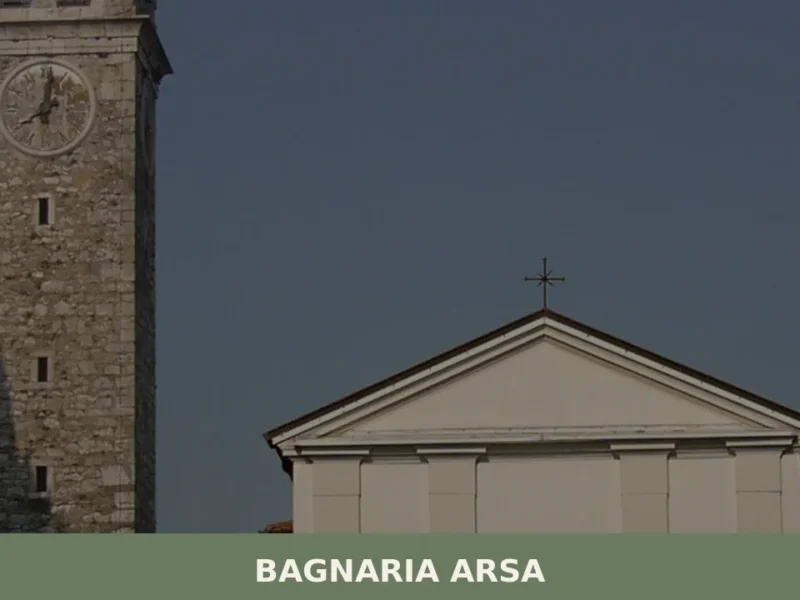
In 1420, when the Venetian Republic extended its dominion over Friuli, the territory of Bagnaria Arsa came firmly into the Venetian orbit: the Republic’s cadastral records document a rural settlement structured around two distinct centres — Bagnaria and Sevegliano — separated by fields planted with cereals and crossed by drainage channels. Today, anyone wondering what […]
Campolongo Tapogliano
Plains
What to see in Campolongo Tapogliano, Friuli-Venezia Giulia, Italy. Explore a comune born in 2009, its twin-town ties with France, local food and how to get there.
Arba
Plains
What to see in Arba: Explore Italy's Arba, a village at 210 meters altitude. Discover its historic church and vibrant patron saint festival on September 29. Read more.
Doberdò del Lago
Plains
What to see in Doberdò del Lago, Italy, a village with 1,340 inhabitants. Discover the unique Karst Plateau and explore significant WWI sites. Plan your visit to Friuli-Venezia Giulia.
Castions di Strada
Plains
A straight road cuts across the Friulian plain at twenty-three metres above sea level, and along that route — the ancient road that connected Aquileia to Concordia Sagittaria — a settlement grew whose very name declares its reason for being. Castions di Strada owes its identity to that Roman road, to a network of drainage […]
Corno di Rosazzo
Plains
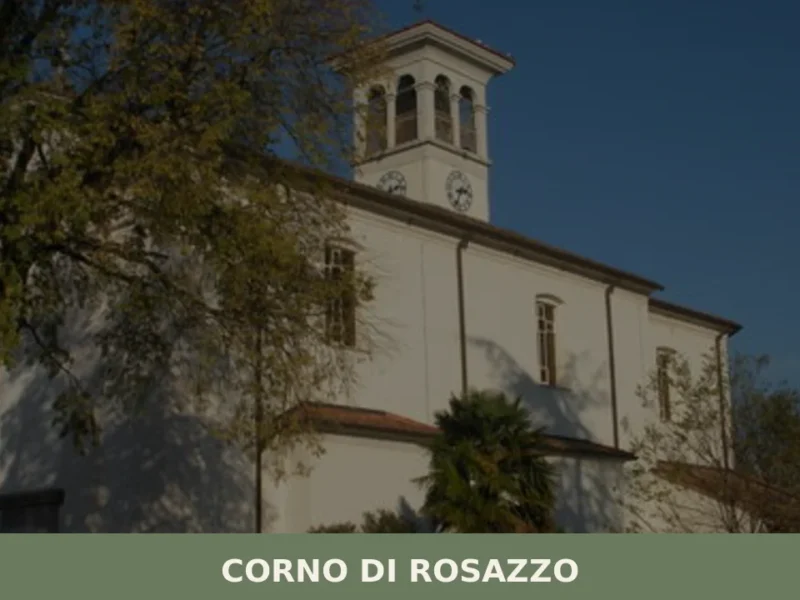
In 1070, a deed of donation by the Patriarch of Aquileia mentioned the name Corno di Rosazzo for the first time, linking it to a parish church and a territory already organized around viticulture and cereal farming. Today that territory extends over just twenty square kilometres across the Colli Orientali del Friuli, at 88 metres […]
Trieste
 Sea
Sea
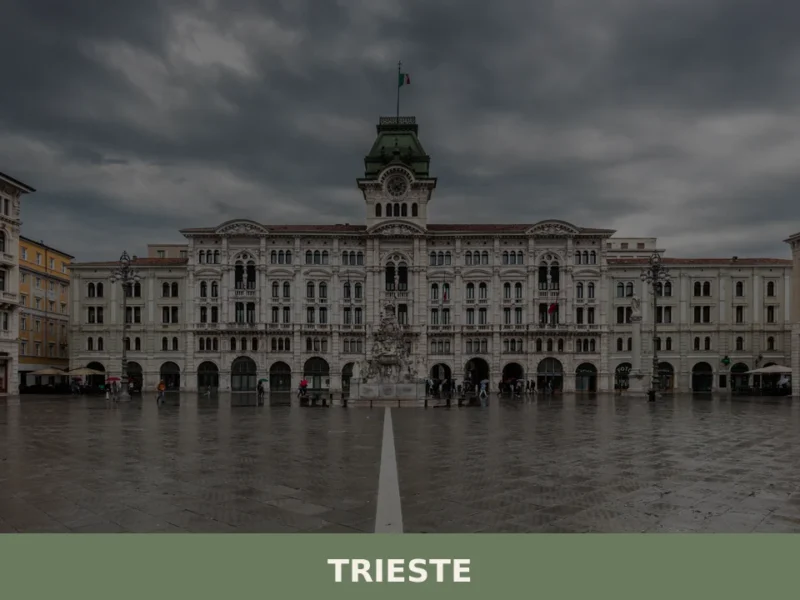
What to see in Trieste, a city with over 200,000 inhabitants? Discover 5 main attractions and savor local cuisine like Jota and Presnitz. Explore its unique history.
Artegna
 Hills
Hills
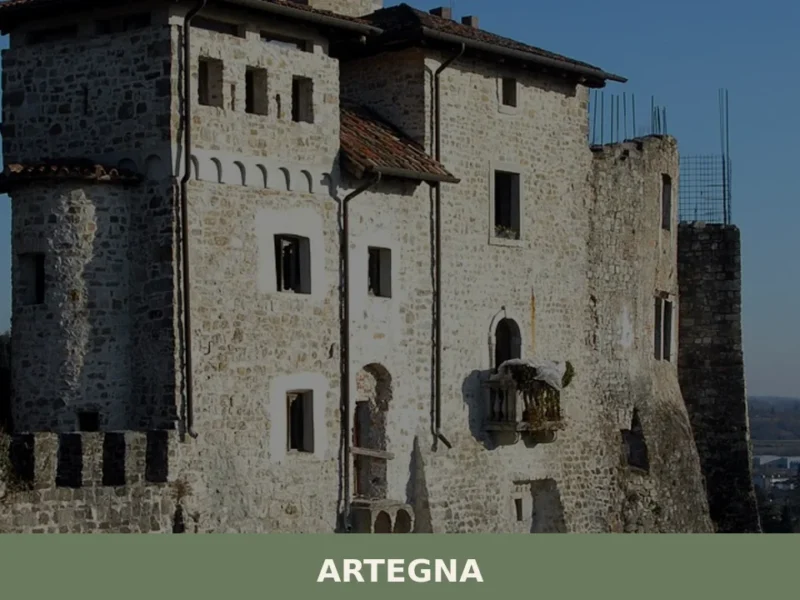
In 1976, two violent earthquakes devastated Friuli, and Artegna was among the hardest-hit communities. The reconstruction that followed did not simply raise walls again: it redesigned the very identity of the town, bringing to light archaeological layers buried beneath the rubble of the San Martino hill. Today, anyone wondering what to see in Artegna will […]
Andreis
 Mountain
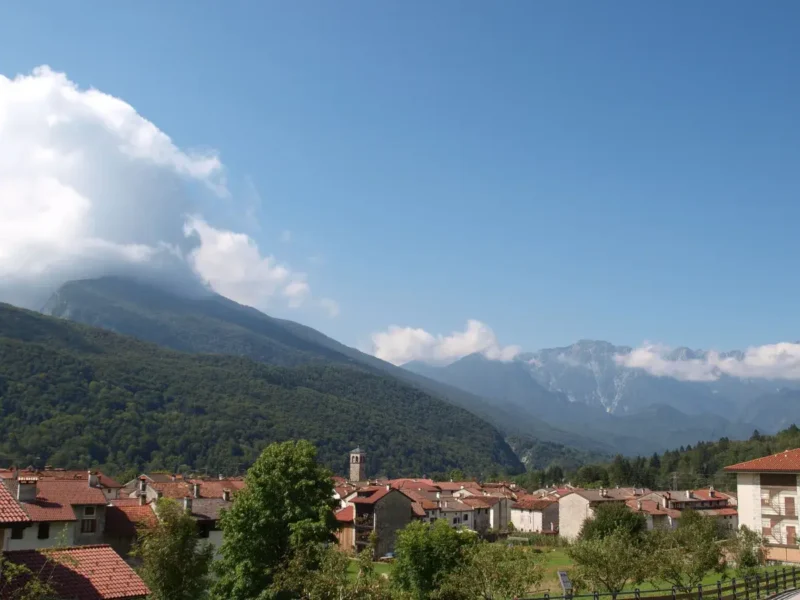
What to see in Andreis, a village of 242 residents in the Friulian Dolomites Park: attractions, local food, how to get there and when to visit.
Dignano
Plains
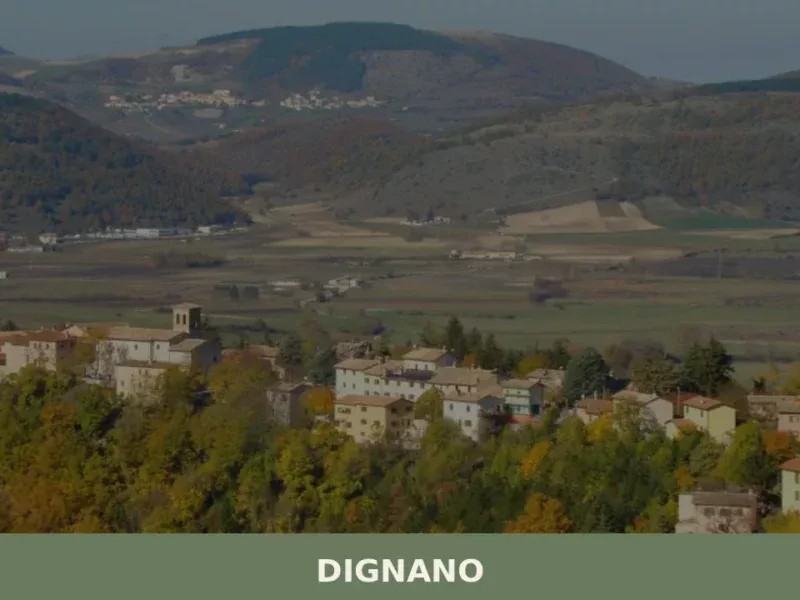
In the cadastral register of 1296, the name Dignano appears among the possessions of the Patriarchate of Aquileia, a rural community closely tied to ecclesiastical control and cereal production on the Friulian plain. Today the municipality has approximately 2,380 inhabitants spread across the main centre and several hamlets, in a flat territory northwest of Udine […]
🏡 Know Capriva del Friuli better than we do?
If you’re a local or have been there, your knowledge matters: add what’s missing or fix a detail on this page.