


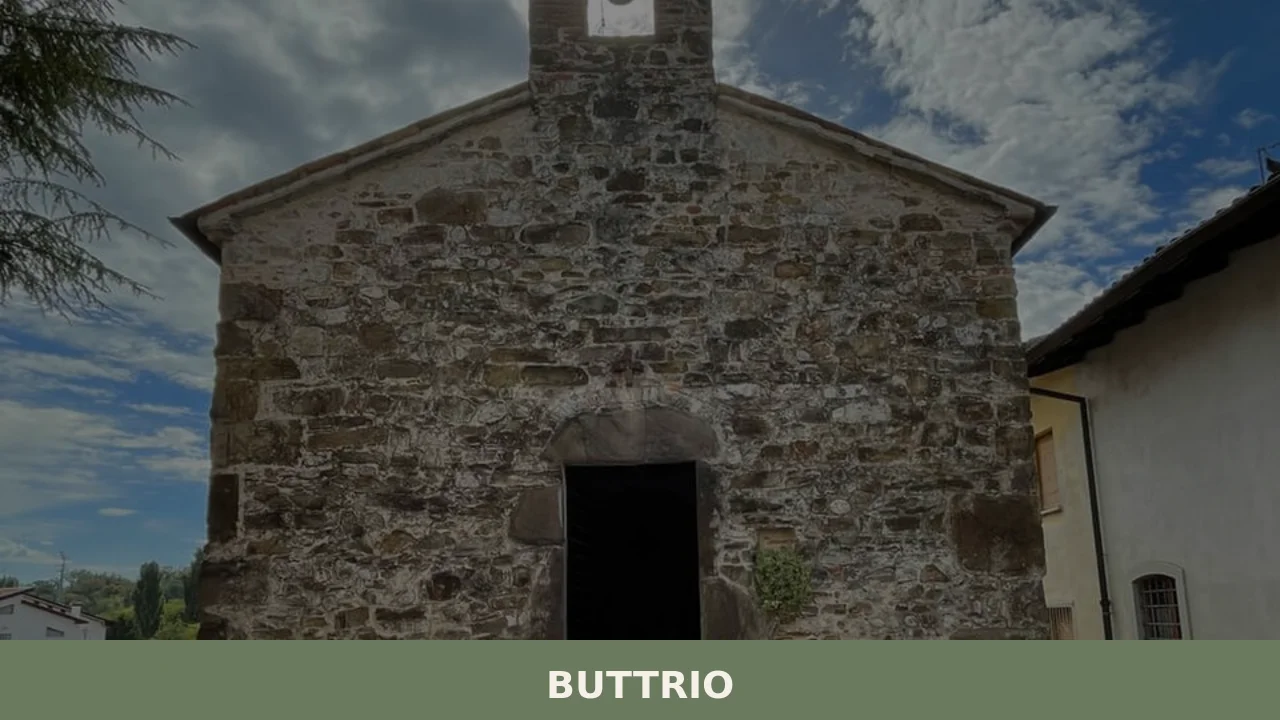
Buttrio
 Plains
In 1031 a document issued by Emperor Conrad II mentioned for the first time the name Butrium, referring to a hilltop settlement where grapevines had already been cultivated for centuries. Today that nucleus has become a municipality of 4,040 inhabitants in the province of Udine, standing at 79 metres above sea level and surrounded by […]
Discover Buttrio
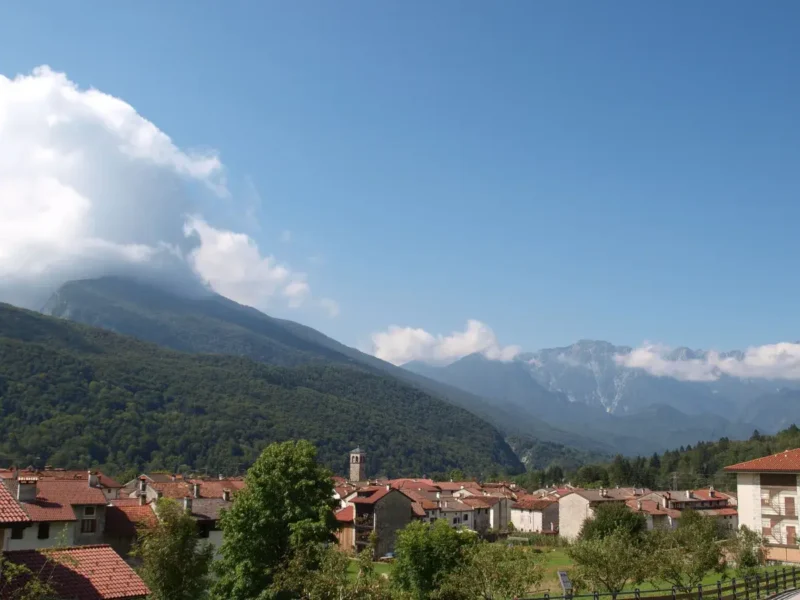
In 1031 a document issued by Emperor Conrad II mentioned for the first time the name Butrium, referring to a hilltop settlement where grapevines had already been cultivated for centuries. Today that nucleus has become a municipality of 4,040 inhabitants in the province of Udine, standing at 79 metres above sea level and surrounded by a mosaic of vineyards climbing the slopes of the Colli Orientali del Friuli. Anyone wondering what to see in Buttrio will find here a privileged entry point into the Friulian winemaking landscape: not an outdoor exhibition, but a living territory where wine production still sets the rhythm of the calendar, noble architecture speaks of families who governed for generations, and every hill offers a different vantage point over the plain stretching all the way to the lagoon of Grado.
History and origins of Buttrio
The earliest traces of human activity in the Buttrio area date back to the Bronze Age. Ceramic finds and tool fragments recovered during agricultural work over the course of the twentieth century indicate the presence of stable settlements as early as the second millennium BC. In Roman times the territory was crossed by a secondary road linking Aquileia — then one of the most important cities of the empire — with the Natisone valleys. Its position on a low but strategically placed hill overlooking the eastern Friulian plain made the area a natural control point. Remains of a Roman villa rustica have been identified in the area of Camino di Buttrio, a hamlet whose very name still echoes an ancient road route. Romanisation brought with it systematic viticulture: pollen analyses carried out on the hillside soils confirm that grapevines were grown in this area from the late Republican period onward.
The imperial document of 1031, already mentioned, marks Buttrio’s entry into the documented medieval record. Over the following centuries the village came under the control of the Patriarchate of Aquileia, which turned it into an outpost of its feudal network in the hilly zone around Udine. In 1420 the Most Serene Republic of Venice conquered Friuli, and Buttrio entered the Venetian domains, remaining under the Lion of Saint Mark until the Republic’s fall in 1797. During the Venetian period several noble families built residences and villas on the hills, transforming the agricultural landscape into an integrated system of stately homes and wine-producing estates. The della Torre, Toppo and Morpurgo families: each dynasty left its own architectural imprint on the territory, building or enlarging castles and palazzi that today form the historic building heritage of the municipality.
The twentieth century scarred Buttrio with the wounds of both world wars. During the First World War, after the rout at Caporetto in October 1917, the territory was occupied by Austro-Hungarian troops for an entire year, suffering requisitions and damage to buildings. The Second World War brought the front line close to these hills once again, and the village experienced German occupation and the actions of the partisan Resistance active in the surrounding valleys. Post-war reconstruction coincided with a revival of the area’s winemaking vocation: in the 1960s and 1970s local producers embarked on a quality-driven path that would lead, in subsequent decades, to the recognition of the Friuli Colli Orientali DOC designation, to which Buttrio fully belongs. Today the village preserves this dual identity — historical and agricultural — without evident contradiction, with a built-up centre that retains the street layout consolidated in the early modern period and a ring of hills dotted with wineries.
What to see in Buttrio: 5 top attractions
1. Castello di Buttrio
The structure stands on the summit of the village’s main hill, just a few minutes’ walk from the centre. The building’s origins date back to the medieval period, but its current appearance is the result of alterations carried out between the sixteenth and nineteenth centuries, when the della Torre family made it their principal residence. Today the Castello di Buttrio is a privately run hospitality venue that also houses a winery producing its own wines under the Friuli Colli Orientali designation. The surrounding park, with centuries-old trees and a panoramic outlook over the plain as far as the Julian Alps, can be visited by appointment. The central tower and the Renaissance loggia deserve attention for their carved stone details and the noble coats of arms still legible on the façades.
2. Church of Santa Maria Assunta
Dedicated to the patron saint of the village, whose feast day falls on 15 August, the parish church stands in the central core of Buttrio. The present building was rebuilt in the eighteenth century over a pre-existing structure documented since the Middle Ages. The interior holds a high altar in polychrome marble and several canvases from the eighteenth-century Venetian school. The bell tower, visible from various points across the municipal territory, is a constant visual reference in the hillside landscape. The square in front of the church serves as the focal point of civic life in the village, especially during the August celebrations and seasonal fairs.
3. Villa di Toppo-Florio
Located in the lower part of the municipality, this seventeenth-century noble villa was the property of the di Toppo family, one of the most influential dynasties of eastern Friuli. The building features a restrained façade with classicising lines and a park containing notable tree species. The complex includes rural outbuildings that bear witness to the integrated agricultural function of Friulian noble villas: not merely ceremonial residences, but centres of estate management. The villa now serves as a venue for cultural events and is occasionally open to the public for guided tours organised by the municipality. The garden is noteworthy for the geometric layout of its paths and for a cedar of Lebanon of considerable size.
4. Wine Route of the Colli Orientali del Friuli
Buttrio is one of the municipalities crossed by this wine itinerary that winds along the morainic hills between Cividale del Friuli and Cormons. The local stretch takes in several wineries open for tastings, where white wines such as Friulano, Ribolla Gialla and Picolit are produced, alongside reds like Refosco dal Peduncolo Rosso and Schioppettino. This is not a single monument but a territorial system: driving or cycling along the roads between the vine rows, stopping at the farms along the way, is the most direct way to understand Buttrio’s economy and landscape. Several wineries offer visits to their barrel rooms and vineyards by appointment.
5. Hamlet of Camino di Buttrio
A hamlet situated to the south-east of the main town, Camino di Buttrio preserves a compact rural nucleus with stone buildings and interior courtyards typical of Friulian peasant architecture. The church of San Biagio, modest in size, features late-Gothic architectural elements in the apse area. According to local scholars, the place name “Camino” refers to the proximity of an ancient road — a cammino, or path — that linked the plain to the hills. Walking through the hamlet’s lanes in the middle hours of the day, when agricultural activity slows down, allows visitors to observe the still-legible layout of a settlement organised around the collective rural courtyard.
Traditional cuisine and local products
The table in Buttrio reflects the dual nature of the territory: hill and plain meet on the plate. Frico, a preparation based on Montasio DOP cheese melted with potatoes and onion, is the dish that more than any other defines Friulian cooking, and in Buttrio it can be found in both versions — crispy (without potatoes) and soft (with potatoes). Jota, a thick soup of beans, sauerkraut and pork, appears on the autumn and winter menus of local trattorie. Cjarsons, ravioli with a sweet-and-sour filling that varies from family to family — with herbs, smoked ricotta, raisins, cinnamon and sometimes chocolate — are dressed with melted butter and grated smoked ricotta. Although their origin is Carnic, Buttrio’s proximity to the mountains has encouraged their spread across the eastern hills as well.
Among designated products, Montasio DOP is the benchmark cheese, made from cow’s milk according to a production specification that provides for several ageing stages (fresco, mezzano, stagionato, stravecchio). The municipal territory falls within the production zone of the Friuli Colli Orientali DOC, a designation that safeguards high-quality white and red wines. Picolit DOCG, a dessert wine obtained from grapes with partial berry set — meaning the berries develop incompletely, concentrating sugars and aromas — is perhaps the rarest and most sought-after winemaking expression of the area. Among the traditional agri-food products (PAT) of Friuli Venezia Giulia found locally, noteworthy are Prosciutto di San Daniele DOP, often served as a starter, and gubana, a rolled pastry filled with walnuts, raisins, pine nuts and grappa, which closes festive meals.
Local festivals and food events form a calendar that runs parallel to the liturgical one. The Grape Festival is traditionally held in September, coinciding with the harvest, and features tastings, markets of local products and grape-pressing demonstrations. During the summer, the Proloco organises food-and-wine evenings in the squares and courtyards of the hamlets, with grilled meat and polenta cooked over embers — polenta, made from white or yellow cornmeal, remains the staple carbohydrate of the local diet. For those looking for a full meal, the trattorie of the area offer menus tied to the seasons: asparagus and eggs in spring, grilled dishes and salads in summer, mushrooms and game in autumn, soups and boiled meats in winter. Pairing these dishes with local wines is not an affectation but a gastronomic necessity: Friulano, for example, with its almond note, accompanies soft frico in a functional way, cutting through the richness of the cheese.
When to visit Buttrio: the best time
Spring — from mid-April to late May — is the period when the vineyards bud and the hills take on shades of intense green. Temperatures range between 12 and 22 degrees, ideal for walking or cycling along the roads between wineries. On 15 August, the feast of Santa Maria Assunta, patron saint of Buttrio, the village comes alive with religious celebrations, processions and events organised by the local community. Friulian summers can be hot and humid, with peaks exceeding 30 degrees in July, but the hills ensure better air circulation compared to the surrounding plain.
Autumn is the most significant season from a winemaking perspective: September and October coincide with the grape harvest, and the wineries open their doors for tastings and visits to vineyards laden with ripe clusters. The Grape Festival, usually held in the second half of September, is the most representative event of the annual calendar. Winter, from December to February, brings short days and temperatures that frequently drop below zero, with the possibility of light snowfall; it is the right period for those who prefer to visit without crowds, taking advantage of the quiet cold months to focus on interiors — churches, wineries, trattorie — rather than outdoor itineraries. The Christmas markets in the wider area, although more developed in larger centres such as Udine, still provide reasons for a combined winter visit.
How to reach Buttrio
Buttrio can be reached by car from the A4 Torino–Trieste motorway, exiting at the Udine Sud toll booth and continuing for about 10 kilometres south-east along regional road 56. From Trieste the journey is approximately 65 kilometres (50 minutes); from Venice approximately 140 kilometres (one hour and thirty minutes). Those coming from the north, from Austria via the Tarvisio border crossing, can take the A23 motorway to its junction with the A4 and then follow signs for Udine Sud. The local road network is well maintained, and the eastern hills are connected by scenic provincial roads running through the vineyards.
The nearest railway station is Buttrio–Pavia di Udine, on the Udine–Trieste line, served by regional trains at roughly hourly intervals. From Udine the train journey takes about 10 minutes. The reference airport is Trieste–Ronchi dei Legionari, located approximately 45 kilometres away (35–40 minutes by car). Venice Marco Polo Airport, about 150 kilometres away, is an alternative for those arriving on international flights. The SAF intercity bus service connects Buttrio to Udine and the main towns of the province with daily runs.
Other villages to discover in Friuli Venezia Giulia
Friuli Venezia Giulia is a region where differences in altitude translate into a radical variety of landscapes and architecture within just a few dozen kilometres. Visitors to Buttrio who wish to extend their itinerary towards the mountains can follow the Tagliamento valley up to Ampezzo, a Carnic village at over 500 metres above sea level where the grey stone of the houses and the dark wood of the balconies speak of a relationship with the land entirely different from that of the hills. Ampezzo provides access to the Val Lumiei and the mountain trails of the Dolomiti Friulane Natural Park, a perfect complement for those seeking the contrast between the gentleness of the wine-producing hills and the ruggedness of the Carnic mountains.
In a different direction, towards the Julian Pre-Alps, lies Bordano, known as the “village of butterflies” for the murals decorating the façades of its houses and for the Casa delle Farfalle, a facility housing hundreds of tropical and local lepidopteran species. Bordano occupies a panoramic position above Lake Cavazzo, the largest natural lake in Friuli, and represents an example of how a small mountain settlement has built a precise thematic identity to attract visitors. An itinerary linking Buttrio, Bordano and Ampezzo — hills, pre-Alps, Carnic Alps — covers, in just over an hour and a half of driving, a range of environments, altitudes and traditions that few other Italian territories concentrate in such a compact area. To deepen one’s knowledge of the village of Buttrio, local historical sources and municipal archives offer detailed documentation on the noble families and the evolution of the viticultural landscape from the Middle Ages to the present day.
Frequently asked questions about Buttrio
What is the best time to visit Buttrio?
The ideal seasons are spring (April–June) and autumn (September–October). Spring offers mild temperatures and lush vineyard landscapes perfect for cycling and wine touring. Autumn coincides with the grape harvest, when the Grape Festival brings tastings, local markets and pressing demonstrations to the village. The feast of the patron saint Santa Maria Assunta on 15 August animates the central square with celebrations and is the highlight of summer. Summer evenings also feature food-and-wine events organised by the local Pro Loco. Winter is quiet but suits visitors seeking uncrowded winery visits and authentic trattoria dining.
What are the historical origins of Buttrio?
Human settlement in the Buttrio area dates to the Bronze Age, with ceramic finds confirming stable occupation from the second millennium BC. In Roman times the territory lay along a secondary road connecting Aquileia to the Natisone valleys, and a Roman villa rustica has been identified near the hamlet of Camino di Buttrio. The name Butrium appears in an imperial document issued by Emperor Conrad II in 1031. The village subsequently passed under the Patriarchate of Aquileia, then under Venetian rule from 1420 until 1797, when noble families such as della Torre, di Toppo and Morpurgo shaped its architectural and agricultural landscape.
What to see in Buttrio? Main monuments and landmarks
The Castello di Buttrio, set on the main hill, is the most prominent landmark: a medieval structure remodelled between the 16th and 19th centuries, now a private hospitality venue with a winery and panoramic park open by appointment. The parish Church of Santa Maria Assunta in the village centre houses 18th-century Venetian paintings and a polychrome marble altar. The Villa di Toppo-Florio, a 17th-century noble villa with a classicising façade and a notable cedar of Lebanon, hosts cultural events and occasional guided tours. The hamlet of Camino di Buttrio preserves rural Friulian courtyard architecture and the small church of San Biagio with late-Gothic apse elements.
What are the main natural or scenic attractions of Buttrio?
Buttrio sits among the morainic hills of the Colli Orientali del Friuli, offering an agricultural landscape of terraced vineyards, rural estates and open views over the Friulian plain extending toward the lagoon of Grado and the Julian Alps. The Wine Route of the Colli Orientali del Friuli passes through the municipality, making cycling or driving between vine rows the most direct way to experience the scenery. The park of the Castello di Buttrio, with centuries-old trees and hillside panoramas, is accessible by appointment. The countryside around Camino di Buttrio is well suited to quiet walks through typical Friulian rural settings.
Where to take the best photos in Buttrio?
The summit of the Castello di Buttrio hill provides the most commanding viewpoint, with vine-covered slopes in the foreground and the Friulian plain, Julian Alps and — on clear days — the direction of the Grado lagoon visible in the distance. The square in front of the Church of Santa Maria Assunta offers classic village architecture framed by the bell tower. The lanes of Camino di Buttrio, with their stone courtyard buildings, are ideal for close-up rural photography, particularly in the soft light of early morning. During harvest season, the rows of Ribolla Gialla and Refosco vines turning gold and red add striking colour to landscape shots.
Are there museums, churches or historic buildings to visit in Buttrio?
The Church of Santa Maria Assunta, rebuilt in the 18th century on medieval foundations, is open during regular liturgical hours and contains a polychrome marble high altar and Venetian school canvases. The Castello di Buttrio, though privately managed as a hospitality and wine estate, opens its park and historic spaces by appointment. The Villa di Toppo-Florio is occasionally open for guided tours organised by the municipality, serving also as a venue for cultural events. The church of San Biagio in Camino di Buttrio is a modest rural church with late-Gothic architectural elements worth noting during a walk through the hamlet.
What can you do in Buttrio? Activities and experiences
Wine tourism is the central activity: several wineries along the Colli Orientali del Friuli Wine Route offer cellar visits, barrel-room tours and guided tastings of Friulano, Ribolla Gialla, Picolit DOCG, Refosco and Schioppettino by appointment. Cycling through the vine rows between Buttrio and neighbouring hill municipalities is a popular and well-suited pursuit given the gentle terrain. The September Grape Festival offers pressing demonstrations and local product markets. In August, the feast of Santa Maria Assunta on the 15th and Pro Loco summer evenings provide food-and-wine social events. Gentle walking through Camino di Buttrio's rural lanes rounds out the offer for heritage-minded visitors.
Who is Buttrio suitable for? Families, couples, hikers, solo travelers?
Buttrio is ideally suited to couples and food-and-wine enthusiasts seeking an authentic, unhurried immersion in the Friulian winemaking landscape. The gentle morainic hills and cycling-friendly roads make it accessible to families with older children and recreational cyclists. History and architecture lovers will appreciate the castle, the noble villa and the rural hamlet of Camino. Solo travellers with an interest in Italian rural culture and regional gastronomy will find the village rewarding. It is less suited to visitors seeking beach access or high-altitude hiking, but pairs naturally with nearby Cividale del Friuli and the Natisone valleys for a broader multi-day itinerary.
What to eat in Buttrio? Local products and specialties
Local trattorie serve frico — Montasio DOP cheese melted with potatoes and onion — in both its crispy and soft versions, the defining dish of Friulian cooking. Cjarsons, ravioli filled with herbs, smoked ricotta, raisins and spices, dressed with melted butter, appear regularly on menus. Jota, a hearty bean, sauerkraut and pork soup, is a winter staple. Prosciutto di San Daniele DOP is the classic starter. Picolit DOCG, a rare dessert wine from partially set grapes grown on these very hills, is the most prized local wine. Gubana, a rolled pastry filled with walnuts, raisins, pine nuts and grappa, traditionally closes festive meals.
Nearby Villages near Buttrio
In Friuli-Venezia Giulia More villages to discover
Arba
Plains
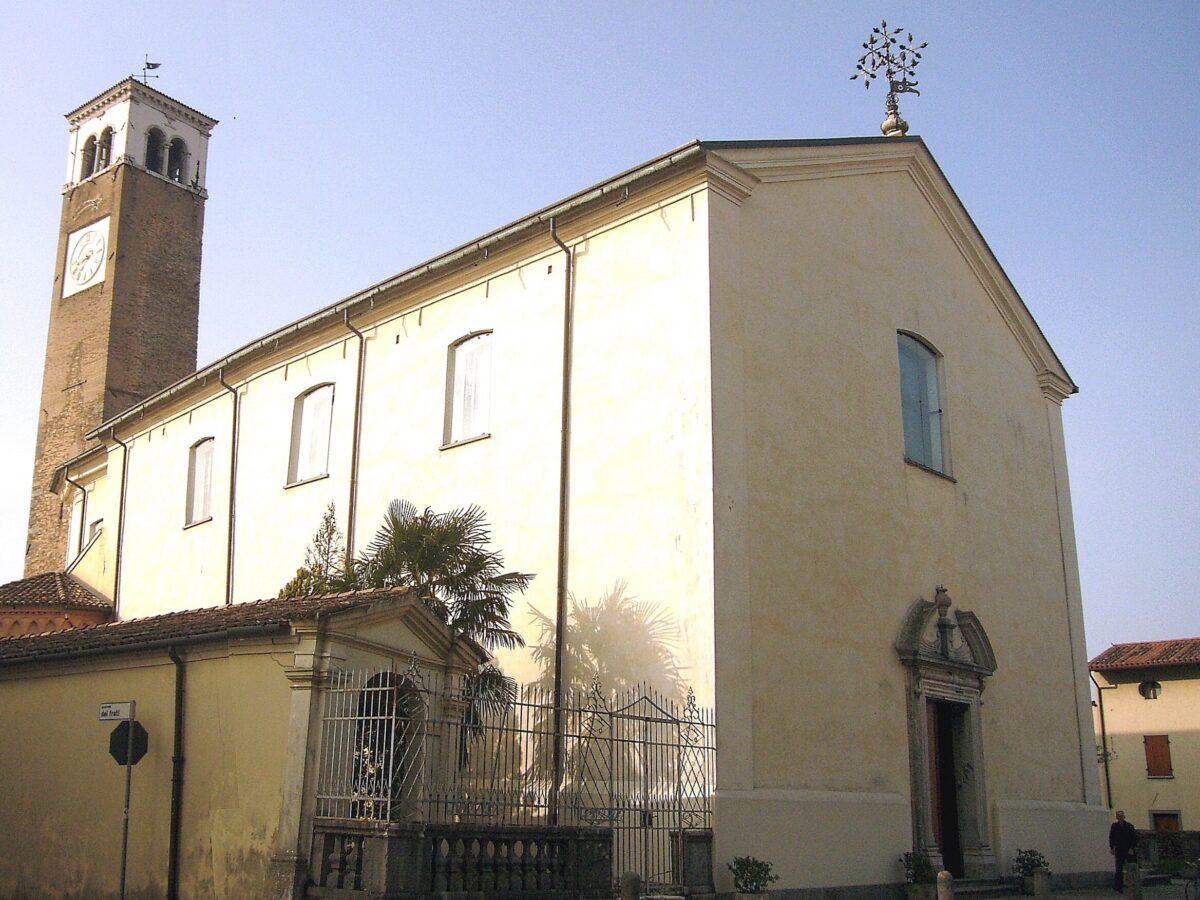
What to see in Arba: Explore Italy's Arba, a village at 210 meters altitude. Discover its historic church and vibrant patron saint festival on September 29. Read more.
Bertiolo
Plains
The earliest documented mention of the name Bertiolo dates back to 1219, in a notarial deed linked to the properties of the Patriarchate of Aquileia. Arriving today along the road that leads south from Codroipo, visitors encounter a compact urban centre laid out along a grid of orderly streets, surrounded by fields of maize and […]
Amaro
 Hills
Hills
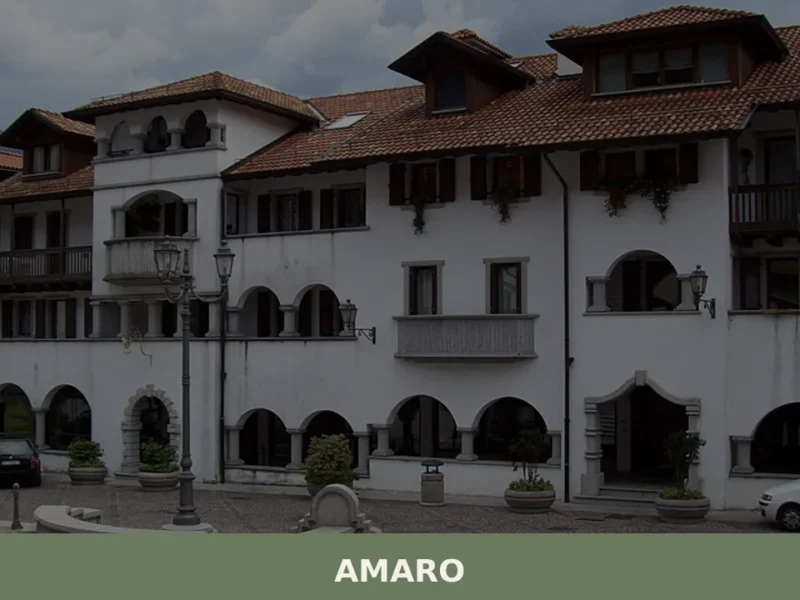
What to see in Amaro, Italy: Discover this Friuli-Venezia Giulia village at 296 m (971 ft) altitude. Explore local traditions and planning your visit.
Arta Terme
Hills
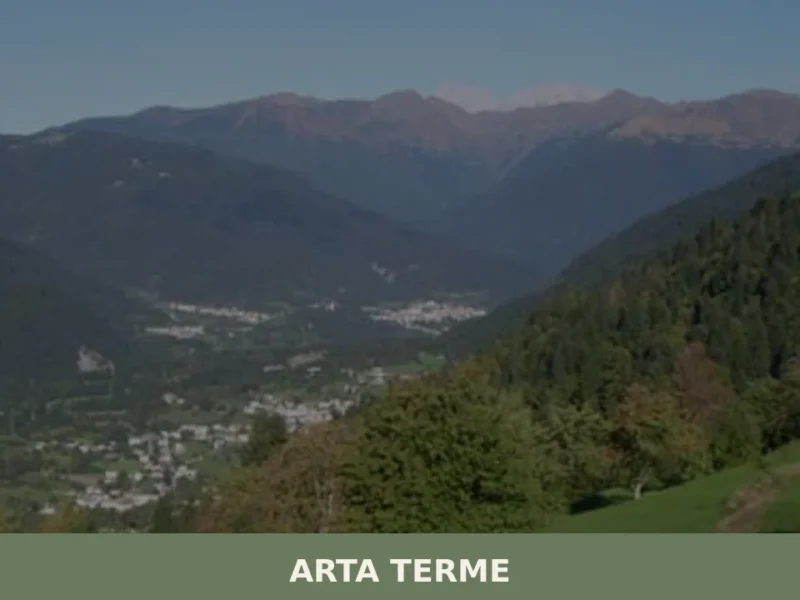
In 1687, the physician and naturalist Giovanni Battista De Candido published the first treatise on the healing properties of the sulphurous waters flowing from the Fonte Pudia spring in the territory of Arta. That document marked the beginning of a thermal spa tradition that would define the economic identity of this Carnic centre for the […]
Aiello del Friuli
Plains
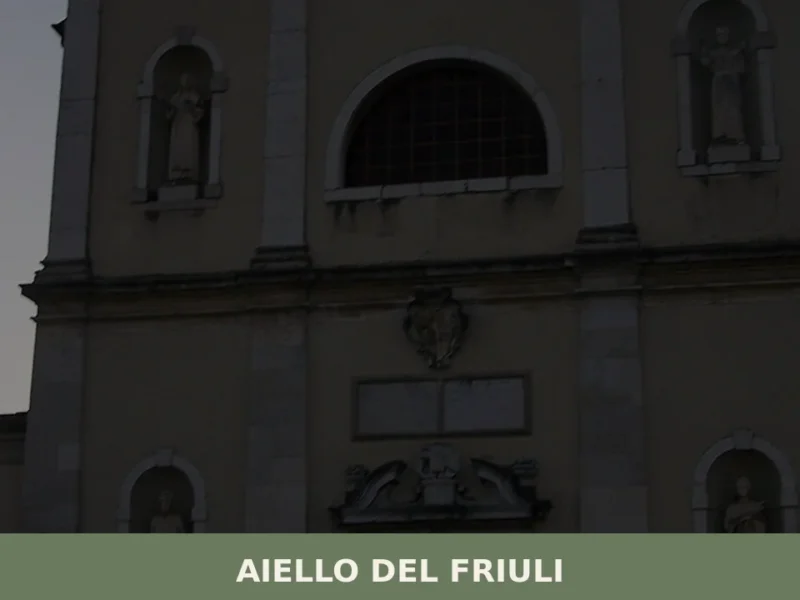
On the Friulian plain, at 18 metres above sea level, a village of just over two thousand inhabitants holds the highest concentration of sundials per square metre in Italy: more than one hundred solar quadrants scattered across house facades, courtyard walls, and church exteriors. This is not an outdoor exhibition designed for tourists — it […]
Corno di Rosazzo
Plains
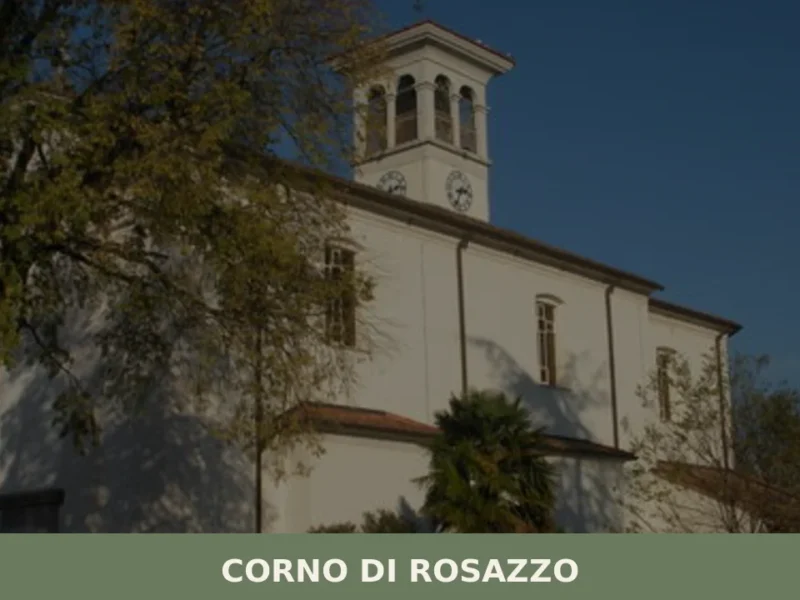
In 1070, a deed of donation by the Patriarch of Aquileia mentioned the name Corno di Rosazzo for the first time, linking it to a parish church and a territory already organized around viticulture and cereal farming. Today that territory extends over just twenty square kilometres across the Colli Orientali del Friuli, at 88 metres […]
Cavazzo Carnico
 Mountain
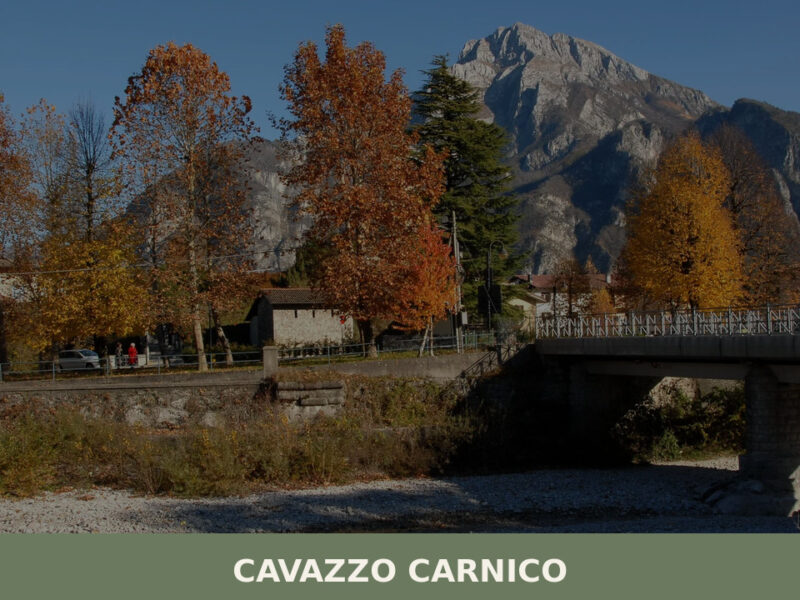
Cavazzo Carnico sits beside Friuli Venezia Giulia's largest natural lake, where Romanesque parish churches and Alpine trails converge in Carnia's quiet middle valleys.
Comeglians
Hills
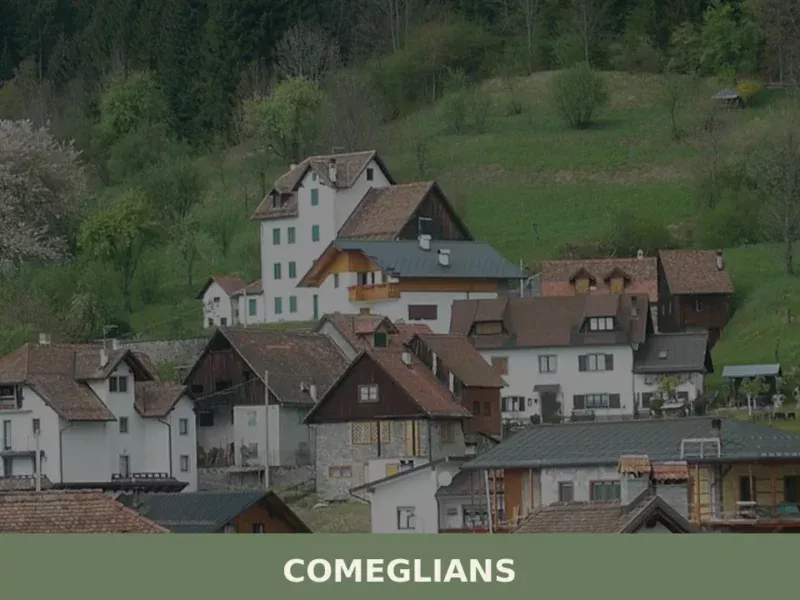
In the valley of the Degano torrent, along the road that climbs from Tolmezzo toward the Monte Croce Carnico pass, Comeglians marks a precise point on the map of Carnia: 553 metres above sea level, 533 inhabitants spread across the main village and the hamlets of Povolaro, Maranzanis, Tualis, and Calgaretto. The municipality is documented […]
Ampezzo
Hills
A documentary-style guide to Ampezzo in Carnia, covering its history, key attractions, Carnic cuisine, and how to reach this quiet alpine village in Friuli Venezia Giulia.
Andreis
Mountain
What to see in Andreis, a village of 242 residents in the Friulian Dolomites Park: attractions, local food, how to get there and when to visit.

🏡 Know Buttrio better than we do?
If you’re a local or have been there, your knowledge matters: add what’s missing or fix a detail on this page.