


Perosa Canavese
 Plains
Discover what to see in Perosa Canavese, a 495-inhabitant village in the Canavese area of Piemonte. History, food, travel tips and how to get there.
Discover Perosa Canavese
Perosa Canavese is a comune of 495 inhabitants in the Metropolitan City of Turin, sitting in the Canavese area of Piemonte — a territory that connects the Po plain to the foothills of the Alps. Small in scale but coherent in identity, it belongs to a district where medieval parish churches, rural estate economies, and glacier-fed drainage systems have defined local life for well over a thousand years. Visitors asking what to see in Perosa Canavese will find a place where the built environment and the agricultural landscape remain closely aligned, without the intervention of large-scale development.
History of Perosa Canavese
The Canavese region, of which Perosa Canavese is a part, takes its name from the Latin Canapicium, a term associated with hemp cultivation — a crop that defined the agricultural economy of the Piedmontese plain and its foothills for centuries. The local Piedmontese name for the village, Prosa, reflects the linguistic evolution typical of the area’s Franco-Provençal and Piedmontese dialect continuum. The village falls within the broader territory historically controlled by the House of Savoy, which consolidated its grip over the Canavese in the medieval period and shaped the administrative and ecclesiastical organisation of dozens of small communities across this corridor between the Alps and the Po.
The Canavese as a whole was a contested zone in the early medieval period, passing through Lombard, Frankish, and then Savoyard influence before settling into the feudal structures that persisted into the early modern era. Local comuni of this size typically came under the jurisdiction of noble families who answered to the counts — and later dukes — of Savoy, and their agricultural production, including cereals, hemp, and animal husbandry, fed into the broader regional economy centred on what would become Turin. The administrative reorganisation of Piedmont under Napoleonic rule in the early nineteenth century consolidated many of these small comuni into larger units before the Restoration returned a number of them to their individual status.
In the post-Unification period, the Canavese experienced the same demographic pressures as much of rural Piemonte: emigration toward industrial centres, particularly Turin, drew population away from agricultural villages throughout the late nineteenth and twentieth centuries. Perosa Canavese’s current population of 495 reflects this long-term contraction, common across the area’s smaller comuni. The village’s administrative continuity as part of the Metropolitan City of Turin — the successor to the historic Province of Turin — places it within a governance structure that links its roughly five hundred residents directly to one of northern Italy’s principal urban centres.
What to see in Perosa Canavese: 5 must-visit attractions
The Parish Church
Like the majority of Canavese comuni of comparable age and size, Perosa Canavese’s communal and religious life has historically centred on its parish church. Piedmontese rural churches of this area typically date their current fabric to Baroque reconstruction in the seventeenth or eighteenth century, overlaying earlier Romanesque foundations, with interior furnishings added across successive generations.
The Canavese Countryside and Agricultural Landscape
The open fields and moraine-influenced terrain surrounding Perosa Canavese are characteristic of the Canavese plain. The landscape here was shaped by glacial retreat and organised over centuries into a pattern of smallholdings, drainage channels, and tree lines that remains readable to a careful observer walking the rural tracks between villages.
The Historic Village Core
The compact historic centre preserves the scale and street pattern typical of a Piedmontese agricultural comune — narrow runs of stone and render buildings, courtyard farmsteads with external stairways, and small civic spaces that functioned as market and assembly points. The material palette is local: river stone, brick, and lime render.
The Foothills Approach to the Alps
From elevated points around the village, the view northward opens toward the pre-Alpine foothills that mark the beginning of the Valle d’Aosta approach. This visual relationship between the Canavese plain and the mountain wall above it is a defining geographical fact of every settlement in the district, readable from the village in clear conditions.
Proximity to the Canavese Road Network and Neighbouring Comuni
Perosa Canavese sits within a cluster of small villages that together constitute the living fabric of the lower Canavese. The neighbouring comune of Banchette lies within easy reach, and exploring this network of adjacent settlements on minor roads gives a more complete reading of the territory than any single site alone could provide.
Local food and typical products
The Canavese sits within one of Piemonte’s most coherent gastronomic zones. The cuisine here shares its foundations with the broader Piedmontese tradition: tajarin — the thin egg pasta cut in narrow ribbons — agnolotti del plin, slow-braised meats, and the liberal use of butter and local cheeses rather than the olive oil that dominates further south. Seasonal truffles, both the white truffle of the Alba area and the less celebrated but locally significant black varieties, appear in autumn dishes across the region. The Canavese also produces its own cheeses in the mountain and foothill dairies, and locally reared beef has long been central to the diet. For a wider regional context on Piedmontese food culture, the Regione Piemonte maintains resources on the area’s designated agricultural products.
Dining options in a village of Perosa Canavese’s size are limited to what local establishments and agriturismi in the surrounding area can provide. Visitors serious about eating well in the Canavese are advised to explore the broader district rather than expecting a concentration of restaurants within the village itself. The wine of the area pairs naturally with local food: Erbaluce di Caluso, a white wine produced under DOC designation within the Canavese, is grown on morainic hillsides very close to this zone and is the definitive local bottle to seek out.
Best time to visit Perosa Canavese
The Canavese has a continental climate tempered by Alpine proximity. Summers are warm and humid, with temperatures frequently reaching the low thirties Celsius on the plain, while the hill and foothill villages experience more moderate conditions. Winters bring cold and occasional snow, particularly from December through February. The most practical windows for a visit are late spring — April through June, when the agricultural landscape is in active growth and temperatures are manageable — and early autumn, from September through October, when the harvest season is under way and the wider Piedmontese food and wine calendar is at its most active. The truffle fairs of the broader Alba and Asti area, while not local to Perosa Canavese itself, draw visitors to Piemonte in October and November and provide a useful frame for combining a rural Canavese visit with wider regional travel.
Local religious and civic festivals in small Canavese comuni typically coincide with the feast days of their patron saints and with the agricultural calendar. These events are modest in scale — a village of under five hundred residents does not produce large-scale public events — but they offer a direct view of how community life organises itself in this part of Piemonte. For current local event listings across the metropolitan area, the Città Metropolitana di Torino maintains an official information portal.
How to get to Perosa Canavese
Perosa Canavese lies within the Metropolitan City of Turin, placing it in a well-connected administrative zone even if the village itself is small. The following reference points give a practical orientation:
- By car from Turin: The A5 motorway (Turin–Aosta) serves the Canavese corridor. Perosa Canavese is accessible via the state and provincial road network north-east of Turin, at roughly 30–40 kilometres from the city centre depending on the route taken.
- By train: The Canavese rail network, including the historic Canavesana line operated by GTT (Gruppo Torinese Trasporti), connects smaller Canavese comuni to Turin. Travellers should verify current service on the GTT official website, as schedules and stops vary by season.
- By air: Turin Airport (Caselle Torinese, IATA: TRN) is the nearest international airport, located approximately 25–30 kilometres from the Canavese zone. The airport sits at Caselle Torinese, itself in the Canavese plain, making it a straightforward starting point for car hire and onward travel.
- From Milan: Milan is approximately 120 kilometres from Turin by motorway (A4/A26 connection), making a day-trip combination feasible but more practical as part of a multi-day Piedmontese itinerary.
Where to stay in Perosa Canavese
A village of 495 residents does not sustain a hotel infrastructure of its own. Visitors who want to use Perosa Canavese as a base for exploring the Canavese territory will find the most practical accommodation options in nearby larger centres, or in the agriturismi scattered across the surrounding countryside. Farm-stay accommodation in this part of Piemonte typically offers rooms within working or semi-working agricultural properties, providing a direct connection to the landscape and often including locally produced food at mealtimes. Holiday home and apartment rental platforms list properties across the Canavese for those who prefer self-catering.
For those willing to base themselves slightly further afield, Turin itself offers the full range of accommodation from international hotels to small family-run guesthouses, with reliable rail and road access to the Canavese for day visits. Booking accommodation in this zone during the October–November truffle and harvest season requires earlier planning than at other times of year, as the wider regional draw of Piedmontese food tourism increases demand across the entire province.
More villages to discover in Piemonte
The Canavese is one section of a much larger Piedmontese landscape that repays methodical exploration. To the south-east, the wine towns of the Monferrato and Langhe areas represent a contrasting face of the same region: Asti stands as one of Piemonte’s most significant historic centres, its medieval tower houses and Palio tradition placing it in a different register entirely from the quieter Canavese plain. The distance between these two territories — roughly 80 kilometres by road — is short enough to include both in a single regional itinerary.
Closer to home, the Po corridor east of Turin offers its own set of smaller comuni worth attention. Monteu da Po is one such settlement along the river’s right bank, positioned within the archaeological and historical landscape that the Po has generated across millennia of human settlement. Together, these villages — each modest in population, each carrying a specific and legible history — build a picture of Piemonte that no single site, however well-known, can provide on its own.
Frequently asked questions about Perosa Canavese
When is the best time to visit Perosa Canavese?
September is ideal, coinciding with the Feast of the Nativity of Mary (Natività di Maria Vergine) on September 8th, the village's patron saint celebration. The Canavese region enjoys a temperate continental climate; late spring and early autumn offer pleasant weather for exploring the agricultural landscape and countryside. Summer can be warm, while winters are mild due to the plain's elevation of 265 metres.
How do I reach Perosa Canavese by car from Turin?
Perosa Canavese is located in the Metropolitan City of Turin, approximately 40-50 kilometres north in the Canavese area. From Turin, take the A5 motorway toward Aosta or follow regional routes through the Po plain toward the foothills. The journey typically takes 45-60 minutes. The village sits in a rural zone with direct road access, though public parking options are limited; enquire locally upon arrival.
What is the significance of the name 'Canavese'?
The Canavese region derives its name from the Latin 'Canapicium,' referring to hemp cultivation. Hemp was a dominant agricultural crop throughout the Piedmontese plain and foothills for centuries, shaping the local economy and landscape. The local Piedmontese dialect name for the village, Prosa, reflects the Franco-Provençal and Piedmontese linguistic heritage characteristic of this historic border region.
How long should I plan to spend visiting Perosa Canavese?
A half-day visit is sufficient to appreciate the village's compact scale and coherent rural character. The settlement is intimate, with approximately 499 inhabitants, and lacks large-scale attractions. Plan 2-4 hours to explore the built environment, parish churches, and surrounding agricultural landscape. Combining it with nearby Canavese villages or the foothills creates a fuller regional experience.
Are there medieval churches to visit in Perosa Canavese?
Yes. Medieval parish churches are significant architectural features throughout the Canavese district, including Perosa Canavese. These structures reflect over a thousand years of continuous settlement and are integral to the local heritage. Specific opening hours should be confirmed with local tourist information. The Church of the Nativity of Mary serves as the spiritual centre and patron saint focal point for the community.
In Piedmont More villages to discover
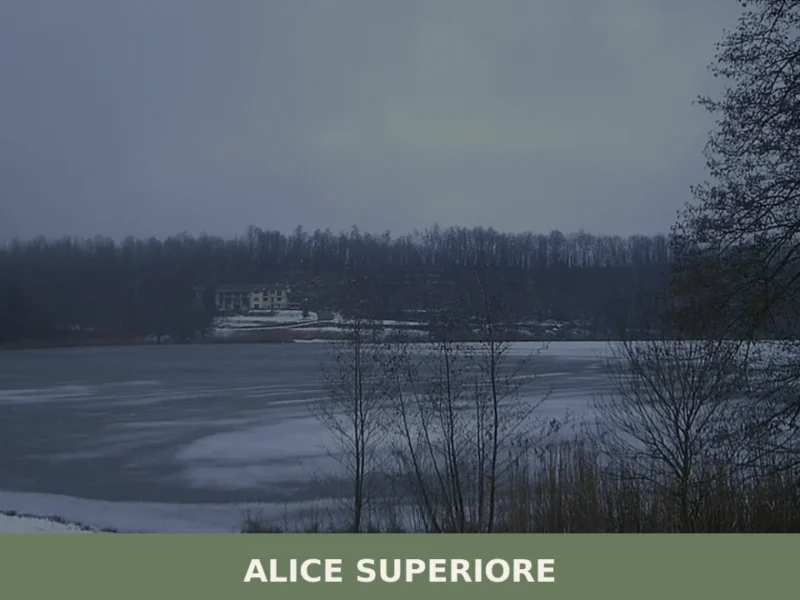
Alice Superiore
 Mountain
Alice Superiore sits at 610 metres above sea level in the Chiusella Valley, a lateral branch of the Canavese district within the Metropolitan City of Torino. Home to 711 inhabitants, the village occupies a stretch of sloping terrain where chestnut woods give way to Alpine pasture. For anyone researching what to see in Alice Superiore, […]
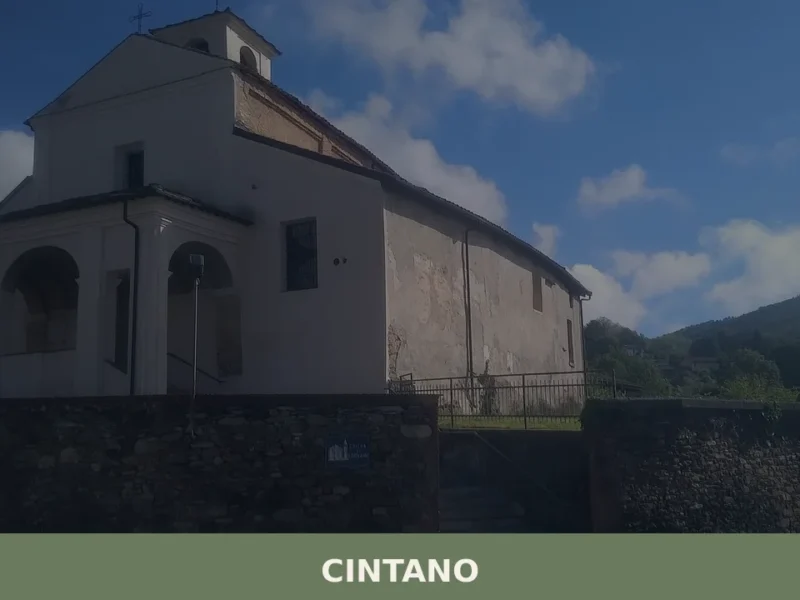
Cintano
Mountain
Scopri Cintano, un affascinante borgo del Piemonte ricco di storia, natura e tradizioni. Lasciati conquistare dalla sua bellezza autentica!

Pomaretto
Mountain
Discover what to see in Pomaretto, a 937-inhabitant Waldensian village in the Val Chisone near Torino — history, food, travel tips and local culture.
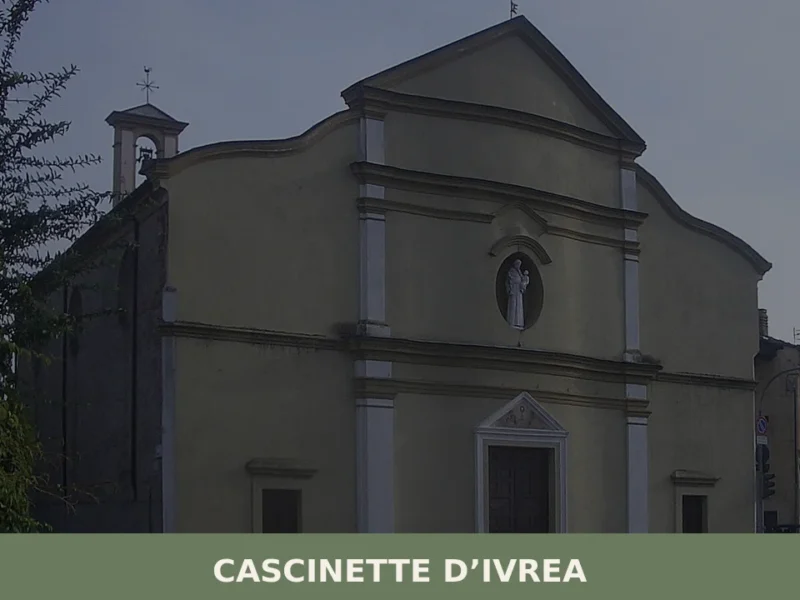
Cascinette d’Ivrea
 Hills
Hills
Scopri Cascinette d'Ivrea, un incantevole borgo piemontese ricco di storia e paesaggi mozzafiato. Tutto quello che devi sapere su questo gioiello d'Italia.

Beinasco
Plains
Beinasco traces its roots to a Roman frontier post. Discover how this small town survived plague, warfare and transformation to anchor modern metropolitan Turin.

Pralormo
Hills
Population 1,852. A hilltop comune marked by its 13th-century castle, a 1930s parish church sheltering Renaissance art, and a medieval tower that once guarded Asti's trade routes.

Brandizzo
Plains
A plains settlement shaped by centuries of feudal rule and 20th-century industry. Discover baroque architecture, carnival traditions, and the Po river landscape.
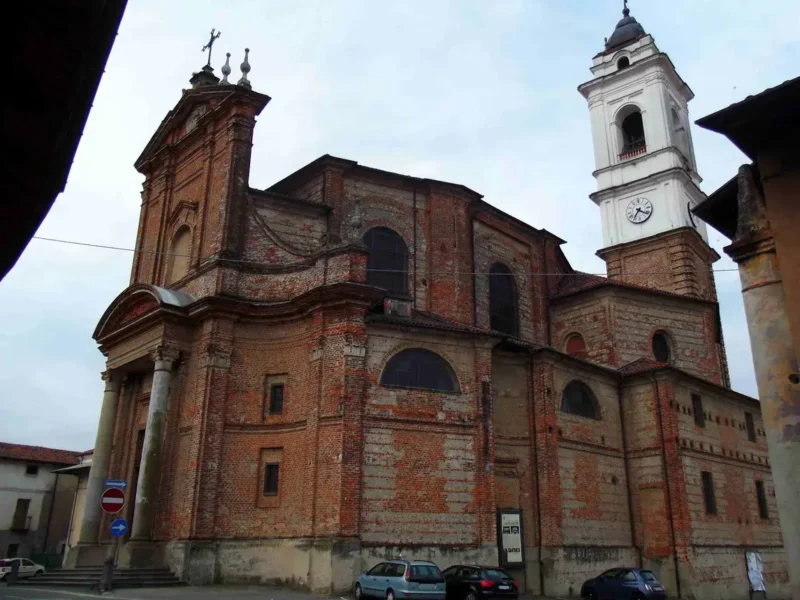
Foglizzo
Plains
Scopri Foglizzo, affascinante borgo del Piemonte ricco di storia, tradizioni e paesaggi mozzafiato. Una meta imperdibile per chi ama l'Italia autentica.
Ronco Canavese
Mountain
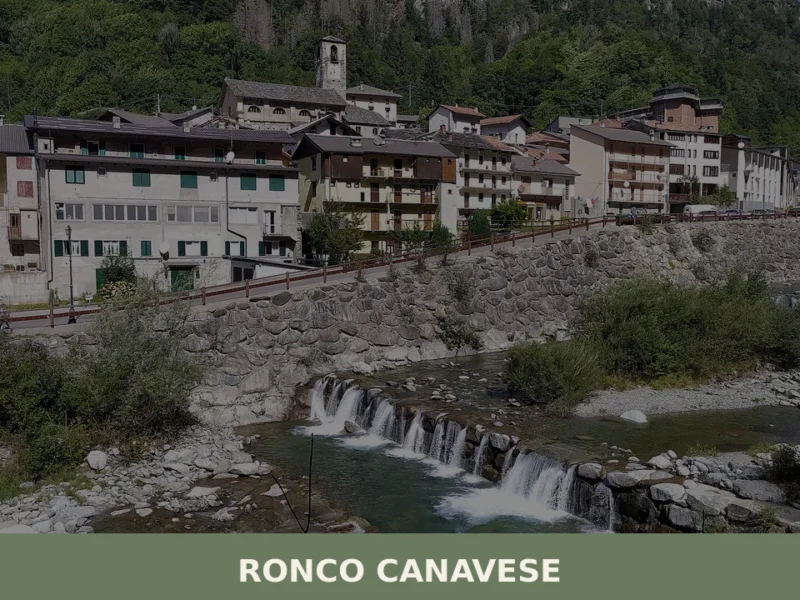
Ronco Canavese is home to approximately 380 inhabitants and serves as the principal reference point for the Valle Soana, a lateral valley that extends northward from the Gran Paradiso massif within the metropolitan area of Turin. Knowing what to see in Ronco Canavese requires understanding its role not as a transit point but as the […]

Montà
Hills
4 distinct hamlets, one medieval castle and over 35 km of trails make Montà a rewarding base for exploring the Roero hills of Cuneo province.


🏡 Know Perosa Canavese better than we do?
If you’re a local or have been there, your knowledge matters: add what’s missing or fix a detail on this page.