


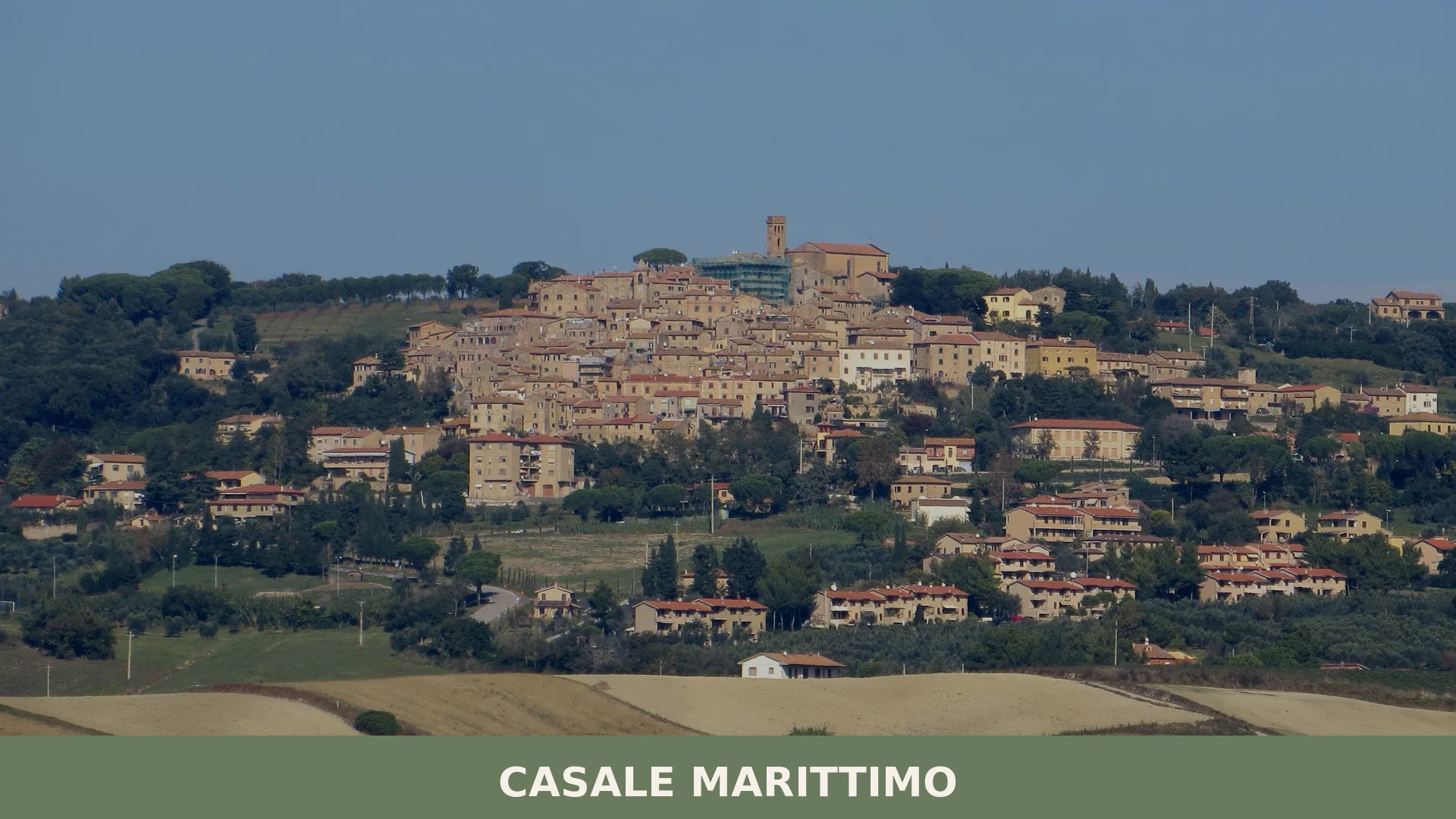
Casale Marittimo
 Hills
Hills
Home to around 1,073 residents, Casale Marittimo offers Etruscan archaeology, medieval architecture and the flavours of the Pisan Maremma in a compact hilltop setting.
Casale Marittimo: an Etruscan Hill Village Above the Val di Cecina
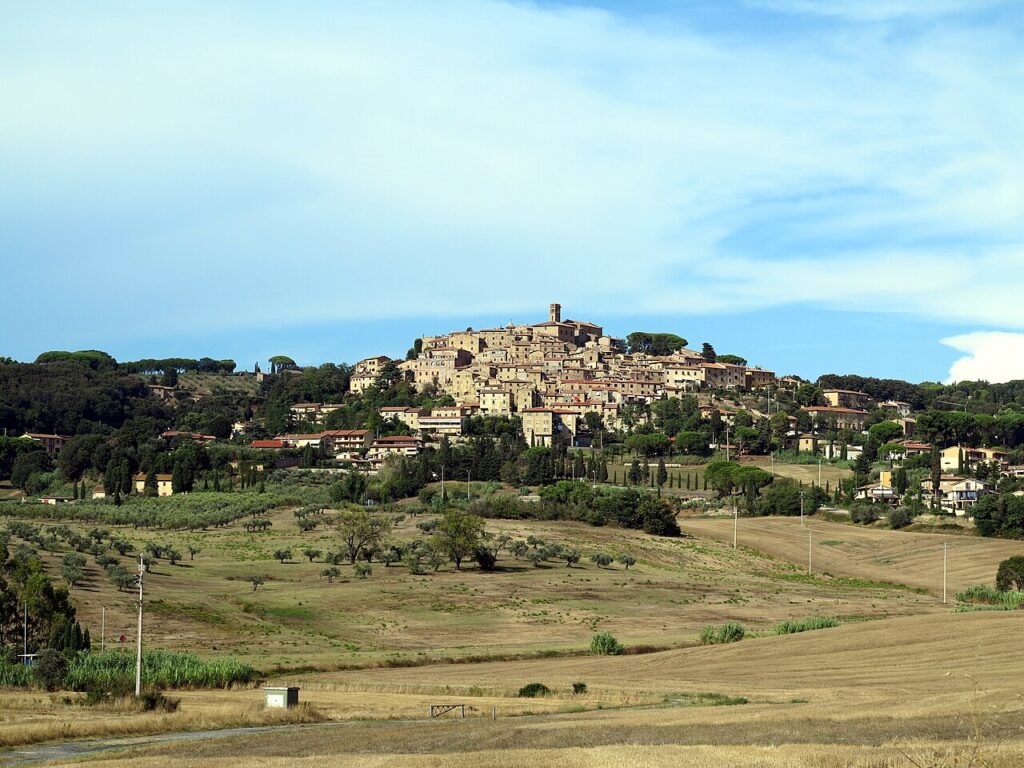
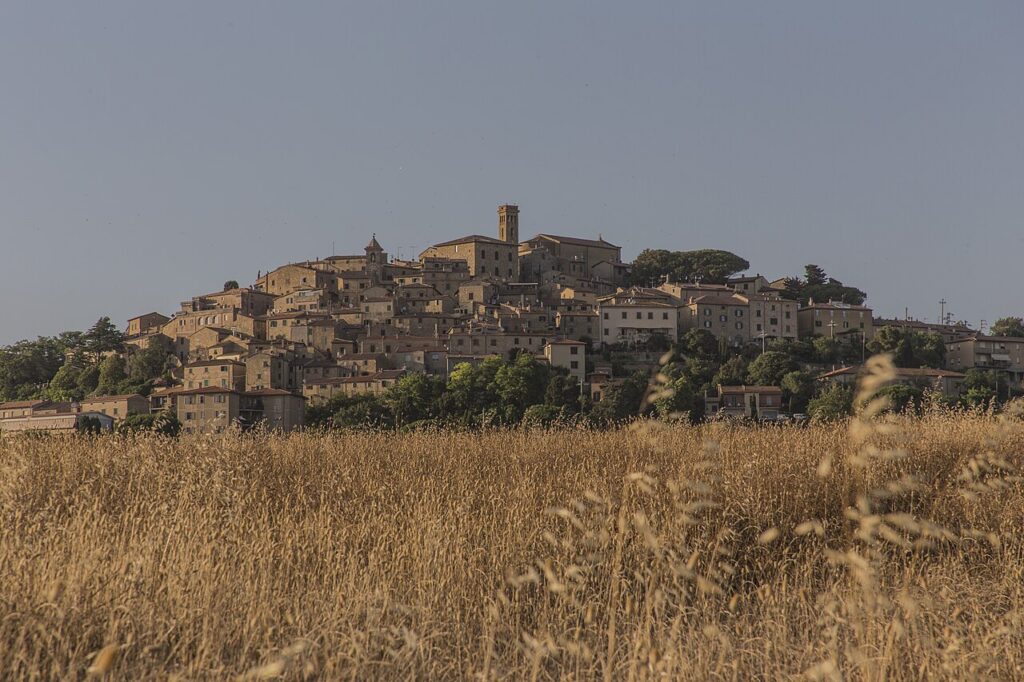
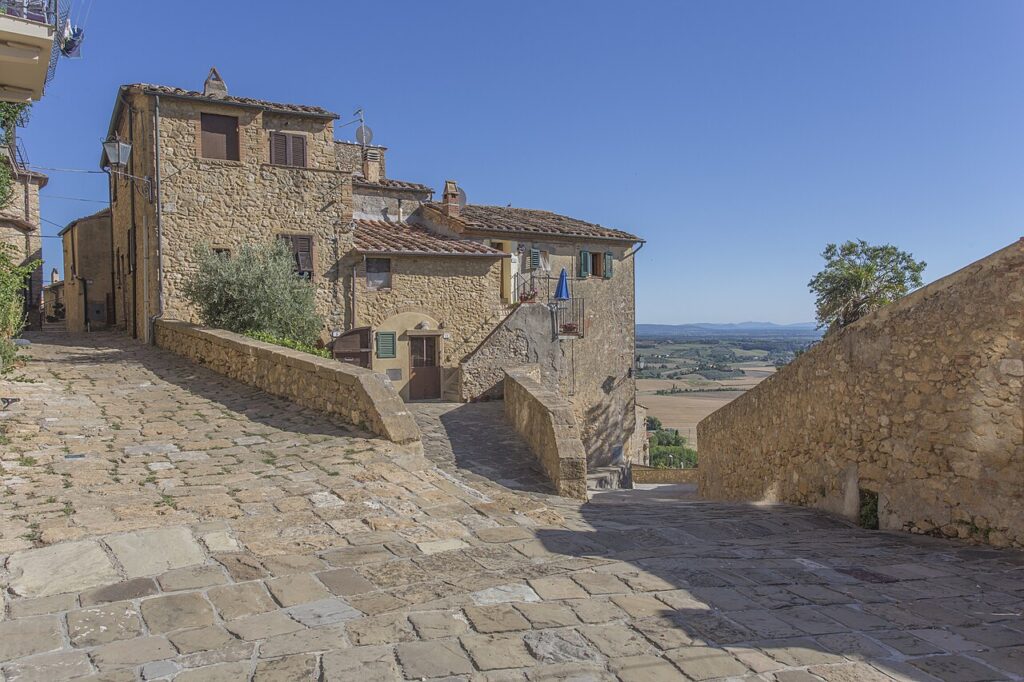
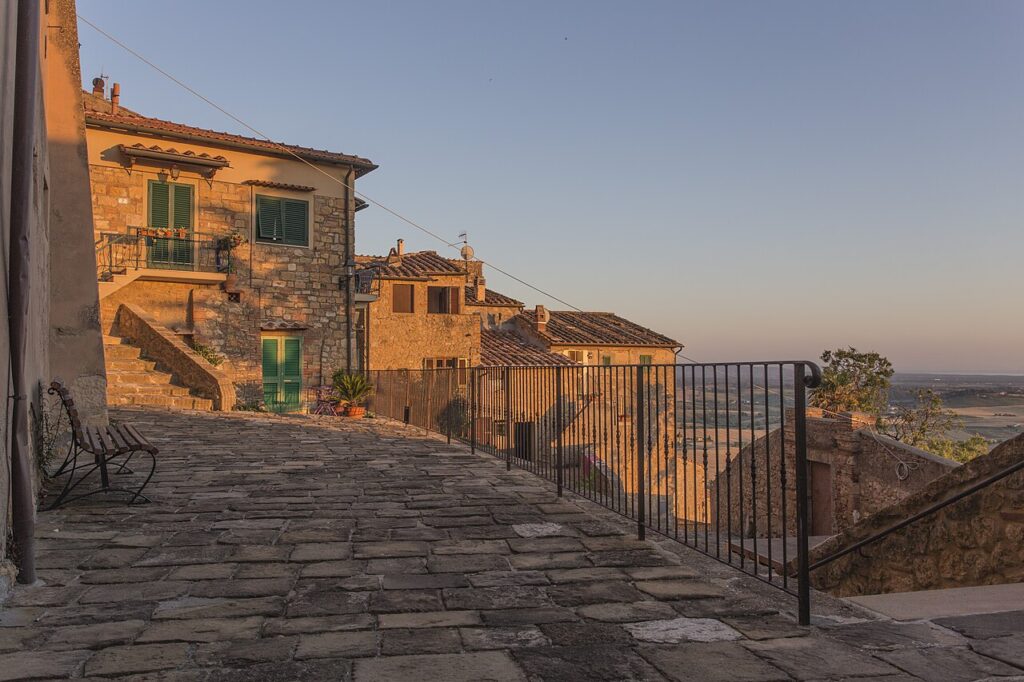
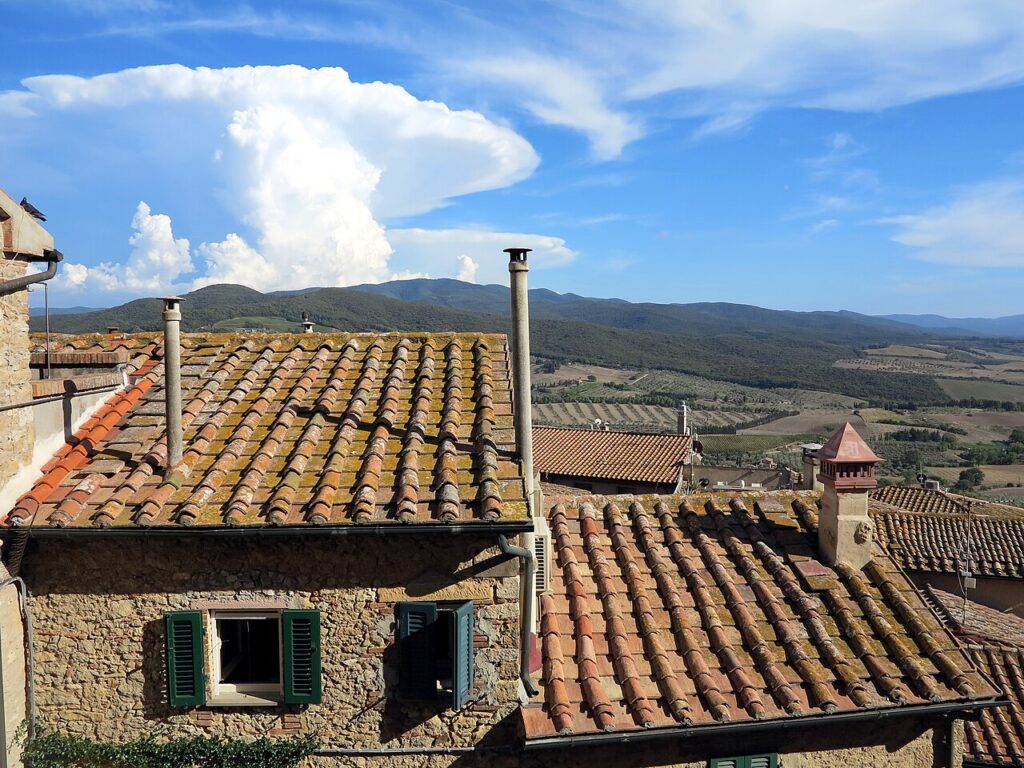
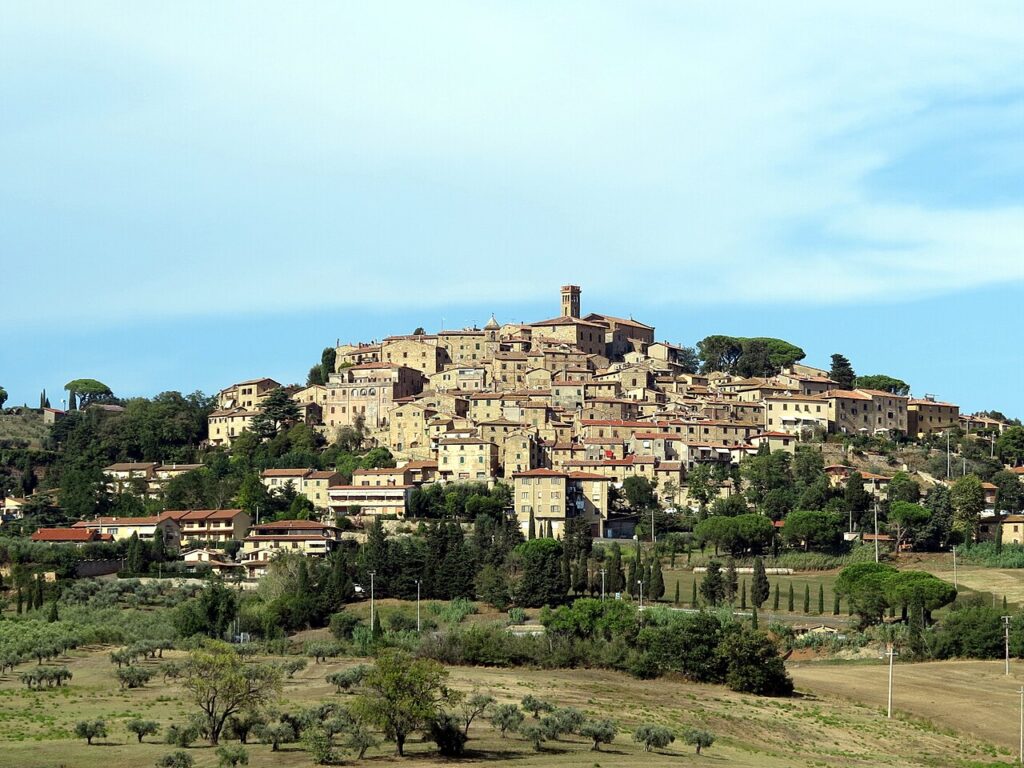
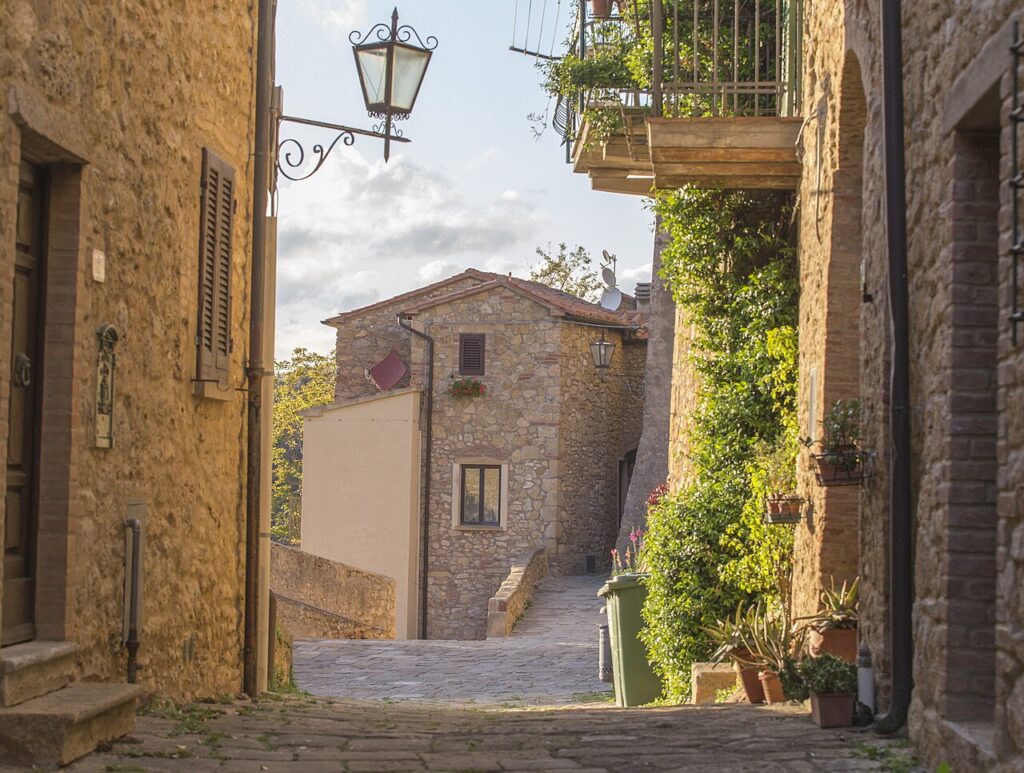
Stone walls the colour of warm ash, a single main square framed by low medieval facades, and a coastal light that arrives from the west long before any view of the sea appears — this is what strikes a visitor to Casale Marittimo before anything else. The village sits at around 214 metres above sea level on a ridge that divides the inland hills of the Pisan Maremma from the Tyrrhenian plain, and its compact profile has changed very little over the centuries.
Casale Marittimo village in Tuscany draws two distinct kinds of traveller: those following the Etruscan traces buried beneath its fields, and those who simply want the experience of a small, functioning commune where the piazza still belongs to the residents. With roughly 1,1073 inhabitants and a surface area of about 14.32 square kilometres, it belongs to the province of Pisa and sits within the broader landscape of the Val di Cecina, a valley that runs from the Metalliferous Hills toward the sea.
From Etruscan Settlement to the Kingdom of Italy
Long before any medieval tower rose on this ridge, the land around Casale Marittimo was already settled. Archaeological excavations within the municipal territory have uncovered a tomb built in the tholos style — a corbelled, dome-shaped burial chamber — dating to around the fifth century BC. The finds from this tomb are now held at the Museo Archeologico in Florence. Traces of Roman-era villas have also been identified in the surrounding fields, suggesting continuous occupation of this fertile corridor between the hills and the coast.
The medieval phase brought the village under the authority of the counts of the Gherardesca, a powerful Tuscan family who controlled much of the southern Pisan hinterland. Casale Marittimo appears in documented sources from around 1004, already described as a fortified settlement. In 1406 it passed under Florentine jurisdiction and followed the political fortunes of that republic and its successor states. During the late seventeenth century it was granted as a feudal holding to the Ridolfi family, and in the early eighteenth century it was incorporated into the marchesate of Riparbella.
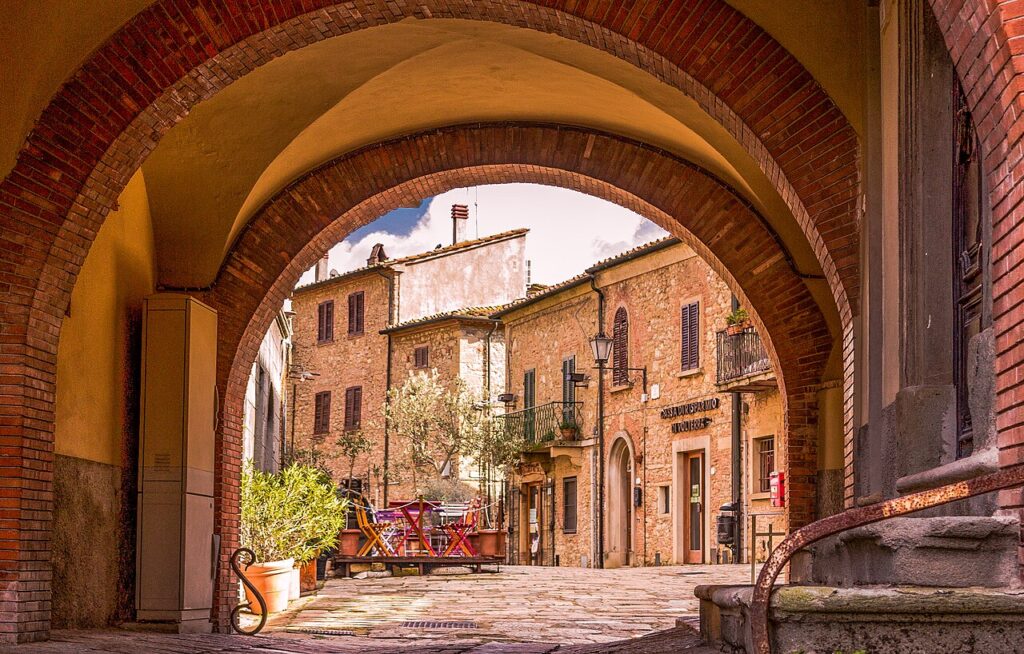
The clearest measure of the village’s political temperature in the modern era comes from a single recorded moment: at the plebiscite of 1860 on annexation to the Kingdom of Sardinia, 320 voters cast their ballots, and only one voted against. The result was as decisive as it was telling. The village’s official name shifted more than once across the nineteenth century — from Casale nelle Maremme to Casale di Val di Cecina — before settling into its current form at the turn of the twentieth century. In late 2021, a philatelic ceremony marked 121 years of the name Casale Marittimo, with a commemorative postcard depicting Piazza del Popolo as seen through the Arco Cancellieri.
The Places That Define the Village
Piazza del Popolo and the Arco Cancellieri
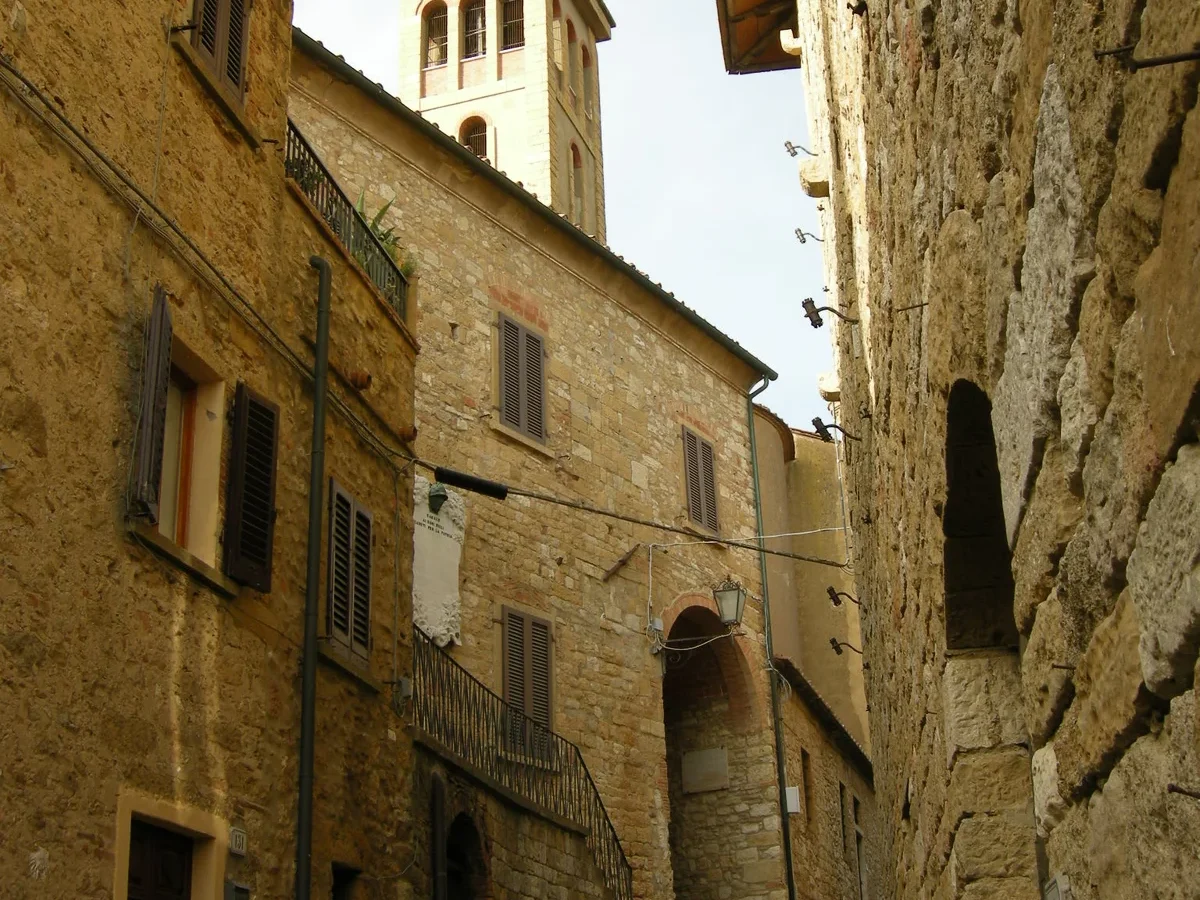
The social and visual centre of Casale Marittimo, Piazza del Popolo is a modest space that functions as the village’s true gathering point. Its proportions are human rather than monumental. The Arco Cancellieri — a stone arch that frames one of the square’s access points — takes its name from one of the historic families of the village, and it served as the viewpoint for the commemorative postcard issued in 2021. Arriving through it on foot gives a compressed, immediate sense of how the old settlement was organised within its defensive perimeter.
Chiesa di Sant’Andrea
The parish church dedicated to Sant’Andrea is the spiritual anchor of the community and the site of the village’s main annual celebration, held on 30 November. The building stands within the historic core and reflects the modest architectural tradition of rural Pisan churches. Its interior holds the accumulated devotional memory of generations of casalesi. As a functioning parish rather than a museum piece, it remains open for worship and offers visitors a quiet interior during the hours between services.
Cappella della Madonna delle Grazie
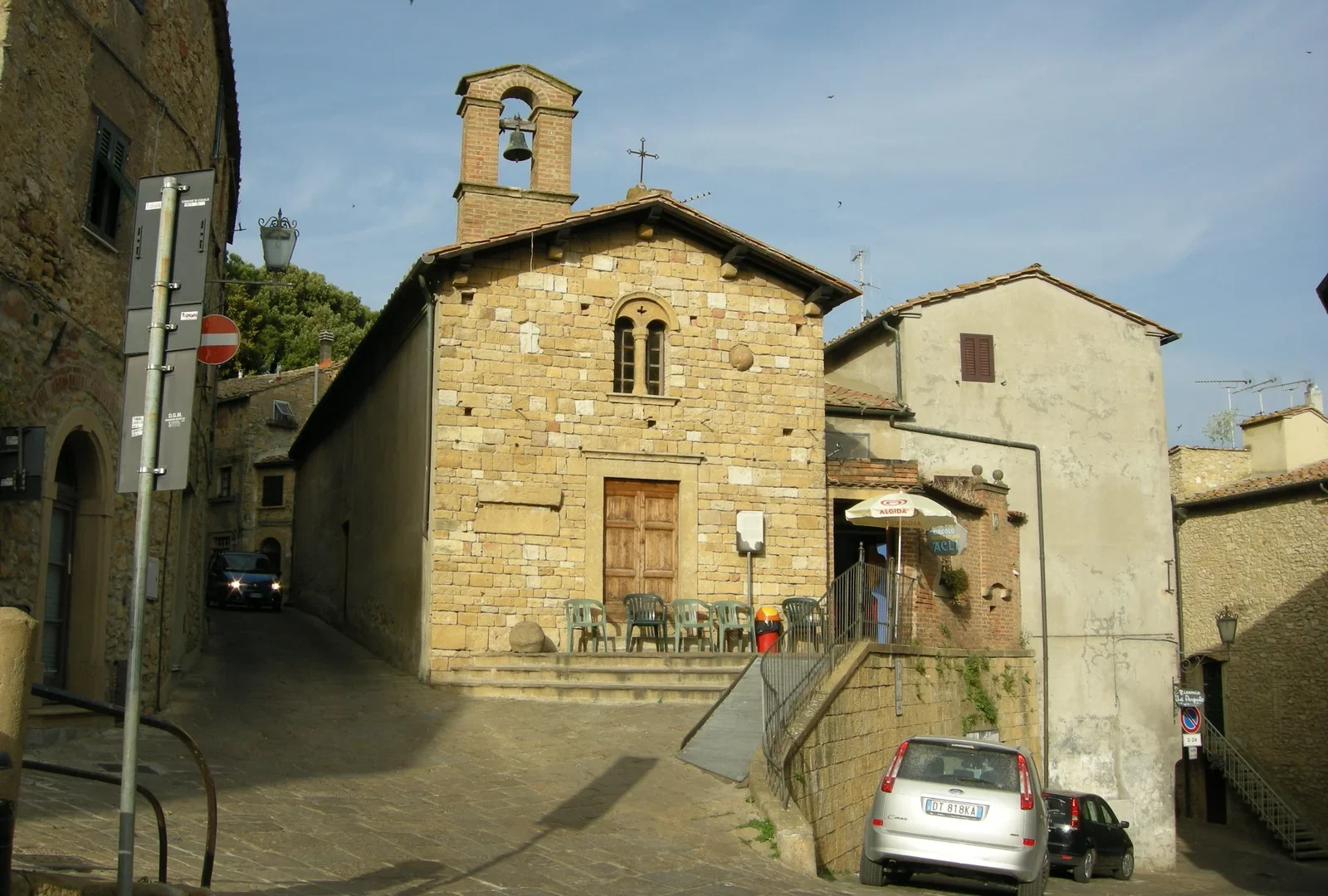
Smaller in scale than the parish church, the Cappella della Madonna delle Grazie represents the kind of votive architecture found throughout the Tuscan countryside — a building erected not by civic ambition but by local devotion. Its modest exterior gives no immediate clue to the care with which it has been maintained by the community. The chapel sits within the village’s religious geography alongside the two other places of worship, forming a triangle of sacred spaces that a visitor can cover on a short walk through the historic centre.
Oratorio di San Sebastiano
The oratory dedicated to San Sebastiano completes the set of documented religious buildings within the municipality. Oratories of this type were typically associated with local confraternities and served functions that combined devotion with mutual aid. The building contributes to the layered texture of the historic village, where three distinct religious structures — each with its own patron and liturgical identity — exist within close walking distance of one another, a density that reflects the intense local religious life of past centuries rather than the size of any single institution.
Teatro Comunale
Casale Marittimo maintains a small municipal theatre on Via Roma with a capacity of around 80 seats. The current structure dates in its present form to a late twentieth-century renovation, which transformed the original nineteenth-century building into a multipurpose cultural hall. It no longer preserves the architectural fabric of its earlier incarnation, but it continues to serve as a venue for local cultural events, keeping alive a tradition of public gathering that the village has sustained for well over a century.
The Flavours of the Pisan Maremma
Casale Marittimo sits within an agricultural landscape shaped by centuries of mixed farming — grain, olives, livestock and the vine. The broader area of the Val di Cecina and the Pisan province contributes to a food culture built around cured meats, legumes, unsalted bread and locally pressed olive oil. Products such as Finocchiona IGP and Pane Toscano DOP belong to the regional tradition that visitors will encounter in local shops and markets. The surrounding territory also falls within wine denominations including Montescudaio DOC and the broader Costa Toscana IGT, making the hills around the village productive ground for those interested in Tuscan viticulture.
The village itself does not host large-scale food events, but the rhythm of seasonal produce — wild herbs in spring, cured meats in winter — runs through daily life in ways that a short stay makes visible. Travellers who stop in the local bar or speak to residents will find a food culture that is practical, rooted and unperformed.
Planning your visit and getting there
Casale Marittimo can be reached using the practical reference points below. Distances and journey times are kept concise so the access information stays clear and consistent.
| Departure | Distance | Time |
|---|---|---|
| Pisa | approx. 60 km | approx. 55 min |
| Firenze | approx. 75 km | approx. 1h 10 min |
| Livorno | approx. 45 km | approx. 45 min |
These practical reference points are enough to plan the journey without overloading the text with unstable logistics. Once on site, the village is best understood slowly, on foot and in relation to the surrounding landscape.
Frequently asked questions about Casale Marittimo
How do you get to Casale Marittimo by car or public transport?
By car, take the A12 motorway and exit at Rosignano Marittimo, then follow the SS1 Aurelia south before turning inland toward Casale Marittimo — the total drive from the exit is roughly 20 kilometres. The nearest railway station is Cecina, on the Pisa–Livorno–Grosseto coastal line, served by Trenitalia regional trains. From Cecina, local buses operated by CTT Nord connect to the Val di Cecina villages, though services are infrequent, so a hire car is strongly recommended.
When is the best time to visit Casale Marittimo?
Late spring (May–June) and early autumn (September–October) offer mild temperatures ideal for exploring the ridge and surrounding countryside. The patron saint feast of Sant'Andrea falls on 30 November, bringing a modest but authentic local celebration to the village square. Summer draws visitors to the nearby Tyrrhenian coast, making the hilltop noticeably quieter and cooler than the beaches below. Winter is peaceful and uncrowded, suitable for visitors interested in the Etruscan archaeological heritage rather than outdoor walking.
Are there documented hiking or cycling routes near Casale Marittimo?
The Val di Cecina territory is crossed by several CAI-marked trails connecting inland ridges to the coast. The Alta Via della Toscana and local itineraries promoted by the Unione dei Comuni della Val di Cecina pass through the surrounding countryside. The area is also suitable for gravel cycling, with quiet rural roads linking Casale Marittimo to neighbouring communes such as Guardistallo and Montescudaio. Detailed trail maps are available at the Unione dei Comuni offices in Cecina or through regional tourism portals like visittuscany.com.
How long should you plan for a visit, and is parking available?
The historic centre is compact and can be explored comfortably on foot in one to two hours. Free parking areas are available on the perimeter of the village, as the medieval centre has restricted vehicle access typical of Tuscan hill settlements. Combining Casale Marittimo with nearby Guardistallo, Montescudaio, or a short drive to the Cecina coast makes for a full day excursion. No advance booking or entrance fee is required to walk the village streets.
What accommodation options exist in and around Casale Marittimo?
Given the village's small size of roughly 1,073 inhabitants, accommodation consists mainly of agriturismos and rural B&Bs scattered across the surrounding countryside rather than hotels within the centre itself. The broader Val di Cecina area, including the nearby towns of Cecina and Casale Marittimo's immediate territory, offers several agriturismo properties featuring local wine and olive oil production. Booking platforms such as Agriturismo.it list verified properties in the municipality. For a wider hotel selection, Cecina and the coastal strip are approximately 20 kilometres away.
📷 Photo Gallery — Casale Marittimo
In Tuscany More villages to discover
Campi Bisenzio
 Plains
What to see in Campi Bisenzio, Italy: 43,580 inhabitants, 10 km from Florence. Discover the birthplace of the internal combustion engine, Renaissance art and more.
Pisa
 Sea
Sea
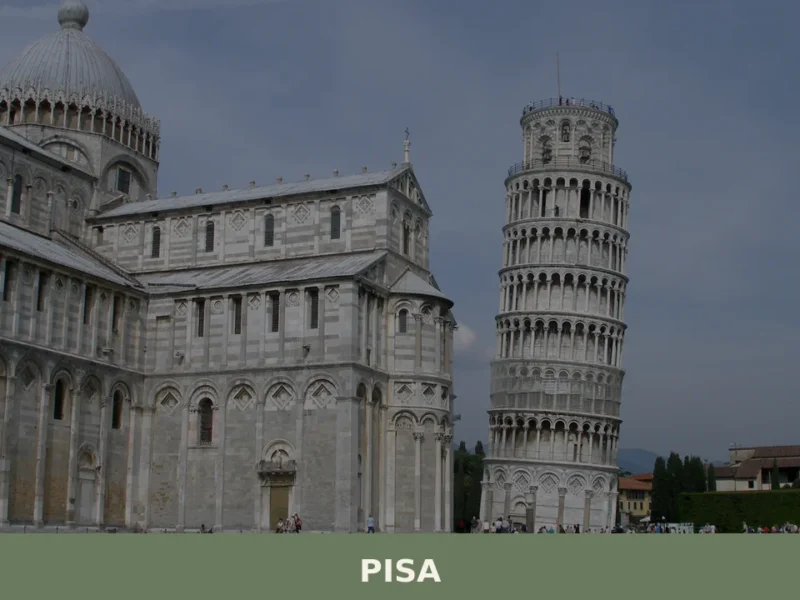
What to see in Pisa: Leaning Tower, UNESCO Piazza dei Miracoli, Regata di San Ranieri on 17 June — city of 86,263. Plan your visit with our complete guide.
Barga
Hills
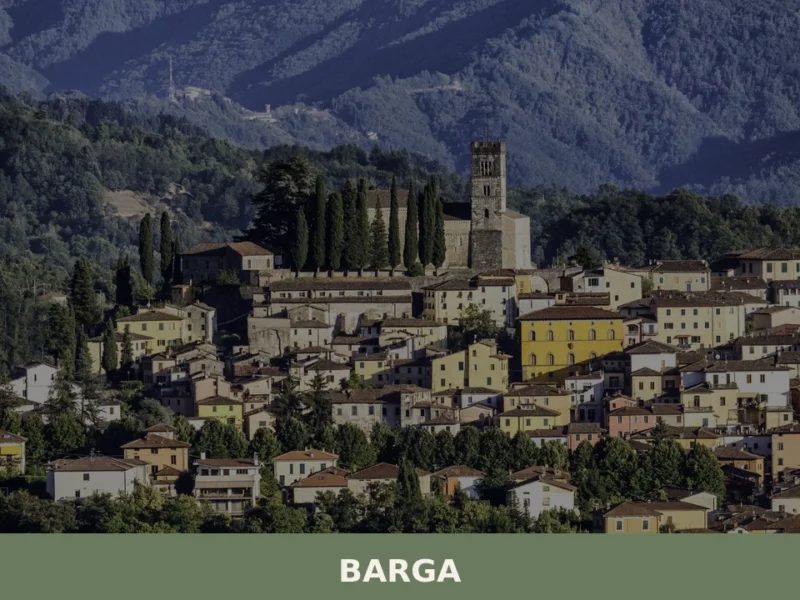
what to see a Barga, village toscano a 410 m s.l.m.: Duomo di San Cristoforo, Teatro dei Differenti, cuisine della Garfagnana. guide pratica con consigli su quando andare e how to get there.
Barberino di Mugello
Hills
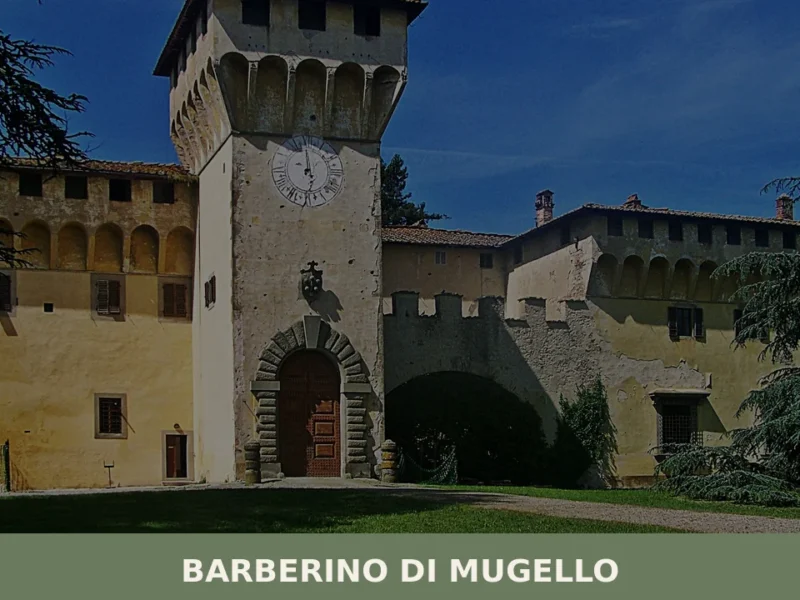
What to see in Barberino di Mugello, Italy: explore the Villa Medici of Cafaggiolo, local food traditions, and a town of 10,751 inhabitants. Discover the full guide.
Tresana
Plains
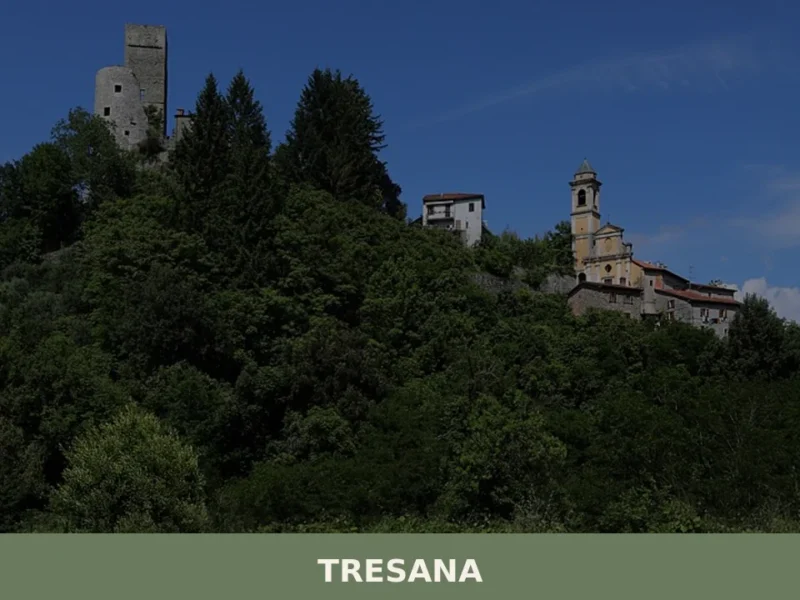
Standing at 112 metres above sea level, in the valley floor where the Osca stream flows into the River Magra, Tresana is a scattered municipality in the province of Massa and Carrara, made up of over thirty hamlets spread between the plain and the surrounding hills. With a population of 2,071, it is one of […]
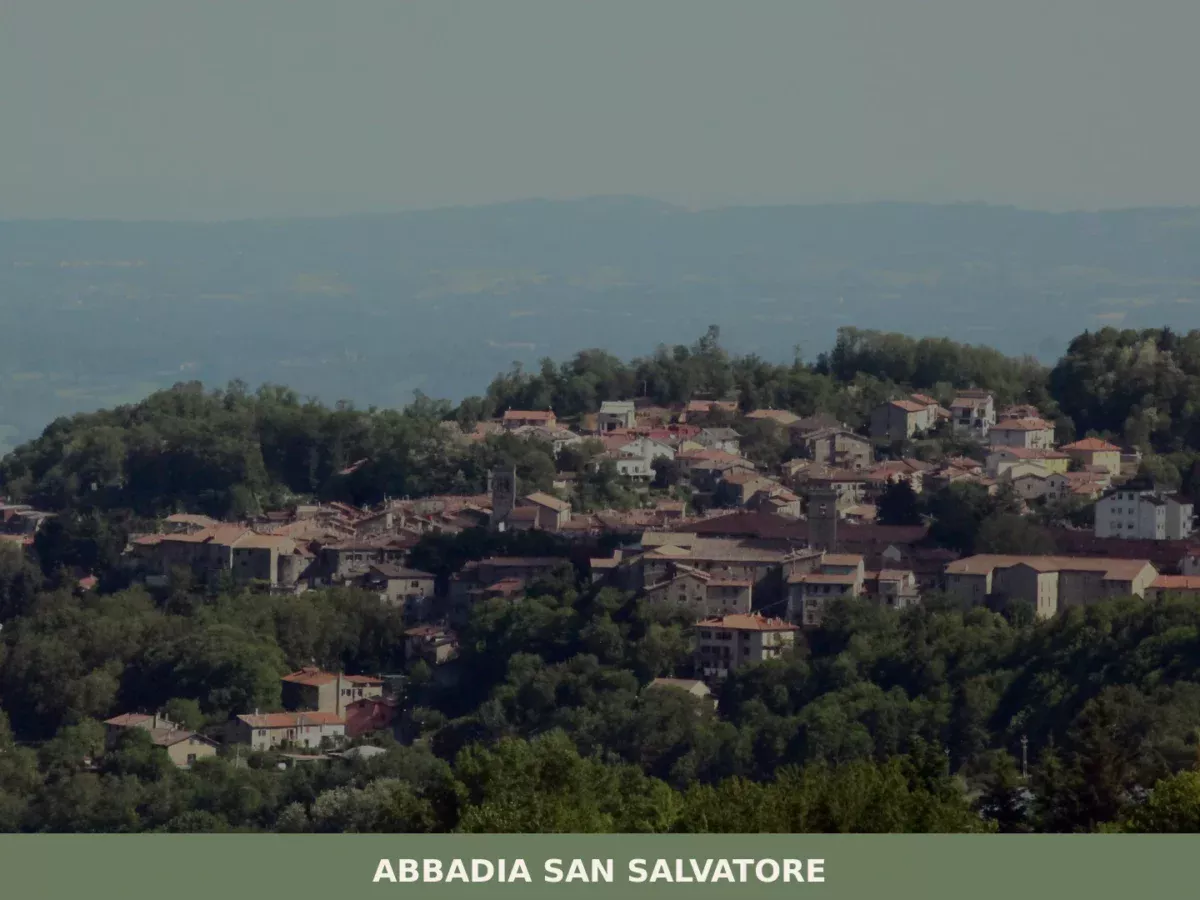
Abbadia San Salvatore
 Mountain
Discover what to see in Abbadia San Salvatore: the Lombard abbey, medieval borgo, mercury mining museum and Monte Amiata. Practical travel guide for Siena province.
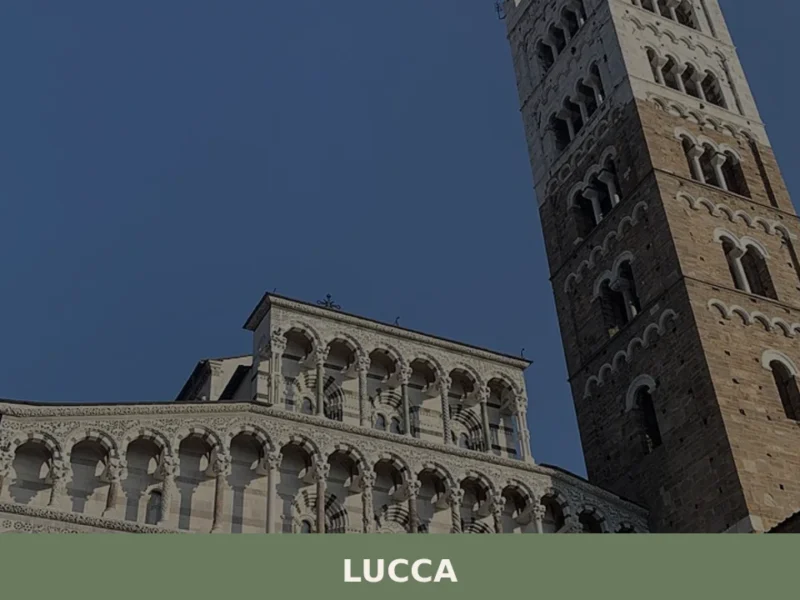
Lucca
Plains
Discover Lucca, Tuscany's enchanting walled village in Italy. Explore medieval streets, stunning architecture, and rich culture in this timeless Italian treasure.
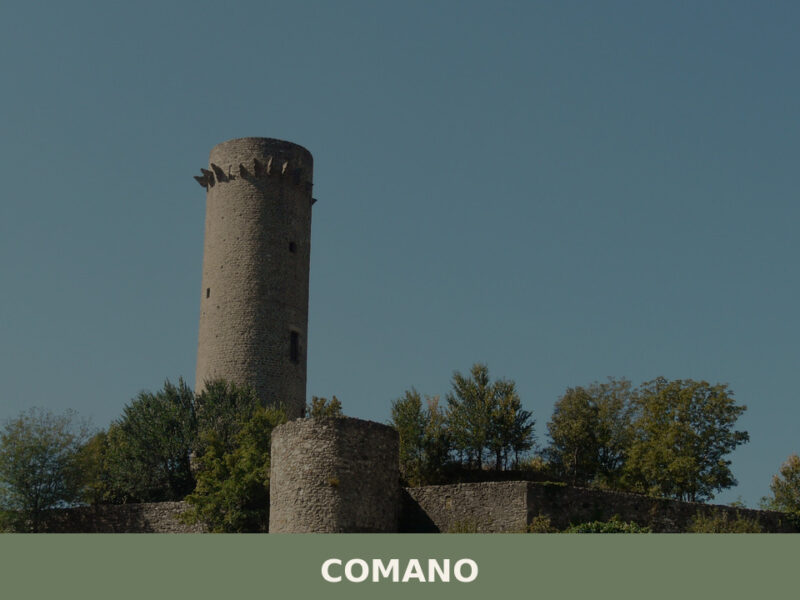
Comano
Hills
Morning fog lifts slowly from the Taverone valley, revealing stone walls the colour of weathered bone. A church bell marks the hour — its echo rolls across chestnut groves before dissolving into silence. Comano sits in the upper Lunigiana, a commune of scattered hamlets across the hills of Massa e Carrara province, home to just […]
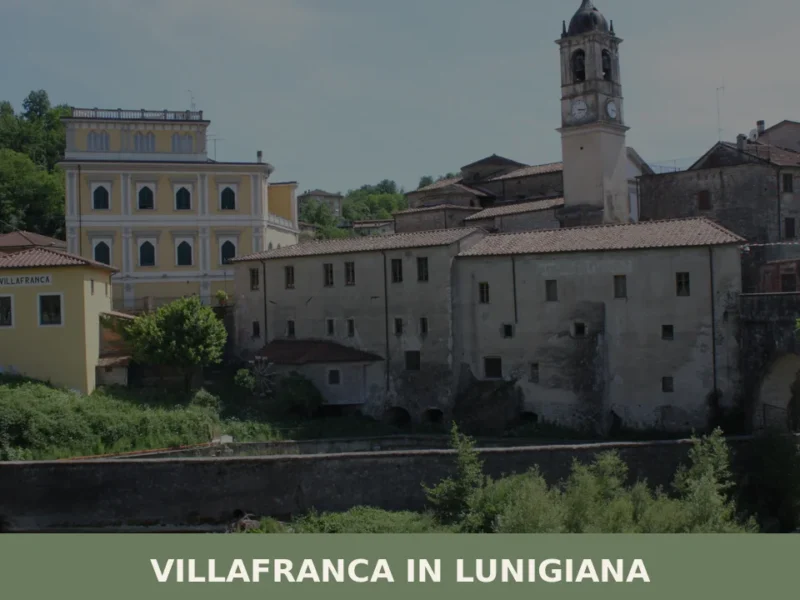
Villafranca in Lunigiana
Plains
What to see in Villafranca in Lunigiana: explore the Via Francigena, medieval churches and local cuisine in Toscana, Italy. Population 4,803. Discover it now.
Careggine
Mountain
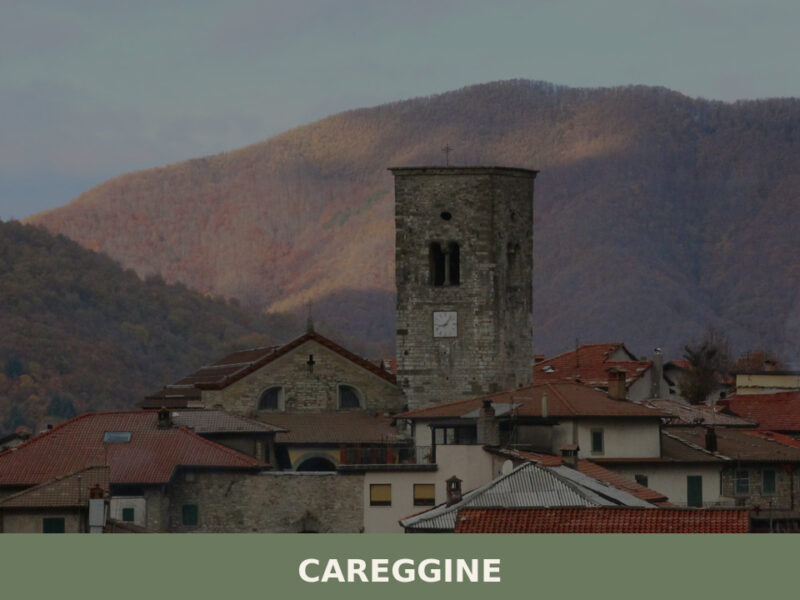
Morning fog lifts from the Apuan Alps in slow, pale sheets, revealing a scatter of stone houses along a ridgeline above the Garfagnana valley. A church bell marks seven o’clock — the sound carries far in this thin, mountain air, reaching nobody in particular. With only 585 inhabitants, Careggine keeps its own unhurried tempo. Understanding […]

🏡 Know Casale Marittimo better than we do?
If you’re a local or have been there, your knowledge matters: add what’s missing or fix a detail on this page.